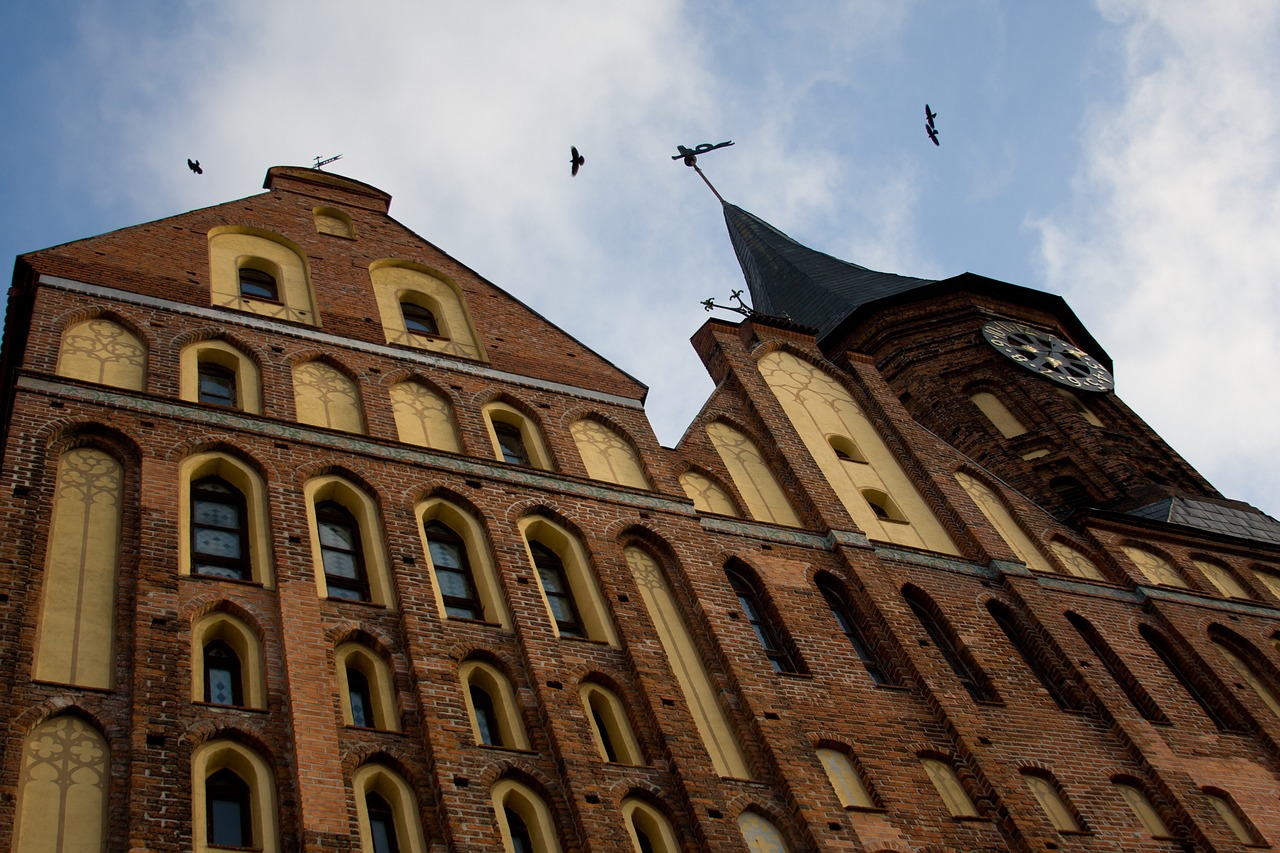
Here is a sentence that confuses almost everyone: the city where Immanuel Kant lived, taught and died is today part of Russia, even though it borders Poland and Lithuania and never touches the rest of the country. Welcome to Kaliningrad, formerly the Prussian city of Konigsberg. If you only have time for one place here, make it the red-brick cathedral standing alone on a river island, because the whole tangled story of this place is written into its walls.
A Gothic Skeleton, Rebuilt From Ruins
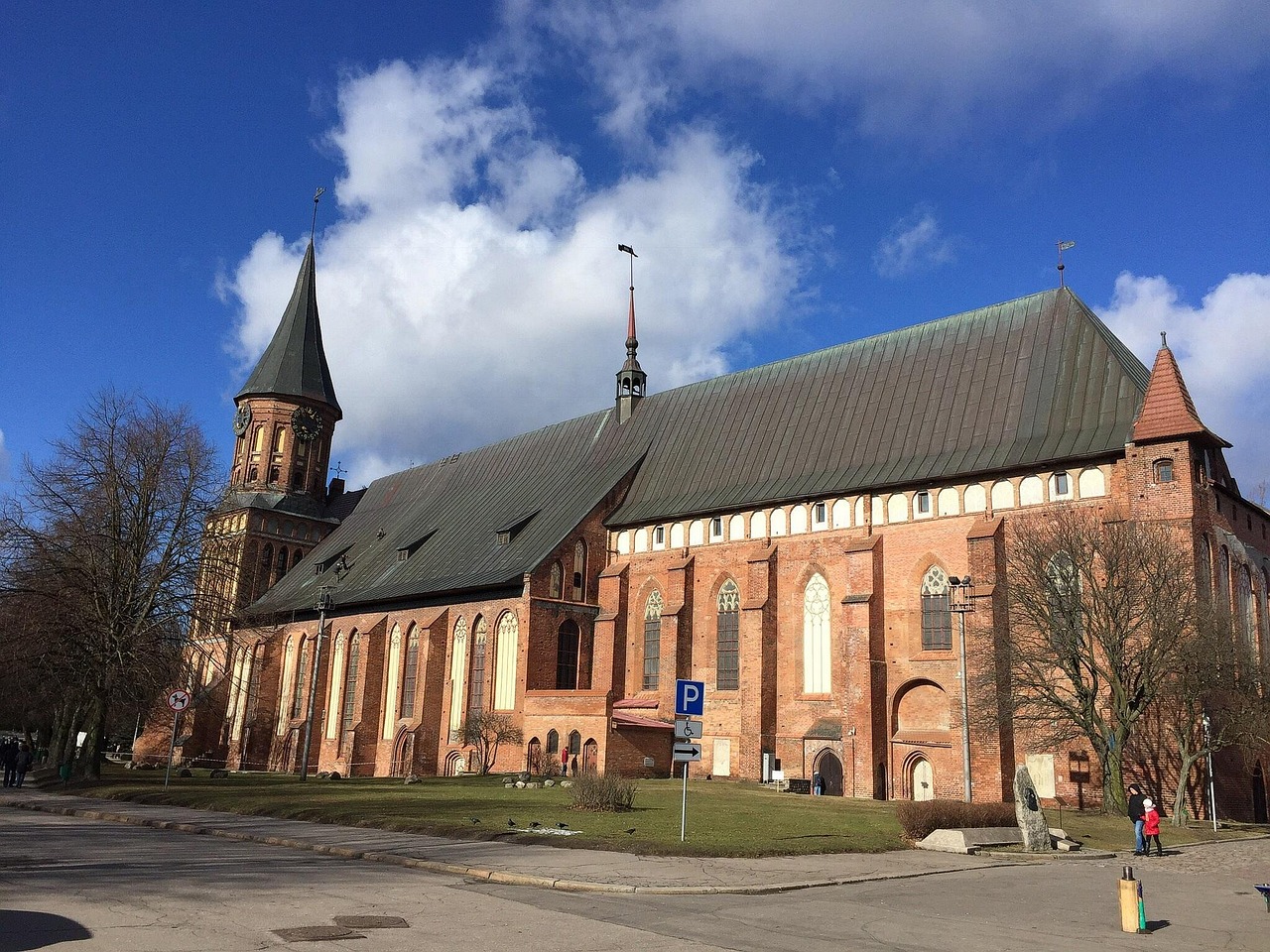
The cathedral dates to the 14th century, but what you see has been pieced back together. In August 1944 British bombing and then the 1945 Soviet assault left Konigsberg a shell, and the cathedral burned to a roofless husk that stood empty for decades. Restoration only began in the 1990s, funded partly by Germans with roots here. Walk inside and you find not a working church but a concert hall and a small museum, which is itself a very Kaliningrad kind of compromise.
The Philosopher in the Corner
Pressed against the cathedral north wall is the tomb of Immanuel Kant, who never traveled more than a hundred or so kilometers from this city in his entire life. The open colonnade over his grave was added in 1924, and it is the one part of old Konigsberg the Soviets deliberately preserved, reportedly out of respect for a thinker Marx admired. Standing there, you are at the literal grave of the Enlightenment.
Crossing the Bridges of the Old Puzzle
The island sits in the Pregolya River, and the bridges around it inspired a famous 18th-century math puzzle that Kant contemporary Euler turned into the foundations of modern network theory. Most of the original seven bridges are gone, but crossing onto the island still feels like stepping into a footnote of intellectual history. Give yourself an hour to circle the island park, where fragments of old gravestones lie half-swallowed by grass.
The cathedral on Kant Island is the emotional center of Kaliningrad: bombed, abandoned, then carefully brought back. Start here, and the strange double identity of this German-Russian city starts to make sense.
More Kaliningrad Travel Guides
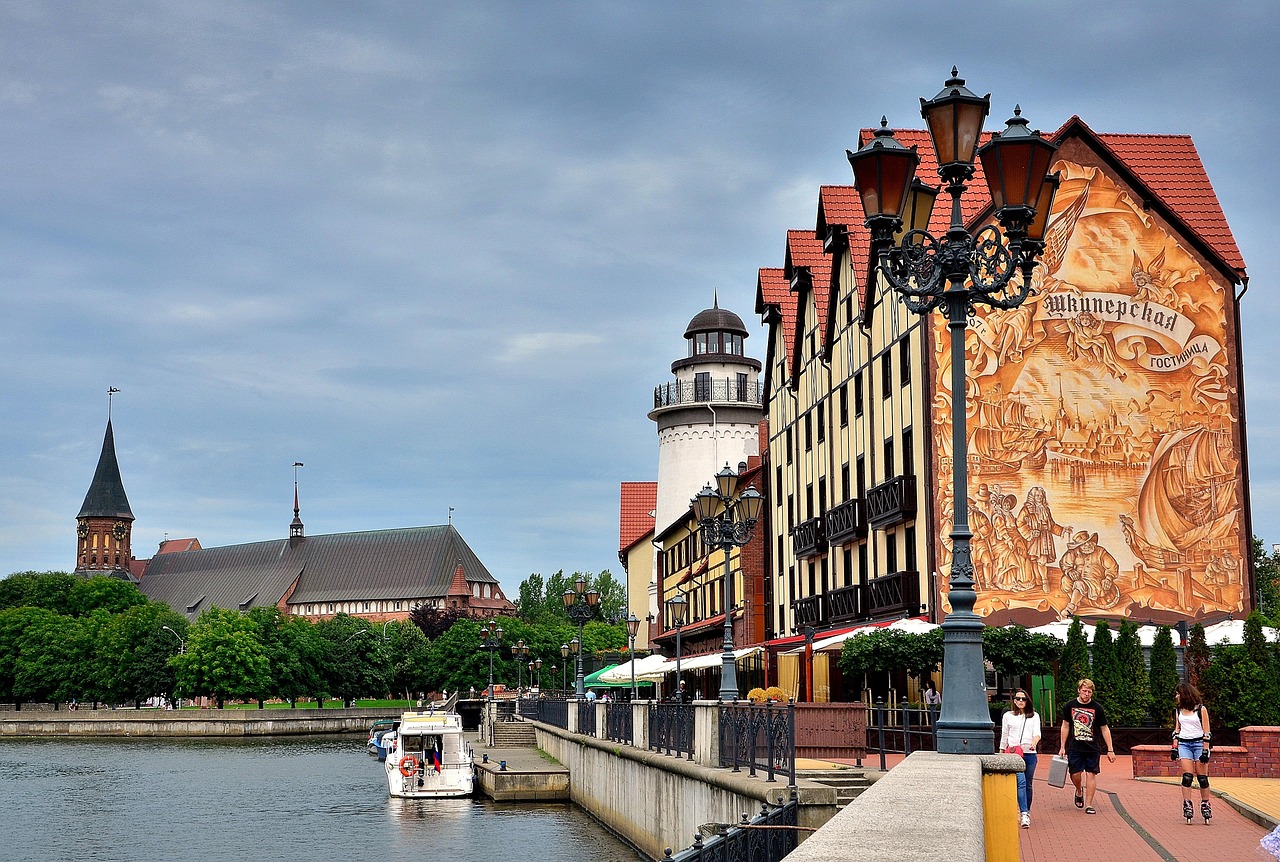
- The Fake Old Town That Tells a Real Story: Kaliningrad Fishing Village
- Two Cities in One: Walking Kaliningrad German and Soviet Layers
- After Sunset in the Amber City: A Realistic Night Out in Kaliningrad
- Kaliningrad Travel Guide Hub
Planning a full trip? See our complete Kaliningrad guide with every series in one place.


2 thoughts on “Kant Island & the Cathedral That Survived Everything”