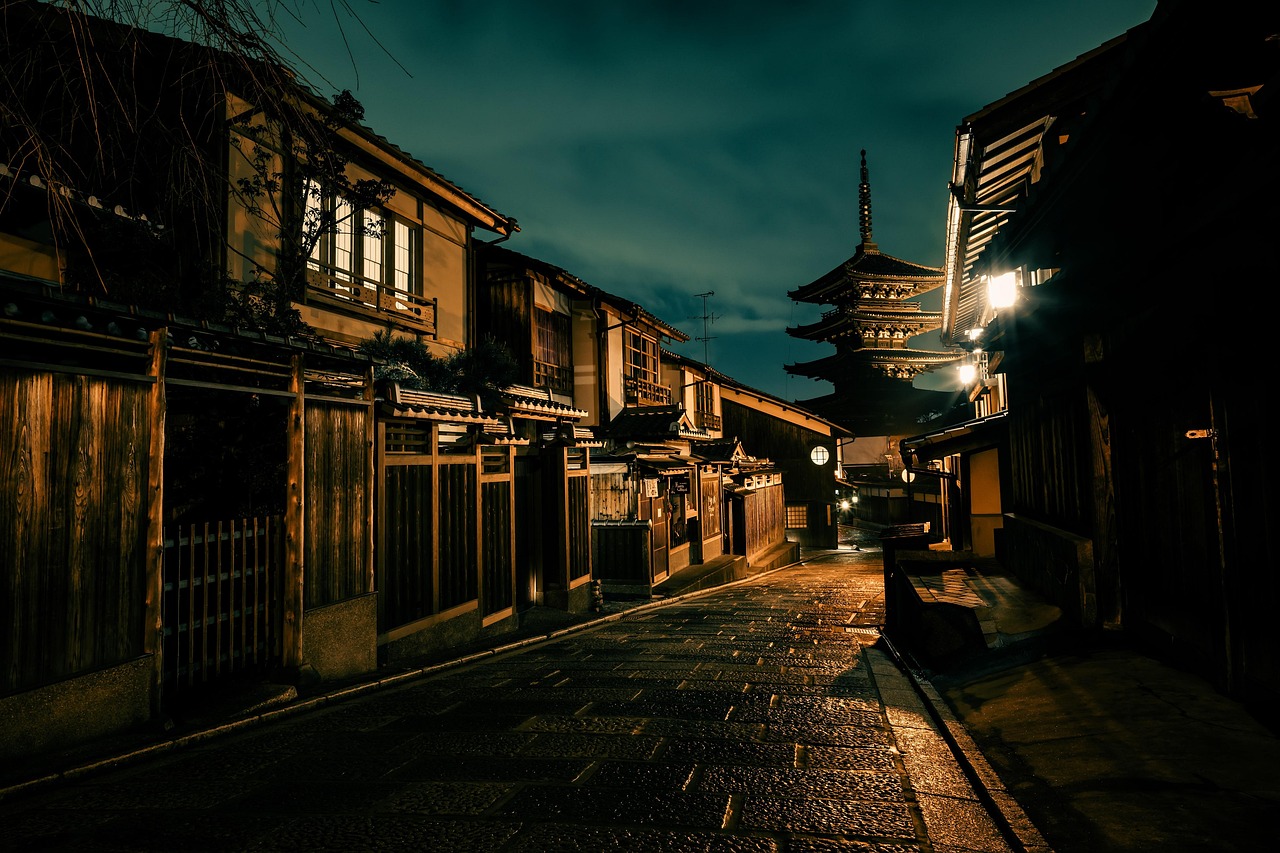
Gion is Kyoto’s most famous historic district, a maze of lantern-lit lanes, wooden machiya townhouses, and traditional tea houses set just east of the Kamo River. Long associated with geisha culture, it offers a rare glimpse of old Japan, especially in the evening when paper lanterns glow and the streets quiet down. This guide covers the atmospheric streets, the role of geiko and maiko, nearby Yasaka Shrine, and tips for a respectful visit.
Wandering the Historic Lanes
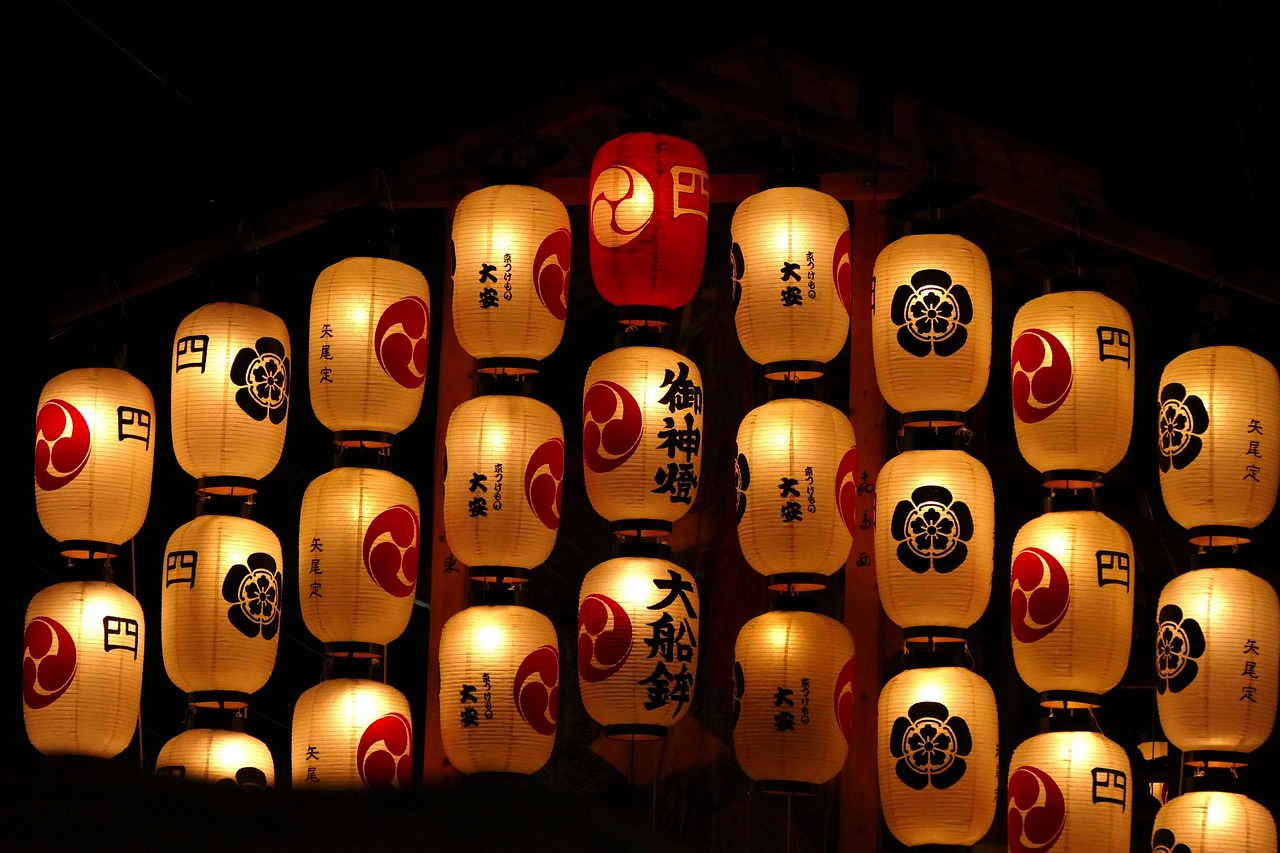
The heart of Gion is its preserved streets, where dark wooden facades, latticed windows, and hanging lanterns create a stage-like atmosphere. Hanamikoji Street is the most celebrated stretch, lined with exclusive restaurants and tea houses. Smaller side alleys reward slow exploration, revealing stone paths, willow trees, and the gentle sound of the nearby canal. Early morning and dusk are the most magical times to walk.
Geiko and Maiko Culture
Gion remains one of the few places where Kyoto’s traditional entertainment arts survive. Geiko, Kyoto’s term for geisha, and their apprentices, maiko, train for years in dance, music, and conversation. You may occasionally glimpse one hurrying to an appointment in the evening. Visitors should watch respectfully from a distance and avoid blocking their path, as some streets now restrict photography to protect residents.
Yasaka Shrine and Maruyama Park
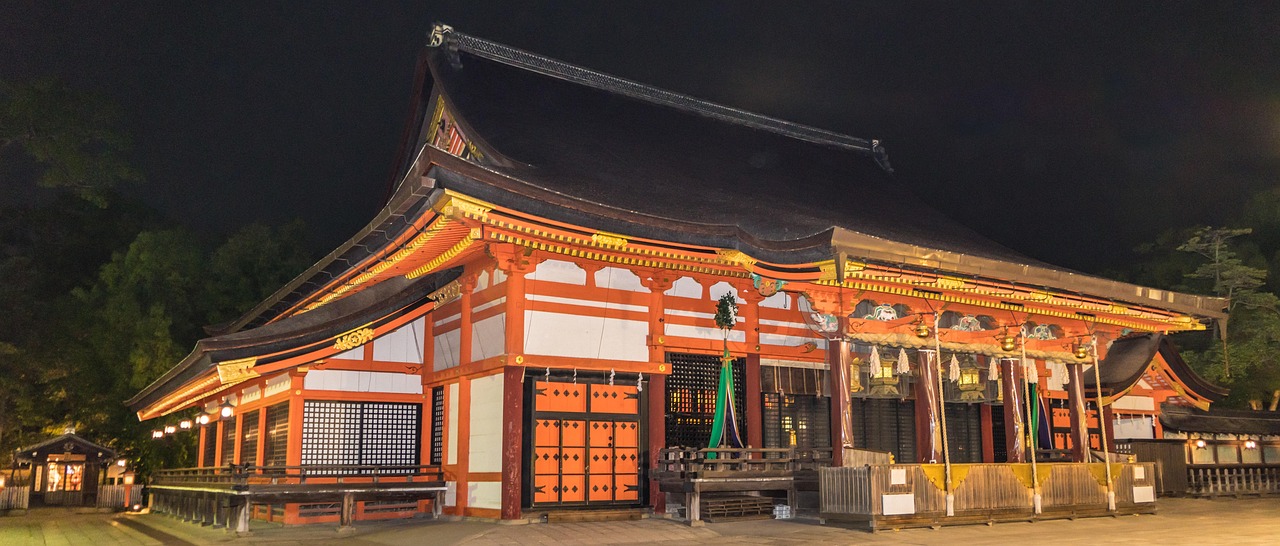
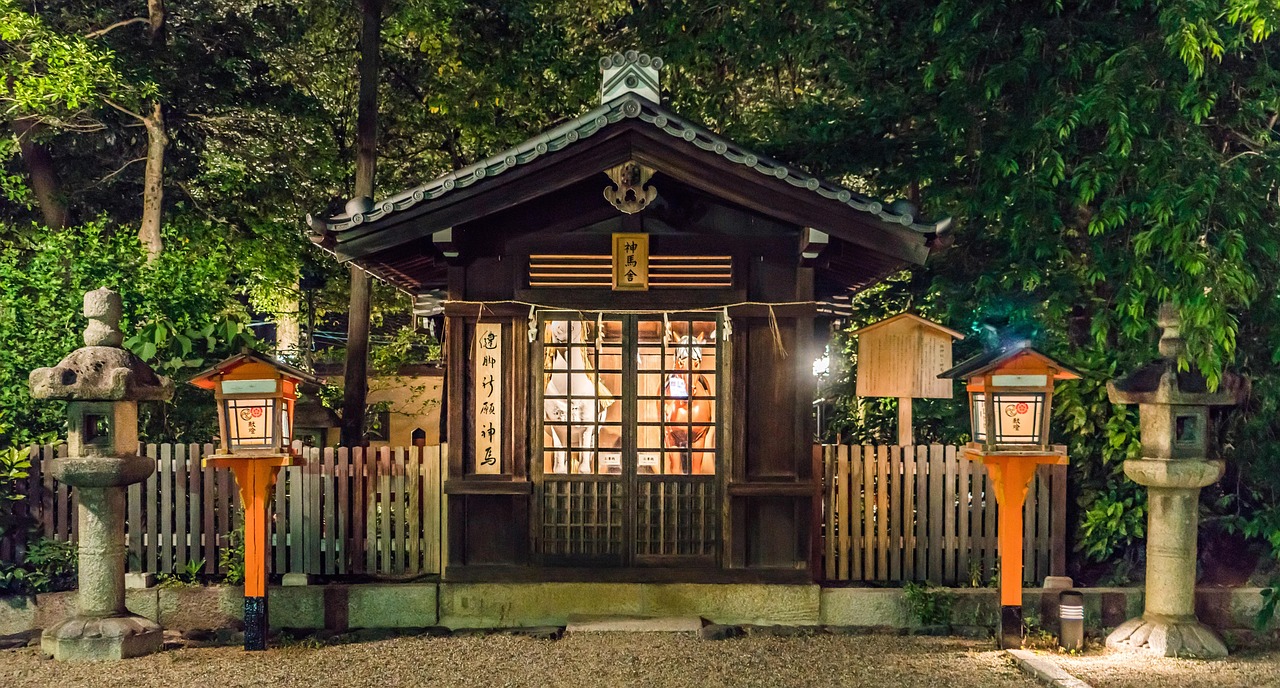
At Gion’s eastern end stands Yasaka Shrine, a vibrant vermilion complex that anchors the district and hosts the famous summer Gion Matsuri festival. Behind it lies Maruyama Park, a favorite spot for cherry blossom viewing in spring. Together they make a natural starting or ending point for a Gion stroll, linking the entertainment quarter to Kyoto’s wider eastern hills.
Tips for Visiting Gion
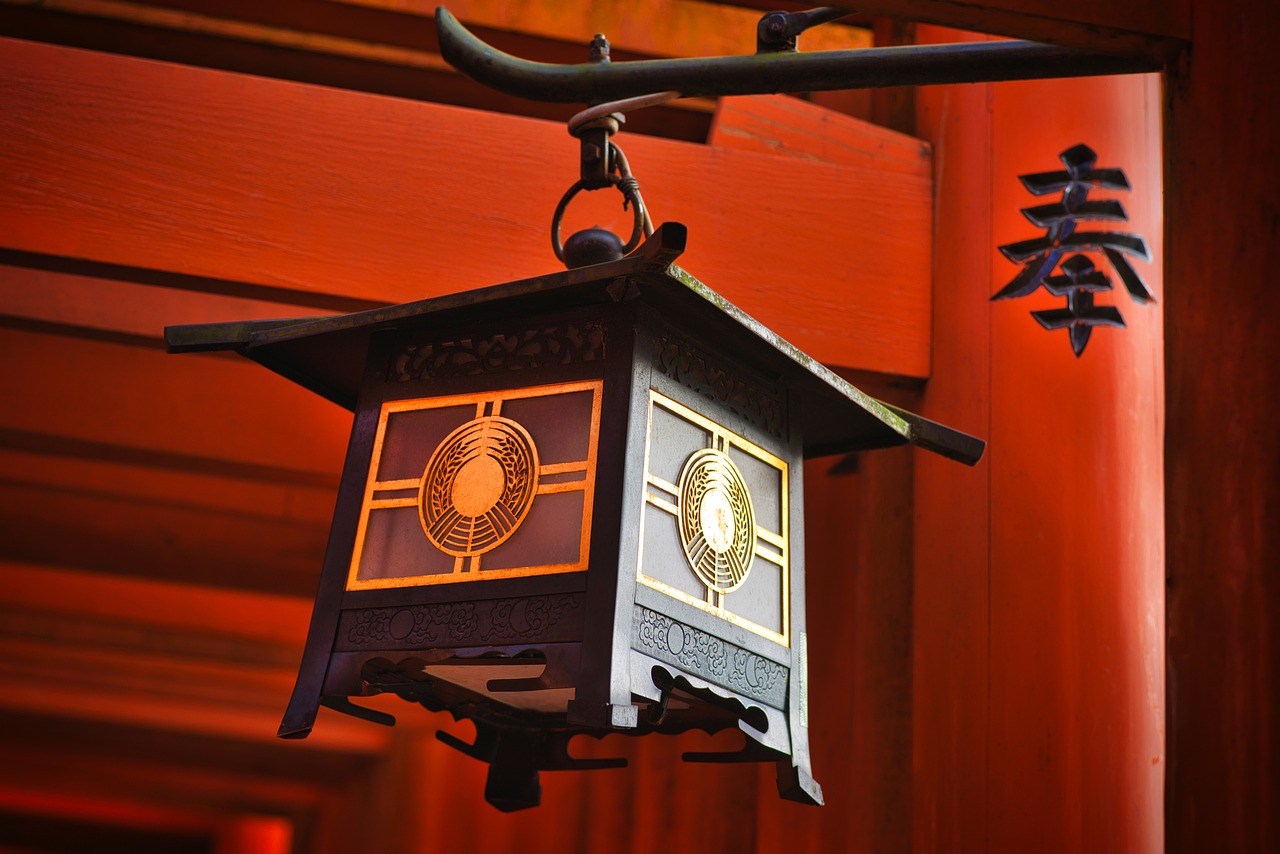
Gion is best enjoyed on foot and after dark, when the lanterns are lit and the crowds thin. Dress and behave respectfully, keep noise down in residential lanes, and follow posted photography rules. Combine a visit with nearby Kiyomizu-dera and the Higashiyama streets for a full day. Many tea houses are invitation-only, but the district’s atmosphere is free to soak in simply by walking.
Gion rewards quiet, unhurried wandering more than ticking off sights. Visit in the early evening, respect the neighborhood’s traditions, and pair it with the temples and streets of eastern Kyoto featured throughout our growing series on the old capital.
Planning a trip? See our full Kyoto Travel Guide for the best things to see and do.
More Kyoto Travel Guides
- Fushimi Inari Taisha: the Endless Torii Gate Trail
- Kinkaku-ji: the Golden Pavilion
- Arashiyama Bamboo Grove
- Kiyomizu-dera: the Temple on the Wooden Stage
- Ginkaku-ji: the Silver Pavilion
See everything in one place: The Complete Kyoto Guide.


5 thoughts on “Gion, Kyoto: the Historic Geisha District”