In the humid, green lowlands of Mexico’s Gulf coast, where the Sierra Madre descends toward the sea, live the Totonac, heirs to one of the great civilizations of ancient Mesoamerica. Their ancestors raised the magnificent city of El Tajin, with its many ballcourts and its pyramid of a hundred niches, and their homeland gave the world both the fragrant vanilla orchid and the breathtaking ceremony of the voladores, the flyers who spiral down from a towering pole in a rite thousands of years old.
A people with their own distinctive language, belonging to the small Totonacan family, they flourished for well over a thousand years between the mountains and the Gulf, and they played a pivotal role in the history of the Americas as the first major allies of Cortes against the Aztec Empire. What follows traces the Totonac from the builders of El Tajin through their language, homeland, farming, cities, and religion to the conquest and the vibrant Indigenous people they remain in modern Mexico.
Contents
- Builders of El Tajin on the Gulf Coast
- The Question Behind the Name Totonac
- A Language of the Totonacan Family
- Between the Sierra and the Sea
- Corn, Vanilla, and the Tropical Harvest
- Cities, Temples, and the Order of the Totonac
- Gods, Ballcourts, and the Sacred Round
- The Voladores and the Living Traditions
- Pottery, Weaving, and the Artisan’s Hand
- A Cuisine of Corn, Chiles, and Vanilla
- Ceremonies of the Totonac Year
- First Allies of Cortes and the Long Aftermath
- The Totonac in Modern Mexico
Builders of El Tajin on the Gulf Coast
Along the humid, green lowlands of Mexico’s Gulf coast, in the modern state of Veracruz and the neighboring highlands of Puebla, live the Totonac, heirs to one of the great civilizations of ancient Mesoamerica. Their ancestors built the magnificent city of El Tajin, whose pyramids and ballcourts still rise from the tropical forest, a monument to a people whose history reaches deep into the pre-Columbian past.
The Totonac are among the many distinct Indigenous peoples of Mexico, with their own language, culture, and homeland quite separate from those of their Nahua, Maya, and other neighbors. For centuries they flourished in the fertile country between the mountains and the sea, developing a sophisticated society that left behind some of the most striking architecture in all of ancient Mexico.
El Tajin, which reached its height roughly a thousand years ago, stands as the great emblem of Totonac civilization, though the precise relationship between the builders of the city and the modern Totonac is a matter of scholarly discussion. What is clear is that the Totonac homeland has been a center of high culture for a very long time, home to cities, temples, and a rich ceremonial life.
When the Spanish arrived in the early sixteenth century, the Totonac were among the first peoples they encountered, and the meeting would prove momentous for the history of the Americas. Yet long before that fateful encounter, the Totonac had already built a civilization of pyramids and plazas, of vanilla and corn, that marked them as one of the distinctive peoples of Mesoamerica.
The forest that now surrounds El Tajin once gave way to a bustling city, and the slow work of archaeology continues to reveal the scale of what the Totonac and their predecessors achieved here. Each cleared plaza and excavated ballcourt adds to a picture of a civilization that ranks among the notable achievements of the ancient Americas, even if it is less famous than the Aztec or the Maya.

The Question Behind the Name Totonac
The name Totonac has been explained in several ways, with various interpretations linking it to words meaning something like the people of the hot land or referring to three great centers of their territory. As with many such names, its precise origin is uncertain, but it came to designate the people of the Gulf lowlands who shared a common language and culture.
In their own language the Totonac have their own ways of naming themselves and their communities, and their identity was rooted in their towns, their language, and their homeland rather than in any single label. The Totonac were never a unified empire but a collection of communities and small polities sharing a culture, spread across the coastal plain and the adjacent hills.
The territory itself came to be known as the Totonacapan, the land of the Totonac, a region of tropical abundance between the Sierra Madre and the Gulf of Mexico. Within it the Totonac built their towns and cities, cultivated their fields, and maintained the ceremonial traditions that bound their communities together across the generations.
However the name arose, it marks a people distinct from all their neighbors, with a heritage of their own reaching back to the great days of El Tajin. To be Totonac was to belong to this particular world of the Gulf coast, with its own language, its own history, and its own place among the peoples of Mexico.
A Language of the Totonacan Family
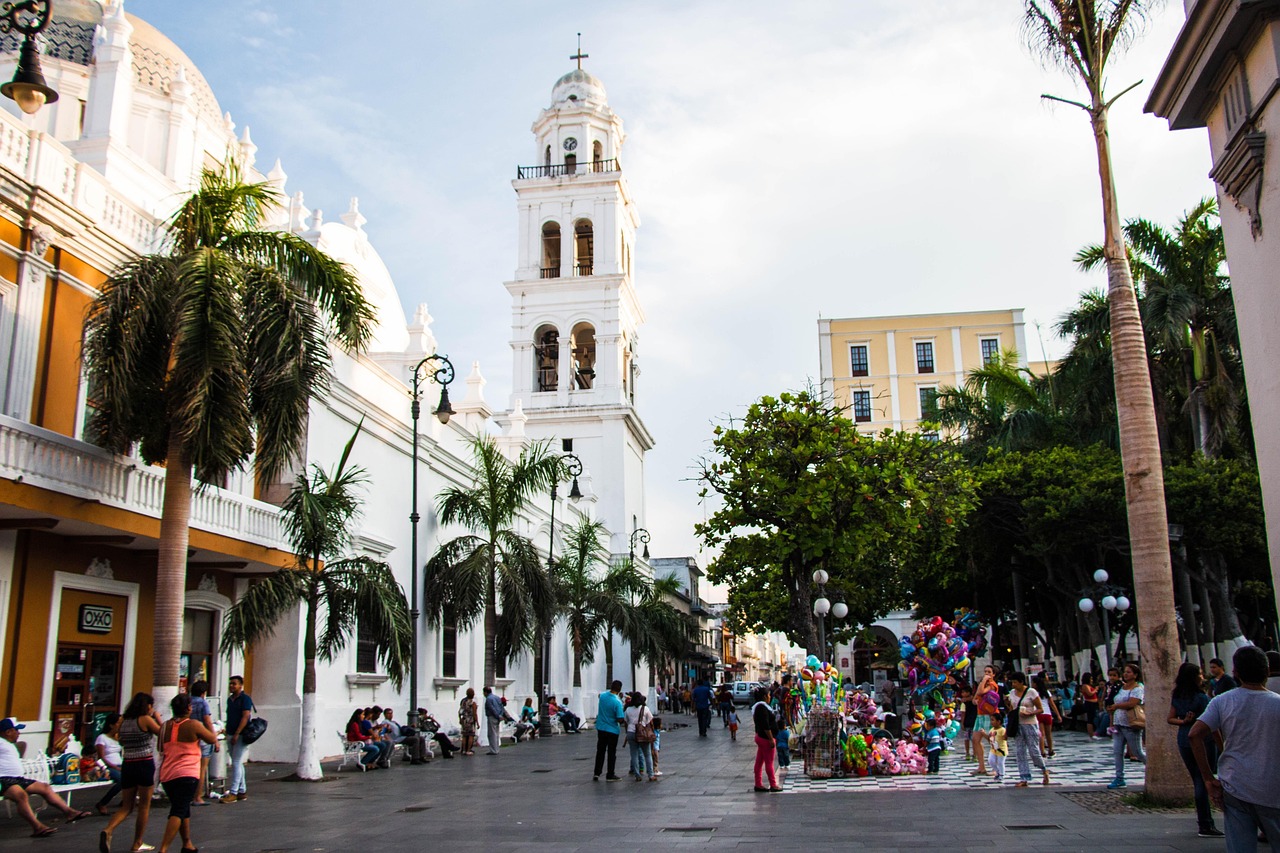
The Totonac language belongs to the Totonacan family, a small group of languages spoken in eastern Mexico that includes Totonac and the closely related Tepehua. This family stands on its own, not part of the great Uto-Aztecan, Mayan, or Oto-Manguean groupings of Mesoamerica, marking the Totonac as a linguistically distinct people with deep roots in their region.
Totonac is spoken in a number of dialects across the Totonacapan, reflecting the many communities that make up the people, and it carries the concepts, place names, and traditions of Totonac culture. Like other Mesoamerican languages, it has its own rich structure and vocabulary, finely adapted to the world of the Gulf lowlands and the ceremonial life of the people.
The language remains spoken by a substantial number of people, one of the more vital of Mexico’s many Indigenous tongues, though it faces the same pressures from Spanish that confront Native languages throughout the Americas. In many Totonac communities it is still learned by children and used in daily life, sustaining the cultural distinctiveness of the people.
Efforts to document, teach, and support the language continue, recognizing that Totonac carries knowledge and identity that exist nowhere else. As a member of a small and distinctive language family, Totonac represents a unique strand in the extraordinary linguistic diversity of Mexico, and its survival is bound up with the survival of Totonac culture itself.
Between the Sierra and the Sea
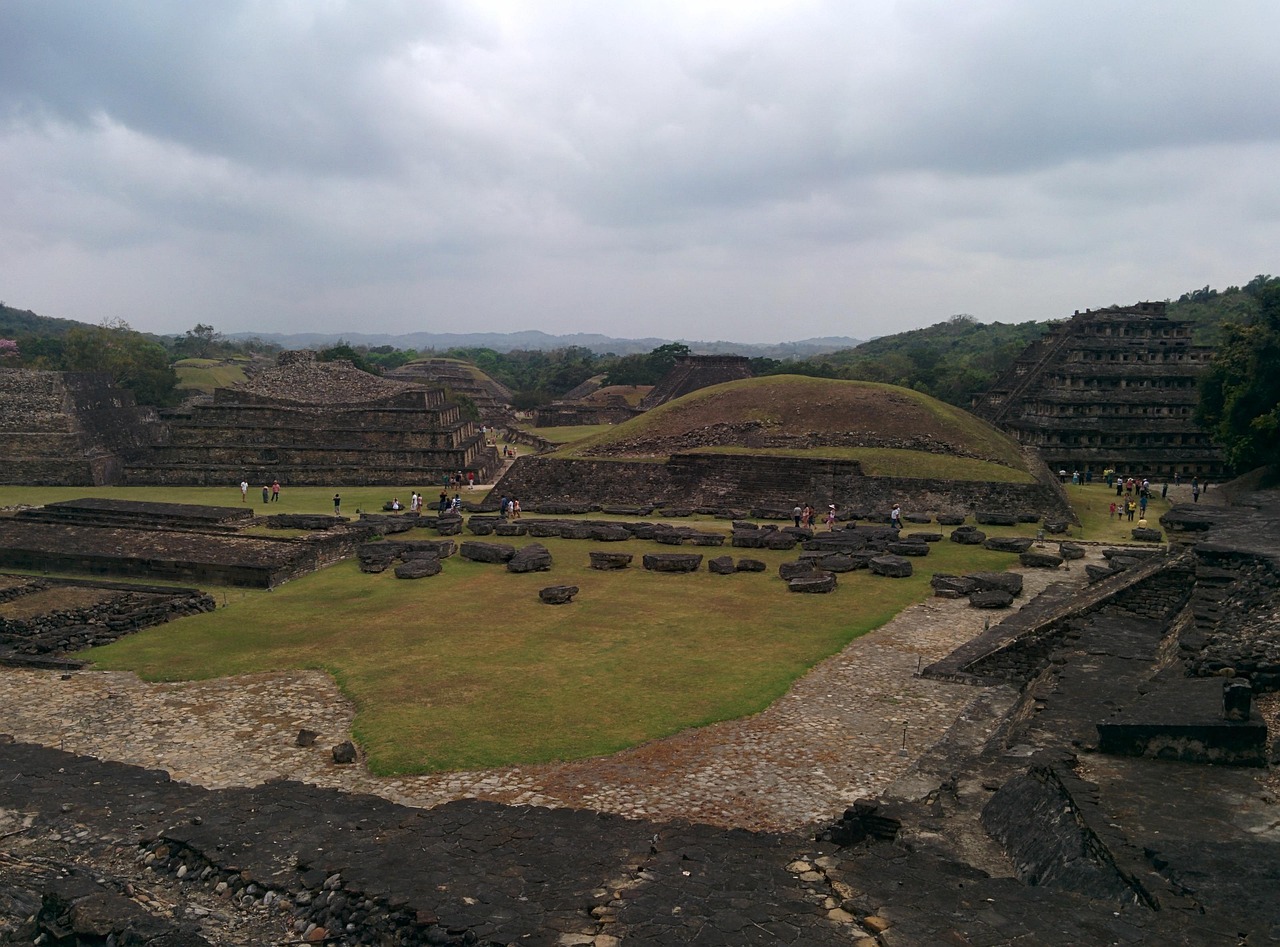
The Totonac homeland, the Totonacapan, stretches across the Gulf coastal plain of Veracruz and up into the mountains of Puebla, a land of tropical heat, abundant rain, and lush vegetation. From the humid lowlands along the sea to the cooler slopes of the Sierra Madre Oriental, the region encompasses a range of environments, all richly fertile and green.
This was a generous land, well watered and warm, ideal for the cultivation of corn and a host of other crops, and home to the vanilla orchid that would become one of the Totonac’s most famous contributions to the world. Rivers descended from the mountains to the sea, and the forests teemed with life, providing the Totonac with abundant resources.
The contrast between the hot lowlands and the temperate highlands gave the Totonacapan a variety that enriched Totonac life, allowing the cultivation of different crops at different elevations and linking communities across a range of landscapes. The land shaped a civilization suited to the tropics, quite different from the peoples of the dry Mexican highlands.
It was in this setting that the Totonac built El Tajin and their other centers, and it is here that their descendants live today, still farming the fertile soil and drawing on the resources of a homeland that has sustained them for well over a thousand years. The Gulf lowlands remain the heart of the Totonac world.

Corn, Vanilla, and the Tropical Harvest
The foundation of Totonac life was agriculture, and above all the cultivation of corn, the sacred staple of Mesoamerica, grown alongside beans, squash, chiles, and a wealth of other crops in the fertile tropical soil. The warm, wet climate of the Totonacapan allowed abundant harvests, supporting the cities and ceremonial centers of the ancient Totonac.
The Totonac are especially renowned as the original cultivators of vanilla, the fragrant orchid native to their homeland, which they harvested, cured, and used long before it became prized around the world. Vanilla was a Totonac treasure, valued for its scent and flavor, and its cultivation remains associated with the Totonac region to this day.
Beyond farming, the Totonac drew on the rich resources of their tropical homeland, gathering fruits and useful plants from the forests, hunting game, and, along the coast, taking the bounty of the sea and the rivers. This combination of intensive agriculture and the harvest of a lush environment gave the Totonac a secure and varied subsistence.
The abundance of the Totonacapan supported a dense population and a sophisticated society, freeing labor for the construction of the great pyramids and for the craft and ceremonial life that flourished among the Totonac. Corn and vanilla, the field and the forest, together sustained one of the notable civilizations of ancient Mexico.
Cities, Temples, and the Order of the Totonac
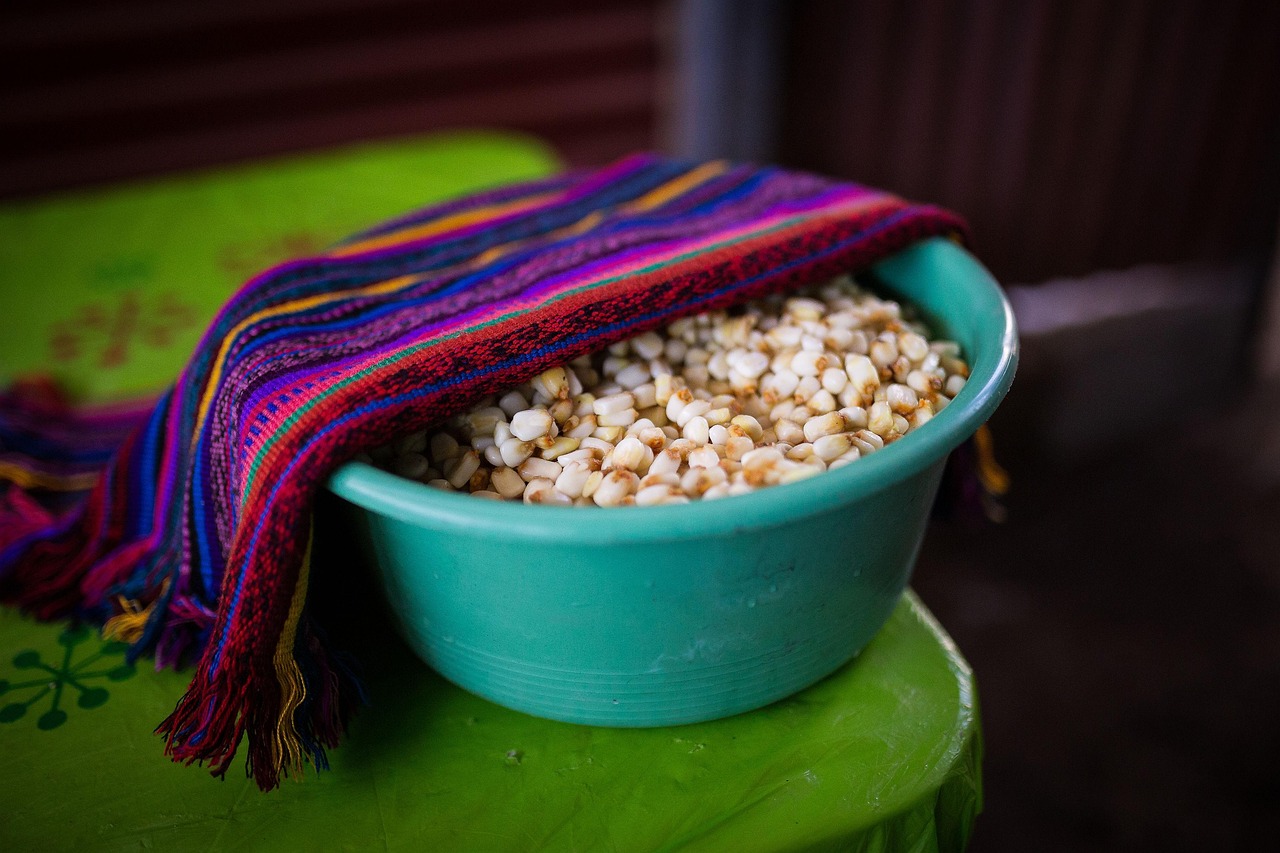
Ancient Totonac society was centered on cities and ceremonial centers, of which El Tajin was the greatest, complexes of pyramids, temples, plazas, and ballcourts that served as the religious, political, and economic hearts of the region. These centers reflected a society capable of organizing labor on a grand scale and sustaining a class of rulers, priests, and craftspeople.
The city of El Tajin was famous above all for its many ballcourts and for the distinctive architecture of its pyramids, including the celebrated Pyramid of the Niches, adorned with hundreds of recesses. The ballgame, played throughout Mesoamerica, held special importance at El Tajin, bound up with religion and ritual and depicted in the city’s carved reliefs.
Totonac communities were organized under local rulers and nobles, with priests overseeing the elaborate ceremonial life and commoners providing the labor of the fields and the construction projects. Below the great centers lay networks of towns and villages, together forming the fabric of Totonac society across the Totonacapan.
This was a society in which religion, rulership, and daily life were closely bound, expressed in the monumental architecture that still astonishes visitors to El Tajin. The order of the Totonac, with its cities and temples and ballcourts, marked them as full participants in the high civilization of ancient Mesoamerica.
The Pyramid of the Niches is among the most distinctive structures in all of Mesoamerica, its hundreds of recessed openings thought by many to correspond to the days of the year, turning the building itself into a kind of calendar in stone. Such features reveal a people deeply concerned with time, the heavens, and the sacred order, and capable of expressing that concern in architecture of remarkable sophistication.

Gods, Ballcourts, and the Sacred Round
Totonac religion, like that of other Mesoamerican peoples, centered on a pantheon of gods associated with the sun, the rain, the corn, and the forces of nature on which life depended. Elaborate ceremonies, overseen by a priesthood, sought to maintain the favor of these powers and the balance of the cosmos, and the great pyramids served as the stages for this sacred life.
The ballgame held deep religious significance, and the many ballcourts of El Tajin attest to its central place in Totonac ritual. Far more than a sport, the game was bound up with cosmology and sacrifice, its outcomes and its rituals connected to the movements of the heavens and the maintenance of the sacred order, as the carved reliefs of the city vividly depict.
Among the most famous of all Totonac religious practices is the ceremony of the voladores, the flyers, in which men climb a tall pole and, bound by ropes, launch themselves into the air to spiral gracefully down to the ground. This ancient rite, associated with the sun and the fertility of the earth, survives today and is among the most striking of all surviving Mesoamerican ceremonies.
After the Spanish conquest, Catholicism was imposed upon the Totonac, and over time their religion became a blend of Christian and traditional elements, as it did among Indigenous peoples throughout Mexico. Yet older beliefs and practices persisted beneath and alongside the new faith, and ceremonies like that of the voladores carried the ancient sacred vision into the modern world.
The survival of the volador ceremony offers a rare living window onto pre-Columbian religion, for few ancient Mesoamerican rites continue to be performed in anything like their original form. That the flyers still ascend their pole and spiral earthward, centuries after the conquest sought to erase such practices, is a striking testament to the resilience of Totonac sacred tradition.

The Voladores and the Living Traditions
No Totonac tradition is more celebrated than the Dance of the Flyers, the ceremony of the voladores, which has become an emblem of the people and has been recognized internationally as a masterpiece of intangible cultural heritage. Four flyers, accompanied by a musician atop a towering pole, launch themselves into the air and descend in slow, spiraling circles, in a rite of great beauty and deep meaning.
The ceremony is rich with symbolism, traditionally connected to the sun, the four directions, and the fertility of the earth, and the number of revolutions the flyers make as they descend carries ancient significance. What began as a sacred ritual has endured across the centuries, performed today both in ceremony and for visitors, a living link to the pre-Columbian past.
Beyond the voladores, Totonac tradition encompasses a wealth of dances, music, and observances tied to the ceremonial calendar and the milestones of life. Festivals blending Catholic and Indigenous elements mark the year, and the community gathers for celebrations that reaffirm identity and the bonds of kinship and place.
These traditions have shown remarkable staying power, carried forward by communities determined to preserve their heritage. The persistence of the voladores in particular, transmitted from generation to generation and now safeguarded as a treasure of world culture, testifies to the enduring vitality of Totonac tradition.
Pottery, Weaving, and the Artisan’s Hand
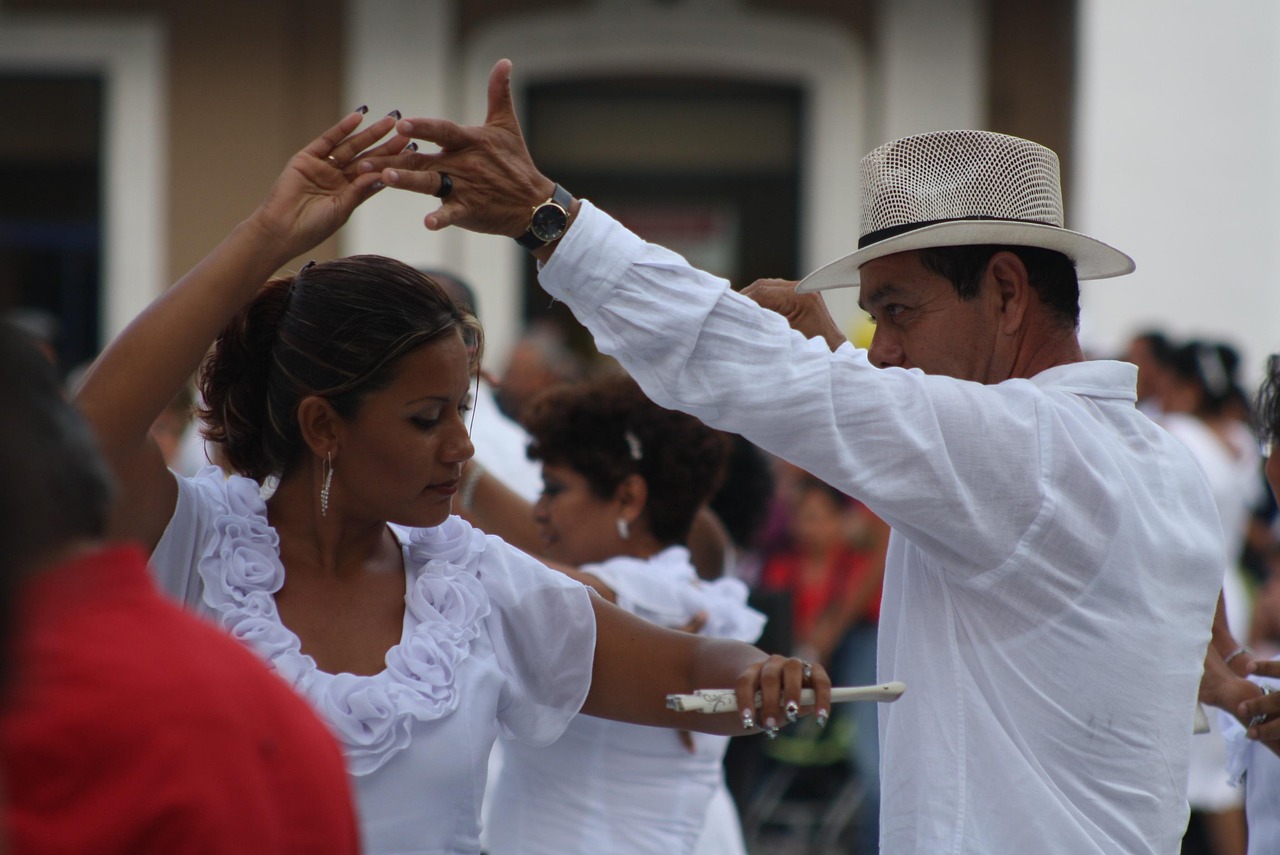
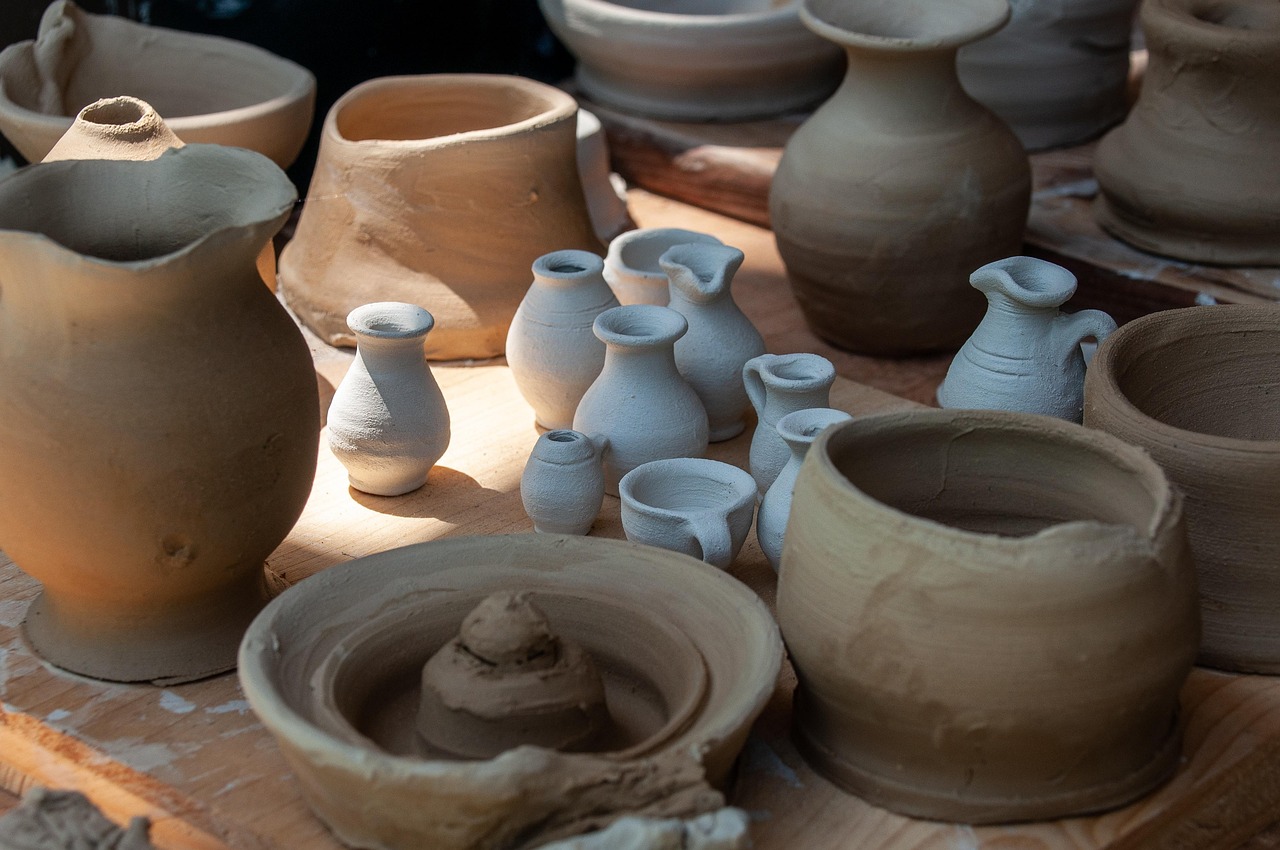
The Totonac have a long tradition of craft, reaching back to the ancient artisans who adorned El Tajin with sculpture and produced the fine ceramics found throughout the region. Pottery has deep roots among the Totonac, and their ancestors created distinctive figurines and vessels that are prized by archaeologists and admired for their artistry.
Weaving and textile arts occupy an important place as well, with Totonac women producing woven and embroidered garments whose designs carry cultural meaning and mark community identity. The making of traditional clothing, often richly decorated, remains a valued skill and a visible expression of Totonac heritage.
The materials of the tropical homeland supported other crafts, from work in fiber and reed to the production of goods for daily use and ceremony. These crafts combined practical function with aesthetic care, reflecting the Totonac sensibility that ran through their monumental architecture as much as their everyday objects.
Today Totonac artisans continue these traditions, producing pottery, textiles, and other crafts both for their own communities and for wider markets. Their work sustains ancient skills and provides income, and it carries forward an artistic heritage rooted in one of the great civilizations of ancient Mexico.
A Cuisine of Corn, Chiles, and Vanilla
Totonac cuisine rests on the Mesoamerican foundation of corn, prepared in the countless forms that define Mexican cooking, from tortillas and tamales to a wealth of regional dishes. Corn, treated with reverence as the sacred staple, is complemented by beans, chiles, squash, and the abundant produce of the tropical homeland.
The Totonacapan’s warm climate yields a rich variety of ingredients, including tropical fruits, herbs, and the many plants of the region, and Totonac cooking makes full use of this abundance. Regional specialties reflect the resources of the Gulf lowlands, blending the ancient staples with ingredients gathered from forest, field, and sea.
Vanilla, the Totonac’s great gift to the world’s kitchens, holds a special place in the cuisine and culture of the region, its fragrance woven into local foods and traditions. As the original cultivators of the vanilla orchid, the Totonac maintain a connection to this treasured flavor that is uniquely their own.
Food among the Totonac, as throughout Mexico, is bound up with community, celebration, and identity, prepared and shared at the festivals and gatherings that mark the year. The cuisine carries the flavors of the tropical homeland and the deep heritage of Mesoamerican cooking, a living expression of Totonac culture.

Ceremonies of the Totonac Year
The Totonac ceremonial calendar is filled with festivals that blend Indigenous and Catholic traditions, marking the seasons, the saints’ days, and the milestones of communal life. These celebrations, held in the towns and villages of the Totonacapan, gather the community for music, dance, feasting, and ritual, weaving together the sacred and the social.
The ceremony of the voladores features prominently in many of these festivals, its dramatic descent from the towering pole drawing the community together in a rite of ancient origin. Alongside it, dances, processions, and observances fill the calendar, expressing the fusion of old and new that characterizes Totonac religious life.
Major festivals often center on the patron saints of the communities, celebrated with a mixture of Catholic devotion and Indigenous tradition, and accompanied by markets, music, and communal meals. These occasions are high points of the year, reaffirming the identity and cohesion of the Totonac towns.
Through these festivals the Totonac maintain their traditions and their sense of community, adapting the imposed religion to their own patterns while preserving the ceremonies that connect them to their heritage. The ritual year remains a vital expression of what it means to be Totonac in the modern world.
First Allies of Cortes and the Long Aftermath
The Totonac hold a fateful place in the history of the conquest of Mexico. When Hernan Cortes landed on the Gulf coast in 1519, the Totonac of Cempoala, chafing under the domination and tribute demands of the Aztec Empire, became among the first Indigenous peoples to ally with the Spanish. Their support provided Cortes with warriors, supplies, and a base, and proved crucial to the campaign against the Aztec capital.
The Totonac alliance reflected the deep divisions among the peoples of Mexico, many of whom resented Aztec rule, but the consequences for the Totonac themselves were bitter. The Spanish victory brought not liberation but a new and harsher domination, as colonial rule, disease, and the demands of the conquerors fell heavily upon the Totonac as upon all Indigenous peoples.
Epidemics devastated the Totonac population in the decades after contact, as European diseases swept through communities with no immunity to them. Colonial administration, the encomienda system, and the imposition of Christianity reshaped Totonac life, and the great days of El Tajin, already long past, receded further into memory.
Yet the Totonac endured through the centuries of colonial and then Mexican rule, holding to their language, their communities, and their traditions. Their early alliance with Cortes gave them a singular role in one of history’s great turning points, but their deeper story is one of persistence, of a people who survived the cataclysm of conquest and remained themselves.
Historians still debate how fully the Totonac understood the consequences of their alliance with Cortes, but there is little doubt that they saw in the Spanish a potential counterweight to the hated Aztec tribute system. The tragedy, from the Totonac point of view, was that the empire they helped to topple was replaced by a colonial order that proved even more destructive to Indigenous life.

The Totonac in Modern Mexico
Today the Totonac number in the hundreds of thousands, living across their ancestral homeland in Veracruz and Puebla, one of the significant Indigenous peoples of Mexico. Many continue to speak their language, farm the fertile land, and maintain the traditions that connect them to their heritage, while others have moved to cities in Mexico and beyond.
The Totonac homeland remains a center of Indigenous culture, and El Tajin, now a celebrated archaeological site and World Heritage location, stands as a monument to the ancient achievements of the region. The Totonac take pride in this heritage, and cultural centers and programs work to preserve and promote their language, arts, and traditions.
The ceremony of the voladores has brought the Totonac international recognition, safeguarded as a masterpiece of humanity’s intangible cultural heritage, and its continued practice is a source of pride and identity. Alongside it, the language, the crafts, the cuisine, and the festivals carry Totonac culture forward into the present.
What endures is a people whose roots reach back to the builders of El Tajin, who gave the world vanilla and the astonishing dance of the flyers, and who played a pivotal part in the history of the Americas. Rooted in the green lowlands between the sierra and the sea, the Totonac carry their ancient and distinctive heritage into modern Mexico.
Related Peoples of Mexico and Mesoamerica
- Why the Rarámuri of Copper Canyon Never Stopped Running
- How the Wixárika of Mexico Keep Walking to the Birthplace of the Sun
- Nahua: The People Behind Mexico’s Name
- Otomi: The Original Neighbors of the Aztec Capital
- Purépecha: The People Who Kept the Aztec Empire Out of Michoacán
- Mixtec: The Cloud People Who Wrote Their Own History
- Zapotec: A People Older Than the Aztec Empire
- The People Who Never Vanished, the Story of the Maya
You May Like
The Damara, an Ancient People of Namibia


9 thoughts on “Totonac Builders of El Tajin and the Dance of the Flyers”