Across the tundra, river deltas, and Bering Sea coasts of western Alaska live the Yup’ik, whose name in their own language means the real people, and who count among the most successful of all human communities in mastering an Arctic world. Skilled hunters of seals and fishers of salmon, they built along the great deltas of the Yukon and Kuskokwim rivers a way of life so finely adapted, and so deeply rooted, that it endures today with a vitality rare among Indigenous peoples of North America.
Part of the wider Eskimo-Aleut world yet distinct from the Iñupiat and the Inuit farther north and east, the Yup’ik speak their own living language, one still learned by children in many villages, and sustain a subsistence culture thousands of years deep. What follows traces the Yup’ik through their homeland, language, subsistence economy, social order, and spiritual life, from the masked winter ceremonies and the Bladder Festival to their remarkable endurance in the modern Arctic.
Contents
- People of the Alaskan Tundra and Coast
- The Real People of the Bering Coast
- A Living Eskimo-Aleut Tongue
- The Deltas, the Tundra, and the Bering Sea
- Seals, Salmon, and the Subsistence Round
- The Men’s House and the Bonds of Kinship
- A World of Spirits and Respected Animals
- Masks, Dances, and the Winter Ceremonies
- Skin Boats, Ivory, and the Maker’s Art
- Fish, Sea Mammals, and the Foods of the Land
- The Bladder Festival and the Great Gatherings
- Contact, Missions, and Endurance in the North
- The Yup’ik in the Modern Arctic
People of the Alaskan Tundra and Coast
Across the tundra, river deltas, and coasts of western and southwestern Alaska live the Yup’ik, one of the largest groups of Alaska Native peoples and among the most successful of all human communities in adapting to a demanding Arctic and subarctic world. Skilled hunters and fishers, they built a rich and enduring way of life along the Bering Sea coast and the great deltas of the Yukon and Kuskokwim rivers.
The Yup’ik are part of the wider Eskimo-Aleut world that stretches across the Arctic from Alaska to Greenland, yet they are a distinct people with their own language, traditions, and homeland. They are related to but separate from the Iñupiat of northern Alaska and the Inuit of Canada and Greenland, sharing an ancient common heritage while remaining unmistakably their own.
Human beings have inhabited this corner of Alaska for thousands of years, and the ancestors of the Yup’ik developed over that long span the technologies and knowledge needed to thrive where the land is treeless, the winters are long and dark, and survival depends on an intimate understanding of the sea, the ice, the rivers, and the animals.
What distinguishes the Yup’ik among Native peoples is the remarkable continuity of their culture into the present. In many of their villages the Yup’ik language is still spoken by children, subsistence hunting and fishing remain central to daily life, and the old traditions endure, making them one of the most culturally intact Indigenous peoples in North America.

The Real People of the Bering Coast
The name Yup’ik comes from the people’s own language, combining the word yuk, meaning person, with a suffix that intensifies the meaning, so that Yup’ik is often translated as real person or genuine people. It expresses a deep sense of themselves as human beings living properly in the world, in the way that people are meant to live.
The people prefer this term to the older, broader label Eskimo, which was applied from outside and which many Native peoples of the Arctic find inappropriate. Yup’ik, by contrast, is what the people call themselves, and it carries their own understanding of their identity and their humanity, rooted in their language and their homeland.
There are actually several closely related Yup’ik peoples and languages, including the Central Alaskan Yup’ik of the Yukon-Kuskokwim region, the largest group, along with related peoples of the Bering Sea coast and, across into Siberia, the Siberian Yupik. Together they form a family united by a common heritage and a shared way of being in the Arctic world.
To be Yup’ik was, and is, to belong to a specific people bound to a specific homeland by language, kinship, and a profound relationship with the animals and the land. The name affirms that identity, marking the Yup’ik as the real people of the Bering coast and the tundra, distinct from all their neighbors.
A Living Eskimo-Aleut Tongue
The Yup’ik language belongs to the Eskimo-Aleut family, the group of languages spoken across the Arctic from Siberia to Greenland, and within it Central Alaskan Yup’ik is its own distinct language, separate from the Iñupiaq of northern Alaska and the Inuit languages farther east. It is a language finely tuned to the Arctic world, rich in words for ice, snow, weather, and the animals on which life depends.
Yup’ik is a polysynthetic language, building long and complex words from many parts, so that a single word can express what English needs a whole sentence to say. This gives the language great precision and flexibility in describing the subtle realities of the tundra and coast, from the varieties of sea ice to the behavior of the animals hunted for food.
Remarkably, Yup’ik remains one of the healthiest Indigenous languages in the United States. In many villages of the Yukon-Kuskokwim Delta it is still the first language children learn, spoken in the home and community as a matter of course, a vitality that stands in sharp contrast to the endangered state of most Native American languages.
This survival is no accident but the product of the region’s relative isolation, the strength of the traditional subsistence way of life, and the community’s own commitment to its tongue. Schools now teach in Yup’ik, and the people work actively to sustain it, recognizing that their language carries a knowledge and identity found nowhere else.
The health of the Yup’ik language offers a striking lesson in what allows an Indigenous tongue to survive. Where remoteness, a strong subsistence economy, and community commitment reinforce one another, a language can remain fully alive even in the modern world, and the Yup’ik case is studied precisely because it shows that language loss, however common, is not inevitable.
The Deltas, the Tundra, and the Bering Sea
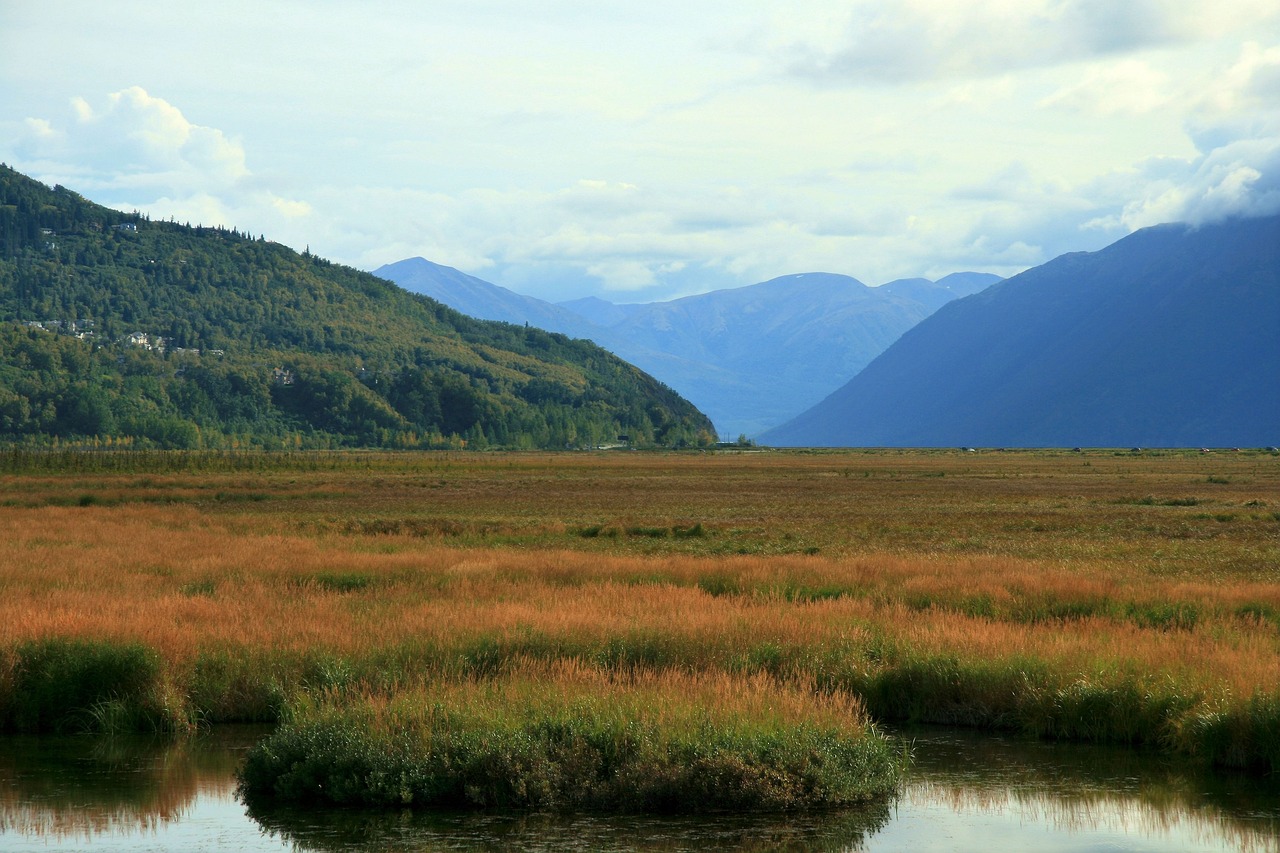
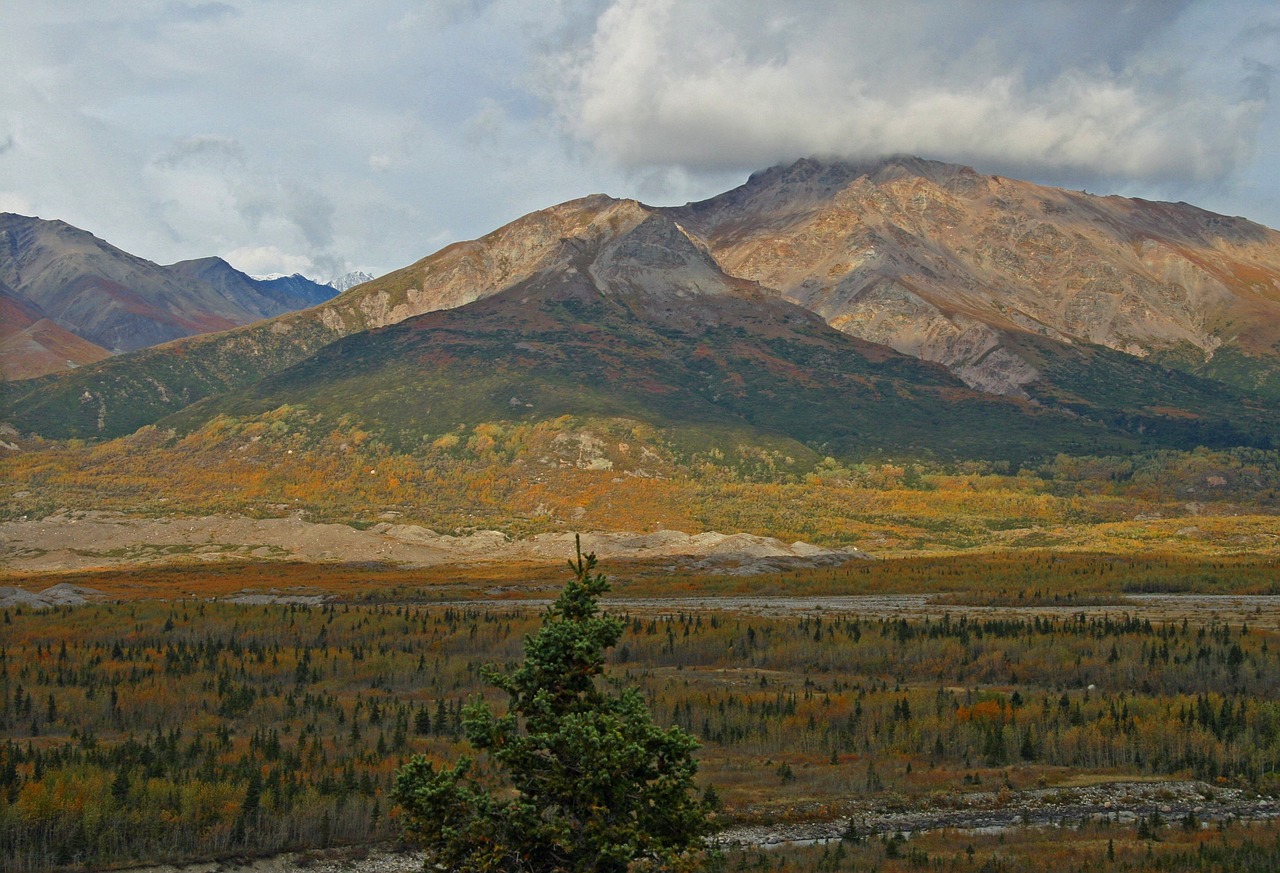
The Yup’ik homeland centers on the vast, watery lowlands of the Yukon-Kuskokwim Delta, one of the largest river deltas in the world, along with the surrounding tundra and the coasts of the Bering Sea. It is a flat, treeless country of countless lakes, ponds, sloughs, and winding channels, alive with fish, waterfowl, and game, and bordered by a sea rich in marine mammals.
The seasons here are extreme. Winters are long, dark, and bitterly cold, when the rivers and much of the sea freeze solid and the land lies under snow; summers are brief but intense, with nearly endless daylight, when the tundra bursts into life and the salmon crowd the rivers. Life is organized around these dramatic swings and the movements of the animals they govern.
The waterways are the highways of this land, traveled by boat in summer and by sled and snow machine in winter, and the sea ice extends the coastal world outward in the cold months, opening the way to seals and other marine mammals. Mastering the delta, the tundra, the rivers, and the ice required knowledge accumulated over countless generations.
This is a homeland that few outsiders could survive without help, yet the Yup’ik have flourished in it for millennia. Their intimate knowledge of its every mood and resource, and their finely adapted technology and way of life, turned a landscape of apparent harshness into a rich and generous home.

Seals, Salmon, and the Subsistence Round
The Yup’ik way of life rested on subsistence hunting, fishing, and gathering, following a seasonal round finely tuned to the rhythms of the Arctic year. From the sea and the ice came seals, walrus, and sometimes whales, hunted from kayaks and larger skin boats or on the ice, providing meat, oil, and materials for countless uses.
The rivers and the sea yielded fish in abundance, above all salmon, which ran up the rivers in great numbers each summer and were caught, dried, and stored to sustain the people through the winter. Fishing was a foundation of the diet, and the drying racks heavy with split fish were, and remain, a characteristic sight of the Yup’ik summer.
The tundra and waterways added still more: waterfowl and their eggs, land mammals, and a wealth of berries and edible plants gathered by women in the brief, intense summer. This gathering of greens and berries provided important variety and nutrition, and the knowledge of the land’s plant resources was a valued part of Yup’ik expertise.
This subsistence round demanded skill, endurance, and deep knowledge, and it structured the entire year, from the seal hunts of the winter ice to the salmon runs of summer and the fall gathering. It also bound the community together, for hunting and processing the harvest were cooperative endeavors, and sharing food was a fundamental value that knit Yup’ik society together.
The seasonal round demanded not only skill but an encyclopedic knowledge of the environment, from the reading of sea ice and weather to the timing of the fish runs and the habits of every animal. This knowledge, built up over countless generations and carried in the language itself, was as vital to survival as any tool, and its transmission to the young was among the most important tasks of Yup’ik life.

The Men’s House and the Bonds of Kinship
Traditional Yup’ik society was organized around kinship and the community, without the rigid class distinctions found among some other peoples. Extended families formed the core of social life, and villages were bound together by ties of blood, marriage, and mutual obligation, with sharing and cooperation at the heart of the social order.
A distinctive institution was the qasgiq, the men’s house, the ceremonial and social center of the winter village where men lived, worked, and instructed the boys, and where the great ceremonies were held. Women and girls lived in separate dwellings, and the qasgiq served as the hub of communal life, especially during the long winter when the community gathered for ceremony and craft.
Leadership rested on skill, wisdom, and generosity rather than inherited rank. Respected hunters and elders guided the community, and the most successful providers gained status precisely through their ability to share their catch widely, for generosity, not accumulation, was the measure of a person’s worth in Yup’ik society.
This emphasis on sharing and cooperation was a practical necessity in a land where survival depended on the group, and where a successful hunter might feed many families. It was also a deep moral value, expressed in the constant flow of food and help through the community, binding the Yup’ik into a tightly woven and resilient social world.

A World of Spirits and Respected Animals
Yup’ik spiritual life was grounded in the conviction that the world was alive with spirit and that animals, in particular, possessed souls and awareness. The animals hunted for food were understood not as mere resources but as persons who gave themselves to respectful hunters, and who must be honored properly if they were to return. This relationship of respect governed the whole practice of hunting.
Central to this worldview was the belief that the souls of animals, especially seals, were reborn if treated with proper respect, and much of Yup’ik ceremony aimed at maintaining right relations with the animal spirits. The angalkuq, the shaman, mediated between the human and spirit worlds, healing the sick, ensuring success in hunting, and dealing with the unseen forces that shaped human fortune.
Ceremonies and observances surrounded the hunt and the seasons, expressing gratitude and maintaining the balance on which survival depended. Masks, often elaborate and striking, played an important role in these ceremonies, representing spirits and beings and worn in dances that dramatized the relationship between people and the powers of the living world.
This spiritual vision, in which humans, animals, and spirits were bound in relationships of respect and reciprocity, pervaded every aspect of Yup’ik life. It made hunting a moral and sacred act as much as a practical one, and it expressed a profound understanding of the interdependence of all the beings that shared the Arctic world.
The Yup’ik understanding of animals as persons with souls, deserving of respect and capable of choosing whether to give themselves to hunters, shaped every detail of behavior on the hunt and in the handling of the catch. To treat an animal carelessly was not merely rude but dangerous, risking the withdrawal of the game on which the community’s survival depended, and so respect was woven into the most practical acts of daily life.

Masks, Dances, and the Winter Ceremonies
Yup’ik tradition came alive in the long winter, when the community gathered in the qasgiq for a season of ceremony, dance, storytelling, and craft. The darkness and cold that might seem to isolate the people instead drew them together, and the winter became the great time of communal and ceremonial life, rich with song and performance.
Masked dancing was among the most striking of these traditions. The Yup’ik created remarkable masks, often complex and imaginative, representing animals, spirits, and beings of the unseen world, and wore them in dances accompanied by drumming and song. These performances were at once art, entertainment, prayer, and the enactment of the people’s relationship with the spirit world.
Dance itself, performed to the beat of large hand drums and the singing of the community, was a central expression of Yup’ik culture, telling stories, honoring the animals, and binding the people together. The dances, with their distinctive movements and their fans and regalia, remain a vibrant living tradition in Yup’ik communities today.
Storytelling, the passing on of knowledge, and the instruction of the young in the ways of hunting and living filled the winter gatherings as well. Through these traditions the accumulated wisdom of the Yup’ik, practical and spiritual alike, was transmitted from one generation to the next, ensuring the survival of a way of life.
Skin Boats, Ivory, and the Maker’s Art
Yup’ik craft was a marvel of adaptation, turning the materials of the Arctic into everything needed for survival. From the skins of seals and other animals they made warm, waterproof clothing, including the gut-skin parkas that shed water, and they sewed the coverings of the kayaks and larger boats with painstaking skill. The making of clothing and boats was a highly developed art on which life itself depended.
The kayak, a light frame covered with skin, was among the finest achievements of Yup’ik technology, a craft perfectly suited to hunting on the water, and the larger open skin boats carried people and goods along the coasts and rivers. These vessels represented generations of refinement, elegant solutions to the demands of the Arctic seas.
From ivory, bone, antler, and wood the Yup’ik carved tools, weapons, and objects both practical and beautiful, and their carving tradition produced works of great artistry. Women’s skin-sewing and men’s carving together created a material culture that was ingenious, refined, and beautiful, expressing both necessity and a strong aesthetic sense.
These crafts continue today, both as living practice and as valued art. Yup’ik carvers, mask-makers, and skin-sewers carry forward the old skills, and their work is admired far beyond Alaska, a testament to an artistic tradition rooted in thousands of years of Arctic ingenuity.
Fish, Sea Mammals, and the Foods of the Land
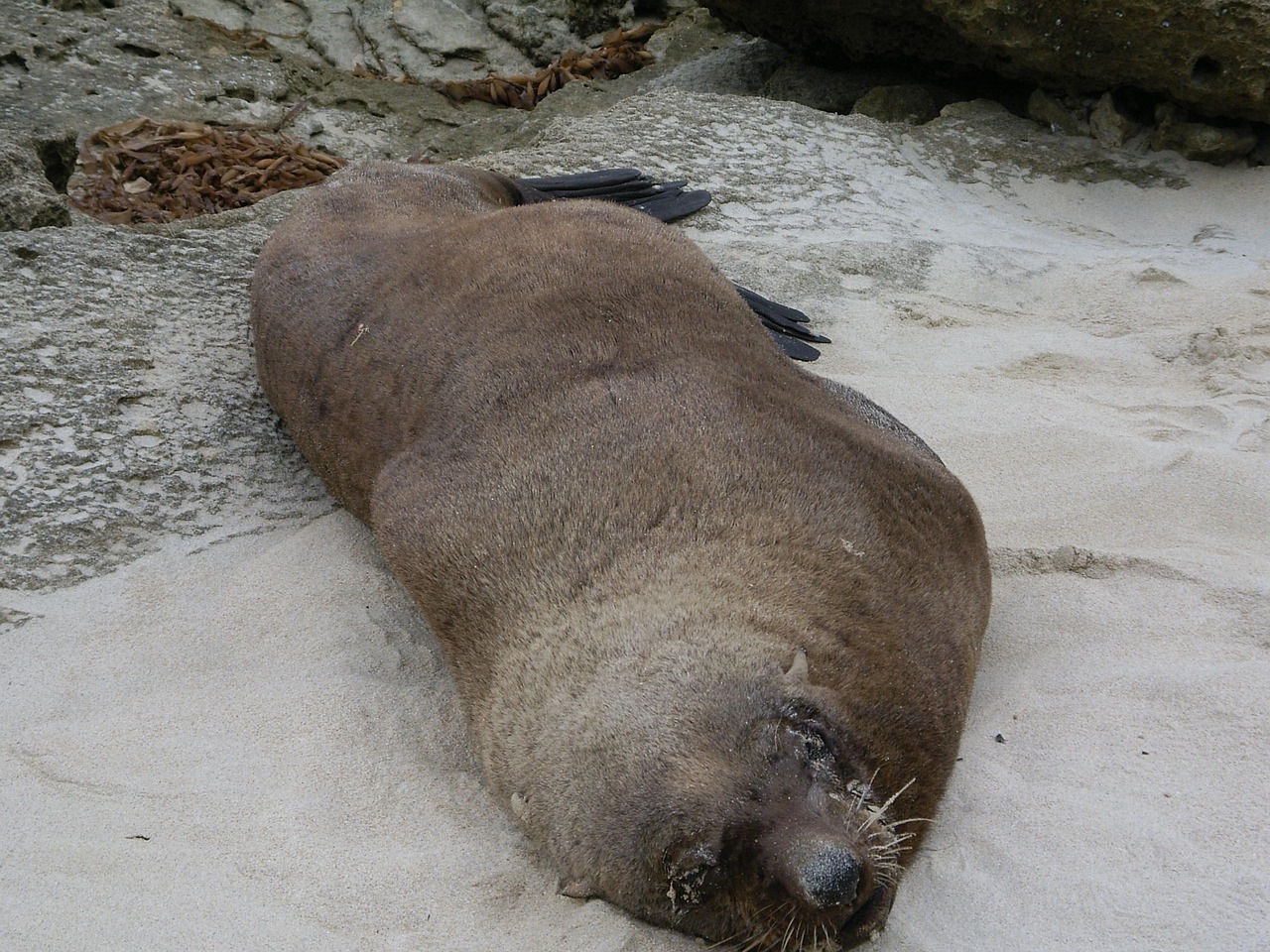
Yup’ik foodways drew almost entirely on the wild abundance of the land and sea. Salmon and other fish, taken in the summer runs and dried for winter, formed a foundation of the diet, while seals and other sea mammals provided meat and the rich oil that was essential nutrition in the cold Arctic climate.
Seal oil in particular held a central place, used as a food, a condiment, and a source of the fat the body needs in extreme cold, and dishes were often eaten dipped in it. The meat of sea mammals and land animals, fresh or preserved, sustained the people through the winter, and the harvest of the hunt was carefully processed and stored.
The brief summer brought a wealth of other foods: berries gathered in great quantities and stored, edible greens and plants, and the eggs of the countless waterfowl that nest on the tundra. A beloved traditional food combines berries, fat, and other ingredients into a rich dish sometimes called Eskimo ice cream, a treat still enjoyed at gatherings today.
Above all, food was meant to be shared, and the distribution of the catch through the community was both a practical foundation of survival and a deep social value. Subsistence foods remain central to Yup’ik life today, prized for their nutrition, their taste, and their profound connection to identity, tradition, and the land.

The Bladder Festival and the Great Gatherings
The Yup’ik ceremonial year reached its height in the winter festivals held in the qasgiq, chief among them the Bladder Festival, one of the most important of all Yup’ik ceremonies. Reflecting the belief that the souls of seals resided in their bladders, the festival honored the animals taken during the year, keeping their bladders and returning them ceremonially to the sea so that the seals might be reborn and return to the hunters.
This ceremony, rich with ritual, song, and dance, expressed the heart of the Yup’ik relationship with the animals on which they depended, a relationship of gratitude, respect, and the hope of continued abundance. It bound together the spiritual and the practical, ensuring, in the people’s understanding, the return of the game on which life relied.
Other great gatherings punctuated the winter as well, including festivals of gift-giving and the honoring of guests, in which communities came together to feast, dance, exchange, and reaffirm their bonds. These events drew people across the region, weaving separate villages into a wider social world and marking the high points of the ceremonial calendar.
Though missionary pressure suppressed some of these ceremonies in the past, many traditions endured or have been revived, and Yup’ik dance, song, and gathering remain vital today. The winter festivals, in their old and renewed forms, continue to express the enduring values and spiritual vision of the Yup’ik people.
Contact, Missions, and Endurance in the North
The Yup’ik homeland’s remoteness long shielded it from the full force of outside contact, and sustained encounters with Russians and later Americans came relatively late compared with much of Native America. When contact intensified in the nineteenth century, it brought the familiar devastations of epidemic disease, which struck the Yup’ik hard, along with traders, missionaries, and eventually American administration.
Missionaries worked to suppress traditional ceremonies and the role of the shaman, and the introduction of schools, churches, and new goods reshaped Yup’ik life. Yet the very isolation of the region, and the continued necessity and value of the subsistence way of life, allowed the Yup’ik to retain far more of their language and culture than most Native peoples managed.
The twentieth century brought further change, including the pressures of the American economy, government policy, and, in 1971, the Alaska Native Claims Settlement Act, which reorganized land and resources through Native corporations. The Yup’ik navigated these changes while holding fast to the subsistence practices and the language that remained central to their identity.
Through disease, missionization, and modernization, the Yup’ik endured with their culture remarkably intact. Their history is not primarily one of removal or conquest but of a people who, in their remote northern homeland, adapted to the outside world on their own terms while keeping their essential way of life alive.
The relative lateness and remoteness of sustained contact meant that the Yup’ik entered the modern era with much of their traditional knowledge and social fabric still intact, an advantage few Native peoples enjoyed. This head start in cultural continuity helps explain why the Yup’ik today remain so distinctively themselves, their language and subsistence life still central rather than merely remembered.

The Yup’ik in the Modern Arctic
Today the Yup’ik number among the largest Alaska Native groups, living in dozens of villages across the Yukon-Kuskokwim Delta and the Bering Sea coast, as well as in Alaska’s towns and cities. Their communities blend the traditional and the modern, with snow machines and modern technology alongside the enduring practices of subsistence hunting and fishing.
The subsistence way of life remains at the heart of Yup’ik identity, and hunting seals, fishing for salmon, and gathering the foods of the land continue to structure the year and to nourish both body and culture. Defending subsistence rights and the health of the land, waters, and animals is a central concern, especially as climate change reshapes the Arctic.
The Yup’ik language, still spoken by children in many villages, is a source of pride and a foundation of cultural continuity, sustained by community commitment and by schools that teach in the language. Dance, mask-making, skin-sewing, and the other traditional arts flourish, carried forward by new generations who value their heritage.
What stands out is the extraordinary resilience and continuity of the Yup’ik, one of the most culturally intact Indigenous peoples on the continent. Rooted in their tundra and coastal homeland, speaking their own living language, and sustaining a subsistence way of life thousands of years deep, the real people of the Bering coast carry their world forward into the modern Arctic.
Related Peoples of the Far North
You May Like
The Zaza, a Mountain People of Eastern Anatolia