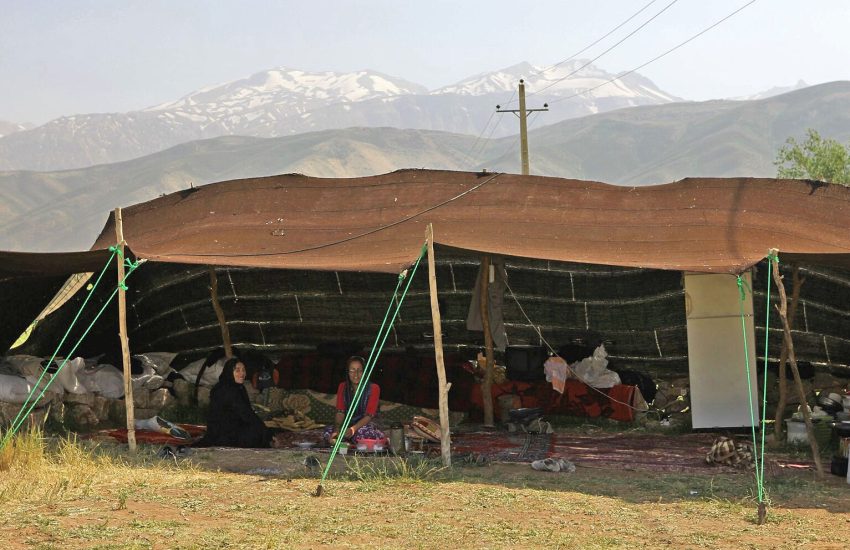
Across the frozen tundra of the far north of Russia, from the edge of Europe deep into Siberia, live the Nenets, the greatest of the reindeer-herding peoples of the Arctic. For centuries they have followed their vast herds across the open, treeless plains of the north, living in portable tents of reindeer hide, migrating with the seasons over one of the harshest and most beautiful landscapes on earth.
The Nenets are a Samoyedic people, speakers of a language of the great Uralic family, and they are the most numerous of the small indigenous peoples of the Russian north. Masters of the reindeer and of the tundra, they kept their nomadic way of life into modern times, and many keep it still, following their herds across the Arctic as their ancestors have done for untold generations.
This article is part of our Folks series on the peoples of Russia, and it tells the story of the Nenets from their ancient origins to the present. We will explore their beginnings, their name, their language, their homeland of tundra and ice, the reindeer and their old way of life, their nomadic society, their faith and the spirits of the north, their traditions, their crafts, their food, the turning of the nomadic year, their history under the Russian state, and who the Nenets are today.
- The Origins of the Nenets
- The Name of the Nenets
- The Nenets Language
- A Homeland of Tundra and Ice
- The Reindeer and the Old Way of Life
- Society and the Nomadic World
- Faith and the Spirits of the North
- Traditions and Oral Lore
- Crafts of the Tundra
- The Food of the Nenets
- The Turning of the Nomadic Year
- Under the Russian State
- The Nenets Today
The Origins of the Nenets
The Nenets are a Samoyedic people, part of an ancient branch of the great Uralic family of peoples that also includes the Finnic and other northern peoples. Their ancestors are thought to have originated far to the south, in the region of southern Siberia, before migrating northward over the centuries into the tundra of the Arctic coast.
Over this long migration the Nenets moved into the far north and took up the herding of reindeer, adapting to the treeless tundra and the extreme conditions of the Arctic. They spread across an immense stretch of the northern coast, from the edge of Europe eastward across the top of Siberia, becoming the people of the open tundra.
In their new northern home the Nenets developed the way of life for which they became famous, the large-scale herding of reindeer across the tundra, following the herds in a nomadic round over vast distances. This mastery of the reindeer and the tundra set them apart and made them the greatest of the reindeer peoples of the Russian north.
Shaped by their Samoyedic heritage and by the demands of the Arctic, the Nenets emerged as a distinct people of the far north, nomads of the tundra bound to their reindeer. Their long adaptation to one of the most extreme environments on earth produced a culture of remarkable resilience and a way of life that endures into the present day.
Where farming was impossible and forests gave out, the reindeer made human life possible at all. On its back the Nenets built an entire civilization of the tundra.
Few peoples anywhere have adapted so completely to so hostile a land and thrived there. The Nenets turned the empty Arctic into a homeland that could sustain a whole nation.
The Name of the Nenets
The people call themselves Nenets, a word meaning man or human in their own language, the name by which they know their nation. It is their own name for themselves, and it has become the standard name for the people in modern use, replacing older names given by outsiders.
In earlier times the Nenets and related Samoyedic peoples were known by other names, given by the Russians and drawn from various sources, names now largely set aside in favor of the people’s own name for themselves. The shift to the name Nenets reflects the modern respect for the names peoples use for their own nations.
The Nenets are divided into two main groups by way of life and region, the tundra Nenets, the great majority, who herd reindeer across the open tundra, and a smaller group of forest Nenets living in the wooded lands to the south, whose life among the trees differs from that of the open-tundra herders.
The forest Nenets herd smaller groups of reindeer among the trees and rely more on hunting and fishing. Their quieter woodland life is a lesser-known branch of the Nenets world.
Through these divisions the name Nenets covers the whole people, the tundra herders and the forest dwellers alike, spread across the vast northern lands. It ties them to their identity as the people of the north, the human beings of the tundra, masters of the reindeer in one of the world’s most demanding homelands.
The single word they use for themselves, meaning simply human, speaks of a people at home where few others could live at all. To be Nenets is to be human in the most extreme of human dwelling places.
The Nenets Language
The Nenets language belongs to the Samoyedic branch of the Uralic family, making it a distant relative of Finnish, Hungarian, and the other Uralic tongues, though far removed from them by long separation. It is the largest and most vital of the Samoyedic languages, spoken across the wide lands of the Nenets people.
The language reflects the tundra world of its speakers, rich in words for reindeer, snow, ice, and the features of the northern landscape, a vocabulary finely tuned to the life of the Arctic herder. It is divided between the speech of the tundra Nenets and that of the forest Nenets, differing enough to mark the two groups apart.
Nenets came to be written in the modern era, using the Cyrillic script, and some literature, education, and media developed in the language. As a spoken tongue it remained strong among the nomadic herders, carried in the daily life of the tundra and in a rich oral tradition of song and story.
Today Nenets is one of the more vital of the small indigenous languages of the Russian north, kept alive above all by the continuing nomadic life of the reindeer herders, among whom it remains the language of daily use. Yet it faces the pressure of Russian, especially among those who have settled in the towns, and its future is tied to the survival of the herding way of life.
Those who move to the towns often see their children slip toward Russian in a single generation. The tundra, not the town, is the true stronghold of the language.
In the herding camps children still grow up hearing Nenets as their first and constant tongue. As long as the reindeer are followed, the language has a living home.
A Homeland of Tundra and Ice
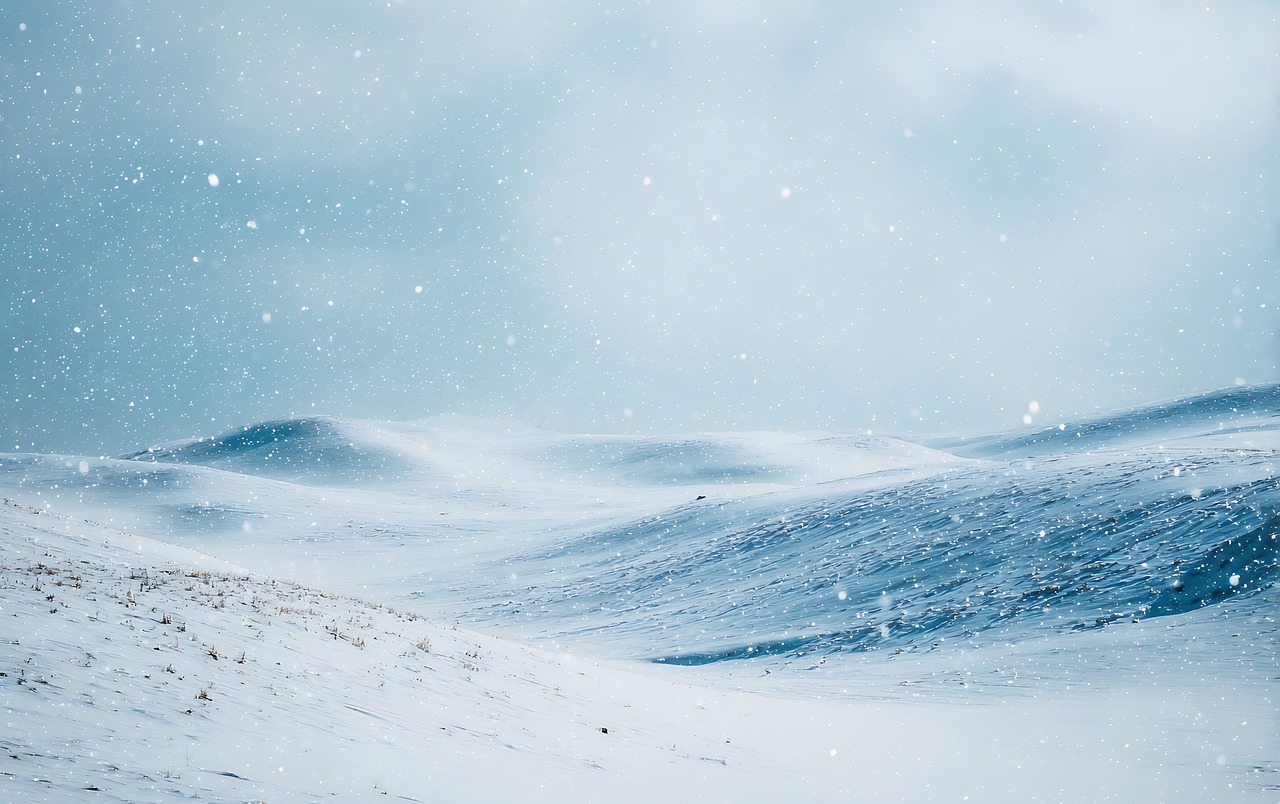
The Nenets homeland is the vast Arctic tundra of the far north of Russia, an immense stretch of treeless plain along the northern coast, from the edge of Europe eastward across the top of Siberia. It is a land of open horizons, of tundra and marsh in the brief summer and of frozen white expanse through the long Arctic winter.
At the heart of the Nenets lands lies a great peninsula reaching north into the Arctic Ocean, a name that in the Nenets language means the end of the land, a fitting name for this far northern country at the edge of the frozen sea. Across this and the surrounding tundra the Nenets follow their herds through the round of the year.
The land is one of extremes, plunged into darkness and ferocious cold through the long winter, then briefly transformed in the short summer when the sun scarcely sets, the snow melts, and the tundra bursts into a brief flush of life, plagued by clouds of insects. Between these extremes the Nenets and their reindeer move across the open north.
Beneath the tundra lies permafrost, and beneath that, in modern times, were found the great reserves of natural gas that have transformed parts of the Nenets homeland into centers of energy extraction. But across most of the vast north the tundra remains the open, treeless, frozen homeland of the reindeer and their herders, as it has been for centuries.
The coming of the gas fields has cut roads, pipelines, and towns across land that was once open pasture. The herders now thread their migrations through an industrial landscape their grandparents never knew.
The Reindeer and the Old Way of Life
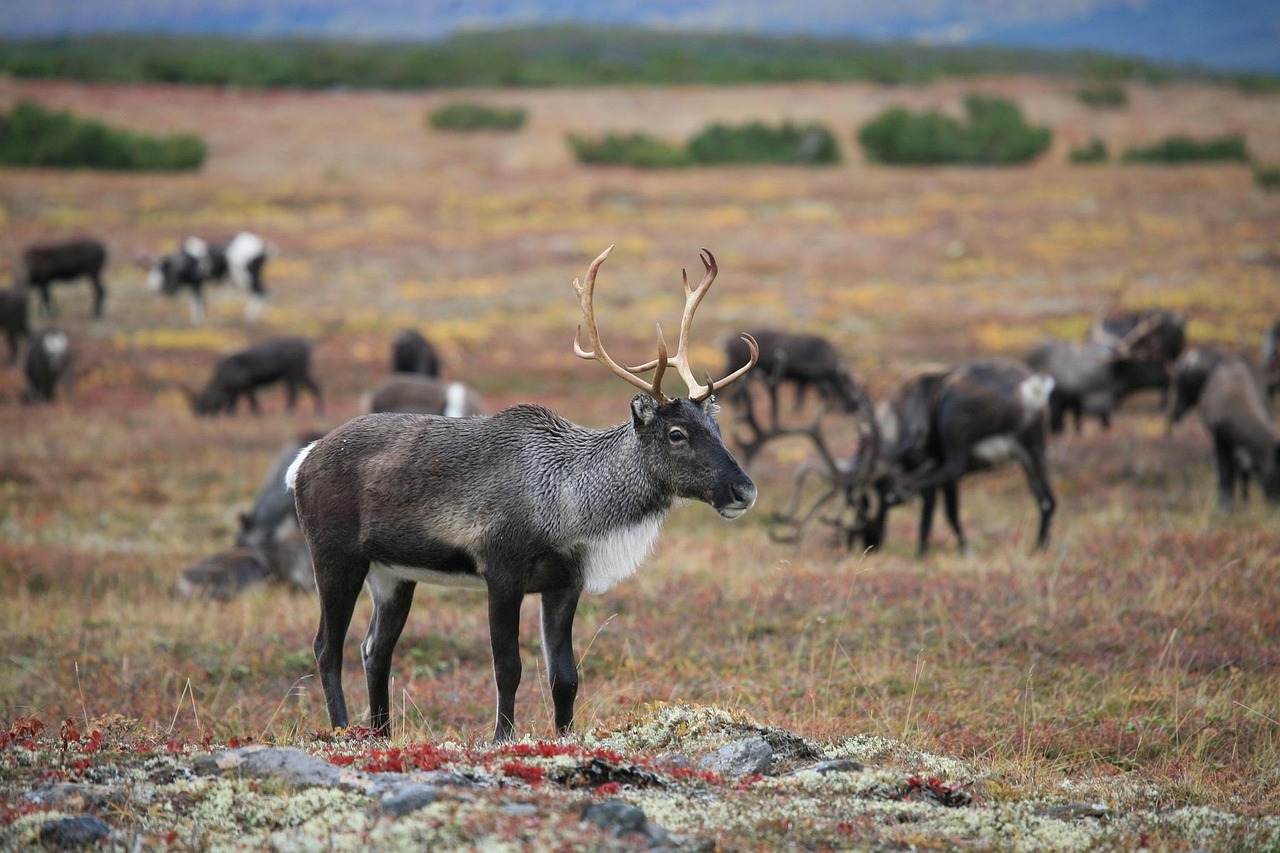
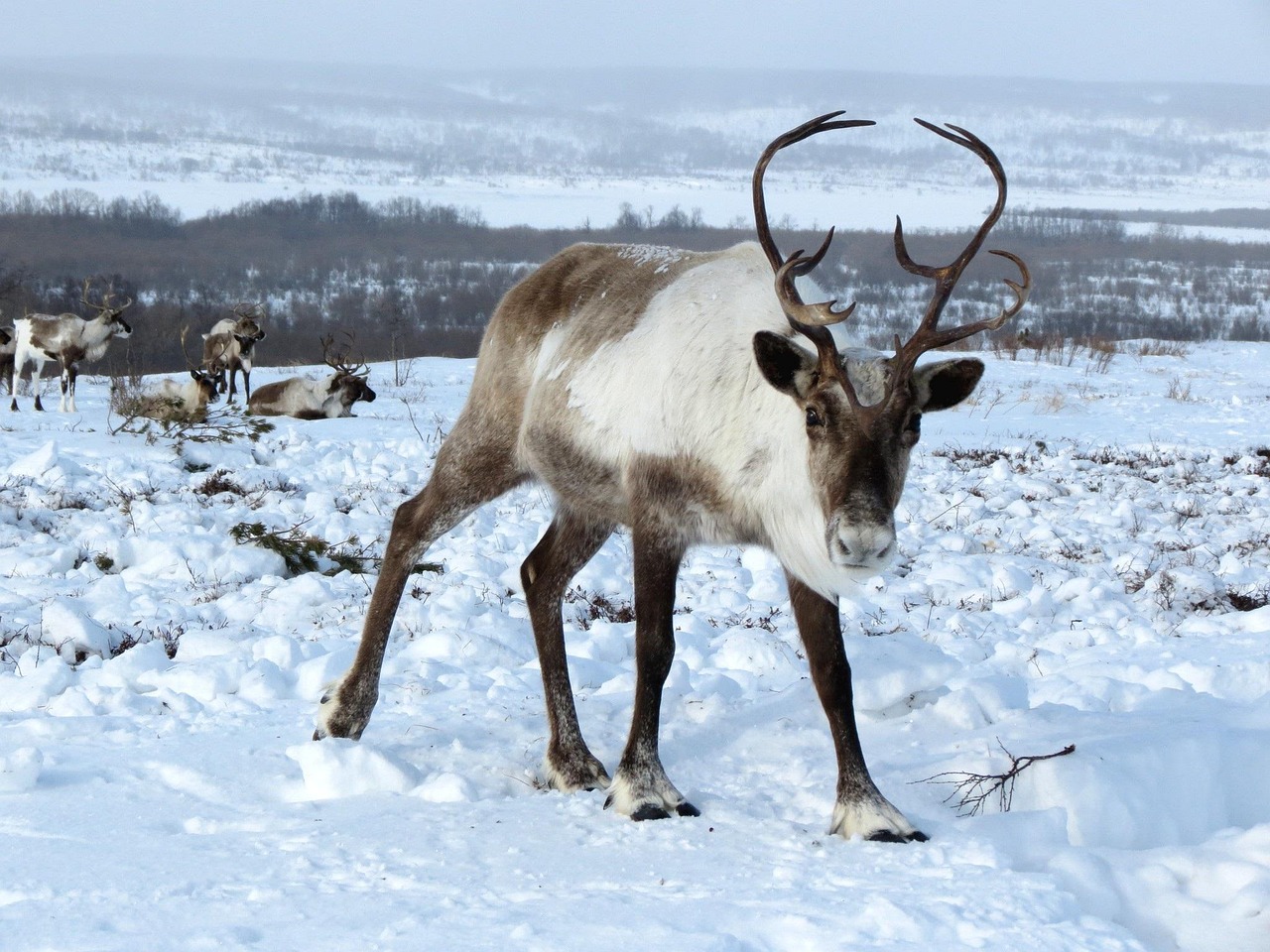
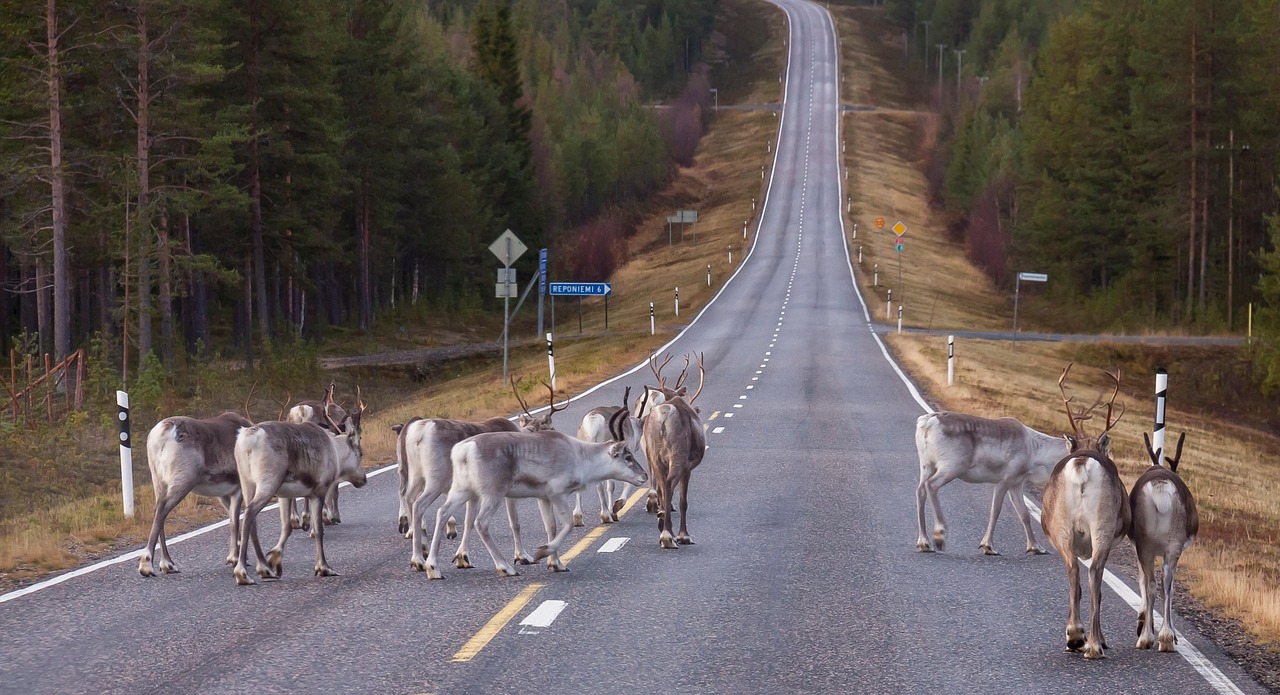
The whole of the traditional Nenets way of life turns on the reindeer, the animal that is the foundation of everything. The Nenets herd reindeer on a great scale, following their herds across the tundra in a nomadic round that covers vast distances, migrating north in summer and south in winter in the age-old rhythm of the Arctic herder.
The reindeer give almost everything the Nenets need, meat for food, hides for clothing and for the covering of their tents, sinew for thread, bone and antler for tools, and the animals themselves for transport, pulling the sledges that carry the people and their belongings across the snow. A family’s wealth and survival are measured in reindeer.
The home of the nomadic Nenets is the chum, a large conical tent of poles covered with reindeer hides, warm against the Arctic cold and able to be taken down, loaded onto sledges, and moved to a new camp as the herds move on. Within it life is ordered around the hearth, and the whole dwelling is designed for the mobile life of the tundra.
A whole camp can be struck, loaded onto sledges, and moving within hours when the herd must go. The Nenets carry their homes with them as lightly as the reindeer carry the season.
This nomadic herding life, following the reindeer across the open tundra and living in the hide tent, has been the Nenets way for centuries and endures among many of them still. It is a life of constant movement, deep skill, and intimate knowledge of the reindeer, the weather, and the land, one of the last great nomadic traditions of the world.
A skilled herder can recognize individual animals among thousands and read the coming weather in the sky. Such knowledge, gained over a lifetime, is the true inheritance of the tundra.
Society and the Nomadic World
Nenets society is built around the family and the clan, the extended family with its herd forming the basic unit of the nomadic life, and larger kin groups and clans linking families across the vast tundra. The clans, tracing descent from common ancestors, order marriage, kinship, and the ties that bind the scattered nomads into one people.
Life is lived in small groups moving with the herds, families and their close kin traveling and camping together across the open north. The nomadic life demands cooperation and skill, and the tasks of herding, migration, and survival are shared according to age and role within the family and the traveling group.
The scattered, mobile nature of Nenets life, spread thinly across an immense land and constantly on the move, shaped a society of self-reliant families linked by kinship and by the shared culture of the tundra. There were no towns or fixed centers in the old nomadic world, only the moving camps and the great gatherings that brought people together.
Binding the scattered nomads together were their common language, their shared beliefs and traditions, the ties of clan and marriage, and the great gatherings where families met, traded, arranged marriages, and renewed their bonds. Across the vast tundra, the Nenets remained one people, held together by kinship and culture in a life of constant movement.
Marriages arranged between clans wove the scattered families into a single web of kinship across the tundra. Even far apart, the Nenets remained bound to one another by blood and custom.
Faith and the Spirits of the North
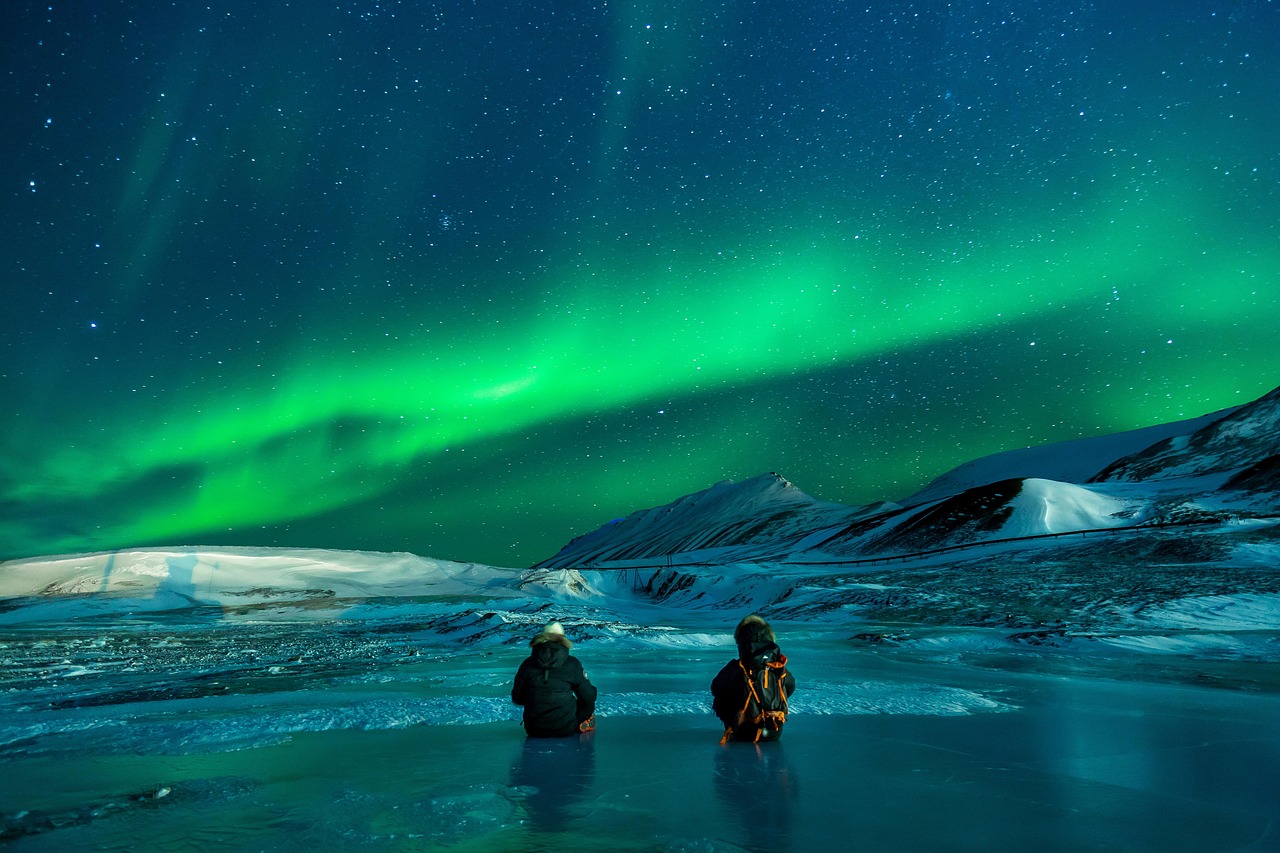
The traditional faith of the Nenets is a rich world of belief in the spirits of nature and the powers of the sky, earth, and tundra, a shamanism akin to the beliefs of other peoples of the Arctic and Siberia. The Nenets saw the world as filled with spirits, of the sky, the land, the water, and the dead, powers to be honored, respected, and appeased.
Central to this world was the shaman, the ritual specialist who could reach the spirit world, heal the sick, guide the souls of the dead, and mediate between people and the unseen powers. The shaman held an important place in Nenets life, and the beliefs and rituals surrounding the spirits formed a deep tradition rooted in the tundra world.
The Nenets honored sacred places across the tundra, sites holy to the spirits, where offerings were made and rituals performed, and they marked the great moments of life and the round of the year with observances meant to keep the balance between people and the powers of the north. The reindeer itself held sacred meaning in this world of belief.
Christianity reached some of the Nenets under Russian rule, and in the Soviet era both the old beliefs and the shamans were suppressed, yet the traditional faith endured with great strength among the nomadic herders, kept alive in the practices of the tundra. Today the old beliefs and reverence for the spirits of the north remain a living part of Nenets life, especially among those who keep the herding way.
Offerings are still left at sacred sites on the tundra, and the spirits of the land are treated with real respect. The old faith lives most strongly where the old life continues.
Traditions and Oral Lore
The Nenets carry a rich oral tradition of song, epic, and story, the literature of a people without books, preserving their history, mythology, and values in the memory and the voice. Long epic tales and songs, performed by skilled tellers, carried the deeds of heroes, the myths of the tundra world, and the wisdom of the ancestors across the generations.
These songs and tales reflect the world of the tundra and the reindeer, peopled by heroes and spirits and shaped by the life of the Arctic nomad. Sung and told through the long nights of the northern winter, they were both entertainment and education, carrying the culture and worldview of the people to each new generation.
Alongside the epics and tales there flourished personal songs, laments, and countless smaller forms of oral poetry, woven into the daily life of the herding camps. The oral tradition was the great repository of Nenets culture, the means by which a nomadic people without writing kept alive its history, beliefs, and identity.
Through their songs and tales, their beliefs and customs, the Nenets preserved a whole world of northern culture, a way of understanding the tundra, the reindeer, and the powers of the world. This tradition, carried in the voice across the open north, is among the great treasures of the culture of the Arctic peoples of Russia.
A single gifted teller could hold a whole night’s epic in memory and perform it from dusk to dawn. In a land without books, such a memory was a library and a treasure both.
Crafts of the Tundra
The crafts of the Nenets grew almost entirely from the reindeer and the materials of the tundra, an art of making everything needed for life from the products of the herd and the sparse resources of the north. From reindeer hides they made their clothing and the covering of their tents, and from bone, antler, and sinew they made tools, fittings, and thread.
Nenets clothing, made of reindeer hides sewn with great skill, is a marvel of adaptation to the Arctic cold, warm enough to survive the ferocious winter and beautifully made, often decorated with intricate patterns and ornament. The making of this clothing, above all by the women, was among the most vital and skilled of Nenets crafts.
The Nenets made their sledges, the vital means of transport across the snow, and the harness and gear of the reindeer that pulled them, along with the many tools and objects of the nomadic camp. Working in bone, antler, wood where it could be found, and metal obtained in trade, they crafted the equipment of the herding life.
Decorative art, above all the intricate patterns worked into clothing and objects, expressed the artistry of the Nenets within the demands of a practical life. Born of the reindeer and the tundra, made for survival in the Arctic yet often beautiful, the crafts of the Nenets express the skill and ingenuity of a people who made a rich life in the far north.
A well-sewn coat of reindeer hide could mean the difference between life and death in the Arctic winter. The women who made them were guardians of the family’s survival as much as its appearance.
The Food of the Nenets
Nenets food comes above all from the reindeer, the animal at the center of their life, supplemented by fish and the sparse bounty of the tundra. Reindeer meat is the staple, eaten in many forms, and it provides the rich, nourishing food needed to survive the extreme cold of the Arctic winter and the demands of the nomadic life.
A distinctive feature of Nenets eating is the consumption of reindeer meat and blood fresh and raw, a practical and nourishing way of eating in a land where such food provides vital nutrients otherwise hard to obtain in the Arctic. Frozen raw fish and meat, sliced thin in the deep cold, are also part of the northern diet.
Fish from the rivers and lakes of the tundra is an important part of the diet, caught and eaten fresh, dried, or frozen, and the brief abundance of summer brought berries and other wild foods gathered from the tundra. These, with the ever-present reindeer, made up the food of the nomadic north.
The cuisine reflects the life of the reindeer herder in the Arctic, based on the animals of the herd, the fish of the waters, and the sparse gifts of the tundra, adapted to a mobile life and the most extreme of climates. Rich in meat and fish, suited to survival in the far north, Nenets food is the nourishment of the people of the reindeer.
A share of fresh meat offered to a visitor was the plainest and warmest of welcomes in the north. Around the hearth of the chum, food was the first language of hospitality.
Nothing of a slaughtered reindeer was wasted, for in the tundra waste could not be afforded. Every part fed, clothed, or equipped the family in some way.
The Turning of the Nomadic Year
The Nenets year turns on the great migrations of the reindeer and the extremes of the Arctic seasons rather than on a calendar of fixed festivals. The whole rhythm of life follows the herds, the long journey north toward the coast in the summer and back south toward the forest edge in the winter, in a round that structures the entire year.
The seasons of the Arctic, the long dark cold of winter and the brief bright intensity of summer, shape the life and movement of the people. The tasks of the herding year, the migrations, the calving of the reindeer, the gathering and moving of the herds, mark the passage of time for the nomads of the tundra.
Great gatherings brought scattered families together at certain times and places, occasions for trade, for the arranging of marriages, for the renewal of ties, and for the observances and rituals of the traditional faith. These gatherings, drawing the nomads together from across the tundra, were the social high points of the year.
News, goods, and marriage matches all traveled through these meetings on the open tundra. For a scattered people they were the moments when the nation gathered and felt itself whole.
Life’s great moments, birth, marriage, and death, were marked with the rituals and customs of the Nenets, observances tied to the beliefs of the tundra world and the powers of the north. Through the round of migration, the gatherings, and the rituals of life, the Nenets marked the turning of their year in a life bound to the reindeer and the seasons of the Arctic.
Under the Russian State
The Nenets came under Russian influence and rule over the course of centuries, as Russian traders, officials, and settlers pushed into the north in search of furs and the wealth of the Arctic. The Nenets were made to pay the fur tribute and drawn into the Russian state, though the remoteness of the tundra long kept its impact limited.
For a long time the nomadic life of the tundra continued much as before under the distant authority of the Russian state, the herders following their reindeer across a land too vast and too harsh for close control. The Nenets kept their language, their faith, and their way of life through the centuries of imperial rule with remarkable continuity.
The Soviet era brought far greater change, with efforts to settle the nomads, to collectivize the reindeer herds, to suppress the shamans and the old beliefs, and to bring schooling and Soviet life to the children of the tundra. These changes disrupted the traditional life, yet a great many Nenets continued the nomadic herding of reindeer through it all.
The later discovery of enormous reserves of natural gas beneath the Nenets homeland brought a new and powerful pressure, as industry, pipelines, and towns spread across parts of the tundra, threatening the pastures and the migration routes of the reindeer. Through empire, Soviet upheaval, and now the coming of the energy industry, the Nenets have held to their reindeer and their nomadic way with striking tenacity.
The Nenets Today
Today the Nenets are the most numerous of the small indigenous peoples of the Russian north, numbering some tens of thousands, spread across the vast Arctic lands from the edge of Europe into Siberia. Remarkably, a great many of them still live the nomadic life of the reindeer herder, following their herds across the tundra as their ancestors did.
This survival of large-scale nomadic reindeer herding into the present day makes the Nenets one of the most notable of the world’s surviving nomadic peoples, keeping a way of life that has vanished almost everywhere else. Their language, tied to this living herding life, remains among the more vital of the small languages of the Russian north.
Yet the Nenets face serious pressures, above all from the great expansion of the natural gas industry across their homeland, which threatens the pastures and migration routes on which the reindeer and the herding life depend. Balancing the survival of the nomadic tradition with the forces of the modern industrial world is the great challenge of the Nenets today.
The Nenets remain what their long history made them, the great reindeer people of the Arctic tundra, nomads of the far north bound to their herds and their land, keepers of one of the last great nomadic traditions on earth. Their story is one of the most remarkable threads in the vast tapestry of the peoples of Russia, and from the frozen tundra our journey continues on to the other peoples of that immense land.
You May Like
The Zaza, a Mountain People of Eastern Anatolia