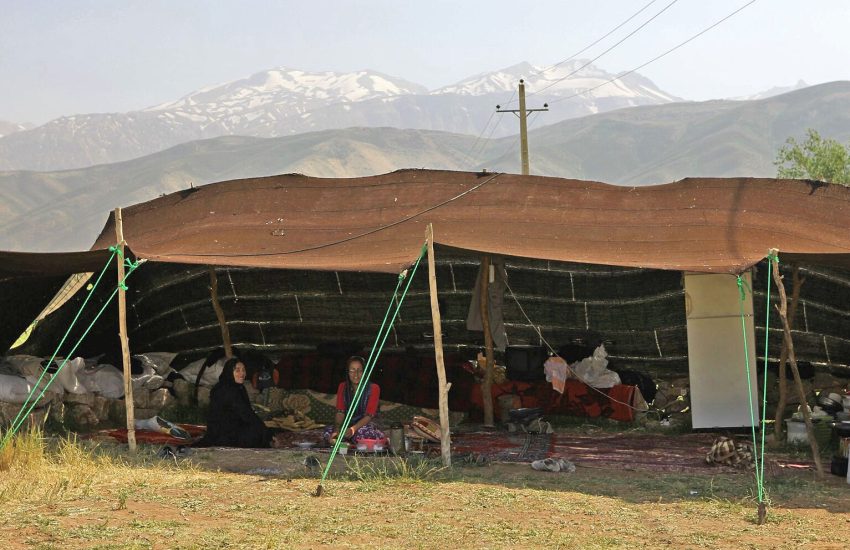
In the very center of the Asian continent, in a land of steppe, mountain, and taiga south of Siberia and north of Mongolia, live the Tuvans. Theirs is a country of wide grasslands ringed by mountains, where nomadic herders have followed their flocks for centuries and where one of the most extraordinary musical traditions in the world was born, the deep resonant art of throat singing.
The Tuvans are a Turkic people, close in many ways to the Mongolian world that borders them, herders of the steppe and mountain who kept a nomadic way of life into modern times. They are followers of Tibetan Buddhism woven together with an older shamanism, and their homeland, once an independent state, lies at what many reckon to be the geographic heart of Asia.
This article is part of our Folks series on the peoples of Russia, and it tells the story of the Tuvans from their origins to the present. We will explore their beginnings, their name, their language, their homeland at the center of Asia, their old way of life, their herding society, their faith between Buddhism and the spirits, their tradition of throat singing, their crafts, their food, their festivals, their history from independence to the Russian state, and who the Tuvans are today.
- The Origins of the Tuvans
- The Name of the Tuvans
- The Tuvan Language
- A Homeland at the Center of Asia
- The Old Way of Life
- Society and the Herding World
- Faith Between Buddha and the Spirits
- Throat Singing and Oral Tradition
- Crafts of the Steppe and Taiga
- The Food of the Tuvans
- Festivals and the Turning Year
- From Independence to the Russian State
- The Tuvans Today
The Origins of the Tuvans
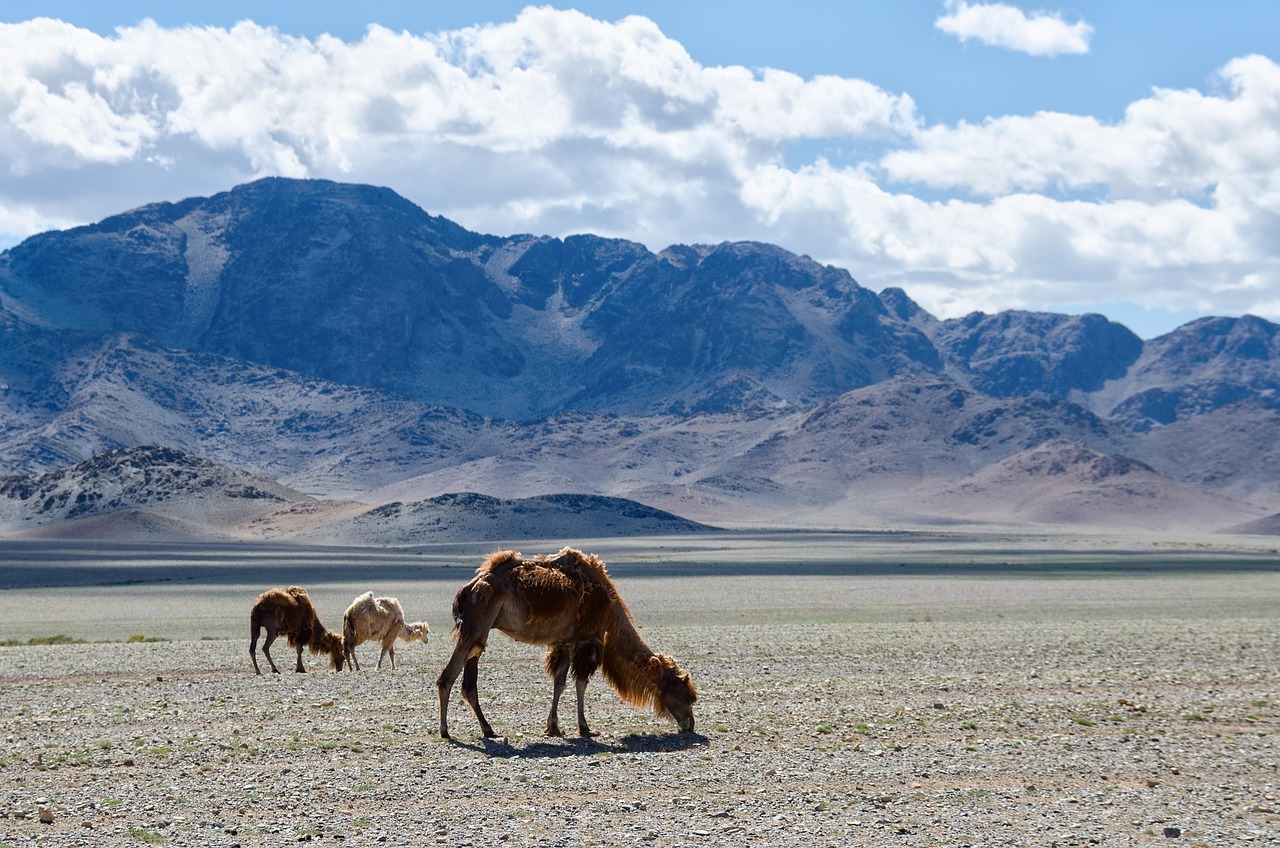
The Tuvans are a Turkic people whose roots lie deep in the history of the steppe and mountain world of inner Asia. Their homeland, the upper basin of the great Yenisei river, has been inhabited for thousands of years by a succession of peoples, and the Tuvans emerged from the mixing of Turkic-speaking groups with the older populations of the region.
This land lay at the heart of the ancient world of the steppe empires, crossed by the great powers of the Turkic and later the Mongol worlds, and the Tuvans took shape amid these currents. Their culture blended the Turkic heritage of language with strong influences from the Mongolian world that lay to their south, producing a people at the meeting point of two great traditions.
A Tuvan herder could feel at home in a Mongolian camp yet spoke a tongue rooted in the Turkic world. This double belonging gave the people a character all their own.
The Tuvans were never a single unified state in their early history but a set of related clans and communities spread across the grasslands, mountains, and forests of their homeland. Some lived as herders on the open steppe, others as hunters and reindeer herders in the northern mountain taiga, and from these varied groups the Tuvan people formed.
Shaped by the steppe and by the mountain, by the Turkic tongue and the Mongolian and Buddhist worlds, the Tuvans emerged as a distinct people in the center of Asia. Their long isolation in this remote land, ringed by mountains and far from any coast, preserved a way of life and a culture of remarkable character into modern times.
The Name of the Tuvans
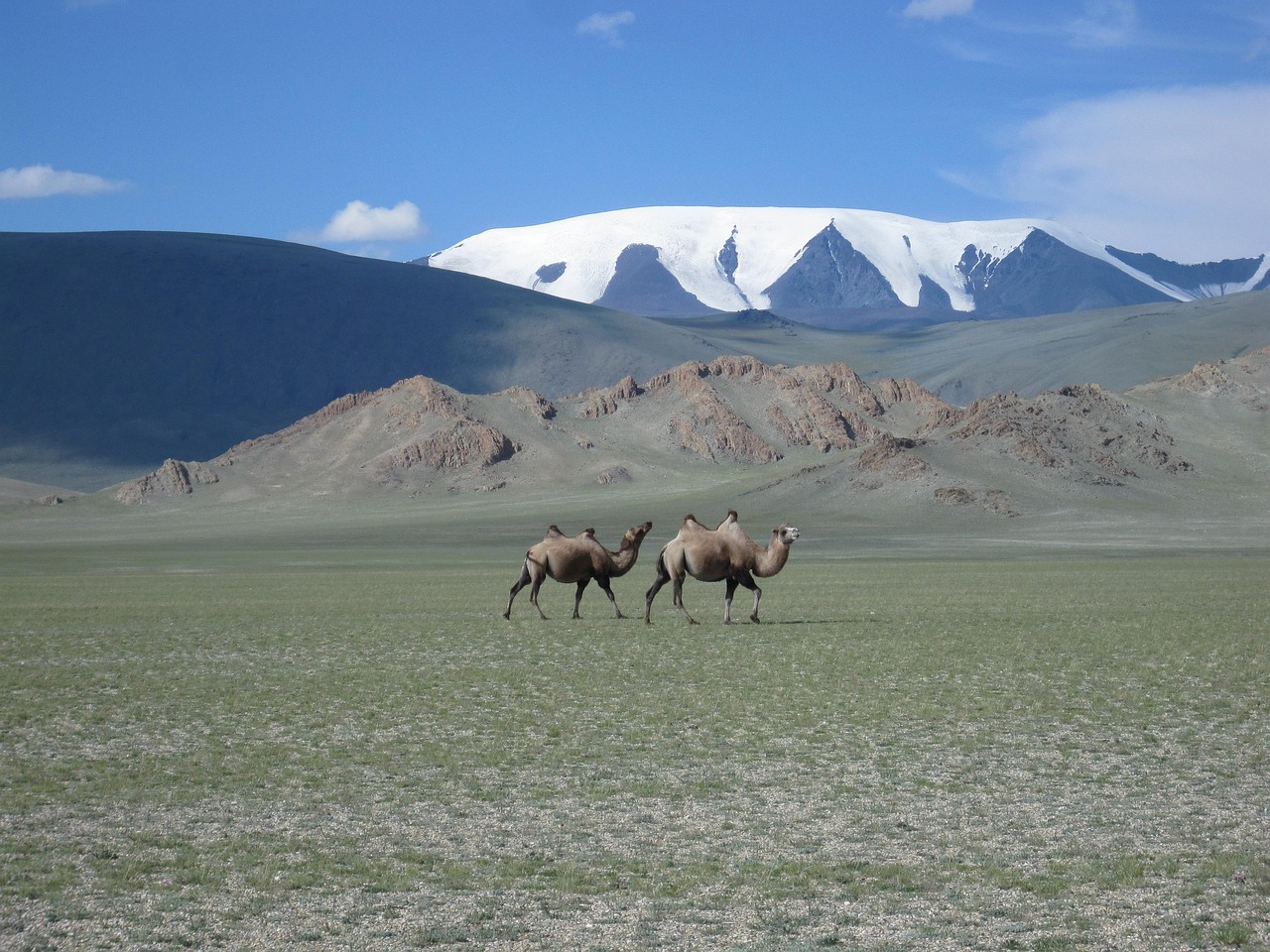
The people call themselves Tyva or Tuva, the name of their nation and their land, and it is the root of the modern name used both by themselves and by the wider world. It is an old name for the region and its people, carried through the centuries and now firmly established as the name of the Tuvan nation.
In earlier times and in some older usage the Tuvans and their land were known by other names given by outsiders, including names used by the Russians and by their Mongolian and Chinese neighbors. These older names reflected the position of Tuva at the meeting of empires and the many peoples who bordered the Tuvan world.
The land itself is Tuva, a name now attached to the republic that is the Tuvan homeland within Russia. Within the people there were divisions by clan and by way of life, between the steppe herders and the mountain and forest peoples of the north, each with their own identity within the wider Tuvan world.
Through all of this the name Tuva has endured as the mark of this people at the center of Asia, tying them to their homeland of steppe and mountain. It carries the identity of a nation that has stood at the crossroads of the Turkic, Mongolian, and Russian worlds, holding to its own distinct character through a long and eventful history.
Few peoples of Russia have passed through so many overlords while changing so little at heart. Tuva absorbed rulers as the steppe absorbs rain, and remained the steppe.
Standing where the Turkic, Mongolian, Chinese, and Russian worlds met, Tuva absorbed something from each while remaining itself. This crossroads position is written into the very fabric of Tuvan culture.
The Tuvan Language
The Tuvan language belongs to the Turkic family, a relative of the other Turkic tongues, though shaped by its position in the Mongolian and Siberian world. It is the everyday language of the Tuvan people, and it belongs to the group of Turkic languages of southern Siberia, distinct in various ways from the Turkic tongues of the west.
Long contact with the Mongolian world left its mark on Tuvan, especially in vocabulary, reflecting the deep ties between the Tuvans and their southern neighbors. At the same time the language kept its Turkic core in grammar and basic words, a living witness to the Turkic heritage of the people amid the Mongolian and Buddhist influences around them.
Tuvan came to be written in the modern era, using the Cyrillic script after a period with other alphabets, and it developed a written literature and a place in education and media in the Tuvan homeland. The language remained strong among the people, spoken widely in daily life across the towns and the herding country.
Today Tuvan is one of the more vigorous of the indigenous languages of southern Siberia, spoken by the great majority of the Tuvans and central to their identity. Like all the languages of Russia it lives alongside the powerful presence of Russian, but its strength in daily life and in the herding country gives it a firmer footing than many of its neighbors.
Newspapers, radio, and schoolbooks in Tuvan support the spoken tongue with a written life. A language used in print as well as speech stands on two legs rather than one.
Children speak Tuvan in the home and on the pastures, and it is heard everywhere in the republic’s daily life. Such everyday strength is the surest shield a language can have.
A Homeland at the Center of Asia

The Tuvan homeland lies in the very center of the Asian continent, in the upper basin of the Yenisei river, a land often reckoned to contain the geographic heart of Asia, the point farthest from any ocean. It is a country ringed by mountains, enclosing a basin of steppe and grassland, with forests and higher mountains to the north.
This is a varied and beautiful land of wide grasslands, of mountains and forests, of rivers, lakes, and even patches of near-desert, a meeting of the Siberian taiga to the north and the Central Asian steppe to the south. The mountains that ring it long kept it isolated, a hidden basin at the center of the continent, remote from the wider world.
The great Yenisei, one of the mightiest rivers of Siberia, rises in the Tuvan land, its headwaters gathering among the mountains and steppes of the region before flowing north across Siberia to the Arctic. Water, grassland, forest, and mountain together made a homeland that could support both the steppe herder and the hunter of the northern forests.
The climate is sharply continental, with cold winters and warm summers in the enclosed basin, and the landscape shifts from open steppe to mountain taiga across the land. This varied and enclosed homeland, remote at the center of Asia, shaped the isolated and distinctive culture of the Tuvans and gave them a country of striking natural beauty.
The ring of mountains that isolated Tuva also protected its way of life, sheltering the basin from the outside world. Within that ring the herders lived much as their ancestors had for centuries.
The Old Way of Life
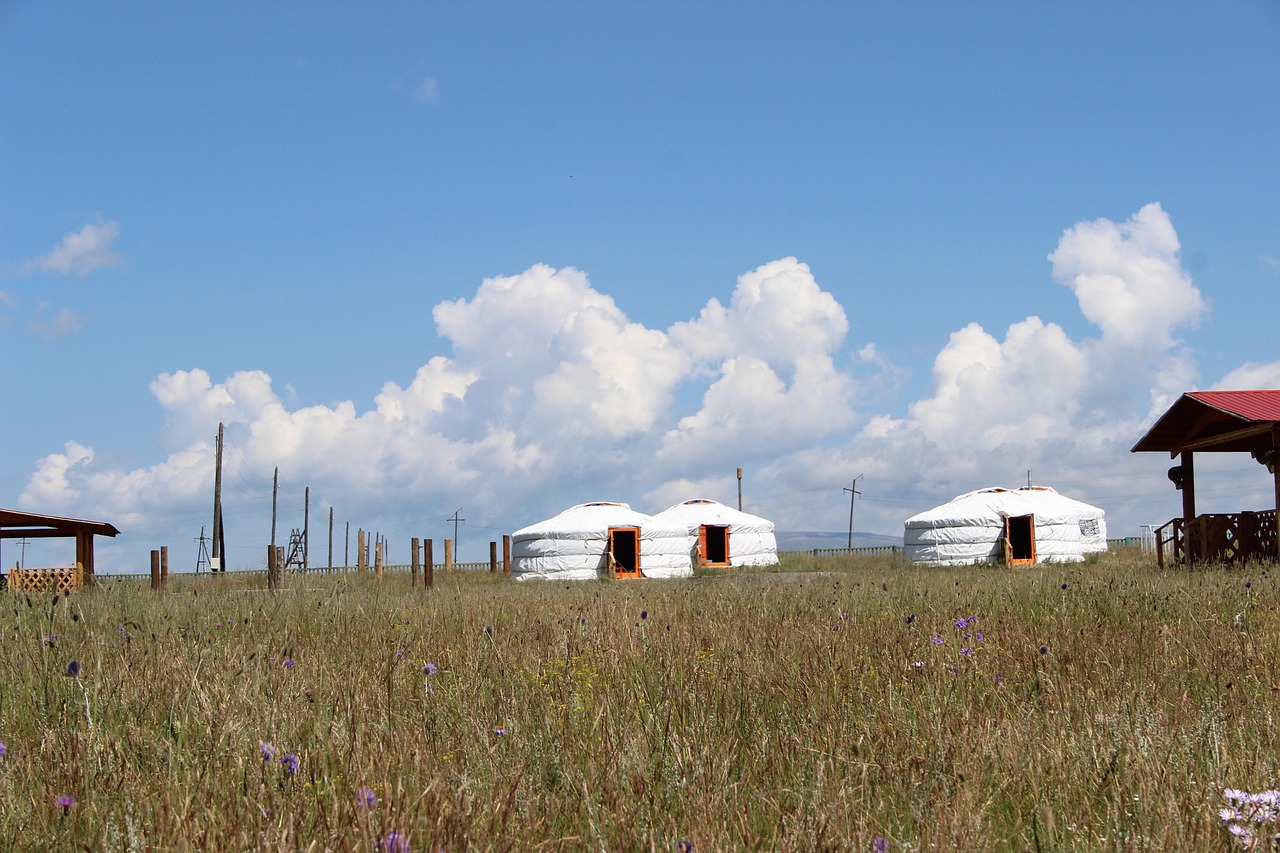
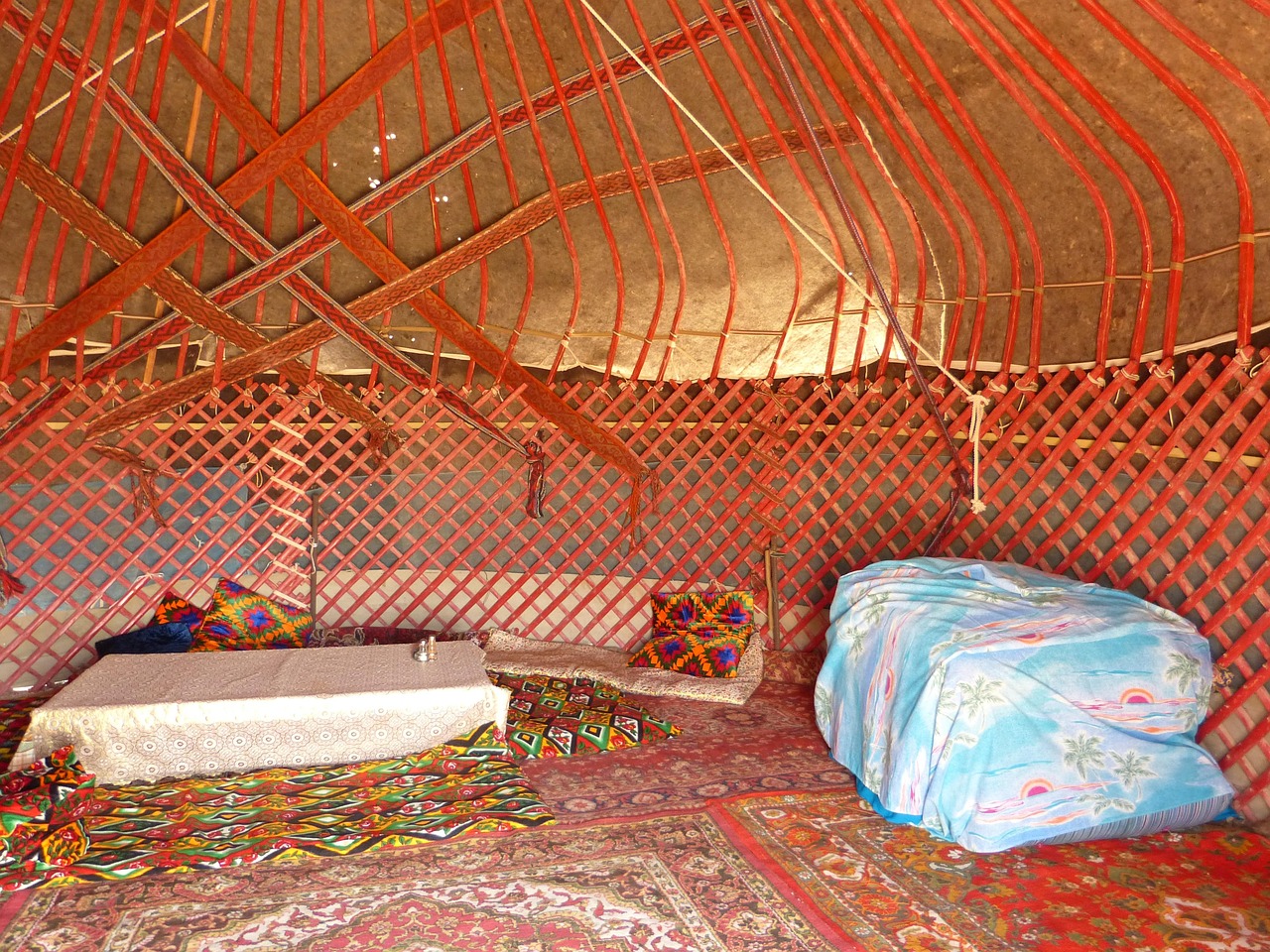
The old Tuvan way of life was above all that of the nomadic herder of the steppe and mountain. Across the grasslands the Tuvans herded sheep, goats, cattle, horses, and in places camels and yaks, moving with the seasons between pastures in the age-old rhythm of the nomadic world, living in portable felt tents that could be taken down and carried to new grazing.
The felt yurt, the round tent of the steppe, was the home of the herding Tuvans, warm, portable, and perfectly suited to the nomadic life. Herds gave meat, milk, wool, and hides, the foundation of the whole economy, and the wealth and standing of a family were counted in animals. The herder followed the grass, moving camp with the turning of the seasons.
In the northern mountains and forests lived Tuvans of a different way of life, hunters and reindeer herders of the taiga, who followed their reindeer through the forest and lived by hunting and herding in the northern woods rather than by the herding of the open steppe. These forest Tuvans kept an ancient way of life distinct from that of the steppe.
These forest people, few in number, kept perhaps the most ancient way of life of all the Tuvans. Among the reindeer and the taiga they preserved customs older than the steppe herding itself.
Whether on the steppe or in the taiga, the Tuvans lived close to their animals and to the land, in a mobile life shaped by the seasons and the search for pasture and game. This nomadic and hunting way of life, kept into modern times in a remote land, preserved traditions and skills that had largely vanished elsewhere, a living link to the ancient world of inner Asia.
Because outside rule reached them so late and so lightly, the Tuvans preserved customs that had faded across most of the steppe world. Visitors often felt they had stepped into an older age of inner Asia.
Society and the Herding World
Tuvan society was built around the family and the clan, and ordered by the ties of kinship across the scattered herding communities of the land. The family with its herds, moving between pastures, was the basic unit of life, and larger kin groups and clans linked families across the grasslands and mountains of the homeland.
There were distinctions of wealth and standing, above all in the size of a family’s herds, and prominent families and leaders held influence among their kin and communities. Buddhist monasteries and their lamas also came to hold an important place in society, centers of religion, learning, and influence in the Tuvan world.
Life was lived in the scattered camps and communities of the herders, spread across the wide land and moving with the seasons, linked by kinship and by the shared culture and faith of the Tuvans. The herding life demanded skill, endurance, and deep knowledge of animals, pasture, and weather, and it bred a people self-reliant and at home in their vast land.
A good herder read the sky, the grass, and the animals as others read a book, knowing when to move and where to graze. This knowledge, passed from parent to child, was the true wealth of the steppe.
Binding the scattered people together were their common language, their shared traditions and beliefs, the monasteries and their festivals, and the great gatherings of the herding world. Across the steppes and mountains of the center of Asia, the Tuvans remained one people, held together by culture, faith, and kinship in their remote and beautiful homeland.
Faith Between Buddha and the Spirits
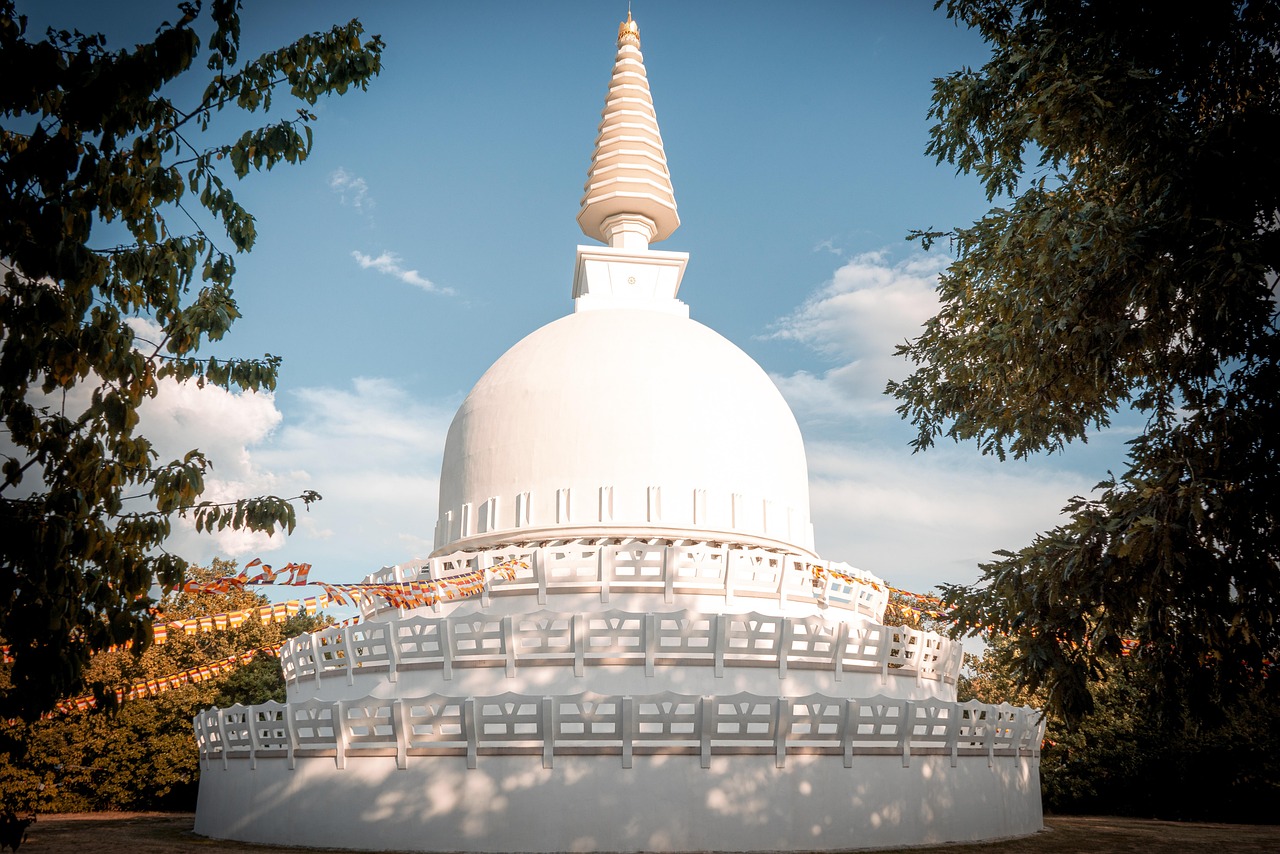
The Tuvans follow Tibetan Buddhism, the same tradition of Buddhism found among the Mongols and Tibetans, woven together with an older and still living shamanism. This blend of the Buddhist faith and the ancient beliefs of the steppe and forest is at the heart of Tuvan spiritual life and one of the most distinctive things about the people.
Tibetan Buddhism reached the Tuvans from the Mongolian and Tibetan world and took firm root, and monasteries were founded across the land, becoming centers of religion, learning, and art, and the lamas holding an honored place in society. The Buddhist faith shaped the calendar, the festivals, and the spiritual life of the Tuvan people.
Beneath and alongside Buddhism, the ancient shamanism of the region lived on with great strength, the belief in the spirits of nature, the powers of the sky, mountains, rivers, and land, and the shamans who could reach the spirit world, heal, and mediate between people and the unseen. In Tuva, uniquely, Buddhism and shamanism have long coexisted and intertwined.
Through the decades of Soviet rule, when religion was suppressed and monasteries closed, both the Buddhist faith and the shamanic tradition endured, kept alive in secret and in the hearts of the people. Since the end of that era there has been a strong revival of both, with monasteries reopened and shamanism openly practiced, and Tuva stands as a rare living meeting of Buddha and the spirits.
It is not unusual for a Tuvan to honor the lama and consult the shaman alike, seeing no contradiction between them. In few other places do two such different spiritual worlds live so closely together.
Throat Singing and Oral Tradition
The most famous cultural treasure of the Tuvans is their throat singing, an extraordinary vocal art in which a single singer produces two or more notes at once, a deep fundamental drone and, above it, whistling harmonic overtones that seem to float free of the voice. This astonishing technique is among the most remarkable musical traditions in the world.
Tuvan throat singing, known by names such as khoomei, comes in several distinct styles, each with its own sound and character, from deep growling tones to high clear whistling overtones. The singers draw their inspiration from the sounds of the natural world, from wind and water, from the calls of animals and the echoes of the mountains and steppe.
This music is deeply tied to the herding life and the landscape, to the wide open spaces, the animals, and the natural world of the Tuvan homeland. Sung often to the accompaniment of traditional stringed and other instruments, throat singing carries the spirit of the land and the nomadic life in a form found nowhere else in quite the same way.
Alongside throat singing there flourished a rich tradition of song, epic tale, and oral lore, carrying the history, mythology, and values of the people. But it is throat singing above all that has made the Tuvans famous far beyond their homeland, drawing musicians and listeners from around the world and standing as the great artistic gift of the Tuvans.
Master throat singers are honored as artists of the first rank, and young performers now carry the tradition onto world stages. What began as a herder’s song on an empty steppe has become a global marvel.
Crafts of the Steppe and Taiga
The crafts of the Tuvans grew from the materials of their herding and hunting world, from the wool, hides, and bone of their animals and the wood and stone of their land. From felt made of wool they made the covering of their yurts and much else, and from hides and leather they made clothing, boots, harness, and the gear of the herding life.
The Tuvans were skilled workers of wood, leather, and metal, making the furnishings and tools of the yurt and the herding camp, the saddles and harness of their prized horses, and the instruments of their music. Metalwork produced ornaments, tools, and the fittings of daily life, and the making of the traditional instruments was itself a valued craft.
A distinctive Tuvan art is the carving of small figures, especially of animals, from a soft local stone, delicate sculptures that capture the creatures of the steppe and mountain with skill and feeling. This stone carving is among the most celebrated of Tuvan crafts, a miniature art expressing the deep bond between the people and the animals of their land.
Together these crafts, born of the felt tent and the herd, the taiga and the steppe, express the ingenuity and artistry of the Tuvans and their intimate knowledge of their world. Practical and beautiful, tied to the nomadic life and the natural world, they form a living part of the culture of this people at the center of Asia.
Even mass-made goods have not displaced the prestige of fine handwork among the Tuvans. A well-carved saddle or stone figure still carries real honor for its maker.
The Food of the Tuvans
Tuvan food is the fare of a herding people, built above all on meat and milk, the products of the flocks and herds that were the foundation of life. Mutton and other meats are central, prepared in many ways, and the whole animal was used, providing the rich, nourishing food needed for life in the sharp continental climate of the enclosed basin.
Dairy is abundant and important, and the Tuvans make a wide range of milk products from their animals, including various cheeses, soured and dried milk foods, and the fermented milk drinks of the steppe world. These dairy products, made and stored through the seasons, were a vital part of the diet alongside meat.
Tea, often prepared in the manner of the steppe and mixed with milk and sometimes salt or other additions, was a staple drink, warming and nourishing. The foods of the herding life, meat and milk in their many forms, made up the heart of the Tuvan table, supplemented by what the land and the hunt provided.
The cuisine reflects the nomadic and herding world from which it grew, based on the animals and their products, adapted to a mobile life and a demanding climate, and meant to nourish through the seasons. Hearty and rich, tied to the flocks and the steppe, Tuvan food is the nourishment of a people of the center of Asia.
A bowl of hot milk tea and a share of boiled meat was the everyday welcome offered to any guest. Simple and generous, it carried the whole hospitality of the steppe.
Festivals and the Turning Year
The Tuvan year is marked by the festivals of Buddhism and by celebrations rooted in the herding life and the older beliefs. The Buddhist calendar shapes the great religious festivals, above all the celebration of the new year in the tradition shared with the Mongolian and Tibetan world, a major festival of renewal, feasting, and family gathering.
This new year festival, coming in the depth of winter or early in the year, is the great celebration of the Tuvan calendar, a time of honoring elders, visiting family, feasting, and marking the passage into a new year with rituals of renewal and good fortune. It draws the herding families together and stands at the heart of the year’s celebrations.
Alongside the Buddhist festivals there are celebrations tied to the herding year and to the older shamanic beliefs, marking the seasons, the pastures, and the natural world on which the herders depended. Gatherings of the herding communities featured the sports and skills of the steppe, above all horse racing, wrestling, and archery, the games of the nomadic world.
These gatherings, with their contests of strength and skill, their music and throat singing, and their feasting, brought the scattered people together and displayed the values and vitality of the Tuvan world. Through the festivals, Buddhist and older alike, the Tuvans marked the turning of their year and renewed the bonds of their herding society.
The great contests of horse, wrestling, and bow were watched by the whole community and won lasting fame for their champions. Such gatherings were the high points of the herding year.
From Independence to the Russian State
The history of Tuva under outside powers is unusual among the peoples of Russia. For long periods the Tuvan land lay under the influence of the Mongolian and Chinese empires that bordered it, remote at the center of Asia and far from the Russian world, keeping its nomadic life through the centuries of these distant overlordships.
In the early twentieth century, as the old empires collapsed, Tuva went through a remarkable period, becoming for a time a nominally independent state, one of the few times a Tuvan state existed in the modern world. This brief independence, under strong Soviet influence, is a striking and unusual episode in the history of the peoples of the region.
Tuva was then absorbed into the Soviet Union in the mid twentieth century, later than most of the peoples of Russia, joining the state only in the years of the Second World War. This late incorporation meant that the Tuvan nomadic and traditional way of life survived longer than in many other regions before the full force of Soviet change reached it.
Under Soviet rule Tuva was transformed, with the settling of nomads, the collectivization of herds, the suppression of religion, and the coming of modern education, towns, and industry, alongside the influx of Russian settlers. Yet the Tuvans kept their language, their faith, and their traditions with notable strength through these changes, helped by their late incorporation and their remote and cohesive homeland.
The Tuvans Today
Today the Tuvans are the majority people of their republic in southern Siberia, numbering a few hundred thousand, living both in the towns and the capital and in the herding country of the steppes and mountains. Theirs is one of the regions of Russia where the indigenous people remain a clear majority in their own homeland.
The Tuvan language remains strong, spoken by the great majority of the people and used in daily life, education, and media, one of the healthier of the indigenous languages of southern Siberia even under the pressure of Russian. This strength of language is a foundation of the vitality and confidence of Tuvan culture in the modern world.
Since the end of Soviet rule there has been a powerful revival of Tuvan culture and faith, with Buddhist monasteries reopened, shamanism openly practiced, and the traditions of the herding world celebrated with pride. Throat singing has become famous around the world, carrying the name of Tuva far beyond its remote homeland at the center of Asia.
The Tuvans remain what their history made them, a Turkic people of the steppe and mountain at the heart of Asia, herders and throat singers, followers of Buddha and the spirits, holding to a way of life and a culture of rare character. Their story is one thread in the vast tapestry of the peoples of Russia, and from their homeland at the center of Asia our journey continues on to the other peoples of that immense land.
You May Like
The Zaza, a Mountain People of Eastern Anatolia