Upstream of Egypt, between the granite cataracts of the middle Nile, lives a people whose kingdoms once conquered the pharaohs and whose villages now lie partly under a lake bearing someone else’s name. The Nubians, heirs of Kush and Meroe and of Africa’s forgotten Christian millennium, kept their Nilo-Saharan language through five thousand years of empires, painted their houses like gardens, and carried the whole culture intact into exile when the High Dam drowned their valley.
This portrait follows the people of the land of gold: the black pharaohs and the unread script of Meroe, Nobiin surviving beside Arabic, the waterwheel and palm economy of the drowned reach, Isis’s last temple and the cathedral kingdoms, seven-day weddings and the songs of the lost land, and the modern movement pressing two republics for the right of return to the lakeshore.
Contents
- Kingdoms Upstream of the Pharaohs
- Land of Gold, People of the River
- Nobiin, Kenzi, and a Script Still Unread
- Between the Cataracts of the Middle Nile
- Waterwheels, Palm Groves, and River Villages
- Clans of the Riverbank and Houses Painted Open
- From Isis of Philae to Cathedral and Mosque
- Weddings of Seven Days and Songs of the Lost Land
- Painted Houses, Palm Weaving, and Gold
- Dates, Sorghum, and the Riverside Table
- Mulids, Harvests, and the Palm Calendar
- Black Pharaohs, Christian Nubia, and the Drowned Villages
- A People Above and Below the Lake
Kingdoms Upstream of the Pharaohs
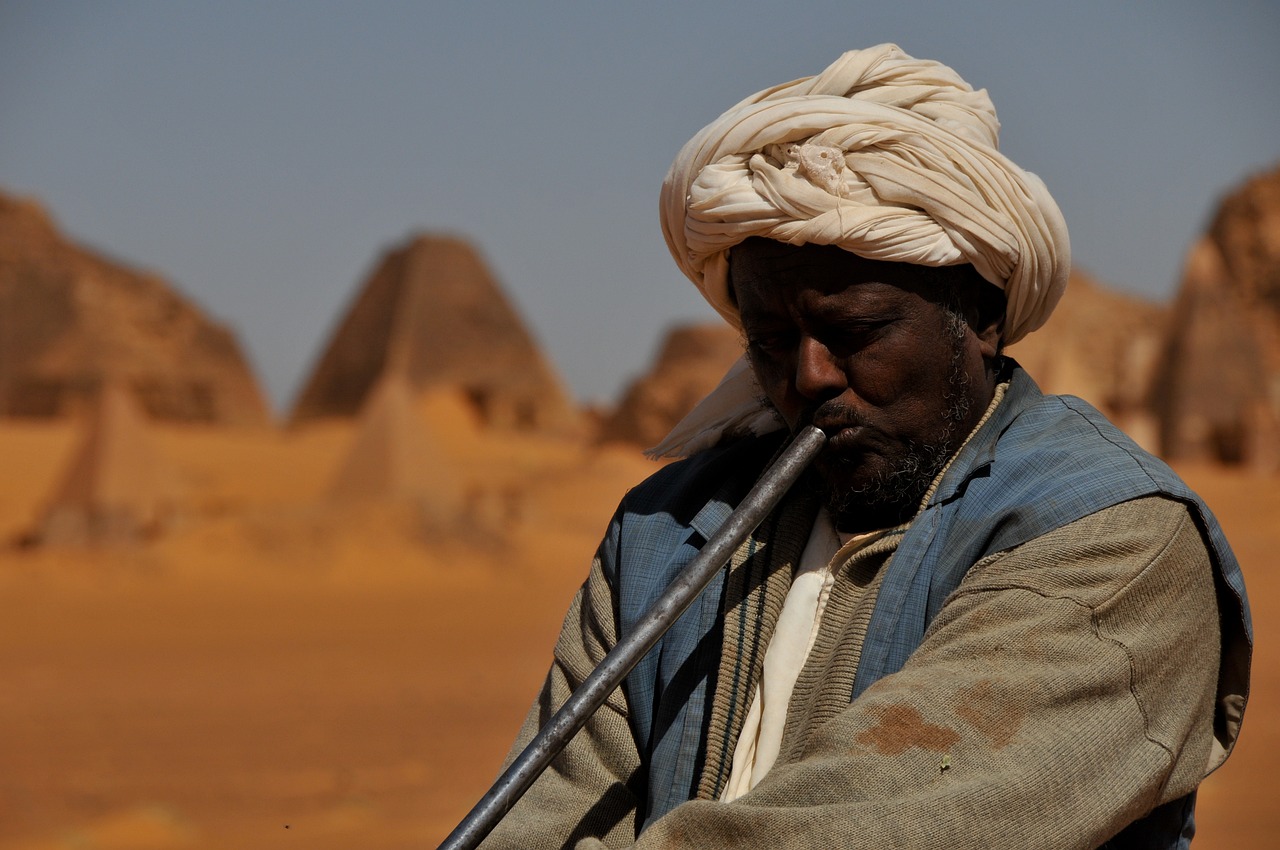
Nubia is older than its fame: the middle Nile between Aswan and Khartoum raised kingdoms as early as Egypt’s own, and at moments raised them higher. The Kerma culture built Africa’s first cities south of Egypt four thousand years ago, and the kingdom of Kush that followed conquered Egypt itself in the eighth century BC, its kings ruling as the Twenty-Fifth Dynasty, the black pharaohs.
When Egypt pushed back, Kush withdrew upstream and flourished for another thousand years at Napata and Meroe, burying its rulers under steep-sided pyramids that outnumber Egypt’s, mastering iron, and writing its language in a script of its own devising.
The Nubians of today, in Egypt’s Aswan country and northern Sudan, descend from that river world, their villages, dialects, and memory running in a continuous line from the kingdoms the classical world called Aithiopia and the Bible called Cush.
Archaeology keeps raising their stock: each rescue season along the dammed river pushes Nubian urbanism, gold work, and statecraft earlier, and the old picture of Nubia as Egypt’s shadow has given way to the middle Nile as a second, parallel cradle.
The kandakes deserve their fame’s revival: Meroe’s ruling queens negotiated with Augustus after their armies carried off his statues, and the bronze head of the emperor, buried under a Kushite temple doorstep so worshippers would tread on it daily, now stares from the British Museum as antiquity’s best-preserved insult.
Land of Gold, People of the River
The name Nubia is usually traced to nub, the ancient Egyptian word for gold, for the desert mines that made the region pharaoh’s treasury; the Nubians were, on the oldest maps, literally the people of the land of gold.
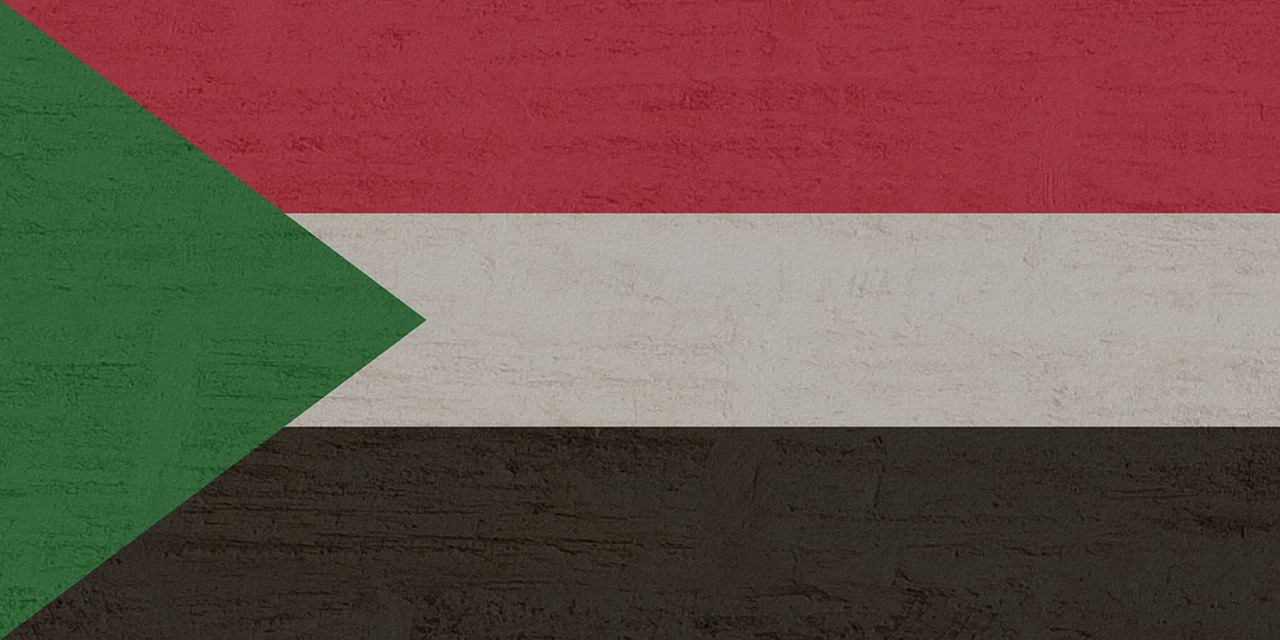
They call themselves Nubi and by their branch names, the Kenuz of the north, the Fadicca and Mahas of the border reaches, the Danagla of Dongola, and their language Nobiin and its sisters carry the deep name onward.
Kush, Napata, Meroe, Nobatia, Makuria, Alwa: the roll of Nubian state names is one of Africa’s longest, and modern Nubian activists reach for them freely, naming clubs, magazines, and daughters after drowned capitals.
Divided today between Egypt and Sudan, the Nubians hold both passports and neither definition: the boundary at Wadi Halfa runs through the middle of a people for whom the river was never a border but the country itself.
Nobiin, Kenzi, and a Script Still Unread
The Nubian languages, Nobiin, Kenzi-Dongolawi and their kin, belong to the Nilo-Saharan family, a lineage entirely distinct from Egypt’s Afro-Asiatic Arabic; the divide at Aswan is one of Africa’s great language frontiers, and it has held for five thousand years.
Old Nubian, written in a Greek-derived alphabet with letters borrowed from Coptic and Meroitic, served Christian Nubia’s chancelleries and churches for eight centuries, one of Africa’s oldest written vernaculars, its manuscripts still being read out of the desert’s dryness.
Behind it stands the continent’s most famous undeciphered script: Meroitic, the alphabet of Kush’s last kingdom, readable aloud since 1909 but still untranslated, its dictionary waiting on a bilingual stone the sands have not yet surrendered.
Modern Nobiin is under Arabic’s full weight, unwritten in schools on either side of the border, and the revival movement answers with alphabet apps, song, and the insistence of grandmothers; a language that survived pharaohs, caliphs, and the lake is not ready to be a museum piece.
The Faras frescoes’ rescue gave Christian Nubia its face: dark-skinned bishops and queens under the Virgin’s protection, lifted from the sand by Polish excavators ahead of the lake and split between Warsaw and Khartoum, an art tradition nobody’s textbooks had room for until the water forced the dig.
Between the Cataracts of the Middle Nile
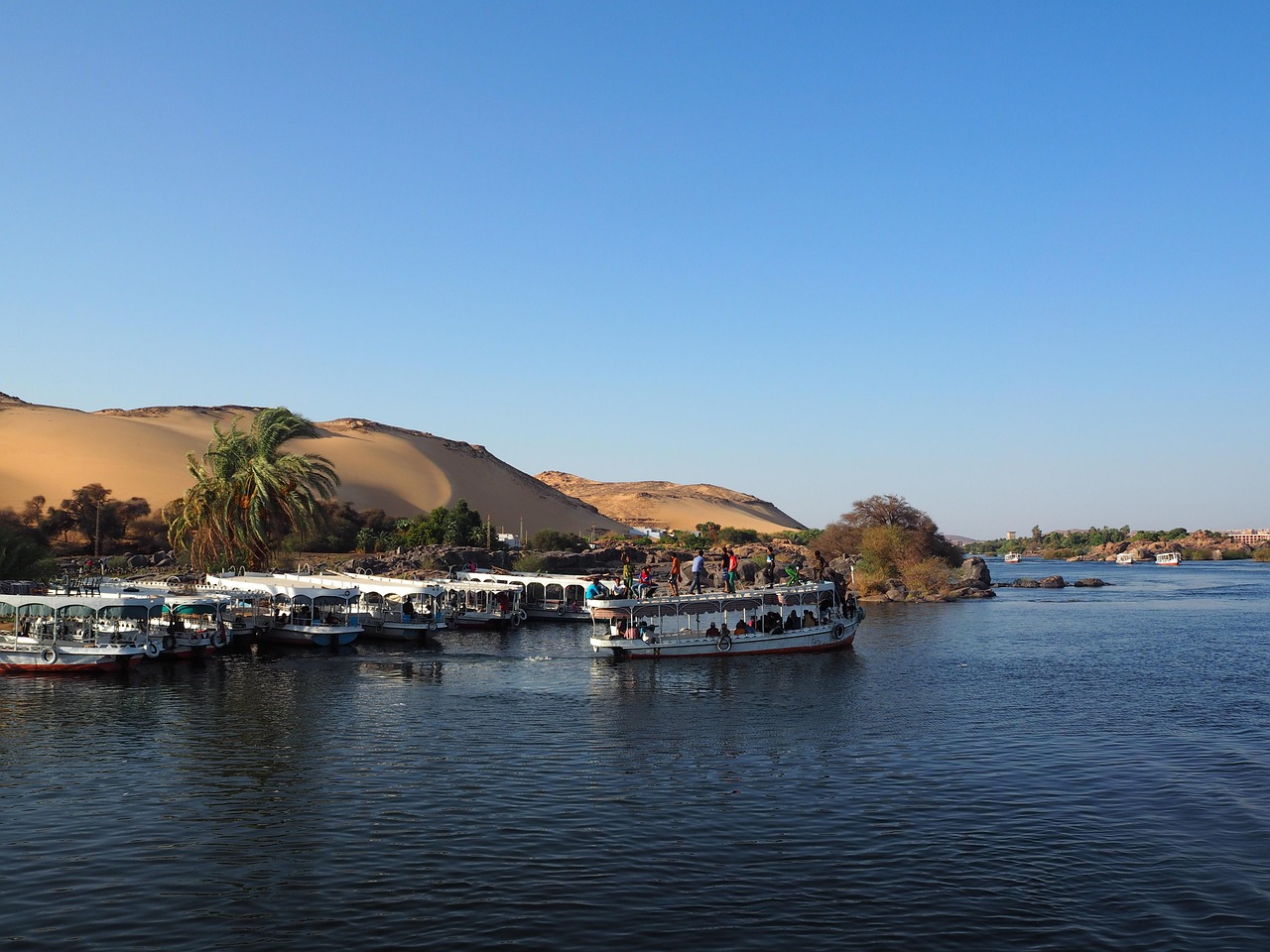
Nubia is the Nile at its most dramatic: between Aswan and Khartoum the river cuts granite through six cataracts, the desert walls close to the water, and the habitable land is a green ribbon meters wide, palm groves and villages threaded between rock and river.
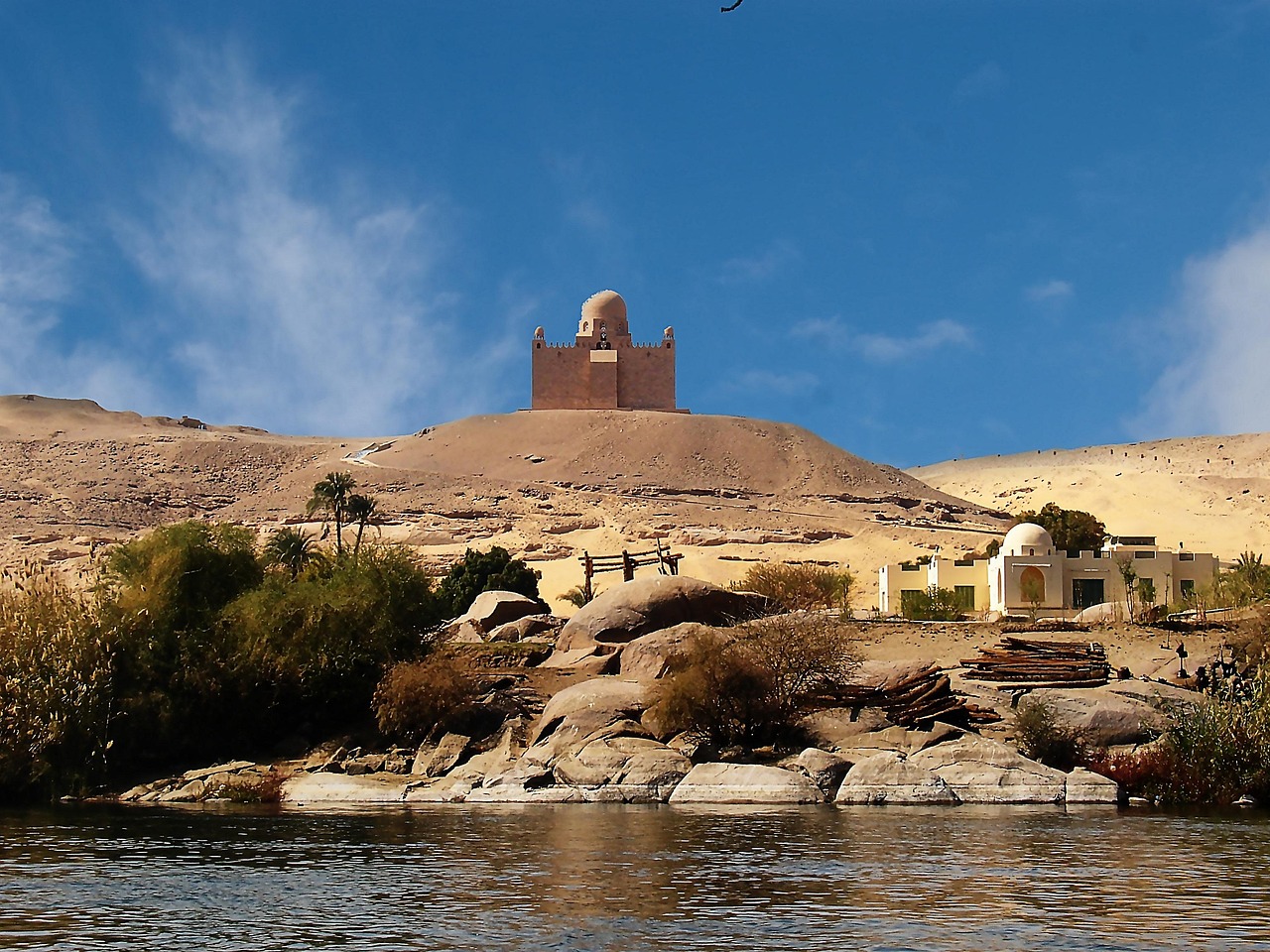
The homeland’s modern geography is a lake’s: the High Dam at Aswan drowned Lower Nubia in the 1960s under Lake Nasser, called Lake Nubia in Sudan, taking villages, palm groves, and forty-five thousand years of archaeology; the temples of Abu Simbel and Philae rose on cranes above the flood in UNESCO’s great rescue.
Egyptian Nubians were resettled at Kom Ombo, Sudanese at Khashm el-Girba on the Atbara, far from the river of their songs; the villages that remain cluster around Aswan, on Elephantine and Heisa islands, and along Sudan’s Dongola reach.
Below the lake the drowned homeland persists as address: families still name their submerged villages in introductions, and the diaspora’s maps hang painted on Kom Ombo walls, cartography as memory.
Elephantine island keeps the frontier’s whole biography in one walk: pharaonic nilometers, Khnum’s temple, Aramaic papyri of a Jewish garrison, and two living Nubian villages whose children swim off ruins forty centuries deep, the border island still inhabited by the border’s people.
Waterwheels, Palm Groves, and River Villages
Old Nubia lived by the eskale, the ox-driven waterwheel whose groan was the riverbank’s clock: terraces of date palm, sorghum, and beans lifted water wheel by wheel up the narrow banks, and a family’s wealth was counted in palms and wheel-shares.
The date palm was the economy’s spine, its fruit the export, its fronds the baskets, its trunks the roofbeams, and palm ownership, divided to the individual tree and branch, made Nubian land law a jurisprudence of its own.
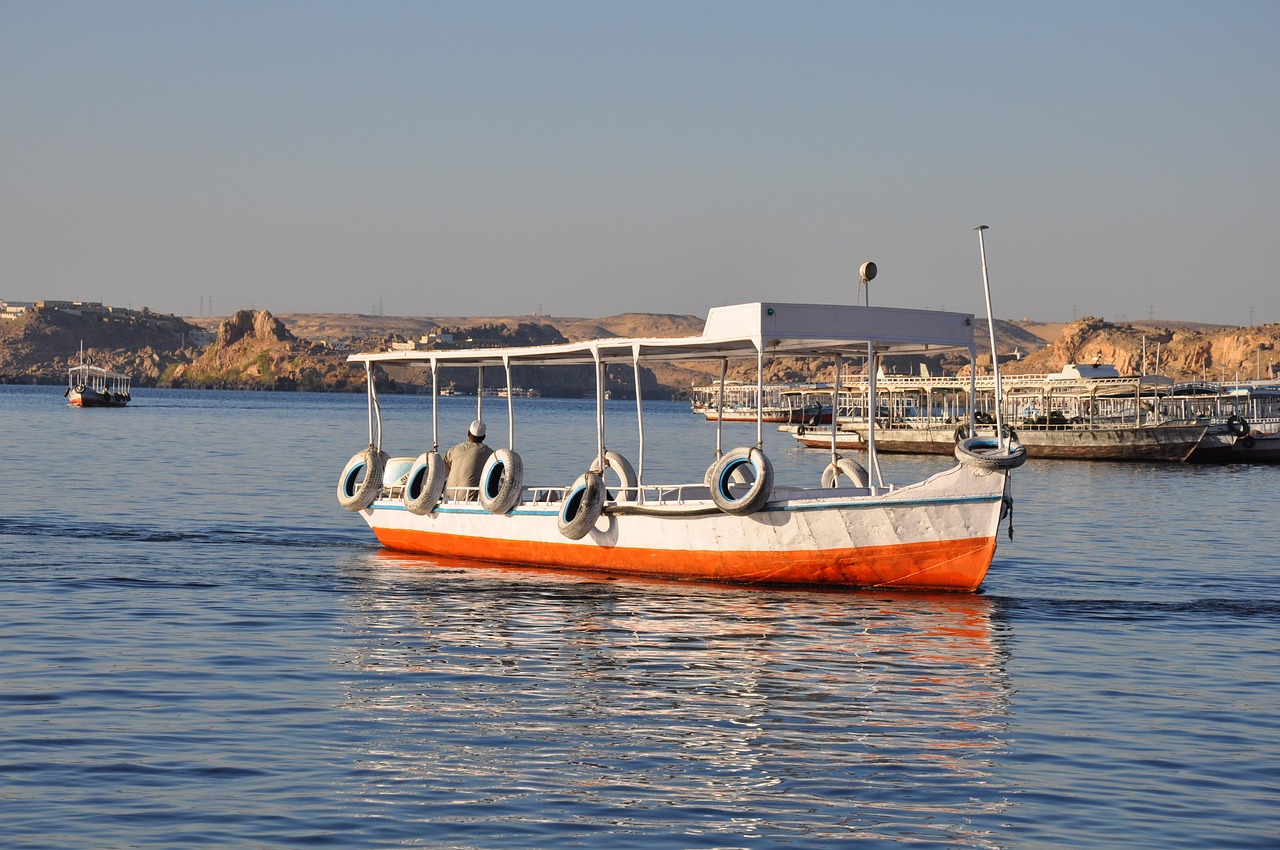
The river carried the rest: feluccas hauled dates north and grain south, men rode the current to Cairo for work seasons a century before the dam made exile permanent, and the gold roads and caravan fords of the desert edges kept Nubia the corridor between Africa and the Mediterranean it had always been.
Villages ran on clan councils and the salat courtyards of the mosques, disputes settled by elders under customary law, and the famous Nubian honesty, houses without locks, became the region’s stock compliment in every traveler’s account.
The migration tradition ran deep before the dam: Nubian men staffed Cairo’s households and clubs for generations, remitting date-harvest sums and returning to marry, and the stereotype of the trustworthy Nubian doorman was economic history wearing livery, the villages’ export being reliability itself.
Clans of the Riverbank and Houses Painted Open
Nubian society is built of riverbank clans, patrilineal houses tracing to named ancestors and villages, with cousin marriage preferred and the extended family’s compound, courtyards behind one bright gate, the social unit that migrated intact to the resettlement towns.
Women hold the household economy and the culture’s transmission: the songs, the gold, the wedding sequences, and increasingly the language, since the men’s labor migrations left the villages’ Nobiin in their keeping.
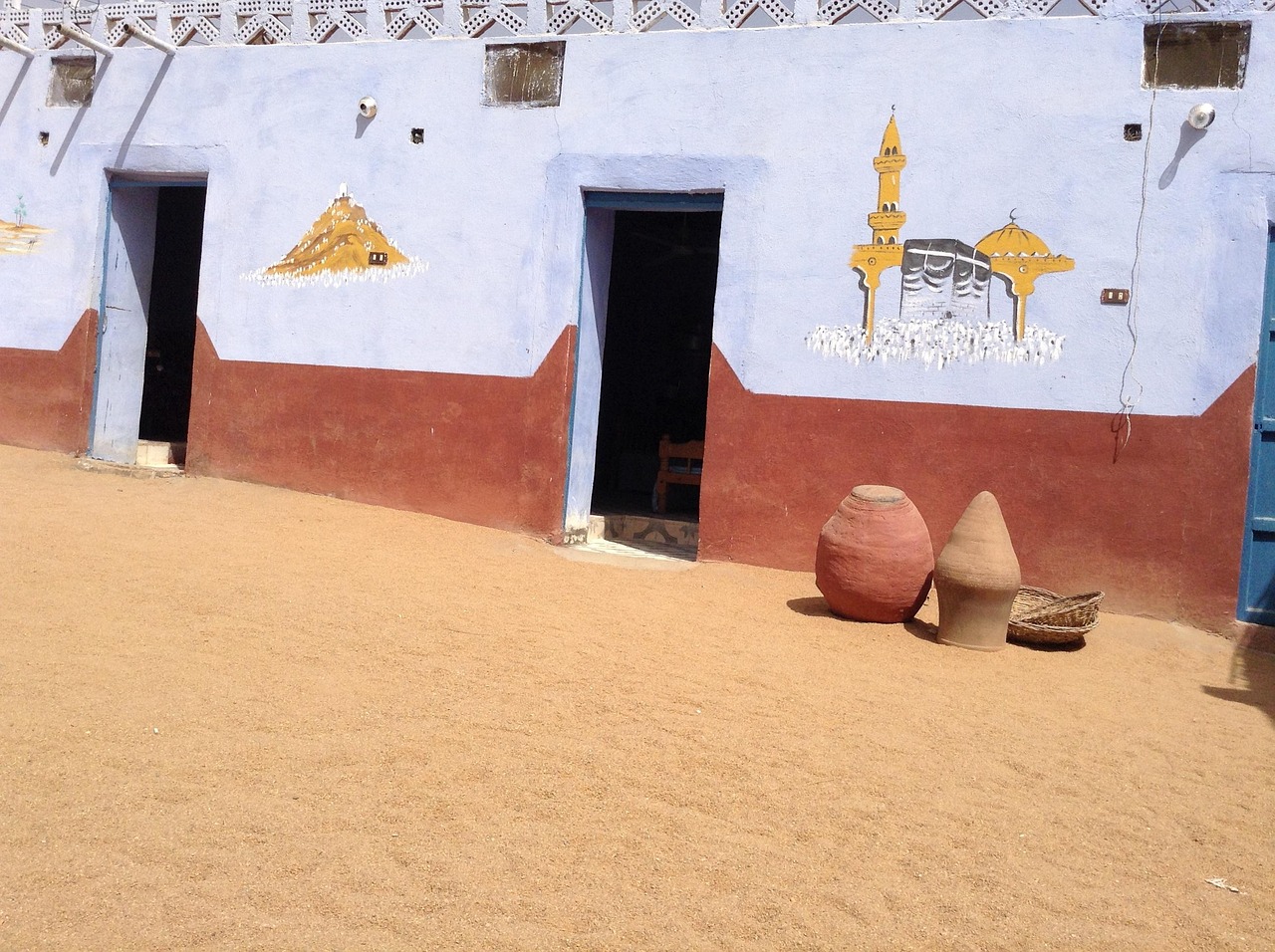
The architecture states the ethic: Nubian houses are painted sky blue, ochre, and white, stenciled with flowers, crocodiles, and steamers, their courtyards open and their benches built outside the gate, hospitality poured into masonry; Hassan Fathy borrowed the vaulted village style for his new Gourna and made it world-famous.
The diaspora clubs of Cairo, Khartoum, and the Gulf are the modern clan houses: each drowned village keeps its association, its funerals attended by the busload, its youth marrying, as the elders gently arrange, within the map that no longer exists.
Resettlement tested the architecture and the architecture lost: Kom Ombo’s government rows of concrete could not hold the courtyards’ life, and the community’s forty-year renovation of its own exile, arcades added, walls painted, benches built, is cited by planners as a masterclass in what housing forgets.
From Isis of Philae to Cathedral and Mosque
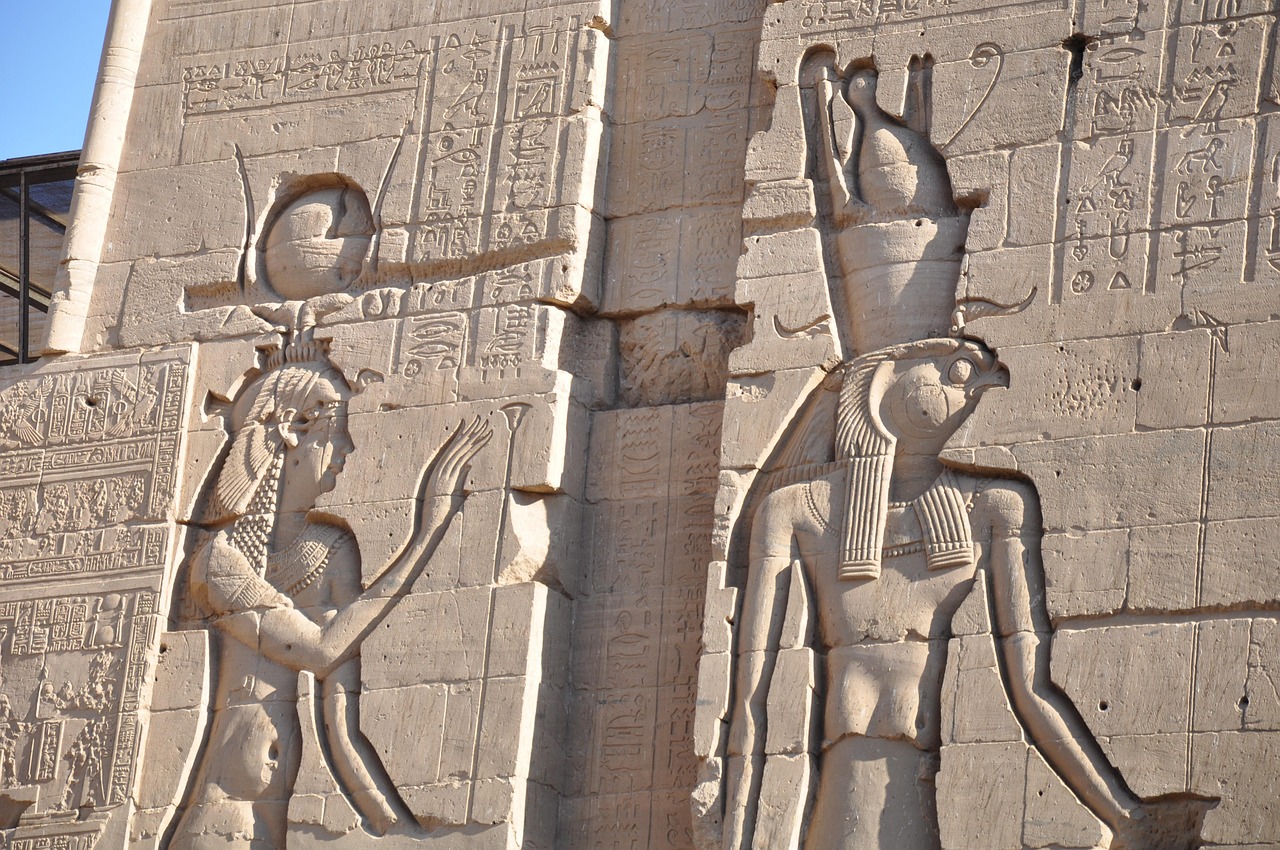
Nubia’s gods began beside Egypt’s and outlasted them: Isis of Philae was Nubia’s great lady, and her island temple at the First Cataract remained the ancient world’s last functioning pagan sanctuary, closed only in the sixth century by imperial decree, Nubian pilgrims having kept it alive a century past Rome’s conversion.
Then came Africa’s forgotten Christian millennium: the Nubian kingdoms of Nobatia, Makuria, and Alwa converted in the sixth century and held a cathedral civilization on the middle Nile for eight hundred years, their bishops painted in the frescoes of Faras, their king Kyriakos riding north in 748 to protect Egypt’s Copts, their treaty with Islamic Egypt, the Baqt, the longest-kept pact in the medieval world.
Islam arrived by marriage and migration more than conquest, and the kingdoms faded into Muslim Nubia by the sixteenth century; today’s Nubians are Sunni Muslims of deep Sufi coloring, their sheikhs’ mulids, zikr circles, and amulet traditions wearing the old sanctity in new dress.
The layers do not quarrel: a Nubian bride still crosses the Nile with candles as offerings once crossed to Isis, the church ruins are pointed out as the grandfathers’, and Nubia treats its whole religious past as one long account with the river.
Old Nubian manuscripts keep surfacing from Qasr Ibrim’s dry fortress, sermons, land deeds, letters of bishops, the paperwork of an African literacy that ran for centuries in a language the villagers’ great-grandmothers still counted in.
Weddings of Seven Days and Songs of the Lost Land
The Nubian wedding is the culture’s full-dress parliament: traditionally seven days, henna nights for both bride and groom, processions to the Nile for the blessing crossings, gold displayed to the last bangle, and the whole clan network activated from Aswan to Abu Dhabi; even trimmed to three days, it remains the event the year turns on.
Song carries the nation: Nubian music’s pentatonic lilt and rolling duff rhythms conquered Egypt itself, Mohammed Mounir and Ali Hassan Kuban carrying Nobiin choruses into Cairo’s stadiums, and every ferry to the villages hums with cassettes of the drowned-land laments.
The songs of the lost land are their own genre: verses naming the submerged villages, the palms, and the wheel-stations, sung at weddings until the dancing and the weeping share the floor.
Henna, gold nose-rings, the zar’s drum therapy at the edges, and the courtesy code of the benches by the gate, guests seated, coffee poured, news exchanged before business, complete a tradition set that resettlement packed and carried whole.
The Nile crossing rites survived the lake by adapting: brides now circle or cross the river at Aswan where the current still runs, candles and henna intact, the ceremony refusing to acknowledge that most of the river of the songs is now a horizon of water.
Painted Houses, Palm Weaving, and Gold
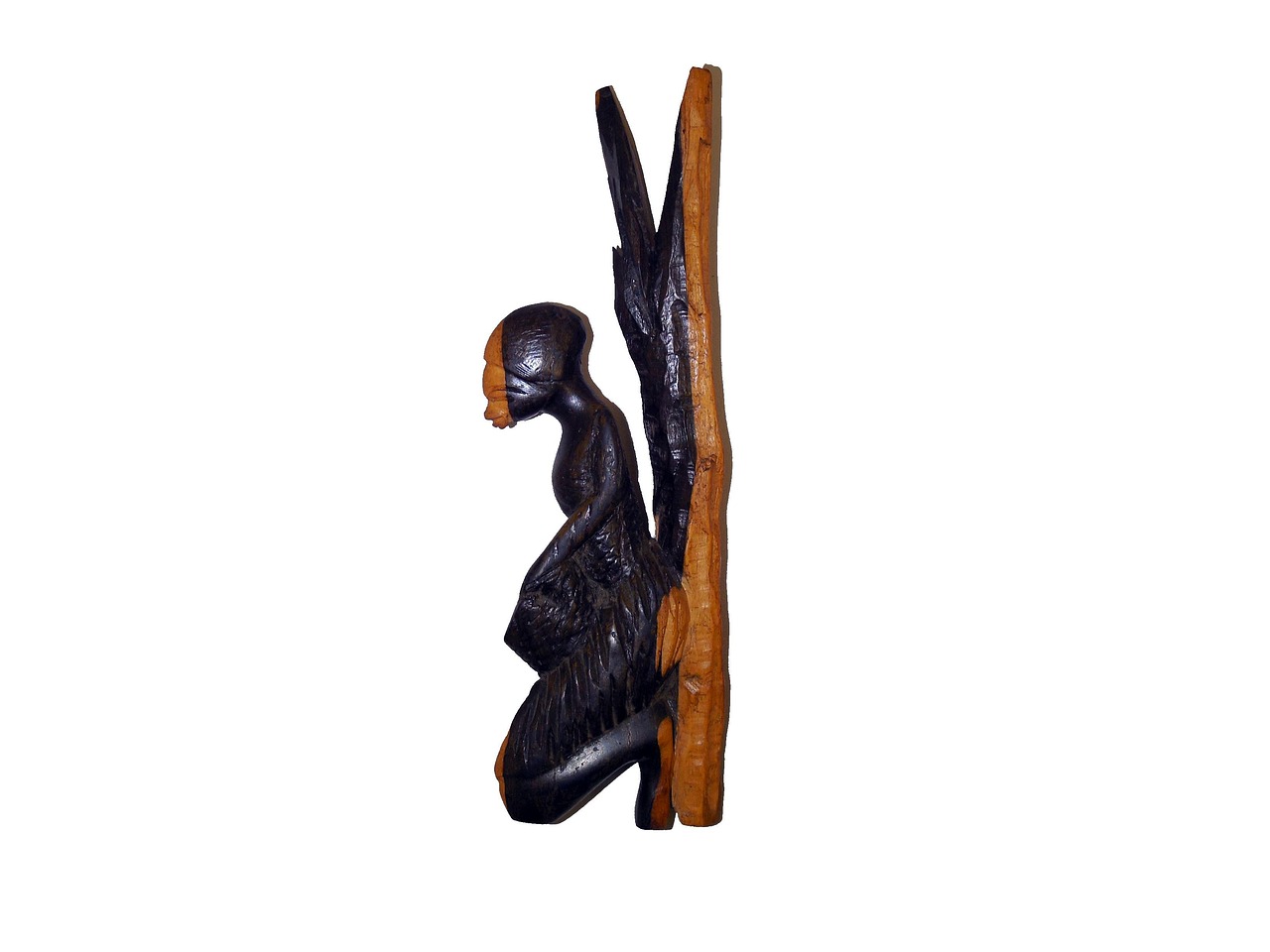
The Nubian house is the people’s canvas: lime-washed walls stenciled and freehanded with flowers, steamers, lions, and protective eyes, plates set into the plaster, the whole village repainted for weddings; the painter Ahmed Batoul’s Aswan facades made the folk art a national style.
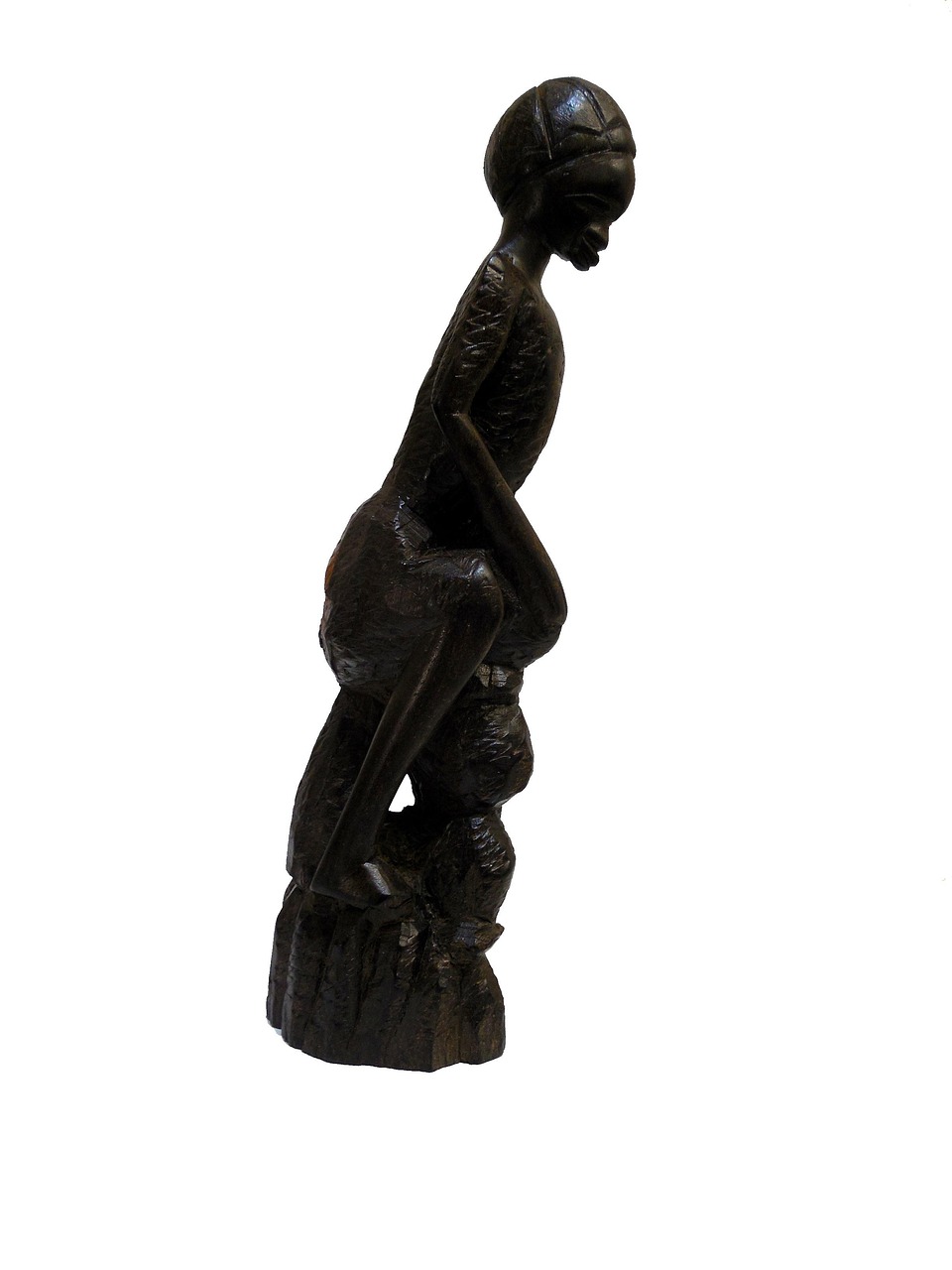
Palm and reed fill the craft basket: plaited mats, the colorful flat baskets that hang as wall suns, date-fiber cordage, and the famous Nubian skullcaps crocheted in white and gold.
Gold never left: Nubia mined pharaoh’s treasury, and its women’s dowry gold, crescents, nose rings, and the heavy bracelets of the wedding display, keeps Aswan’s goldsmith rows in business, patterns handed down with the trousseau.
Kush’s iron furnaces at Meroe, slag hills still standing, give the crafts their deep pedigree: the middle Nile smelted before most of the world, and the modern souvenir carver whittling a felucca works at the shallow end of four thousand years of making.
Museum repatriation talk has a Nubian file too: Faras panels, Kerma statuary, and Meroitic gold sit in Warsaw, Boston, and Berlin, and Nubian associations increasingly ask, politely and in writing, after their kings.
Dates, Sorghum, and the Riverside Table
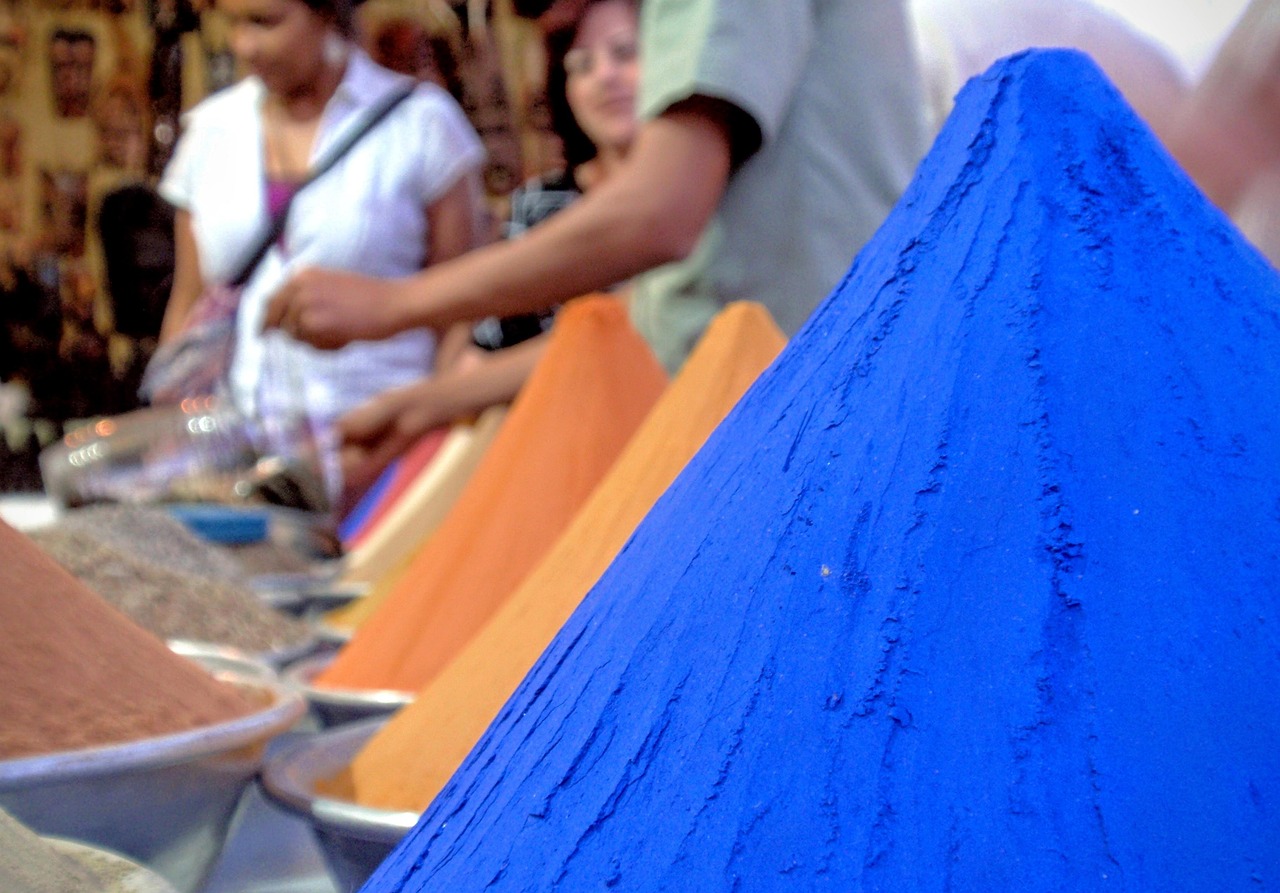
The Nubian table starts with the palm and the field: dates in every state from fresh to syrup, sorghum and wheat breads, the great thin gurasa rounds, okra and mulukhiyah stews, and the beans and lentils of the river villages.
The river adds its fish, tilapia and Nile perch grilled or in tomato-rich stews, and the feast animals, sheep and goat, arrive with the weddings and Eids, slaughtered at the gate and shared down the clan lists.
Signature touches mark the cuisine Nubian: date syrup over porridge, the fenugreek-laced sauces, karkade hibiscus poured scarlet for guests, and the shai and jabana coffee ceremonies that pace every visit.
Hospitality remains the recipe underneath: the benches by the gate feed passersby as a matter of course, the first bowl goes to the neighbor, and a Nubian meal, like a Nubian house, is built with its door open.
The resettlement villages replanted the palms first, before the mosques were roofed, the elders ordered date shoots from the north, and the first Kom Ombo harvest was distributed by drowned-village lists, the food system restarting the social one.
Mulids, Harvests, and the Palm Calendar
The palm calendar frames the year: the date harvest turns villages into work festivals, palms climbed, mats spread, and the syrup boiling, and the harvest’s end brings the season of weddings that the diaspora flights are booked around.
The Sufi mulids gather the riverbank: saints’ days at the sheikhs’ domed tombs with zikr, drums, and tent kitchens, Aswan’s mulid of Abu el-Hassan drawing Nubians and Sa’idis alike, the middle Nile’s old pilgrimage habit in Islamic dress.
Eids are kept clan-wide, graves visited and courtyards full, and Egypt’s national spring day, Sham el-Nessim, is picnicked on the Nile islands as it has been since the festivals had other names.
The new date on the calendar is memorial: Nubian Day each July 7 marks the displacement, observed with concerts, black-and-white photographs, and speeches in Nobiin, the drowned villages’ feast day above the water.
Aswan’s winter festival season now programs Nubian troupes beside the sound-and-light shows, and the community takes the stage on its own terms, singing the lament verses to audiences who assume they are love songs, which, the singers note, they are.
Black Pharaohs, Christian Nubia, and the Drowned Villages
Nubia’s history runs longer than most civilizations’ existence: Kerma’s kings, Kush’s conquest of Egypt under Piye, Meroe’s queens, the kandakes who faced Rome’s legions to a draw, then the Christian kingdoms whose cavalry archery stopped the Arab conquests at Dongola twice in the seventh century, buying eight hundred years of treaty independence.
The Ottoman and Mamluk centuries garrisoned the river, Muhammad Ali’s Egypt conquered Sudan through it, and the Mahdi’s revolution burned across it; through each, the villages planted dates and kept the language.
The dams wrote the modern chapter: Aswan’s first dam raised the water three times after 1902, and the High Dam of 1964 ended Lower Nubia, one hundred twenty thousand people resettled, the reservoir taking villages, groves, and graves; the UNESCO campaign that moved the temples publicized the monuments and largely overlooked the people.
Sudan’s Merowe dam repeated the pattern on the Fourth Cataract in 2009, and proposed dams at Kajbar and Dal keep Sudanese Nubia mobilized; the Nubian question on both sides of the border, return to the lakeshore, compensation, and recognition, remains open at each capital.
The Baqt treaty’s terms still astonish historians: annual exchanges of slaves, grain, and cloth between Islamic Egypt and Christian Makuria, embassies and cathedral-building in between, six centuries of contractual peace across the world’s tensest religious frontier, negotiated by a kingdom most atlases forgot to draw.

A People Above and Below the Lake
Nubians today number several million across Egypt and Sudan, from the Aswan villages and Kom Ombo to Dongola, Khartoum, Cairo, and the Gulf; the community’s professionals, doormen, diplomats, and singers alike, are woven through both national lives while keeping the clan associations humming.
Egypt’s 2014 constitution promised, in Article 236, development of border regions and the right of Aswan’s Nubians to return to their lakeside lands within ten years; the promise’s slow arithmetic keeps Nubian lawyers and activists in the courts and the headlines, the politest persistent movement in the country.
Tourism has discovered the painted villages: Gharb Soheil’s blue lanes fill with photographers and crocodile-keepers, income and clichés arriving together, and the community debates hosting the world versus becoming its postcard.
Beneath the debates the current holds: Nobiin lullabies stream on phones, the henna nights fill the courtyards, the associations bury and marry their own from Alexandria to Abu Dhabi, and the people of the land of gold keep their accounts with the river open, above and below the lake.
The lake itself has become the argument’s exhibit: falling water levels expose village foundations and palm stumps in dry years, photographed and shared like relatives’ faces, the homeland surfacing periodically to ask about the timetable.
Related Peoples of the Region
- Long Before the Arabs Came, North Africa Belonged to the Amazigh
- Tuareg of the Central Sahara and Their Veiled Nation of the Free
- Copts of the Nile Valley and Their Unbroken Line from the Pharaohs
More Peoples of the World
You May Like
The Zaza, a Mountain People of Eastern Anatolia


2 thoughts on “Nubians of the Middle Nile and Their Kingdoms Older Than the Lake”