In the high Zagros mountains of southwestern Iran live the Bakhtiari, one of the largest and most storied of the country`s tribal peoples, a branch of the Lurs. Nomadic herders and powerful tribal khans, they are famed for one of the most arduous migrations on earth, driving their flocks over snowbound passes and across the icy Karun River.Their khans were once among the mightiest lords of Iran, and in 1909 Bakhtiari horsemen under Sardar As’ad marched on Tehran to restore the constitution. Weavers of fine carpets and keepers of a heroic pastoral tradition, the Bakhtiari carry the memory of the great migrations and of their tribal power into the modern age.
The Bakhtiari on Film
Contents
- Origins
- The Name
- The Language
- The Homeland
- The Old Way of Life
- Society and Community
- Religion and Belief
- Traditions
- Crafts
- Food
- Festivals
- History
- Today
Origins
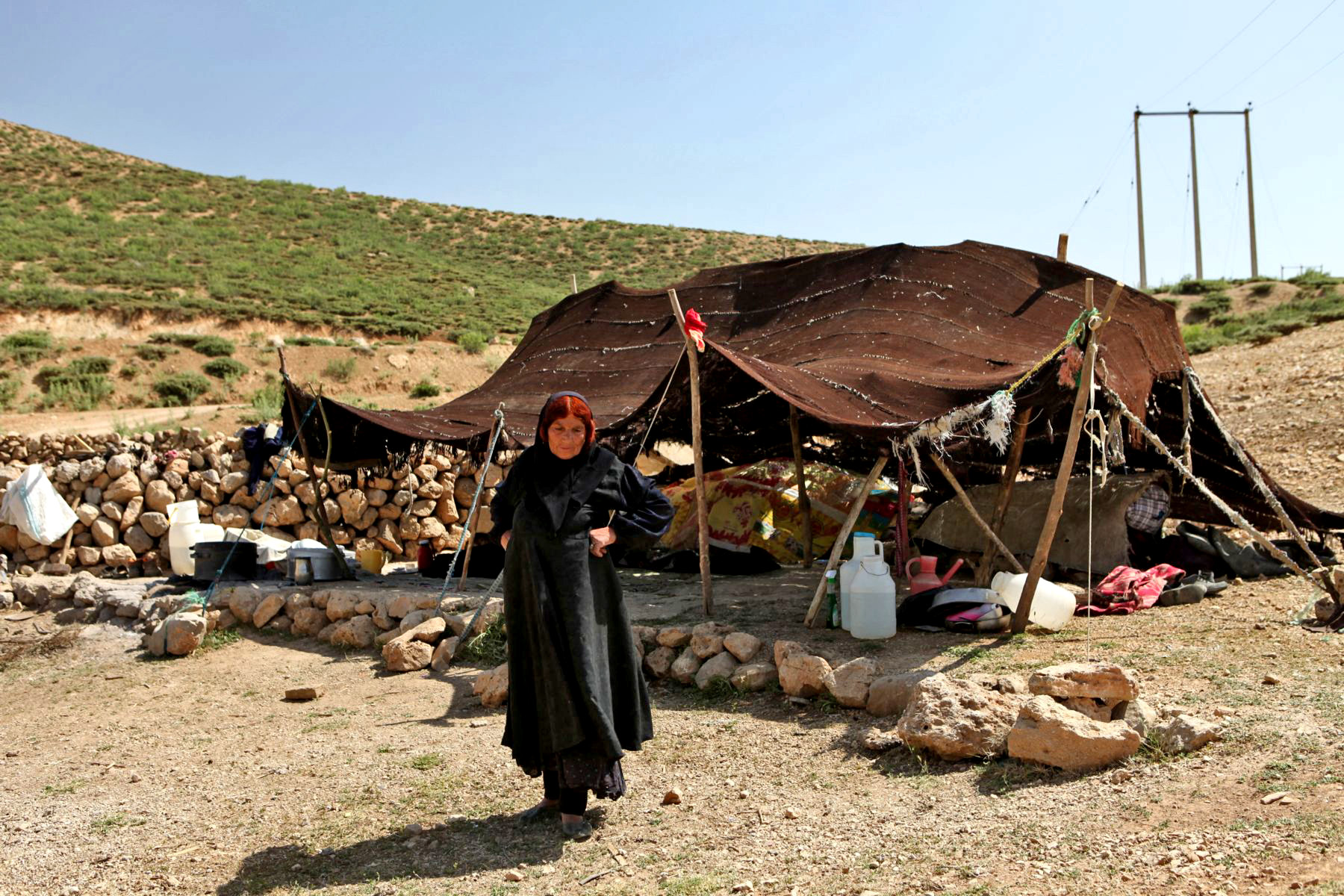
The Bakhtiari are one of the largest and most storied tribal peoples of Iran, a branch of the Lur peoples of the Zagros mountains in the southwest of the country. Their homeland centres on the province that bears their name, Chaharmahal and Bakhtiari, and spreads into the neighbouring provinces of Khuzestan, Lorestan and Isfahan.
A people of nomadic pastoralists and powerful tribal khans, the Bakhtiari are famous above all for their epic seasonal migrations across the high Zagros, among the most arduous journeys undertaken by any people. Rooted in the mountains of Iran, they have played a role in the nation’s history out of all proportion to their numbers.
The Name

The people are known as the Bakhtiari, and they are divided into two great branches, the Haft Lang and the Chahar Lang, each subdivided into many tribes and clans. This structure of tribes within a larger confederation gave the Bakhtiari both local identity and collective strength.
Their country lies in the central Zagros, from the high summer pastures of the mountains to the warm winter quarters in the lowlands of Khuzestan. The town of Shahr-e Kord is the modern capital of the Bakhtiari province, at the heart of a homeland of soaring peaks and deep valleys.
The Language

The Bakhtiari speak Bakhtiari, a dialect of the Luri language, which belongs to the southwestern branch of the Iranian languages and is closely related to Persian. It is the everyday tongue of the tribes, carrying their poetry, songs and oral traditions.
Most Bakhtiari also speak Persian, the national language of Iran, and their own speech is sometimes considered a distinct language, sometimes a dialect. Either way, the Bakhtiari tongue remains a strong marker of the identity of this proud mountain people.
The Homeland
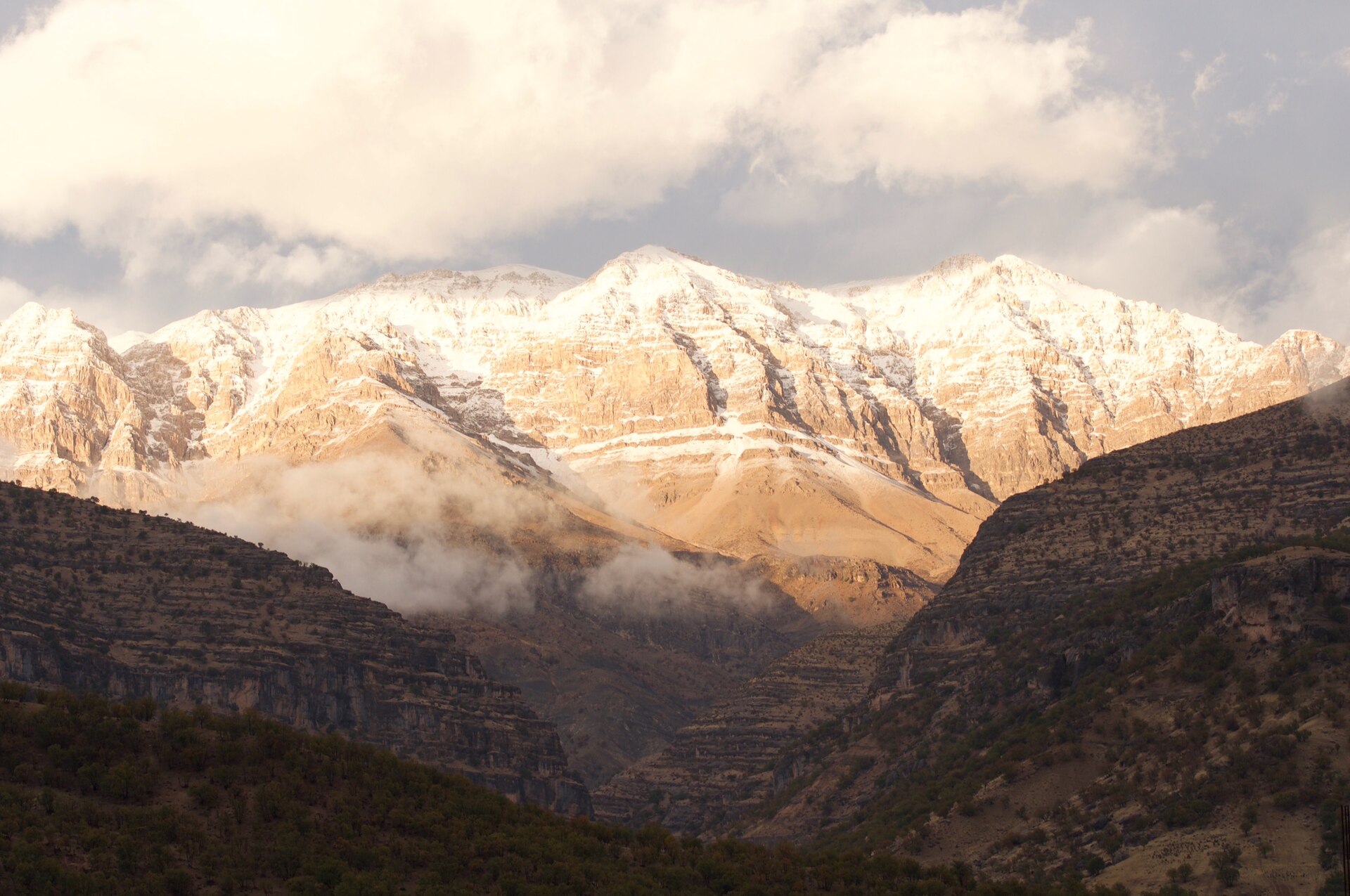
The Bakhtiari homeland is the central Zagros, a range of high, snow-capped mountains, deep gorges and swift rivers in southwestern Iran, among the most rugged country in the land. The great massif of Zard Kuh and the icy Karun River lie across the heart of their territory.
Between the high summer pastures and the low winter quarters stretched the migration routes that defined Bakhtiari life, crossing snowbound passes and dangerous rivers. This dramatic and demanding landscape, of mountain and gorge, shaped a hardy people and one of the great pastoral migrations of the world.
The Old Way of Life

The Bakhtiari were nomadic pastoralists, herding sheep and goats and living from their meat, milk and wool. Twice a year they undertook the migration, or kuch, between the lowland winter pastures of Khuzestan and the high summer pastures of the Zagros, a journey of extraordinary hardship.
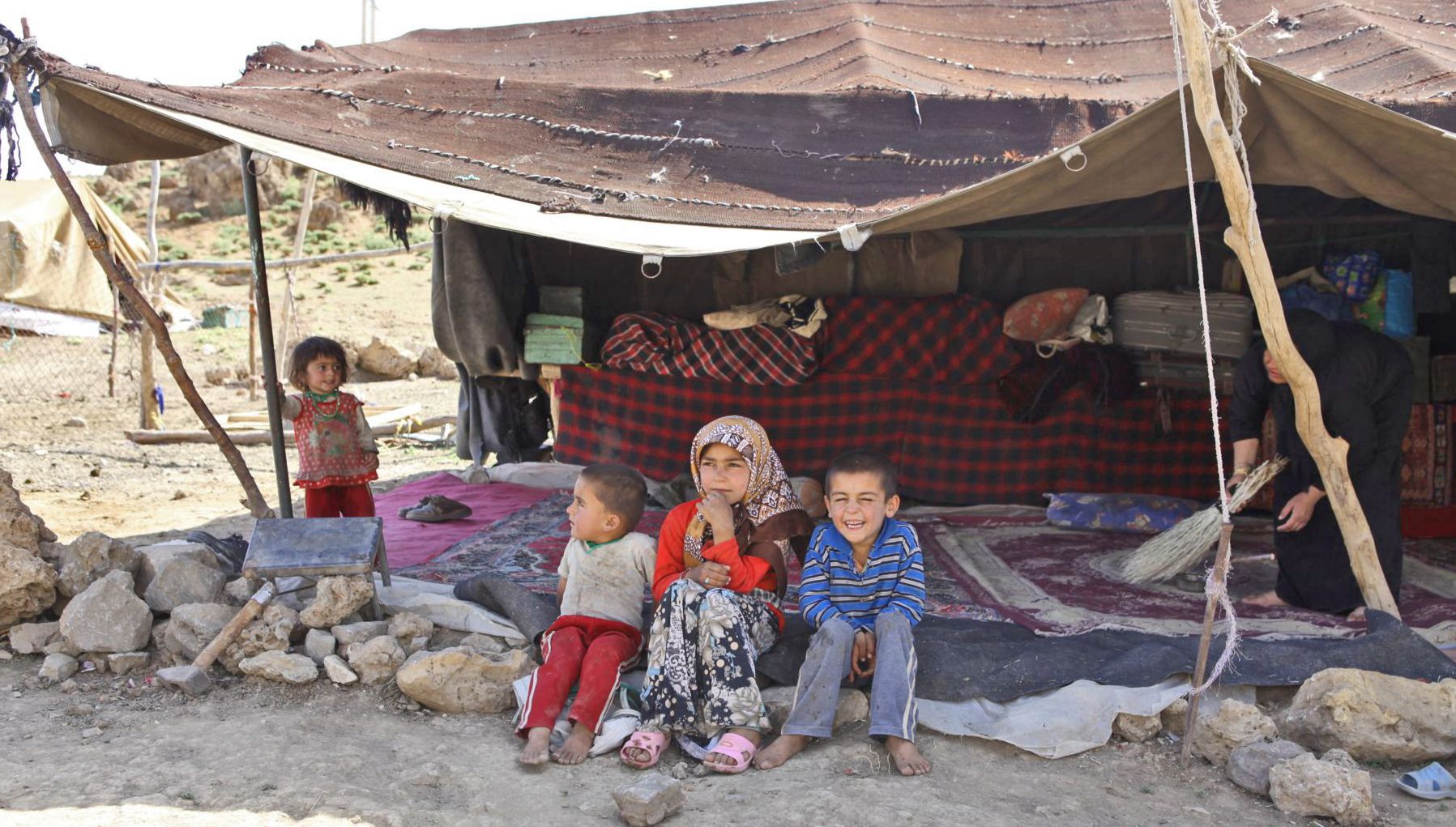
The migration meant driving vast flocks over snow-covered passes and across the freezing, fast-flowing Karun River, where animals and people swam or forded the torrent, a feat famously filmed in the 1920s. Living in black goat-hair tents and moving with the seasons, the Bakhtiari led one of the most demanding pastoral lives on earth.
Society and Community
Bakhtiari society was organised as a great confederation of tribes under powerful khans, with an Ilkhani as paramount chief. The Bakhtiari khans were among the most powerful magnates in Iran, commanding thousands of armed tribesmen and wielding influence far beyond their mountains.
Beneath the khans, the tribes and clans were led by lesser chiefs, and loyalty to the tribe and its leaders bound society together. The strength and organisation of the confederation allowed the Bakhtiari to act as a formidable force in the politics of Iran, a role few tribal peoples could match.
Religion and Belief
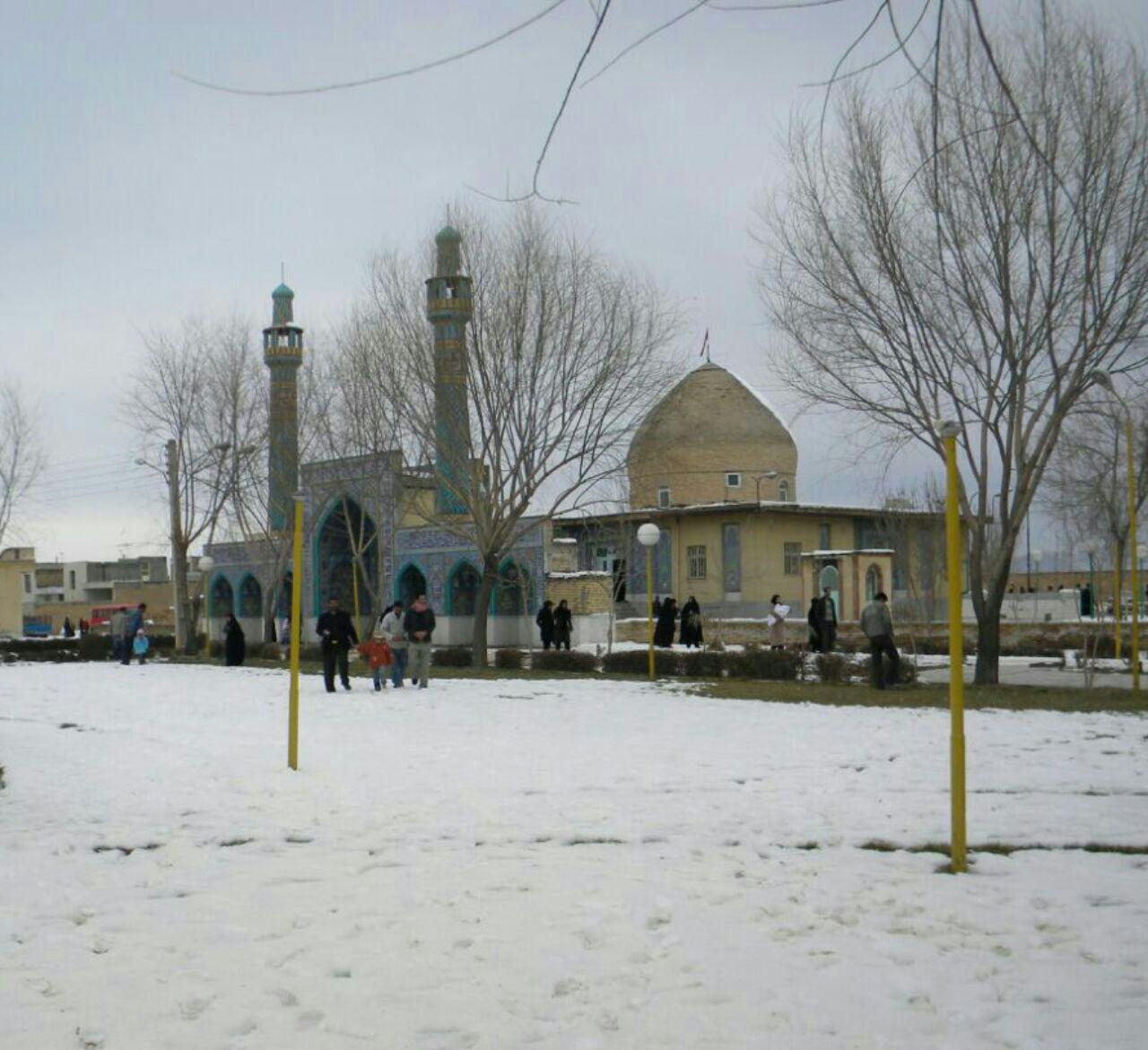
The Bakhtiari are Shia Muslims, sharing the faith of the great majority of Iranians, and the shrines and imamzadehs of their country are places of devotion and pilgrimage. The Shia religious calendar, above all the mourning of Ashura, marks the rhythm of their year.
As a mobile pastoral people, the Bakhtiari long practised their faith in the setting of the tent and the migration, and older customs mingled with orthodox Shia Islam. Religion, kinship and the tribe together formed the framework of Bakhtiari life.
Traditions

Bakhtiari tradition is rich in music, dance and the celebration of the life cycle, above all weddings, which are great occasions of feasting, music and the dancing of men and women in the tribe’s distinctive dress. The stick dance and the choreographed movements of the dancers are striking features of Bakhtiari celebration.
The distinctive dress of the Bakhtiari, including the men’s felt hats and long coats and the colourful garments of the women, is itself a proud tradition. Through music, dance, dress and the ceremonies of the tribe, the Bakhtiari express and sustain their vivid culture.
Crafts
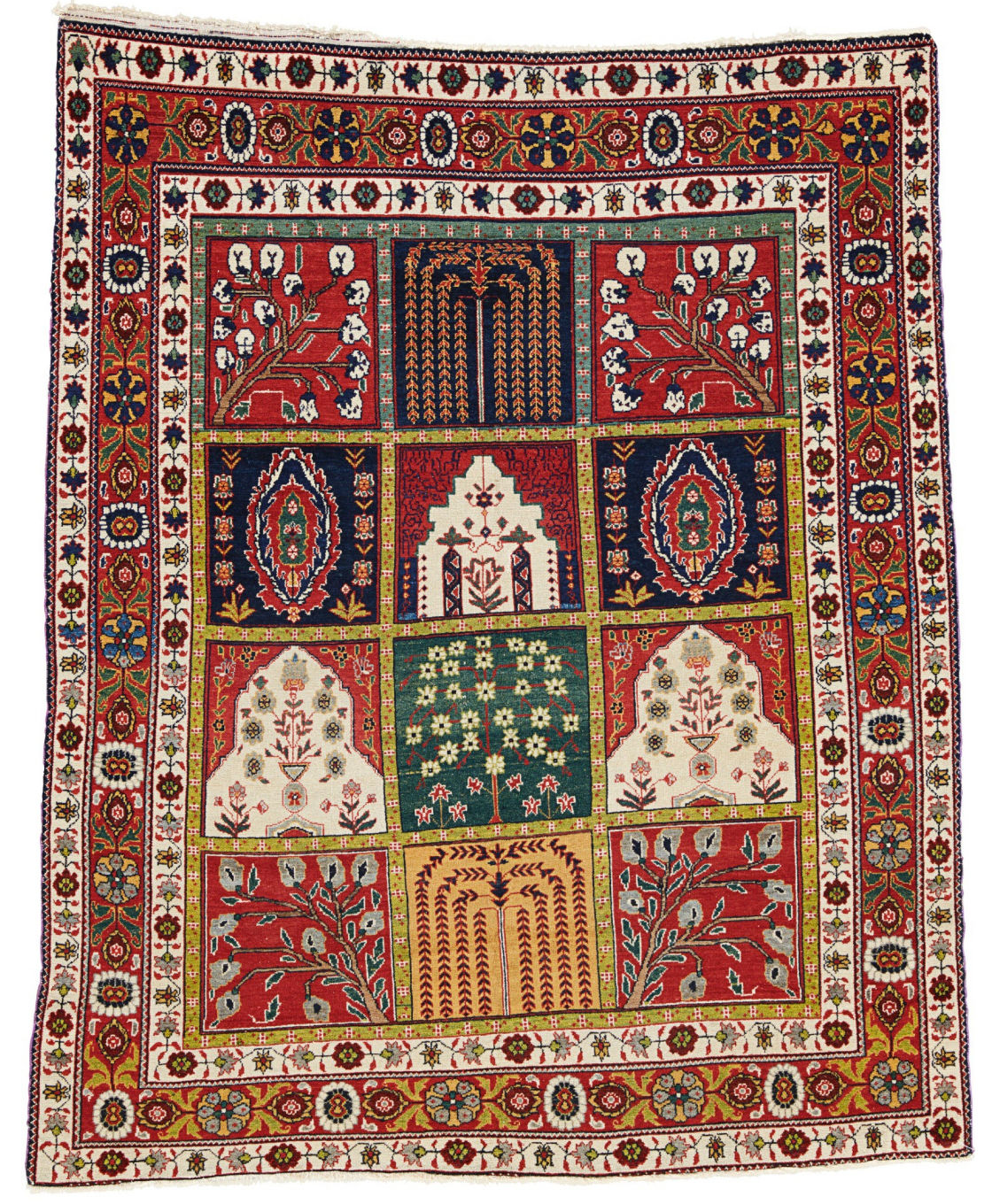
The Bakhtiari are noted weavers, and their carpets and kilims, woven by women in wool from the tribe’s own flocks, are prized for their bold designs and rich colours. The garden and panel patterns of Bakhtiari rugs are well known among collectors of Persian weaving.
Alongside carpet-weaving the Bakhtiari made the black goat-hair tents, saddlebags, and the textiles and implements of a pastoral life. This craftwork, carried on through the migrations and passed from mother to daughter, is among the proud arts of the tribes.
Food
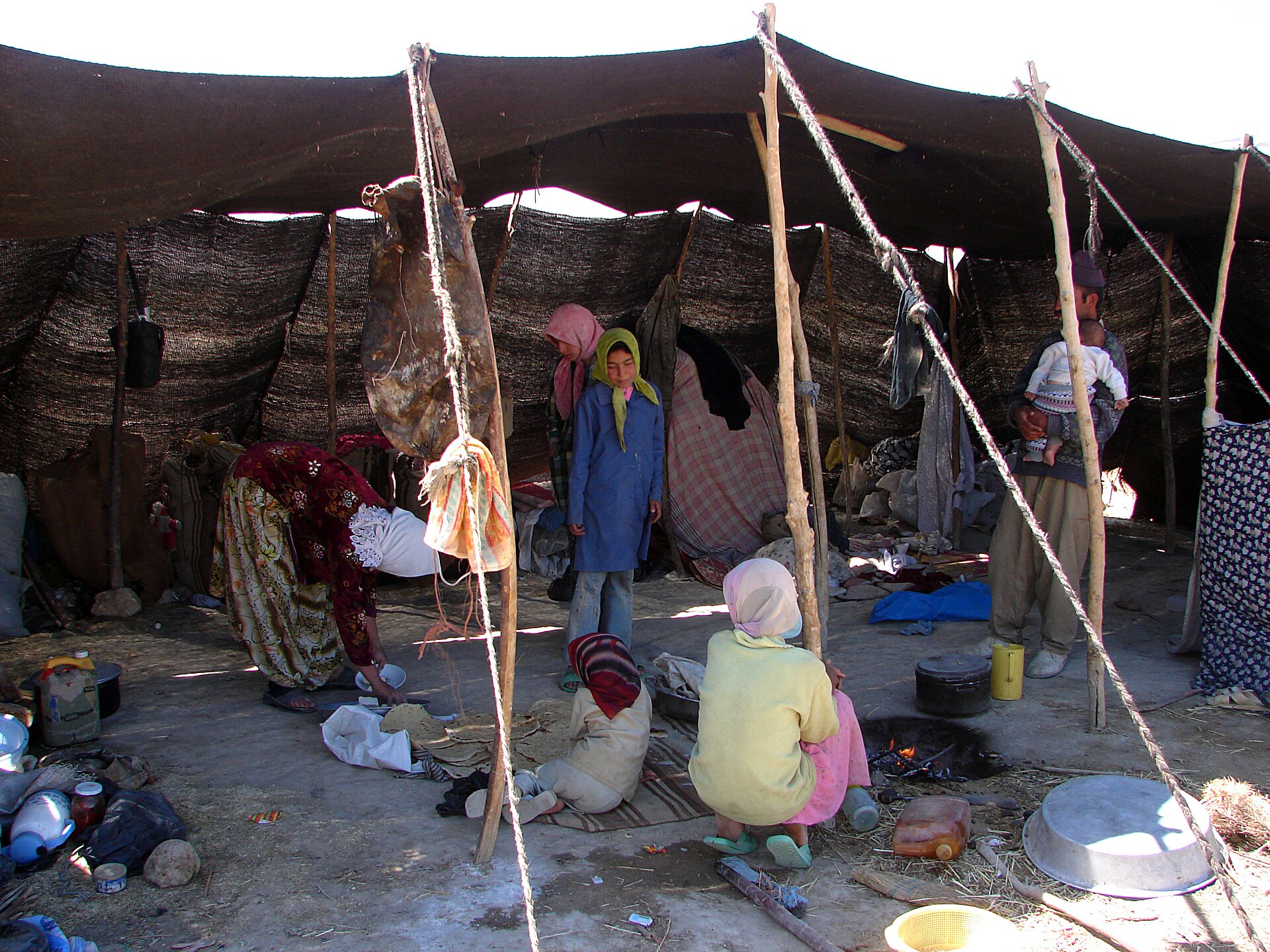
The food of the Bakhtiari reflects their pastoral life, built on the products of the flock, milk, yoghurt, butter and cheese, together with meat and the bread baked over the fire. Rice, herbs and the goods obtained in trade or from the lowlands round out the diet.
Bread and dairy were the mainstays of the migration, nourishing and portable, and the sharing of food, offered generously to guests, is central to Bakhtiari hospitality. This hearty fare, drawn from the herd and the hearth, sustained the tribes on their arduous journeys.
Festivals

Bakhtiari communal life is marked by the celebrations of the life cycle, above all weddings, and by the gatherings of the tribe for the great migrations. These occasions bring families and clans together for music, dancing and feasting in the tents and pastures.
The rhythms of the migration itself, the assembling of the tribe and the crossing of the mountains and rivers, also punctuated the year with moments of drama and shared effort. Through these gatherings and customs, the Bakhtiari reaffirm the bonds of family and tribe.
History
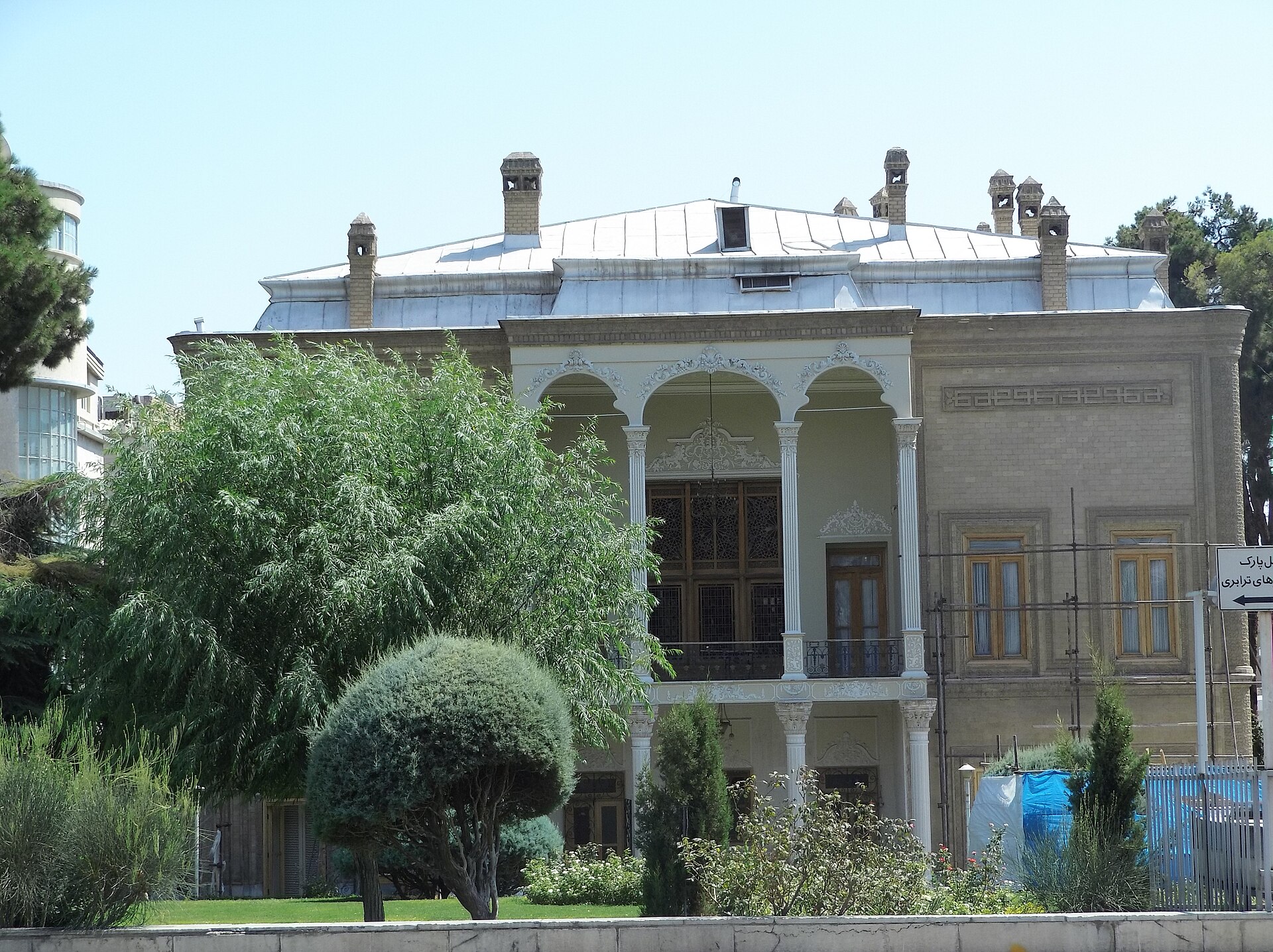
The Bakhtiari khans rose to great power in the nineteenth and early twentieth centuries, dominating southwestern Iran and controlling the region through which the oil of the country would later flow. Their most celebrated moment came in 1909, when Bakhtiari forces under Sardar As’ad marched on Tehran, captured the capital, deposed the shah and restored the constitution.
For a time Bakhtiari khans held high office in the Iranian government, but under Reza Shah in the 1920s and 1930s the state broke the power of the tribes, forcing settlement and disarmament. The great migrations were curtailed, and the political dominance of the khans came to an end, though the Bakhtiari retained their strong identity.
Today

Today many Bakhtiari have settled in the towns and villages of their province and across Iran, while some still practise, in reduced numbers, the seasonal migration of their ancestors. Modern life, education and the economy have drawn many from the tents and the flocks, yet a proud Bakhtiari identity endures.
The Bakhtiari language, the famous carpets, the distinctive dress and above all the memory of the great migrations and of the khans who once marched on Tehran continue to anchor the identity of the people. One of the great tribal peoples of Iran, the Bakhtiari carry a heroic pastoral heritage into the modern age.
Related Peoples of the Region
- The Kabardians, Circassian Horsemen of the North Caucasus
- People of the High Mountains, the Story of the Hazaras of Afghanistan
- Guardians of the Passes, the Story of the Pashtuns of Afghanistan and Pakistan
- People of the Arid Frontier, the Story of the Baloch
- The Marsh Arabs, People of the Mesopotamian Wetlands
- The Samaritans, the Ancient Keepers of Mount Gerizim
- The Mandaeans, the Last of the Ancient Gnostics
- The Qashqai, Nomadic Weavers of Southern Iran
More Peoples of the World
- A Fifth of Humanity, the Story of the Han Chinese
- How the Maori Sailed Across the Pacific to Reach New Zealand
- Zulu of the Green Hills and Their Kingdom Forged by Shaka
- The People Who Never Vanished, the Story of the Maya
- Long Before the Arabs Came, North Africa Belonged to the Amazigh
- The People Who Emerged Into This World, the Story of the Navajo
- Meet the Ainu, an Indigenous People at Japan’s Northern Edge
You May Like
The Zaza, a Mountain People of Eastern Anatolia


