When most people picture Japan, they imagine a strikingly homogeneous nation, a single people sharing one language and one long history. That picture, however widespread, leaves out an entire world. On the northern island of Hokkaido, and historically across Sakhalin and the Kuril Islands as well, lived a people who were there long before the Japanese state extended its reach northward — the Ainu. With their own language unrelated to Japanese, their own religion centered on a universe alive with gods, and a way of life built around the forests, rivers, and seas of the north, the Ainu are among the most distinctive and, until recently, most overlooked Indigenous peoples of East Asia.
Their story is one of a profound and ancient culture, a long history of contact and conflict with the expanding Japanese state, near-erasure through forced assimilation, and a fragile but real revival now underway. It deserves to be told carefully and honestly.
Who the Ainu Are
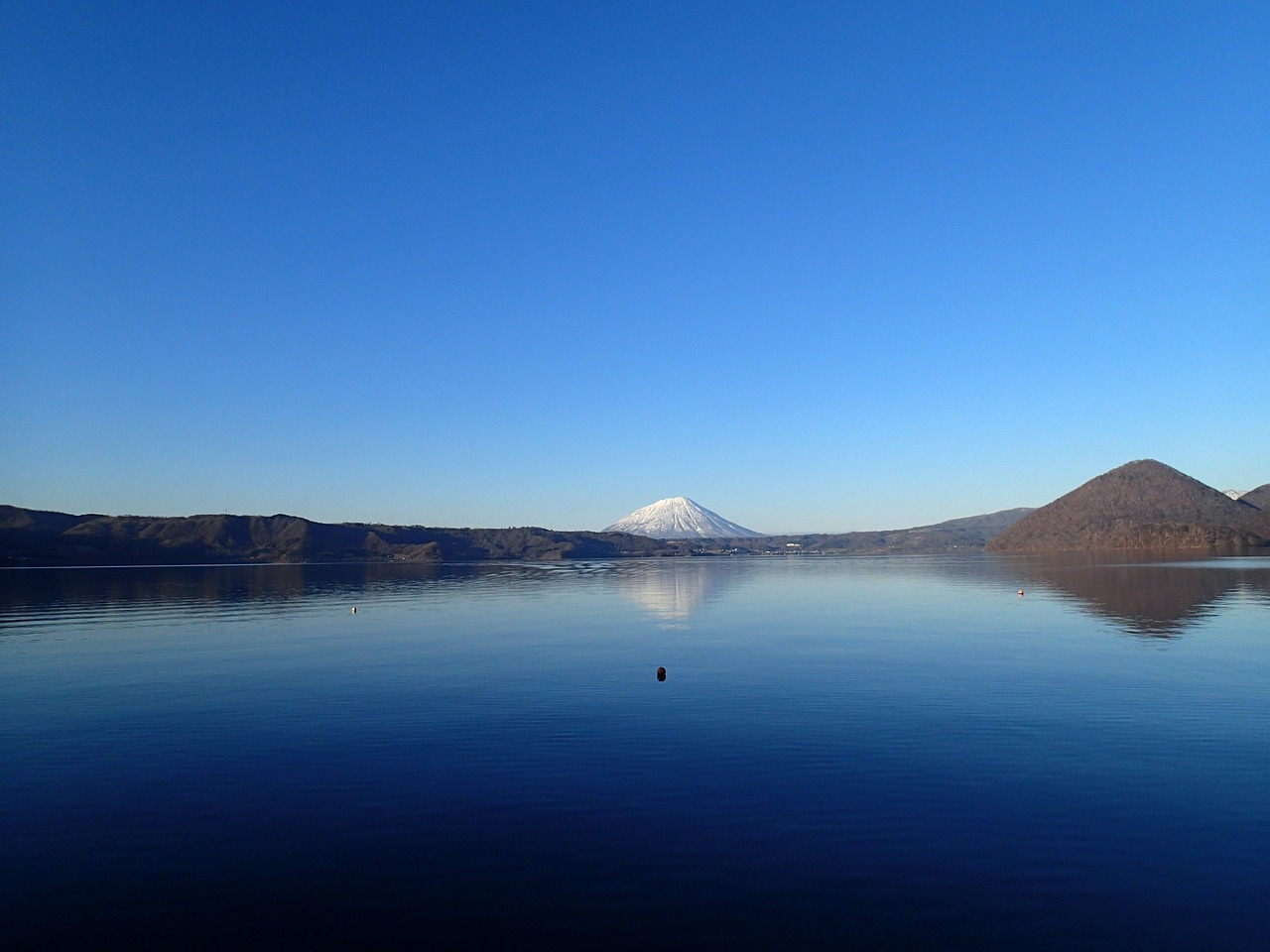
The Ainu are an Indigenous people whose historical homeland centered on the island of Hokkaido in what is now northern Japan, extending in earlier times to the southern half of Sakhalin Island and the chain of the Kuril Islands to the north and east. The word ainu means, in their own language, simply human or person, distinguishing people from the kamuy, the divine beings or spirits believed to inhabit and animate the world around them. This very name captures something essential about their worldview, in which the human and the divine existed in constant, reciprocal relationship.
Physically, historically, and culturally, the Ainu were noticeably distinct from the majority Japanese population, a difference that nineteenth- and twentieth-century observers often remarked upon and that fed both fascination and prejudice. They were traditionally not rice-farmers like the agricultural society to their south but hunters, fishers, and gatherers who drew their living from the abundant natural world of the cold north. To understand the Ainu is to set aside the assumption of a uniform Japan and to recognize that the archipelago has long been home to more than one people.
How Far Back Their Story Reaches
The deep origins of the Ainu are a subject of ongoing research and some genuine uncertainty, and any honest account must acknowledge the gaps. According to many scholars, the Ainu are connected to the prehistoric inhabitants of northern Japan, and a particular ancient culture known to archaeologists as the Jomon — famous for some of the earliest pottery anywhere in the world — is often discussed in relation to Ainu ancestry. The prevailing view among researchers is that the Ainu descend in significant part from these ancient northern populations, who were later joined and largely displaced elsewhere in Japan by agricultural migrants arriving from the Asian mainland.
In this reading, while much of the Japanese archipelago saw its older hunter-gatherer population blend with and be overlaid by newer arrivals and their rice agriculture, the north — and Hokkaido especially — retained more of that ancient heritage, which flowed into what became the Ainu. The details remain debated, and genetic studies continue to refine and sometimes complicate the picture, so terms like according to most researchers and is thought to are not mere hedging here but an accurate reflection of where the evidence stands. What is clear is that the Ainu represent a very old current in the human history of Japan, distinct from the ancestry of the majority population.
Echoes from Prehistory
The northern landscape preserves traces of the long human presence that lies behind the Ainu. Across Hokkaido, archaeologists have studied the remains of the Jomon period and the later cultures that succeeded it, including distinctive northern traditions that developed in relative independence from the agricultural society to the south. Sites have yielded pottery, stone and bone tools, the bones of hunted and fished animals, and the remnants of dwellings, painting a picture of communities long sustained by the sea, the rivers teeming with salmon, and the forested mountains rich in deer and bear.
Scholars are appropriately cautious about drawing a single straight line from these ancient cultures to the historical Ainu, since cultures transform over the centuries and the archaeological record cannot speak language or self-identity. Yet the broad continuity of a northern way of life — one founded on fishing, hunting, and gathering rather than on intensive farming — connects the prehistoric record to the Ainu way of life documented in later centuries. The environment itself, with its salmon runs, its bears, and its deep forests, shaped a culture that would come to see those very animals and forces as gods.
A Life Woven from Forest, River, and Sea
Ainu subsistence rested on a deep and detailed knowledge of the northern environment. They fished for salmon in the rivers, a resource so central that it shaped the seasonal rhythm of life; they hunted deer and bear in the mountains and forests; they trapped, gathered wild plants, and harvested the bounty of the sea. Theirs was not an idle abundance but a way of life requiring skill, patience, and an intimate familiarity with the land. They lived in settlements known as kotan, communities of houses built of wood and thatch, usually sited near rivers where fish were plentiful.
Ainu material culture was rich and distinctive. Their clothing, often made from the inner bark of elm trees woven into cloth or from animal skins, was decorated with bold, swirling appliqué and embroidery patterns, the dark curving designs widely believed to help ward off evil. Both men and women bore distinctive forms of personal adornment, and the women were traditionally known for tattooing around the mouth, a practice rich in cultural meaning that later authorities would suppress. The Ainu were skilled woodworkers, carving tools, utensils, and the ceremonial prayer sticks called inau, shaved into delicate curling fringes, that played a central role in their rituals. Trade also mattered greatly: the Ainu exchanged furs, dried fish, eagle feathers, and other northern goods with the Japanese to the south and with peoples to the north, occupying a significant position in the commerce of the region.
Encounters, Resistance, and Subjugation
For centuries the relationship between the Ainu and the Japanese to their south was a mixture of trade, mutual wariness, and intermittent conflict. As Japanese influence pushed steadily northward, especially through the powerful domain that controlled access to Hokkaido during the period of the shoguns, the Ainu found themselves increasingly drawn into an unequal trading relationship and subjected to mounting pressure and exploitation. This exploitation periodically boiled over into open resistance.
Ainu history records several major uprisings against Japanese encroachment and the abuses of the trade system. According to most historians, large revolts erupted at different points as Ainu leaders rallied their people against unfair dealing, exploitation of labor, and the steady erosion of their autonomy. These risings were ultimately defeated, and each defeat tightened the grip of Japanese control. The decisive transformation came in the later nineteenth century, when the modernizing Japanese state formally annexed and colonized Hokkaido, encouraging mass settlement by Japanese migrants and bringing the Ainu fully under its administration. The Ainu, once the masters of the north, became a marginalized minority in their own land within a few generations.
The colonization of Hokkaido was framed by the Japanese state as the opening of a frontier, much as other powers spoke of their own colonial expansions, and it carried the same disregard for the people already living there. Ainu were stripped of customary access to the salmon rivers and hunting grounds on which their entire way of life depended, as new laws restricted fishing and hunting and reassigned the land to settlers. Forced into unfamiliar agriculture on land often poorly suited to it, and pressed to adopt Japanese names, language, dress, and customs, many Ainu were reduced to poverty and dependence within a single generation. A law passed in the late nineteenth century, ostensibly to protect them, in practice entrenched their marginalization and the assumption that their proper future lay in ceasing to be Ainu at all. Understanding this history is essential, because the endangerment of the language and the near-loss of the ceremonies were not accidents of time but the direct results of deliberate policy.
The Ainu Language and Its Struggle to Survive
The Ainu language is one of the most remarkable aspects of the culture and one of the most endangered languages on Earth. Crucially, it is not related to Japanese; most linguists regard Ainu as a language isolate, with no proven connection to Japanese, to the languages of the Asian mainland, or to any other known family. This linguistic independence underlines just how distinct the Ainu were from their southern neighbors. The language was traditionally unwritten, its vast store of knowledge, poetry, and sacred narrative carried entirely in oral form across generations.
The assimilation policies that followed the colonization of Hokkaido struck the language a devastating blow. As Ainu children were educated in Japanese and as their distinct way of life was discouraged or forbidden, transmission of the language broke down, and the number of fluent native speakers fell to a perilous level — by recent times, only a tiny handful of elderly first-language speakers remained, and the language is classified as critically endangered. Yet here too there is a thread of hope. A revival movement has produced language classes, radio programming, dictionaries, recordings of the oral tradition, and a new generation of learners and activists determined that Ainu should not fall silent. Whether these efforts can secure the languages future remains genuinely uncertain, but the determination behind them is real.
Gods, Bears, and Sacred Stories
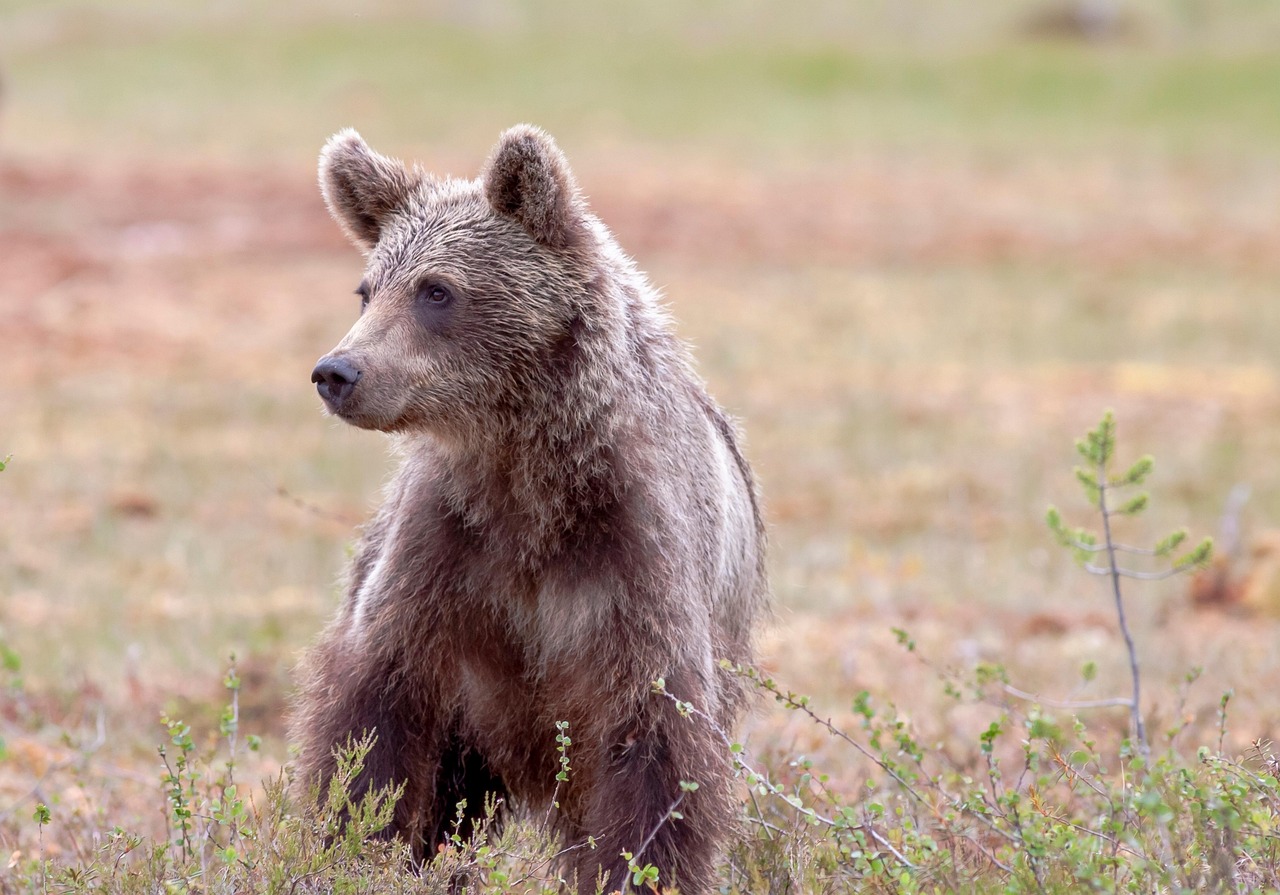
Ainu religion, retold here only in outline and in my own words, was a form of animism of extraordinary richness, built on the belief that the world was filled with kamuy — divine spirits or gods inhabiting animals, plants, natural forces, tools, and places. The relationship between humans and kamuy was understood as one of mutual obligation and respect: the gods visited the human world, often disguised as animals, bringing gifts such as meat and fur, and humans honored them with ritual and prayer so that they would return again. Among all the kamuy, the bear held a place of supreme importance, regarded as a mountain god who came to the human world in animal form.
This belief found expression in the most solemn and now most controversial of Ainu ceremonies, the bear rite, in which a bear was honored and then ceremonially sent back to the world of the gods, an act the Ainu understood as releasing the divine spirit to return home laden with the peoples gratitude and offerings. Out of respect for the seriousness of the tradition and the sensitivities involved, it is described here only in general terms. Alongside such rituals, the Ainu preserved a magnificent oral literature, including long heroic and divine epics known as yukar, chanted narratives recounting the deeds of gods and heroes that could take many hours to perform. This oral tradition, transmitted by gifted bearers of memory, was among the great artistic achievements of the people, and its preservation is now a central goal of cultural revival.
Notable Figures and Voices
The Ainu have produced individuals who fought to record and defend their heritage at the very moment it was most threatened. Among the most cherished is Chiri Yukie, a young Ainu woman of the early twentieth century who, before her tragically early death, transcribed and translated a collection of the yukar epics, preserving in writing a treasure of oral literature that might otherwise have been lost and demonstrating the literary power of her people language to a wider world. Ainu activists and political figures in more recent decades have campaigned for recognition, rights, and cultural revival, and have at times held public office, lending the Ainu a formal voice in Japanese society. In keeping with the commitment to accuracy that guides this account, where I am unsure of the precise details of a person life or achievements, I have left those details out rather than risk inventing them.
The Ainu in the World Today
Today the number of people who identify as Ainu is difficult to state with confidence, and published estimates vary considerably, ranging from a few tens of thousands down to smaller figures, complicated by the fact that generations of discrimination led many people of Ainu descent to conceal or lose touch with their heritage. Many Ainu and people of partial Ainu ancestry are thoroughly integrated into mainstream Japanese society, living and working much like their neighbors, while a growing number are actively reclaiming and celebrating an identity their parents or grandparents may have hidden.
A significant turning point came when the Japanese government, after long denying it, formally recognized the Ainu as an Indigenous people of Japan — a milestone in a country that had long projected an image of ethnic uniformity. Cultural institutions, museums, festivals, and educational programs dedicated to Ainu heritage have grown, the most prominent being a national center established in Hokkaido to promote and preserve the culture. These developments are welcomed by many Ainu, even as some caution that recognition and tourism must not become a substitute for substantive rights, genuine redress, and the hard work of language survival.
The Ainu connection to a northern world of forest, river, and sea, and their experience of colonization and cultural suppression, links them in spirit to other Indigenous peoples of the circumpolar and Pacific regions, among them the Sami of the European Arctic, who have walked similar painful roads and who now pursue similar revivals of language, art, and pride.
The story of the Ainu is a powerful reminder that even nations imagined as perfectly uniform contain hidden depths and older inhabitants. Pushed to the brink of cultural erasure, the Ainu have not vanished; their language clings to life, their art and ceremony are being relearned, and their identity is reasserting itself. In reclaiming their place, the Ainu enrich not only their own communities but the whole understanding of what Japan, and the human north, has always been.
\n
More Peoples of the World
\n
This article is part of our Peoples of the World series, exploring fascinating and overlooked cultures around the globe. Explore the other peoples in the collection:
\n
- The Sami
- The Basque
- The Maori
- The Amazigh (Berbers)
- The Sorbs
- The Sakha (Yakuts)
- The Welsh
- The Tuvan
- The Mari
\n
You May Like
The Zaza, a Mountain People of Eastern Anatolia


7 thoughts on “Meet the Ainu, an Indigenous People at Japan’s Northern Edge”