Behind a two-hundred-kilometer reef in the central Carolines lies a lagoon that holds a drowned volcano’s peaks, the Pacific war’s largest ghost fleet, and one of Micronesia’s most populous and tenacious peoples. The Chuukese built a dense world of matrilineages and breadfruit seasons across the lagoon’s high islands and its far-flung atolls, kept the last schools of stellar navigation alive on their outer islands, and now span an ocean from Weno’s shore to the American mainland.
This portrait follows the people of Chuuk, the mountains: a dialect chain a thousand miles long, the lineage meetings that still settle the land, the spirits of the breadfruit and the mission century that answered them, the pounded kon and fermented mar of the island table, the sunken fleet of 1944, and a federated future negotiated one compact at a time.
Contents
- Deep Roots in the Caroline Chain
- Chuuk, the Mountains, and the Name Truk
- A Chain of Dialects Across a Thousand Miles
- A Drowned Volcano Full of Islands
- Breadfruit Seasons and the Lagoon Commons
- Matrilineages, Chiefs, and the Meeting House
- Spirits of the Breadfruit and the Mission Century
- Love Sticks, Feasts, and the Rules of Respect
- Canoe Builders and the Masks of the Mortlocks
- Pounded Breadfruit and the Reef’s Daily Bread
- Church Conferences and the Lagoon’s Game Days
- Empires, the Ghost Fleet, and a Federated Future
- Chuukese at Home and Across the American Pacific
Deep Roots in the Caroline Chain
The Chuukese descend from the Micronesian voyagers who settled the Caroline chain some two thousand years ago, working westward island by island. In the great lagoon they found a drowned volcano’s peaks, fertile, wet, and defensible, and filled them with the densest population in the Carolines.
Tradition remembers founding voyages from Kosrae and the east, hero chiefs raising lineages on Weno, Fefan, and Tol, and a history of feuding polities that never united under one chief, a political temperament the islands keep to this day.
The lagoon was never isolated: the surrounding atolls, the Mortlocks, the Halls, the western islands, looked to it for refuge after typhoons and sent canoes, brides, and tribute, a hub-and-spokes world with Chuuk at the center.
Archaeology in the lagoon’s slopes and the atolls’ middens confirms the long occupation, and the sawei exchange system that bound the central Carolines to Yap shows how thoroughly these seas were networked centuries before charts named them.
The sawei deserves its footnote in world history: for centuries the outer islands carried tribute west to Yap and returned with timber, food, and refuge rights, an inter-island insurance treaty running on canoes and memory across eight hundred miles of open water, one of the most durable exchange systems any ocean has carried.
Chuuk, the Mountains, and the Name Truk
Chuuk means mountains in the language, the plain name of high islands seen from the sea; the surrounding coral people called the lagoon’s folk the mountain people, and the state and its language carry the word.
The colonial charts wrote it Truk, a German-era rendering that the Second World War made world-famous as the name of Japan’s great fleet anchorage; the state legislated the return to Chuuk in 1989, and Truk survives mainly on dive boats and in history books.
Chuukese identity nests like the islands: a person is of a lineage, a village, an island, then of the lagoon or an outer atoll, and finally of Chuuk State within the Federated States of Micronesia, four stars on a blue flag with Chuuk the most populous of the four.
The old insult and pride both linger in the region’s talk: Chuuk is Micronesia’s rambunctious big state, and Chuukese carry the name with a defiant humor the smaller states recognize.

A Chain of Dialects Across a Thousand Miles
Chuukese is the largest language of the Chuukic chain, a ribbon of dialects running a thousand miles from the lagoon west through the atolls to Ulithi and, improbably, to Palau’s southwest islands; neighbors understand neighbors, and the ends of the chain do not.
Within the lagoon itself, islands tease each other’s accents, and the Mortlockese, Puluwatese, and other outer-island varieties hold their own church hymnals and primers, mission literacy having reached the Carolines early.
The language is vigorously alive, spoken by well over two hundred thousand people counting the diaspora, and it travels: Chuukese is now among the most spoken Pacific languages in Guam, Hawai’i, and parts of the U.S. mainland, and church services in Portland or Kansas City run in it weekly.
Its etiquette is its skeleton: respect speech toward chiefs and elders, the elaborate courtesies between brother and sister, and a proverb stock of breadfruit, canoes, and tides that keeps oratory local even when delivered in a diaspora gymnasium.
Linguists prize the chain as a textbook of dialect geography, each island a step in a gradient rather than a border, and Chuukese teachers now produce the primers, dictionaries, and Bible revisions that keep the spelling wars, an island sport in themselves, well supplied.

A Drowned Volcano Full of Islands
Chuuk Lagoon is one of the Pacific’s great enclosed seas: a barrier reef more than two hundred kilometers around, holding a dozen high volcanic islands, the drowned rim and peaks of an ancient volcano, with Weno the capital island and Tol the largest.
Beyond the reef, Chuuk State scatters its outer islands across hundreds of miles: the Mortlocks southeast, the Halls north, and the western atolls toward Yap, low coral communities whose ties to the lagoon are old and practical.
The islands are lush with breadfruit, coconut, and taro, ringed by mangrove and reef flats; typhoons are the homeland’s recurring test, and the outer atolls’ first shelter has always been kin in the lagoon.
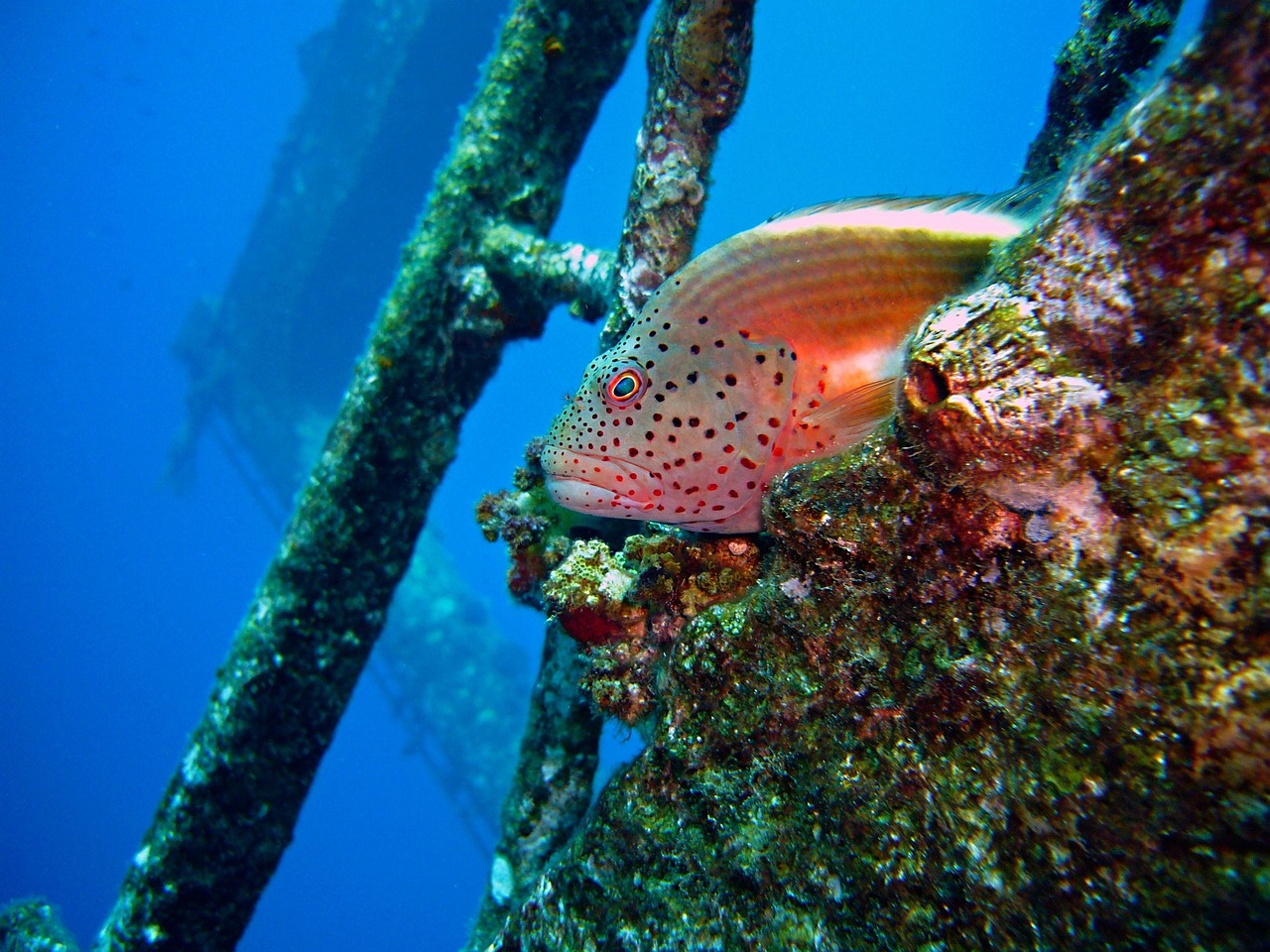
The lagoon floor holds the other landscape: the sunken fleet of 1944, more than forty ships and hundreds of aircraft rusting into coral gardens, at once the world’s greatest wreck-diving ground, a war grave, and a slow environmental question the state manages with the war’s heirs.
Weno’s port and airstrip make it the state’s crowded doorway, but most of the lagoon’s life is still village-scale: causeways and boat channels, church roofs above the palms, and the daily commute by skiff that makes every islander a small-craft sailor before adolescence.

Breadfruit Seasons and the Lagoon Commons
The Chuukese year turned on the breadfruit: the great summer season when the trees bore beyond eating, answered with the pits of mar, breadfruit fermented under leaves for the hungry months, and with the pounding boards whose rhythm was the sound of every village afternoon.
Land climbed the islands in lineage strips from reef to ridge, planted in breadfruit, taro, and coconut; the reef flats were the commons, worked by torchlight and net, and fish weirs of coral stone stitched the shallows.
Men’s houses on the shore organized labor, canoe-building, and defense; the islands’ polities were small and quarrelsome, war a matter of raids and set battles with slings and spears, alliances shifting marriage by marriage, and no paramount ever holding the whole lagoon.
The outer atolls kept the voyaging arts the lagoon could afford to soften: Puluwat and its neighbors remained into living memory among the last schools of stellar navigation on earth, their palu navigators initiated under taboo and famous across the Pacific revival.
A palu’s training on Puluwat took years under taboo: star courses memorized as strings of islands, the feel of swells crossed under the hull, reef and bird signs read at dawn; when the voyaging revival came, Carolinian masters, Chuuk State’s among them, taught the wider Pacific what their canoe houses had never let die.
Matrilineages, Chiefs, and the Meeting House
Chuukese society is matrilineal: land and lineage descend through women, the household clusters around sisters and their husbands, and the eldest brother of the senior woman speaks for the lineage. The mwich, the lineage meeting, is where land, marriages, and quarrels are settled.
Chiefs of village and island rank rose from senior lineages, first among kin rather than kings, their authority a matter of land stewardship, feast-giving, and the weight of their talk in the meeting house.
Respect behavior structures daily life with particular force between brother and sister, an etiquette of avoidance and honor that shapes who sits, speaks, and jokes where; young Chuukese learn it before they learn to read.
The modern overlay is American-form government, municipalities, a state legislature, the FSM congress, worked in practice through the same lineage arithmetic; a Chuukese politician campaigns family by family, island by island, as the chiefs always did.
The system’s flexibility is its strength abroad: a lineage meeting can convene on video call to bless a marriage in Oregon, land disputes at home wait for the summer returns, and the eldest sister’s word still lands with weight across ten time zones.

Spirits of the Breadfruit and the Mission Century
The old religion peopled the islands thickly: sky gods and culture heroes, lineage ancestors working through mediums, spirits of breadfruit and sea whose specialists called the harvest and the schools of fish, and sorcery feared enough to organize much of social caution.
Itang, the secret rhetorical and magical lore of chiefs and war, carried the political sacred: its masters spoke a veiled high language of metaphor that could bless, curse, and negotiate, and fragments of it still surface in oratory.
Missionaries, Protestant from 1879 and Catholic soon after, converted the lagoon within a generation; the denominational map they drew still shades island politics, and the churches became the islands’ schools, presses, and second parliaments.
Chuuk today is intensely Christian, its Sundays full and its youth rallies enormous, with the old spirits surviving at the edges, in medicine, in love magic remembered with a smile, and in the caution any lagoon fisherman keeps at certain passes after dark.
The missions’ print legacy mattered as much as the theology: the Chuukese Bible, hymnals, and early primers standardized the language and made grandmothers literate before some colonial officers, and the churches remain the diaspora’s first institution wherever ten Chuukese families land.

Love Sticks, Feasts, and the Rules of Respect
Chuuk’s most storied artifact is the love stick, the carved rod a suitor slipped through a thatch wall at night, its notches identifying him by touch; museum cases keep them now, but the story is told with relish as shorthand for the old courtship’s ingenuity.
The living traditions are heavier: feasts of first breadfruit and homecoming, the presentation of food by lineage in ranked piles, dances in line with sticks and song, and the fathomless obligation of kin to feed, house, and defend kin.
Respect and apology have ceremonial form: public reconciliation, gifts of food and talk through intermediaries, and the meeting house’s slow consensus remain how island quarrels are actually ended.
The sea’s traditions hold hardest in the outer islands: Puluwat’s navigators still initiate students, canoe houses keep their taboos, and a lagoon crew racing under sail on a holiday carries the whole inheritance at speed.
Apology feasts still end real disputes, including political ones: a public presentation of food and speech through respected intermediaries closes the matter more finally than any court date, and refusing one is a step few island families will take.

Canoe Builders and the Masks of the Mortlocks
The master craft was the canoe: lagoon hulls for reef work and the outer islands’ voyaging canoes, planked, lashed, and rigged with the asymmetric genius of the Carolines, able to shunt end for end and run circles around square rigs. Canoe houses were guilds, their knowledge lineage property.
The Mortlock Islands contributed the region’s most striking sculpture: the tapuanu masks, whitened wooden faces with narrow eyes that guarded breadfruit groves and men’s houses against typhoon spirits, among the few mask traditions in all of Oceania and prized by world museums.
Women’s hands wove the wealth: pandanus mats and baskets, hibiscus-fiber skirts, and the loom-woven banana-fiber valuables of the low islands, with shell money and turmeric moving along the same exchange paths.
Modern workshops carve model canoes, masks, and story pieces for the dive trade, and the state’s carvers, like its navigators, find their old skills newly employable as heritage.
The tapuanu masks’ survivors are scattered from Hamburg to Honolulu, collected in the German decade; Mortlockese carvers now work from museum photographs to bring the white faces home, repatriation by chisel where the originals cannot travel.

Pounded Breadfruit and the Reef’s Daily Bread
Breadfruit is the Chuukese staff of life: eaten roasted, boiled, and above all pounded on wooden boards into kon, the smooth loaf served with coconut cream, and preserved as fermented mar against the empty season, a taste that says home to any Chuukese abroad.
Taro from the swamp gardens, cassava, and banana carry the starch calendar’s other months, and the reef and lagoon supply the rest: fish grilled and stewed, octopus, clams, and the mangrove crab of celebrations.
Feast logistics are lineage mathematics: food presented in ranked piles by family, counted aloud, redistributed to the last basket, the meal as ledger and honor roll at once.
Town life on Weno runs on rice, ramen, and tinned meat with the region’s familiar health bill, and the answer preached from churches and clinics alike is the grandparents’ menu, breadfruit, fish, and taro, still growing in everyone’s back garden.
The pounding board is the sound of identity: diaspora households ship them out in containers, and a Saturday of kon in a Kansas City garage, board thudding while the choir practices inside, is Chuuk continuing by other means.

Church Conferences and the Lagoon’s Game Days
Chuuk’s calendar peaks in church seasons: Christmas runs weeks of choir tours and gift exchanges between congregations, Easter fills the islands, and the great denominational conferences rotate between islands with flotillas, feasts, and song competitions that are the state’s true festivals.
Civic days add the parades: FSM Independence Day in November, Chuuk State’s constitution day, and school cultural days where children dance in line with sticks and shell, the curriculum of custom examined annually.
The water gives the games: canoe and outboard races across the lagoon, swimming and fishing derbies, and the homecoming regattas when field-trip ships return from the outer islands with half a village aboard.
Every graduation, first birthday, and funeral becomes a feast in its own right, lineage food piled and divided; in Chuuk the difference between a ceremony and a festival is mainly the number of pigs.
Field-trip ship arrivals remain the outer islands’ festival in themselves: half a year’s mail, drums of fuel, returning students, and the news of the lagoon delivered in one tide, met by everyone who can walk to the beach.

Empires, the Ghost Fleet, and a Federated Future
Spain claimed the Carolines and barely governed them; Germany bought them in 1899 and counted copra; Japan took them in 1914 and stayed thirty years, planting schools, stores, and finally the Combined Fleet, which made the lagoon its Pacific anchorage behind the reef’s natural wall.
In February 1944, Operation Hailstone caught the anchorage full: two days of American carrier strikes sank more than forty ships and hundreds of aircraft, and the lagoon’s people endured the bombardment, then the starvation years of the bypassed garrison, gardens confiscated and famine remembered by every family.
American trusteeship followed, thin on services and thick on English; Chuuk voted into the Federated States of Micronesia in 1978 and independence under the Compact of Free Association came in 1986, tying the islands to Washington for defense, funds, and the open door through which the diaspora now flows.
The compact’s renewals, the state’s chronic budget storms, and a shelved independence movement keep Chuuk’s politics lively; the ghost fleet below, leaking oil the war’s parties still negotiate over, keeps its history literal.
The starvation years cut deep in memory: the garrison ate the islands bare while the fleet rusted below, and elders’ accounts of taro stolen by soldiers and children fed on palm hearts frame how Chuuk weighs great powers’ promises to this day.

Chuukese at Home and Across the American Pacific
Chuuk State holds about 50,000 people, the FSM’s largest, and at least as many Chuukese now live abroad, on Guam and Saipan, in Hawai’i, and in mainland clusters from Portland to Kansas City, the compact’s open door made a way of life; remittances and returning containers of goods knit the two Chuuks together.
The diaspora’s growing pains are real, minimum-wage work, visa-free but benefit-thin status, occasional friction in host communities, and so is its consolidation: Chuukese churches, women’s groups, and student associations now anchor every major destination city.
At home the economy leans on compact funds, fishing licenses, and the dive trade over the ghost fleet; infrastructure and typhoons take turns testing the state, and the young leave and return in tides.
What holds is the lineage world: land still descends through mothers, breadfruit still falls in season, the mwich still meets under tin roofs and in group chats alike, and a people who never let one chief rule their lagoon navigate the century as they always have, kin by kin, island by island.
Chuuk’s youth are the Pacific’s newest movers, enlisting in the U.S. services at striking rates, filling trade schools and care work, and returning with skills and sermons; the state’s ledger of loss and remittance is the atoll arithmetic scaled to a hemisphere.
Related Peoples of the Region
- Rapa Nui People of Easter Island and Their Ancestors Carved in Stone
- Rapa Nui People of Easter Island and Their Ancestors Carved in Stone
- Marshallese Wave Pilots of the Coral Atolls and Their Two Meters Above the Sea
- Marshallese Wave Pilots of the Coral Atolls and Their Two Meters Above the Sea
- I-Kiribati of the Equatorial Atolls and Their Republic of the Maneaba
- I-Kiribati of the Equatorial Atolls and Their Republic of the Maneaba
- Palauans of the Rock Islands and Their Republic Ruled by Clans and the Sea
- Palauans of the Rock Islands and Their Republic Ruled by Clans and the Sea
You May Like
The Damara, an Ancient People of Namibia