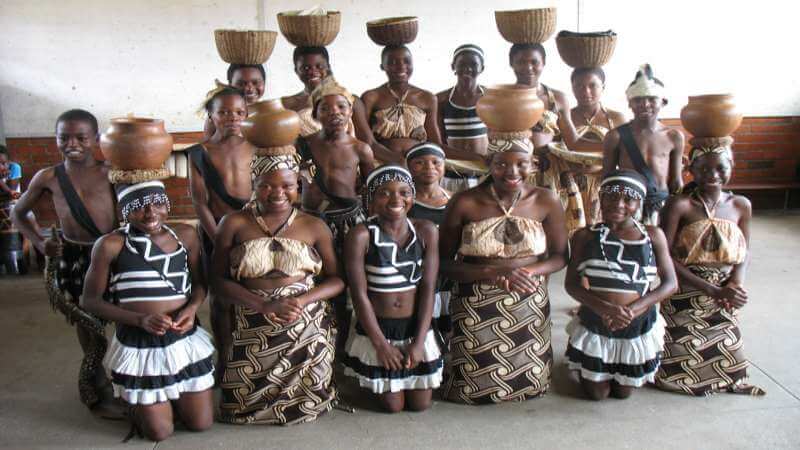
In the stark deserts and granite mountains of west-central Namibia live the Damara, who call themselves the ǂNūkhoen and are among the oldest inhabitants of the land. They pose a lasting puzzle to scholars, for they speak the click language of the Nama yet differ from them in appearance and culture, resembling the Bantu peoples further north.Hunters, herders and, above all, renowned smiths who worked copper and iron, the Damara long lived scattered across a harsh country and endured domination by more powerful neighbours. Today one of Namibia`s largest peoples, they preserve their language, their energetic dances and their ancient heritage in the land of Damaraland.
The Damara on Film
Contents
- Origins
- The Name
- The Language
- The Homeland
- The Old Way of Life
- Society and Community
- Religion and Belief
- Traditions
- Crafts
- Food
- Festivals
- History
- Today
Origins
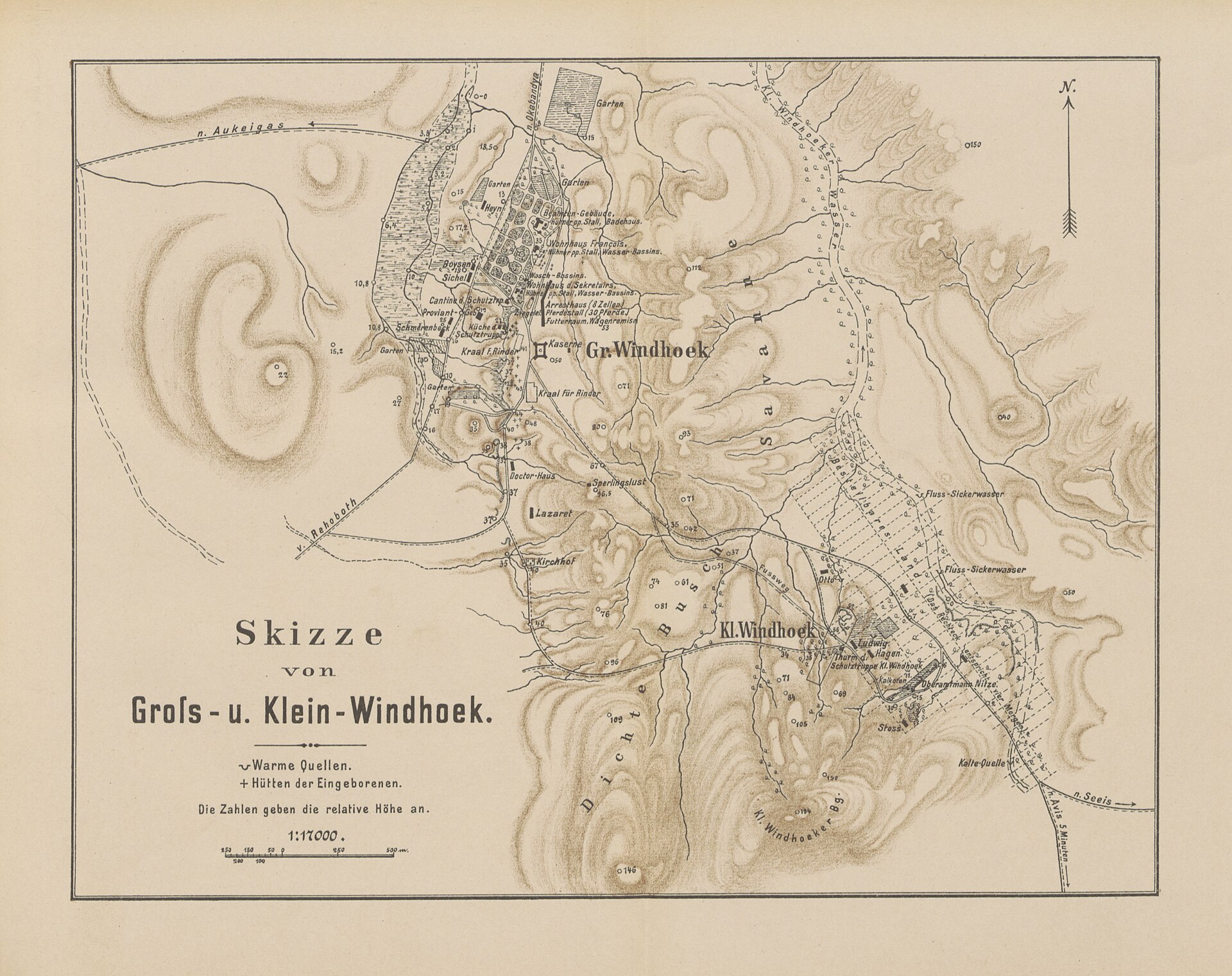
The Damara, who call themselves the ǂNūkhoen, are among the oldest inhabitants of Namibia and one of the country’s most intriguing peoples. They present a puzzle to scholars, for they speak Khoekhoegowab, the same click language as the Nama, yet differ from them markedly in appearance and traditional culture, resembling more the Bantu-speaking peoples further north.
Their true origins remain debated, and the Damara themselves are counted among the earliest peoples of the land, present long before the arrival of the Bantu-speaking Herero and Ovambo or the later European settlers. This deep antiquity, combined with their linguistic and cultural distinctiveness, makes the Damara a people apart in the story of Namibia.
The Name

The people call themselves ǂNūkhoen, often translated as the black people or the real people, while the name Damara was given to them by others and has become the common term. They form one of the three largest population groups in Namibia, after the Ovambo and alongside the Kavango.
The Damara heartland is Damaraland, in the rugged country of west-central Namibia, though Damara communities are found across the nation. Towns such as Khorixas, Uis and Sesfontein lie within their region, set amid the dramatic desert and mountain scenery of the northwest.
The Language
The Damara speak Khoekhoegowab, the same Khoe language as the Nama, marked by its distinctive click consonants. That they share a language with the physically different Nama, while differing from them in so much else, is one of the enduring mysteries of Namibian ethnography, variously explained by ancient migration, conquest or assimilation.
Khoekhoegowab is a national language of Namibia, used in broadcasting, schooling and print, and shared by the Damara and Nama together. For the Damara it is a central marker of identity, carrying a rich oral tradition of story and song.
The Homeland

The Damara homeland of Damaraland is a stark and beautiful country of desert plains, granite mountains and dry riverbeds in west-central Namibia, bordering the Namib desert and the Atlantic coast. It is one of the most rugged and arid regions of the country, where survival demands skill and endurance.
Amid this harsh landscape rise landmarks such as the Brandberg, Namibia’s highest mountain, and the land supports desert-adapted wildlife alongside the herds and gardens of its people. The Damara have long known how to live in this demanding environment, drawing sustenance from a land that yields little easily.
The Old Way of Life
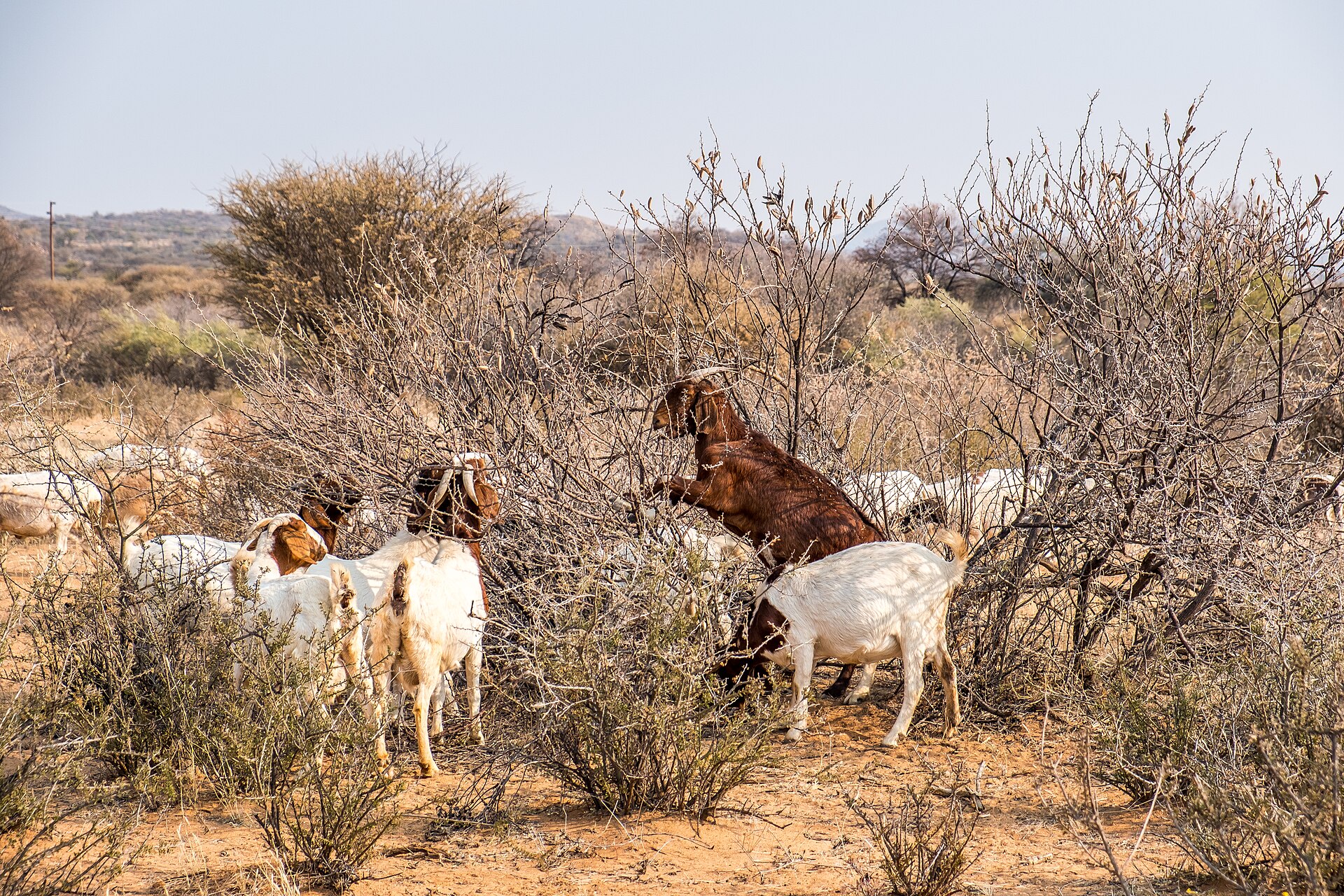
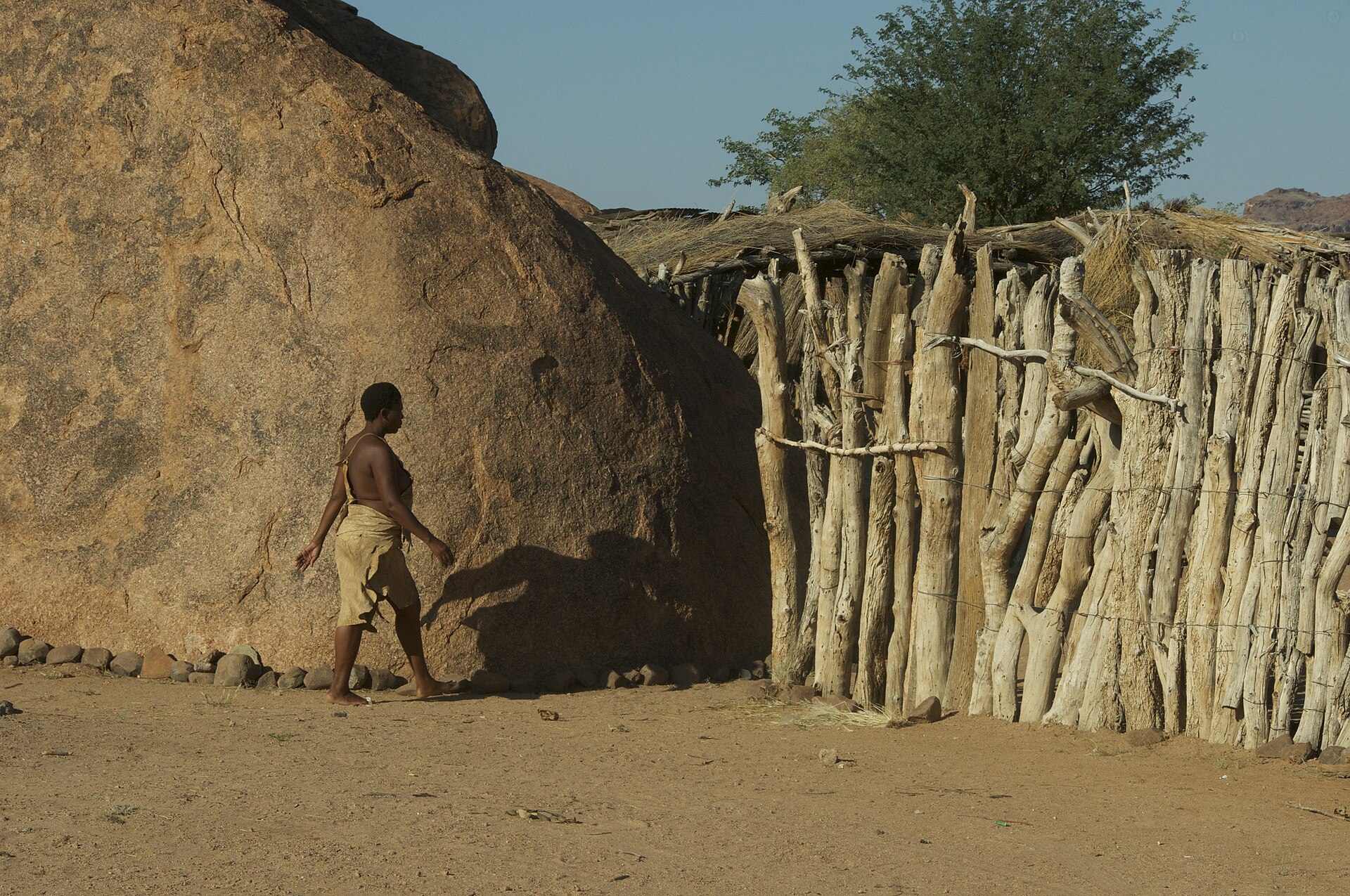
The traditional Damara economy was unusually varied. Some lived as hunter-gatherers in the mountains and deserts, others as herders of goats, sheep and cattle, and the Damara were also renowned as smiths and miners, working copper and iron and trading metal goods across the region.
This combination of hunting, herding and metalworking set the Damara apart and gave them a reputation as skilled craftsmen. In a hard land they made the most of scattered resources, and their mastery of smelting and smithing was among their most distinctive contributions to the peoples of the region.
Society and Community
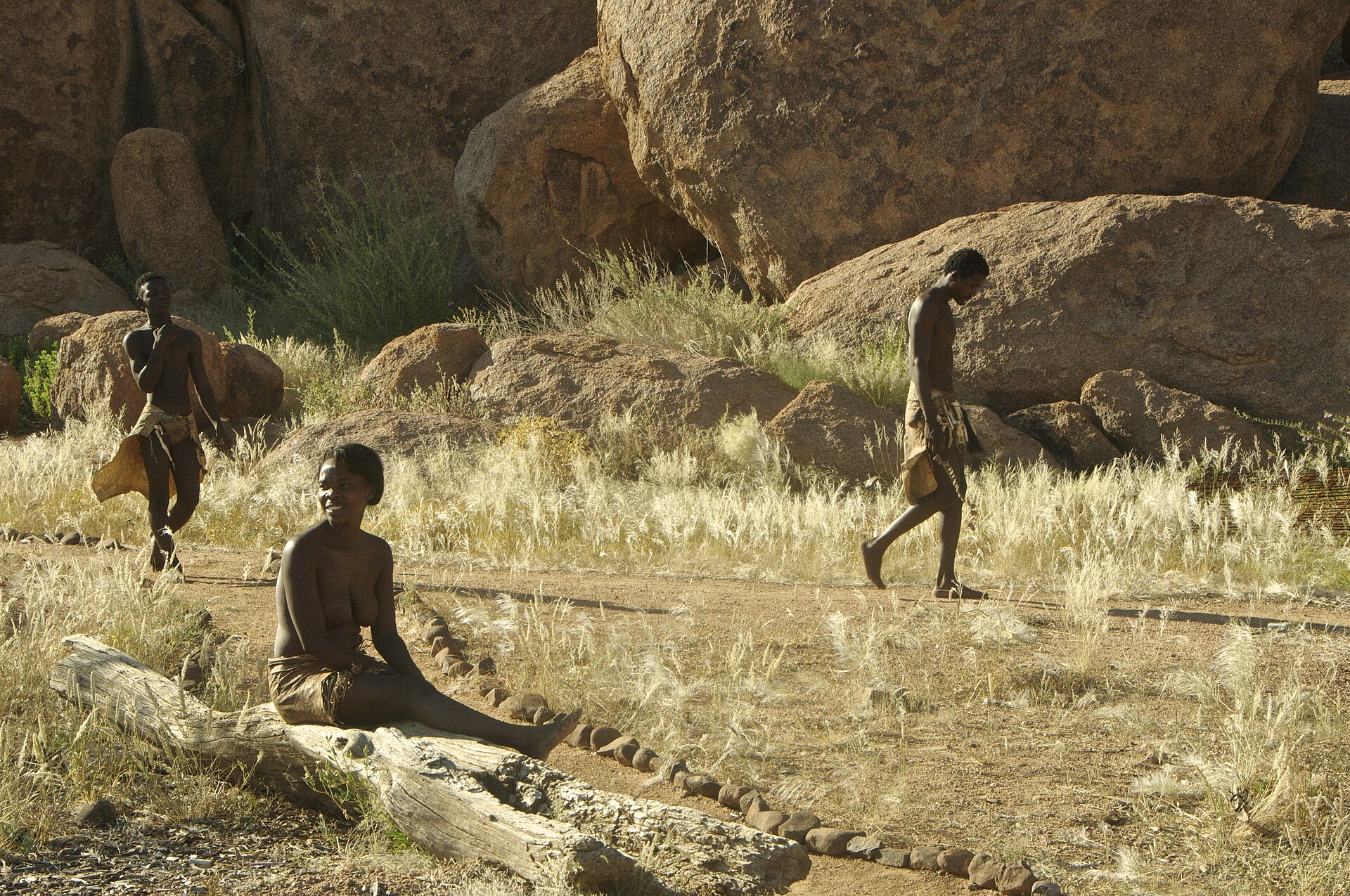
Traditional Damara society was organised into scattered, often small communities led by headmen, without the large centralised kingdoms of some of their neighbours. This dispersed way of life suited the demands of a dry and difficult land, but it also left the Damara vulnerable to more powerful groups.
For much of the eighteenth and nineteenth centuries the Damara were dominated by the Nama and the Herero, and many were subjected, dispossessed or forced into servitude. Under this pressure the Damara nonetheless preserved their identity, and in modern times they recognise a paramount chief and cultural leaders who speak for the people.
Religion and Belief
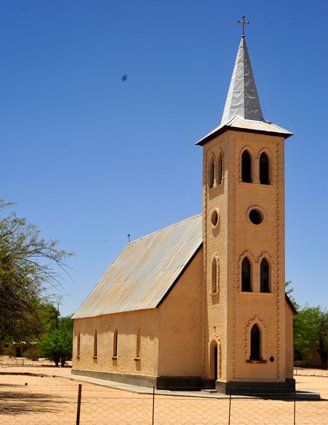
Traditional Damara religion recognised a supreme being together with ancestral spirits, and included beliefs and rituals connected to the land, the hunt and the fire that held a special place in Damara life. Ritual specialists mediated with the spirit world and guarded the customs of the people.
From the nineteenth century the Rhenish Missionary Society and other Christian missions worked among the Damara, and today the great majority are Christian, many of them Lutheran. Older beliefs and practices have not wholly disappeared, however, and coexist with the churches in Damara spiritual life.
Traditions
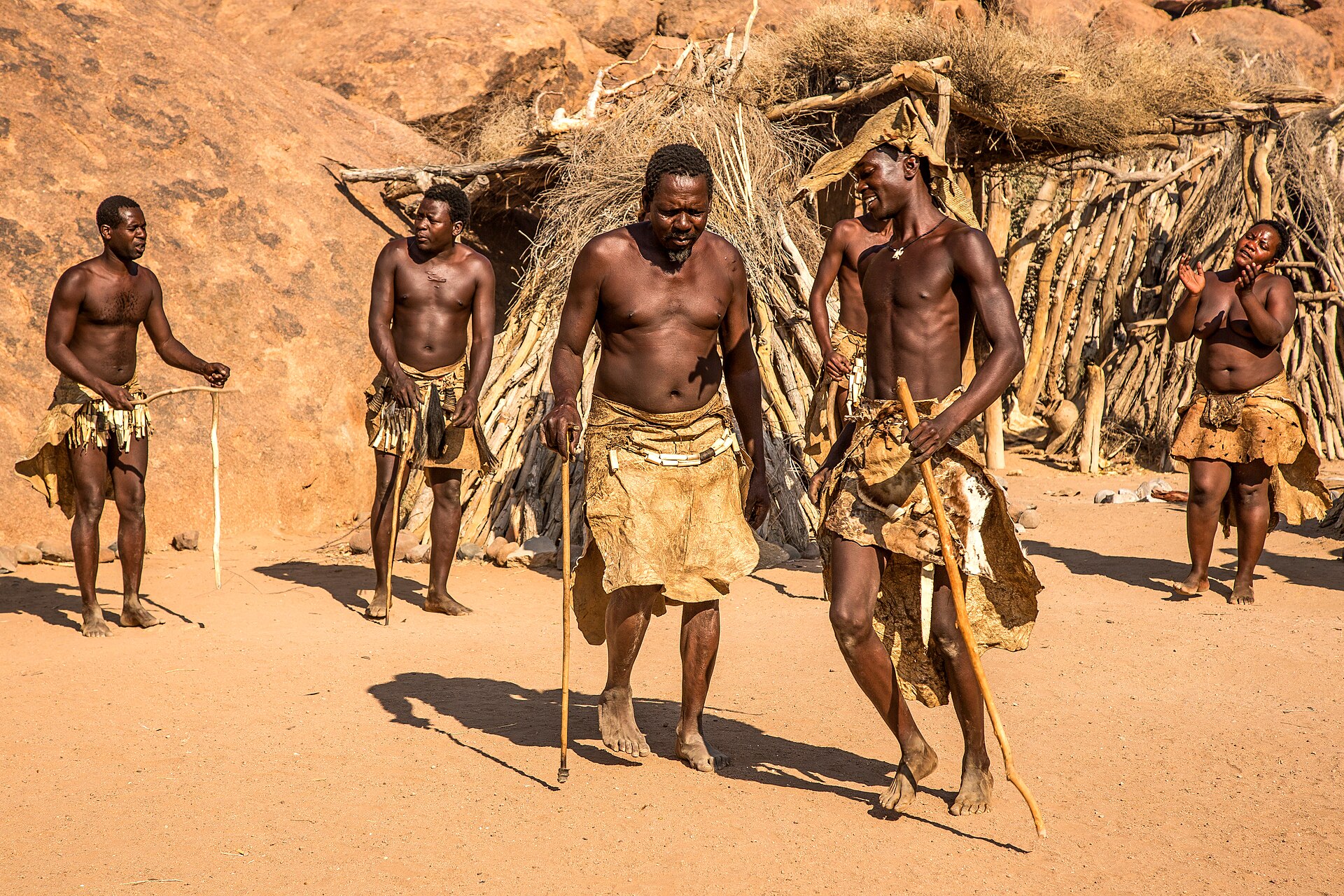
Damara tradition is expressed vividly in music and dance, performed at celebrations and gatherings with rhythmic movement, singing and clapping. The Damara dance, with its energetic steps and communal spirit, is among the most distinctive cultural expressions of the people.
Storytelling, praise-poetry and the rituals of the life cycle carry the heritage of the Damara from one generation to the next. Living museums and cultural centres in Damaraland today present these traditions to visitors, helping to preserve and celebrate the customs of the people.
Crafts
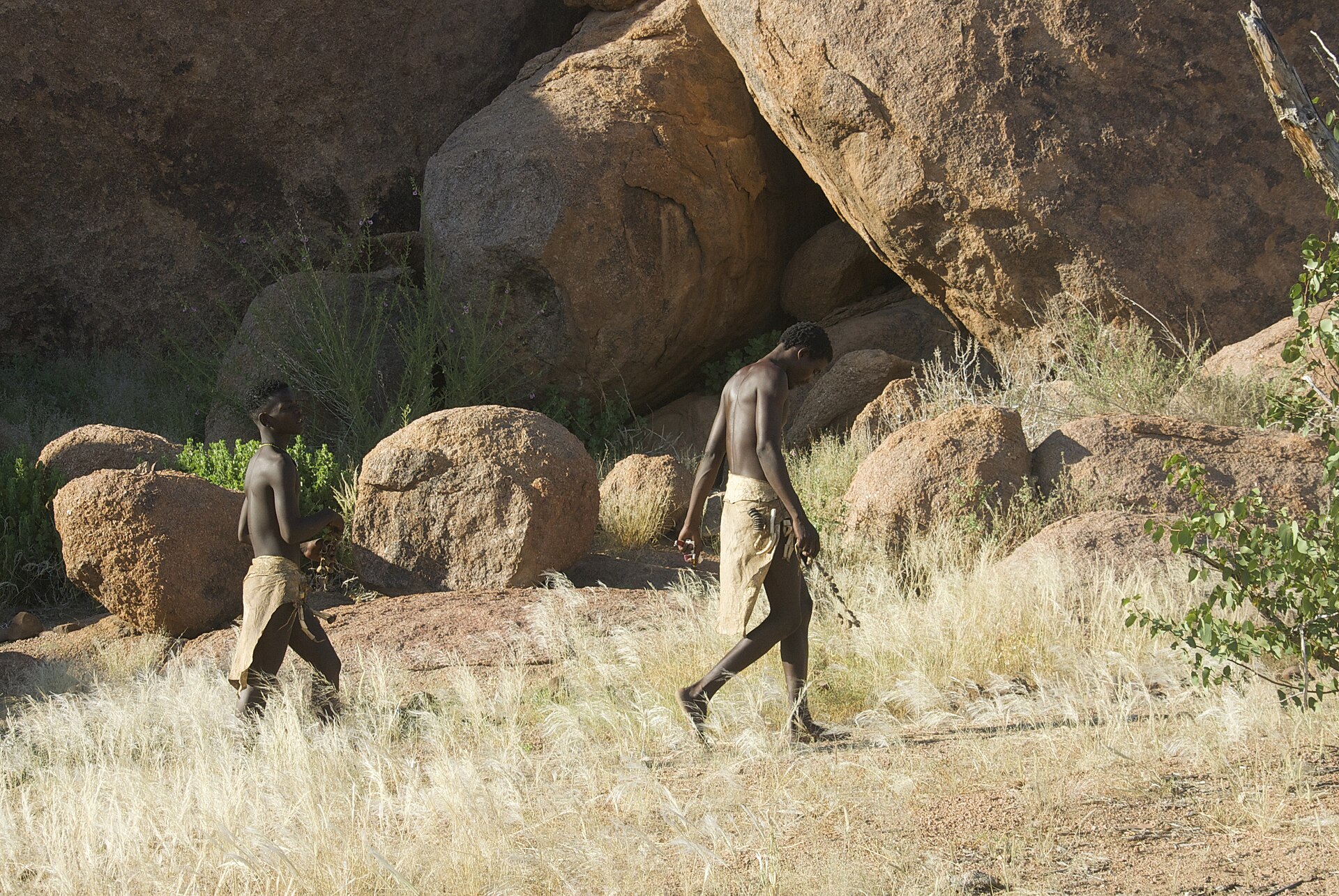
The Damara are famed above all as metalworkers, and their traditional skill in smelting and forging copper and iron set them apart among the peoples of Namibia. Smiths produced tools, weapons, ornaments and trade goods, and the craft of metalworking was central to the Damara reputation.
Alongside metalwork the Damara made leatherwork, beadwork, pottery and the implements of a herding and gathering life. At cultural centres such as the Damara Living Museum these crafts are demonstrated today, keeping alive skills that reach back into the deep past.
Food
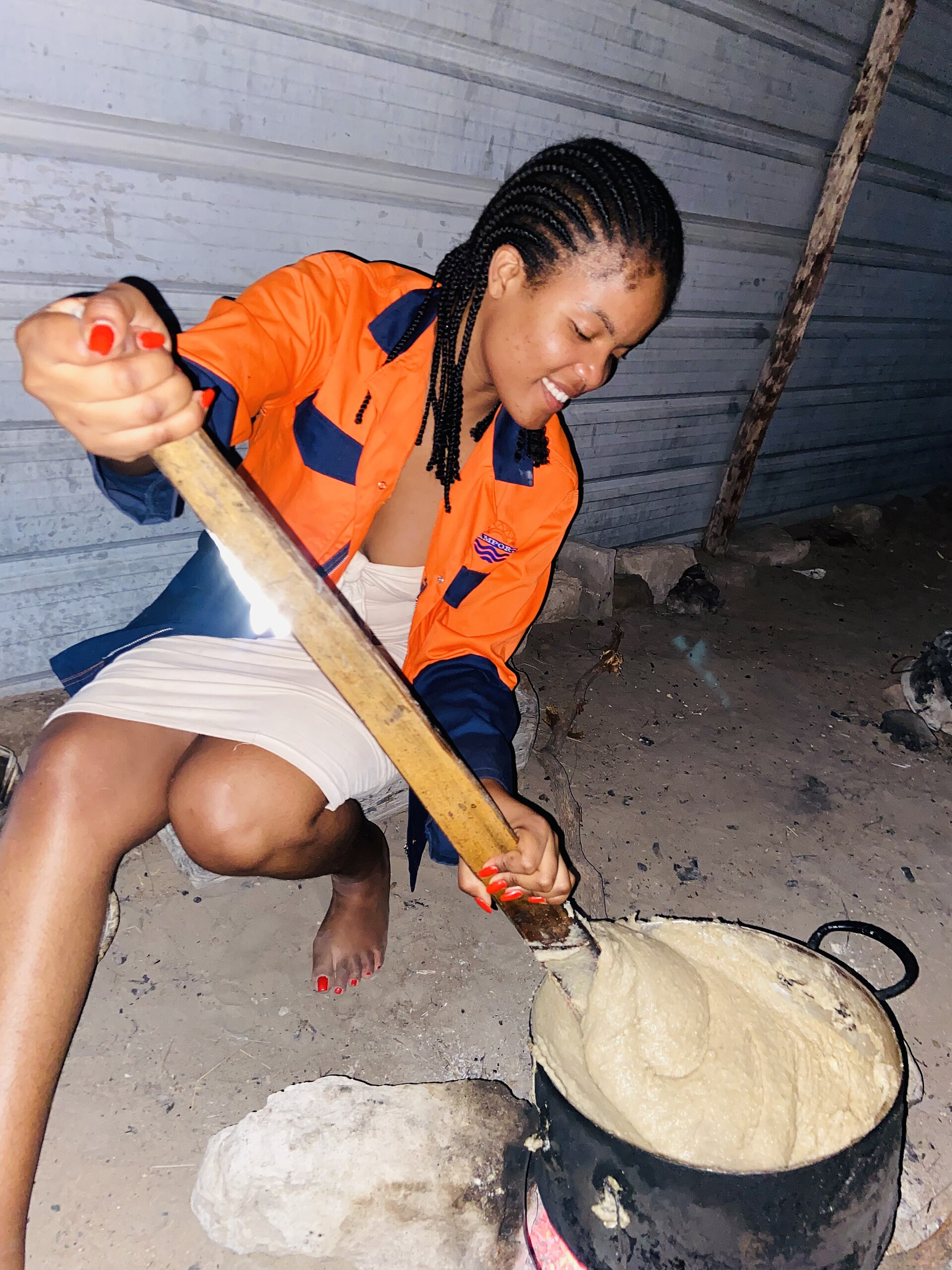
The traditional Damara diet drew on the resources of a dry land: the milk and meat of goats, sheep and cattle, game from hunting, and wild plants, roots and fruits gathered from the desert and mountains. In a harsh environment, knowledge of edible wild foods was essential to survival.
Grains such as millet and maize, prepared as porridge, became staples over time, eaten with meat, milk and vegetables. Today the Damara share in the wider foodways of Namibia, while traditional dishes remain part of celebrations and cultural life.
Festivals
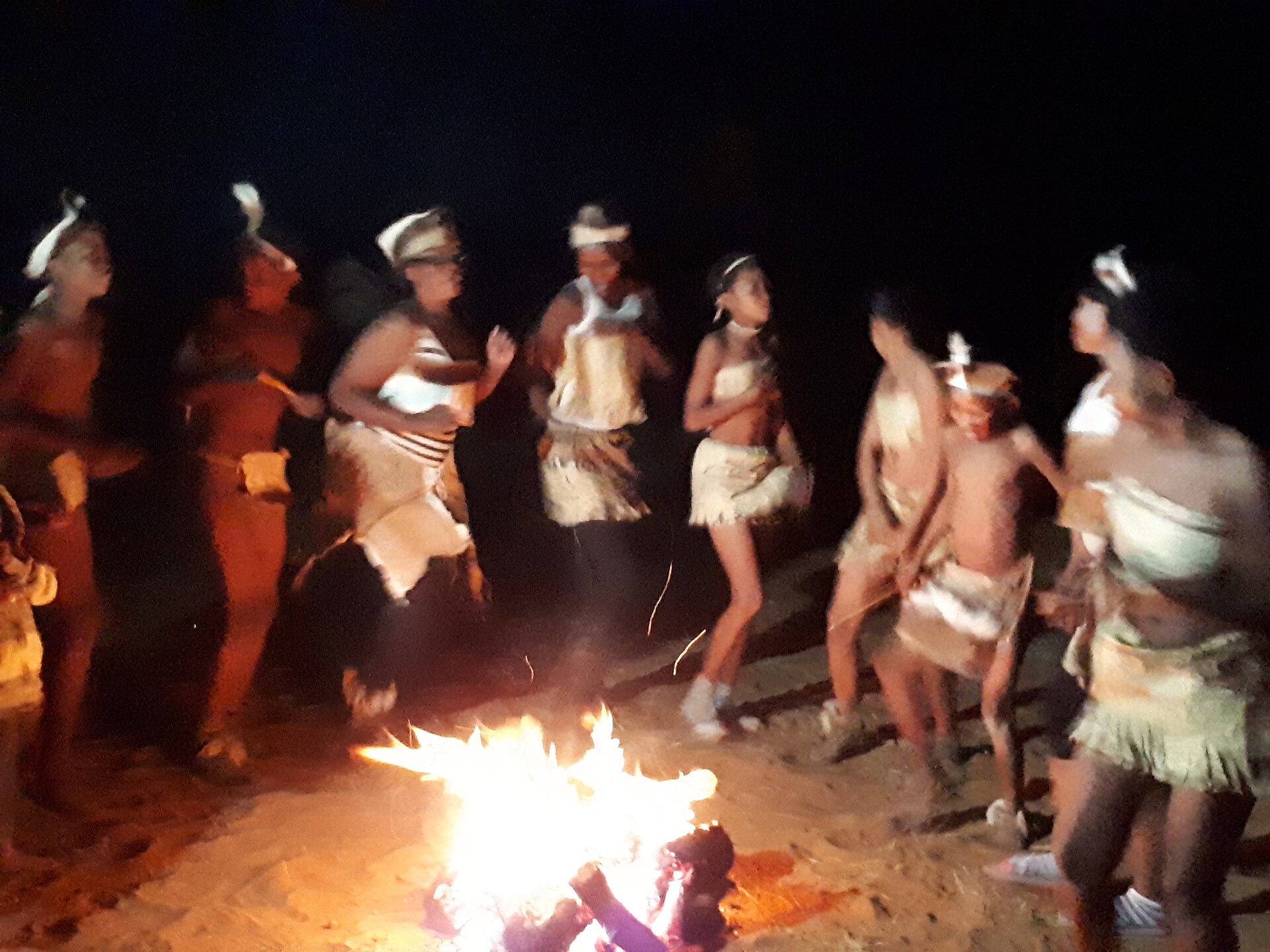
Damara communal life is marked by gatherings for music, dance and celebration, tied to the rites of the life cycle and to the assertion of cultural identity. These occasions bring communities together for the energetic Damara dance, singing and feasting.
Cultural festivals and heritage days, together with the work of living museums in Damaraland, provide occasions to celebrate and display Damara culture. Such events reaffirm the bonds of community and help pass the traditions of the ǂNūkhoen to a new generation.
History
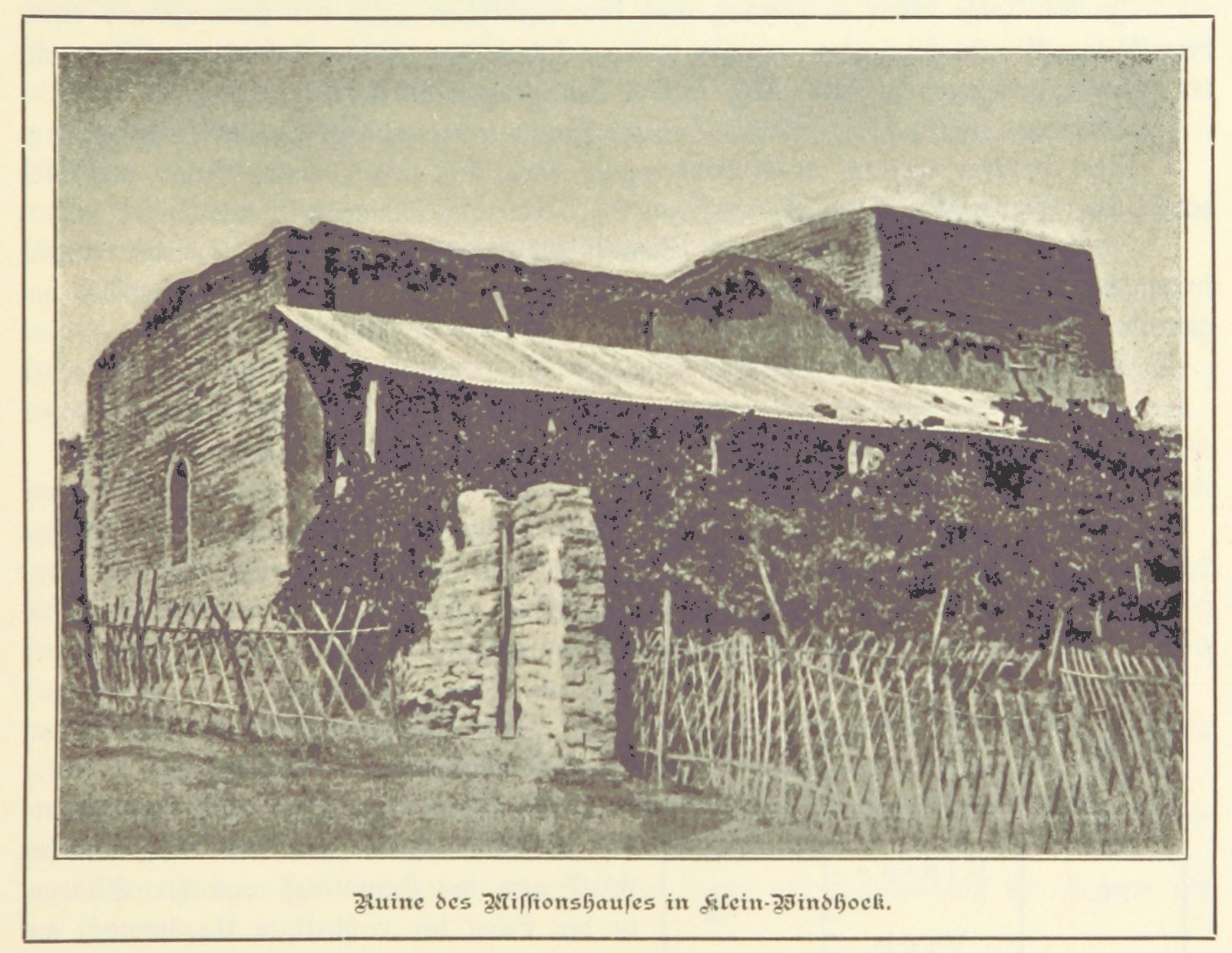
Among the oldest inhabitants of Namibia, the Damara long lived scattered across the land as hunters, herders and smiths. From the eighteenth century they came under the domination of the Nama and later the Herero, and many were subjected or driven into the harshest country, a period of hardship in Damara history.
Under German and then South African colonial rule, a homeland called Damaraland was eventually established for the people in the apartheid era. With Namibian independence in 1990 the Damara became full citizens of the new nation, and today they take part in its political, economic and cultural life while working to preserve their distinct heritage.
Today

Today the Damara are one of the largest population groups in Namibia, living in Damaraland and in towns and cities across the country, from Khorixas and Uis to Windhoek and the coast. Many still herd small stock in the dry countryside, while others work in mining, trade, government and the professions.
Khoekhoegowab language, Christian faith and the traditions of dance, music and metalworking continue to anchor Damara identity. One of the most ancient and distinctive peoples of Namibia, the Damara carry a long and resilient history into the life of the modern nation.
Related Peoples of the Region
- The Duala, the Coastal Traders of the Wouri
- The Baka, Forest People of Central Africa
- The Azande, the Kingdom of the Nile-Congo Divide
- The Mangbetu, the Court Artists of the Congo
- The Tumbuka, the Highland People of Northern Malawi
- The Sena, the People of the Lower Zambezi
- The Ndau, the Shona People of the Eastern Frontier
- The Kalanga, Heirs of Great Zimbabwe
More Peoples of the World
- A Fifth of Humanity, the Story of the Han Chinese
- How the Maori Sailed Across the Pacific to Reach New Zealand
- Zulu of the Green Hills and Their Kingdom Forged by Shaka
- The People Who Never Vanished, the Story of the Maya
- Long Before the Arabs Came, North Africa Belonged to the Amazigh
- The People Who Emerged Into This World, the Story of the Navajo
- Meet the Ainu, an Indigenous People at Japan’s Northern Edge
You May Like
The Kalanga, Heirs of Great Zimbabwe