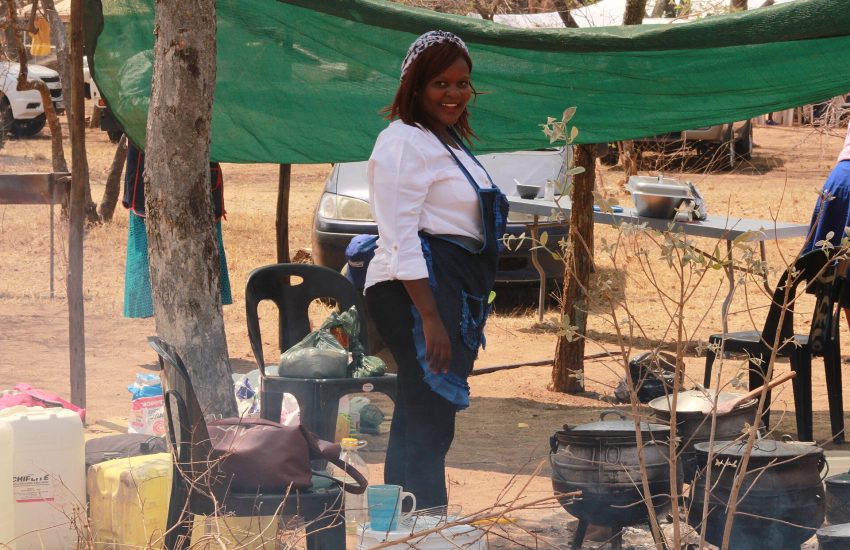
Along the fertile floodplain of the lower Zambezi, in the heart of central Mozambique and across into southern Malawi, live the Sena, farmers and fishers of one of Africa`s greatest rivers. They take their name from the old riverside town of Sena, a landmark of the Zambezi trade for centuries.Speakers of ChiSena and heirs to the old Maravi world, the Sena saw the Portuguese plant their prazo estates along the river and later endured plantations, forced labour and civil war. Through it all they have kept their language, their music and their deep bond with the Zambezi that sustains them.
The Sena on Film
Contents
- Origins
- The Name
- The Language
- The Homeland
- The Old Way of Life
- Society and Community
- Religion and Belief
- Traditions
- Crafts
- Food
- Festivals
- History
- Today
Origins
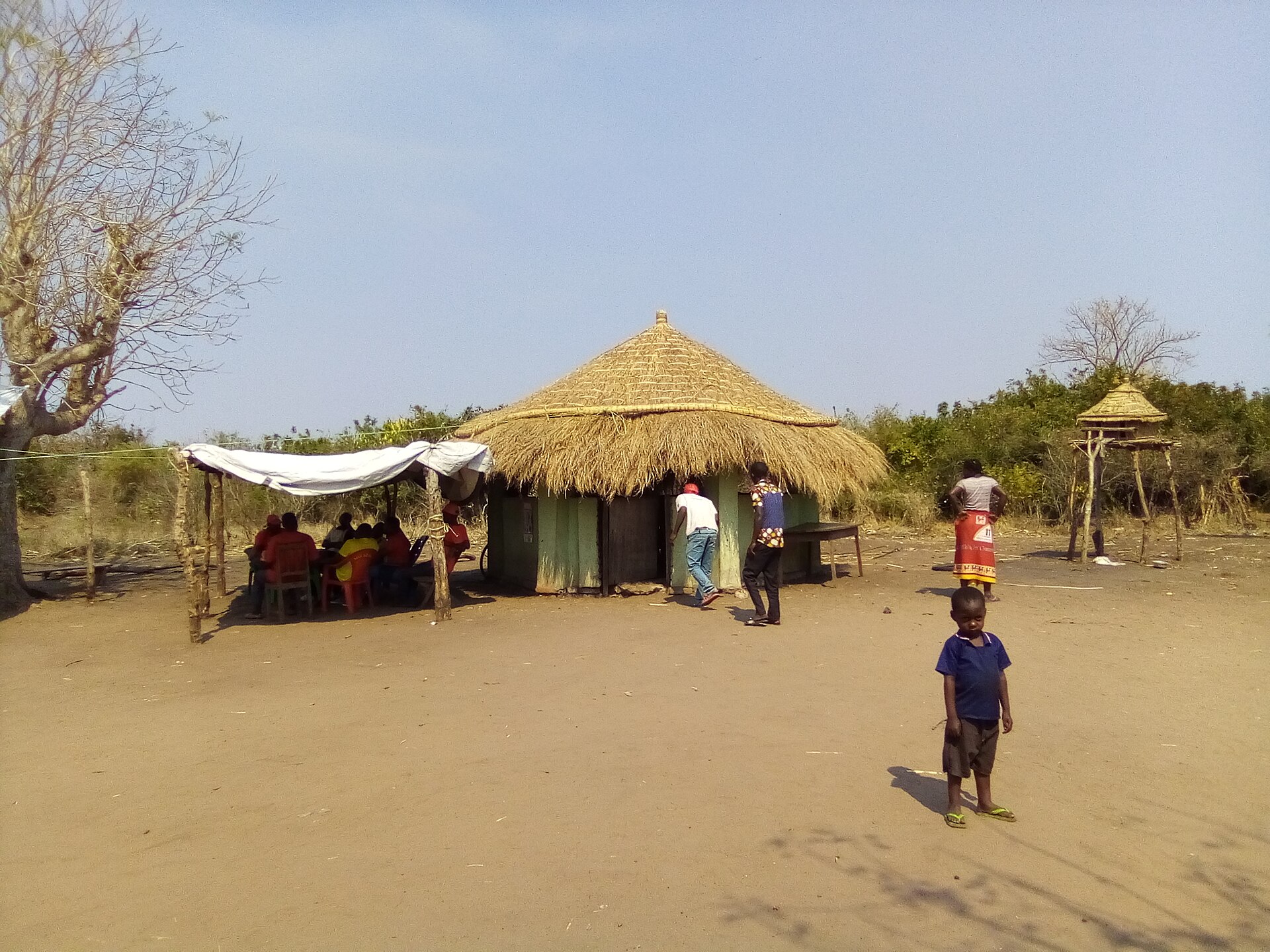
The Sena are a Bantu people of the lower Zambezi valley, concentrated in the central Mozambican provinces of Sofala, Tete, Zambezia and Manica, with related communities in the Lower Shire of southern Malawi. They take their name from the old town of Sena, one of the historic settlements on the Zambezi, and they have farmed and fished the great river’s floodplain for centuries.
The Sena belong to the wider family of peoples linked to the old Maravi world of the region, sharing much with the Nyanja and Chewa to the north. Settled along the lower course of the Zambezi, they occupied a country that drew traders, and later colonists, deep into the interior of southeastern Africa.
The Name
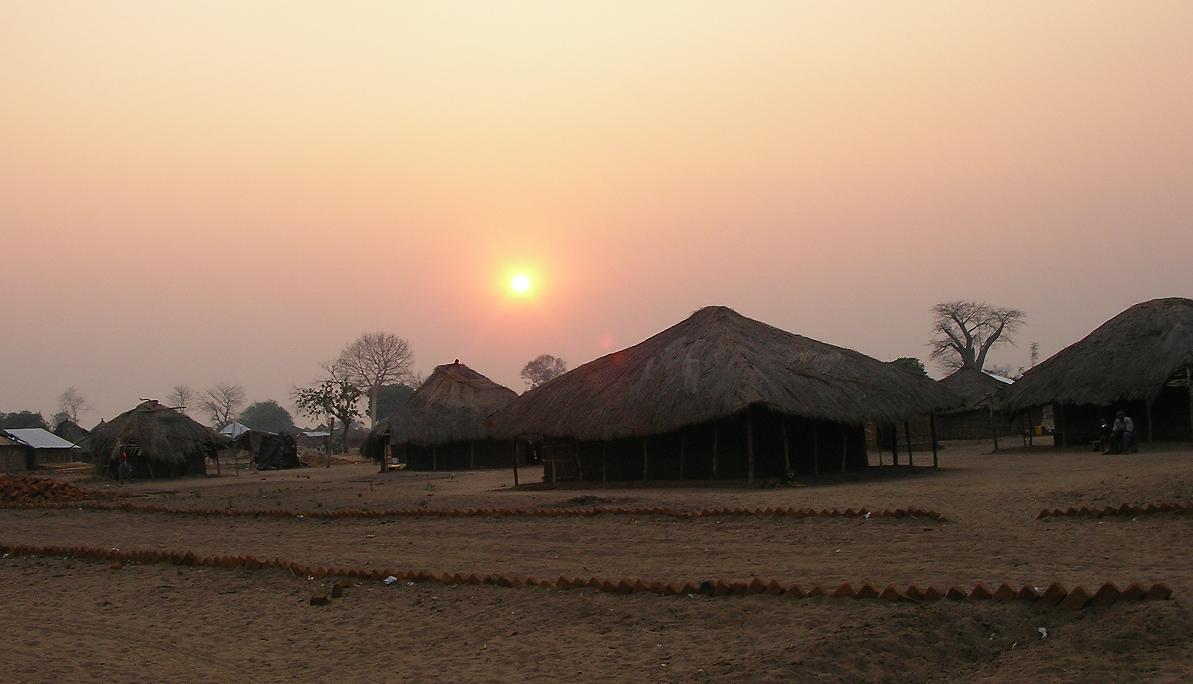
The people are known as the Sena, and their language as ChiSena or CiSena. The name is tied to the riverside town of Sena, long a landmark on the Zambezi and a centre of trade, around which the identity of the people took shape.
The Sena heartland runs along the lower Zambezi, taking in towns such as Caia and the districts on either bank, and extends to the Shire valley in Malawi. Nearby lies the port of Beira, the great coastal outlet of the region and the terminus of routes reaching up to the Sena country.
The Language

The Sena speak ChiSena, a Bantu language of the wider Nyasa group, related to the Nyanja and Chewa languages of the region. It is spoken by well over a million people along the lower Zambezi and in the Shire valley, and exists in a number of local varieties.
In Mozambique the national language is Portuguese, used in schools, government and towns, and many Sena are bilingual; in the Malawian part of their range Chichewa and English serve these roles. ChiSena nonetheless remains the language of home, farm and market across the Sena country.
The Homeland
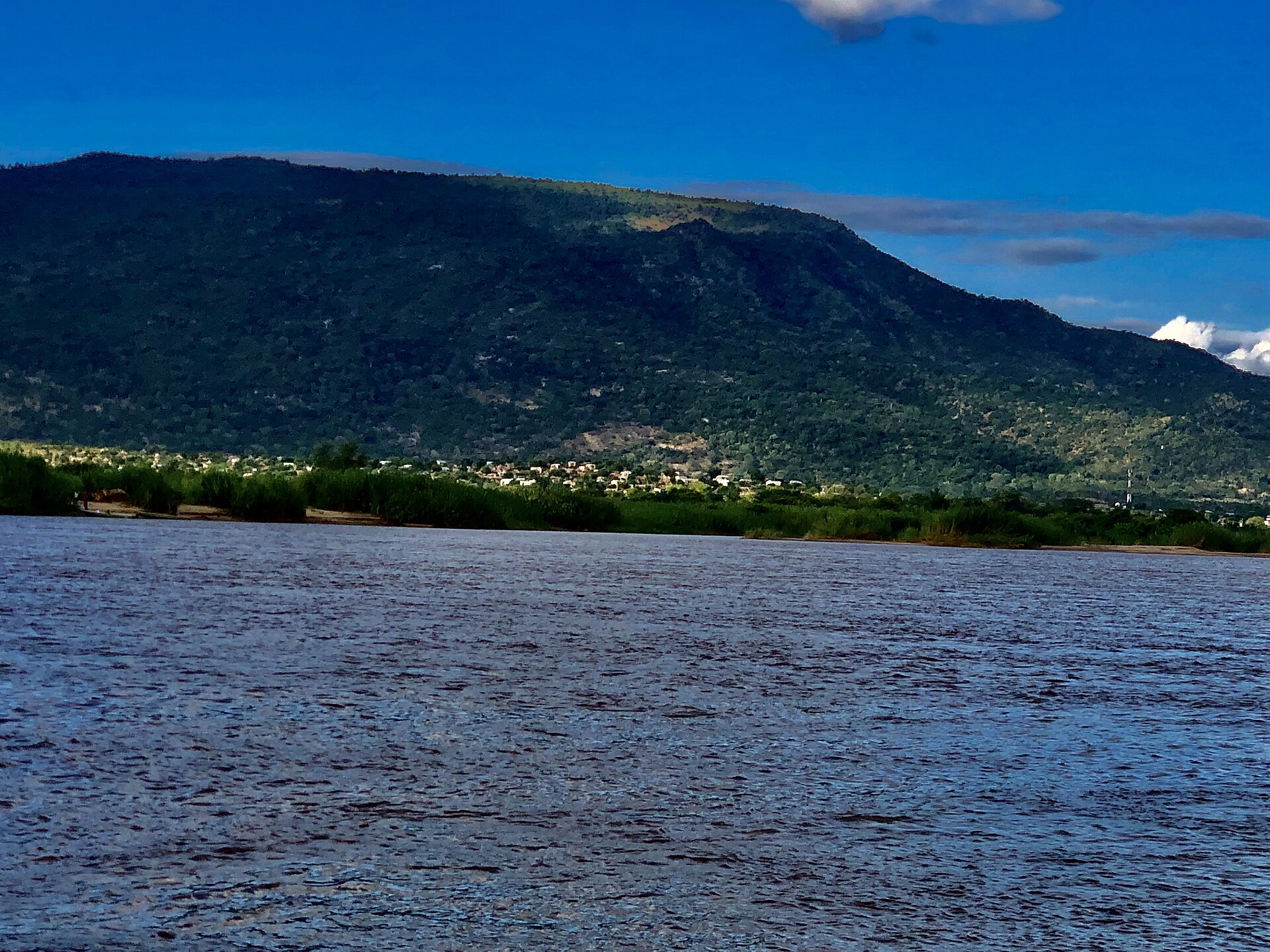
The Sena homeland is the lower valley of the Zambezi, a broad floodplain of fertile alluvial soils flanked by savanna and low hills. The river governs the rhythm of life, its floods renewing the land and its waters yielding fish, while the surrounding country supports farming and grazing.
This position on the lower Zambezi, astride the route between the coast and the far interior, gave the Sena country a strategic importance. The river carried the trade of gold, ivory and other goods down to the sea, and it was along these banks that Portuguese traders established their presence from an early date.
The Old Way of Life

The Sena are farmers and fishers of the Zambezi floodplain, cultivating sorghum, maize, millet, rice and vegetables on the fertile soils left by the annual flood, and taking fish from the river and its channels. The cycle of flood and dry season shapes the farming year and the movement of people and herds.
Fishing has always been central to Sena life, pursued with nets, traps and canoes along the great river. To farming and fishing the Sena added trade, for their country lay on the commercial artery of the Zambezi, and its produce and people were drawn into the wider economy of the region.
Society and Community
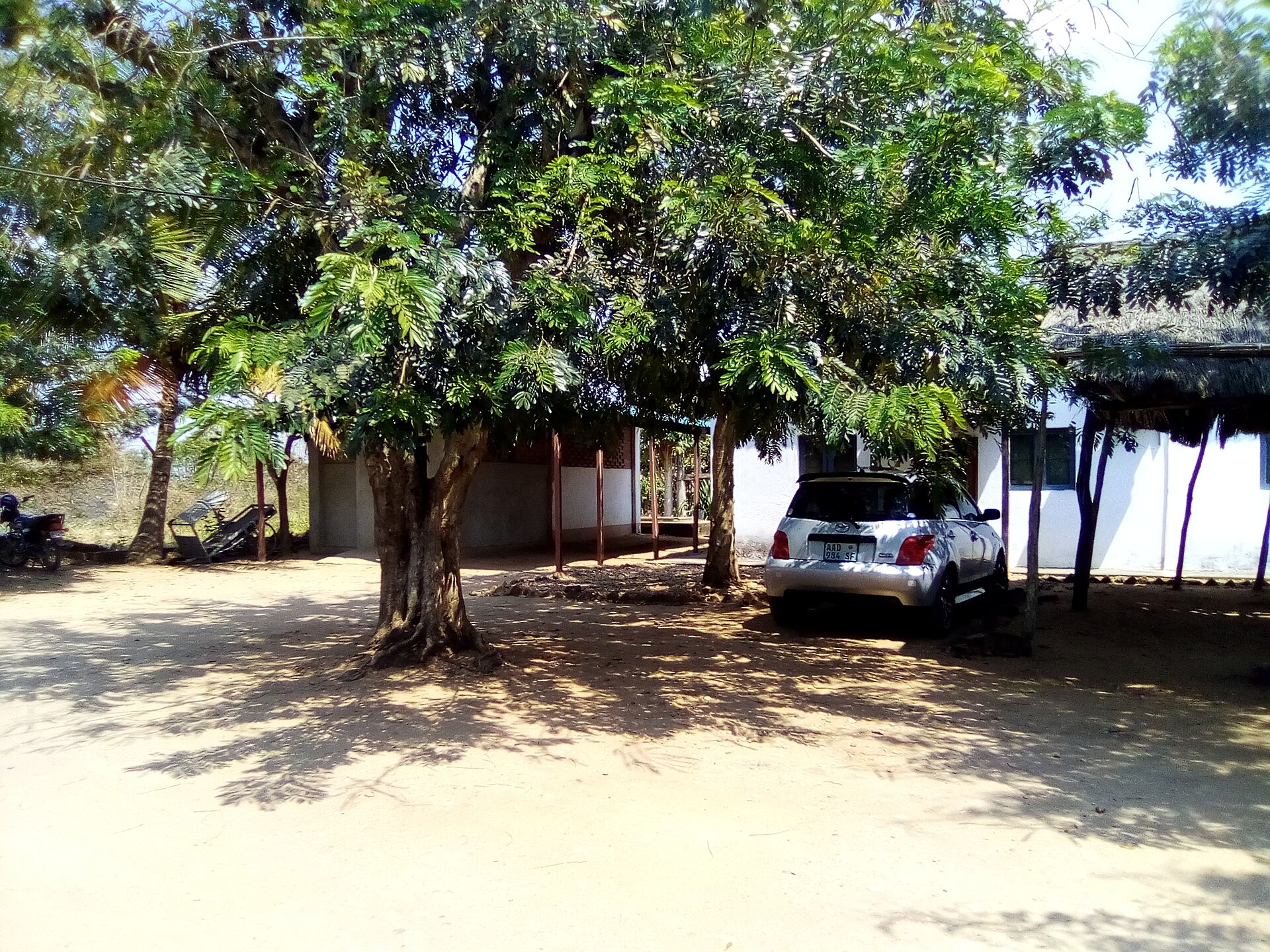
Sena society is organised around villages of farming and fishing families, led by headmen and chiefs and bound by ties of kinship. As with many peoples of the Maravi sphere, descent and inheritance in much of the Sena country are traced through the mother’s line, giving women an important place in the transmission of land and belonging.
The history of the lower Zambezi left a distinctive mark on Sena society. Under the Portuguese prazo estates, private armies of retainers were raised, and the mixing of peoples along the river produced new groups and identities, so that Sena communities were long shaped by the currents of trade, conquest and settlement.
Religion and Belief

Traditional Sena religion honoured a creator god together with ancestral spirits, the midzimu, who watched over the living and were approached through ritual and through spirit mediums in times of drought, illness or misfortune. The spirits of the land and the ancestors of the lineage held a central place in the spiritual world.
Christianity spread along the Zambezi from the era of Portuguese missions and later Protestant activity, and most Sena today are Christian. Older beliefs in ancestral spirits and in the power of mediums and healers persist, however, and often coexist with church membership in the religious life of the Sena.
Traditions

Sena tradition is rich in music and dance, performed at weddings, funerals, harvests and the ceremonies of the life cycle. Drumming, singing and dances such as the panpipe performances of the region mark communal celebrations and express the identity of the people of the river.
Rites of initiation, marriage and mourning structure Sena life, and oral tradition carries the history and values of the community from one generation to the next. Through these customs the Sena sustain a strong sense of belonging to the land of the lower Zambezi.
Crafts

Sena craftwork serves the needs of a farming and fishing life on the river. The people make canoes and the nets, traps and baskets used in fishing, together with pottery, mats and the woven and carved objects of the household.
Women contribute pottery and basketry and the working of grain, while smiths and carvers supply tools and implements. Much of this craft is practical, shaped by the demands of life on the floodplain, but skill and care give the finest work a value beyond mere utility.
Food
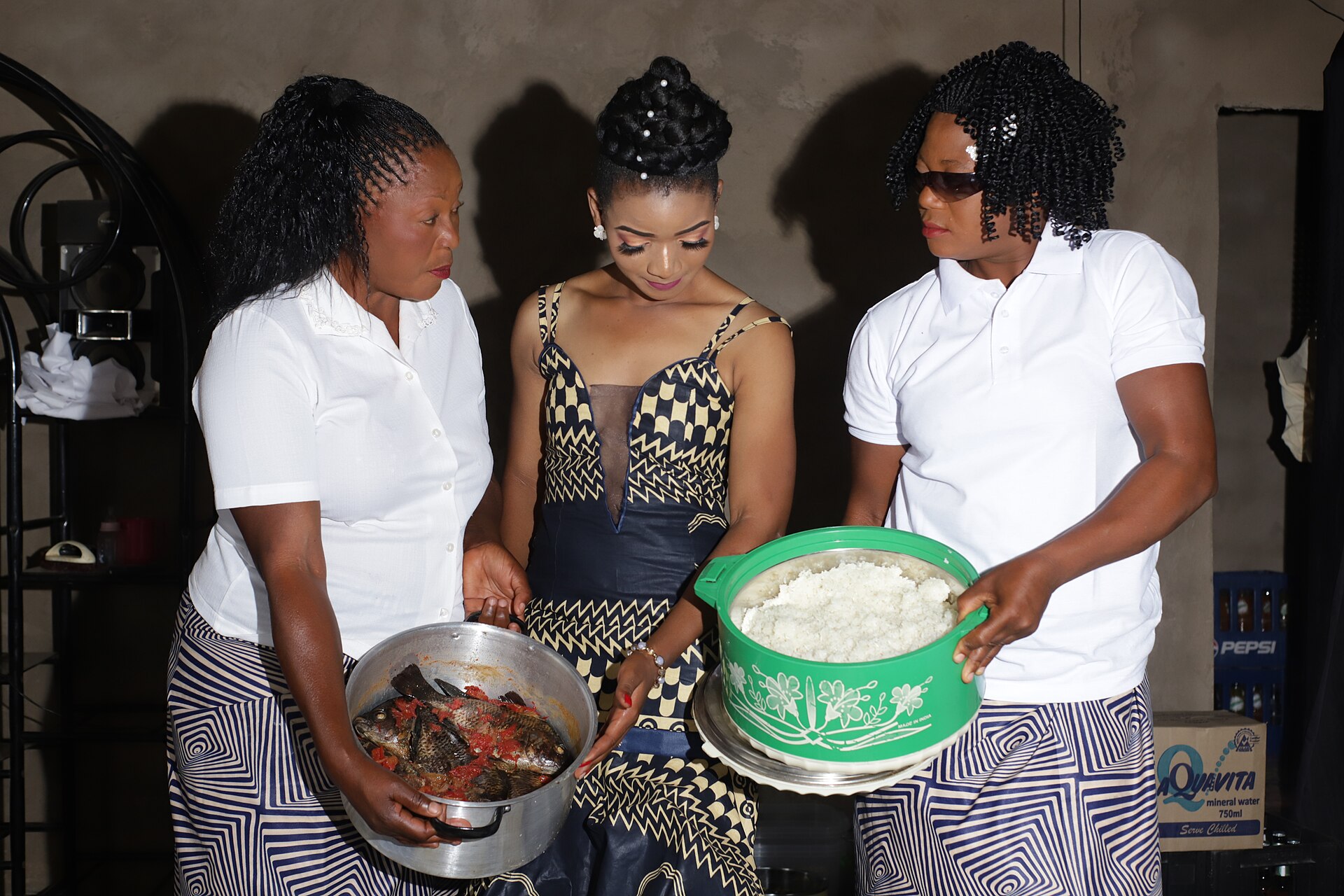
The staple of the Sena table is xima, a thick porridge of maize or sorghum flour eaten with the hands and dipped into relishes of vegetables, beans, fish or meat. Given their life on the Zambezi, fish is the great accompaniment, fresh or dried, and forms a central part of the diet.
Rice, grown on the floodplain, and a variety of vegetables and wild greens round out Sena cooking, and palm and other local drinks accompany celebrations. Shared meals are central to hospitality, and the abundance of the river gives the Sena table its distinctive character.
Festivals
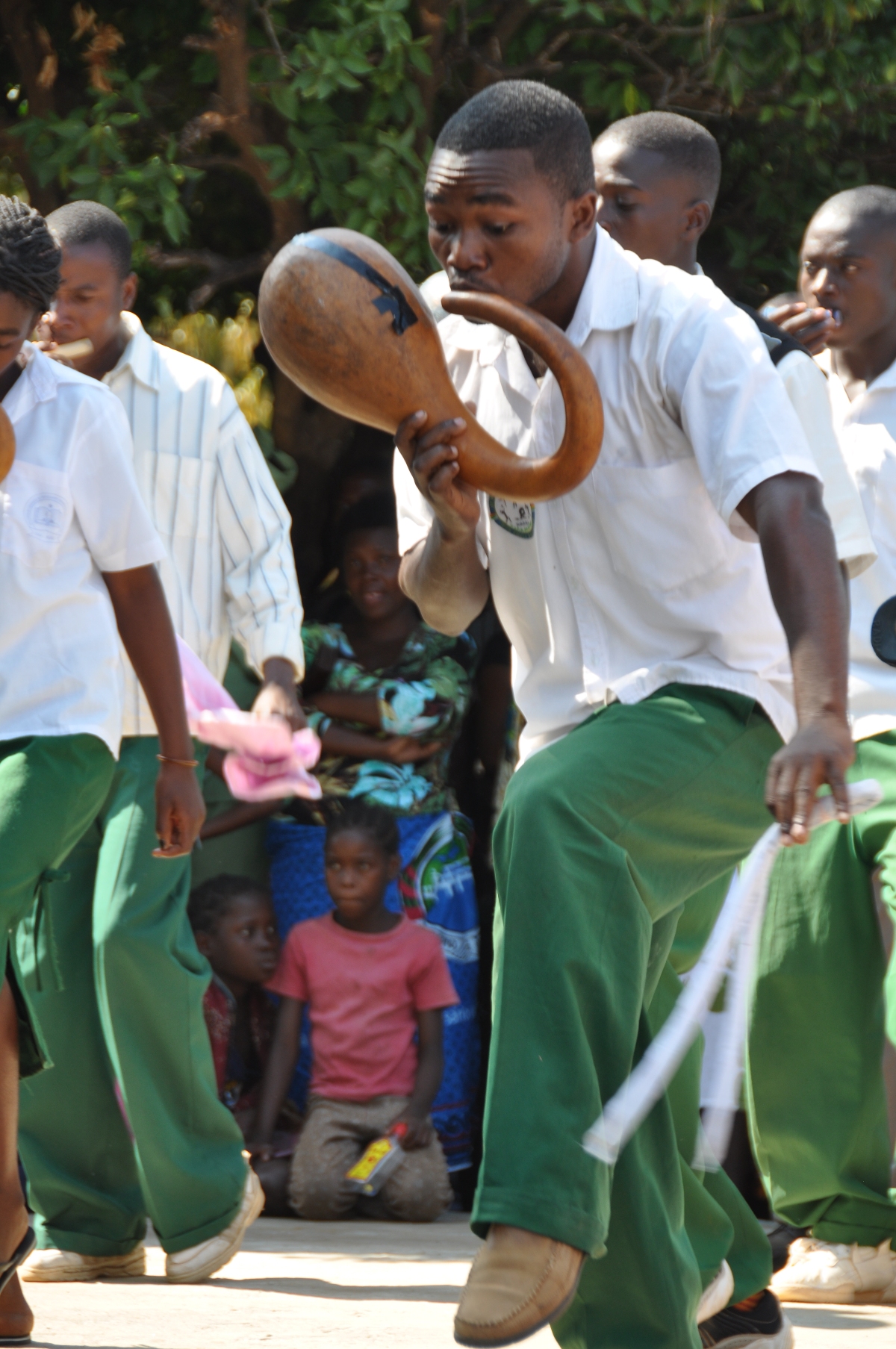
The communal life of the Sena is marked by gatherings for music, dance and celebration, tied to the farming and fishing year and to the rites of the life cycle. Weddings, funerals and harvests draw families and villages together for days of feasting, drumming and dance.
Today the Sena share in the festive and religious life of Mozambique and Malawi, from church celebrations to national holidays, while sustaining their own songs, dances and customs. These occasions reaffirm the bonds of community along the lower Zambezi.
History

The town of Sena was one of the historic trading centres of the Zambezi, and from the sixteenth and seventeenth centuries the Portuguese established themselves along the river, granting great estates known as prazos to settlers and traders. These estates, worked by dependent labour and defended by private armies, dominated the lower Zambezi for generations and drew the Sena deep into the colonial economy.
Under later colonial rule the Sena country saw the growth of plantations and forced labour, and after Mozambique’s independence in 1975 the region was caught up in the long civil war that ravaged central Mozambique. Through these upheavals the Sena endured as one of the major peoples of the lower Zambezi.
Today
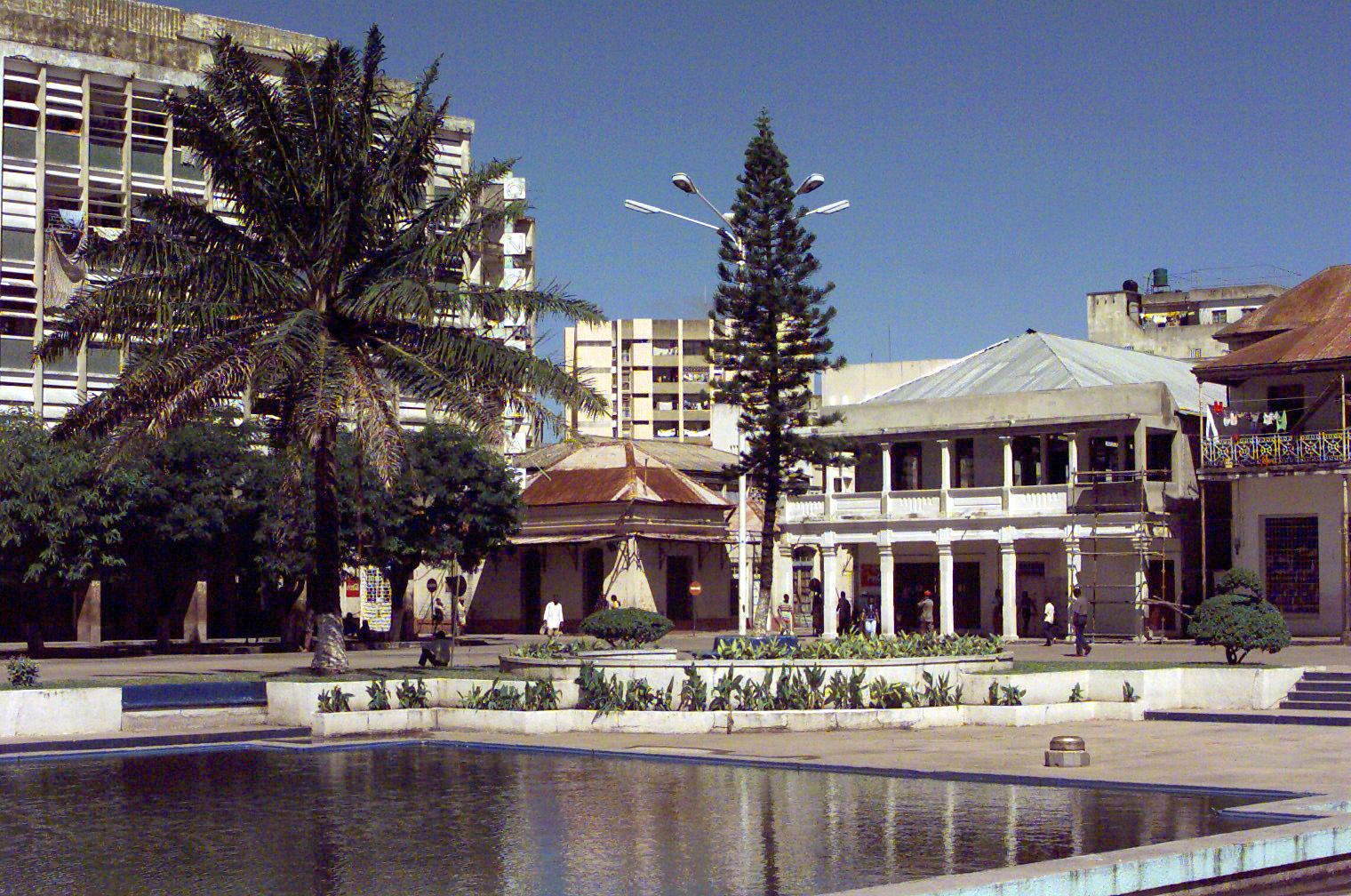
Today the Sena are one of the largest peoples of central Mozambique and a significant community in southern Malawi, most of them still farming and fishing the lands of the lower Zambezi. Towns such as Caia, together with the nearby port of Beira, connect the Sena country to the wider economy and the world beyond.
Decades of war and recurring floods have brought hardship to the Zambezi valley, yet the Sena preserve their language, their music and their bond with the great river. Rooted in the floodplain that has sustained them for centuries, the Sena carry a resilient identity into the modern nations of Mozambique and Malawi.
Related Peoples of the Region
- The Teke, the Plateau Kingdom of the Congo
- The Bamileke, the Grassfields People of Cameroon
- The Bamum, the Kingdom of Foumban and Sultan Njoya
- The Duala, the Coastal Traders of the Wouri
- The Baka, Forest People of Central Africa
- The Azande, the Kingdom of the Nile-Congo Divide
- The Mangbetu, the Court Artists of the Congo
- The Tumbuka, the Highland People of Northern Malawi
More Peoples of the World
- A Fifth of Humanity, the Story of the Han Chinese
- How the Maori Sailed Across the Pacific to Reach New Zealand
- Zulu of the Green Hills and Their Kingdom Forged by Shaka
- The People Who Never Vanished, the Story of the Maya
- Long Before the Arabs Came, North Africa Belonged to the Amazigh
- The People Who Emerged Into This World, the Story of the Navajo
- Meet the Ainu, an Indigenous People at Japan’s Northern Edge
You May Like
The Damara, an Ancient People of Namibia