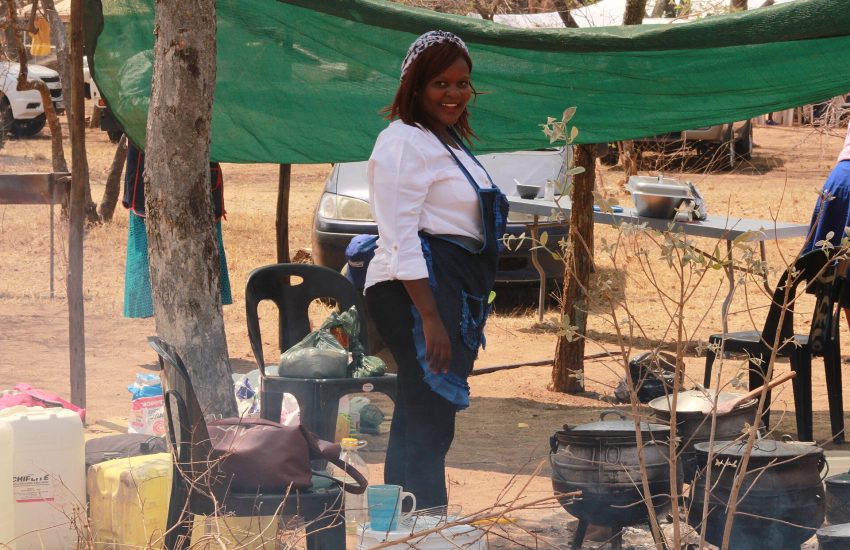
Along the highlands and lowlands of the Zimbabwe-Mozambique border live the Ndau, a Shona-speaking people whose history was forged in the fires of conquest. In the nineteenth century Nguni invaders under Soshangane overran their country and built the Gaza empire, and from the mingling of Shona and Nguni the distinctive Ndau identity was born.Renowned for their spirit mediums, whose fame carried Ndau spirits even across the ocean to the Americas, and for the vigorous muchongoyo dance, the Ndau cherish a proud identity of their own. Divided by a colonial border yet united by language and memory, they remain a distinctive people of the eastern frontier.
The Ndau on Film
Contents
- Origins
- The Name
- The Language
- The Homeland
- The Old Way of Life
- Society and Community
- Religion and Belief
- Traditions
- Crafts
- Food
- Festivals
- History
- Today
Origins

The Ndau are a people of the borderlands of southeastern Zimbabwe and central Mozambique, living in the districts of Chipinge and Chimanimani in Zimbabwe’s Manicaland and across the frontier in the Mozambican provinces of Manica and Sofala. They are usually counted among the Shona-speaking peoples, though they possess a strong identity of their own.
Their history was decisively shaped in the early nineteenth century, when Nguni warriors fleeing the upheavals of southern Africa swept north and, under the general Soshangane, founded the Gaza empire over this country. The Ndau were conquered and drawn into the Gaza state, and the mingling of Nguni conquerors with the local Shona population gave the Ndau their distinctive character.
The Name

The people are known as the Ndau, and their language as chiNdau. The name distinguishes them from other Shona groups, and though outsiders often class them simply as Shona, the Ndau themselves cherish a separate identity forged by their particular history on the Mozambique frontier.
The Ndau country straddles the modern border, from the highlands around Chipinge and Chimanimani in Zimbabwe down to the lowlands of central Mozambique. Towns such as Manica and Chimoio lie within or near their range, connecting the Ndau to the wider life of both nations.
The Language
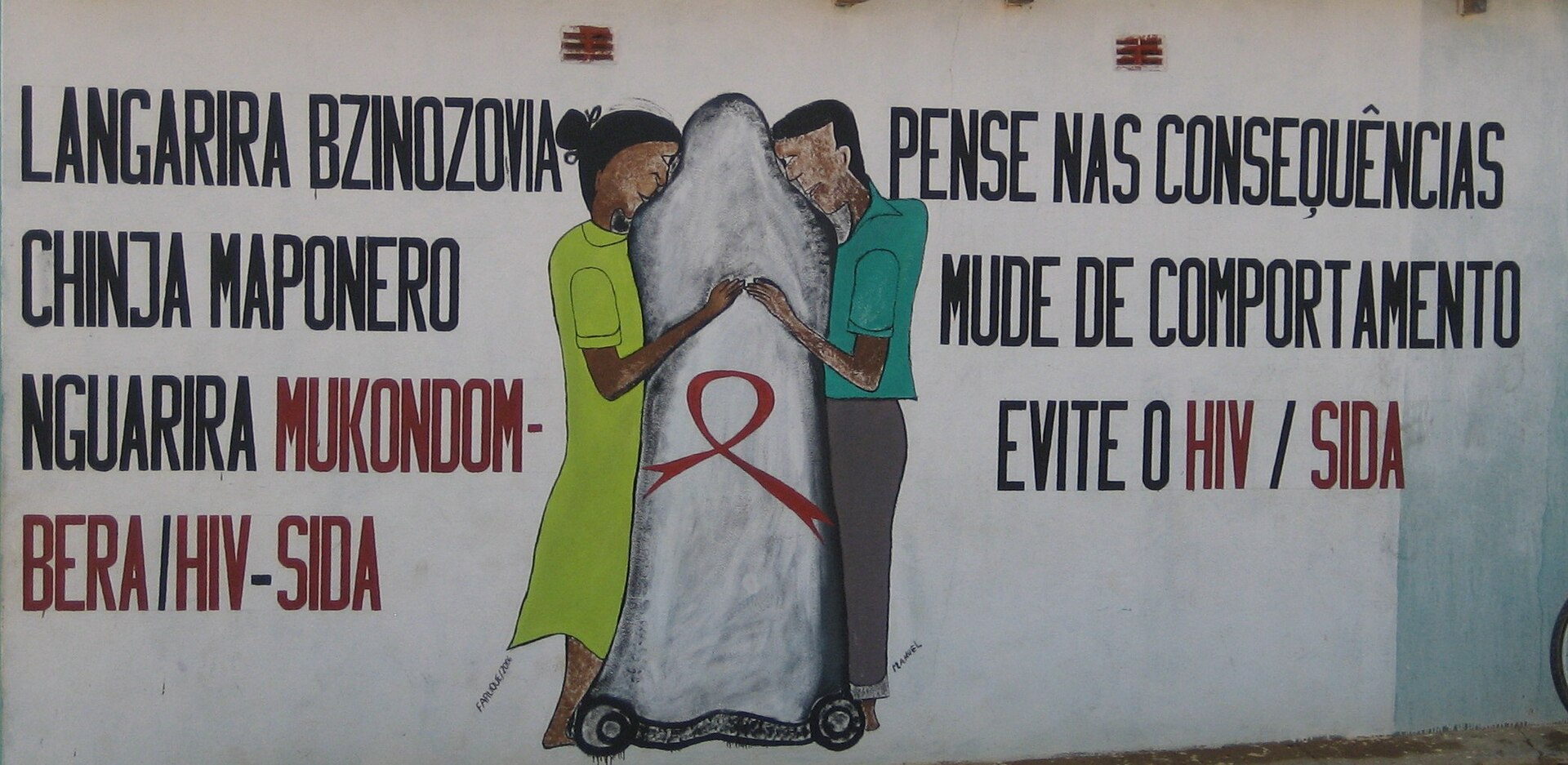
The Ndau speak chiNdau, generally classified as a dialect of Shona but marked by distinctive features and by a layer of Nguni vocabulary absorbed during the era of the Gaza empire. It is spoken on both sides of the Zimbabwe-Mozambique border by well over a million people.
In Zimbabwe the Ndau use English and standard Shona in schooling and public life, while in Mozambique Portuguese fills that role; many Ndau are multilingual. ChiNdau nonetheless remains the language of home and community, and a vigorous marker of Ndau identity.
The Homeland
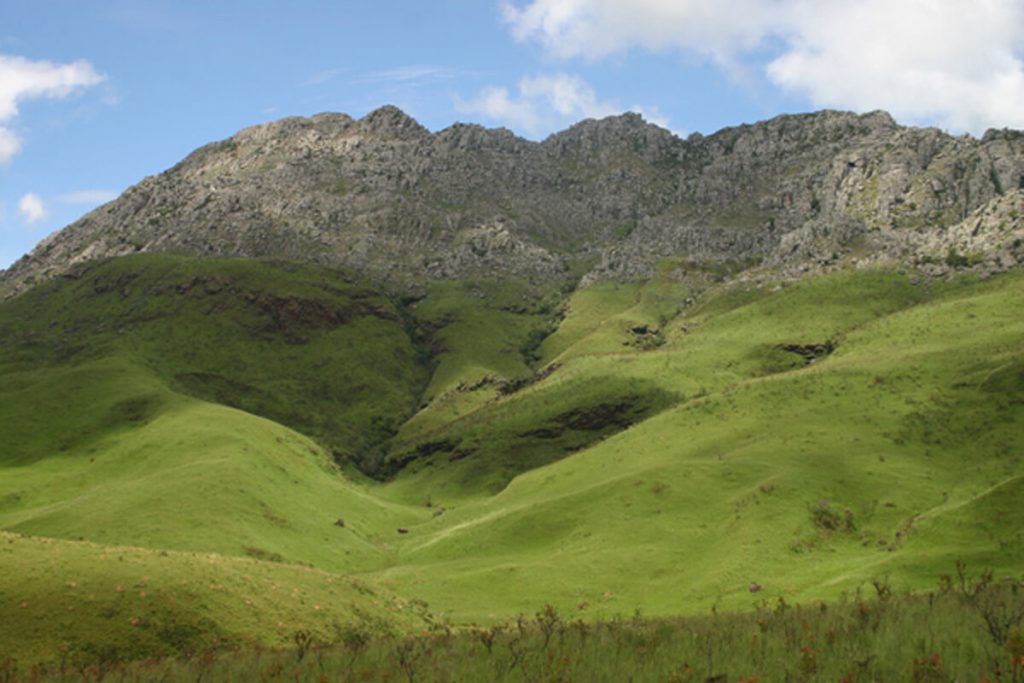
The Ndau homeland embraces the Eastern Highlands of Zimbabwe, including the dramatic Chimanimani mountains, and the lowlands and river valleys of central Mozambique that fall away toward the Indian Ocean. It is a country of great contrasts, from cool, misty highlands to warm coastal plains.
The fertile highlands support farming and once drew the attention of both the Gaza empire and colonial settlers, while the lowlands opened onto the trade routes of the Mozambican coast. This position astride the highlands and the plains shaped both the economy and the history of the Ndau.
The Old Way of Life
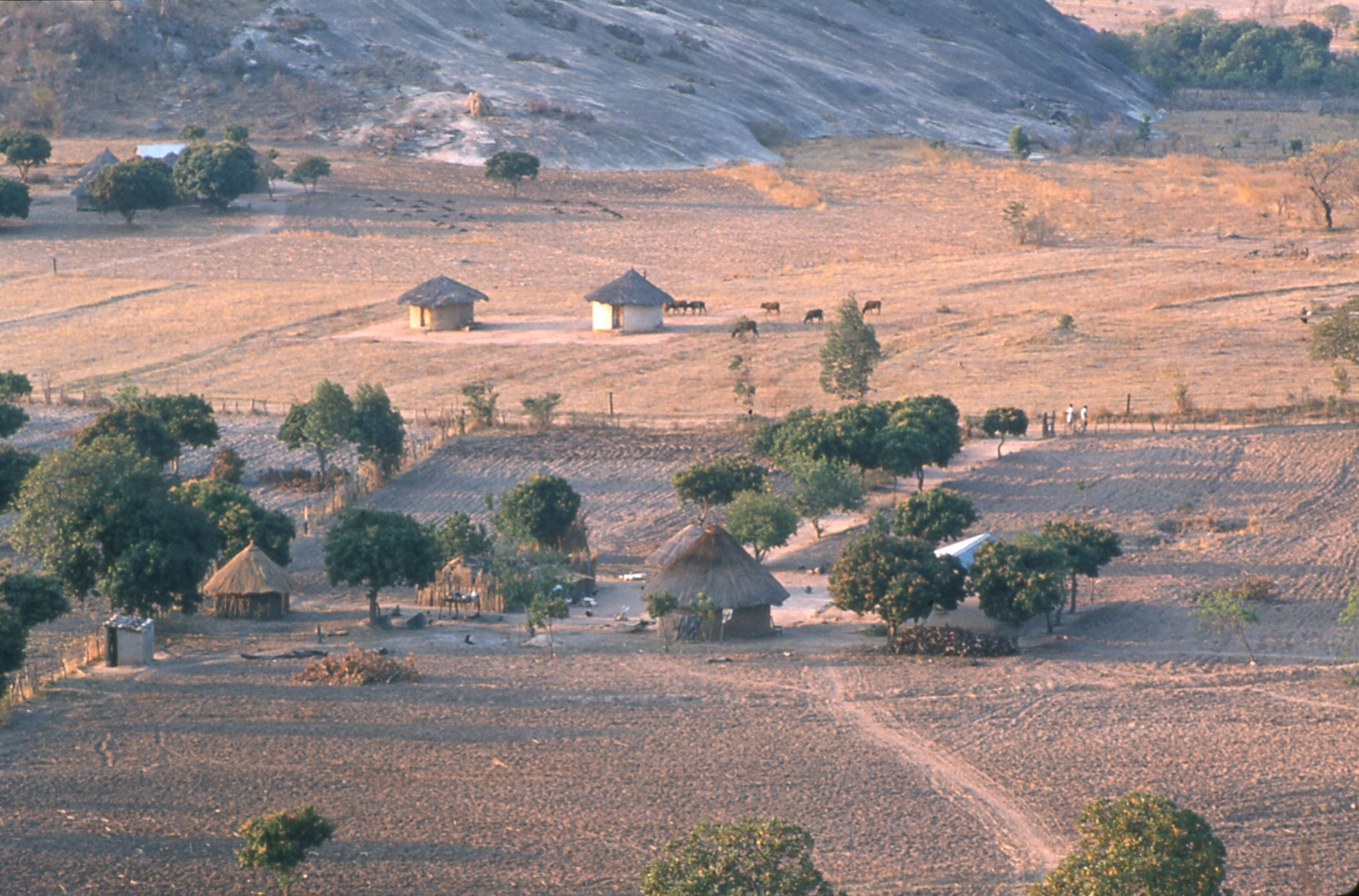
The Ndau are farmers, cultivating maize, sorghum, millet and a range of other crops on the highland soils and in the river valleys, and keeping cattle and other livestock where the land allows. Farming follows the rhythm of the rains, and the homestead and its fields form the basis of Ndau life.
To farming the Ndau added herding, hunting and, in the era of the great empires and colonies, labour migration to mines and plantations. Their country’s position between highland and lowland gave them access to varied resources and drew them into the wider economy of the region.
Society and Community

Ndau society is organised around chiefs and headmen who govern communities of related families, with descent traced through the father’s line as among the Shona generally. The legacy of the Gaza empire left its mark, however, in titles, customs and a proud martial memory absorbed from the Nguni conquerors.
The relationship between the Ndau and the Gaza rulers was complex, for the Ndau were both subjects and, in time, participants in the empire, serving in its regiments and marrying into its ranks. This blending of Shona and Nguni elements produced the distinctive society that the Ndau carry to this day.
Religion and Belief
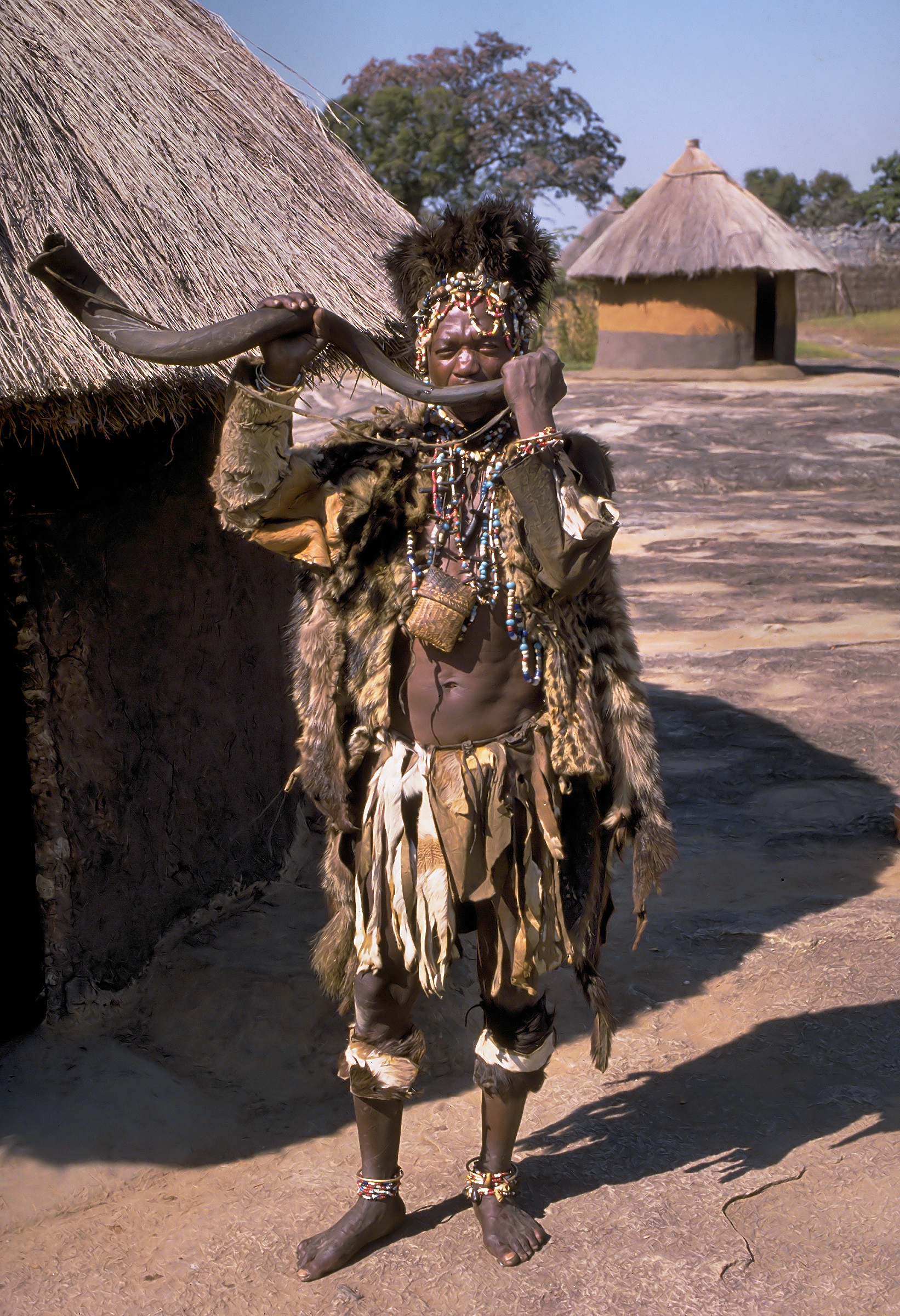
Religion among the Ndau centres strongly on ancestral spirits and on spirit mediums, who are believed to be possessed by the spirits of the dead and to speak with their voice. These mediums, and the healers known as n’angas, hold a central place in Ndau life, consulted in matters of health, justice and misfortune.
So powerful was the Ndau reputation in spiritual matters that, carried across the ocean in the era of migration and the slave trade, Ndau spirits came to feature in Afro-religious traditions of the Americas. Christianity has since spread widely, and most Ndau are now Christian, yet the veneration of ancestors and the authority of mediums remain deeply rooted.
Traditions
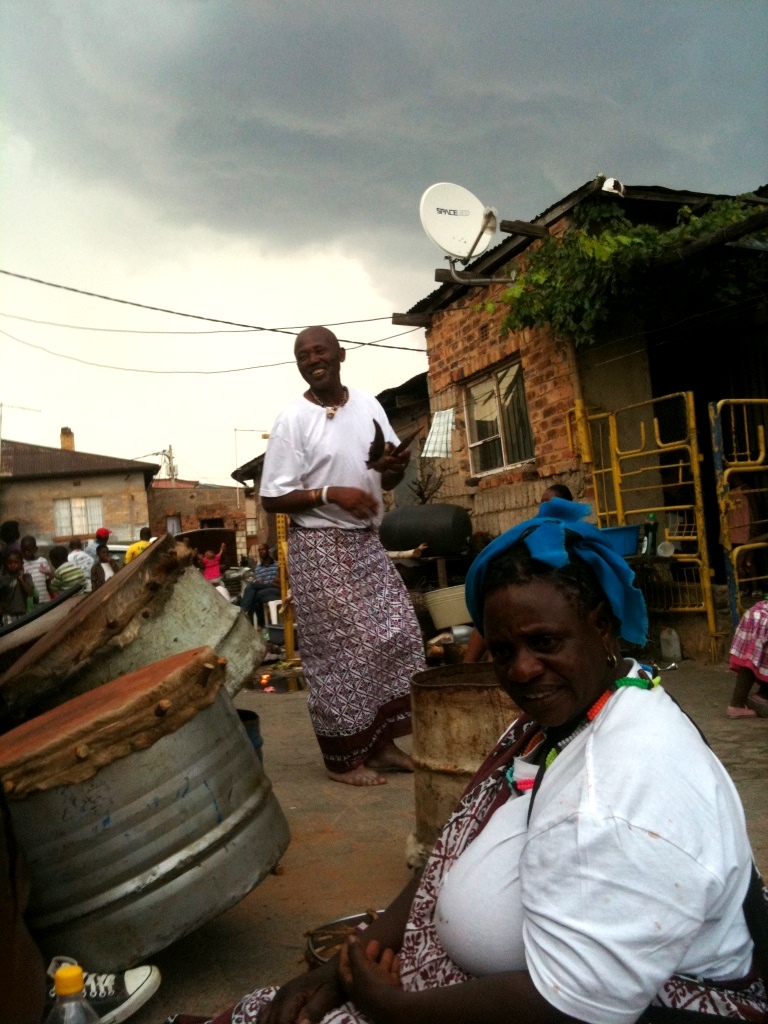
The Ndau are celebrated for their music and dance, above all the muchongoyo, a vigorous dance performed by rows of men with shields and sticks, echoing the martial spirit inherited from the Gaza empire, while women sing and clap in accompaniment. It is regarded as the signature dance of the Ndau.
Alongside the muchongoyo, the nyanga panpipe dance, in which each performer blows a single pipe so that the notes interlock into a melody, is another renowned tradition of the region. Ceremonies of initiation, marriage and the honouring of spirits, accompanied by drumming and song, mark the rhythm of Ndau life.
Crafts

Ndau craftwork, like that of the wider Shona world, includes basketry, pottery, mat-weaving, ironwork and the carving of wood and stone. The region shares in the celebrated stone-sculpture tradition of Zimbabwe, and craftsmen produce both objects of daily use and works of art.
Women contribute pottery and basketry and the working of grain, while smiths and carvers supply tools, implements and ornaments. This blend of the practical and the artistic reflects a people rooted in farming yet possessed of a strong aesthetic sense.
Food
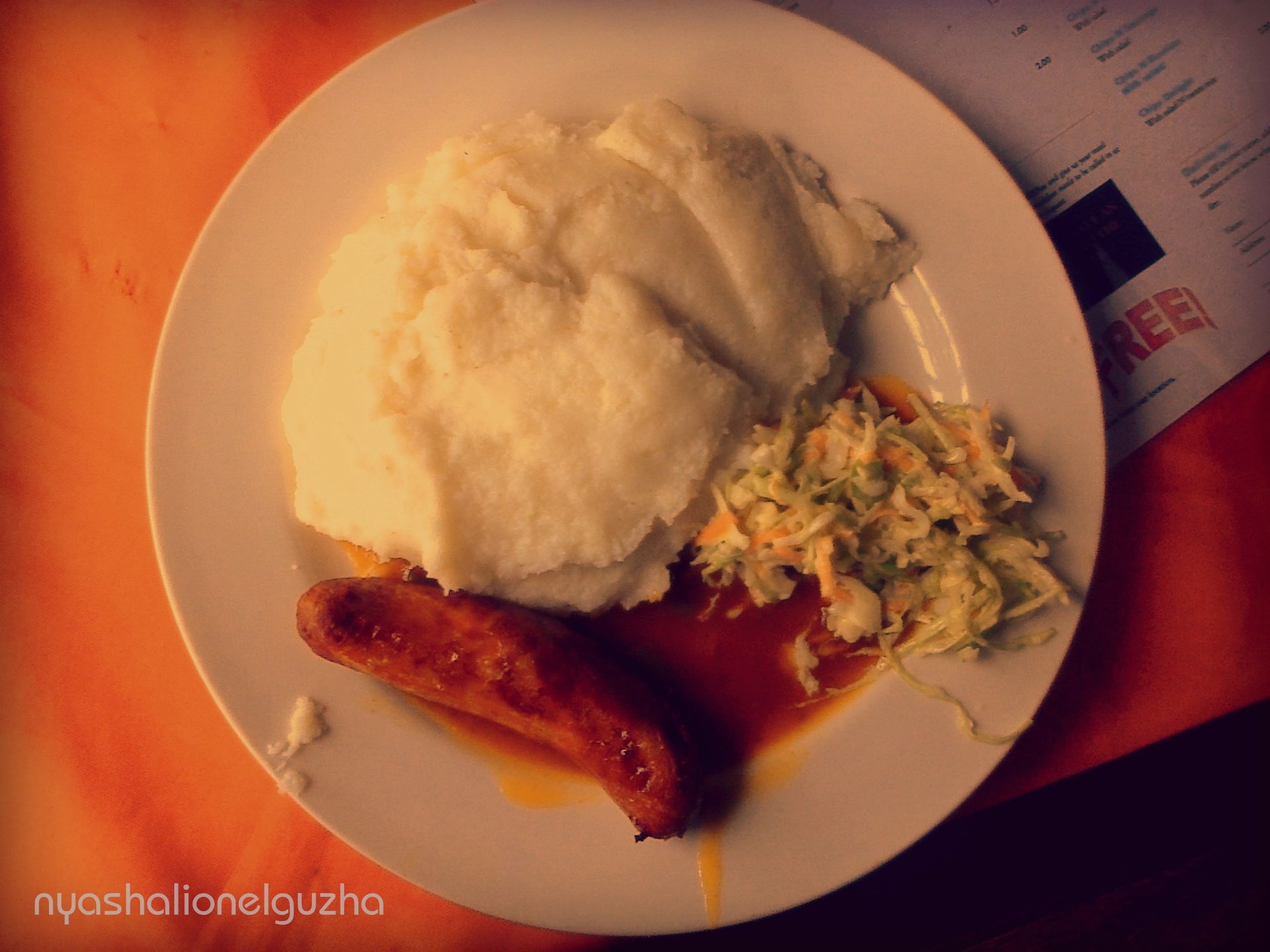
The staple of the Ndau table is sadza, a thick porridge of maize meal eaten with the hands and served with relishes of vegetables, beans, meat or fish. It is the everyday food of the Ndau, as of the wider Shona world, and no meal is complete without it.
Sorghum and millet, greens, groundnuts and, in the lowlands, fish enrich the diet, and cattle provide milk and, on ceremonial occasions, meat. Traditional beers brewed from grain accompany celebrations and rituals, and shared meals are central to Ndau hospitality.
Festivals
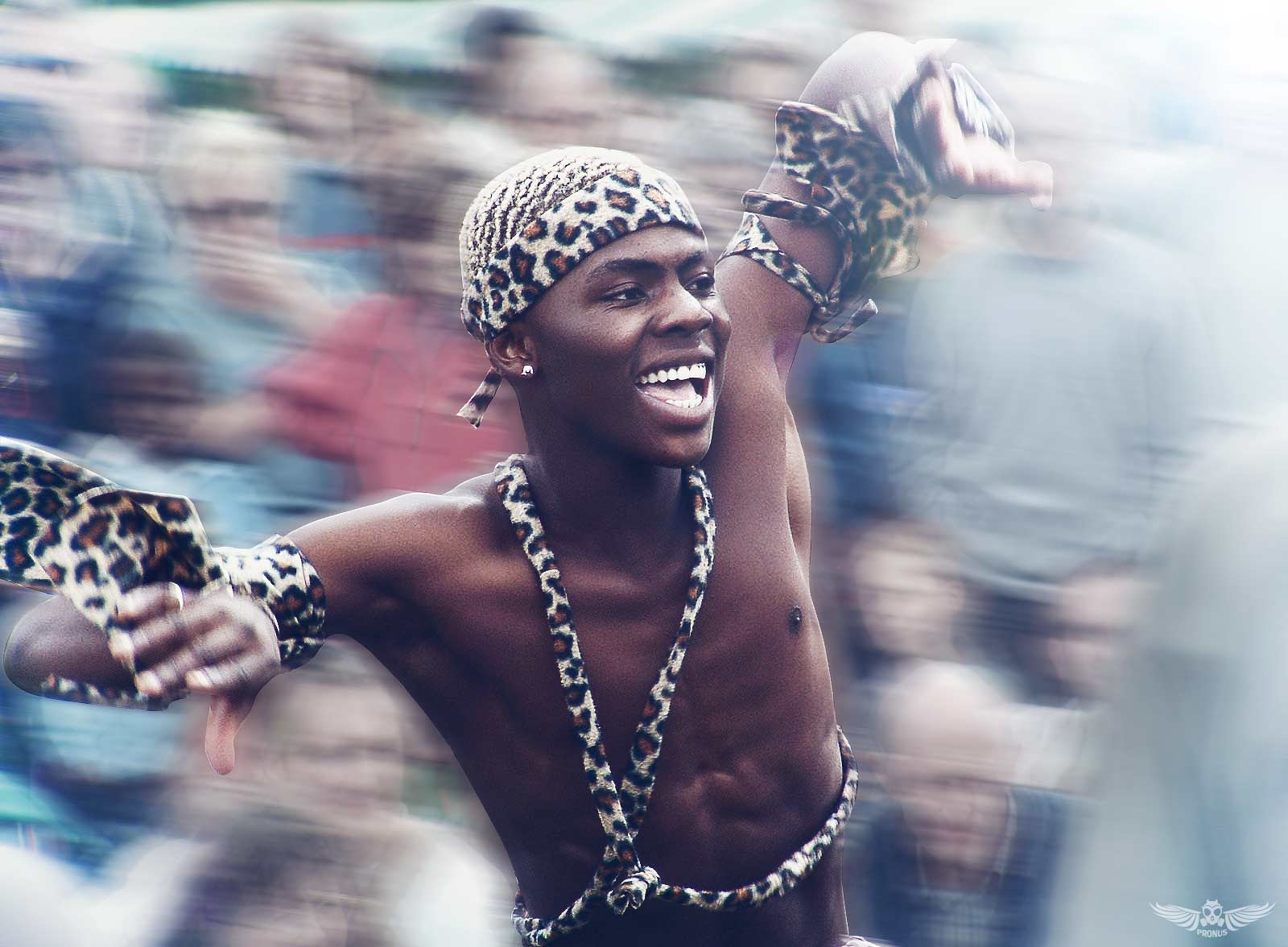
Ndau communal life is punctuated by ceremonies and celebrations tied to the farming year, to the rites of the life cycle and to the honouring of ancestors and spirits. Weddings, funerals and the rituals of the spirit mediums draw communities together for music, dance and feasting.
The nyanga panpipe dance and other performances feature at these gatherings, filling the air with interlocking melodies and rhythmic movement. Today the Ndau also share in the national celebrations of Zimbabwe and Mozambique, while sustaining their own distinctive festivals and customs.
History

The defining event of Ndau history was the conquest of their country by the Nguni under Soshangane in the 1820s and 1830s, and its incorporation into the Gaza empire, which dominated much of central Mozambique for the rest of the century. The Ndau lived under and within this powerful state, absorbing much of its culture.
In 1895 the Portuguese defeated the Gaza empire, capturing its last ruler, Ngungunyane, and dividing the Ndau country between Portuguese Mozambique and British Rhodesia. In the twentieth century the Ndau were drawn into colonial labour and, after independence, into the long Mozambican civil war, in which their region was deeply involved.
Today
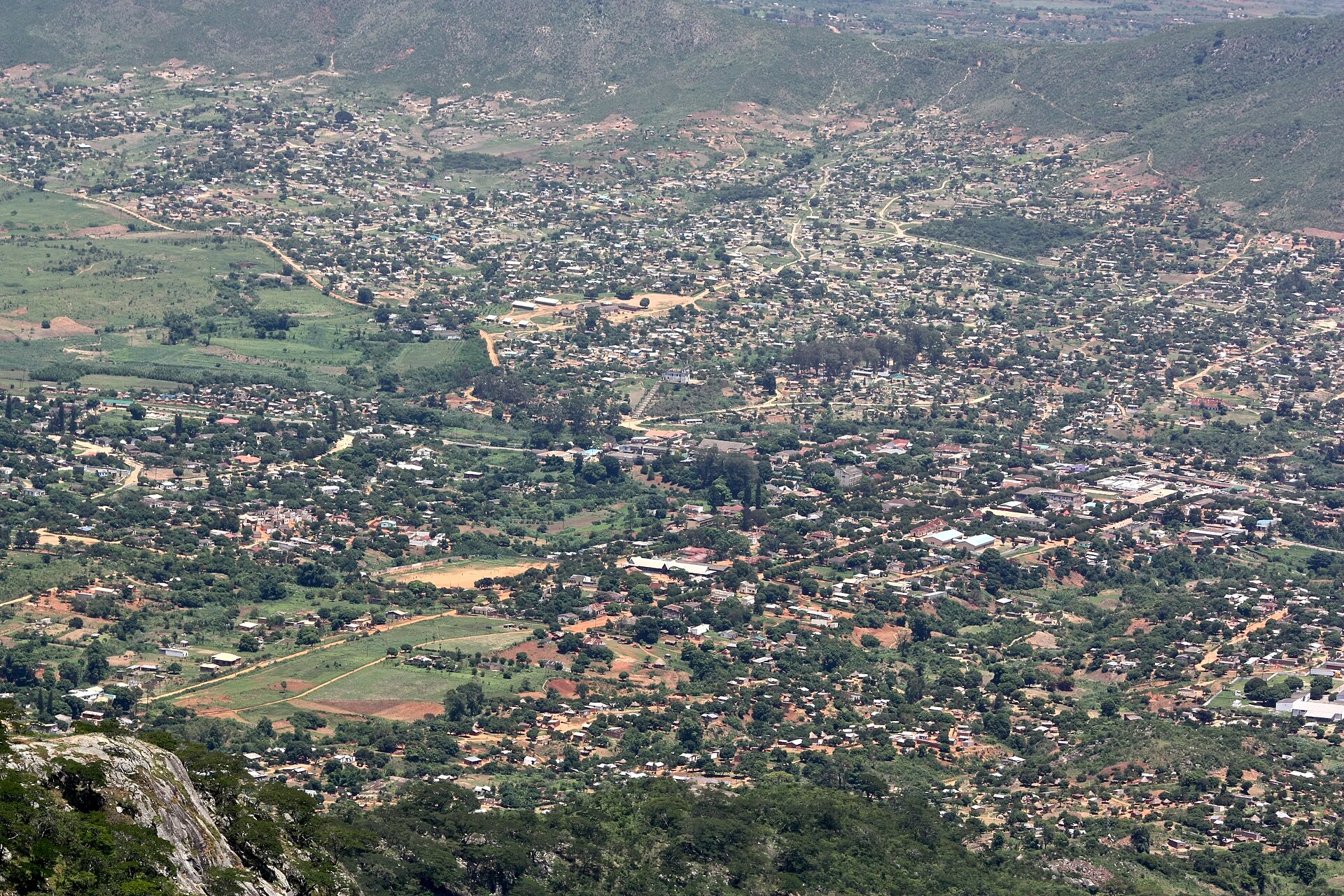
Today the Ndau live on both sides of the Zimbabwe-Mozambique border, most of them farmers of the highlands and lowlands, though many have moved into the towns and cities of both countries or migrated in search of work. Their language and traditions remain strong, carried by a proud sense of Ndau identity.
The spirit mediums, the nyanga dance and the memory of the Gaza empire continue to anchor Ndau life, even as modern schooling, religion and migration reshape it. Divided by a colonial border yet united by language and history, the Ndau endure as a distinctive people of the Zimbabwe-Mozambique frontier.
Related Peoples of the Region
- The Bamileke, the Grassfields People of Cameroon
- The Bamum, the Kingdom of Foumban and Sultan Njoya
- The Duala, the Coastal Traders of the Wouri
- The Baka, Forest People of Central Africa
- The Azande, the Kingdom of the Nile-Congo Divide
- The Mangbetu, the Court Artists of the Congo
- The Tumbuka, the Highland People of Northern Malawi
- The Sena, the People of the Lower Zambezi
More Peoples of the World
- A Fifth of Humanity, the Story of the Han Chinese
- How the Maori Sailed Across the Pacific to Reach New Zealand
- Zulu of the Green Hills and Their Kingdom Forged by Shaka
- The People Who Never Vanished, the Story of the Maya
- Long Before the Arabs Came, North Africa Belonged to the Amazigh
- The People Who Emerged Into This World, the Story of the Navajo
- Meet the Ainu, an Indigenous People at Japan’s Northern Edge
You May Like
The Damara, an Ancient People of Namibia