Deep in the equatorial rainforest of southeastern Cameroon and its neighbours live the Baka, one of the forest hunter-gatherer peoples of the Congo Basin once known to outsiders as Pygmies. Masters of the forest, they move through it in mobile camps, hunting, gathering wild yams and prizing above all the honey of the high trees.Egalitarian and without chiefs, speaking a language of their own and revering Jengi, the great spirit of the forest, the Baka are famed for an extraordinary tradition of polyphonic song and water-drumming. Today, as logging and conservation reshape their world, they strive to hold on to the forest that has always been their home.
The Baka on Film
Contents
- Origins
- The Name
- The Language
- The Homeland
- The Old Way of Life
- Society and Community
- Religion and Belief
- Traditions
- Crafts
- Food
- Festivals
- History
- Today
Origins
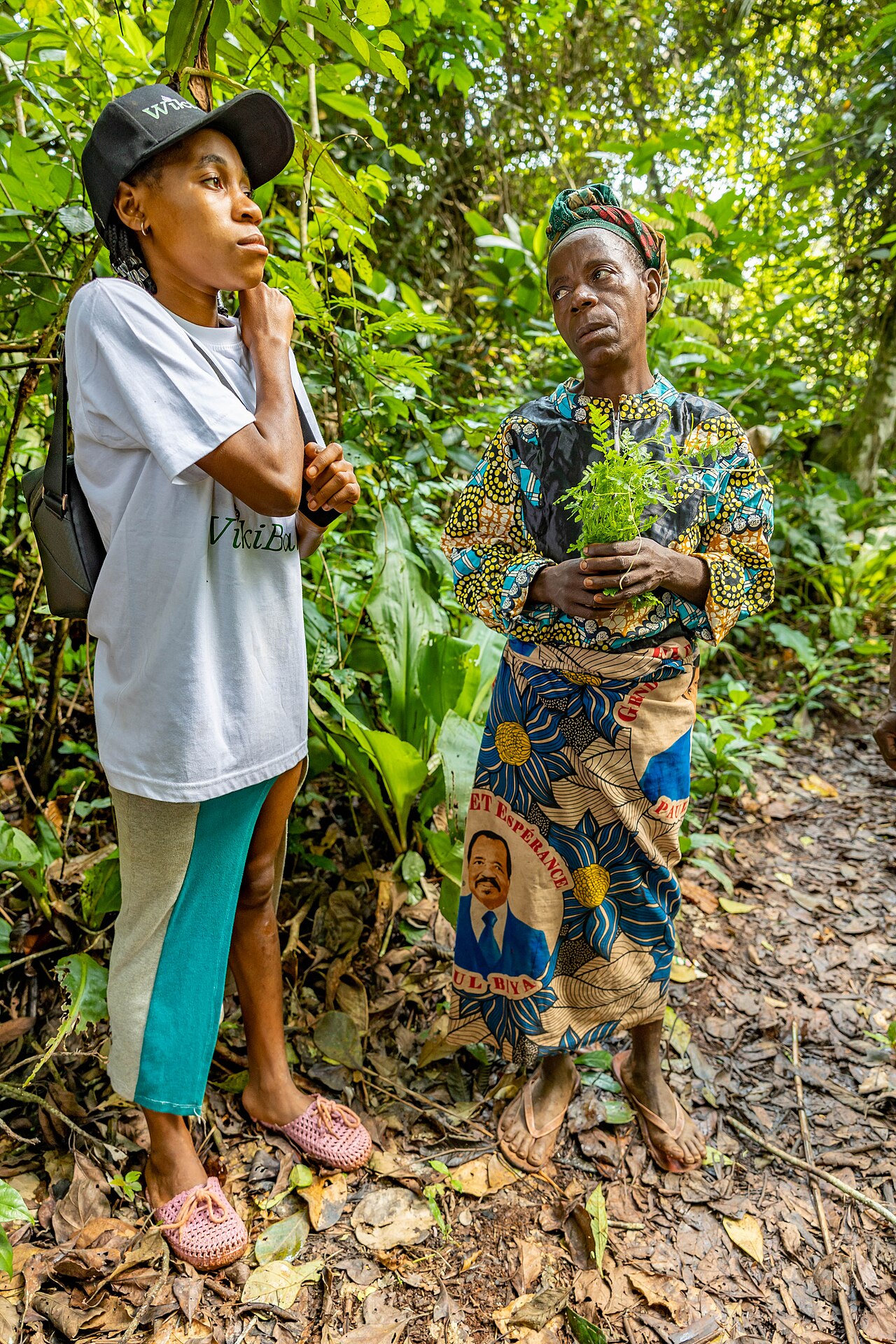
The Baka are a people of the equatorial rainforest, living in the southeastern corner of Cameroon and across the borders in northern Gabon, the Republic of the Congo and the Central African Republic. They are among the forest hunter-gatherer peoples of the Congo Basin, groups long known to outsiders by the term Pygmy, a label many now regard as demeaning and prefer to replace with their own names.
The Baka have inhabited the great forest for many generations, and their deep knowledge of its plants, animals and rhythms suggests a very ancient presence. Distinct in language and culture from their farming neighbours, they represent one of the oldest ways of life on the African continent, that of the mobile forest forager.
The Name

The people call themselves Baka, and their language is also called Baka. Unusually among the forest foragers of Central Africa, the Baka do not speak a Bantu language borrowed from their neighbours but an Ubangian tongue of their own, related to the languages of peoples to the north.
This linguistic distinctiveness sets the Baka apart even from other forest peoples such as the Aka, with whom they are often grouped. Their language, carrying a rich vocabulary of the forest and a great tradition of song, is one of the clearest markers of Baka identity.
The Language

The Baka language belongs to the Ubangian family, a fact that has intrigued scholars, since most Central African forest foragers speak Bantu languages adopted from farming neighbours. This suggests a complex history in which the Baka retained or acquired a distinct tongue while sharing the forest way of life with other groups.
Baka is above all a spoken and sung language, its speakers famed for an elaborate tradition of polyphonic music. Many Baka also speak the languages of their Bantu neighbours and the national languages of the countries they inhabit, but their own language remains central to their sense of who they are.
The Homeland
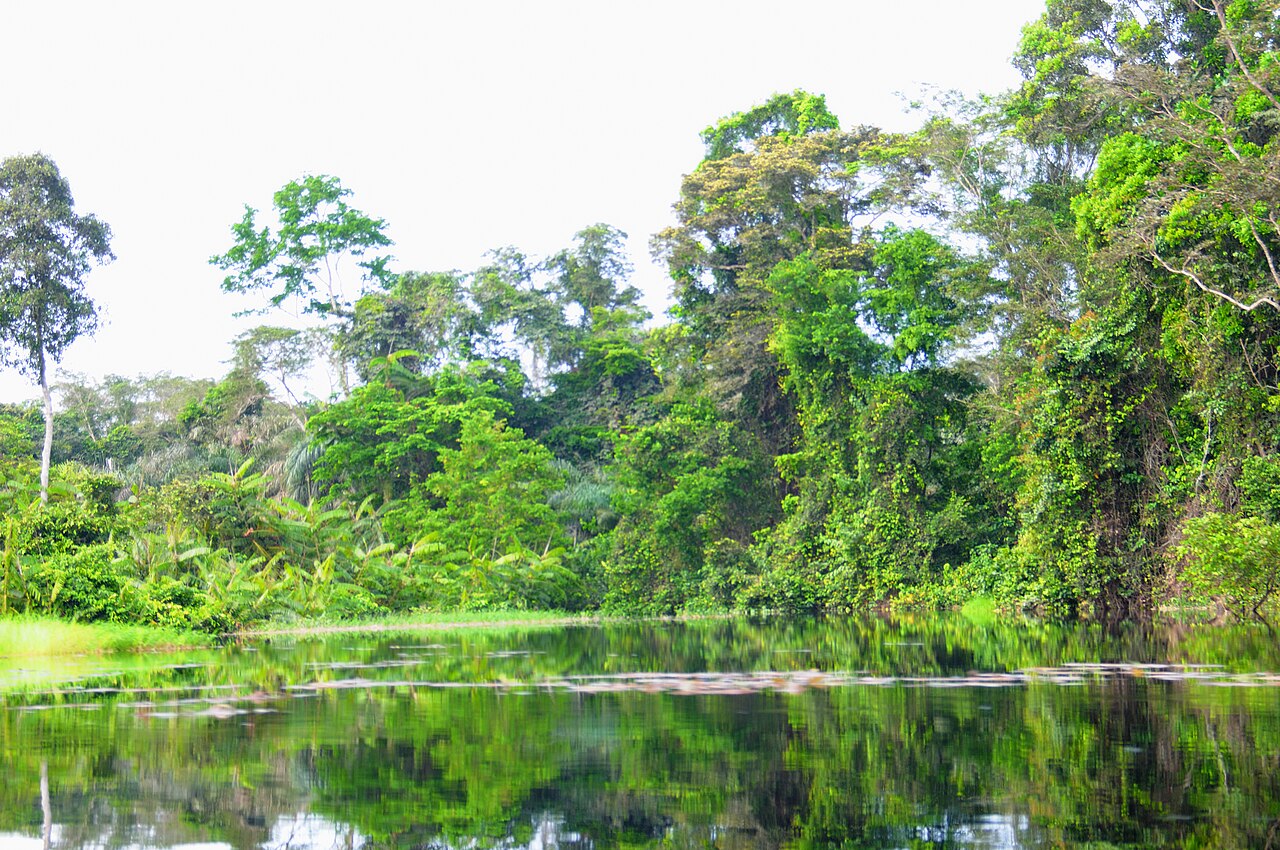
The Baka homeland is the dense tropical rainforest of the Congo Basin, a world of towering trees, rivers and swamps teeming with plant and animal life. Within this forest the Baka move between camps, following the seasons of game, wild fruits, yams and, above all, honey.
The forest is not merely a resource but the whole framework of Baka existence, providing food, medicine, materials and spiritual meaning. Their intimate familiarity with its paths and creatures allows them to live where outsiders would be lost, and their identity is inseparable from the great equatorial woodland.
The Old Way of Life
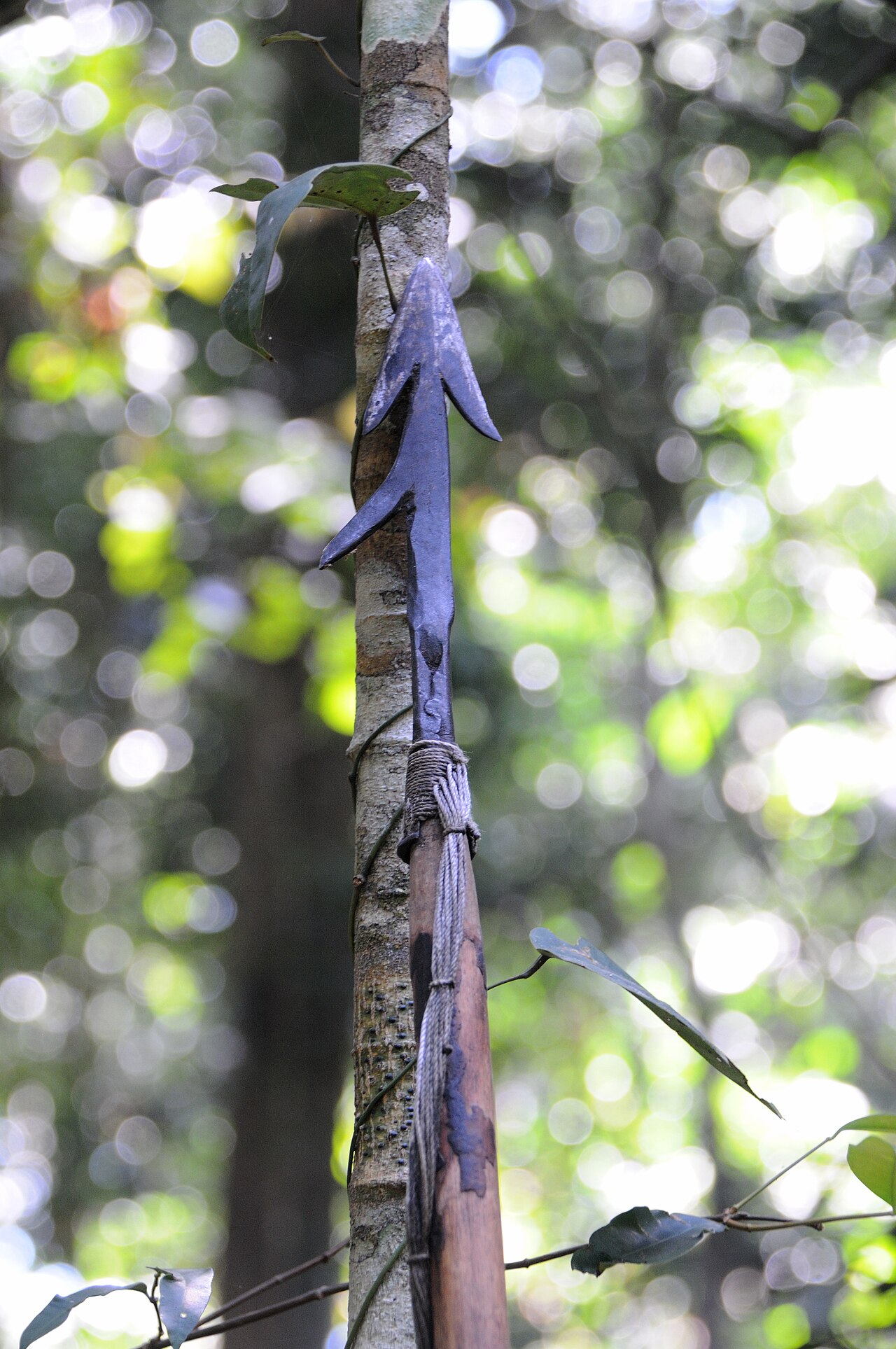
The traditional Baka economy is one of hunting and gathering. Men hunt with spears, nets, crossbows and, in the past, other forest techniques, taking game from the small forest antelopes to larger animals, while women and children gather wild yams, nuts, fruits and leaves. Fishing adds to the diet where rivers allow.
Honey holds a special place in Baka life, and the seasonal gathering of wild honey, sometimes on long expeditions deep into the forest, is among the most valued of their pursuits. Alongside foraging, the Baka have long exchanged forest products with neighbouring farmers for cultivated food and goods.
Society and Community
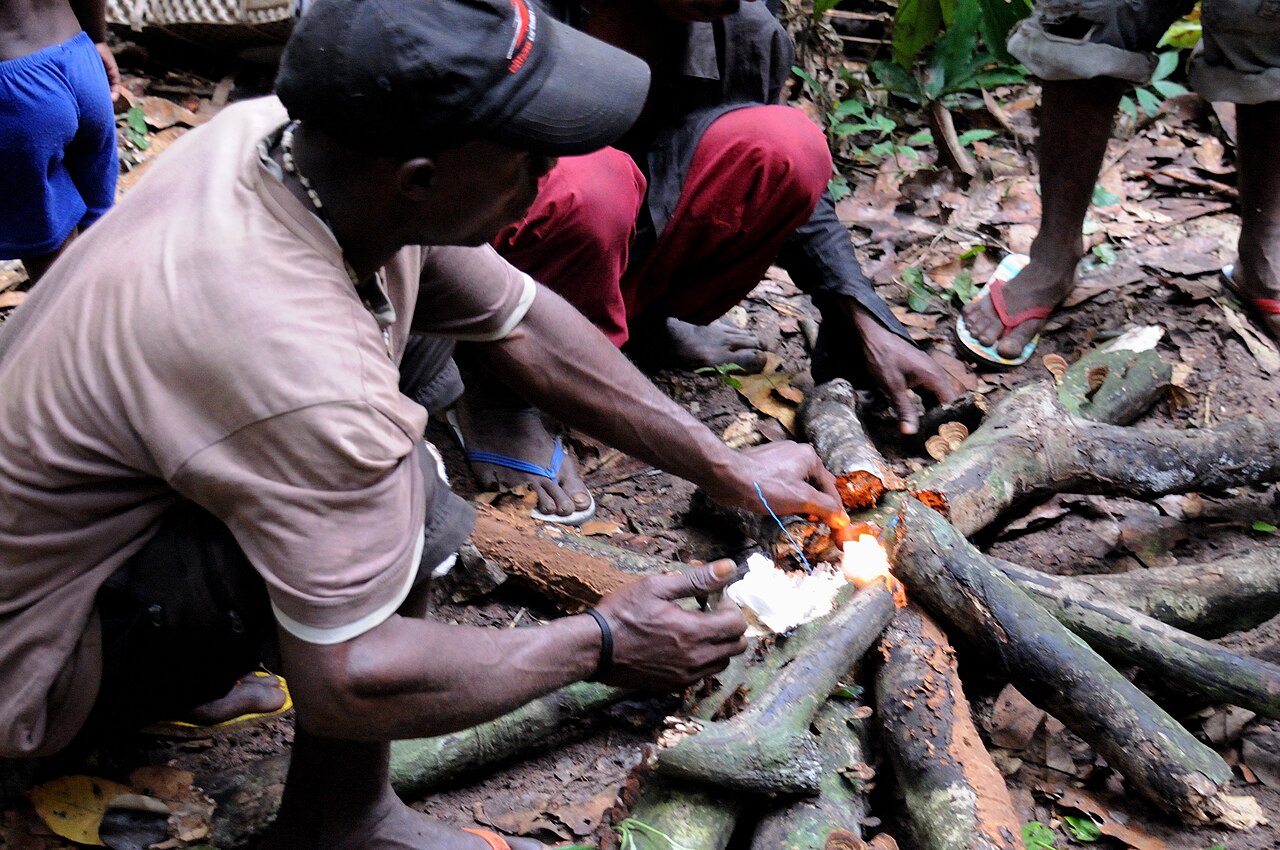
Baka society is egalitarian and without chiefs or formal rulers, organised into small, mobile camps of related families who share food and decisions. Leadership is informal, resting on skill, knowledge and persuasion rather than inherited authority, and sharing is a deeply held value that binds the camp together.
The Baka build temporary dome-shaped huts, the mongulu, from saplings and leaves, easily made and abandoned as the camp moves. This flexible, cooperative way of living reflects the demands of the forest and stands in marked contrast to the hierarchical societies of their farming neighbours.
Religion and Belief
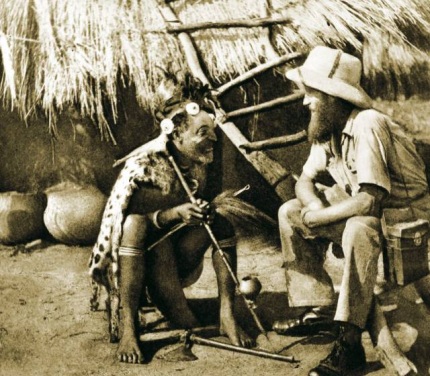
At the heart of Baka spiritual life is Jengi, the great spirit of the forest, regarded as a protector and provider whose presence pervades the woodland. The cult of Jengi, into which boys are initiated, binds the community to the forest and structures much of Baka ritual and belief.
Ritual specialists and healers mediate with the spirits and draw on an immense knowledge of forest plants for medicine. Christianity and the beliefs of neighbouring peoples have also reached the Baka, but the reverence for Jengi and the spirits of the forest remains central to their world.
Traditions
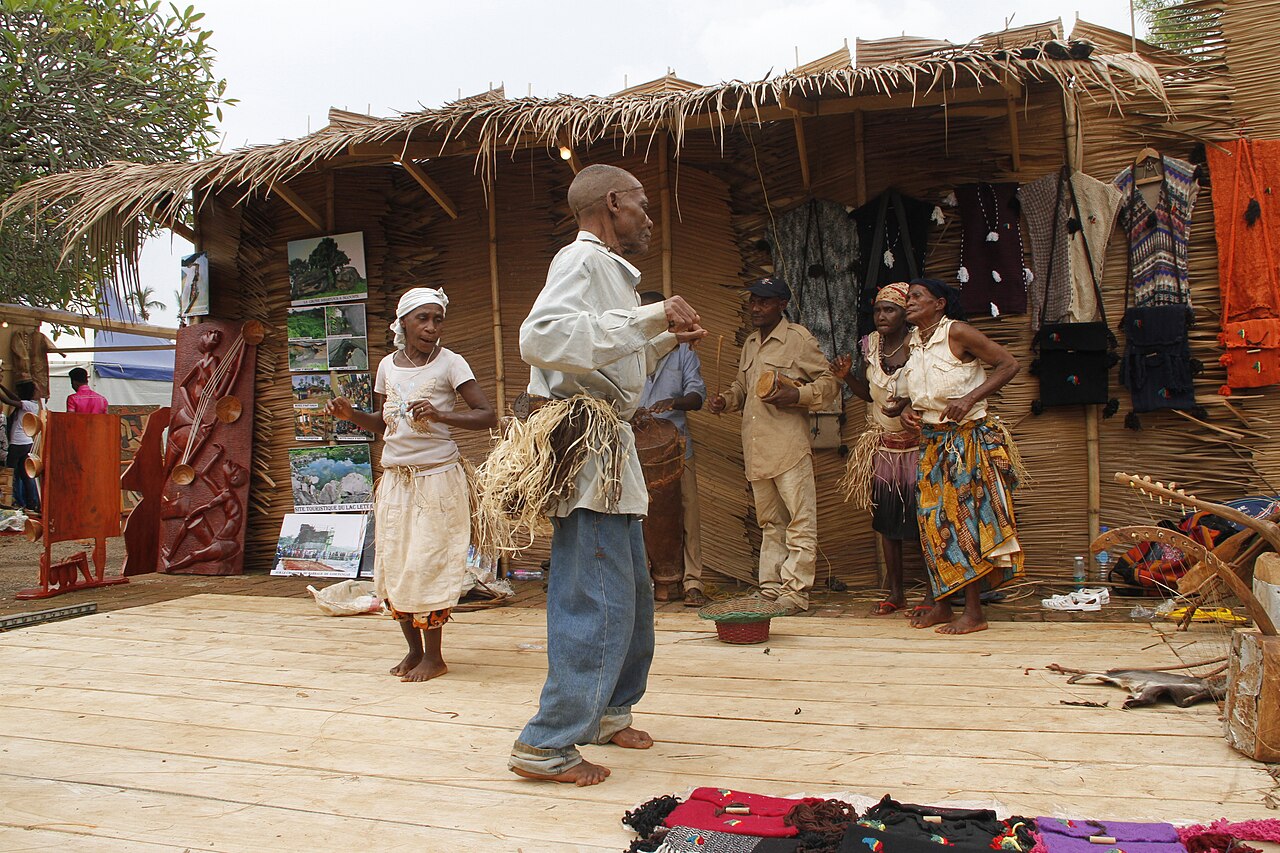
The Baka are celebrated above all for their music, an intricate polyphonic singing in which many voices interweave in yodelling harmonies of great beauty. This music accompanies hunting, honey-gathering, ritual and everyday life, and has drawn admiration from listeners around the world.
A distinctive tradition is water-drumming, in which women beat the surface of a river or stream to produce rhythmic sound. Together with dance and the ceremonies of the Jengi cult, these musical traditions express the Baka bond with the forest and are among the most remarkable in Africa.
Crafts

Baka craftwork serves the needs of a mobile forest life. They make hunting nets, spears and crossbows, weave baskets and mats from forest fibres, and fashion containers from gourds and bark. Every object is light, practical and drawn from the materials of the woodland.
Their greatest skill, however, lies in their mastery of the forest itself: the knowledge of hundreds of plants for food, medicine and craft, the building of camps and traps, and the reading of animal signs. This practical expertise, passed from parent to child, is a form of craftsmanship as sophisticated as any material art.
Food

The Baka diet is drawn almost entirely from the forest: game and fish, wild yams and other tubers, nuts, fruits, leaves, mushrooms and insects, all gathered according to the season. Wild honey is especially prized, a source of energy and delight harvested from the high forest trees.
To this the Baka add cultivated foods such as plantains and cassava, obtained through exchange with farming neighbours or, increasingly, grown by the Baka themselves. Sharing food within the camp is a fundamental value, and no one who has goes without giving to those who lack.
Festivals
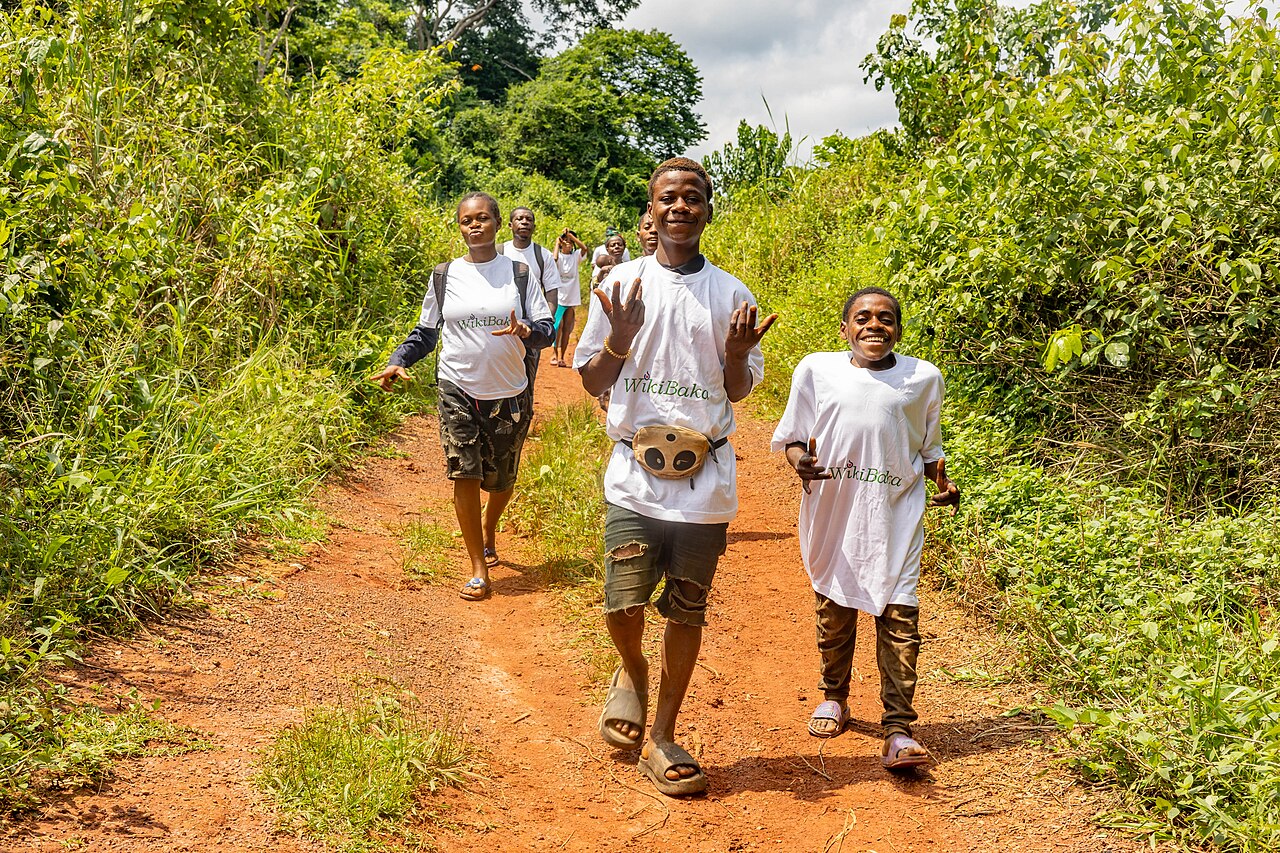
Baka communal life is marked by gatherings for ritual, music and celebration, above all the ceremonies of the Jengi cult and the songs and dances that accompany the great honey and hunting seasons. These occasions bring camps together and reaffirm the bonds of kinship and the community’s tie to the forest.
Music and dance lie at the heart of every celebration, and a Baka gathering may fill the forest night with layered voices and the rhythm of drums and clapped hands. Through these festivals the Baka renew their traditions and pass their songs and beliefs to the young.
History

The forest foragers of Central Africa are among the oldest inhabitants of the continent, and the Baka carry a way of life of great antiquity. For centuries they lived in a close but unequal relationship with neighbouring Bantu and other farmers, exchanging forest products for cultivated food while often being treated as subordinate.
The colonial and modern eras have brought profound pressures. Logging, the spread of farming and the creation of national parks have reduced the forest and, in some cases, restricted the Baka’s access to their ancestral lands. Encouraged or compelled to settle along roads, many Baka have faced poverty and discrimination while struggling to preserve their forest heritage.
Today

Today the Baka live between two worlds. Many have settled, wholly or partly, in villages along forest roads, taking up small-scale farming and wage labour, sending children to school and encountering the wider society of the nations they inhabit. Yet the forest remains central to their identity, and many continue to hunt, gather and above all to sing.
The Baka face serious challenges, from the loss of forest and land rights to marginalisation and poverty, and their situation has drawn the attention of human-rights and conservation groups alike. Amid these pressures the Baka work to sustain their language, their music and their unique bond with the great rainforest that has always been their home.
Related Peoples of the Region
- The Makua, the Largest People of Mozambique
- The Ovimbundu, the Highland Traders of Angola
- The Mbundu, the People of Ndongo and Queen Njinga
- The Lunda, Empire Builders of Central Africa
- The Teke, the Plateau Kingdom of the Congo
- The Bamileke, the Grassfields People of Cameroon
- The Bamum, the Kingdom of Foumban and Sultan Njoya
- The Duala, the Coastal Traders of the Wouri
More Peoples of the World
- A Fifth of Humanity, the Story of the Han Chinese
- How the Maori Sailed Across the Pacific to Reach New Zealand
- Zulu of the Green Hills and Their Kingdom Forged by Shaka
- The People Who Never Vanished, the Story of the Maya
- Long Before the Arabs Came, North Africa Belonged to the Amazigh
- The People Who Emerged Into This World, the Story of the Navajo
- Meet the Ainu, an Indigenous People at Japan’s Northern Edge
You May Like
The Damara, an Ancient People of Namibia


One thought on “The Baka, Forest People of Central Africa”