Scattered across the Mozambique Channel between Africa and Madagascar lie the Comoro Islands, the islands of the moon, home to the Comorians. A people born of the meeting of Bantu Africa, the Arab and Persian world and Malagasy Madagascar, they are heirs to a rich Indian Ocean heritage.Devoutly Muslim, speakers of a Bantu tongue written in Arabic script, and farmers of the fragrant ylang-ylang, cloves and vanilla, the Comorians are best known for the grand marriage, a lavish institution around which much of island life revolves. Small in number, they carry a singular blend of cultures into the modern world.
The Comorians on Film
Contents
- Origins
- The Name
- The Language
- The Homeland
- The Old Way of Life
- Society and Community
- Religion and Belief
- Traditions
- Crafts
- Food
- Festivals
- History
- Today
Origins
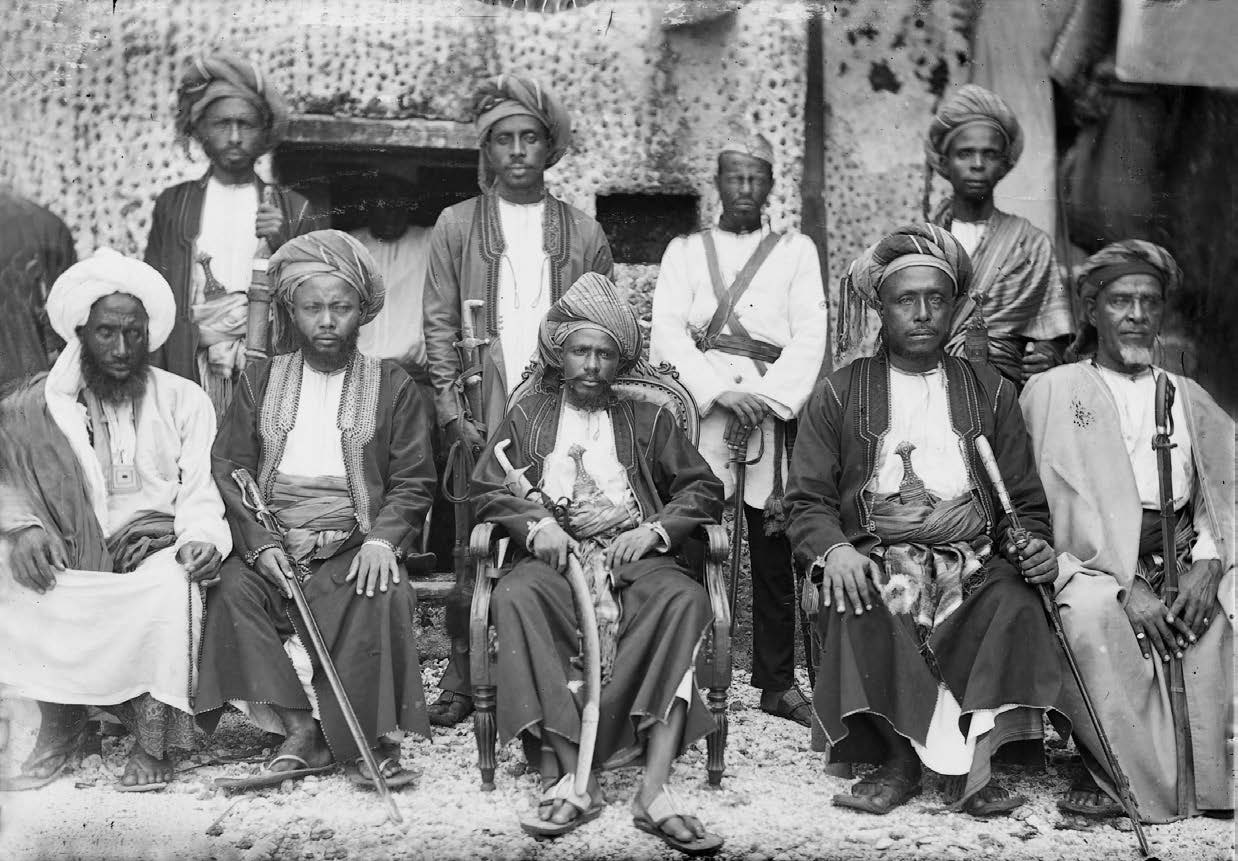
The Comorians are the people of the Comoro Islands, a volcanic archipelago in the Mozambique Channel between the East African coast and Madagascar. The islands of Grande Comore, Anjouan and Mohéli form the independent Union of the Comoros, while the fourth main island, Mayotte, remains part of France.
The Comorian people were formed over centuries from the meeting of many strands: Bantu-speaking settlers from the African mainland, Arab and Persian traders, and Malagasy from nearby Madagascar. Set at a crossroads of the Indian Ocean world, the Comoros drew merchants, sailors and settlers whose mingling produced the distinctive Comorian culture.
The Name

The Comorians take their name from the islands, whose Arabic name, Jazair al-Qamar, means the islands of the moon. The people of each island have their own identity, the Ngazidja of Grande Comore, the Ndzuani of Anjouan and the Mwali of Mohéli, yet together they share a common Comorian culture.
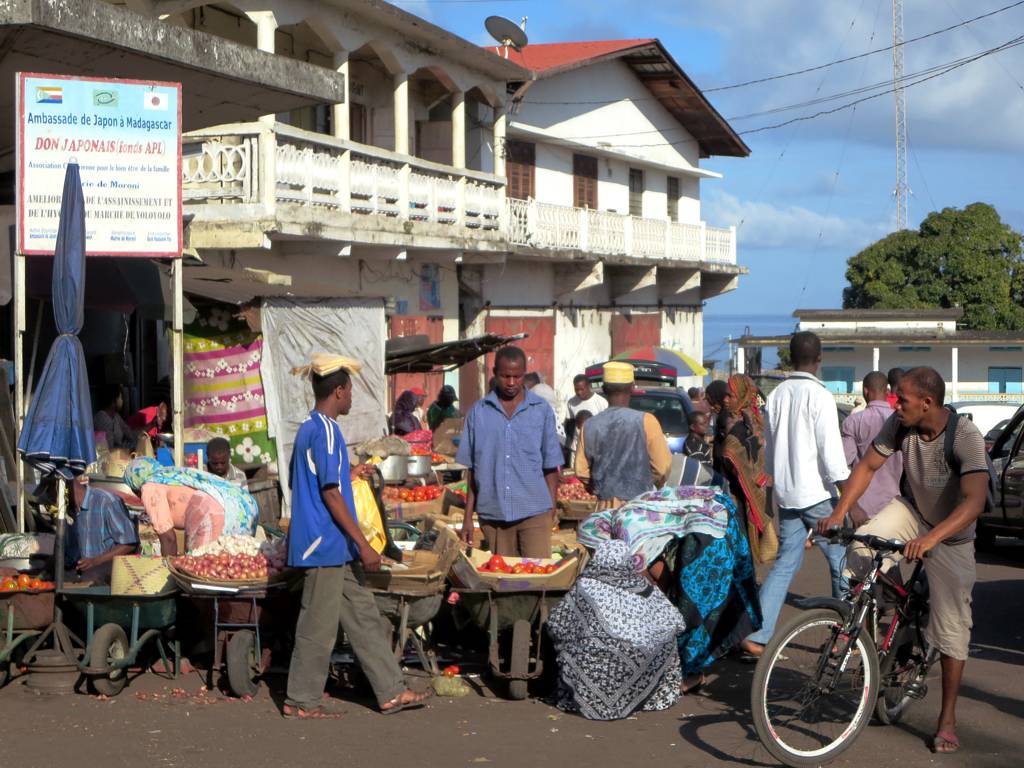
The capital of the Union is Moroni, on Grande Comore, at the foot of the great volcano Karthala. It is the political and cultural heart of the archipelago, a town of mosques, markets and a busy harbour looking out onto the Indian Ocean.
The Language

The Comorians speak Shikomori, or Comorian, a Bantu language closely related to Swahili and enriched by centuries of Arabic influence. It exists in several island varieties, and has long been written in the Arabic script, a mark of the deep Islamic heritage of the islands.
Because of the archipelago’s history, French and Arabic also hold important places, French as a legacy of colonial rule and Arabic as the language of religion and learning. Comorian, however, remains the everyday language of home, market and community across the islands.
The Homeland

The Comoro Islands are of volcanic origin, rising steeply from the sea with mountainous interiors, fertile slopes and fringing coral reefs. Grande Comore is dominated by Karthala, one of the world’s largest active volcanoes, whose eruptions have shaped the island and its life.
The tropical climate and rich volcanic soils make the islands well suited to the cultivation of fragrant crops, while the surrounding ocean yields fish. This small but beautiful homeland, scattered across the Mozambique Channel, has always tied the Comorians to both the land and the sea.
The Old Way of Life

The Comorians have traditionally lived by farming and fishing. On the fertile volcanic slopes they grow food crops such as rice, bananas, cassava and coconut, together with the cash crops for which the islands are famous, while fishermen in outrigger canoes and small boats work the waters of the reef and open sea.
The islands became renowned producers of ylang-ylang, cloves and vanilla, fragrant crops destined for the world’s perfume and spice markets, and the Comoros remain among the leading sources of ylang-ylang oil. This trade, together with fishing and farming, long formed the basis of Comorian life.
Society and Community
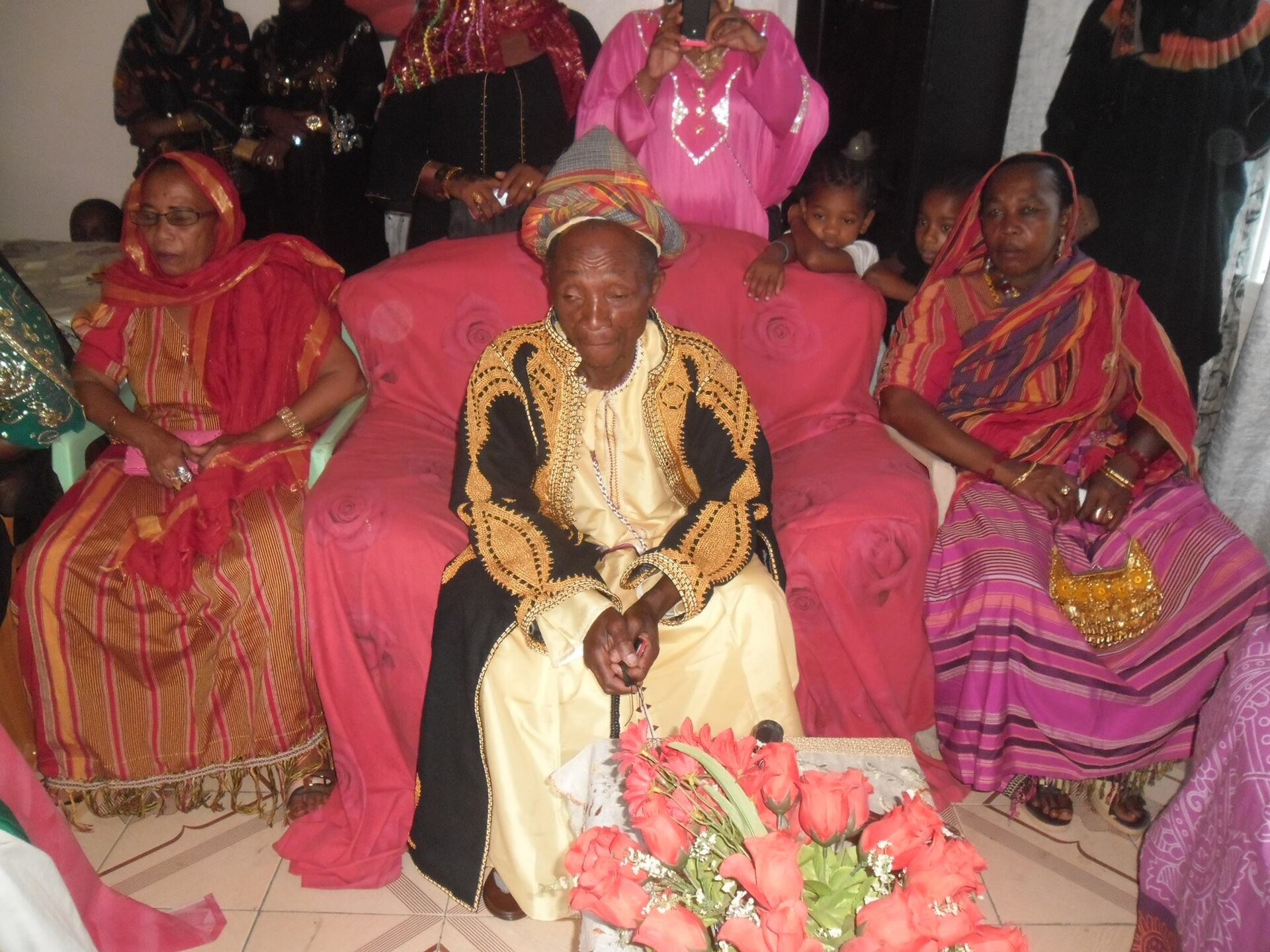
Comorian society is organised around the family, the village and the mosque, and its most distinctive institution is the grand marriage, known in Comorian as the anda or ada. This is a lavish and costly series of ceremonies, undertaken by a couple over many years, which confers full social standing on a man and admits him to the ranks of the notables.
The grand marriage involves great feasts, the giving of gold jewellery, music and days of celebration, and it binds together families and communities in networks of obligation and honour. Around it revolves much of the social life and ambition of the Comorians, particularly on Grande Comore.
Religion and Belief
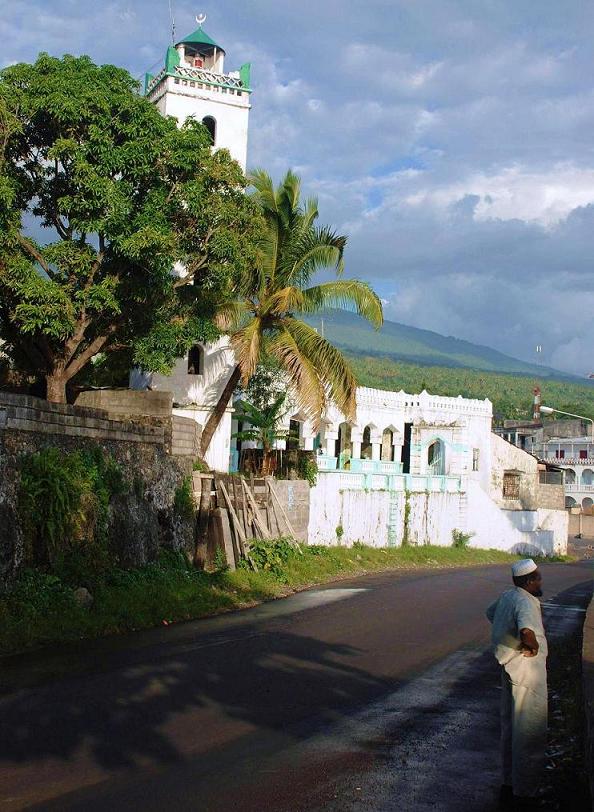
The Comorians are overwhelmingly Sunni Muslim, following the Shafi’i school, and Islam is central to every aspect of life in the islands. Mosques stand at the heart of every village, the call to prayer orders the day, and the religious calendar shapes the year.
Islam reached the Comoros early through Arab and Swahili traders, and the islands became a devoutly Muslim society with a long tradition of Quranic learning. Sufi brotherhoods, saints’ shrines and religious festivals enrich Comorian Islam, which blends orthodox practice with local custom.
Traditions

The traditions of the Comoros centre on the ceremonies of the grand marriage and the rites of the life cycle, marked by music, dance and elaborate dress. Men and women wear distinctive attire, and the giving and display of gold jewellery is an important expression of status and celebration.
Music such as the twarab, related to the sung poetry of the Swahili coast, accompanies weddings and festivals, while dances and processions fill the days of celebration. These traditions, blending African, Arab and Malagasy elements, give Comorian culture its rich and distinctive character.
Crafts

Comorian craftwork reflects the islands’ position in the Indian Ocean world. Goldsmiths and jewellers produce the ornate jewellery worn at the grand marriage, embroiderers work fine designs onto clothing and caps, and craftsmen carve wood, weave mats and baskets, and build the boats of the fishermen.
The distilling of ylang-ylang and other fragrant oils, though an industry, is also a craft demanding skill and knowledge. Together with woodwork, embroidery and jewellery, it forms part of a material culture shaped by trade, Islam and the resources of the islands.
Food
The Comorian table combines the rice of the East African coast with the spices of the Indian Ocean trade. Rice is the staple, served with fish, meat or beans in sauces rich with coconut, cloves, cardamom and other spices, and seafood from the reef features prominently.
Dishes such as spiced rice, grilled and stewed fish, and cassava and banana preparations are enjoyed across the islands, and the fragrant produce of the Comoros flavours the cooking. Shared meals mark the great occasions of family and community life, above all the feasts of the grand marriage.
Festivals

The grand celebrations of Comorian life are above all the grand marriages, which fill the villages with feasting, music, dance and the display of finery over days of ceremony. These events are the high points of the social calendar, drawing whole communities together.
Religious festivals of the Islamic year, from the fasting of Ramadan to the great feasts, also structure the Comorian calendar, observed with prayer, charity and celebration. Together these occasions express the deep faith and rich social life of the Comorians.
History

Settled by Bantu-speaking peoples and drawn early into the trading world of the Swahili coast, the Comoros became a devoutly Muslim society ruled by a patchwork of sultanates, especially on Grande Comore. Arab, Persian and Malagasy influences mingled with the African base, and the islands prospered from Indian Ocean commerce, including, in its darker chapters, the slave trade.
In the nineteenth century France gradually took control of the archipelago, ruling it as a colony until 1975, when three of the islands declared independence while Mayotte chose to remain French. The independent Comoros have since known political turbulence, including coups and mercenary interventions, even as the Comorian people preserved their culture and faith.
Today

Today the Comorians inhabit the independent Union of the Comoros and the French department of Mayotte, together with a large diaspora, especially in France, whose remittances are vital to the islands. Most Comorians still live by farming and fishing, and the islands remain among the world’s leading producers of ylang-ylang.
Islam, the Comorian language and the great institution of the grand marriage continue to anchor the identity of the people. Small in number and scattered across the islands of the moon, the Comorians carry a rich blend of African, Arab and Malagasy heritage into the modern world.
Related Peoples of the Region
- The Baka, Forest People of Central Africa
- The Azande, the Kingdom of the Nile-Congo Divide
- The Mangbetu, the Court Artists of the Congo
- The Tumbuka, the Highland People of Northern Malawi
- The Sena, the People of the Lower Zambezi
- The Ndau, the Shona People of the Eastern Frontier
- The Kalanga, Heirs of Great Zimbabwe
- The Damara, an Ancient People of Namibia
More Peoples of the World
- A Fifth of Humanity, the Story of the Han Chinese
- How the Maori Sailed Across the Pacific to Reach New Zealand
- Zulu of the Green Hills and Their Kingdom Forged by Shaka
- The People Who Never Vanished, the Story of the Maya
- Long Before the Arabs Came, North Africa Belonged to the Amazigh
- The People Who Emerged Into This World, the Story of the Navajo
- Meet the Ainu, an Indigenous People at Japan’s Northern Edge
You May Like

The Choctaw, People of the Sacred Mound


