Among the great nations of the American Southeast, the Choctaw built a settled world of farming towns in the woodlands of Mississippi, tracing their origins to the sacred mound of Nanih Waiya. Skilled cultivators of corn and famed for their diplomacy, they were counted among the Five Civilized Tribes.Removed west along the Trail of Tears after the treaty of 1830, the Choctaw rebuilt their nation in Oklahoma while a remnant held on in Mississippi. Keepers of the ancient game of stickball and of a proud generosity remembered as far away as Ireland, the Choctaw remain a resilient and self-governing people.
The Choctaw on Film
Contents
- Origins
- The Name
- The Language
- The Homeland
- The Old Way of Life
- Society and Community
- Religion and Belief
- Traditions
- Crafts
- Food
- Festivals
- History
- Today
Origins
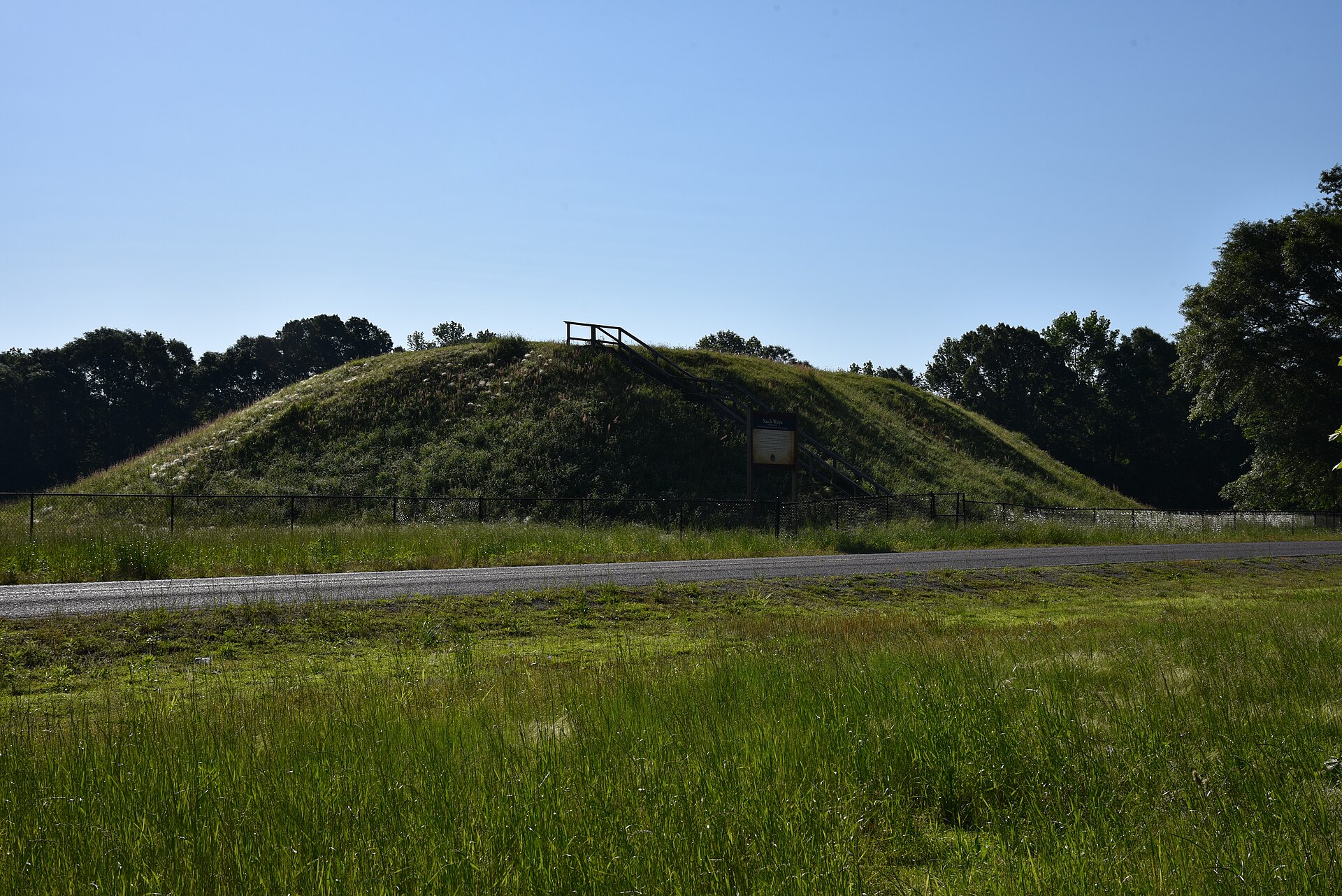
The Choctaw are one of the great Indigenous nations of the American Southeast, whose homeland lay in what is now Mississippi, Alabama and Louisiana. They are descended from the mound-building peoples of the Mississippian culture, and they built a settled society of farming towns in the fertile woodlands of the region.
Choctaw tradition holds that the people emerged from, or gathered at, the great earthen mound of Nanih Waiya, revered as the Mother Mound and the sacred centre of the nation. From this heartland the Choctaw grew into one of the most populous and powerful peoples of the Southeast.
The Name
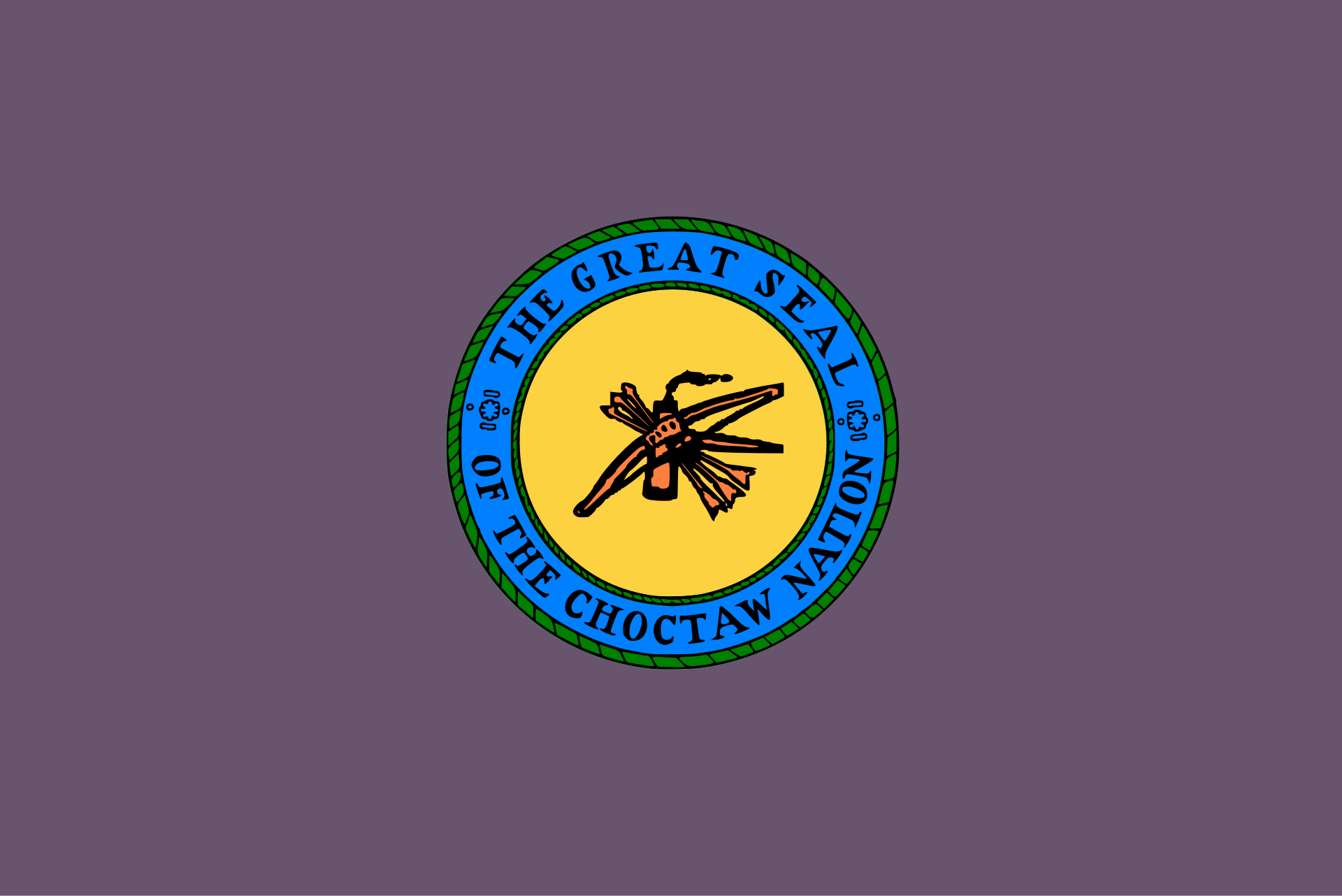
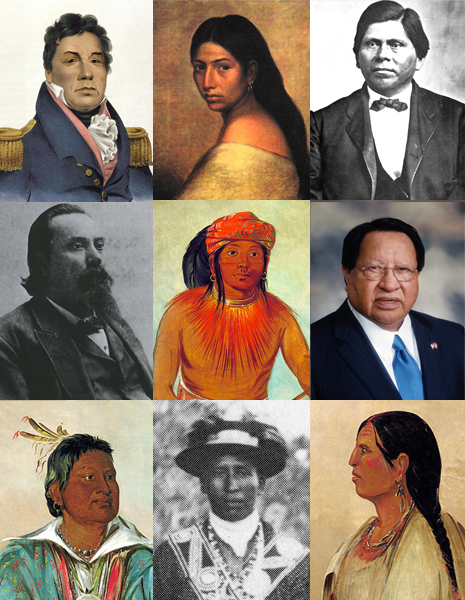
The people call themselves Chahta, from which the name Choctaw derives, and they speak a language of the Muskogean family, closely related to that of the neighbouring Chickasaw. They were later counted by Americans among the so-called Five Civilized Tribes, for the settled, agricultural societies they and their neighbours maintained.
Today the Choctaw are organised in several nations, the largest being the Choctaw Nation of Oklahoma, together with the Mississippi Band of Choctaw Indians, who remained in the old homeland, and the Jena Band of Louisiana. Their capital in Oklahoma is at Durant.
The Language
The Choctaw language, Chahta anumpa, is a Muskogean tongue with a long history of use in speech, song and, from the nineteenth century, in writing. Missionaries and Choctaw scholars developed a written form, and the language was used in schools, churches and newspapers in the Choctaw Nation.
Though English now dominates, the Choctaw language survives, spoken especially among the Mississippi Choctaw and taught and revitalised by all the Choctaw nations. It remains a central marker of identity, carrying the oral traditions and ceremonial life of the people.
The Homeland

The Choctaw homeland was a country of woodlands, rivers and fertile bottomlands in the Southeast, well suited to the farming on which the people depended. The lands along the Mississippi and its tributaries gave rich soils for crops and abundant game and fish.
This was a settled landscape of towns and fields, not a wilderness, shaped by generations of Choctaw farmers. The attachment to this homeland made the forced removal of the nineteenth century all the more painful, and the memory of the old country endures among the Choctaw.
The Old Way of Life
The Choctaw were among the most accomplished farmers of the Southeast, cultivating corn, beans, squash and other crops in the rich bottomlands, and supplementing their harvests with hunting, fishing and gathering. Corn in particular was the staff of life and the centre of ceremony.
Choctaw towns were substantial and well organised, and the people were known for their agricultural surplus, which they traded with neighbours and, later, with European colonists. This settled, productive way of life set the pattern of Choctaw society for centuries.
Society and Community
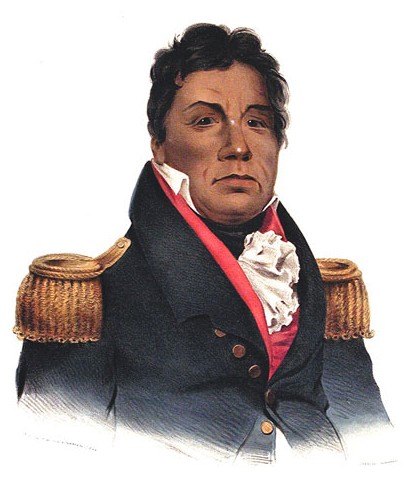
Choctaw society was organised into matrilineal clans and divisions, known as iksa, with descent and belonging traced through the mother. Towns were led by chiefs and councils, and the nation was traditionally divided into districts, each with its own leaders.
Among the most celebrated Choctaw leaders was Pushmataha, a renowned chief and orator of the early nineteenth century. The Choctaw were known for their diplomacy, navigating the rivalries of French, British, Spanish and American powers, though this skill could not spare them from eventual removal.
Religion and Belief
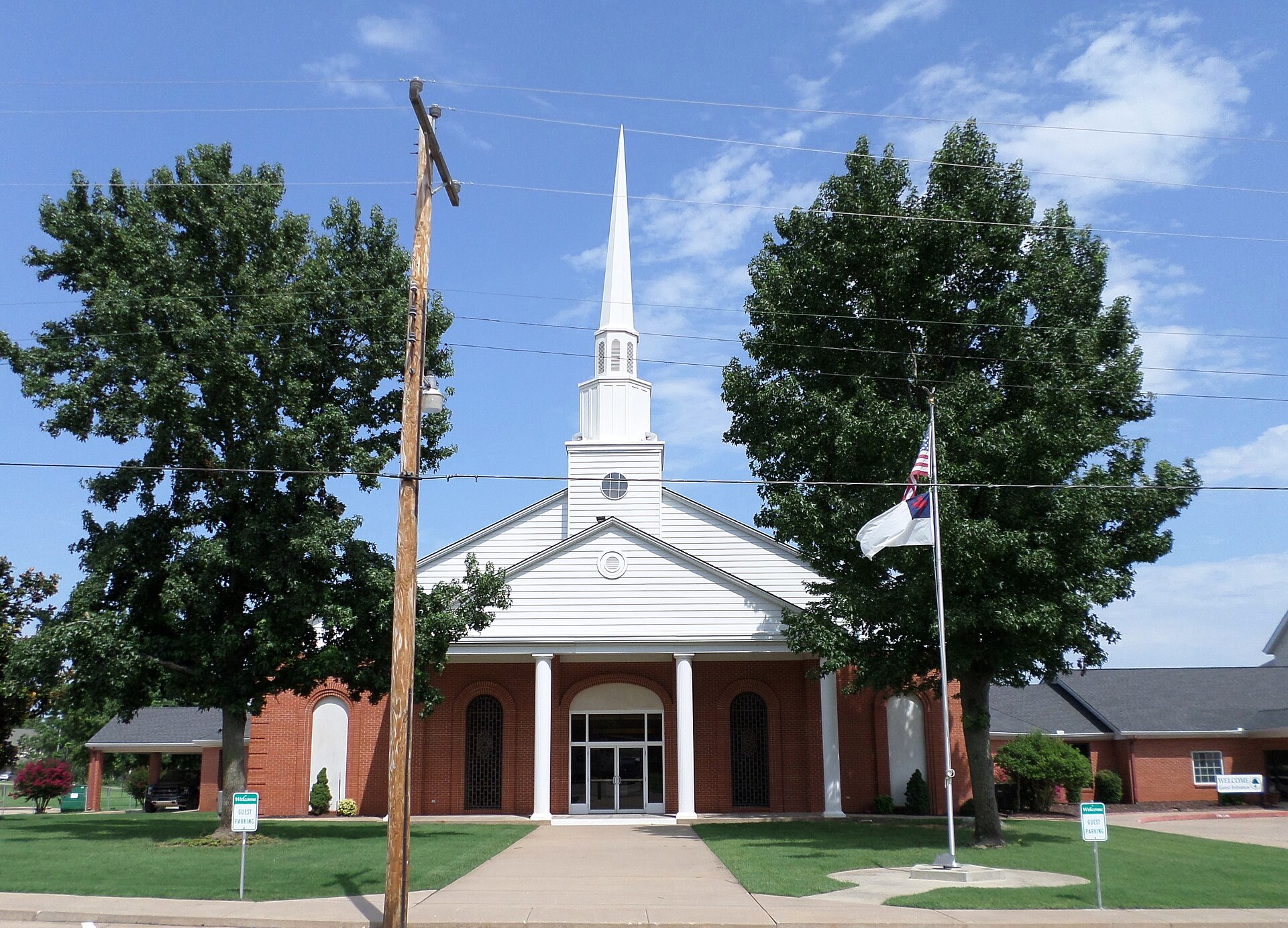
Traditional Choctaw religion centred on a supreme being and a world of spirits, with ceremonies tied to the agricultural year and to the sacred fire. Ritual and dance marked the seasons, above all the harvest, and the sacred mound of Nanih Waiya held deep spiritual meaning.
From the nineteenth century Christianity, especially in its Baptist and Methodist forms, spread widely among the Choctaw, and most are Christian today. The church became a central institution of Choctaw community life, while elements of older belief and ceremony have also persisted.
Traditions
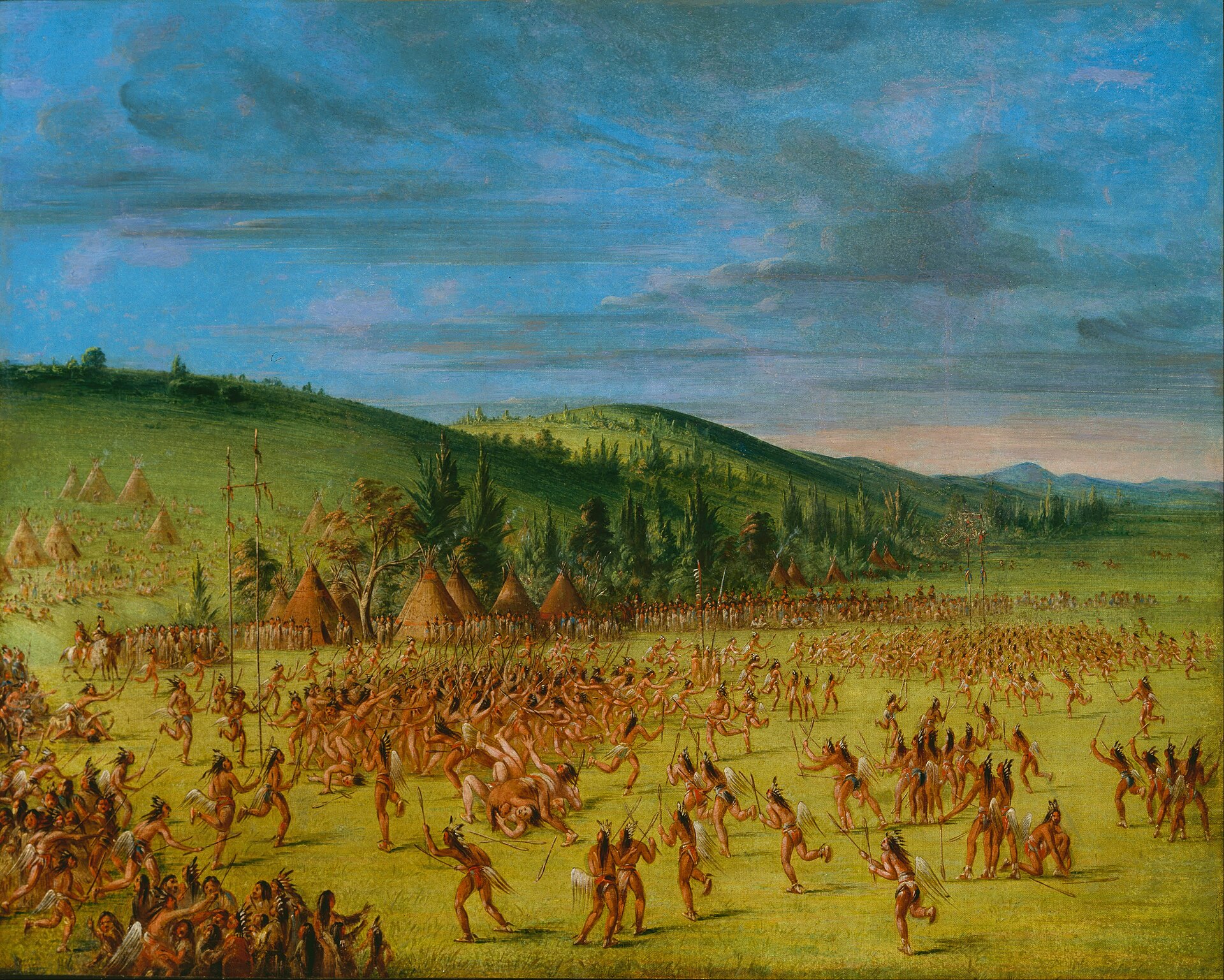
The signature tradition of the Choctaw is stickball, known as kabocha toli or ishtaboli, an ancient and vigorous ball game played with two sticks, once called the little brother of war for its role in settling disputes. It remains a cherished sport and ceremony among the Choctaw today.
Choctaw social dances, songs and the rituals of the life cycle also carry the heritage of the people, accompanied by drumming and chant. Through stickball, dance and ceremony, the Choctaw sustain a living connection to their traditions.
Crafts

The Choctaw are renowned for their basketry, woven from river cane in intricate patterns and dyed in rich colours, a craft carried on especially by the Mississippi Choctaw. Baskets served both daily use and ceremony, and the finest are prized as works of art.
Choctaw women also created beautiful beadwork and distinctive dress, including diamond-patterned designs recalling the diamondback rattlesnake, and made pottery and other crafts. This material culture, blending old traditions with new materials, remains a proud expression of Choctaw identity.
Food
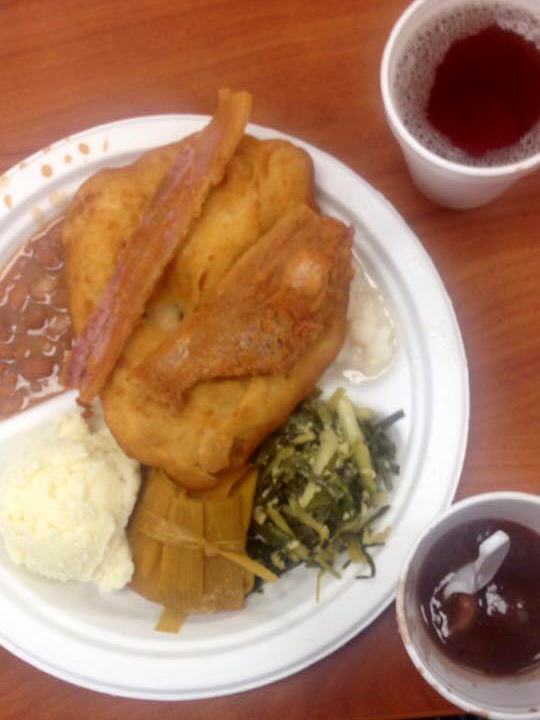
Corn stands at the heart of Choctaw cooking, prepared in many forms, above all as hominy and the corn dishes central to community meals. Banaha, a cornmeal dumpling, and dishes of hominy and pork are traditional favourites, alongside the produce of the garden and the hunt.
Community meals, such as the wild onion dinners of spring, bring Choctaw people together and reaffirm the bonds of kin and nation. These foods, rooted in the farming heritage of the Southeast, remain central to Choctaw gatherings.
Festivals
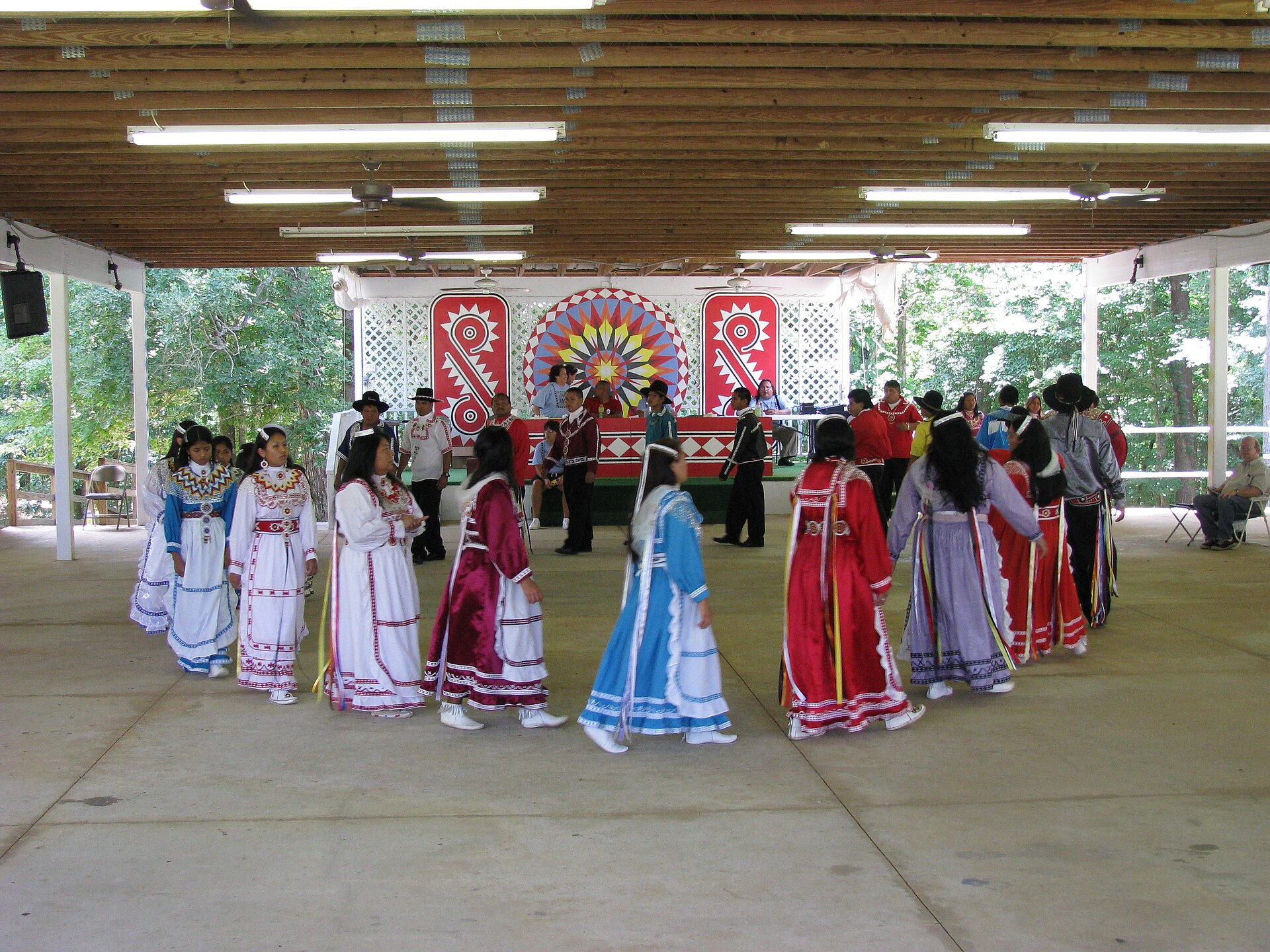
Choctaw communal life is marked by festivals and gatherings, above all the annual fairs and homecomings of the Choctaw nations, which feature stickball, dancing, singing, crafts and traditional food. The Choctaw Nation of Oklahoma and the Mississippi Band both hold great annual events.
These occasions bring the people together across the distances of removal and migration, celebrating language, culture and the enduring bonds of the nation. They serve to honour the ancestors and to pass Choctaw heritage to new generations.
History
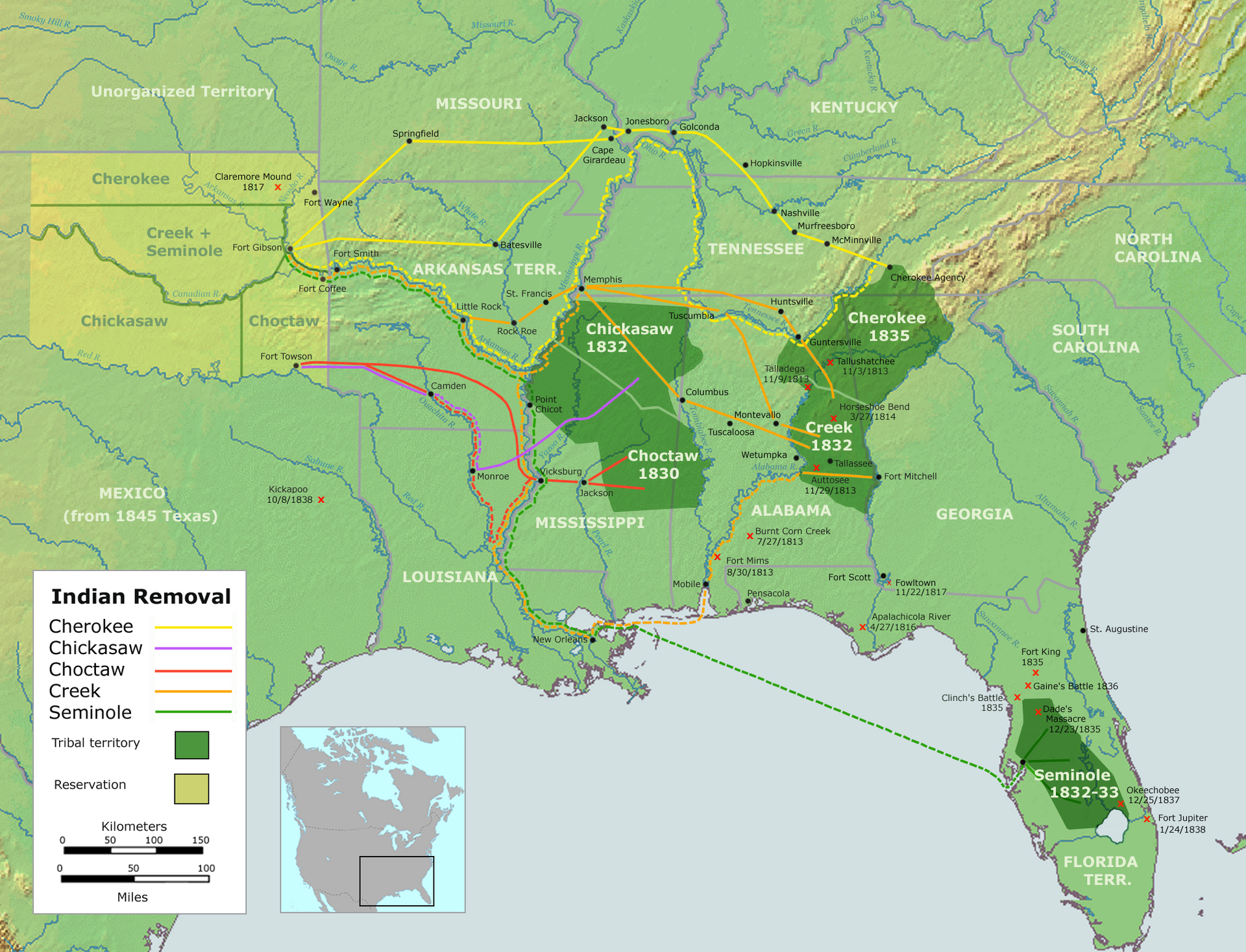
Long settled farmers of the Southeast, the Choctaw allied and traded with European powers and adopted many of their ways, hoping to secure their homeland. Yet in 1830 the Treaty of Dancing Rabbit Creek made them the first great nation removed under the Indian Removal Act, and thousands travelled west along what became known as the Trail of Tears, with heavy loss of life.
Removed to Indian Territory, the Choctaw rebuilt their nation in what is now Oklahoma, while a remnant remained in Mississippi. Remarkably, in 1847 the impoverished Choctaw sent a donation to relieve the Irish during the Great Famine, a gesture still honoured, and in the twentieth century Choctaw code talkers served in the First World War.
Today

Today the Choctaw are among the largest Indigenous nations in the United States, centred on the Choctaw Nation of Oklahoma with its capital at Durant, together with the Mississippi Band and the Jena Band. They govern themselves, run schools, businesses and enterprises, and work to revitalise their language and traditions.
Stickball, basketry, the Choctaw language and the memory of Nanih Waiya and the Trail of Tears continue to anchor the identity of the people. From ancient mound-builders to a modern self-governing nation, the Choctaw carry a proud and resilient heritage into the present day.
Related Peoples of the Region
- Miskito: The Coast That Crowned Its Own Kings
- Taino: The People Declared Extinct Who Never Left
- Guna: Islanders Who Govern Their Own Corner of Panama
- Inside the Haudenosaunee Confederacy and Its Great Law of Peace
- The Nation That Never Surrendered: Inside Seminole Country
- Muscogee Creek Towns, Councils, and the Long Road to Oklahoma
- Ojibwe Anishinaabe Life Around the Great Lakes and Wild Rice Waters
- The Metis, the Buffalo Hunters of the Red River
More Peoples of the World
- A Fifth of Humanity, the Story of the Han Chinese
- How the Maori Sailed Across the Pacific to Reach New Zealand
- Zulu of the Green Hills and Their Kingdom Forged by Shaka
- The People Who Never Vanished, the Story of the Maya
- Long Before the Arabs Came, North Africa Belonged to the Amazigh
- The People Who Emerged Into This World, the Story of the Navajo
- Meet the Ainu, an Indigenous People at Japan’s Northern Edge
You May Like
The Damara, an Ancient People of Namibia


One thought on “The Choctaw, People of the Sacred Mound”