Along the Caribbean shoreline where Nicaragua meets Honduras, a strip of lagoons, pine savanna, and dense tropical lowland stretches for hundreds of miles, cut through by slow rivers that empty into the sea. This is the Mosquito Coast, and it is home to the Miskito, a people whose history took a markedly different path from almost every other Indigenous nation in the Americas. While Spanish conquistadors were subjugating and converting Indigenous populations across the rest of Central America, the Miskito instead formed alliances with English pirates, traders, and eventually the British Crown, built a coastal kingdom that lasted more than two centuries, and adopted Protestant Christianity long before most of their neighbors ever left the Catholic fold.
Today, somewhere between 150,000 and 200,000 Miskito people live along this coast, most in Nicaragua’s autonomous regions and a smaller population across the border in Honduras. Many still fish the reefs and rivers their ancestors fished, still speak a Miskito language full of English and Spanish loanwords picked up over centuries of trade and contact, and still identify strongly with a coastal identity distinct from the Spanish-speaking, Catholic-majority populations of the Pacific side of both countries. Fishing for lobster remains one of the most economically important, and physically dangerous, occupations in the region, and Miskito divers make up a large share of the workforce supplying lobster to North American and European markets.
This piece traces the Miskito story across thirteen parts: their origins, the meaning of their name, their language, their homeland, their old way of life, the structure of their society, their religion, their traditions, their crafts, their food, their festivals, their history, and where the Miskito stand today.
- Origins
- Name
- Language
- Homeland
- Old way of life
- Society
- Religion
- Traditions
- Crafts
- Food
- Festivals
- History
- Today
Origins
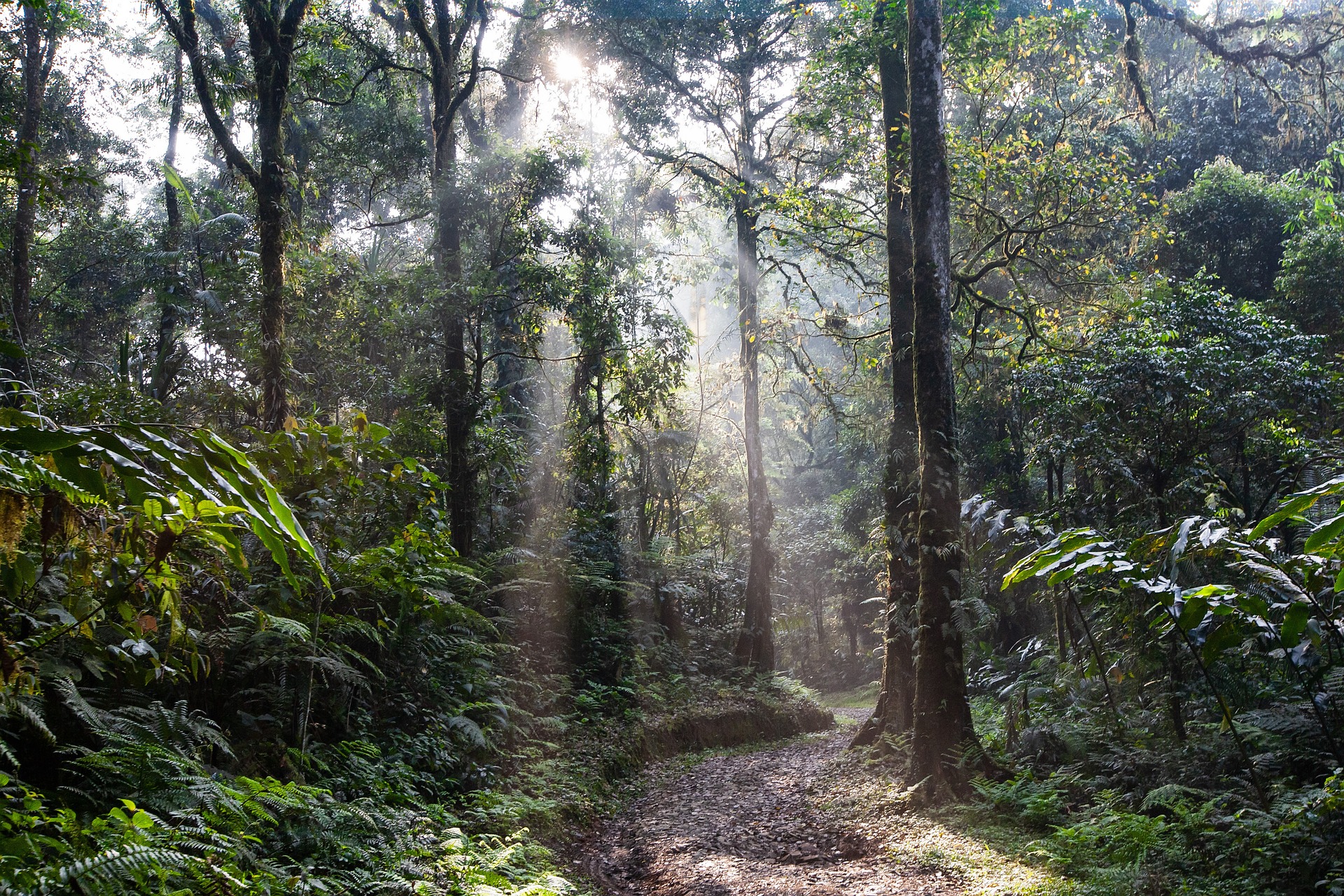
The Miskito emerged as a distinct people sometime in the 17th century along Central America’s Caribbean coast, formed from a blending of local Indigenous groups, most notably ancestors connected to the Sumu-speaking peoples of the region, with shipwrecked or escaped West African individuals who intermarried into coastal communities, and later with occasional English settlers and buccaneers who established trading posts along the shore.
This mixed ancestry is not incidental to Miskito identity, it is foundational to it. Unlike many Indigenous nations of the Americas whose identity rests on claims of unbroken descent from a single ancestral population, Miskito identity from its earliest formation already incorporated African, Indigenous, and eventually European threads, woven together along a coast that few outside powers ever fully controlled.
Early Miskito communities organized around river mouths and coastal lagoons, positions that gave them access to fishing grounds, turtle nesting beaches, and, crucially, direct contact with passing English, Dutch, and French ships looking for safe harbors, fresh water, and trading partners far from Spanish colonial authority. This geographic positioning shaped nearly everything that followed in Miskito history.
By the mid-1600s, Miskito leaders had already begun styling themselves as kings in the European sense, adopting titles and forging a formal relationship with English colonial authorities in Jamaica, a relationship that would define Miskito political life for the next two hundred years and set the Miskito apart from virtually every other Indigenous people in the region.
Where the Name Comes From
The origin of the name “Miskito” is debated among historians and linguists, and no single explanation has been definitively proven. One long-standing theory holds that the name derives from “musket,” a reference to firearms Miskito fighters obtained through trade with English allies well before neighboring groups had similar access, giving them a significant military advantage along the coast.
A separate and equally common theory ties the name instead to “Miskitu,” said to derive from a local word for the coastal territory itself or from the name of an early leader, with the coast then named after the people rather than the other way around, and the later Spanish and English term “Mosquito Coast” arising as a corrupted or reinterpreted version of that original term rather than a reference to the insect.
Confusingly, the widely used English name “Mosquito Coast” has led many outsiders to assume the region and its people were named for the insect, a misunderstanding that persists in popular usage today despite most serious historical and linguistic sources rejecting the insect etymology as a folk explanation layered on after the fact.
Whatever its precise origin, the name became attached early to both the coastal territory and its inhabitants in English and Spanish colonial records, and Miskito people today generally use the name themselves, alongside the Miskito-language term Miskitu, as a marker of proud, specific coastal identity distinct from other Indigenous and mestizo populations of Nicaragua and Honduras.
A Coastal Creole Language
Miskito is classified as a Misumalpan language, part of a small language family shared with the neighboring Sumu and Matagalpa peoples of Central America, and it is the most widely spoken Indigenous language on the Caribbean coast of Nicaragua and Honduras today, with roughly 150,000 to 200,000 speakers, making it one of the larger surviving Indigenous language communities in Central America relative to the size of the countries involved.
What distinguishes Miskito linguistically from most other Indigenous languages of the Americas is the sheer density of English loanwords absorbed over centuries of trade, alliance, and intermarriage with English-speaking traders, buccaneers, and later missionaries. Words for numbers above a certain count, many household objects, and various trade goods entered Miskito directly from English, producing a language that linguists describe as showing unusually deep and sustained contact influence from English compared to nearly any other Indigenous language in Latin America.
Miskito Coast Creole English, a distinct English-based creole language, also developed alongside Miskito itself along the coast, spoken particularly among Creole and mixed-heritage coastal communities in towns like Bluefields and Puerto Cabezas, adding yet another layer of linguistic complexity to a region where Miskito, Spanish, Creole English, and Sumu-Mayangna are all spoken within a relatively small geographic area.
Bilingual education programs teaching Miskito alongside Spanish have expanded since Nicaragua’s 1987 Autonomy Law recognized the linguistic rights of Caribbean coast communities, and Miskito-language radio, church services, and some print materials help sustain the language, though economic pressure and migration to Spanish-dominant urban centers continue to push younger generations toward Spanish in daily life.
The Coast Itself
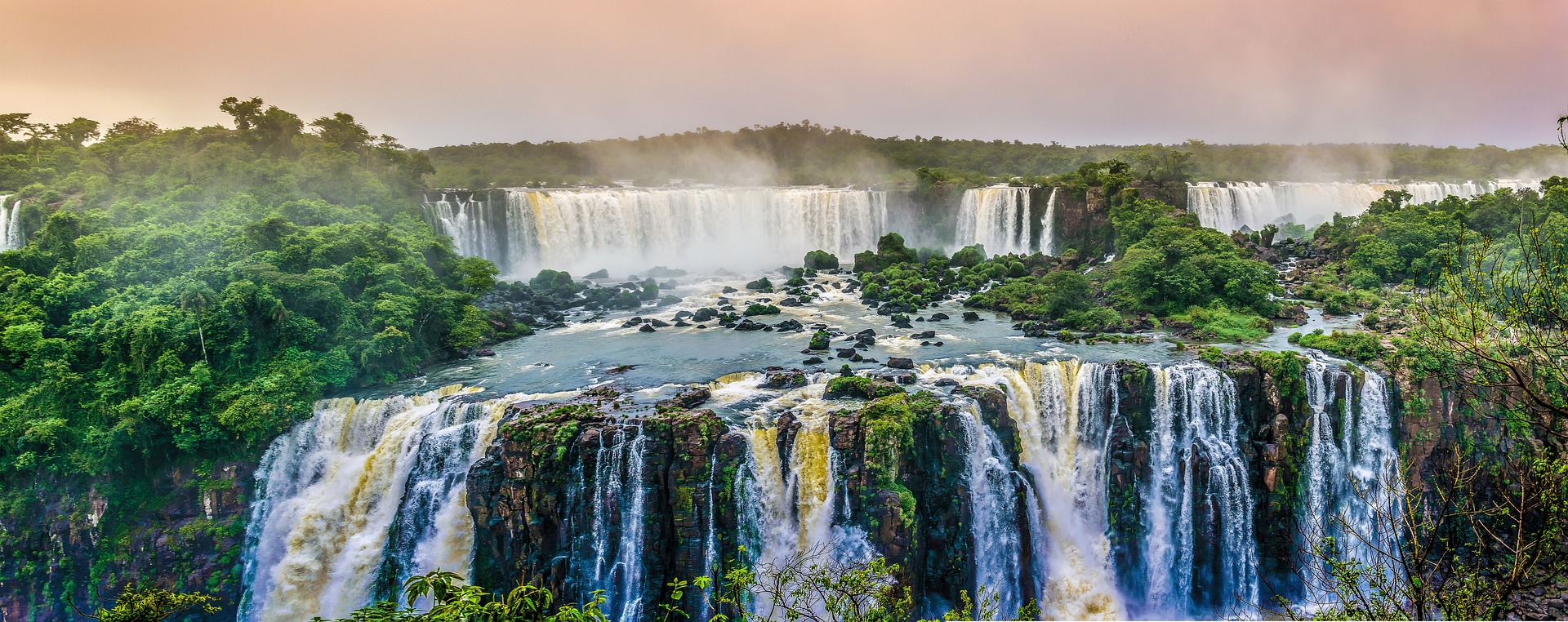
Miskito territory stretches along the Caribbean coastline of eastern Nicaragua and northeastern Honduras, an area historically and still often referred to as the Mosquito Coast or Miskito Coast, characterized by extensive pine savanna, mangrove lagoons, coastal barrier islands, and the mouths of several major rivers, most notably the Rio Coco, which forms much of the modern border between Nicaragua and Honduras and has long served as a central artery of Miskito life and settlement.
This geography differs sharply from the volcanic highlands and Pacific coastal plains most associated with Nicaragua in the popular imagination. The Caribbean lowlands receive far more rainfall, support different ecosystems entirely, including some of the largest remaining tracts of tropical rainforest in Central America within the Bosawas reserve, and historically were far less accessible from the Nicaraguan and Honduran capitals than from the sea itself, a fact that shaped centuries of relative political and cultural separation.
Coastal lagoons such as Bismuna, Wounta, and the waters around Bluefields Bay provided rich fishing grounds and safe anchorage that attracted foreign traders for centuries, while barrier islands and reefs further offshore, including the Miskito Cays, supported the turtle and lobster fisheries that remain economically vital today. Corn Island and Little Corn Island, though today more associated with Creole and tourism development, also sit within this broader coastal cultural zone.
Because much of this territory remained sparsely connected by road well into the twentieth century, river and coastal travel by boat has historically been, and in many communities remains, the primary means of moving people and goods, reinforcing a distinctly maritime and riverine orientation to Miskito life that differs markedly from inland, Spanish-speaking Central America.
Life Before Modern Borders
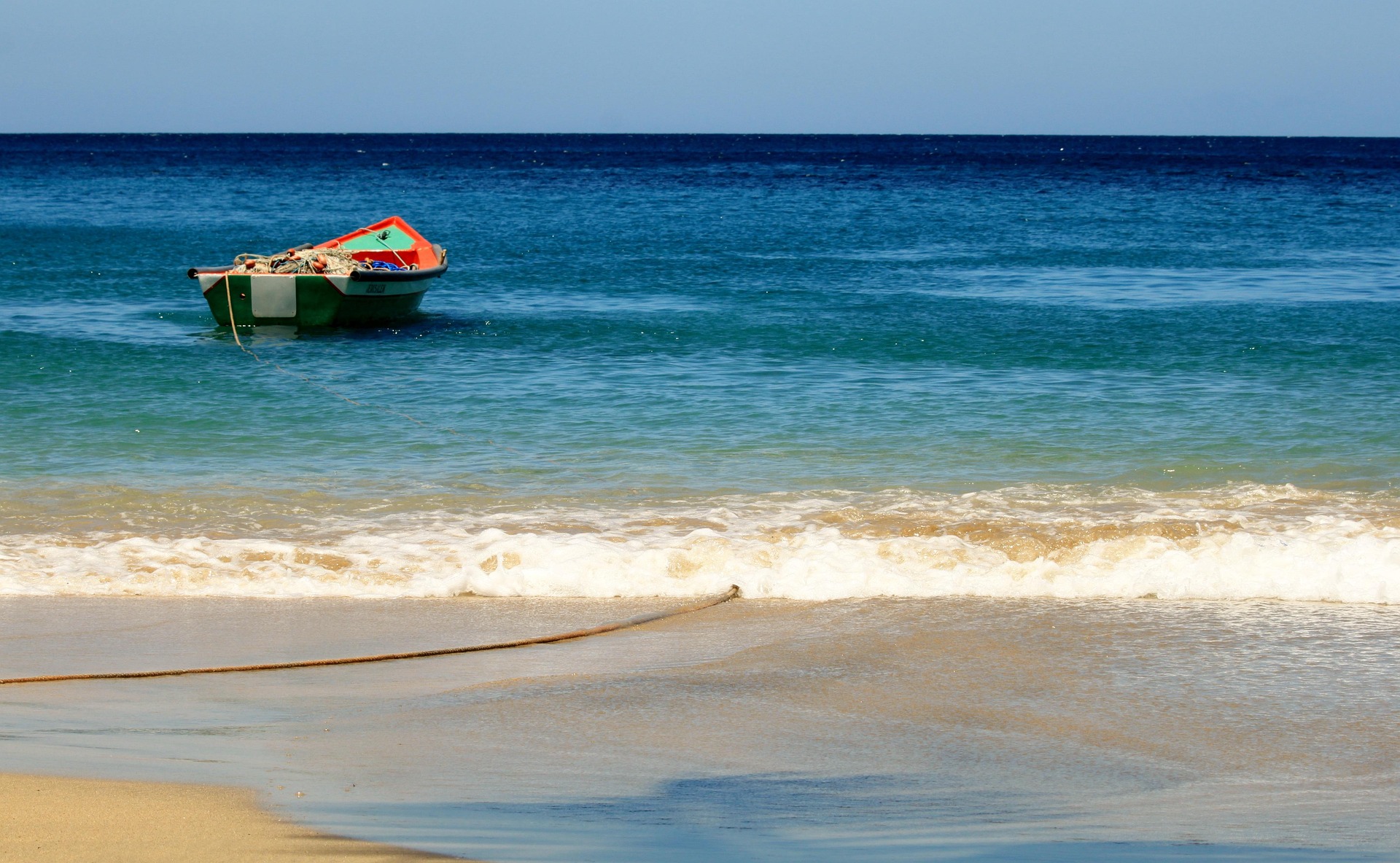
For centuries, Miskito subsistence centered on fishing, sea turtle hunting, and small-scale farming of root crops like cassava and plantains grown in forest clearings, supplemented by hunting in the pine savanna and rainforest interior. Coastal and river settlements were typically small, dispersed, and organized around extended kin groups rather than large centralized towns, a pattern that suited a landscape of scattered fishing grounds and farming plots rather than concentrated agricultural land.
Sea turtles, particularly green turtles that nested on Caribbean beaches and the offshore cays, were a critical food source and trade good for centuries, hunted using techniques including harpooning from small boats, a skill considered a marker of adult masculine status in many coastal communities. This turtle economy eventually connected Miskito hunters to a wider Caribbean and even transatlantic trade in turtle meat and shell that lasted into the twentieth century.
Trade with passing ships became deeply embedded in Miskito economic life from very early contact onward. Coastal communities supplied fresh water, food, timber, and other provisions to English, and later other European and American vessels, in exchange for firearms, tools, cloth, and other manufactured goods, a pattern of exchange that gave coastal Miskito communities earlier and more sustained access to European trade goods than most interior Indigenous groups in Central America.
Dugout canoes, carved from single large tree trunks using techniques passed down through generations, remained the primary means of transportation along rivers and coastal waters, some large enough to carry substantial cargo or several people on multi-day journeys between settlements, river mouths, and trading posts.
How Miskito Communities Are Organized
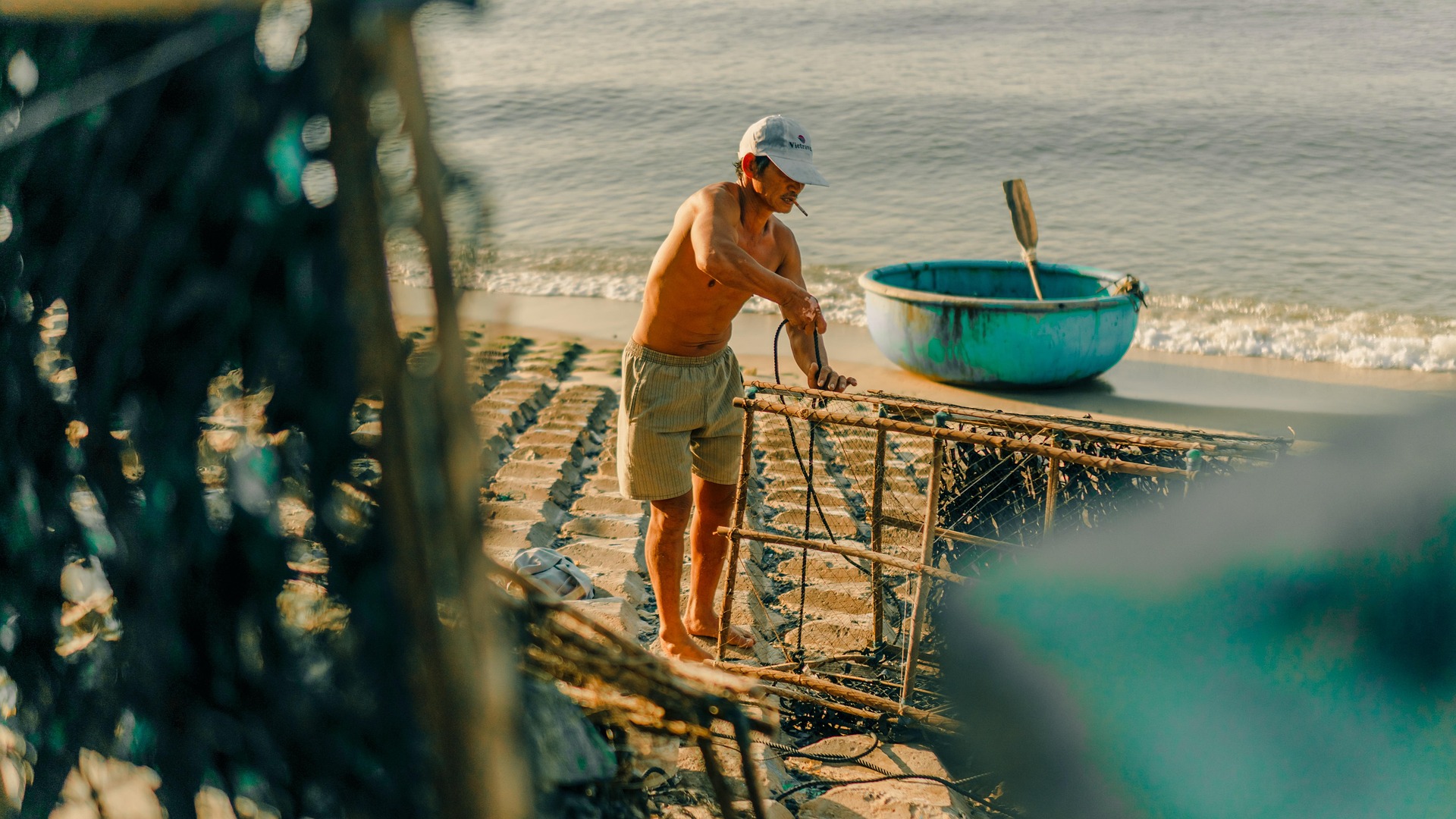
Historic Miskito political organization centered on a paramount figure who came to be recognized by the English as the “Miskito King,” a title and role that evolved from local leadership traditions but was formalized and reinforced through the British alliance beginning in the 17th century. Beneath this paramount leadership, local headmen and community leaders managed day-to-day affairs in individual river and coastal settlements, with considerable local autonomy in practice.
Kinship and extended family networks have long formed the core organizing unit of Miskito social life, with communities typically composed of related households cooperating in fishing, farming, and boat building, and with marriage alliances between coastal settlements helping maintain broader social and economic ties along the coast.
Gender roles historically divided labor along recognizable lines, with men undertaking fishing, turtle hunting, and boat construction, and women managing household farming plots, food preparation, and increasingly, in recent decades, wage labor and small trade in coastal towns, though these patterns have shifted considerably as more Miskito communities engage with the broader Nicaraguan and Honduran cash economies.
A major modern development came in 1987, when Nicaragua’s post-revolutionary government, after a period of serious armed conflict with Miskito communities during the 1980s, granted autonomy to the Caribbean coast through the creation of the North and South Caribbean Coast Autonomous Regions, giving Miskito and other coastal communities their own regional government structures, a level of formal recognition still relatively rare for Indigenous peoples across Latin America.
Faith Along the Coast
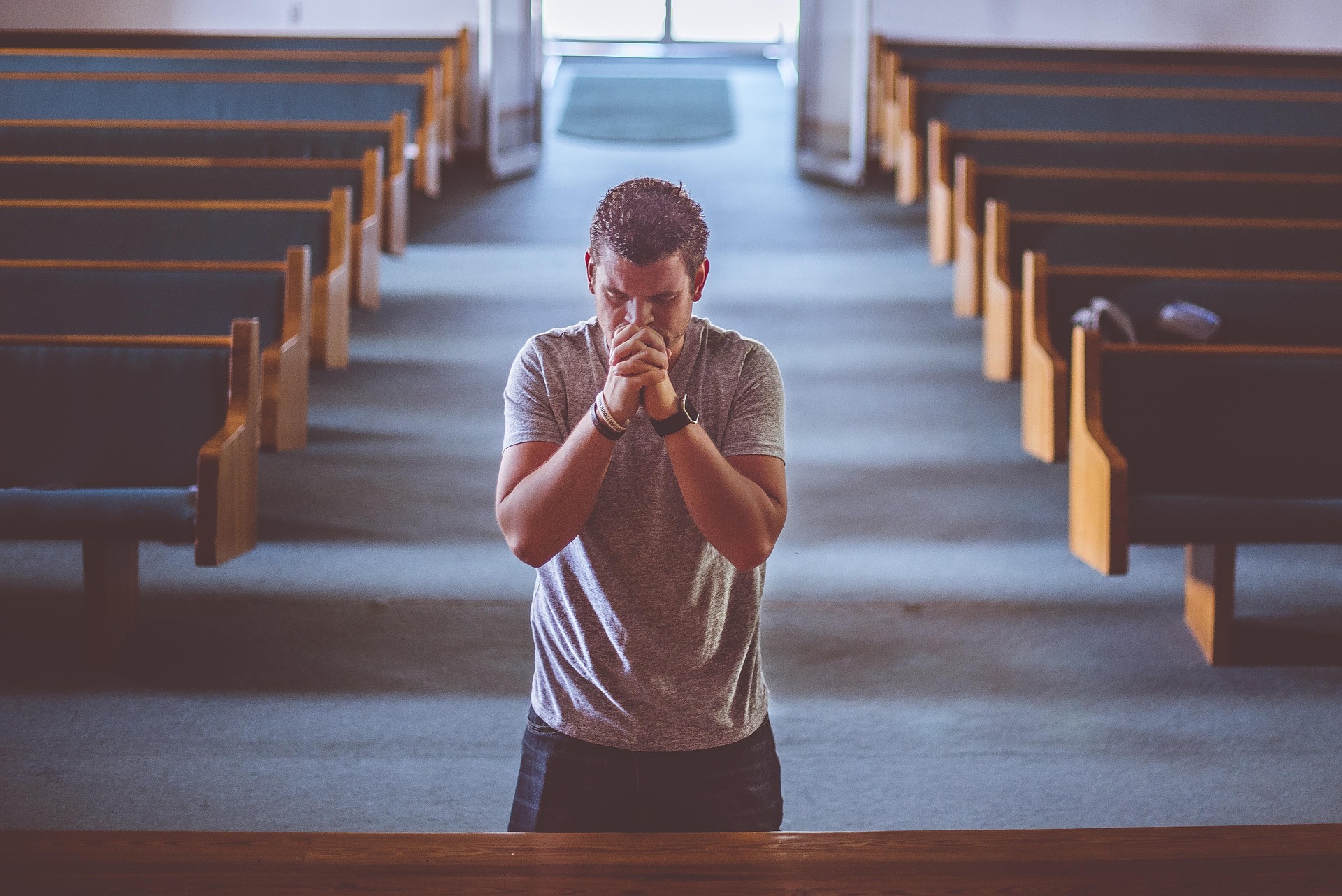
Pre-Christian Miskito spirituality centered on a belief system involving nature spirits, ancestral spirits, and ritual specialists known as sukias, who served as healers, diviners, and intermediaries with the spirit world, a role broadly comparable to shamanic traditions found among other Indigenous peoples across the Americas. Illness, misfortune, and important life decisions were often understood through this spiritual framework well into the colonial period.
Christianity arrived on the Mosquito Coast earlier and through a very different channel than in most of Spanish Catholic Central America. German Moravian missionaries began sustained work among the Miskito in the 1840s, building on earlier and more sporadic English Protestant contact, and their version of Christianity spread widely and durably through coastal communities over the following decades, in sharp contrast to the Catholic missionary efforts that shaped most of the rest of Nicaragua and Honduras.
Today, the Moravian Church remains the single most significant religious institution among the Miskito, with congregations in most coastal towns and villages, its own seminary training regional clergy, and church leadership often playing an important civic and political role in coastal community life beyond strictly religious matters, including during the political conflicts of the 1980s when church leaders helped mediate between Miskito communities and the national government.
Older spiritual beliefs have not disappeared entirely, and belief in sukias, protective and harmful spirits associated with the forest and water, and various traditional healing practices persists in many communities alongside regular Moravian church attendance, producing a religious landscape in which Protestant Christianity and older coastal beliefs coexist rather than one having fully displaced the other.
Customs That Bind the Coast Together
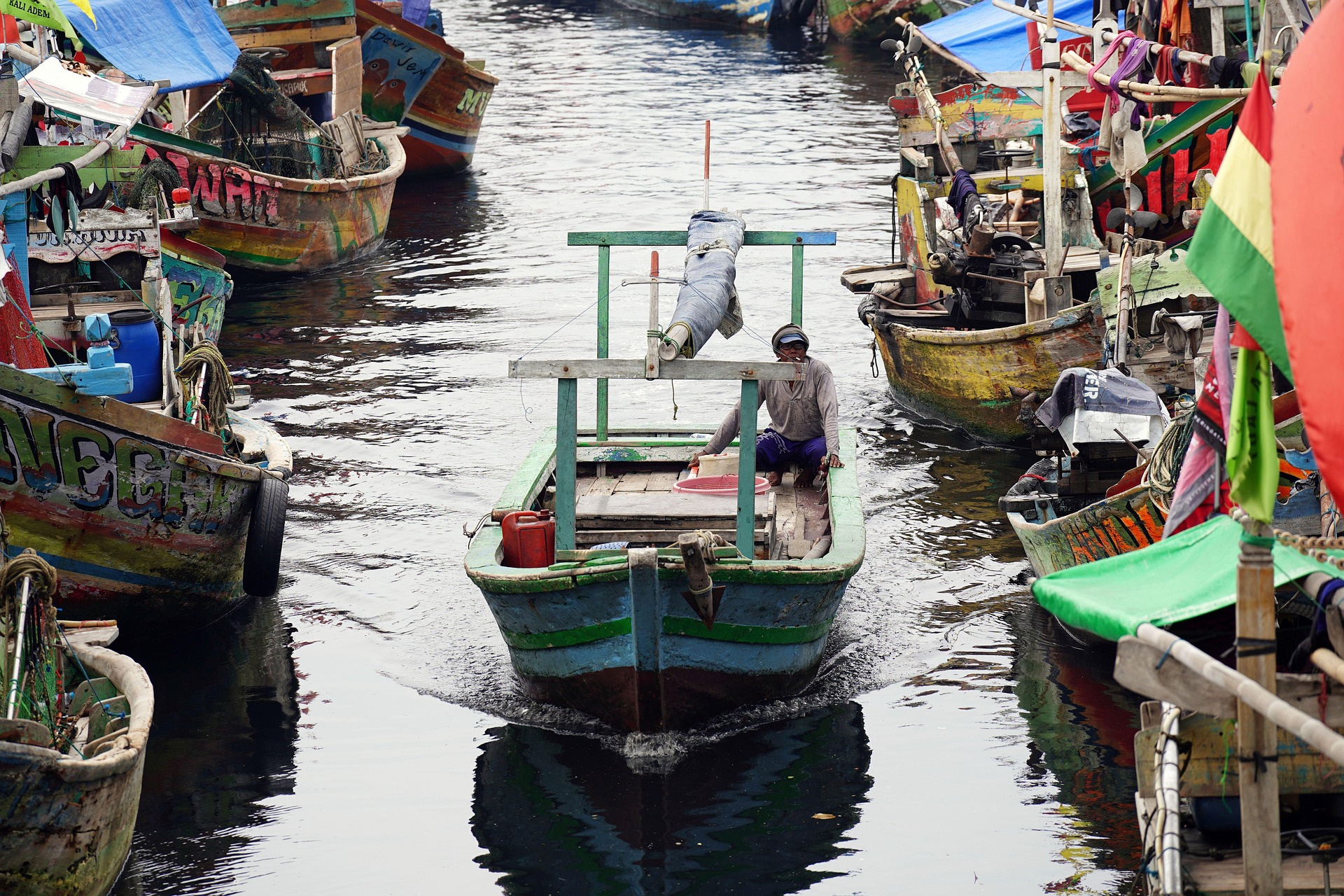
Extended family obligation remains one of the strongest organizing traditions in Miskito life, with successful fishers, lobster divers, and wage earners expected to share income and provisions with a wide network of relatives, a pattern that has helped coastal communities absorb economic shocks but has also drawn scholarly attention as a factor shaping migration and labor patterns in the region’s dangerous lobster diving industry.
Boat launching, house building, and clearing new farming plots have traditionally involved cooperative labor among neighbors and kin, with reciprocal expectations that those who help today will receive help in turn when their own needs arise, a mutual aid ethic broadly similar to patterns found in many other rural, coastal, and Indigenous communities across Latin America.
Naming practices, oral storytelling about ancestral figures and coastal spirits, and knowledge of turtle and fish behavior passed from elders to younger community members remain important, if increasingly challenged, means of transmitting Miskito identity and practical coastal survival knowledge to the next generation, particularly in more remote river and lagoon communities with less regular contact with larger towns.
Life-cycle events including baptisms, weddings, and funerals are typically marked through Moravian church ceremony blended with community gathering, shared food, and, in many communities, specific coastal customs surrounding mourning and remembrance of the dead that draw on older beliefs about the relationship between the living and ancestral or nature spirits.
Boats, Baskets, and Coastal Crafts
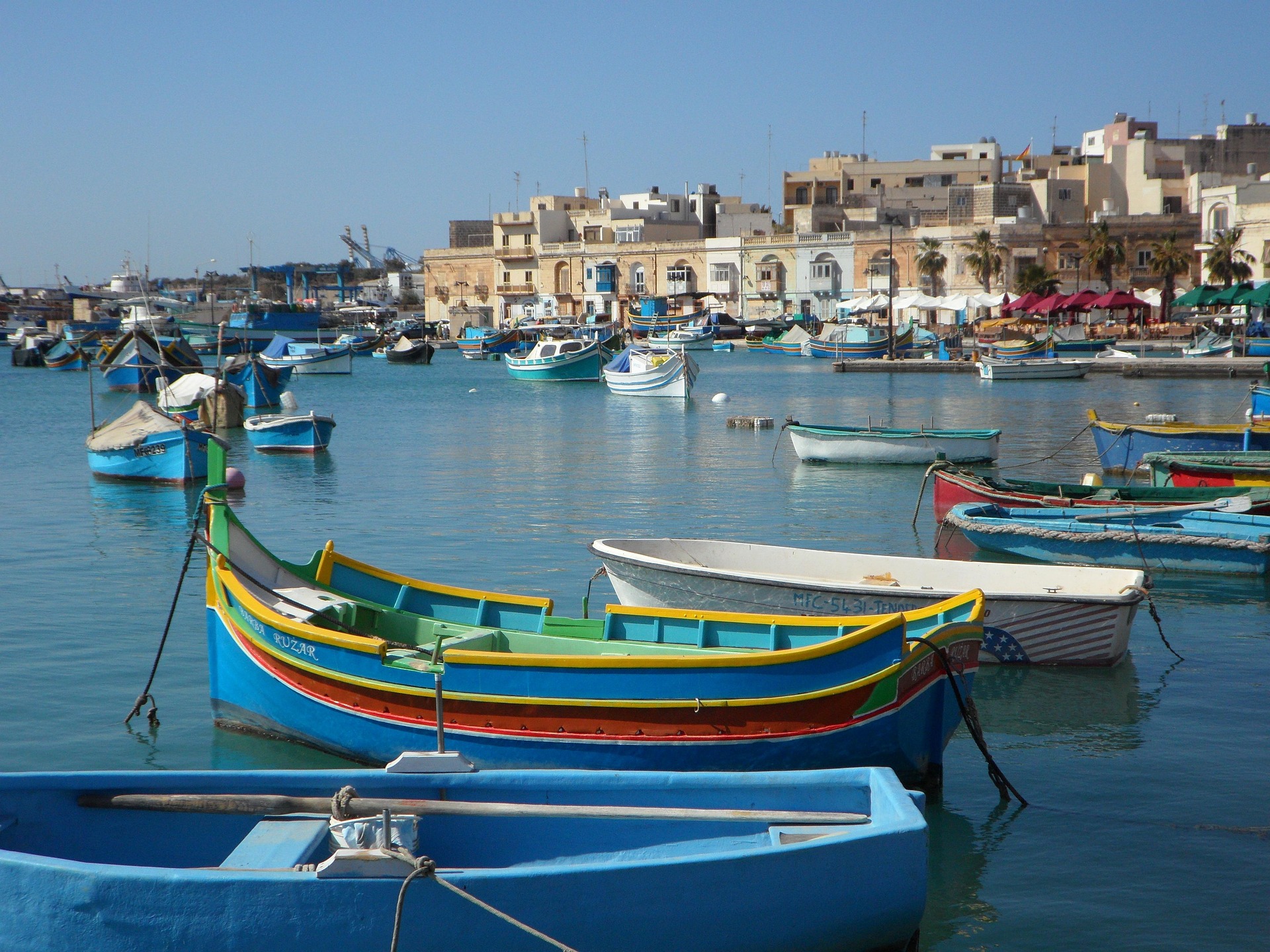
Dugout canoe carving stands as perhaps the most significant traditional Miskito craft, requiring skilled selection and shaping of large hardwood trunks into vessels capable of navigating both calm lagoons and open coastal water, a skill still practiced and valued in many river and coastal communities despite the increasing availability of manufactured boats and outboard motors.
Basket weaving using palm fiber and other locally available plant materials produces containers used for carrying farm produce, storing food, and processing cassava, with weaving techniques and patterns passed down within families much as in many other Indigenous craft traditions across the Americas, though Miskito basketry has received comparatively less international attention and market development than textile or ceramic traditions found elsewhere in Central America.
Net making and the maintenance of fishing gear represent another significant area of practical craft knowledge, with materials and techniques adapted specifically to the reef, lagoon, and river environments of the coast, and knowledge of good fishing spots, tidal patterns, and seasonal fish and turtle movement passed down as a form of craft knowledge in its own right, even if it leaves behind no physical object to display or sell.
In recent decades, some Miskito communities and cooperative organizations have begun developing small-scale craft production for sale to visitors and through fair trade channels, including woven items and carved wooden pieces, though tourism infrastructure along the Caribbean coast remains far less developed than on Nicaragua’s more heavily visited Pacific side, limiting the economic reach of these efforts so far.
Lobster, Cassava, and the Coastal Table
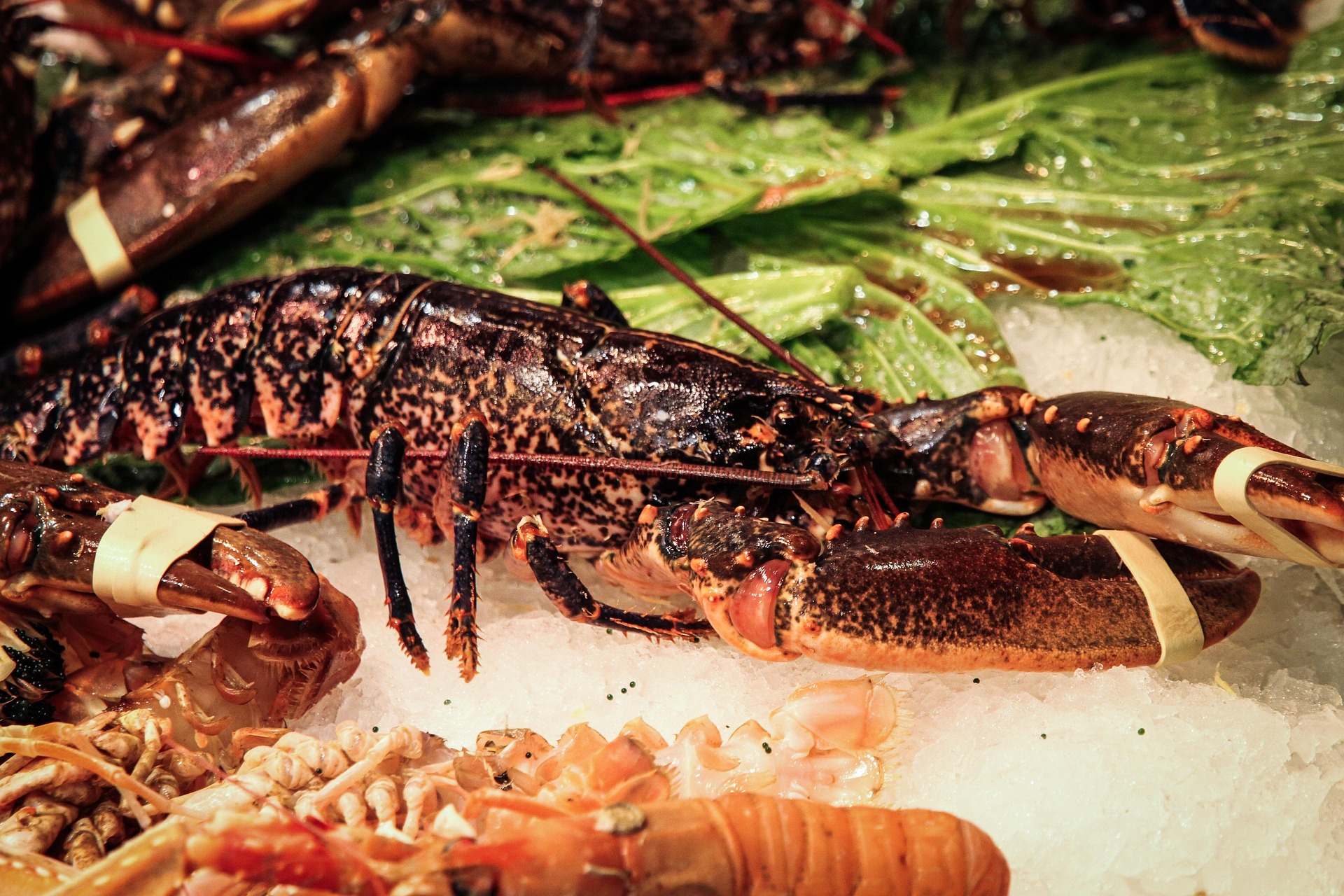
Seafood dominates the traditional Miskito diet in a way that distinguishes coastal cuisine sharply from the corn and bean-based diet more typical of Pacific-side Nicaragua and Honduras. Lobster, crab, shrimp, and a wide variety of reef and river fish are caught, prepared fresh, and often cooked in coconut milk, a preparation style that reflects both local ingredients and the broader Caribbean culinary influences that reach the coast through trade and shared regional identity with English-speaking Caribbean islands.
Cassava, also known locally as yuca, along with plantains and breadfruit, forms the starch base of most traditional meals, prepared boiled, fried, or ground into flour for various dishes, reflecting the tropical lowland agriculture suited to the region’s heavy rainfall and different growing conditions from the volcanic highland soils that support corn-based diets elsewhere in both countries.
Rondon, a one-pot stew combining seafood or meat, root vegetables, plantains, and coconut milk simmered together for hours, stands as one of the coast’s most emblematic dishes, shared broadly among Miskito, Creole, and Garifuna communities along the wider Caribbean coast of Central America, evidence of the deep culinary and cultural exchange that has long characterized this shoreline regardless of specific ethnic identity.
Wabul, a drink made from mashed ripe plantains mixed with coconut milk or water, and various preparations of fresh fish and turtle meat where still permitted under modern conservation regulations, round out a food culture shaped as much by the sea and river as by any single agricultural tradition, distinguishing Miskito foodways clearly from the corn-centered cuisines of most other Central American Indigenous peoples.
Music, Dance, and Community Celebration
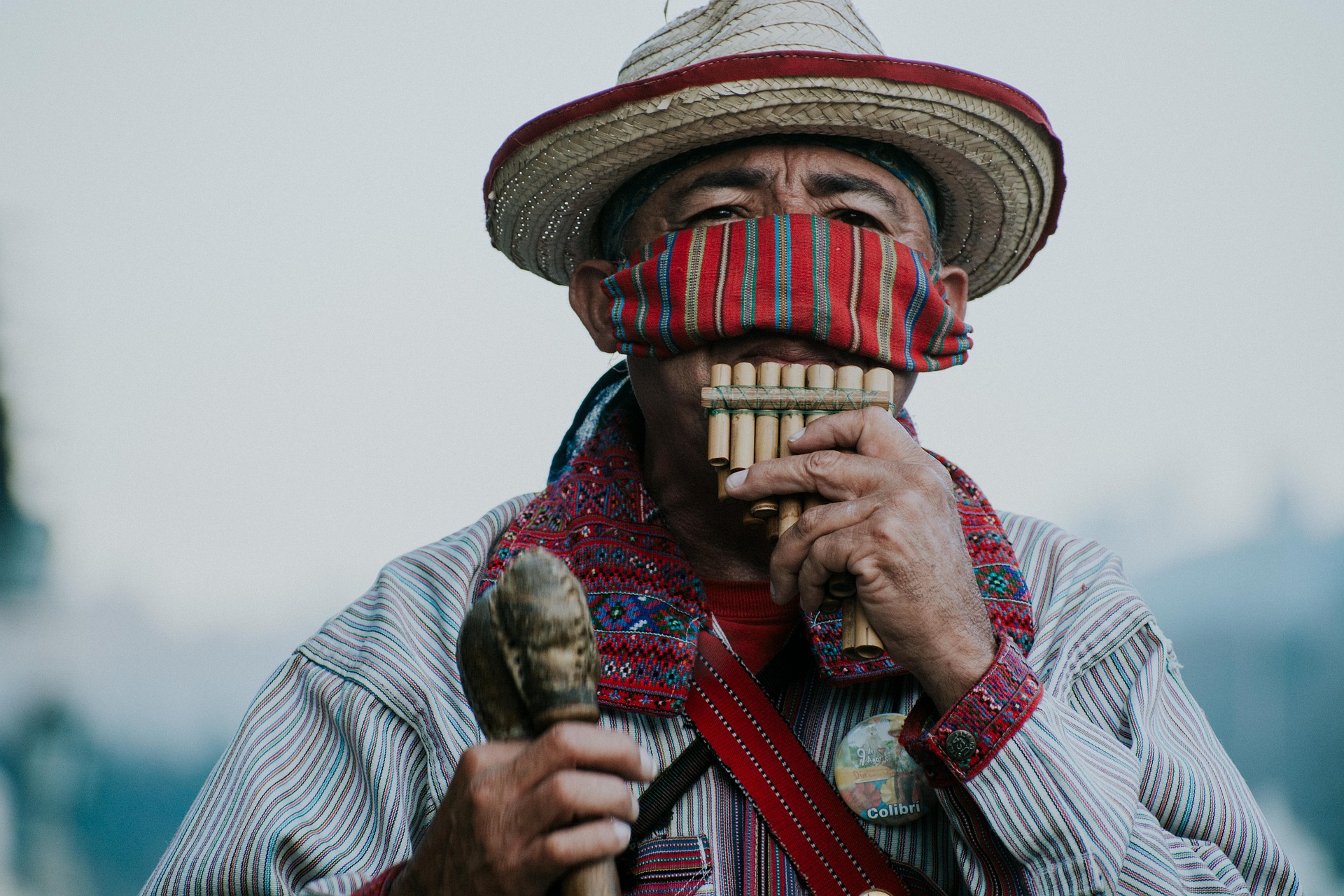
Moravian church calendar observances, including Christmas, Easter, and Harvest Festival celebrations, structure much of the annual community calendar in Miskito towns and villages, typically involving special services, shared communal meals, and, in many communities, music that blends hymn traditions introduced by German and English missionaries with local rhythmic and vocal styles developed over generations along the coast.
Community celebrations marking successful harvests, safe returns from fishing or diving expeditions, and other significant collective milestones bring extended families and neighboring settlements together for shared food, music, and, in some communities, traditional dances whose specific steps and songs vary somewhat from village to village along the coast.
Coastal Caribbean cultural influences shared with neighboring Creole and Garifuna communities have shaped a broader regional festival culture in towns like Bluefields, most visibly during Bluefields’ well-known Mayo Ya festival each May, a celebration rooted in Creole and broader Afro-Caribbean coastal culture in which Miskito residents of the region also participate, reflecting the closely interwoven social fabric of Nicaragua’s Caribbean coast.
Independence Day and other Nicaraguan national holidays are observed as well, though often alongside distinctly regional and coastal cultural elements that mark Caribbean coast celebrations as visibly different in character from equivalent holidays observed in Managua or other Pacific-side cities.
Kings, Empires, and a Long Road to Autonomy
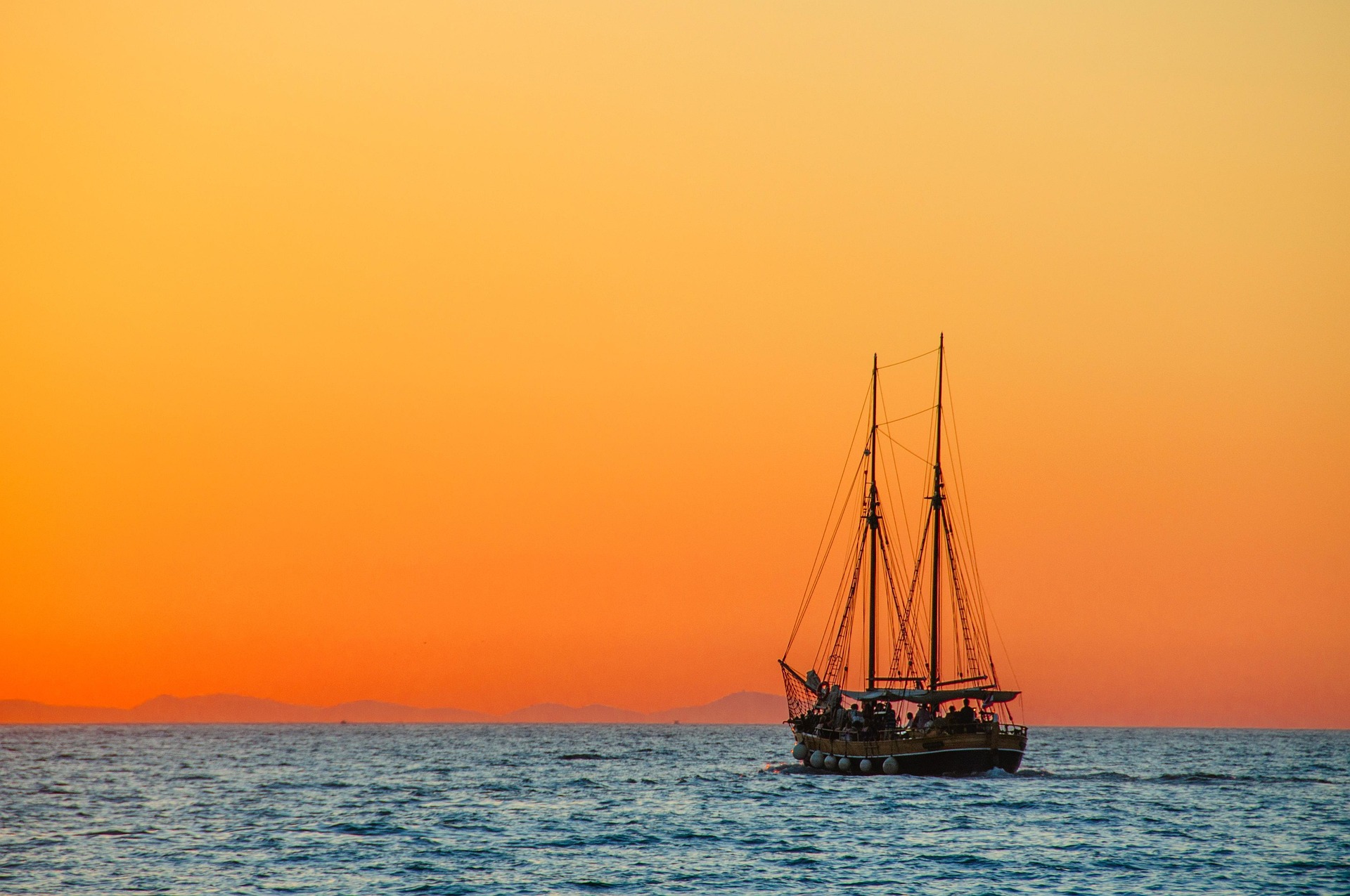
Formal relations between the Miskito and the English Crown date to at least 1687, when a Miskito leader traveled to Jamaica and was crowned “King of the Mosquito Nation” by the English colonial governor, establishing a client relationship that lasted, with various interruptions, into the nineteenth century. Successive Miskito kings used English backing to raid Spanish settlements, resist Spanish territorial claims, and maintain effective independence from Spanish colonial authority throughout the entire colonial period, a genuinely unusual outcome among Indigenous peoples of the Americas.
Britain formally recognized a Mosquito Protectorate along the coast in the nineteenth century, maintaining influence even as Central American nations gained independence from Spain in 1821, a source of persistent friction with the newly independent government of Nicaragua, which claimed sovereignty over the entire coast. British and later growing American commercial interest in the region, including banana and mahogany extraction, added further outside pressure through the late 1800s.
Nicaragua formally absorbed the Mosquito Reserve into national territory in 1894 under President Jose Santos Zelaya, an event Nicaraguan history remembers as the “Reincorporation of the Mosquito Coast,” though many Miskito accounts frame it rather as an annexation that ended their long period of effective self-government under British protection, a tension in historical interpretation that persists in the region today.
The most severe modern rupture came during Nicaragua’s 1980s civil conflict, when Miskito communities, wary of the Sandinista government’s early centralizing policies, in some cases allied with armed resistance groups, leading to serious violence, displacement, and refugee flight into Honduras. The conflict eventually pushed the Nicaraguan government toward negotiation, resulting in the 1987 Autonomy Statute that created the Caribbean coast’s current autonomous regional governments, a hard-won and still imperfect resolution that shapes Miskito political life to this day.
The Miskito Today
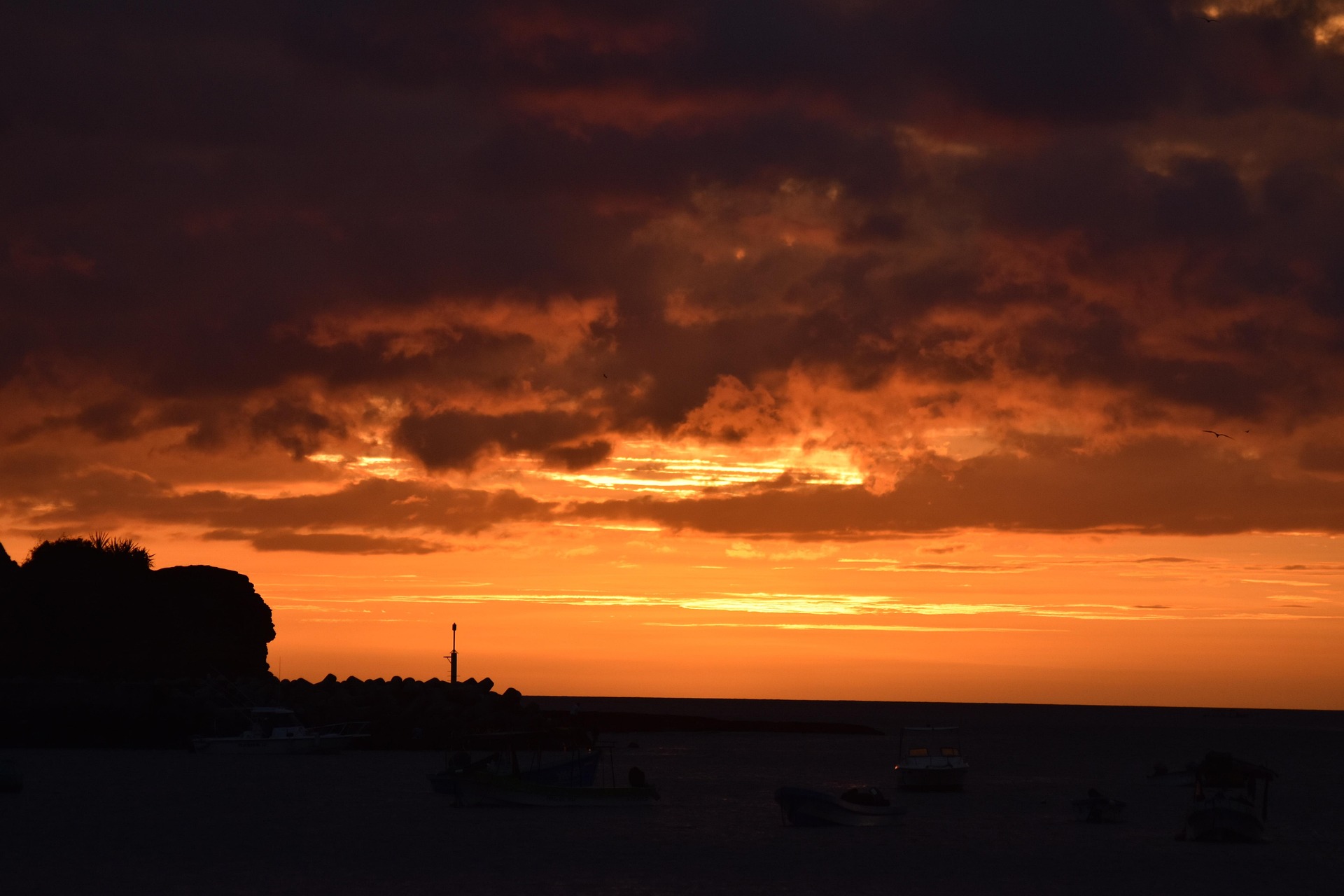
An estimated 150,000 to 200,000 Miskito people live today primarily in Nicaragua’s North and South Caribbean Coast Autonomous Regions, with a smaller population across the Rio Coco in Honduras, making them one of the larger and most politically organized Indigenous populations in Central America relative to their numbers, thanks in large part to the autonomy framework established after the conflicts of the 1980s.
Lobster diving remains a major, and dangerous, source of income for many young Miskito men, who dive to significant depths repeatedly per day using compressed air equipment with limited safety training or regulation, a practice that has produced a serious public health crisis of diving-related paralysis and injury known locally as “the bends” or mundo, prompting ongoing advocacy from Miskito community organizations and health workers for better labor protections and safer alternatives.
Land rights and resource extraction remain central and contentious issues, with Miskito territories facing pressure from illegal settlement by outside farmers and ranchers moving into the autonomous regions, along with mining and logging interests, despite legal recognition of communal land titles under Nicaraguan law, a gap between formal legal protection and practical enforcement that Miskito leaders and international human rights organizations have repeatedly raised as an urgent concern in recent years.
Even so, Miskito language, Moravian faith, coastal fishing traditions, and a distinct regional identity forged from centuries of contact between Indigenous, African, and English influences continue to define daily life along this stretch of coast. Further south and east along the same Caribbean shoreline, another people shaped by a similarly unusual blend of African and Indigenous ancestry, the Garifuna, carry forward an equally distinctive history worth exploring next.
Other Peoples of the Americas
This article is one entry in an ongoing collection profiling Indigenous and other peoples across the Americas. The profiles published so far are listed below for readers who want to explore further.
- The People Who Emerged Into This World, the Story of the Navajo
- The People Who Never Left the Mountains, the Story of the Quechua
- The People Who Never Vanished, the Story of the Maya
- The People of the Seven Council Fires, the Story of the Lakota
- The People of the Land Who Were Never Conquered, the Story of the Mapuche
- The People of Ice and Sea, the Story of the Inuit
- The Islands of the People, the Story of the Haida
- The Four Directions People, the Story of the Cree
- The Principal People, the Story of the Cherokee
- Aymara: A People Whose Words Refuse to Die
- Guarani: The Language That Became a Nation
- Tehuelche: Giants of Patagonia’s Windswept Plains
- Diaguita: A Nation Chile Forgot, Then Remembered
- Likan Antai: Life at the Edge of the Driest Desert on Earth
- Wayuu: The Desert People an Empire Could Never Conquer
- Guna: Islanders Who Govern Their Own Corner of Panama
- Yanomami: Guardians of the Amazon’s Deepest Forest
- Taino: The People Declared Extinct Who Never Left
- Kogi: The Elder Brothers Watching Over the Mountain
- Zapotec: A People Older Than the Aztec Empire
You May Like
The Damara, an Ancient People of Namibia


One thought on “Miskito: The Coast That Crowned Its Own Kings”