At the far southern end of South America, where the continent narrows toward Cape Horn and the wind rarely stops blowing, a people once thrived on foot and on horseback across one of the emptiest, harshest landscapes on Earth. The Tehuelche, sometimes remembered through old European travel accounts as unusually tall, hunted guanaco across the Patagonian steppe for thousands of years before the modern borders of Argentina and Chile ever existed.
Their world was shaped by distance and weather rather than dense forest or fertile floodplain: enormous open grasslands, sudden storms, and a horizon that could stretch for days of walking without a single tree in sight. Out of this demanding terrain came a highly mobile society built around hunting skill, close reading of the land, and eventually, after contact with Spanish horses, one of the most impressive equestrian cultures in the Americas.
This is the story of the Tehuelche: where they came from, what their name actually means, the traces of their language that survive, the vast homeland that shaped them, their old hunting way of life, how their society and beliefs were structured, their traditions and crafts, their food, their gatherings, the difficult history of the nineteenth century, and where their descendants stand in Patagonia today.
- Origins on the Southern Steppe
- What “Tehuelche” Means
- Traces of a Fading Language
- The Vast Patagonian Homeland
- The Old Life of the Guanaco Hunters
- Society, Kinship, and Leadership
- Belief, Ritual, and the Spirit World
- Life at the Edge of the Continent
- Craft and Practical Skill
- Food of the Open Plain
- Gathering and Celebration
- The Conquest of the Desert
- The Tehuelche Today
Origins on the Southern Steppe
The ancestors of the Tehuelche are believed to have inhabited Patagonia for at least ten thousand years, among the earliest human populations to reach the southern tip of the Americas after the initial migrations across the continent. Archaeological sites across the region, including rock shelters and open-air camps, reveal a long, continuous record of hunting societies adapted to a cold, wind-scoured environment.
Over centuries, distinct regional groups emerged across the vast Patagonian territory, often grouped by outsiders and later ethnographers into northern and southern Tehuelche divisions, alongside related and sometimes overlapping groups such as the Selk’nam further south in Tierra del Fuego. These groups shared broad linguistic and cultural similarities while maintaining distinct territories and dialects.
For most of their history, Tehuelche groups traveled on foot, following guanaco herds and seasonal resources across enormous distances, a pattern that required intimate, detailed geographic knowledge passed down through generations. This changed dramatically in the eighteenth century with the spread of horses northward from Spanish settlements, transforming Tehuelche mobility, hunting efficiency, and eventually their relationship with neighboring peoples, including the Mapuche.
By the time of sustained European contact in the nineteenth century, Tehuelche groups had absorbed significant Mapuche cultural influence through trade, intermarriage, and shared horse culture, a process sometimes called Araucanization, blending Patagonian and Mapuche traditions into new, adaptive forms of Indigenous identity across the southern cone.
Early European visitors, including Ferdinand Magellan’s expedition in the sixteenth century, were among the first to record encounters with Patagonia’s inhabitants, leaving accounts that mixed genuine observation with exaggeration, laying the groundwork for centuries of European fascination with the supposed “giants” of the far south.
What “Tehuelche” Means
“Tehuelche” is not a name the people used for themselves originally; it comes from Mapudungun, the Mapuche language, roughly translating to “fierce people” or “people from the south,” reflecting how neighboring Mapuche groups described the population living further south across the steppe.
Early Spanish and other European explorers popularized a different, even more dramatic label: Patagones, meaning something like “people with big feet,” a name that in turn gave Patagonia its own name. This came from exaggerated reports of unusually large footprints or the animal-hide boots Tehuelche hunters wore, which left oversized impressions in sand or snow.
These outsider names contributed to centuries of European myth-making about the Tehuelche as giants, tales that appeared in explorer journals and even influenced early modern literature. Actual historical accounts suggest Tehuelche men were often notably tall by contemporary European standards, but the “giant” stories that circulated in Europe were considerably exaggerated.
Tehuelche groups themselves used more specific self-designations tied to particular regions and dialects, such as Aonikenk in the south, terms still used today by descendant communities who prefer them over the broader, externally applied “Tehuelche” label in certain contexts, even as “Tehuelche” remains the most widely recognized umbrella term.
Traces of a Fading Language
Tehuelche languages, most notably Aonikenk (also called Southern Tehuelche), belong to the Chonan language family, a small linguistic group historically spoken across Patagonia and largely unrelated to the major language families of the Andes or Amazon. By the early twenty-first century, fluent first-language speakers had dwindled to a small handful of elderly individuals.
Linguists and community members have worked urgently in recent decades to document Aonikenk before it disappears entirely, recording elder speakers, compiling dictionaries, and archiving grammar notes that might otherwise have been lost. This kind of last-generation documentation work has become a familiar, painful pattern among many small Indigenous language communities in the Americas.
Related Chonan languages, including Selk’nam and Haush, spoken further south in Tierra del Fuego, are now considered extinct as spoken first languages, surviving only in recordings, wordlists, and revival efforts led by descendant communities determined to reclaim at least partial fluency and ceremonial use.
Despite the loss of everyday fluency, place names across Patagonia, from rivers to mountain ranges, still carry Tehuelche-language roots, a quiet but persistent linguistic fingerprint across the region’s maps, even where the language itself is no longer spoken in daily conversation.
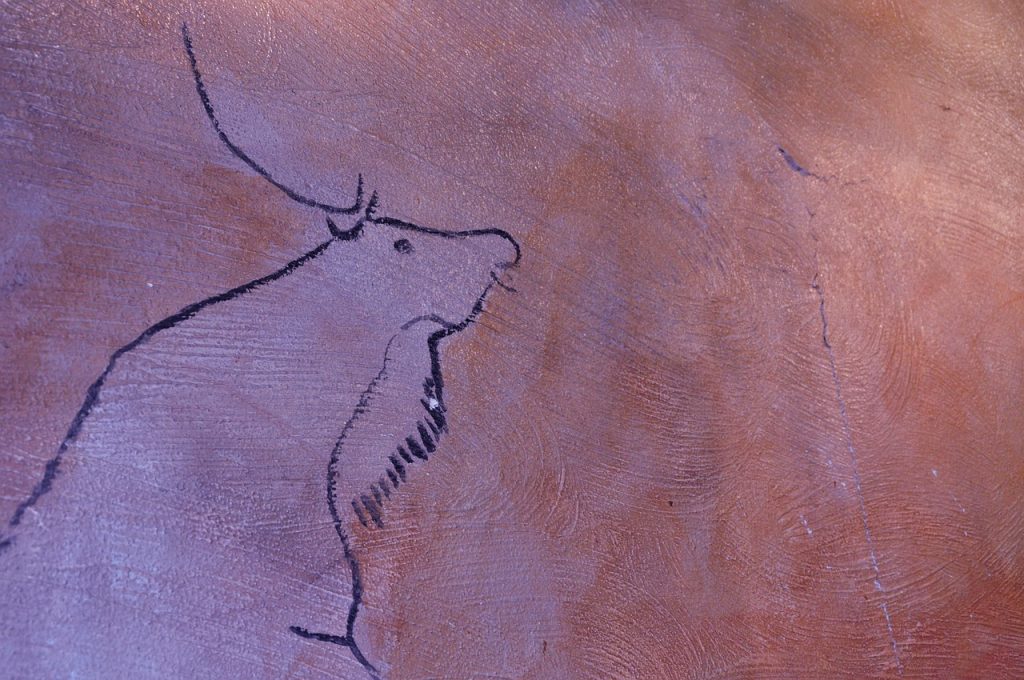
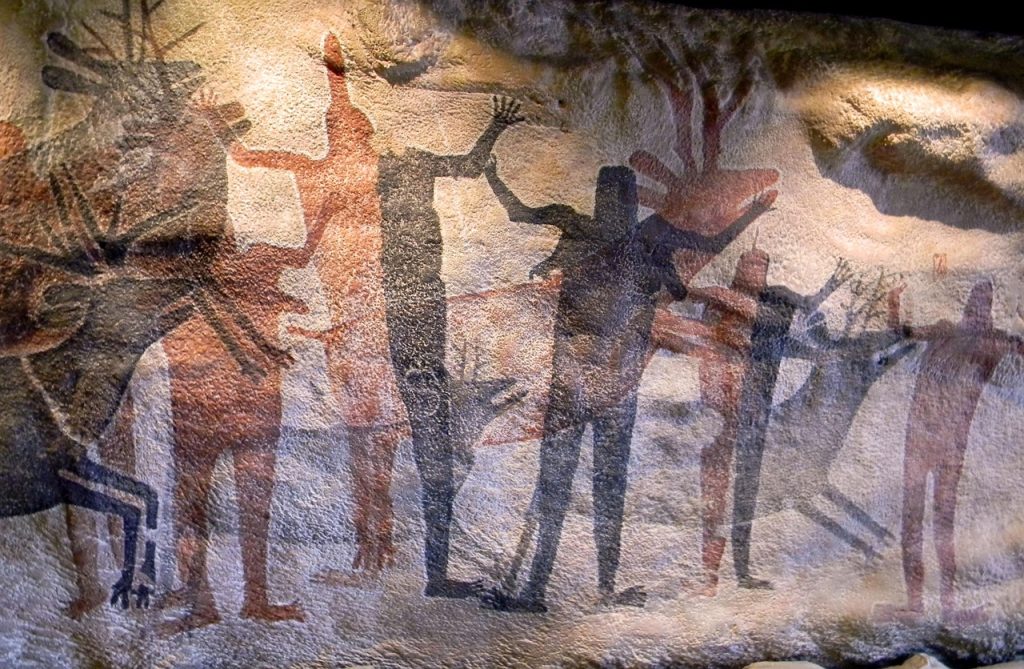
Rock art sites scattered across Patagonia, including painted hand stencils found in caves and rock shelters, are now understood by archaeologists to span thousands of years of continuous use, with some of the oldest examples predating the more famous hand paintings of Cueva de las Manos by many centuries, suggesting an extraordinarily long, continuous artistic tradition in the region.
The Vast Patagonian Homeland
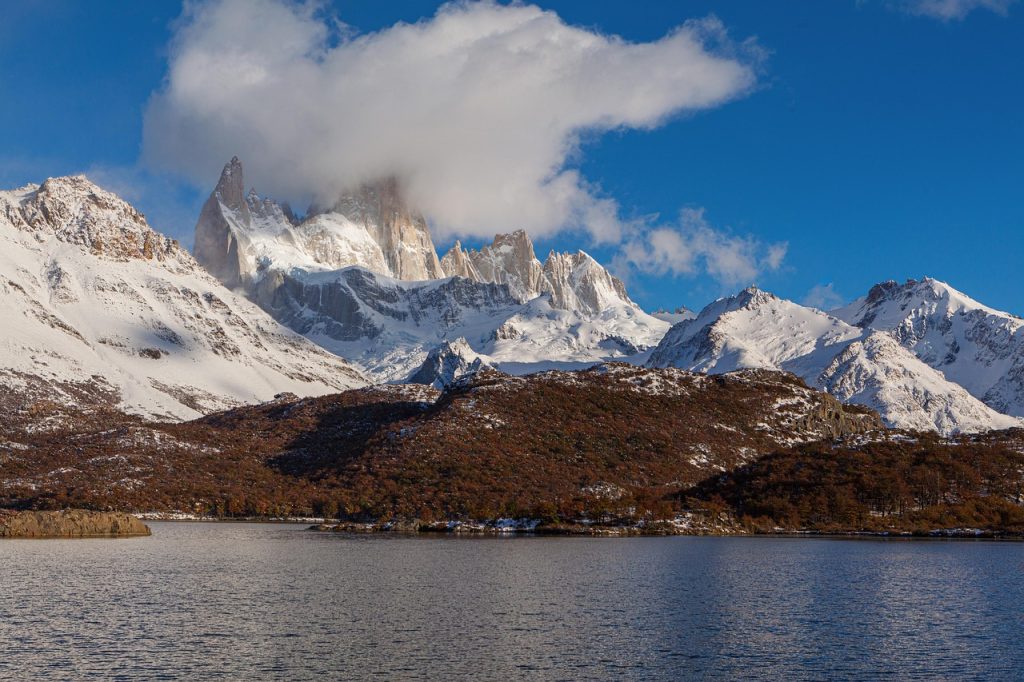
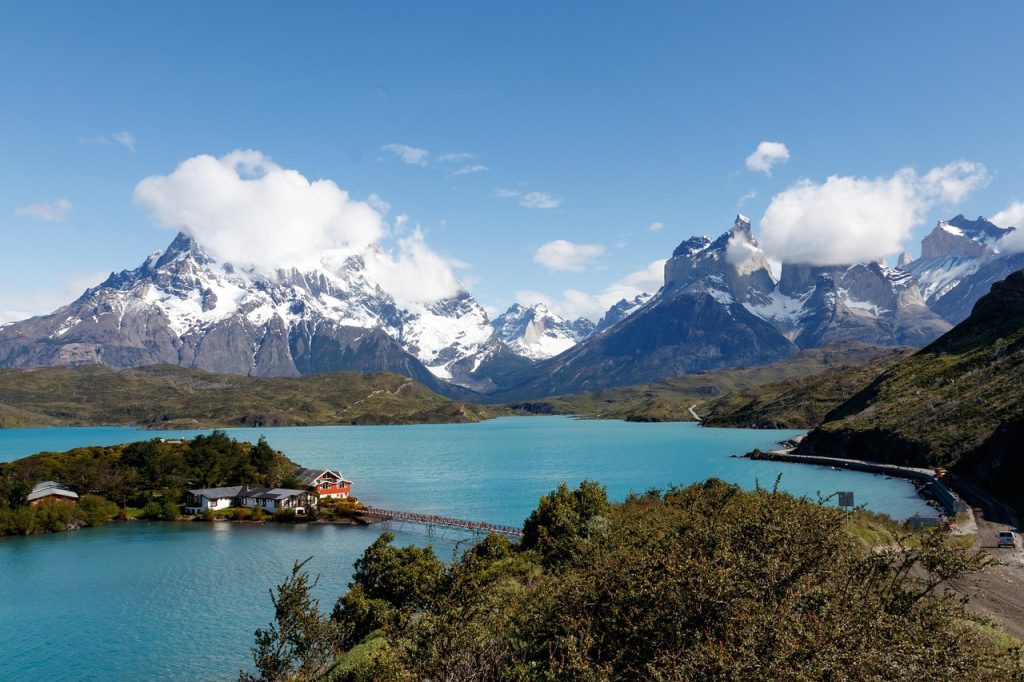
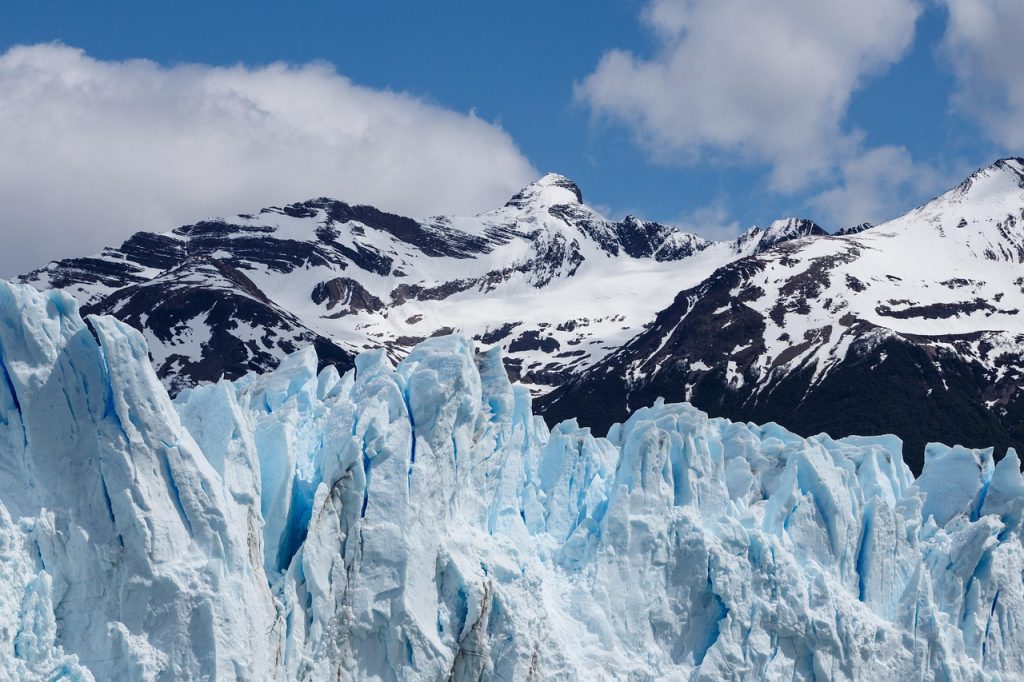
Tehuelche territory historically stretched across the immense Patagonian steppe, from roughly the Rio Negro in the north down through the plains of Santa Cruz province to the Strait of Magellan, spanning both present-day Argentina and parts of Chile. This is one of the largest and least densely populated regions in South America, defined by dry grassland, scattered scrub, and near-constant wind.
Unlike the towering, glaciated peaks that draw modern tourists to places like Torres del Paine and El Chalten, most of the Tehuelche homeland is flatter, drier steppe country, punctuated occasionally by canyons, lakes, and the dramatic mountain ranges that rise abruptly near the Andes to the west.
This environment offered relatively few resources concentrated in any one place, which shaped a highly mobile lifestyle focused on tracking seasonal guanaco migrations and other available resources rather than settling permanently near a single reliable food source, as was more common in resource-rich regions elsewhere in the Americas.
Weather in Patagonia remains notoriously extreme and changeable, with fierce winds capable of reaching hurricane force and temperatures swinging dramatically between day and night. Surviving comfortably in this climate required specialized clothing, shelter, and travel knowledge that the Tehuelche refined over many centuries of continuous habitation.
Seasonal camps near lakes and rivers offered temporary relief from the driest parts of the steppe, and Tehuelche groups tracked not only guanaco but also seasonal plant resources and waterfowl, building a detailed mental map of resource availability across a territory too vast for any single family group to occupy permanently.
ok 1-4The Old Life of the Guanaco Hunters
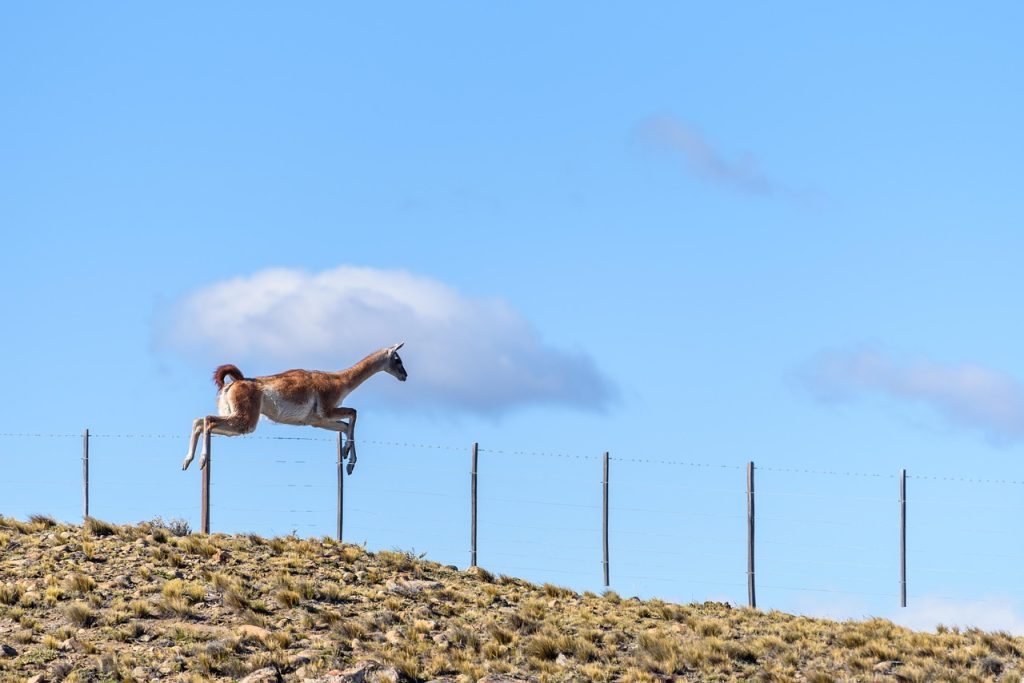
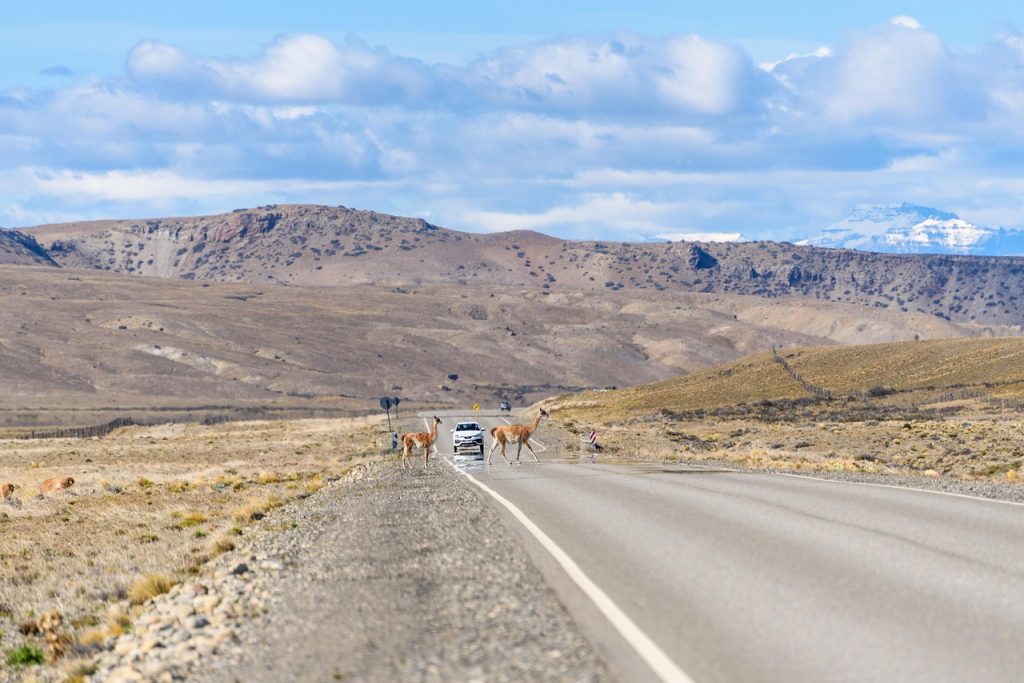
The guanaco, a wild relative of the llama, was the single most important resource in traditional Tehuelche life, providing meat, hide for clothing and shelter, sinew for cordage, and bone for tools. Successful guanaco hunting required deep knowledge of herd behavior, seasonal movement, and terrain, skills taught from childhood and refined over a lifetime.
Before the arrival of horses, hunters used coordinated foot drives, sometimes funneling guanaco herds toward natural barriers or ambush points, along with bolas, weighted cords thrown to entangle an animal’s legs, a tool that became iconic of Patagonian hunting culture and is still recognized as a symbol of the region today.
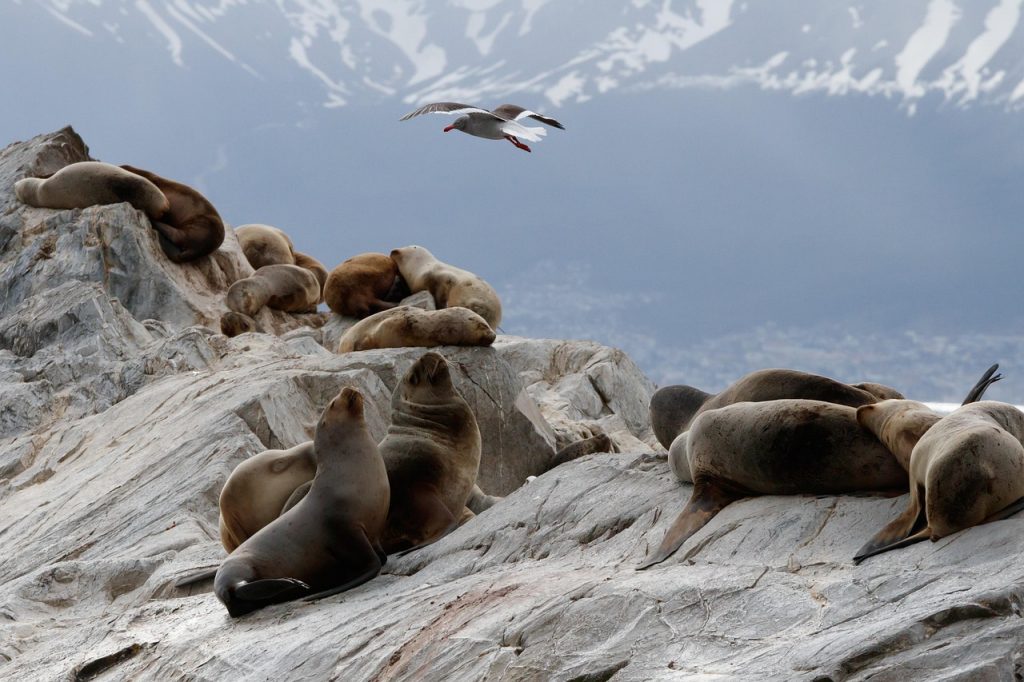
Coastal and lakeside Tehuelche groups supplemented guanaco hunting with fishing and the gathering of shellfish, sea lions, and other marine resources, showing that Tehuelche subsistence was adaptable to the specific ecology of whichever part of Patagonia a group inhabited rather than being uniform across the entire territory.
The adoption of horses beginning in the eighteenth century revolutionized hunting efficiency, allowing much larger territorial ranges, faster pursuit of guanaco herds, and new forms of wealth and status tied to horse ownership and horsemanship, a shift that reshaped Tehuelche society within a few generations.
Society, Kinship, and Leadership
Traditional Tehuelche society was organized into small, mobile bands of related families, typically led by a cacique, a respected leader chosen for hunting skill, oratory ability, and demonstrated wisdom rather than strict hereditary right, though leadership sometimes did pass through prominent family lines over time.
Bands merged and split seasonally depending on resource availability, coming together for larger gatherings during periods of abundance and dispersing into smaller family groups when resources were scarce, a flexible social structure well suited to the unpredictable Patagonian environment.
Horse breeding also became a significant marker of prestige among Tehuelche families following the animal’s adoption, with skilled riders and horse trainers earning particular respect, and horse-based raiding and trading networks extending Tehuelche influence and contact well beyond their traditional foot-travel range.
Marriage alliances between bands helped maintain social ties across the vast territory, and gift exchange, particularly involving guanaco hides, ostrich feathers, and later horses and European trade goods, reinforced relationships between different family groups spread across enormous distances.
Following extensive contact with Mapuche groups from the west, some Tehuelche communities adopted elements of Mapuche social and political organization, including more centralized leadership structures useful for coordinating resistance and diplomacy during the increasingly violent nineteenth-century encounters with expanding Argentine and Chilean states.
Charles Darwin himself passed through Patagonia during the voyage of the Beagle in the 1830s, recording observations of the landscape and its Indigenous inhabitants that later fed into broader nineteenth-century European debates about human diversity, some of which were later used, unfortunately, to justify discriminatory policy toward Indigenous Patagonians.
Belief, Ritual, and the Spirit World
Tehuelche spirituality centered on a rich cosmology involving powerful spirits associated with weather, animals, and the landscape itself, along with a supreme being often identified in later ethnographic accounts as a creator figure responsible for shaping the world and its inhabitants.
Shamans, both men and women, played a central role in Tehuelche religious life, conducting healing rituals, interpreting dreams, and mediating between the community and the spirit world, particularly during times of illness, difficult hunts, or significant life transitions such as puberty ceremonies.
The kloketen, a demanding male initiation ceremony documented among related Selk’nam groups further south and echoed in some Tehuelche practices, marked the transition from boyhood to adulthood through tests of endurance, secrecy, and instruction in the responsibilities of adult life.
Death rituals emphasized proper treatment of the deceased and their belongings, with some groups practicing secondary burial customs and specific mourning periods, reflecting a broader worldview in which the relationship between the living and the dead required careful, respectful maintenance.
ok 5-7Life at the Edge of the Continent
Tehuelche and closely related groups extended their presence to the very edge of the continent, into the archipelago of Tierra del Fuego, where related peoples like the Selk’nam and Yaghan developed distinct adaptations to an even harsher, colder, and wetter environment shaped by proximity to the Southern Ocean.
Body paint and elaborate ceremonial decoration held deep significance across these southern groups, used both in daily practice and, more elaborately, during major ritual events, with specific patterns and colors carrying meaning tied to clan identity, ceremony, or spiritual protection.
Guanaco-hide cloaks, known as quillangos among Tehuelche groups, served as both practical protection against the brutal Patagonian cold and a canvas for painted designs, often created by women and considered both functional clothing and a form of artistic expression passed down through specific techniques.
Contact and exchange between mainland Tehuelche groups and the more isolated peoples of Tierra del Fuego continued for centuries, connected by trade in hides, feathers, and other goods, even as the extreme geography of the Strait of Magellan created real barriers to regular travel and communication.
Missionaries, both Catholic and Anglican, established a presence in parts of Patagonia and Tierra del Fuego during the nineteenth century, sometimes providing refuge for displaced Indigenous families while also actively working to replace traditional belief and language with Christian practice and Spanish or English instruction, a mixed legacy still debated among descendant communities.
Craft and Practical Skill
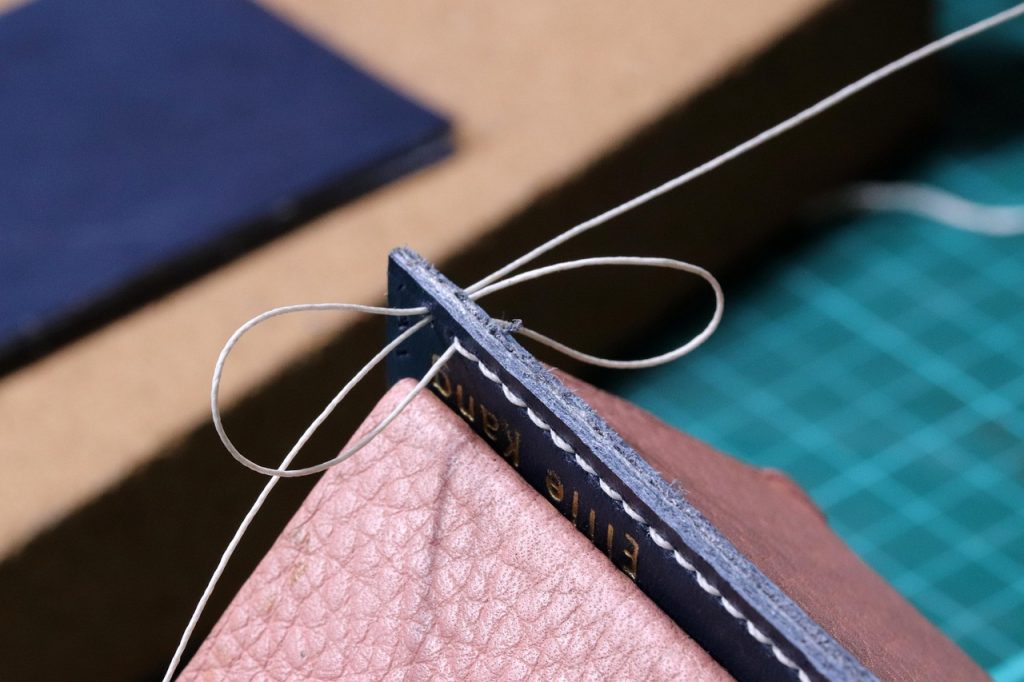
Tehuelche material culture emphasized practical, portable craftsmanship suited to a mobile lifestyle, including finely worked bone and stone tools, woven guanaco-sinew cordage, and skillfully tanned hides used for clothing, tents, and containers that could be packed and moved efficiently across long distances.
Toldos, the traditional Tehuelche dwelling, consisted of a wooden frame covered in sewn guanaco hides, designed for quick assembly and disassembly to match the group’s mobile hunting schedule, offering effective shelter against Patagonian wind while remaining light enough to transport.
Featherwork using ostrich, or rhea, plumes was another valued craft, used in ceremonial headdresses and decoration, reflecting the importance of the rhea alongside the guanaco as a key resource across the Patagonian steppe, hunted for both meat and feathers.
Contemporary Tehuelche descendants and cultural organizations in Patagonia have worked to revive and teach traditional crafts including hide-tanning, cordage-making, and painted quillango design, treating these skills as an important link to ancestral knowledge that nearly disappeared during the disruptions of the nineteenth and twentieth centuries.
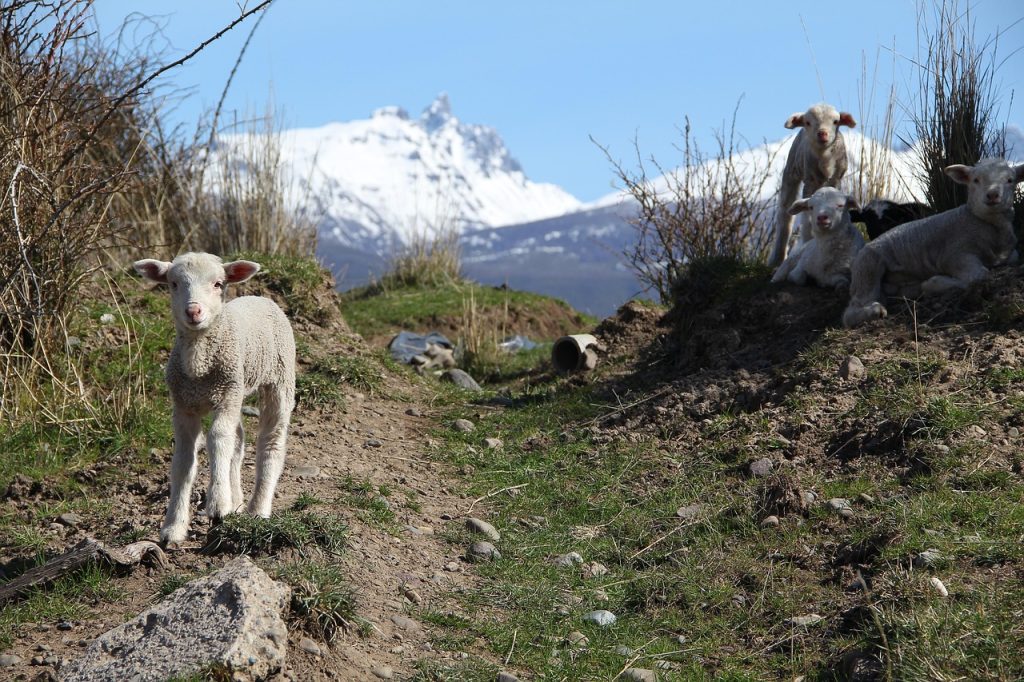
Sheep introduced by European ranchers in the late nineteenth century eventually became the dominant grazing animal across Patagonia, competing directly with guanaco for the same grasslands and contributing to a long-term decline in wild guanaco populations that only slowly began reversing decades later through conservation efforts in national parks and reserves.
Food of the Open Plain

Guanaco meat formed the core of the traditional Tehuelche diet, prepared by roasting over open fire, a method that remains recognizable in the asado tradition now closely associated with Argentine and Patagonian cuisine more broadly, whatever the meat being cooked.
Rhea meat and eggs supplemented guanaco as an important protein source, along with fish and shellfish gathered by coastal groups, and various wild plants, roots, and berries collected seasonally across the steppe and nearby forest margins where available.
Little was wasted from a successful hunt: hides became clothing and shelter, bones became tools, and fat was rendered and stored, reflecting a subsistence approach built around the unpredictability of steppe resources, where a successful hunt needed to be used as fully and efficiently as possible.
Modern Patagonian cuisine, particularly its emphasis on open-fire roasted lamb and beef, carries a clear echo of Tehuelche cooking methods, even as the specific animals being prepared shifted dramatically following European colonization and the introduction of sheep and cattle ranching.
ok 8-10Gathering and Celebration
Large seasonal gatherings brought multiple Tehuelche bands together to celebrate successful hunts, arrange marriages, and reinforce social ties, often accompanied by games of skill, horse racing after the adoption of horses, storytelling, and music performed on simple percussion and wind instruments.
Puberty ceremonies for both young men and young women marked significant life transitions with specific rituals, instruction from elders, and community recognition, reflecting the broader emphasis Tehuelche culture placed on marking major life stages through structured, communal ceremony rather than private or informal observance.
Storytelling held enormous cultural importance, transmitting history, moral lessons, and cosmology through oral narrative in the absence of a written tradition, with skilled storytellers holding real prestige within their communities for their ability to preserve and pass on collective memory.
Today, descendant communities in Patagonia hold cultural gatherings that consciously revive elements of these older celebrations, combining historical reenactment, craft demonstration, and language revitalization efforts into events aimed at both cultural continuity and public education about Tehuelche heritage.
The Conquest of the Desert
The nineteenth century brought catastrophic change to Tehuelche life as the Argentine state pursued several military campaigns, most infamously the Conquest of the Desert in the 1870s and 1880s, aimed at clearing Indigenous populations from Patagonia to open the land for European settlement and sheep ranching.
These campaigns killed large numbers of Tehuelche and neighboring Indigenous people, forcibly displaced survivors onto reservations or into marginal roles on the very ranches that had replaced their hunting grounds, and dramatically reduced the guanaco populations that traditional Tehuelche subsistence depended on.
Chile pursued similar policies in its portion of Patagonia around the same period, and by the early twentieth century the Tehuelche population, along with related groups in Tierra del Fuego, had been reduced to a small fraction of pre-contact numbers through violence, disease, and the destruction of their traditional economic base.
Survivors adapted as best they could, often working as ranch hands, guides, or laborers on the very estates built over former hunting territory, a painful irony that nonetheless allowed some families to remain connected to ancestral land even as their traditional way of life became impossible to sustain.
Reservation policy following the Conquest of the Desert scattered Tehuelche families across small, often marginal plots of land, disrupting the kinship networks and seasonal mobility that had structured Tehuelche society for millennia, a rupture whose effects on community cohesion are still being addressed by descendant organizations today.
The Tehuelche Today
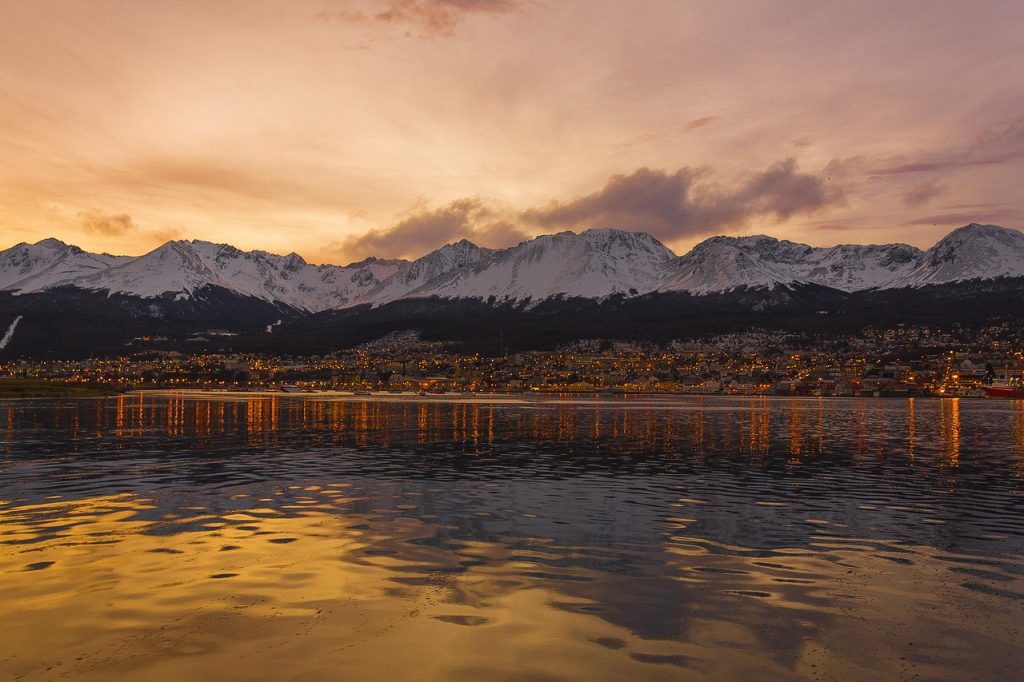
Tehuelche descendants today live primarily in Santa Cruz and Chubut provinces in Argentina, along with smaller communities in southern Chile, numbering several thousand people who maintain varying degrees of connection to ancestral language, craft, and identity amid a broader Argentine and Chilean national culture.
Cultural and political organizations led by Tehuelche descendants advocate for land rights, language documentation, and formal recognition, working alongside linguists and anthropologists to preserve what remains of Aonikenk and related knowledge before the last connections to fluent speakers are lost entirely.
Contemporary Tehuelche cultural revival also extends into visual art and public monuments, with murals, sculptures, and museum exhibits across Patagonian towns increasingly presenting Tehuelche history from the perspective of descendant communities themselves rather than solely through the lens of nineteenth-century explorer and settler accounts.
Patagonia’s tourism industry, built heavily around dramatic landscapes like Torres del Paine and Perito Moreno glacier, has created new opportunities and new tensions, with some Tehuelche descendants working as guides and cultural educators while also pushing back against superficial or inaccurate representations of their heritage in tourist marketing.
The story of the Tehuelche today is one of survival against extraordinary odds: a population reduced by conquest and disease to a small remnant, whose descendants nonetheless continue asserting their history, their land claims, and their right to define their own culture on a continent that spent much of the last two centuries trying to erase it. Moving north from Patagonia into the warmer valleys of Chile and Argentina, the story of the Diaguita offers yet another chapter of adaptation and endurance.
Related Reading
The Tehuelche belong to a much larger story of Indigenous nations across the Americas whose histories deserve fuller attention. A few others covered so far:
- The People Who Emerged Into This World, the Story of the Navajo
- The People Who Never Left the Mountains, the Story of the Quechua
- The People Who Never Vanished, the Story of the Maya
- The People of the Seven Council Fires, the Story of the Lakota
- The People of the Land Who Were Never Conquered, the Story of the Mapuche
- The People of Ice and Sea, the Story of the Inuit
- The Islands of the People, the Story of the Haida
- The Four Directions People, the Story of the Cree
- The Principal People, the Story of the Cherokee
- The People of the Timeless Speech, the Story of the Aymara
- The People Whose Language Became a Nation, the Story of the Guarani
You May Like
The Damara, an Ancient People of Namibia


One thought on “Tehuelche: Giants of Patagonia’s Windswept Plains”