In 1797, the British navy loaded roughly 5,000 people onto ships on the island of St. Vincent and deported them to a small island off the coast of Honduras, expecting many would simply die there. Instead, the survivors rebuilt, spread along hundreds of miles of Central American coastline, and became the Garifuna, a people whose ancestry combines shipwrecked and escaped West and Central Africans with the Indigenous Carib and Arawak peoples of the eastern Caribbean. Few peoples in the Americas trace their identity to a single, dated, well-documented act of mass deportation, and fewer still turned that catastrophe into the foundation of a culture resilient enough to be recognized by UNESCO as a Masterpiece of the Oral and Intangible Heritage of Humanity two centuries later.
Today, an estimated 300,000 to 400,000 Garifuna people live along the Caribbean coast of Belize, Guatemala, Honduras, and Nicaragua, with significant additional communities in the United States, particularly in New York and New Orleans, built through decades of labor migration. Garifuna communities have maintained their own language, an unusual blend of Arawak grammar with Carib, French, English, and African vocabulary, alongside a religious and musical tradition that draws directly and openly on West African ancestral practices in a way that is unusually well documented and openly celebrated compared to many other African diaspora traditions in the Americas.
This article covers the Garifuna story across thirteen sections: their origins, the meaning of their name, their language, their homeland, their old way of life, the structure of their society, their religion, their traditions, their crafts, their food, their festivals, their history, and where the Garifuna stand today.
- Origins
- Name
- Language
- Homeland
- Old way of life
- Society
- Religion
- Traditions
- Crafts
- Food
- Festivals
- History
- Today
Origins
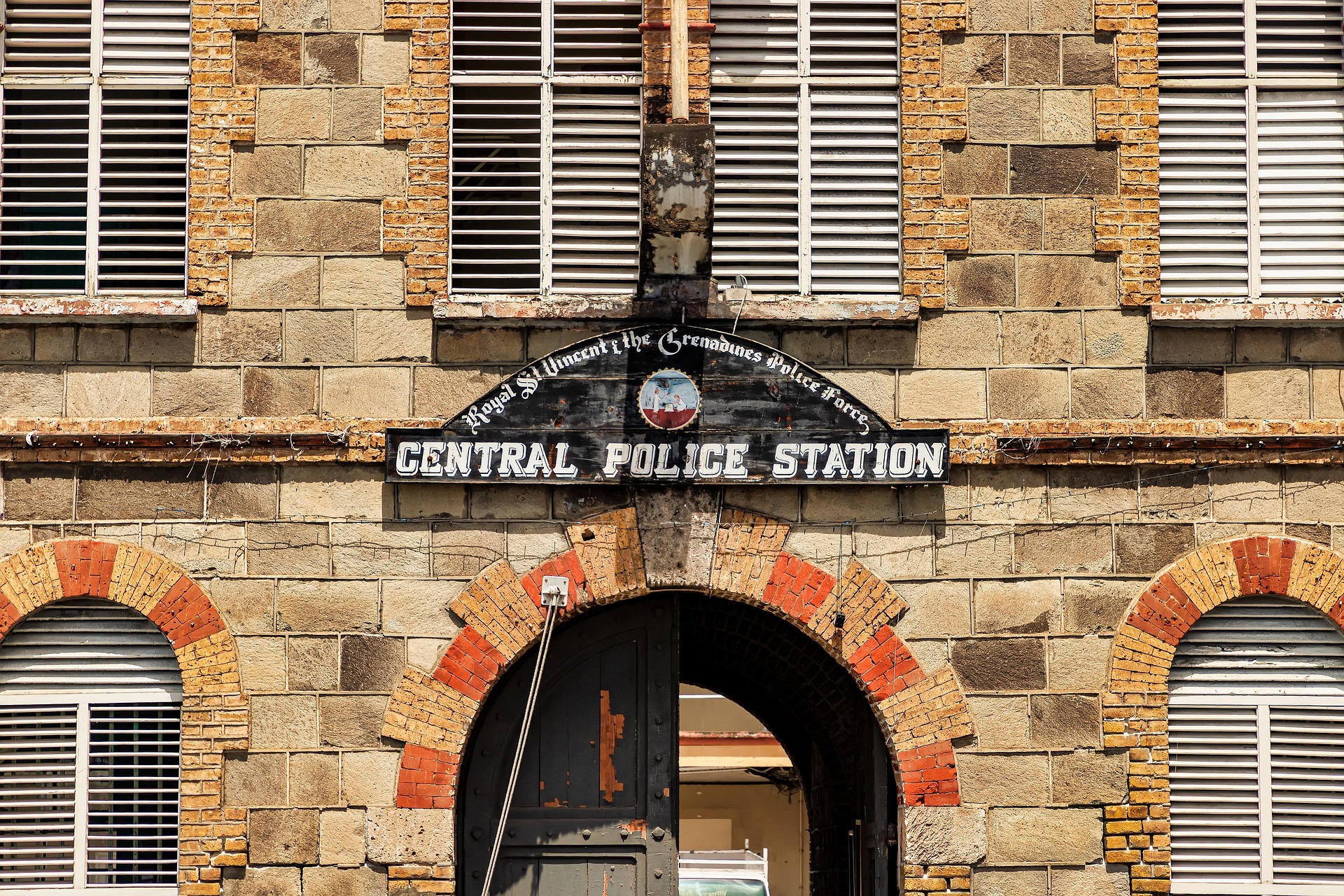
Garifuna origins trace to the island of St. Vincent, known to its original Indigenous Carib inhabitants as Yurumein, in the eastern Caribbean. Beginning in the 1600s, West and Central African people, some escaped from slavery on neighboring islands, others survivors of shipwrecked slave ships, including a well-documented wreck in 1675, arrived on the island and gradually intermarried with the Indigenous Kalinago, or Island Carib, population already living there.
Over several generations, this blending produced a distinct population that Europeans came to call the Black Carib, to distinguish them from Indigenous Caribs who had not intermarried with Africans, though this was always an outside label rather than one the community itself originated. By the 1700s, this population had grown substantial enough, and militarily capable enough, to resist repeated attempts by French and later British colonial forces to control the island.
Garifuna oral tradition and scholarly research both emphasize that this was not a passive absorption of African people into an existing Indigenous culture, but a genuine fusion, Carib and Arawak language and cultural elements combined with African linguistic contributions, spiritual practices, and social patterns to produce something new, distinctly Garifuna, rather than simply Indigenous Caribbean culture with an African population added to it.
This origin story, unusually well documented compared to many other Indigenous or Afro-descendant peoples of the Americas due to extensive French and British colonial record-keeping about St. Vincent, gives the Garifuna a genealogical narrative that is both specific and collectively remembered, still recounted and taught within Garifuna communities today as a foundational part of group identity.
Garifuna, Not Black Carib
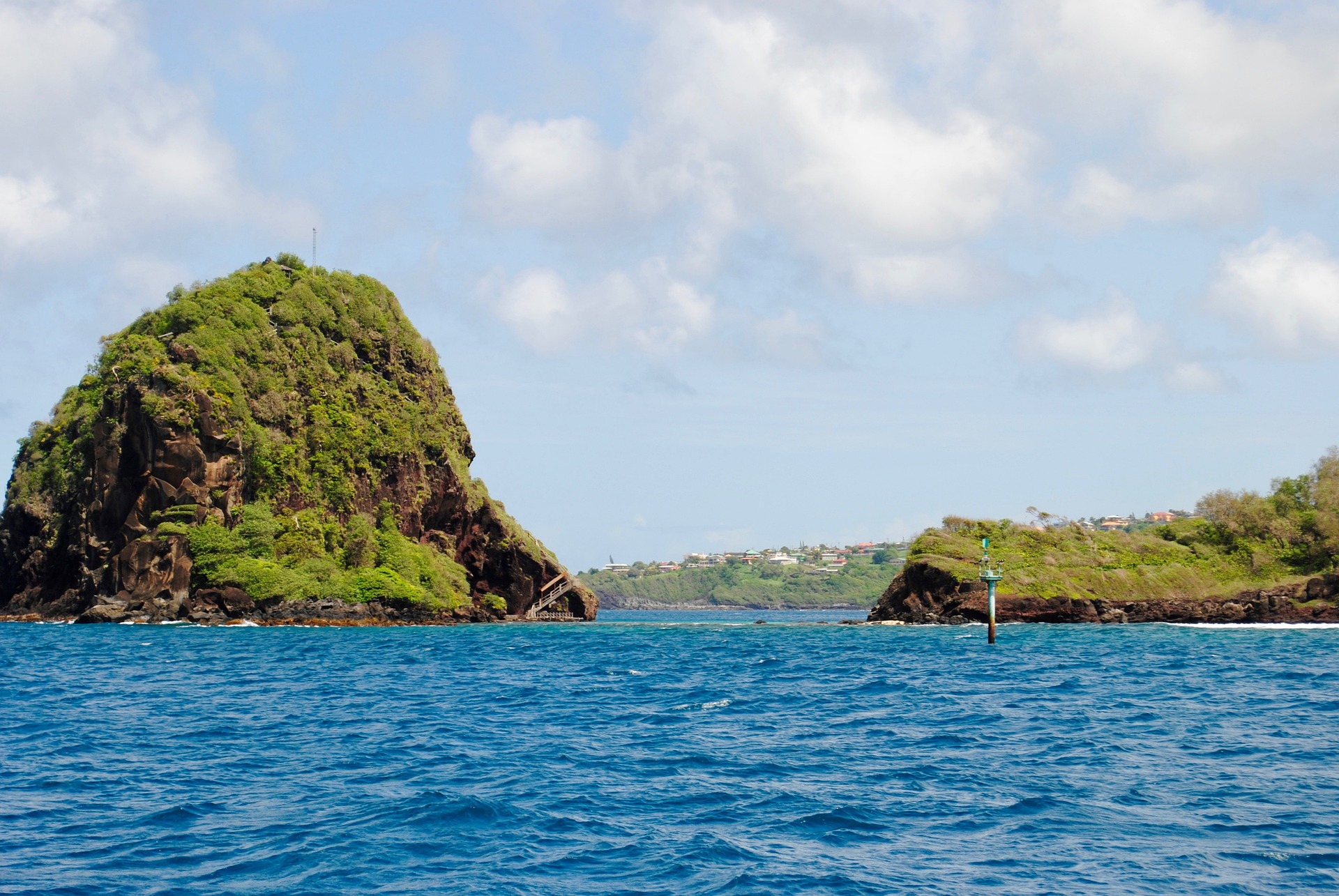
The name “Garifuna” derives from “Kalinago” or “Karifuna,” the term the Indigenous Carib population of St. Vincent used for themselves, adapted over time as the African-Indigenous population that emerged on the island developed its own distinct identity while retaining linguistic and cultural continuity with Carib roots.
The colonial-era term “Black Carib,” used by British and French administrators to distinguish this population from Indigenous Caribs who had not intermarried with Africans, persisted in English-language historical and even some anthropological literature well into the twentieth century, but is now widely considered outdated and is rejected by most Garifuna people and organizations as an externally imposed racial classification rather than a name reflecting genuine self-identity.
“Garifuna” today refers both to the people collectively and, in its plural form “Garinagu,” to Garifuna people as a group, while the language itself is also called Garifuna. This linguistic overlap, in which the same root word names the people, their language, and their broader cultural identity, mirrors patterns found among many other Indigenous peoples of the Americas, where ethnonym, language name, and self-identity are closely bound together.
International recognition of the name accelerated significantly after UNESCO’s 2001 declaration recognizing Garifuna language, dance, and music as a Masterpiece of the Oral and Intangible Heritage of Humanity, which used “Garifuna” throughout and helped standardize the term in academic, governmental, and media usage across the countries where Garifuna communities live.
A Language Built From Three Continents
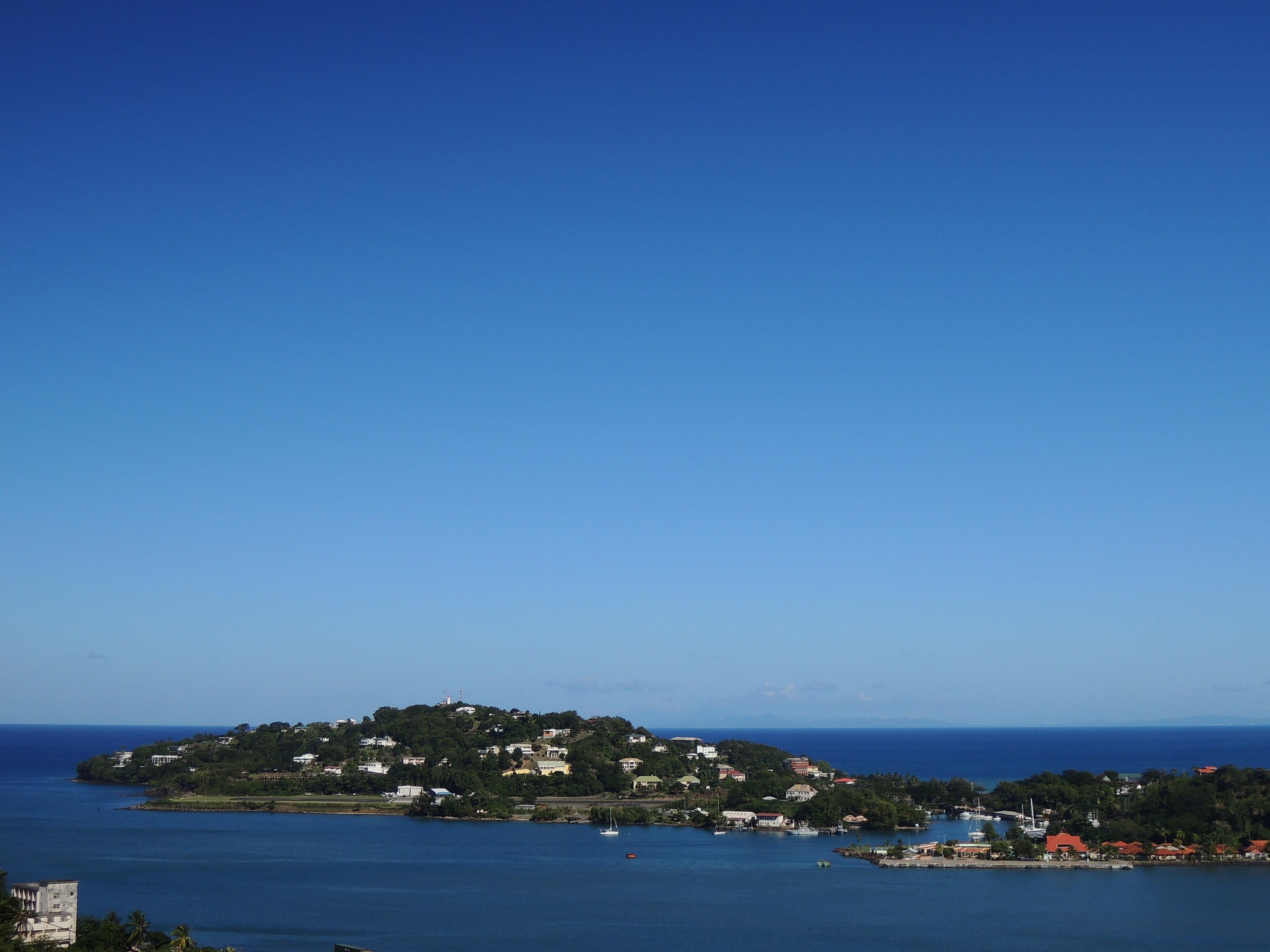
Garifuna is classified as an Arawakan language, inherited primarily from the Indigenous Arawak-speaking population of the eastern Caribbean, though its vocabulary and grammar show clear layered influence from Carib, French, English, and several West and Central African languages, making it one of the most linguistically hybrid Indigenous languages documented anywhere in the Americas.
One particularly striking linguistic feature is a documented gendered vocabulary difference, in which men and women historically used somewhat different vocabulary for certain concepts, a pattern linguists trace back to the Carib-Arawak contact situation on St. Vincent, where Carib-speaking men had reportedly adopted Arawak-speaking wives generations earlier, producing a household bilingualism that left lasting traces in the language’s structure.
Roughly 200,000 people across Belize, Guatemala, Honduras, Nicaragua, and diaspora communities in the United States speak Garifuna today, and UNESCO’s 2001 recognition specifically highlighted the language as endangered, prompting expanded documentation efforts, dictionary projects, and bilingual education initiatives, particularly in Belize and Honduras, aimed at ensuring transmission to younger generations who increasingly grow up speaking English, Spanish, or Belizean Creole as a primary language.
Garifuna-language radio programming, church services conducted partly in Garifuna, and a small but growing body of published literature and music in the language all contribute to ongoing preservation efforts, alongside diaspora organizations in the United States that run Garifuna language classes specifically aimed at second and third generation Garifuna Americans who did not grow up speaking it at home.
A Homeland Stretched Across Four Countries
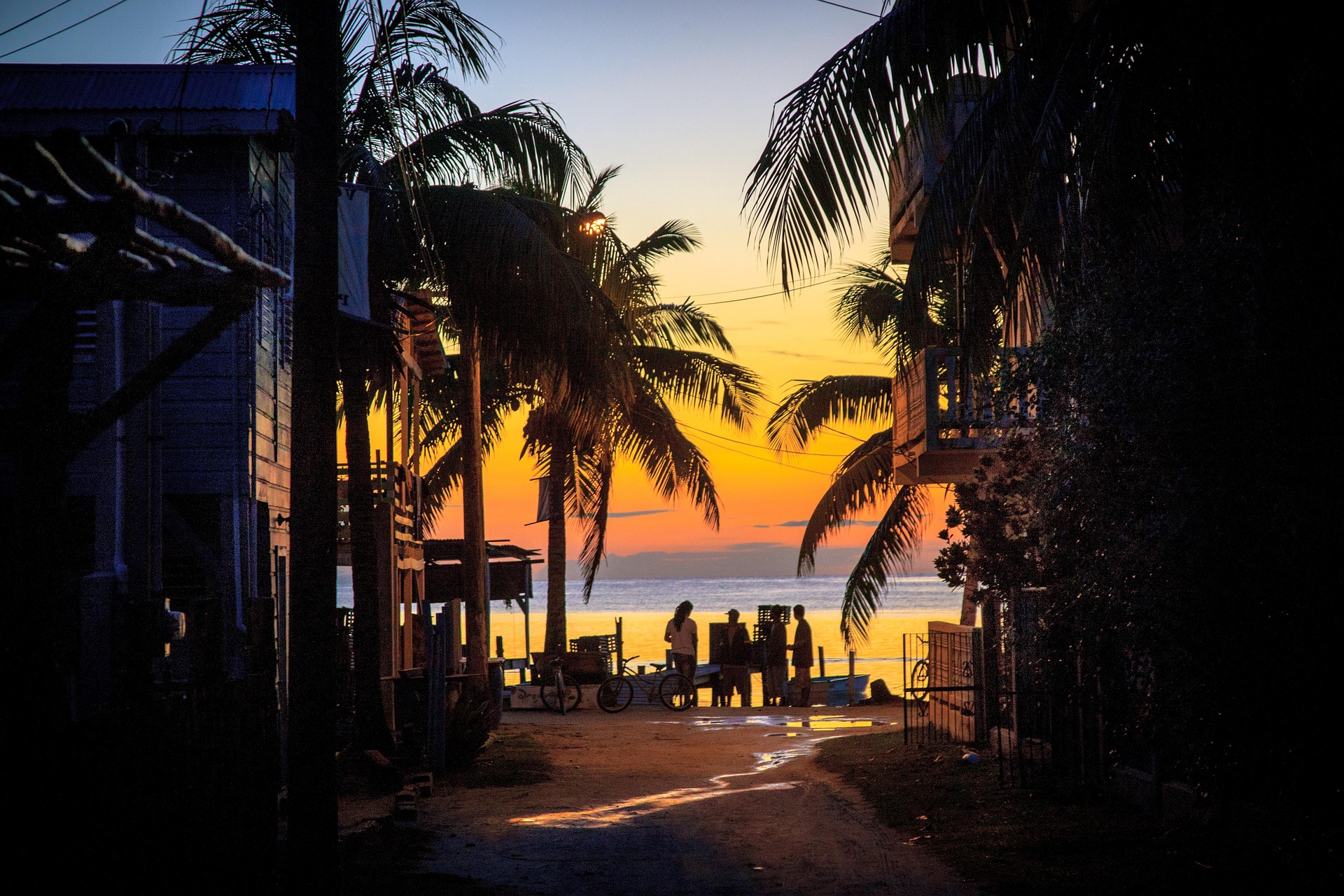
Unlike most Indigenous peoples of the Americas, whose homeland corresponds to a single continuous territory, Garifuna homeland consists of a scattered chain of coastal towns and villages stretching along roughly 400 miles of Caribbean shoreline across four modern countries: Belize, Guatemala, Honduras, and Nicaragua, a direct legacy of the 1797 deportation and subsequent voluntary migration along the coast that followed it.
Honduras holds the largest Garifuna population and the greatest number of distinct Garifuna settlements, concentrated along its northern Caribbean coast in towns such as Trujillo, the site of the original 1797 landing, and dozens of smaller coastal villages. Belize’s Garifuna population centers on the southern coastal town of Dangriga and nearby Hopkins and Punta Gorda, communities that have become significant cultural and tourism centers for Garifuna heritage.
Livingston, Guatemala, sitting at the mouth of the Rio Dulce on the Caribbean coast, represents Guatemala’s principal Garifuna community and one of the country’s most ethnically distinct towns, reachable only by boat or a long overland route, a relative isolation that has helped the town maintain a strong and visible Garifuna cultural identity distinct from the rest of largely Indigenous Maya and Spanish-speaking Guatemala.
This coastal, multi-national homeland has produced a Garifuna identity that is explicitly transnational by necessity, with strong family, cultural, and economic ties connecting communities across national borders, reinforced in recent decades by regular travel, remittances, and shared participation in pan-Garifuna cultural organizations and celebrations that span all four countries plus the diaspora in the United States.
Rebuilding a Life on a New Coast
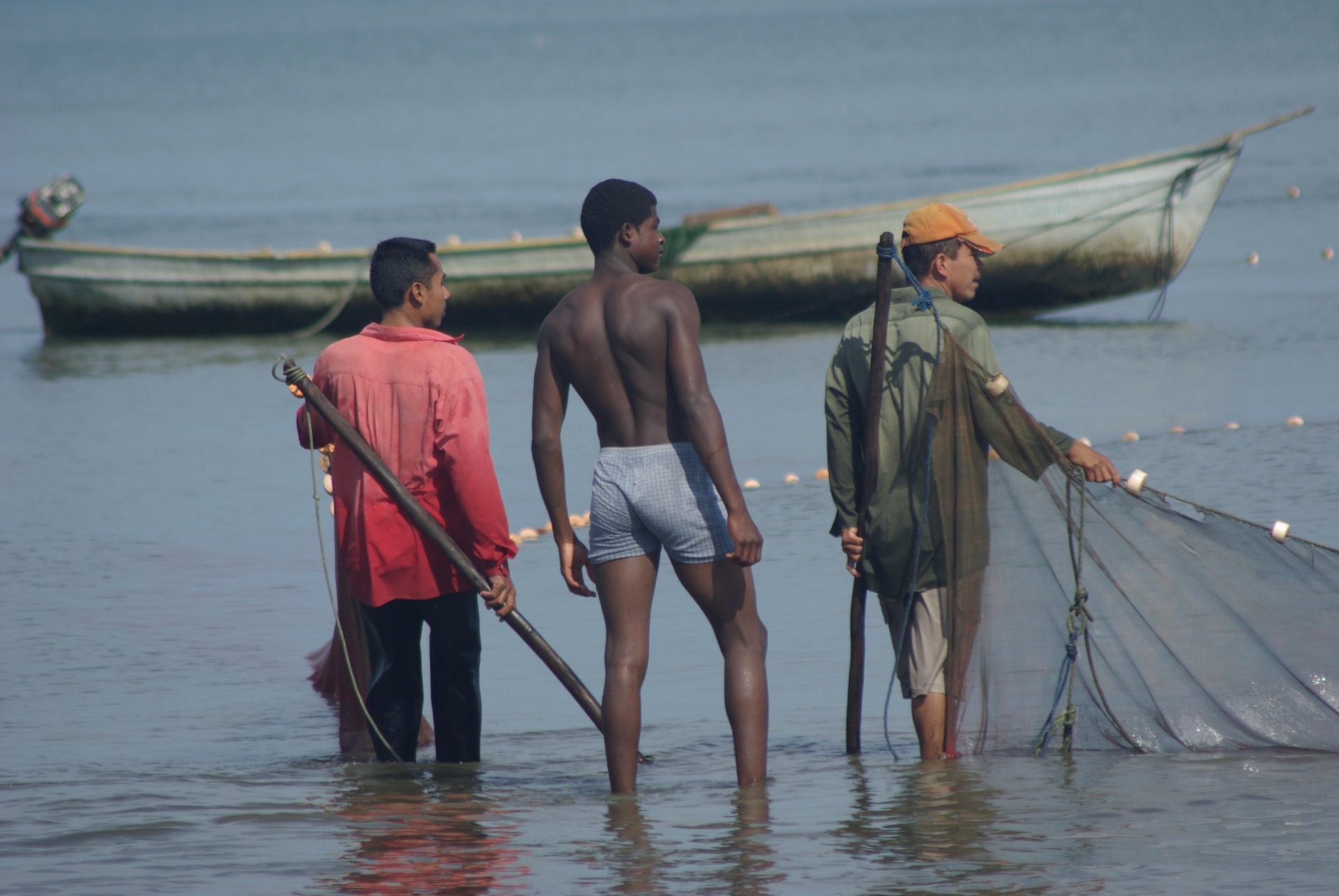
After the 1797 deportation left survivors on Roatan island off the Honduran coast, Garifuna settlers quickly began moving to the Central American mainland, where they established fishing and farming villages along the coast, adapting techniques brought from St. Vincent, including cassava cultivation, to the somewhat different growing conditions of the Honduran and Belizean shoreline.
Fishing formed a central economic activity from the earliest mainland settlement period onward, using dugout canoes and handmade nets to work coastal waters, river mouths, and reef systems, a practice directly continuing techniques the community had relied on in the eastern Caribbean and one that remains economically and culturally significant in many Garifuna villages today.
Cassava cultivation and processing became a defining feature of Garifuna agricultural life, requiring specific techniques to remove the toxic compounds present in bitter cassava varieties before the root could be safely eaten, knowledge passed down through generations of women who traditionally managed cassava cultivation, grating, pressing, and baking into the flatbread that remains a defining Garifuna food today.
Villages typically organized around extended matrilineal and matrifocal family networks, with women often managing household economics, cassava production, and child-rearing while men fished, traveled for wage labor, or in later generations, worked abroad and sent remittances home, a gendered division of labor and economic responsibility that shaped Garifuna social organization for generations and continues to influence community structure today.
Family, Migration, and Community Structure
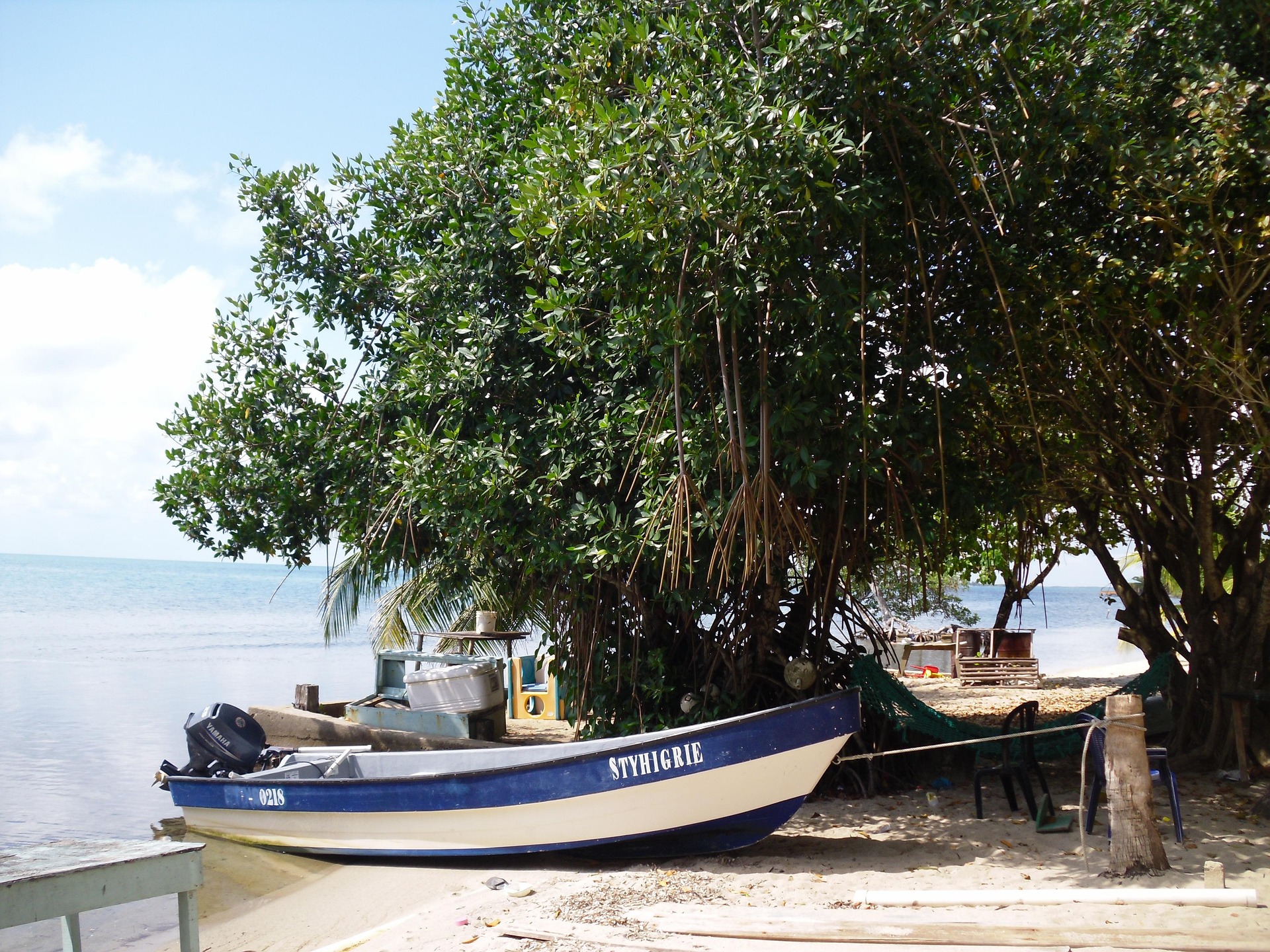
Garifuna social organization has long centered on strong extended family networks, often organized around a core of related women and their children, with men’s participation in household life historically shaped by extensive labor migration, first as sailors and dock workers in the Caribbean and Central American shipping trade, and later as migrants to United States cities for wage labor.
This pattern of male labor migration, dating back over a century, produced Garifuna communities in which women have often served as the primary daily authority within households and villages, managing family finances, cassava production, and children’s upbringing while male relatives worked away from home for extended periods, a social pattern anthropologists studying Garifuna communities have written about extensively.
Transnational family networks connecting Central American Garifuna villages to diaspora communities in New York City, New Orleans, and other United States cities have become an increasingly central feature of Garifuna social organization over the past several decades, with remittances, return visits, and shared participation in cultural events maintaining strong ties across enormous geographic distances.
Community organizations, both religious and secular, play significant roles in coordinating village life, from Catholic church councils to cultural preservation groups formed specifically to sustain Garifuna language, music, and dance traditions, particularly important given the pressures of migration, national assimilation policies, and generational language loss that Garifuna communities across all four Central American countries have faced.
Catholic Faith and Ancestral Ritual
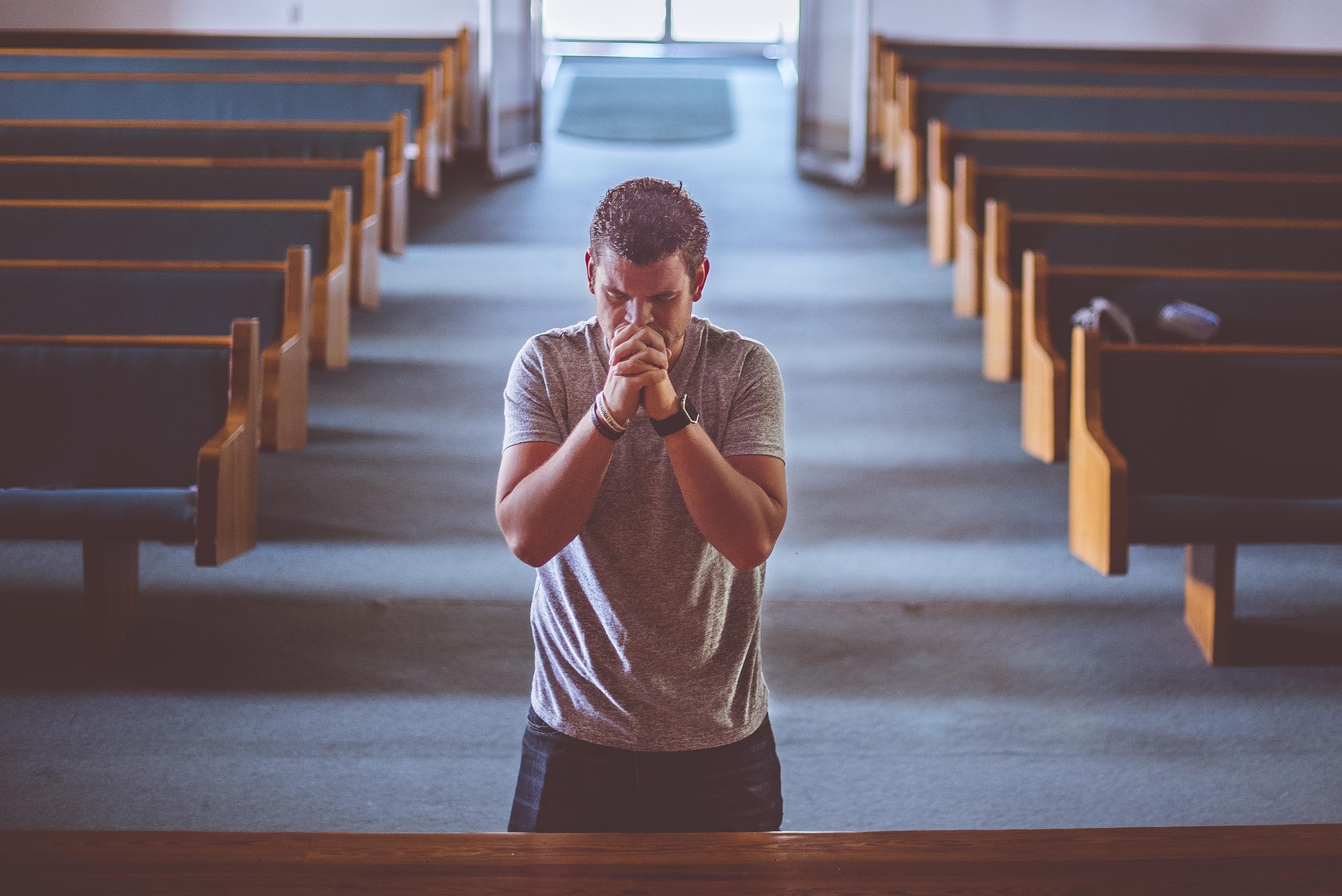
Most Garifuna today identify as Roman Catholic, a legacy of Spanish colonial influence across Central America, with church attendance, baptism, and other Catholic sacraments forming a regular part of community religious life in villages across Belize, Guatemala, Honduras, and Nicaragua, alongside smaller Protestant congregations that have grown in some communities in recent decades.
Alongside Catholic practice, Garifuna spiritual life retains a distinct and openly practiced tradition of ancestor veneration, most prominently expressed through the dugu, an elaborate multi-day ceremony conducted to honor and appease ancestral spirits believed to influence the health and fortune of living family members, led by a spiritual specialist known as a buyei who serves as an intermediary between the living and the ancestral spirit world.
The dugu ceremony, which can involve dozens of extended family members traveling from across Central America and even the United States diaspora to participate, includes ritual drumming, dancing, animal sacrifice, and prepared foods offered to ancestral spirits, and is generally understood within Garifuna communities as operating alongside, rather than in contradiction to, ordinary Catholic religious practice.
This coexistence of Catholic and ancestral spiritual traditions, openly acknowledged and practiced rather than hidden or syncretized into disguised form the way some African diaspora religious practices were forced underground elsewhere in the Americas, is frequently cited by scholars as one of the more distinctive and well-preserved features of Garifuna religious life compared to other African-descended populations in the hemisphere.
Customs Passed Through Generations
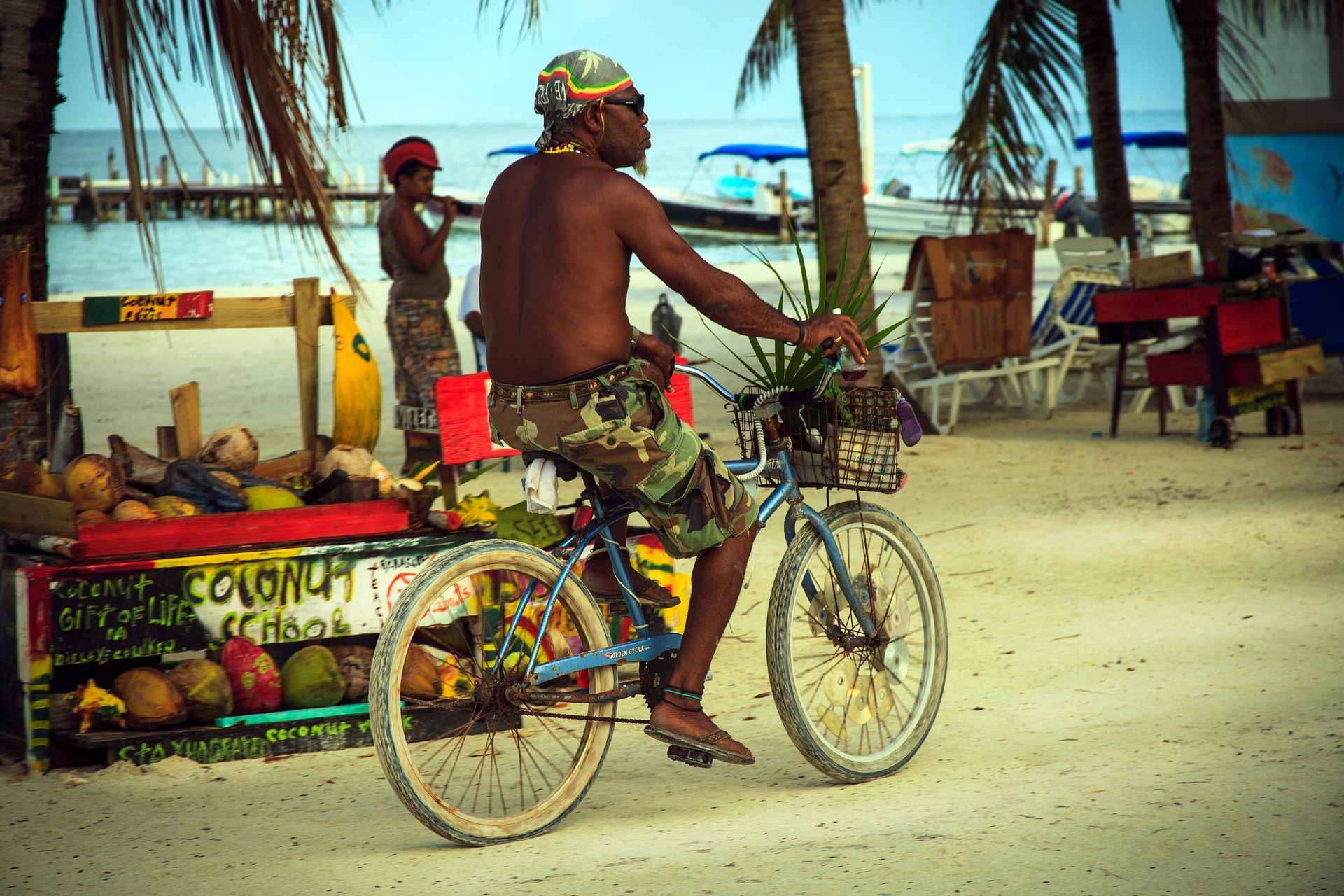
Extended family obligation and mutual support remain central organizing values in Garifuna community life, with successful family members, particularly those working abroad, expected to send remittances supporting relatives back in coastal villages, a pattern that has become deeply embedded in the transnational structure of Garifuna family life over the past century.
Beluria, a wake tradition held the night before a Catholic funeral mass, involves extended community gathering, storytelling, singing, and shared food in the presence of the deceased, blending Catholic mourning practice with distinctly Garifuna social and musical traditions and serving as an important occasion for extended family and community bonding.
Naming and godparent relationships, compadrazgo in the broader Central American context, remain significant in creating extended networks of obligation and support between Garifuna families, while oral storytelling, including tales explaining the origin of specific foods, customs, or the community’s arrival on the Central American coast, continues to be passed down through elders in many villages.
Traditional gender roles around cassava processing, fishing, and cooking remain influential markers of Garifuna cultural identity even as economic necessity and migration have pushed many communities toward more flexible arrangements, with cultural pride in maintaining these traditional skills, even symbolically or occasionally rather than as full-time subsistence practice, remaining strong across generations.
Cassava Presses and Coastal Craft
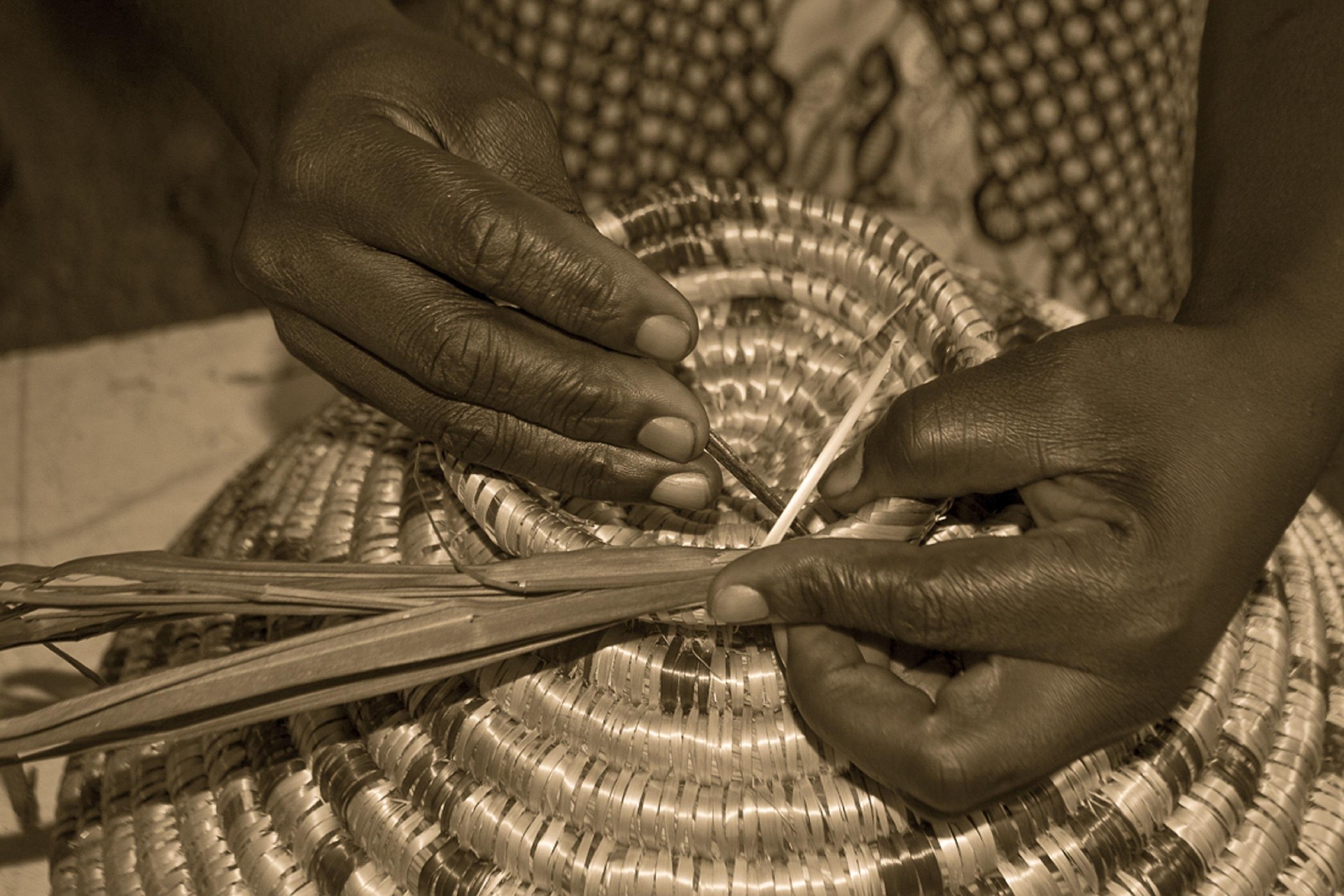
The ruguma, a long woven cassava press used to squeeze toxic liquid from grated bitter cassava root before it can be safely cooked, stands as one of the most distinctive and functionally important traditional Garifuna crafts, woven using techniques that trace directly back through the community’s African ancestry and still made and used by hand in many coastal villages today.
Basket weaving more broadly, using palm and other locally available plant fibers, produces sifters, carrying baskets, and other household items essential to cassava processing and daily coastal life, with weaving patterns and techniques passed down primarily among women, who have traditionally managed the entire cassava production process from harvest through final baking.
Drum making represents another vital craft tradition, with Garifuna drums, primarizu and segunda drums used in traditional music and ceremonies including the dugu, carved from hollowed logs and fitted with animal hide heads using techniques understood to derive directly from West African drum-making traditions carried forward by enslaved and escaped ancestors on St. Vincent centuries ago.
Dugout canoe building, essential to the fishing economy that has sustained coastal Garifuna villages since the earliest mainland settlement, continues in some communities, though motorized boats have increasingly replaced hand-carved canoes for daily fishing work, with traditional canoe-building knowledge increasingly maintained more as cultural heritage than daily practical necessity.
Cassava, Coconut, and the Coastal Kitchen
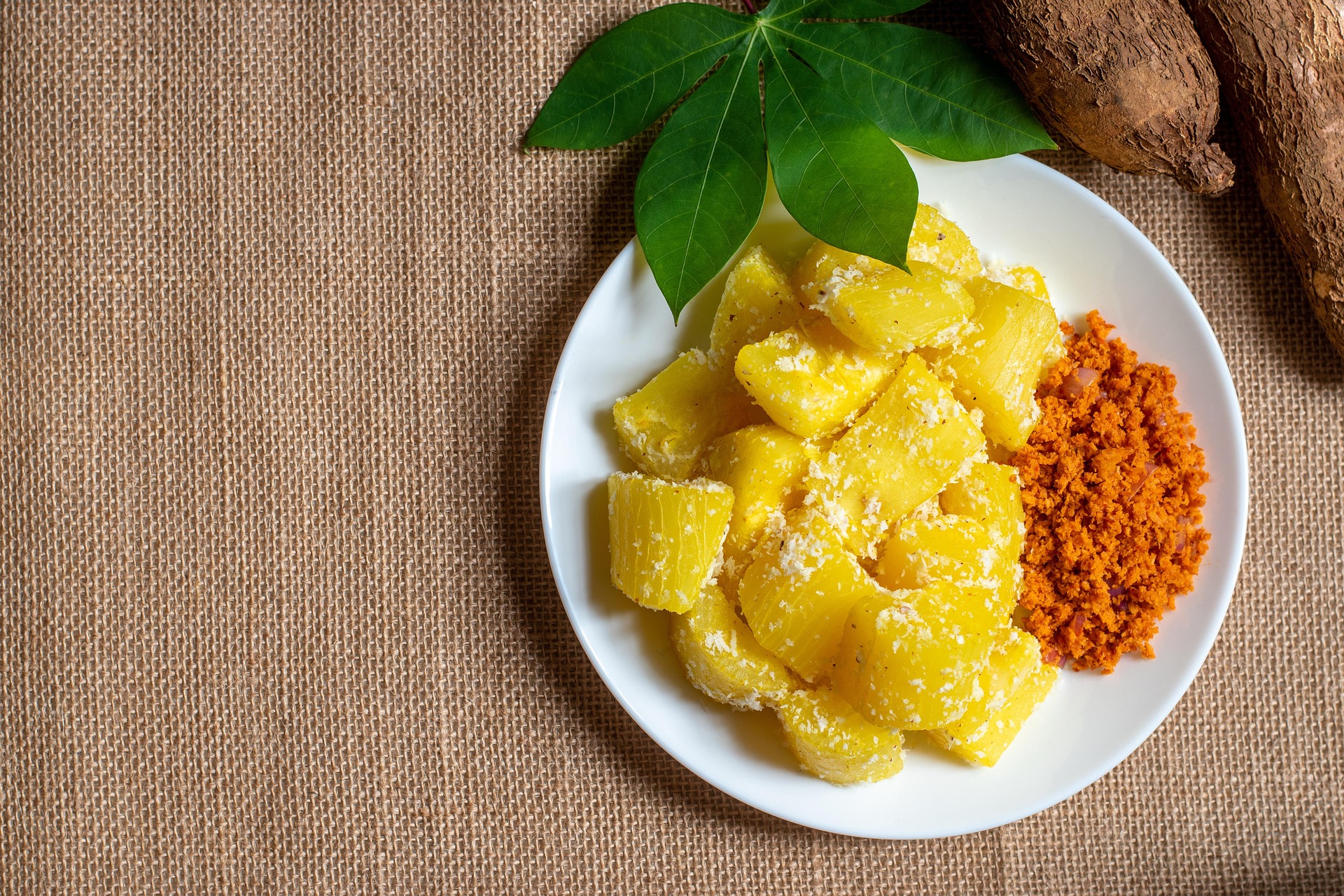
Cassava bread, called ereba in Garifuna, made from grated, pressed, and baked bitter cassava root, stands as the most emblematic traditional Garifuna food, requiring a multi-step process to remove naturally occurring toxic compounds before the flour can be safely baked into large flat rounds that can be stored for extended periods, an important practical consideration in coastal communities historically without reliable refrigeration.
Hudut, a dish combining mashed plantains with fish cooked in coconut milk broth, stands as arguably the best-known Garifuna dish today, served at family gatherings, celebrations, and increasingly in restaurants in Garifuna communities and beyond, representing a fusion of African, Caribbean, and Central American culinary influences that mirrors the broader cultural fusion at the heart of Garifuna identity itself.
Coconut milk features prominently across Garifuna cuisine, used in seafood stews, rice dishes, and drinks, reflecting both the coastal environment’s abundant coconut palms and broader Caribbean culinary patterns shared with neighboring Creole, Miskito, and other coastal Central American communities who have exchanged food traditions across the same shoreline for generations.
Fish and seafood generally, caught fresh from coastal waters and river mouths, along with plantains, breadfruit, and other tropical starches, round out a food culture built around the specific resources of the Caribbean coastal environment, distinct from the corn-based cuisines more typical of inland, Spanish-speaking Central America.
Drums, Punta, and Settlement Day
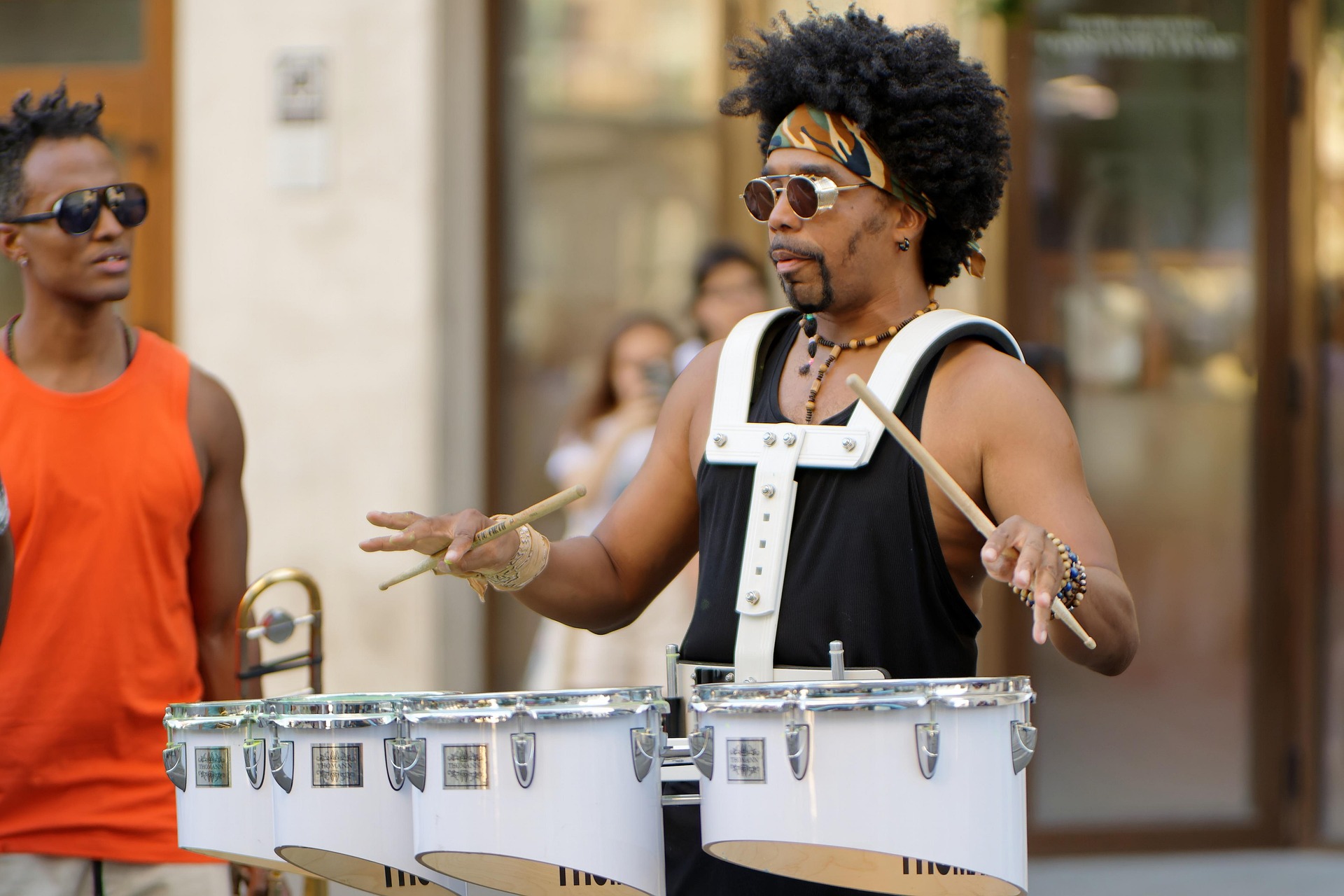
Punta, a dance and musical style built around driving drum rhythms and call-and-response singing, stands as the most internationally recognized element of Garifuna cultural expression, performed at celebrations, festivals, and social gatherings, and adapted in modern electrified form, known as punta rock, into a popular music genre with dedicated performers and audiences across Central America and the Garifuna diaspora in the United States.
Garifuna Settlement Day, observed annually on November 19th, commemorates the 1832 arrival of Garifuna settlers in Belize following earlier displacement, and stands as a major public holiday in Belize specifically, marked with reenactment processions featuring dugout canoes, drumming, dancing, and church services, drawing participation from Garifuna communities across the region and serving as one of the most significant annual expressions of Garifuna identity and pride.
Similar commemorative observances mark Garifuna arrival dates in Honduras and Guatemala, though with less formal national holiday status than in Belize, while Christmas, Easter, and other Catholic liturgical celebrations are marked with distinctly Garifuna musical and culinary traditions layered over the standard Central American Catholic calendar.
Cultural festivals specifically celebrating Garifuna heritage, language, and cuisine have grown significantly in recent decades, both in Central American home communities and in diaspora cities like New York and Los Angeles, often organized by Garifuna cultural associations specifically working to keep language and tradition alive among younger, increasingly US-born generations.
From Deportation to Recognition
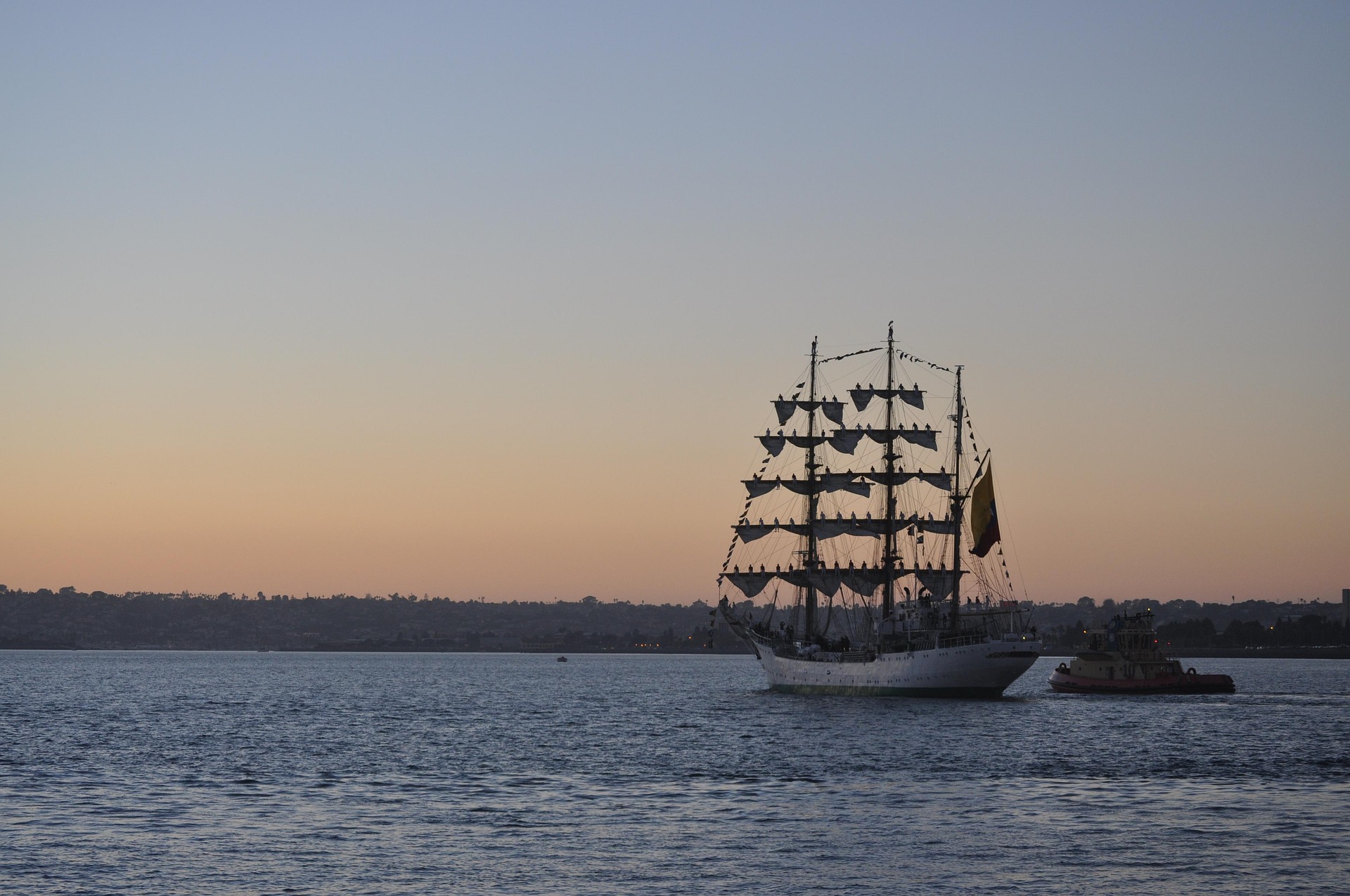
British forces fought two Carib Wars against the St. Vincent population through the late 1700s, ultimately defeating Garifuna resistance in 1796 after a prolonged and costly campaign. In 1797, the British rounded up approximately 5,000 Garifuna people and deported them by ship to the island of Roatan off the Honduran coast, a journey during which disease and harsh conditions killed a substantial portion of those deported, with roughly half the original number reportedly surviving to reach Roatan.
From Roatan, Garifuna settlers quickly moved to the Honduran mainland, establishing the town of Trujillo and numerous other coastal settlements, then gradually spreading along the Caribbean coast into what are now Belize, Guatemala, and Nicaragua over subsequent decades, a migration driven by the search for farmland, fishing grounds, and opportunities beyond the original landing point.
Throughout the nineteenth and twentieth centuries, Garifuna communities faced periodic land dispossession, limited government services, and social marginalization within the Central American nations that came to include their coastal settlements, even as Garifuna men found significant employment as sailors, dock workers, and later in the banana export industry that dominated much of the Caribbean coast’s economy.
The twentieth century also saw the beginning of substantial Garifuna migration to the United States, particularly from Honduras, building diaspora communities in New York City that grew into some of the largest concentrations of Garifuna people anywhere, eventually feeding back into home community life through remittances, return migration, and sustained transnational family and cultural ties that continue to shape Garifuna identity today.
The Garifuna Today
The Garifuna case has also drawn sustained academic interest precisely because it complicates simple categories often applied to peoples of the Americas. Neither purely Indigenous nor purely African in the way those terms are often used, Garifuna identity insists on its own specific fusion, a distinction community members and scholars alike have worked to protect against both erasure into a generic “Black” identity that ignores Indigenous heritage and erasure into a generic “Indigenous” identity that ignores African heritage.
Belize in particular has embraced Garifuna culture as part of its national identity, with Garifuna Settlement Day recognized as a national public holiday and Garifuna cultural sites and museums, including the Gulisi Garifuna Museum in Dangriga, drawing both domestic and international visitors interested in learning more about the community’s distinctive history and living traditions.
An estimated 300,000 to 400,000 Garifuna people live today across Belize, Guatemala, Honduras, and Nicaragua, with major diaspora communities in New York City, Los Angeles, New Orleans, and other United States cities built through decades of labor migration, making Garifuna one of the more geographically dispersed Indigenous and Afro-descendant peoples in the Americas relative to their overall population size.
UNESCO’s 2001 recognition of Garifuna language, dance, and music as a Masterpiece of the Oral and Intangible Heritage of Humanity brought significant international attention and modest additional funding for cultural preservation efforts, though Garifuna community organizations continue to describe language transmission to younger, diaspora-born generations as an urgent ongoing challenge.
Land rights remain a serious and active concern, particularly in Honduras, where Garifuna coastal communities have faced pressure from tourism development, African palm oil plantations, and in some documented cases violence and forced displacement connected to land disputes, prompting international human rights attention and advocacy from Garifuna organizations and allied groups.
Even amid these pressures, Garifuna music, food, and community organizations continue to grow more visible internationally, from punta rock’s popularity across Central America to Garifuna restaurants and cultural festivals now found in diaspora cities far from the original Caribbean coastline. Further south, in the Amazonian foothills of Ecuador and Peru, another people whose fierce resistance to outside conquest shaped their entire history, the Shuar, carry forward an equally distinctive story worth turning to next.
Diaspora-born Garifuna in the United States have increasingly taken on their own role in sustaining the culture, organizing language classes, drumming workshops, and cultural festivals in cities far from the Caribbean coast, ensuring that Garifuna identity continues to be actively created and renewed rather than simply preserved as a historical memory, a pattern of ongoing cultural adaptation that has characterized this people since their earliest formation on St. Vincent centuries ago.
More Profiles From the Americas
This piece belongs to an ongoing collection covering Indigenous and other peoples across the Americas. Readers interested in exploring further can find the other profiles published so far below.
- The People Who Emerged Into This World, the Story of the Navajo
- The People Who Never Left the Mountains, the Story of the Quechua
- The People Who Never Vanished, the Story of the Maya
- The People of the Seven Council Fires, the Story of the Lakota
- The People of the Land Who Were Never Conquered, the Story of the Mapuche
- The People of Ice and Sea, the Story of the Inuit
- The Islands of the People, the Story of the Haida
- The Four Directions People, the Story of the Cree
- The Principal People, the Story of the Cherokee
- Aymara: A People Whose Words Refuse to Die
- Guarani: The Language That Became a Nation
- Tehuelche: Giants of Patagonia’s Windswept Plains
- Diaguita: A Nation Chile Forgot, Then Remembered
- Likan Antai: Life at the Edge of the Driest Desert on Earth
- Wayuu: The Desert People an Empire Could Never Conquer
- Guna: Islanders Who Govern Their Own Corner of Panama
- Yanomami: Guardians of the Amazon’s Deepest Forest
- Taino: The People Declared Extinct Who Never Left
- Kogi: The Elder Brothers Watching Over the Mountain
- Zapotec: A People Older Than the Aztec Empire
- Miskito: The Coast That Crowned Its Own Kings
You May Like
The Damara, an Ancient People of Namibia


One thought on “Garifuna: The Shipwreck That Became a Nation”