Between the towering Andes and the driest desert on Earth, a string of fertile river valleys cuts through northern Chile and northwestern Argentina, green ribbons in an otherwise parched landscape. For over a thousand years before Spanish colonization, these valleys were home to the Diaguita, skilled farmers, herders, and some of the finest potters in pre-Columbian South America.
Unlike the Inca or Aztec, the Diaguita never built a single unified empire, yet their painted ceramics, agricultural terracing, and irrigation canals reveal a sophisticated, well-organized civilization that thrived across a demanding environment long before outside conquest reached them. Their valleys became a crossroads, absorbing Inca administration in the fifteenth century and Spanish colonization in the sixteenth, while never fully losing a distinct identity.
This is the story of the Diaguita: their origins in the valleys of the Norte Chico, what their name means, the fate of their language, the striking desert-and-valley homeland that shaped them, their old way of farming and herding life, their society and beliefs, their traditions and famous pottery, their food, their festivals, the history of conquest and colonization, and where Diaguita descendants stand in Chile and Argentina today.
- Origins in the Valleys of the Norte Chico
- What “Diaguita” Means
- A Language Absorbed by Empire
- Homeland of Desert and River Valley
- The Old Way of Farming and Herding
- Society and Everyday Structure
- Belief Under Inca and Spanish Rule
- Building in Stone and Earth
- The Famous Diaguita Pottery
- Food of the Valley Oasis
- Harvest and Celebration
- Conquest, Colonization, and Resistance
- The Diaguita Today
Origins in the Valleys of the Norte Chico
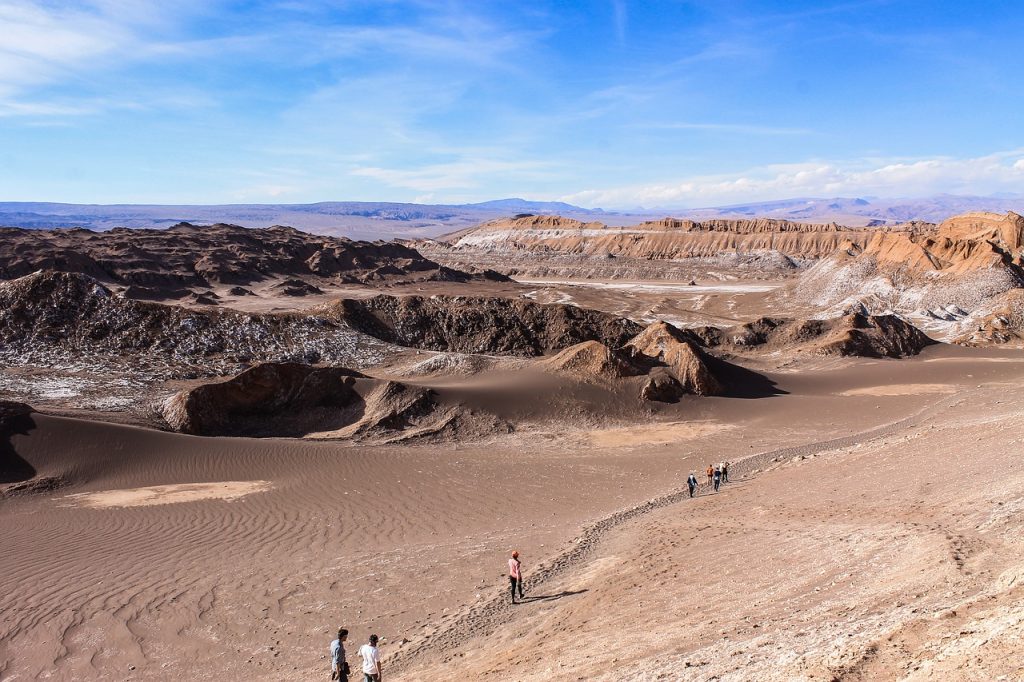
The Diaguita cultural tradition emerged in the valleys of what is today Chile’s Norte Chico region and neighboring parts of northwestern Argentina roughly a thousand years ago, developing out of earlier agricultural societies that had adapted to the challenge of farming in a narrow band of fertile land squeezed between the Pacific coast, the Atacama Desert, and the high Andes.
Archaeologists identify the Diaguita by their distinctive polychrome pottery, agricultural terracing, and settlement patterns concentrated along river valleys such as the Elqui, Limari, and Copiapo in Chile, and the Calchaqui valleys further east in Argentina, where a closely related but somewhat distinct Diaguita-Calchaqui tradition developed.
These valley societies were never unified under a single central authority before outside conquest; instead, they consisted of numerous semi-independent communities sharing language, craft traditions, and religious practices while maintaining their own local leadership and, at times, engaging in conflict or competition with neighboring valley groups.
This decentralized but culturally cohesive pattern meant that when the Inca empire expanded into the region in the fifteenth century, it encountered not a single kingdom to topple but a network of valley communities that could be incorporated, taxed, and administered through existing local leadership structures, a pattern of layered conquest repeated again under Spanish rule less than a century later.
Some archaeologists divide the broader Diaguita cultural sequence into distinct phases, generally labeled early, classic, and Inca-influenced late periods, each marked by shifts in pottery style, settlement pattern, and evidence of increasing social complexity as valley populations grew and agricultural techniques improved over the centuries preceding European contact.
What “Diaguita” Means
The name “Diaguita” is generally believed to derive from a Quechua-influenced term applied during the period of Inca administration, though its precise original meaning remains debated among linguists and historians, with some scholars connecting it to descriptive terms for the mountainous, valley-dwelling populations the Inca encountered as they expanded southward.
Spanish colonial administrators later adopted and standardized the term, applying it broadly to valley communities across a wide stretch of territory that may have included distinct but related groups who did not necessarily use a shared name for themselves before external labeling imposed one.
In Argentina, the closely related term “Calchaqui” is often used specifically for Diaguita communities of the Calchaqui valleys, reflecting a regional distinction that persists in how descendant communities on either side of the Andes identify themselves today, even as both trace their heritage to the same broader cultural tradition.
Modern Diaguita descendant organizations in both Chile and Argentina have embraced the name as a source of pride and formal identity, using it in legal recognition claims, cultural associations, and educational material aimed at reconnecting younger generations with valley heritage that was suppressed for centuries.
Genetic and archaeological research continues to refine understanding of population continuity in the region, with some studies suggesting substantial biological continuity between pre-Columbian valley populations and present-day residents, even where cultural and linguistic identity was more thoroughly disrupted by colonial and national assimilation policy.
A Language Absorbed by Empire
Little is known with certainty about the original Diaguita language, sometimes referred to as Kakan, since it fell out of everyday use relatively early in the colonial period as Quechua, introduced through Inca administration, and later Spanish became the dominant languages of the region.
Surviving evidence of Kakan comes primarily from place names, a handful of colonial-era word lists, and scattered references in early Spanish administrative and missionary documents, making full linguistic reconstruction difficult and leaving many basic questions about its grammar and vocabulary unresolved.
Some linguists have proposed possible distant connections between Kakan and other South American language families, though no definitive classification has been established, and the language is generally treated as an isolate or as belonging to a poorly documented family unique to the region.
Today Diaguita descendant communities and researchers work with the limited surviving evidence to reconstruct place-name meanings and partial vocabulary, treating this fragmentary linguistic record as an important, if incomplete, link to a heritage otherwise transmitted mainly through craft, place, and oral family history.
Homeland of Desert and River Valley
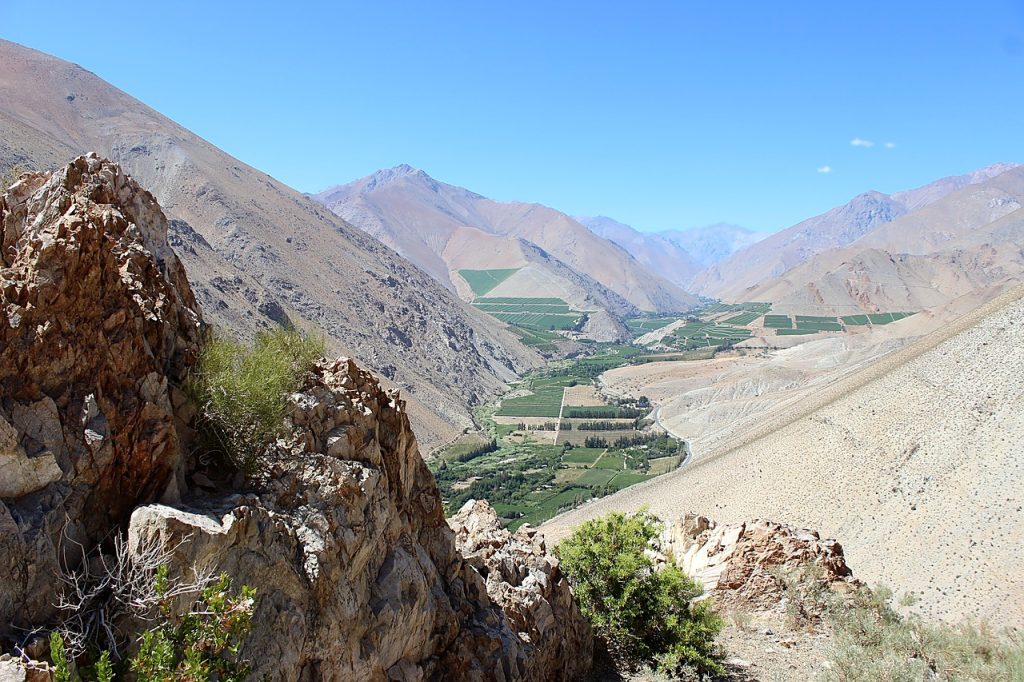
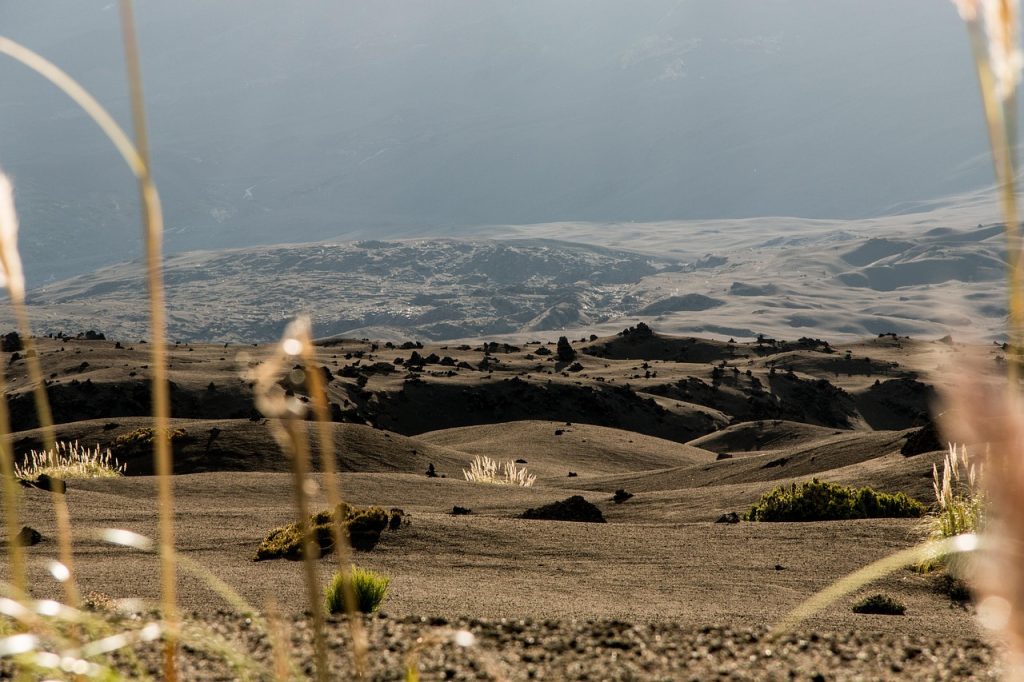
The Diaguita homeland occupies a striking transitional zone where the hyper-arid Atacama Desert gives way, moving south, to a semi-arid region cut by rivers descending from the Andes, creating narrow bands of remarkably fertile land surrounded by some of the driest terrain on the planet.
This geography demanded careful water management, and Diaguita communities became skilled at building irrigation canals and agricultural terraces that maximized the productivity of limited arable land, techniques that allowed dense population concentrations in valleys that would otherwise support only sparse desert vegetation.
Further east, across the Andes in Argentina, the Calchaqui valleys presented a somewhat different but related environment, high-altitude valleys with their own irrigation challenges and opportunities, connected to the Chilean valleys by mountain passes that facilitated trade and cultural exchange across the range.
This dramatic landscape, now famous internationally for stargazing tourism, pisco production, and striking desert scenery like the Valle de la Luna, was first made habitable and productive through many centuries of Diaguita agricultural engineering, a legacy often overlooked by visitors drawn mainly to the region’s natural beauty.
ok 1-4The Old Way of Farming and Herding
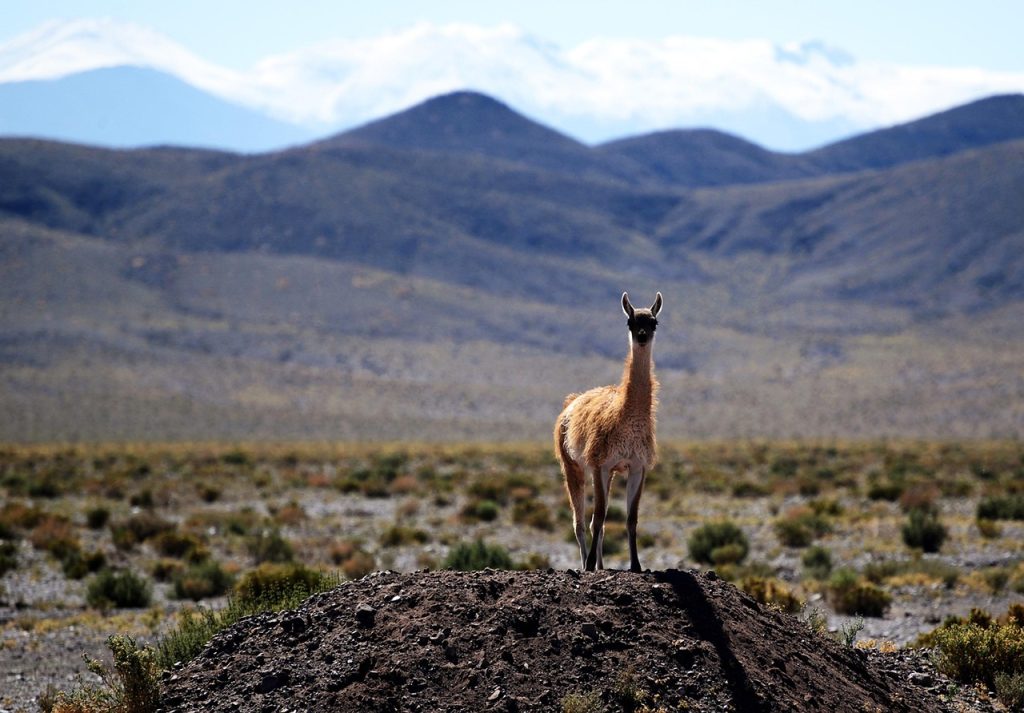
Diaguita subsistence combined irrigated agriculture with herding of llamas and, in earlier periods, hunting of wild camelids such as guanaco and vicuna, a mixed economy that allowed valley communities to draw on multiple food sources despite the region’s aridity outside the cultivated river corridors.
Maize, beans, squash, and quinoa were cultivated in carefully terraced and irrigated fields, with water diverted from mountain rivers through canal systems that required coordinated community labor to build and maintain, reinforcing cooperative social structures around shared agricultural infrastructure.
Llama caravans connected Diaguita valleys to distant trading partners, exchanging valley produce, textiles, and metalwork for goods from the altiplano, the Pacific coast, and eventually, following Inca expansion, integrating into a much larger imperial trade and tribute network stretching the length of the Andes.
This combination of settled agriculture and herding, supported by extensive infrastructure investment in irrigation, distinguished the Diaguita from more mobile hunting societies elsewhere in the southern cone and allowed for larger, more permanent settlements than the sparse desert environment might otherwise suggest possible.
Society and Everyday Structure
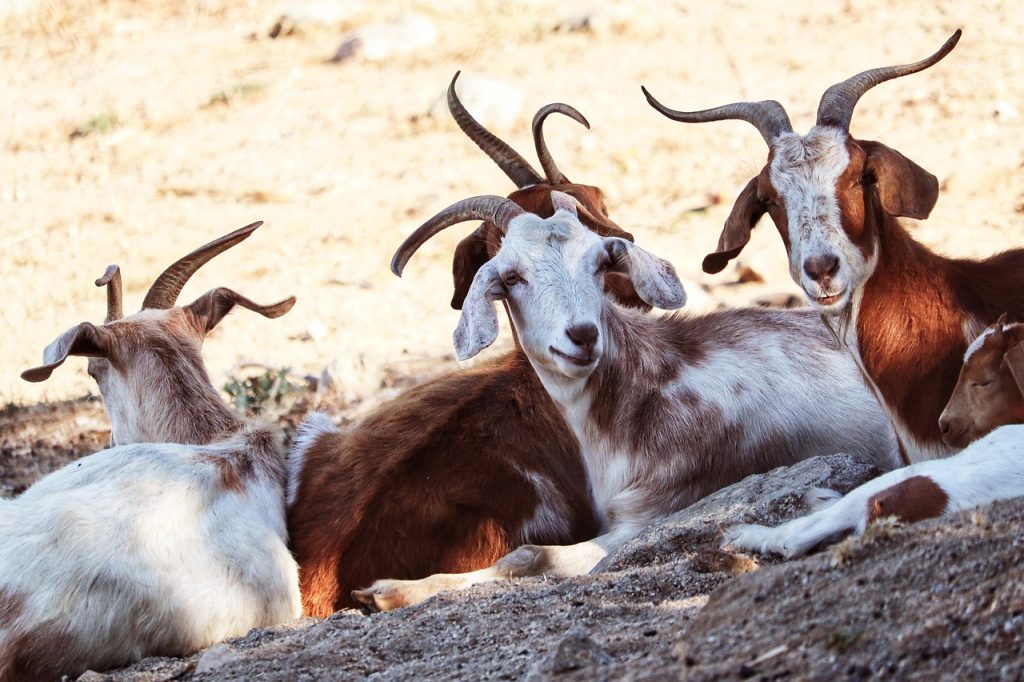
Diaguita valley communities were typically organized around extended kin groups controlling specific agricultural land and irrigation rights, with local leaders, sometimes called caciques following later Spanish terminology, coordinating communal labor, resolving disputes, and representing the community in dealings with neighboring valleys or, later, imperial authorities.
Social status appears to have been tied partly to control of productive land and irrigation access, and partly to craft skill, particularly in pottery production, which held both practical and prestige value within Diaguita communities, given the technical skill and artistic sensibility required to produce their distinctive painted ceramics.
Following Inca incorporation in the fifteenth century, existing Diaguita social structures were layered with imperial administration, including tribute obligations and the relocation of some community members as mitmaqkuna, colonists resettled elsewhere in the empire, a practice that spread Diaguita cultural influence into new Andean regions.
Spanish colonization later imposed further disruption through the encomienda system, which assigned Indigenous labor and tribute obligations to Spanish colonists, fundamentally altering traditional Diaguita social and economic structures while communities worked to preserve what elements of their own governance and custom they could under increasingly restrictive colonial law.
Archaeological tourism has also grown around Diaguita heritage sites in recent years, with museums in La Serena and other valley towns displaying pottery and artifacts alongside educational material developed in consultation with descendant communities, part of a broader effort to present Diaguita history as a living heritage rather than a purely archaeological curiosity.
Belief Under Inca and Spanish Rule
Pre-Inca Diaguita religious practice appears to have centered on reverence for mountains, water sources, and ancestral figures, with archaeological evidence including ceremonial sites and burial practices suggesting a cosmology deeply tied to the specific landscape features that made valley agriculture possible.
Inca conquest introduced state religious practices centered on the sun god Inti and imperial ritual calendars, layered onto existing local belief systems in a pattern typical of Inca administration elsewhere in the empire, which generally incorporated rather than eliminated local religious practice as long as imperial cults received proper recognition.
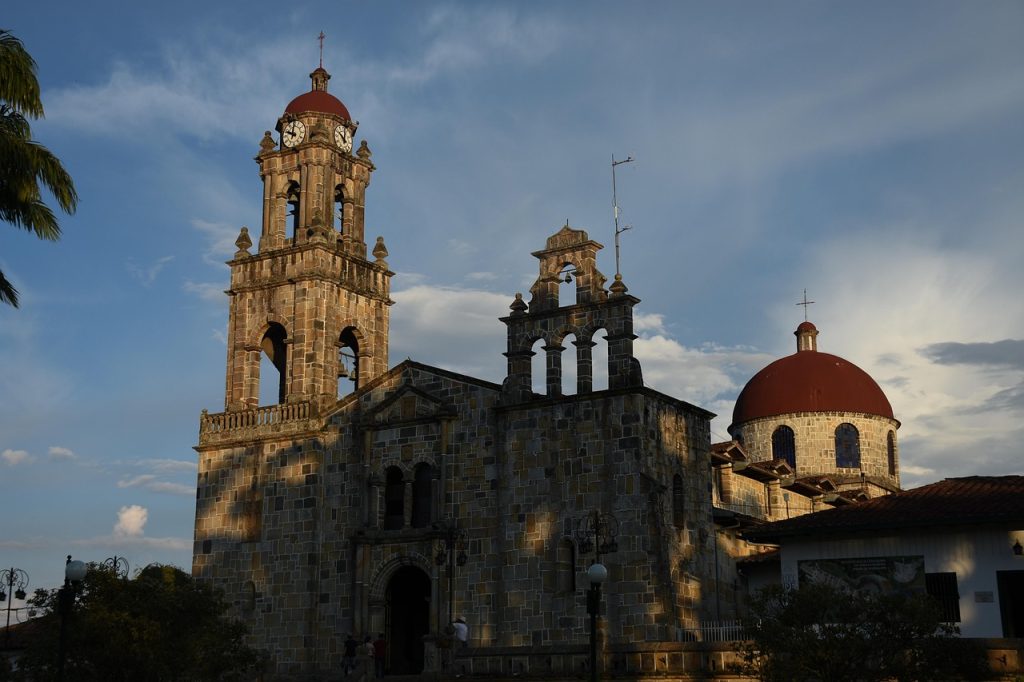
Spanish colonization brought Catholic conversion efforts, often enforced through mission activity and colonial law, producing over generations a blended religious practice in which Catholic saints, feast days, and church structures coexist with older reverence for local landscape features and ancestral memory, a pattern common across much of colonial Latin America.
Contemporary Diaguita descendant communities in both Chile and Argentina have increasingly worked to research and, where possible, revive elements of pre-colonial spiritual practice, treating this recovery effort as an important part of broader cultural and political reassertion of Diaguita identity in the present day.
ok 5-7Building in Stone and Earth
Diaguita settlements often included pucara, fortified hilltop structures built from stacked stone, used both for defense and, in some cases, as ceremonial or administrative centers overlooking the agricultural valleys below. These structures, some later reinforced or repurposed under Inca administration, remain among the most visible archaeological traces of pre-colonial Diaguita presence in the landscape.
Domestic architecture typically used adobe or stone construction suited to the arid climate, with structures organized around central patios and storage areas for agricultural surplus, reflecting a settled, agriculturally focused way of life quite different from the mobile dwellings of hunting societies further south.
Terracing and canal construction represent perhaps the most enduring Diaguita building tradition, with some irrigation infrastructure remaining in use, in modified form, by valley farmers today, a rare case of pre-Columbian engineering continuing to serve a practical agricultural function centuries after its original construction.
Funerary architecture, including stone-lined tombs often containing painted pottery and other grave goods, provides much of the archaeological evidence used to reconstruct Diaguita social organization and belief, since these burial contexts were frequently better preserved than the domestic structures of the living.
Textile production using camelid fiber also formed part of the Diaguita craft repertoire, though far less survives archaeologically than the durable pottery and metalwork, since textiles decompose far more readily in most burial and settlement contexts, leaving historians reliant mainly on rare, exceptionally preserved fragments and comparison with better-documented neighboring textile traditions.
The Famous Diaguita Pottery
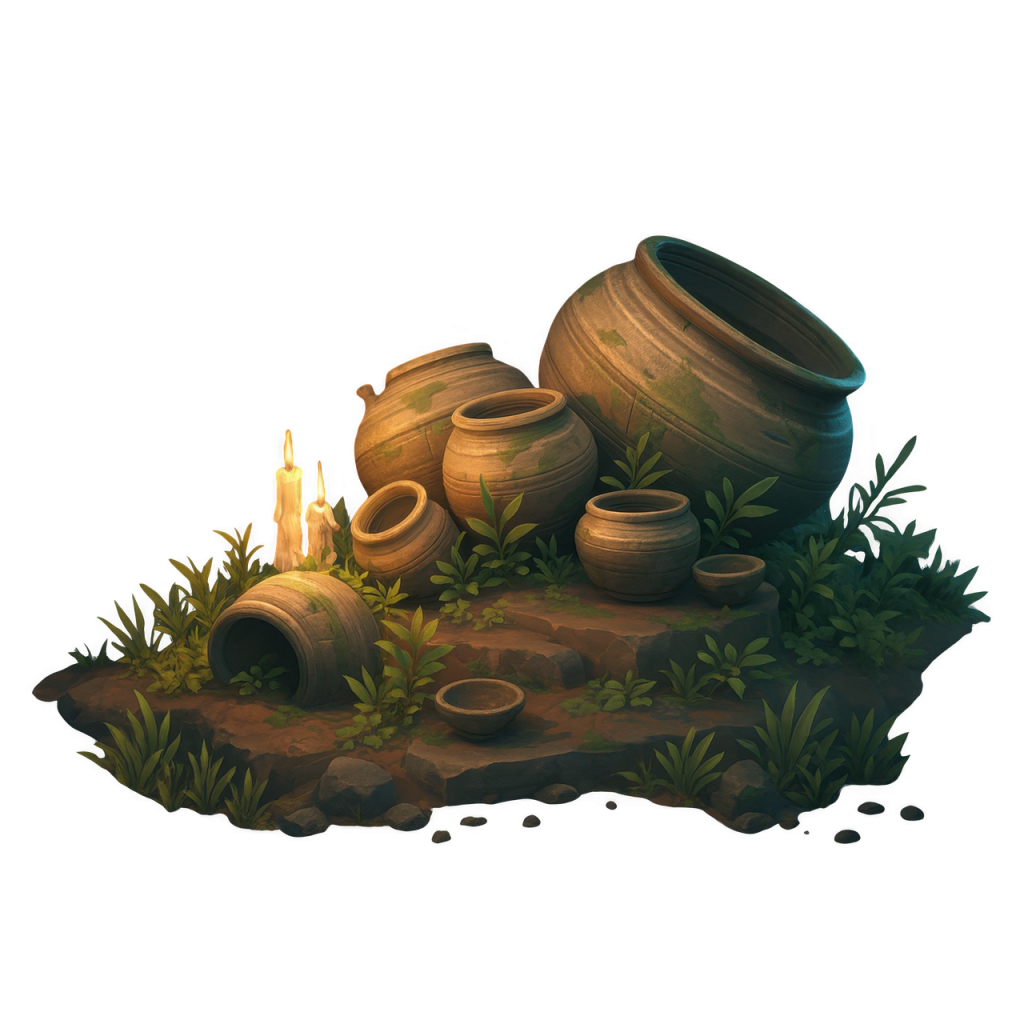
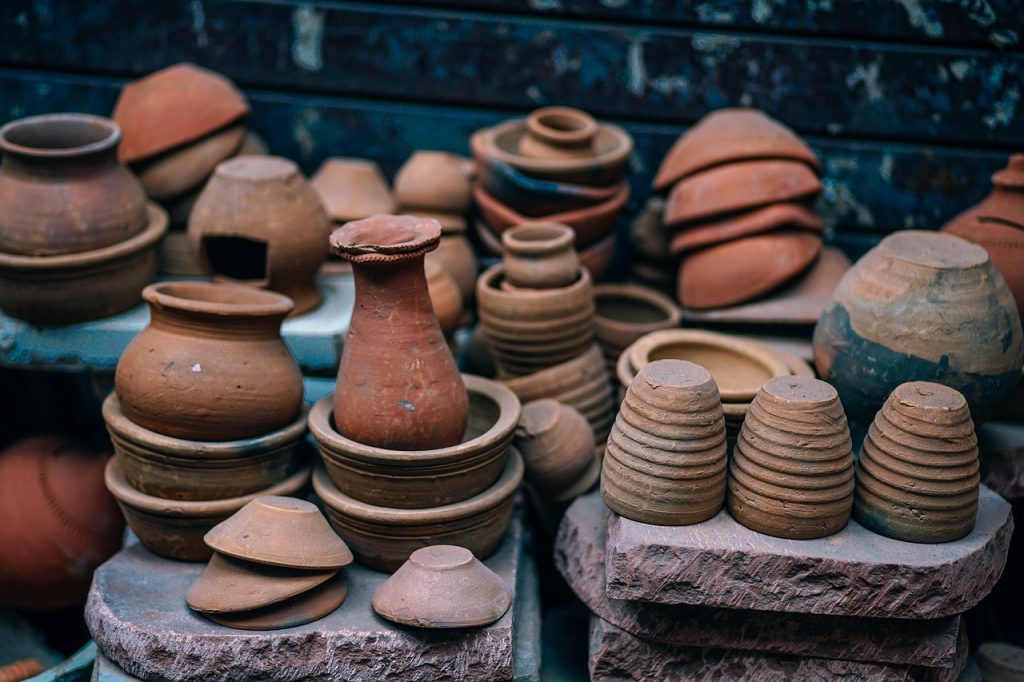
Diaguita pottery is widely regarded as among the finest pre-Columbian ceramic traditions in southern South America, characterized by geometric black, white, and red painted designs on distinctive vessel shapes, including the notable “duck jar” and other zoomorphic and stirrup-spout forms found across valley archaeological sites.
These ceramics were not merely functional but carried social and possibly ritual significance, with finely made painted vessels frequently included as grave goods, suggesting pottery quality and design carried meaning related to status, identity, or spiritual belief beyond simple everyday use.
Diaguita potters achieved their designs without a potter’s wheel, building vessels by hand using coiling and molding techniques, then painting intricate geometric patterns before firing, a combination of technical skill and artistic consistency that has made their work highly recognizable to archaeologists and collectors alike.
Contemporary Diaguita descendant artisans in Chile’s Elqui and Limari valleys have revived traditional pottery techniques, studying archaeological collections and museum pieces to recreate historically accurate designs, both to preserve technical knowledge and to supply a growing market for authentic, culturally grounded craftwork.
Metalworking, particularly in copper and bronze, developed alongside pottery as a Diaguita craft specialty, producing tools, ornaments, and ceremonial objects that show clear evidence of technical exchange with Andean metallurgical traditions further north, likely intensified after Inca incorporation brought valley artisans into closer contact with imperial workshops and trade networks.
Food of the Valley Oasis
Maize, beans, and squash formed the agricultural core of the traditional Diaguita diet, supplemented by quinoa, tubers, and the fruit of the algarrobo tree, whose pods could be ground into flour or fermented into a beverage, providing an important food source adapted to the semi-arid valley environment.
Llama meat, along with hunted guanaco and vicuna in earlier periods, provided protein, while chanar and other native fruit trees offered seasonal supplementary food gathered from the margins of cultivated land rather than grown intentionally within it.
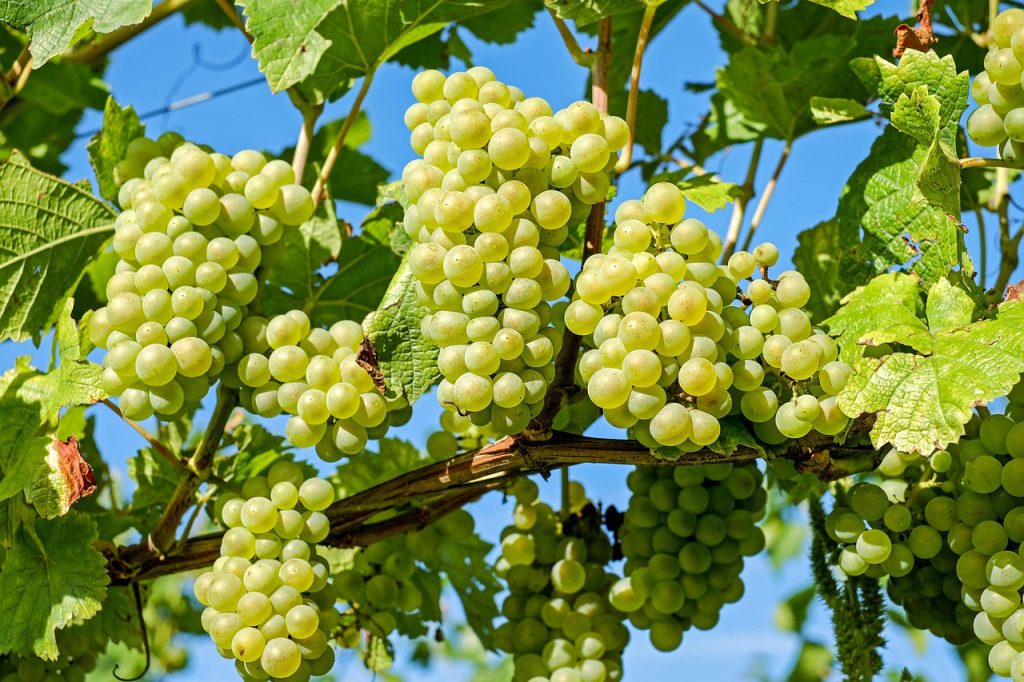
The valleys that once sustained Diaguita agriculture are today famous for grape cultivation and pisco production, an industry that, while introduced during the colonial period, depends on the same irrigation infrastructure and agricultural knowledge base the Diaguita developed centuries earlier to make valley farming possible at all.
Modern regional cuisine in Chile’s Norte Chico and Argentina’s northwest still reflects this deep agricultural inheritance, with dishes built around maize, squash, and dried fruit that trace a direct culinary line back through colonial adaptation to Diaguita valley farming practice.
ok 8-10Harvest and Celebration
Agricultural harvest, closely tied to survival in a landscape where cultivable land was scarce and hard-won, was historically marked with ceremony and communal celebration among the Diaguita, a pattern that survives in modified form in the harvest festivals still celebrated across the valleys today.
Fiestas patrias and other national Chilean and Argentine celebrations in the region often incorporate regional Diaguita-descended food, music, and craft display, blending national holiday observance with a distinctly local valley identity shaped by centuries of Diaguita agricultural heritage.
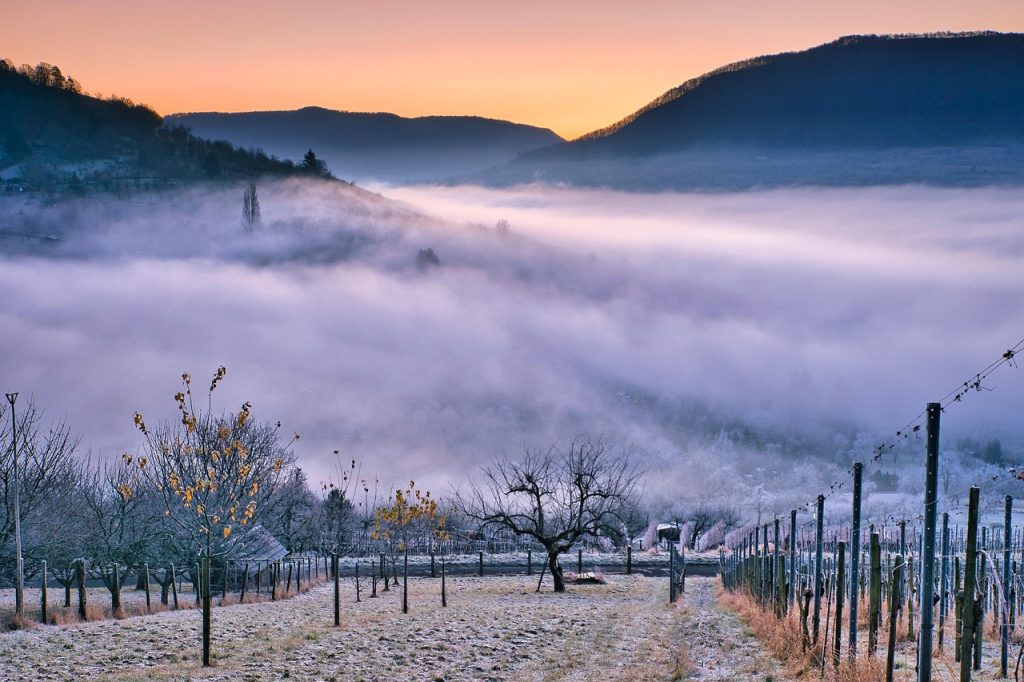
Wine and pisco harvest festivals in the Elqui and Calchaqui valleys today draw on centuries of viticultural adaptation to irrigation infrastructure originally built for other crops, transforming an agricultural inheritance into a modern celebration of regional identity and produce.
Diaguita descendant organizations have also begun organizing cultural festivals explicitly focused on heritage recovery, featuring pottery demonstrations, traditional food, and educational programming aimed at reconnecting valley communities with practices that colonial and later national assimilation policy had pushed toward disappearance.
Conquest, Colonization, and Resistance
Inca expansion into Diaguita territory during the fifteenth century brought the region into the empire’s administrative and tribute system, a process that, while imposing new obligations, also connected Diaguita valleys to a vast trade and infrastructure network stretching across the Andes, leaving lasting Quechua linguistic and cultural influence still visible in the region today.
Spanish conquest beginning in the 1530s and 1540s proved far more disruptive, imposing forced labor through the encomienda system, introducing devastating new diseases, and triggering periodic uprisings, including significant Diaguita-Calchaqui resistance in Argentina that culminated in a prolonged seventeenth-century rebellion eventually suppressed through brutal military campaigns and forced relocation.
In Chile, Diaguita identity became increasingly obscured over the colonial and early national periods as communities intermarried with Spanish settlers and other Indigenous groups, and official recognition of a distinct Diaguita population lapsed almost entirely by the twentieth century, with many Chileans of partial Diaguita descent unaware of or disconnected from that specific heritage.
The seventeenth-century Calchaqui uprisings in Argentina, sometimes called the Calchaqui Wars, involved decades of intermittent conflict against Spanish colonial forces, with valley communities leveraging their knowledge of difficult mountain terrain to sustain resistance far longer than colonial administrators initially expected, before eventual defeat led to the forced relocation of surviving communities to distant parts of the colony.
In Argentina, Diaguita-Calchaqui communities maintained somewhat more continuous group identity in certain valley communities, though they too faced land loss, forced assimilation pressure, and long periods without formal government recognition of their distinct Indigenous status.
The Diaguita Today
A significant turning point came in Chile in 2006, when the government formally recognized the Diaguita as one of the country’s official Indigenous peoples, decades after most other Indigenous groups had received similar recognition, following sustained advocacy by descendant communities who had never fully abandoned their identity despite its long absence from official records.
This recognition triggered a notable increase in the number of Chileans formally identifying as Diaguita, alongside a broader cultural revival involving pottery workshops, language and history research, and land claims in the Norte Chico valleys where ancestral communities are documented to have lived continuously for centuries.
In Argentina, Diaguita-Calchaqui communities continue to pursue land rights and formal recognition under national Indigenous rights frameworks, working to protect ancestral territory in the Calchaqui valleys from mining and agricultural development pressures that threaten both livelihood and archaeologically significant sites.
Chilean census data following the 2006 recognition showed tens of thousands of people identifying as Diaguita, concentrated heavily in the Atacama and Coquimbo regions, a figure that continues to grow as awareness of the recognition spreads and as descendant organizations actively encourage community members to formally register their heritage.
The Diaguita today represent a striking case of Indigenous identity reasserting itself after a long period of official invisibility, proving that recognition delayed by more than a century did not mean a people had ceased to exist, only that their story had been left untold. To the north, across the high Andean plateau near the borders of Chile, Bolivia, and Argentina, the Atacameno or Likan Antai people carry forward a closely related, equally resilient desert heritage.
More Peoples of the Americas
The Diaguita are one thread in a much larger tapestry of Indigenous nations covered here, each shaped by different land, history, and circumstance. Explore more:
- The People Who Emerged Into This World, the Story of the Navajo
- The People Who Never Left the Mountains, the Story of the Quechua
- The People Who Never Vanished, the Story of the Maya
- The People of the Seven Council Fires, the Story of the Lakota
- The People of the Land Who Were Never Conquered, the Story of the Mapuche
- The People of Ice and Sea, the Story of the Inuit
- The Islands of the People, the Story of the Haida
- The Four Directions People, the Story of the Cree
- The Principal People, the Story of the Cherokee
- The People of the Timeless Speech, the Story of the Aymara
- The People Whose Language Became a Nation, the Story of the Guarani
- The People of the Big Feet, the Story of the Tehuelche


One thought on “Diaguita: A Nation Chile Forgot, Then Remembered”