Long before Arabic was spoken across North Africa, before the Romans built their cities along the Mediterranean shore, before even the Phoenicians founded Carthage, the lands stretching from the Atlantic coast of Morocco across the Sahara to the oases of Egypt were home to a people who are still there today. The world has long called them Berbers, but increasingly they call themselves by their own name: the Amazigh, often translated as free people or noble people. They are among the oldest known inhabitants of North Africa, an Indigenous people who have absorbed wave after wave of conquerors while never ceasing to be themselves.
To tell their story is to tell much of the deep history of North Africa itself, and to recognize a people too often hidden beneath the broad and misleading label of an Arab world that was, in truth, Amazigh long before it was anything else.
In This Article
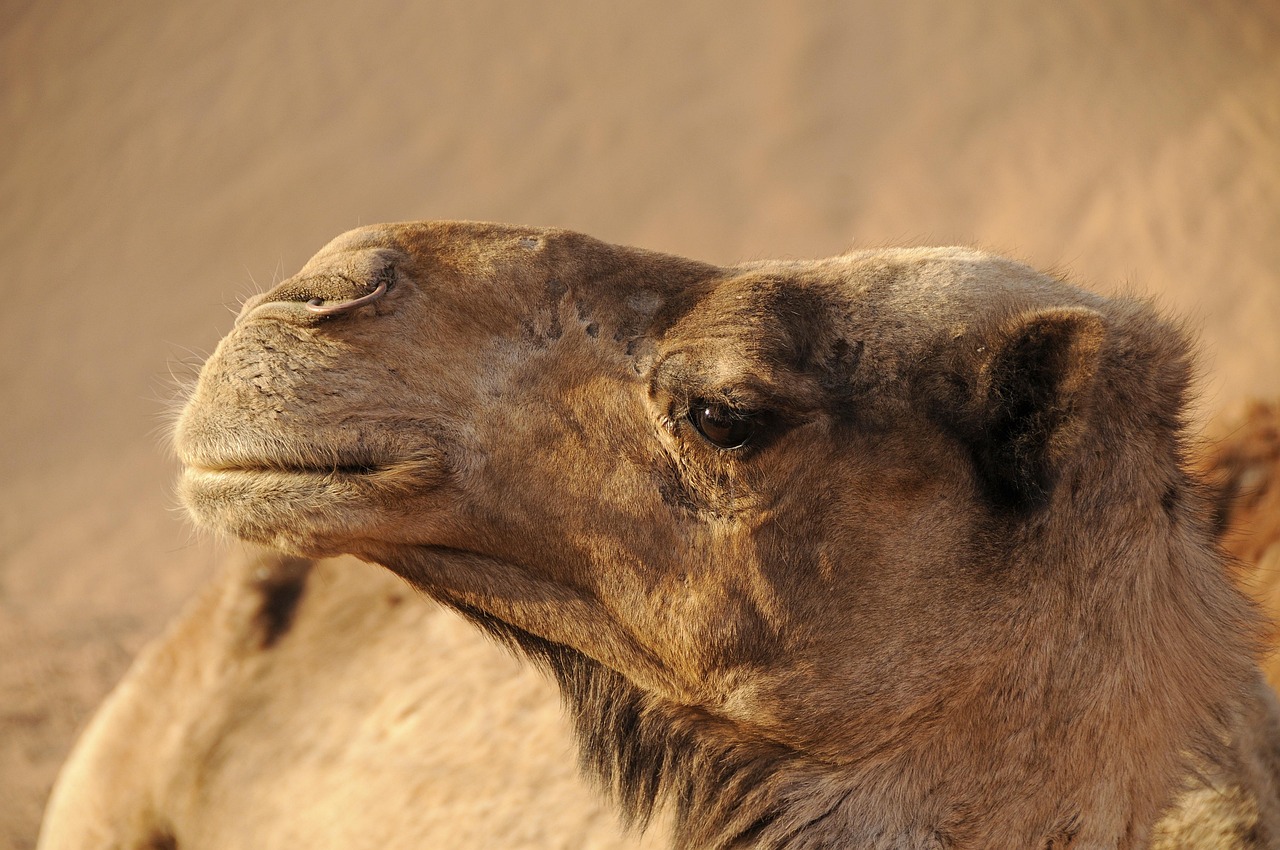
Who the Amazigh Are
The Amazigh, commonly known in English as Berbers, are the Indigenous peoples of North Africa, spread today across Morocco, Algeria, Tunisia, Libya, parts of Egypt, and the Sahel and Sahara to the south, including the desert-dwelling Tuareg. The term Berber derives ultimately from the same root as barbarian, a name imposed by outsiders, which is one reason many now prefer Amazigh (plural Imazighen) and call their language Tamazight and their broad homeland Tamazgha.
They are not a single uniform group but a family of related peoples and communities, including the Riffians and the people of the Atlas and Souss regions in Morocco, the Kabyles and Chaouis of Algeria, the Tuareg of the deep desert, and many others, each with their own dialect and local traditions. What binds them is a shared linguistic heritage, a deep-rooted sense of connection to the land of North Africa, and an identity that long predates the Arab arrival. Crucially, a great many people across North Africa are of Amazigh descent even where Arabic has become their everyday language, so that the Amazigh presence is far wider than the number of current Tamazight speakers alone would suggest.
An Ancient and Enduring Presence
The Amazigh are among the oldest identifiable peoples of North Africa, and their roots reach deep into prehistory. According to most historians and archaeologists, populations ancestral to the Amazigh have inhabited the region for many thousands of years, long before the recorded civilizations of the Mediterranean. The ancient Egyptians, Greeks, and Romans all recorded encounters with the Indigenous peoples to their west and south, referring to them by various names, and these references confirm a continuous Amazigh-related presence stretching back into antiquity.
Genetic and linguistic evidence supports the picture of a very old North African population with deep local continuity, distinct in origin from the later Arab arrivals, even as the two have mixed extensively over the centuries since. As always with claims about deep ancestry, the details are complex and scholars proceed with caution, but the broad conclusion is well established: the Amazigh are not newcomers to North Africa but its long-standing native inhabitants, a foundational people of the region whose history runs far beneath the more recent Arab and Islamic layers.
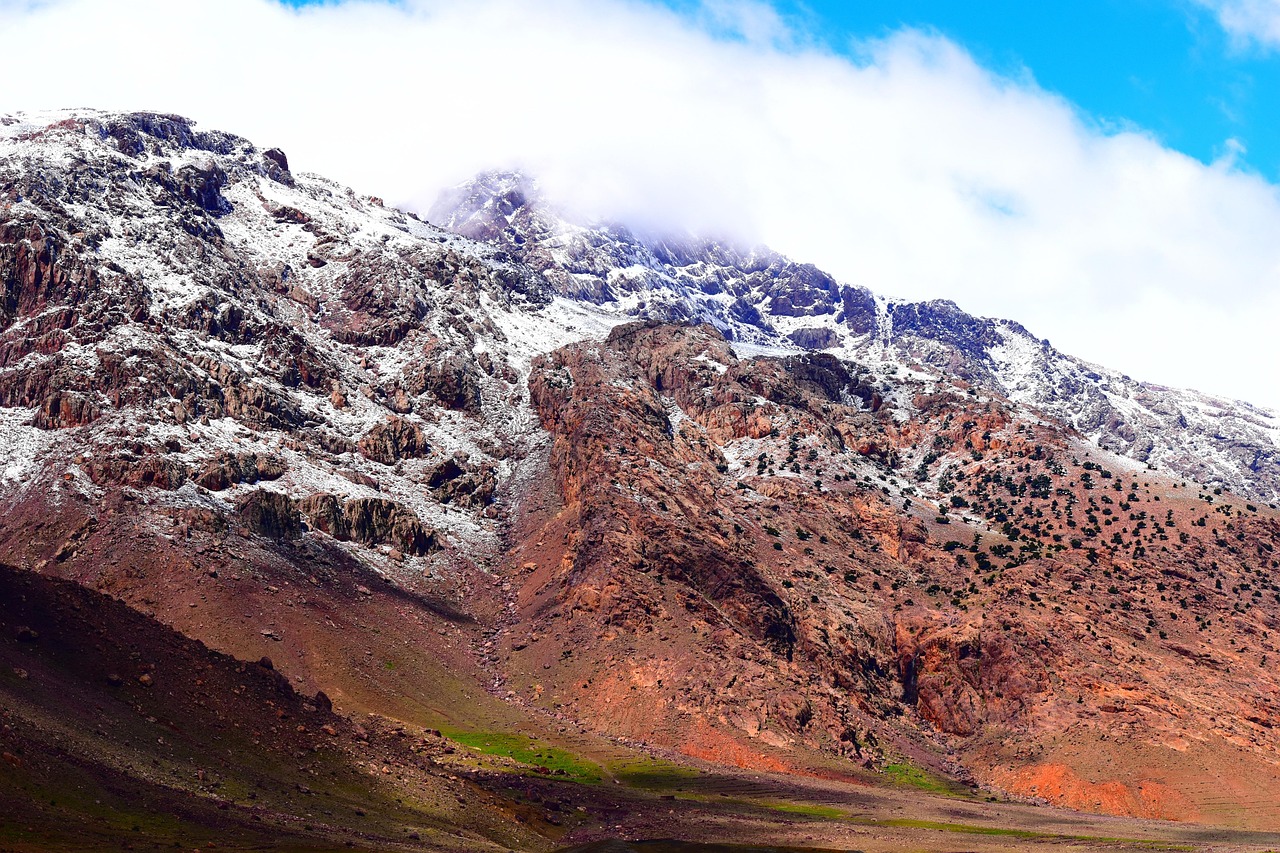
Traces Carved in Rock and Stone
The deep past of North Africa is written across its landscape, and much of it belongs to the ancestors of the Amazigh and the peoples who preceded and merged with them. The Sahara, now one of the most forbidding deserts on Earth, was once far greener, and its rock walls preserve thousands of paintings and engravings depicting cattle, hunters, dancers, and animals long vanished from the region, evidence of the flourishing human life of a wetter age. These images, found at sites across the Sahara, are among the great prehistoric art treasures of the world.
Scholars are careful not to attribute every ancient image directly to the Amazigh as a defined people, since the art spans periods before any such identity can be confidently named. Yet the continuity of habitation, the ancient burial mounds and tombs scattered across North Africa, and the early development of a distinctive script all point to the deep antiquity of the regions native culture. Remarkably, the Amazigh possess their own ancient writing system, known as Tifinagh, whose roots lie in an old Libyan script attested from antiquity and which survives in use, especially among the Tuareg, to this day — a living link to a very distant past.
How They Lived and What They Built
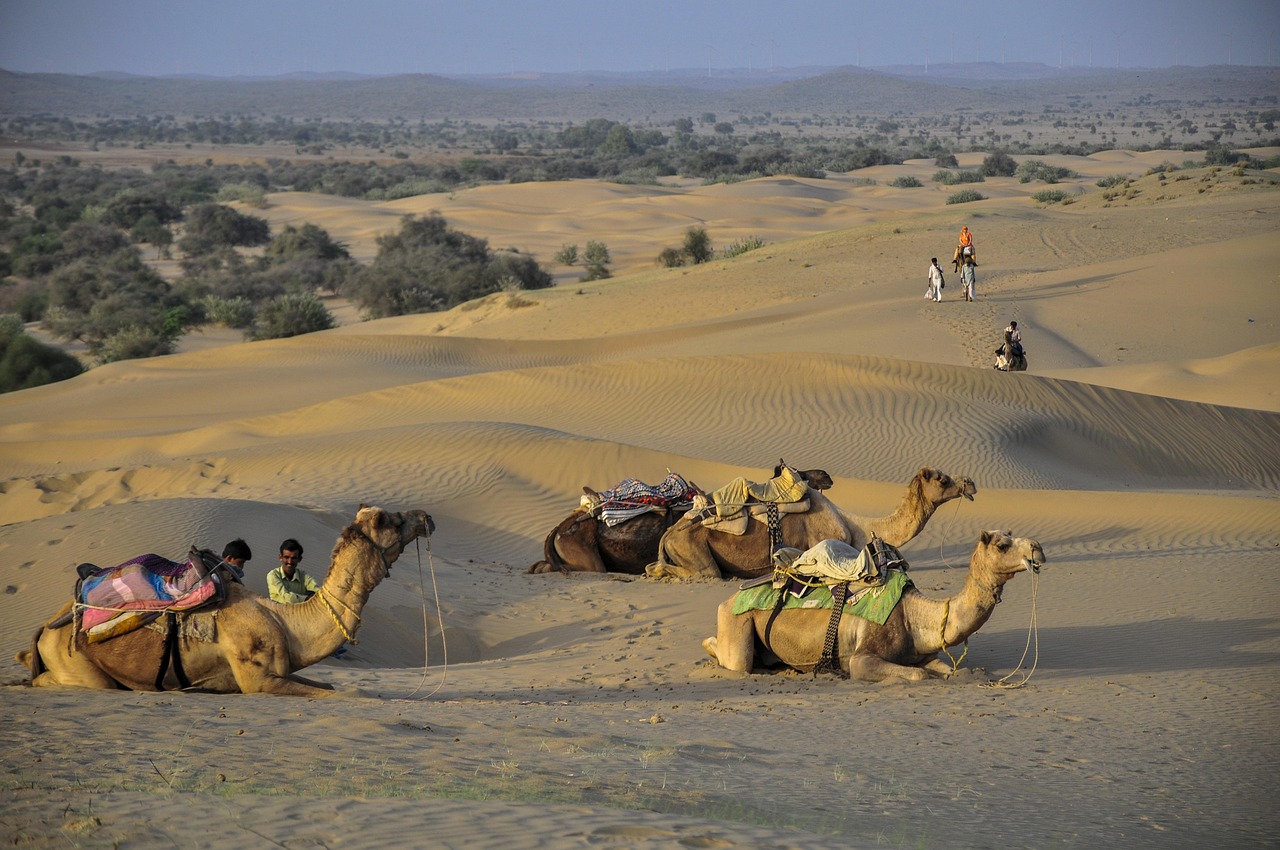
Amazigh ways of life were as varied as the landscapes they inhabited. In the fertile mountains and valleys they were farmers, cultivating grain, olives, and fruit and tending flocks; in the high Atlas they built terraced fields and fortified villages; and in the vast desert the Tuareg became masters of the camel and the caravan, guiding trade across the Sahara along routes that carried gold, salt, and goods between sub-Saharan Africa and the Mediterranean world. The Tuareg developed their own distinctive customs, including the famous indigo-dyed veils worn by men rather than women, which earned them a romantic reputation among outsiders as the blue people of the desert, and a social order in which women historically held a notably strong and respected position. This trans-Saharan trade made certain Amazigh groups central players in the commerce of medieval Africa and brought great wealth to the desert routes they controlled.
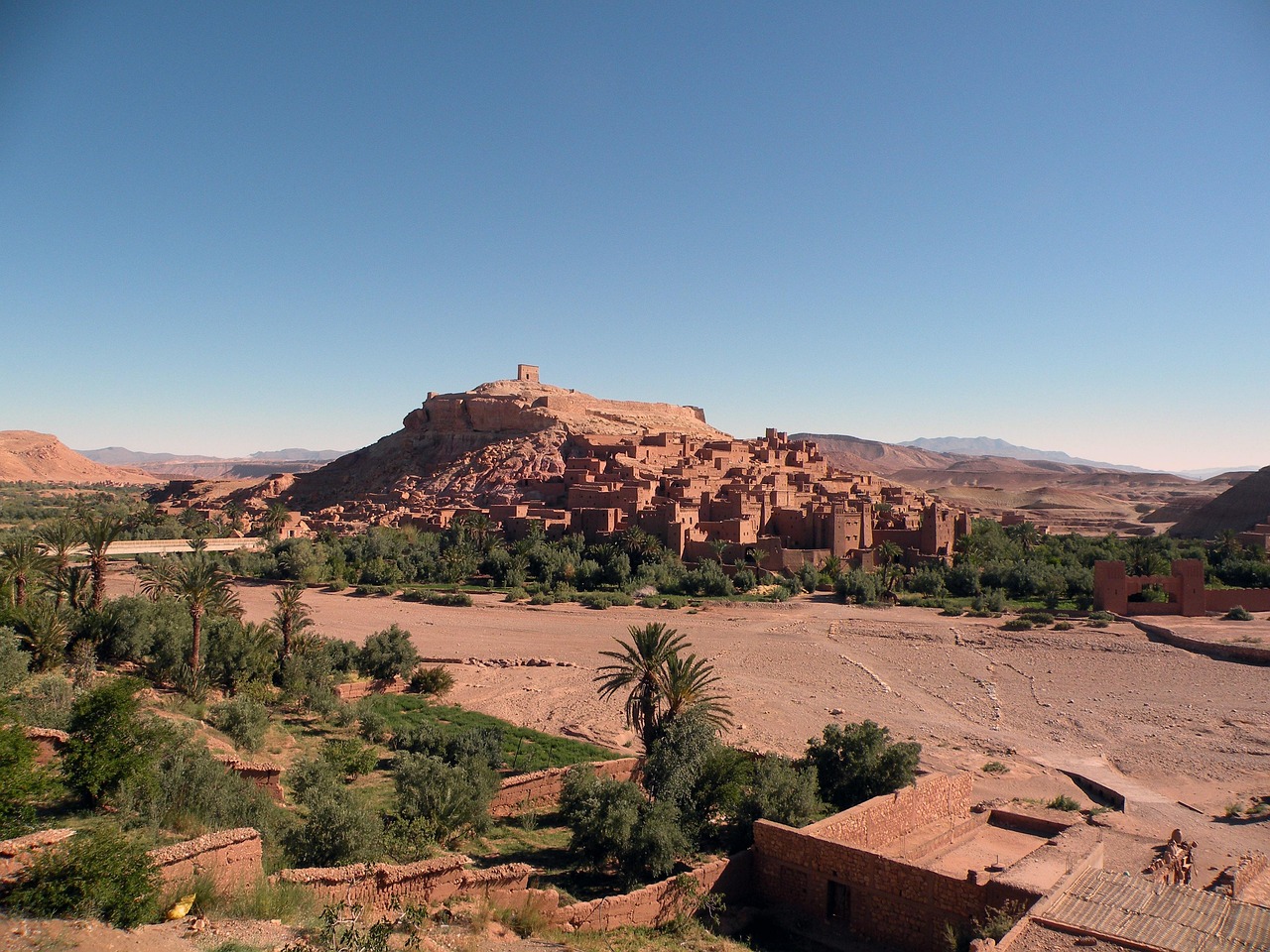
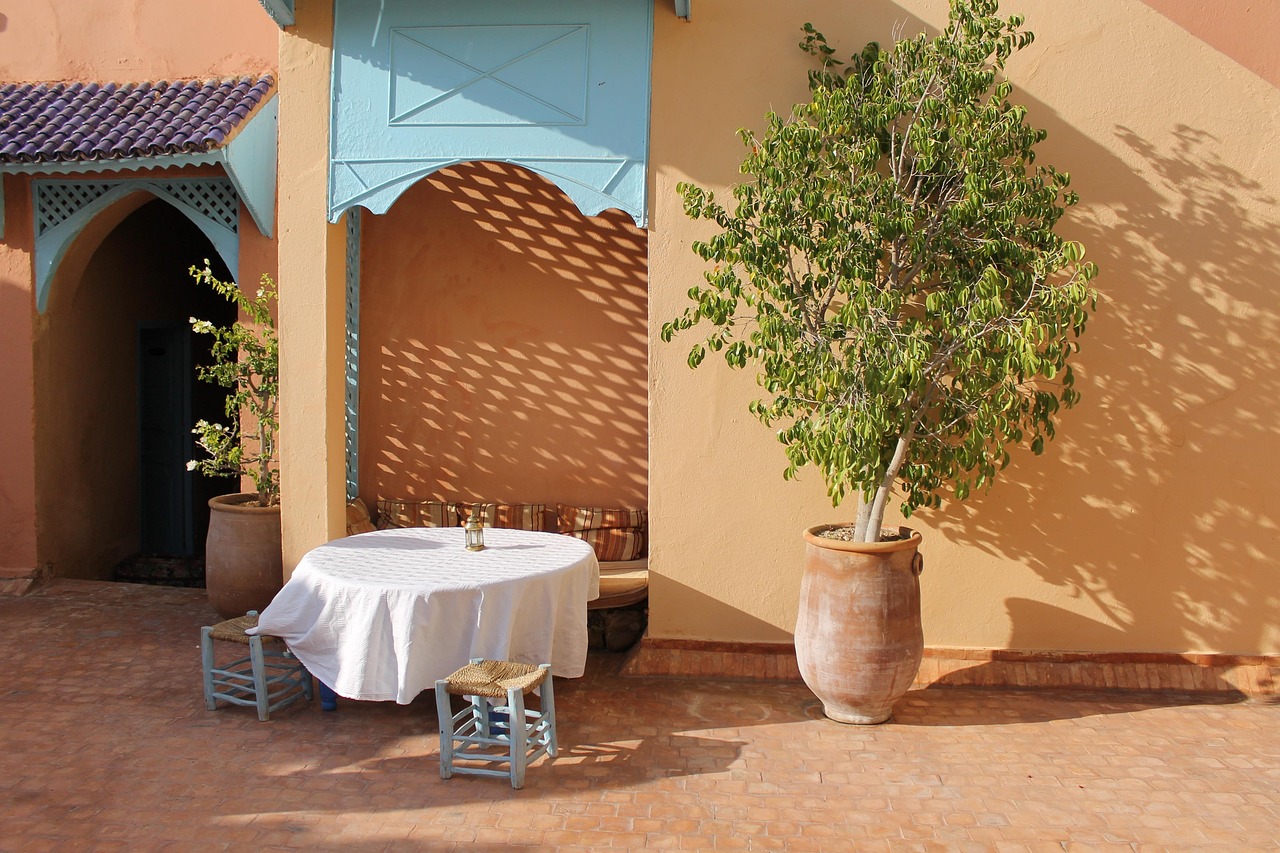
Amazigh architecture is one of their most striking legacies. Across Morocco and beyond stand the kasbahs and ksour, fortified strongholds and villages built of rammed earth and mudbrick, rising in warm tones from the landscape and often strikingly beautiful, some of them now recognized as treasures of world heritage. Amazigh craft traditions are equally rich: the women, in particular, are renowned weavers, producing carpets and textiles whose bold geometric patterns carry symbolic meaning passed down through generations, alongside fine work in silver jewelry, pottery, and leather. The household and the village, organized through councils and customary law, formed the bedrock of a society that prized honor, hospitality, and a fierce attachment to freedom and self-governance.
Conquerors Faced and Outlasted
The history of the Amazigh is in large part a history of resisting, absorbing, and outlasting a long succession of foreign powers. Phoenicians founded trading colonies along the coast, most famously Carthage; the Romans incorporated North Africa into their empire and met both cooperation and fierce resistance from the Indigenous peoples; and over the centuries the region saw the passage of Vandals, Byzantines, and others. Throughout, Amazigh kingdoms and confederations rose and fell, sometimes allying with the great powers, sometimes defying them, as with the famous resistance led by Indigenous leaders against Roman expansion.
The most transformative arrival came with the Arab–Islamic conquests beginning in the seventh century, which brought Islam — embraced by most Amazigh and now deeply woven into their identity — along with the Arabic language and gradual Arabization. Yet here too the Amazigh were far from passive. According to most historians, Amazigh dynasties came to dominate the western Islamic world; powerful movements that arose among the Amazigh built great empires that at their height ruled North Africa and much of the Iberian Peninsula, leaving a profound mark on the history of both Africa and Europe. Far from being merely conquered, the Amazigh repeatedly seized the initiative and shaped the course of the region history. In modern times they have at times had to struggle for recognition within the Arab-defined nation-states that emerged after independence, a struggle that continues in the cultural sphere today.
The Tamazight Language and Its Revival
The Amazigh languages, collectively known as Tamazight, form a branch of the great Afroasiatic language family, which makes them distant relatives of Arabic, Hebrew, and the ancient languages of Egypt and the Near East, though distinctly separate from them. Like the people themselves, the language exists as a cluster of related varieties — among them Tashelhit, Tarifit, Kabyle, and Tamasheq — which can differ considerably from one region to another. For centuries these were primarily spoken languages of home and community, persisting beneath the dominance of Arabic in writing, religion, and administration.
Under the centralizing Arab-nationalist states that emerged across North Africa in the twentieth century, Tamazight was often marginalized or suppressed in favor of Arabic, and Amazigh identity was for a time officially downplayed. In recent decades, however, a vigorous cultural movement has won significant gains. Tamazight has achieved official or constitutional recognition in Morocco and Algeria, the ancient Tifinagh script has been revived and standardized for teaching, and the language is increasingly taught in schools and used in media. Challenges remain, given the entrenched dominance of Arabic and French, but the trajectory has shifted decisively from suppression toward revival and pride. A vibrant modern Amazigh music scene, drawing on traditional rhythms and instruments while engaging contemporary themes, has become one of the most powerful vehicles of this revival, carrying the language and the cause of cultural recognition to audiences across North Africa and the diaspora.

Beliefs, Symbols, and Story
Today the Amazigh are overwhelmingly Muslim, and Islam is integral to their lives, but older layers of belief and a wealth of folklore survive woven into their culture. Before Islam, the Amazigh held a range of indigenous beliefs and venerated local deities and natural forces, and some pre-Islamic customs, festivals, and protective symbols have persisted in transformed forms alongside their faith. Retold here only in outline and in my own words, Amazigh folklore is rich with tales of spirits, cunning tricksters, and the moral lessons of village life, often shared in the evening as entertainment and instruction.
Powerful symbols carry meaning across Amazigh culture, most famously the letter that in Tifinagh script has become an emblem of Amazigh identity itself, displayed on flags and in art as a sign of pride and unity. Geometric motifs in tattoos, carpets, and jewelry traditionally served protective and identifying purposes, marking belonging and warding off misfortune. The agrarian calendar, tied to the seasons and the land, anchors festivals that celebrate the new year and the rhythms of farming life. As with all such traditions, practices vary widely between communities and have changed over time, and they are described here only in general terms out of respect for that diversity.
Notable Amazigh Figures
The Amazigh have given the world figures of extraordinary significance, often unrecognized as Amazigh because history filed them under other labels. According to most historians, Saint Augustine of Hippo, one of the most influential thinkers in the history of Christianity, was born in North Africa to a family of the regions Indigenous stock. The Roman-era author Apuleius, who wrote one of the only Latin novels to survive complete, likewise came from North Africa. In more recent times, the footballer Zinedine Zidane, one of the greatest players in the history of the game, is of Kabyle Amazigh descent, and many prominent artists, writers, and musicians of North Africa and its diaspora carry Amazigh heritage. As always, where I am uncertain of a person specific details or background, I have left such claims out rather than risk inaccuracy.
The Amazigh in the World Today
Today the number of Amazigh is large but genuinely hard to pin down, with estimates of Tamazight speakers and people of Amazigh identity ranging widely and depending heavily on how identity is defined; tens of millions of people across North Africa are of Amazigh descent, and the speakers of Tamazight languages number in the tens of millions as well. Morocco and Algeria contain the largest populations, with significant communities elsewhere in North Africa and a substantial diaspora in Europe, particularly France, Belgium, and the Netherlands.
The Amazigh today live across the full spectrum of modern life, from herders and farmers in remote mountain villages to professionals in the great cities and the diaspora. The cultural revival of recent decades has been striking: official recognition of the language, a flourishing of Amazigh music, film, and literature, and a growing assertion of identity, particularly among younger generations proud to call themselves Imazighen. At the same time, debates continue over language rights, political representation, and the balance between Amazigh and Arab identity within North African states. The picture is one of a people moving from the margins of official recognition toward a more confident and visible place in the life of their nations.
The story of the Amazigh is the story of North Africa beneath its surface — a people who were there before the famous empires arrived and who remain after they have gone, who embraced new faiths and languages without surrendering their own identity, and who today are reclaiming their name, their script, and their rightful place in the history of a continent they have helped to shape since the dawn of recorded time.
\n
More Peoples of the World
\n
This article is part of our Peoples of the World series, exploring fascinating and overlooked cultures around the globe. Explore the other peoples in the collection:
\n
\n
You May Like
The Zaza, a Mountain People of Eastern Anatolia


16 thoughts on “Long Before the Arabs Came, North Africa Belonged to the Amazigh”