In the very center of the Asian continent, in a region of mountains, grassland, and forest where Siberia meets the steppes of Mongolia, lives a people whose music has carried their name around the world. The Tuvans are a Turkic-speaking people of southern Siberia, herders and hunters of a remote land, and they are renowned above all for one of the most astonishing vocal arts on Earth: throat singing, the technique by which a single performer produces two or more pitches at once, conjuring whistling overtones above a deep sustained drone in imitation of the sounds of their natural world. Through this remarkable music, a small people from one of the most isolated corners of the planet has reached audiences who may never find their homeland on a map.
But there is far more to the Tuvans than their famous song. Theirs is a culture shaped by the open land, by herding and shamanism and Buddhism, by a position at the crossroads of great civilizations, and by the experience of having been, for a brief and strange moment in the twentieth century, one of the most obscure independent countries in the world.
In This Article
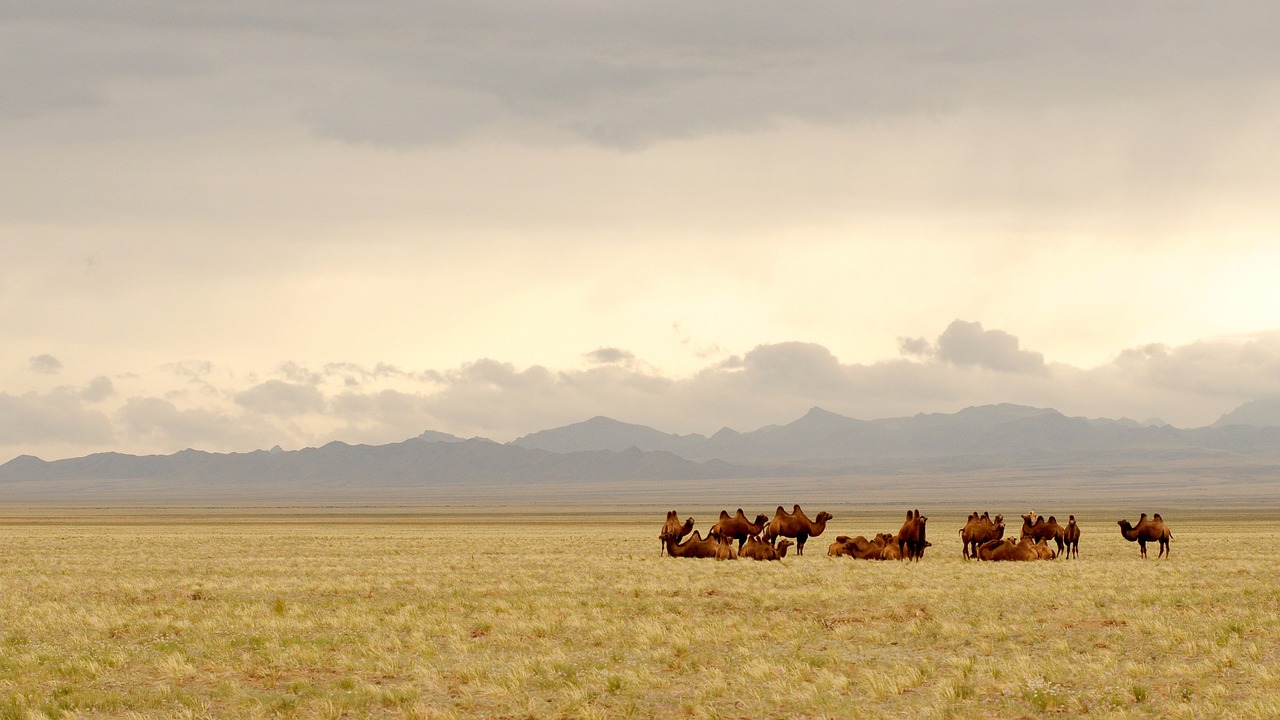
Who the Tuvans Are
The Tuvans are a Turkic-speaking people indigenous to the region of Tuva, which lies in southern Siberia within the Russian Federation, bordering Mongolia to the south. They are the titular people of the Tuva Republic, a federal subject of Russia centered on the upper basin of the great Yenisei River, one of the mighty rivers of Siberia. Geographically, Tuva sits at the heart of Asia — a point near its capital is sometimes identified as one of the candidates for the geographical center of the Asian continent — which captures something of the regions remoteness and its position deep in the interior, far from any sea.
Culturally and linguistically, the Tuvans belong to the Turkic world, related to other Turkic peoples of southern Siberia and Central Asia, yet they have also been profoundly shaped by their Mongolian neighbors and by influences from the wider region. They are traditionally a pastoral and partly nomadic people, herders of livestock on the steppes and in the mountains, and in some areas hunters and reindeer herders in the northern forests. This blend of Turkic heritage, Mongolian influence, steppe and forest economies, and a deeply spiritual relationship with the land gives Tuvan culture its distinctive character.
Origins at the Crossroads of Asia
The origins of the Tuvans reflect the complex history of inner Asia, a region across which Turkic, Mongolic, and other peoples migrated, mixed, and ruled over many centuries. According to most historians, the Tuvans emerged from a blending of Turkic-speaking groups with other indigenous peoples of the Sayan mountains and the surrounding region, in an area that lay within or near the heartland of successive steppe empires. The deep history of the region includes the rise and fall of great nomadic powers, and the lands of Tuva were touched by the movements of Turkic peoples in the early medieval period and later fell within the orbit of the Mongol world during the era of the great Mongol empire.
As with the other peoples in this series, scholars treat the precise process of ethnogenesis with caution, presenting it as a gradual coming-together of different elements rather than a single clear event, and the details remain subjects of ongoing study. What can be said with reasonable confidence is that the Tuvans are an old indigenous population of their mountainous homeland, Turkic in language but shaped by the meeting of many influences at the crossroads of Siberia and the Mongolian steppe. Their northern, forest-dwelling, reindeer-herding communities and their southern steppe herders together reflect this layered origin.

Traces in the Land
The region of Tuva and the wider inner Asian steppe are rich in the traces of the many peoples who passed through and settled there across the millennia. The grasslands are dotted with ancient burial mounds, the tombs of steppe nomads from the Iron Age and later, some of which have yielded spectacularly preserved artifacts thanks to the cold and the conditions of burial, revealing the wealth, artistry, and horse-centered culture of the early nomadic peoples of the region. Standing stones, including the carved monuments associated with ancient Turkic and earlier steppe cultures, and rock art depicting animals and hunters are scattered across the landscape.
These remains belong to the long prehistory and early history of the inner Asian steppe, and scholars are careful not to attribute them directly to the Tuvans as a defined modern people, since they predate the formation of that identity and reflect the broader sweep of steppe history. Nonetheless, they form the deep backdrop to the Tuvan story, evidence of the continuous human presence and the enduring pastoral, horse-borne way of life in a region where the Tuvans would eventually emerge as one of its indigenous inheritors.
How They Lived and What They Made
Traditional Tuvan life revolved around herding and the seasonal movement of livestock — sheep, goats, cattle, horses, yaks, and, in the northern forests, reindeer — across pastures that changed with the year. Like other nomadic and semi-nomadic peoples of inner Asia, the Tuvans lived in portable felt-covered dwellings that could be dismantled and moved with the herds, and their material culture was adapted to a mobile life, light, durable, and beautifully made. Horses held a central place, as they did across the steppe world, providing transport, status, and a focus for sport and pride.
The greatest of Tuvan cultural achievements, and the one for which they are world-famous, is their music, above all the art of throat singing, known in Tuvan as khoomei. In this extraordinary tradition, a singer manipulates the resonances of the vocal tract to draw out high, flute-like overtones above a low fundamental drone, producing two or more distinct pitches simultaneously. Tuvan throat singing exists in several recognized styles, each with its own character, and it is deeply tied to the landscape and to the herding life, often understood as an imitation or evocation of natural sounds — the wind across the steppe, the flow of water, the calls of animals. The Tuvans also play distinctive stringed and other instruments, and their musical tradition, once little known outside the region, has gained a devoted international following and brought Tuvan performers to stages around the world. Alongside music, the Tuvans developed traditions of craft, wrestling and horse racing as festival sports, and a rich oral lore.

Empires, Independence, and Absorption
The history of Tuva is bound up with the great powers that surrounded it. For long periods the region lay under the influence or control of Mongolian and Chinese states, and in earlier centuries it fell within the sphere of the various empires that rose and fell across inner Asia. By the eighteenth and nineteenth centuries, Tuva was under the control of the Qing empire that ruled China and Mongolia, administered as a remote frontier.
The most unusual chapter in Tuvan history came in the early twentieth century. As the Qing empire collapsed and the Russian and Mongolian revolutions reshaped the region, Tuva became, for a time, a nominally independent state — one of the least-known sovereign countries of the modern era, which according to most historians existed as a self-proclaimed republic for a couple of decades under heavy Soviet influence before being formally absorbed into the Soviet Union during the Second World War. This brief and shadowy independence, and the famous postage stamps the little republic issued, have given Tuva a curious fame among those who study the forgotten corners of twentieth-century history. Under Soviet rule, the Tuvans experienced the now-familiar pressures of collectivization, the suppression of religion — both their shamanism and their Buddhism — settlement, and sweeping social change, alongside the spread of literacy and modern institutions. The legacy of that era continues to shape Tuva today, as part of the Russian Federation.
The Tuvan Language and Its Standing
The Tuvan language belongs to the Turkic family, within the Siberian branch, and like its Sakha relatives to the north it developed in relative isolation and absorbed significant influence from neighboring Mongolic languages, which sets it apart from the Turkic languages of further west while leaving its Turkic structure clear. It is the everyday language of the Tuvan people and a strong marker of their identity, and compared with many of the small and severely endangered indigenous languages of Siberia, Tuvan is in a comparatively healthy position, spoken by the great majority of Tuvans and used widely in daily life.
The language has an established written form and holds official status within the Tuva Republic alongside Russian, and it is used in education, media, and publishing. This relative vitality places the Tuvans, like the Sakha to their north, among the more fortunate of Siberias indigenous peoples in terms of language survival. Nonetheless, the pervasive dominance of Russian in higher education, administration, and the broader opportunities of national life exerts continual pressure, and the maintenance of full Tuvan fluency across generations remains a live concern for those committed to the languages future. The relationship between Tuvan and Russian will continue to shape the cultural life of the republic for generations to come.

Shamans, Spirits, and Sacred Sound
Tuvan spiritual life, retold here only in outline and in my own words, rests on two great traditions woven together: an ancient shamanism and animism rooted in the land, and Tibetan Buddhism, which spread into the region from the south. In the older shamanic worldview, the natural world is alive with spirits inhabiting mountains, rivers, springs, and trees, and the shaman serves as the specialist able to communicate with these spirits, to heal, and to restore balance, using drum and ritual in ceremonies of considerable power. Sacred sites in the landscape, marked by cairns and ribbons, are treated with reverence, and offerings are made to the spirits of place.
This shamanic foundation coexists with Buddhism, which became established among the Tuvans and brought monasteries, lamas, and the rich ritual and philosophical tradition of the Tibetan school, so that many Tuvans drew on both traditions without contradiction. Throat singing itself carries a spiritual dimension in this worldview, understood as a way of relating to and honoring the natural world and its unseen forces. After the suppression of religion in the Soviet period, both shamanism and Buddhism have undergone a revival in Tuva, with new temples, practicing shamans, and a renewed openness to the spiritual heritage of the people. As always, practices vary and these traditions are described only in general terms here.
Notable Tuvans
The Tuvans have become best known to the world through their musicians, the master throat singers and ensembles who carried khoomei from the steppes of inner Asia to international concert halls and recordings, earning recognition and admiration far beyond their homeland and inspiring fascination with their tiny republic. These performers have been, in effect, the Tuvans ambassadors to the wider world. Tuva also gained an unlikely measure of fame through its association with a celebrated foreign physicist who became captivated by the remote republic and its stamps and dreamed of visiting it, a story that introduced the name of Tuva to many who had never heard of it. As always in this series, where I am not confident of the precise details of an individual life or work, I have chosen to describe such contributions in general terms rather than risk inaccuracy by naming specifics.

The Tuvans in the World Today
Today the Tuvans number in the hundreds of thousands, forming the majority population of the Tuva Republic within the Russian Federation, where they live alongside Russians and others. They remain concentrated in their mountainous homeland in the heart of Asia, centered on the basin of the upper Yenisei and the regional capital. Tuva is one of the more remote and less economically developed regions of Russia, and traditional herding remains a meaningful part of life for many, alongside the towns and the institutions of the modern republic.
Modern Tuvan life combines the maintenance of a strong cultural and linguistic identity with the realities of life within a large state. The language remains widely spoken, throat singing flourishes and is passed to new generations while also reaching global audiences, and the revival of both shamanism and Buddhism has restored an important dimension of Tuvan spiritual life after the Soviet decades. The Tuvans face the familiar challenges of indigenous peoples within large federations — economic marginality, the pressures of the dominant language and culture, and the task of carrying their traditions into a changing world — but they do so as a people whose distinctive heritage, above all their incomparable music, has won them a recognition out of all proportion to their numbers. Their pastoral, Turkic, and shamanic heritage links them to other peoples of Siberia and inner Asia, including their northern relatives, with whom they share both a language family and the experience of survival in the vast Russian north.
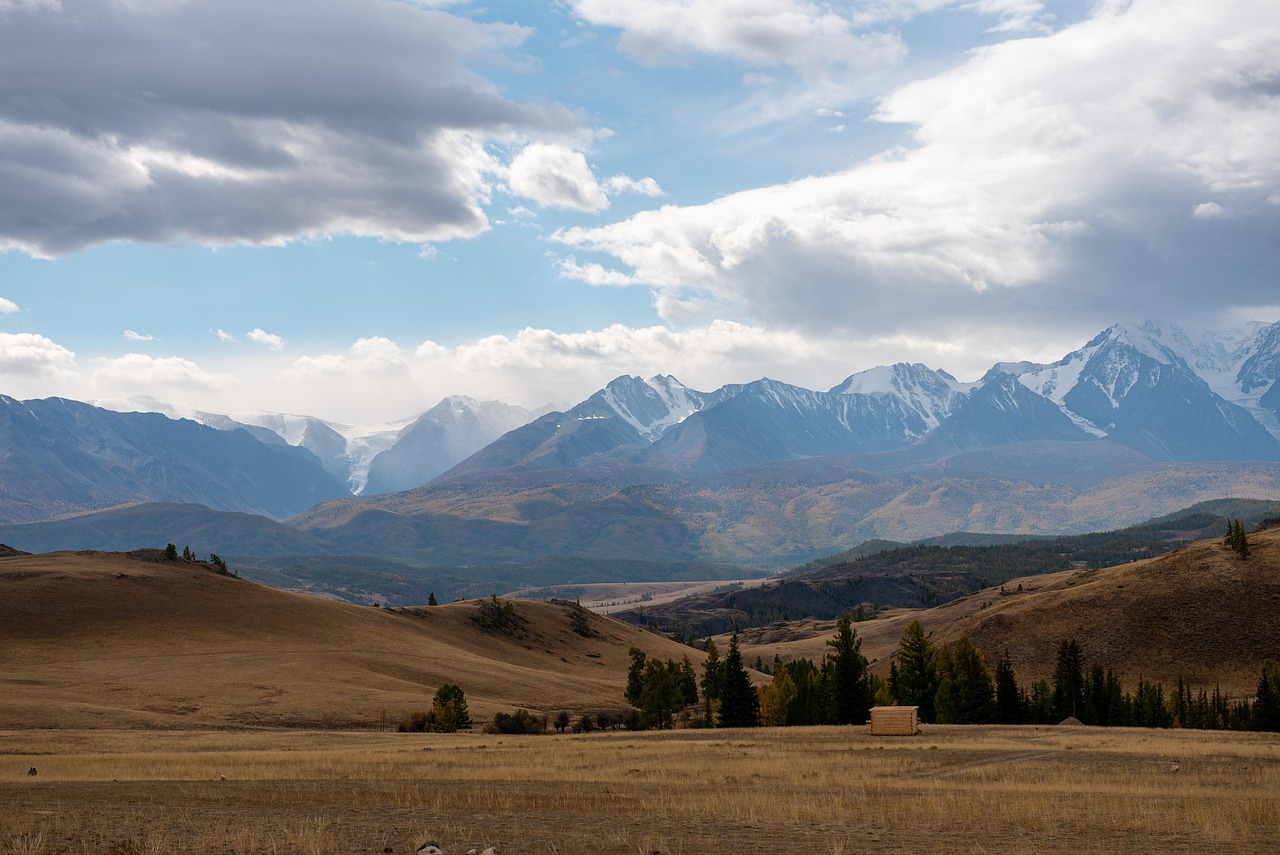
The story of the Tuvans is the story of a small people at the center of a continent who turned the sounds of their windswept homeland into an art that the whole world has come to admire. Herders and hunters, shamans and Buddhists, briefly and improbably citizens of their own forgotten country, the Tuvans have held onto their language, their faith, and their extraordinary music through every upheaval, and they carry them now as a living inheritance — proof that even the most remote and obscure of peoples can give the world something it could never have imagined on its own.
\n
More Peoples of the World
\n
This article is part of our Peoples of the World series, exploring fascinating and overlooked cultures around the globe. Explore the other peoples in the collection:
\n
- The Sami
- The Basque
- The Ainu
- The Maori
- The Amazigh (Berbers)
- The Sorbs
- The Sakha (Yakuts)
- The Welsh
- The Mari
\n
You May Like
The Zaza, a Mountain People of Eastern Anatolia


2 thoughts on “In the Heart of Asia, a People Who Sing With Two Voices at Once”