At Micronesia’s western gate, where three seas meet over the richest reefs on earth, lies an archipelago whose people built village-states with painted parliaments, ran their economy on ancient bead money, and vested their titles in the judgment of women. The Palauans absorbed four colonial flags and one terrible war, then wrote the Pacific’s first nuclear-free constitution and closed most of their ocean to protect it.
This portrait follows the people of Belau: the fallen giant whose body became the islands, a language on its own Austronesian branch, the bai meeting houses and their storyboard heirs, the first-child ceremonies where wealth crosses in public, the taro patches and mangrove crab of the feast ledger, and a small republic that keeps writing rules the wide world borrows.
Contents
- Three Thousand Years in the Western Carolines
- Belau Behind the Map Name Palau
- A Tongue on Its Own Austronesian Branch
- Rock Islands, Reefs, and a Big Ocean State
- Bai Houses, Money Beads, and Village Leagues
- Ten Clans, Ranked Titles, and the Power of Women
- Uab’s Fall, Village Gods, and Modekngei
- First-Child Feasts and the Exchange That Never Rests
- Storyboards, War Canoes, and the Painted Gable
- Taro Patches, Fruit Bats, and the Feast Ledger
- Independence Days and the Village Games
- Four Flags, One War, and a Nuclear-Free Constitution
- A Small Nation Setting the Ocean’s Rules
Three Thousand Years in the Western Carolines
Palau was settled more than three thousand years ago, among the earliest landfalls in remote Oceania, by Austronesian voyagers out of island Southeast Asia. On high volcanic islands and drowned limestone ridges at Micronesia’s western door, they built one of the region’s densest and most hierarchical societies.
The early centuries left monuments unusual for the Pacific: the terraced hills of Babeldaob, whole ridgelines sculpted into earth pyramids and crowns whose functions are still argued, and the basalt megaliths of Badrulchau, rows of capped pillars tradition assigns to the gods’ unfinished bai.
Palauan tradition tells its own founding: the giant child Uab, fed by the people of Angaur until he consumed everything, toppled at last and his body became the archipelago, head to the north, feet to the south, a map every Palauan child can recite.
Genetics and language agree on deep local continuity with later threads from every direction, the Philippines, Indonesia, New Guinea; Palau was a crossroads before it was a country, and its culture keeps the traffic’s riches.
The terraces of Babeldaob alone would make Palau an archaeological capital: earthworks on a scale unmatched in remote Oceania, built and abandoned centuries before the bai villages Europeans described, their crowns and ditches now grassed ridgelines that pilots use for landmarks. Whoever organized that labor ran polities of real size, and the rank-obsessed Palau of history looks like their direct heir.
The terraces of Babeldaob alone would make Palau an archaeological capital: earthworks on a scale unmatched in remote Oceania, built and abandoned centuries before the bai villages Europeans described, their crowns and ditches now grassed ridgelines that pilots use for landmarks. Whoever organized that labor ran polities of real size, and the rank-obsessed Palau of history looks like their direct heir.
Belau Behind the Map Name Palau
The people call their country Belau, likely from a word for village, and the outside name Palau is the same word worn smooth by Spanish and English mouths. The republic’s constitution uses both, and the anthem sings Belau.
Palauans are Belauan in their own speech, and the old polity was never one name anyway but a league of ranked villages, each with its own name, gods, and treaties; the national name is a modern roof over a very old federation.
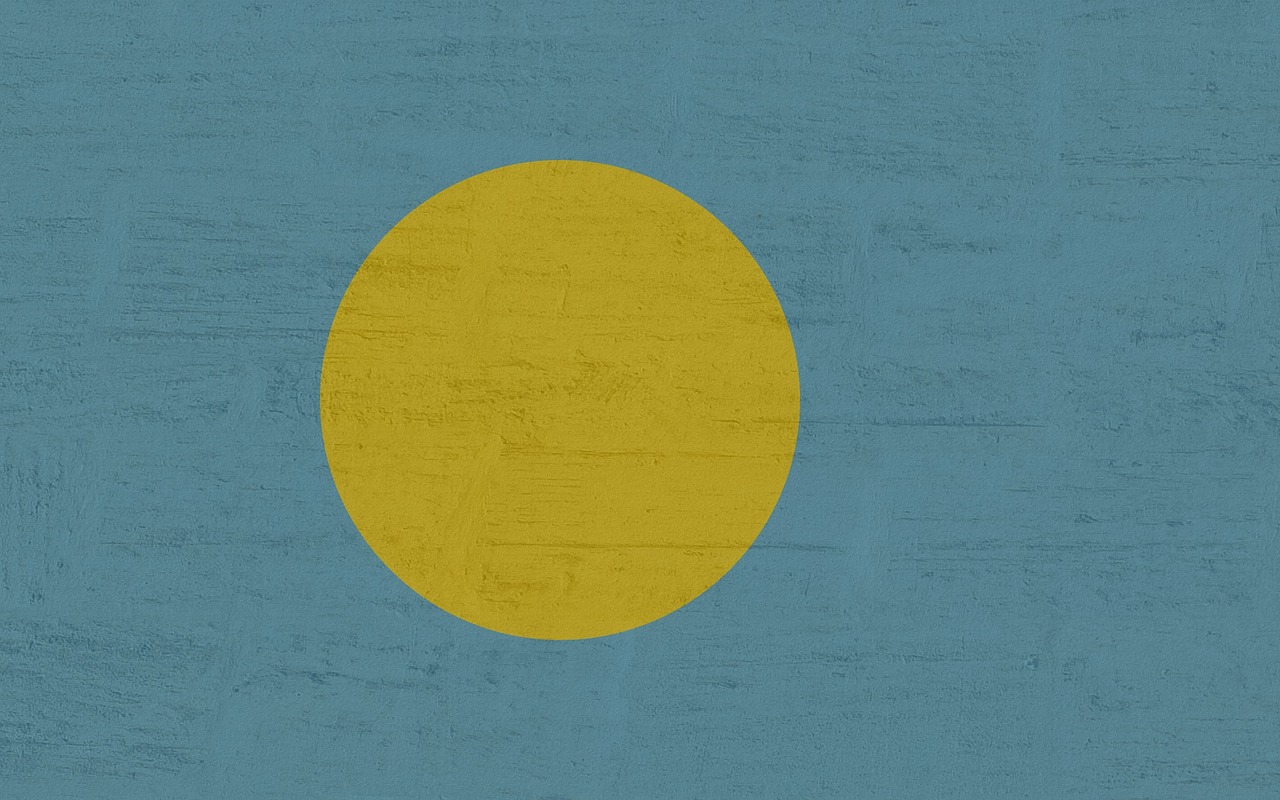
The flag draws the identity plainly: a golden full moon on a field of ocean blue, the moon being the calendar of fishing, planting, and festivals, the practical sacred of an island people.
Foreign spellings scattered variants across the charts, Pelew in the eighteenth century, Palaos in Spanish, but the people’s own pronunciation survived them all, and correcting a visitor’s Palau to Belau remains a gentle national sport.
A Tongue on Its Own Austronesian Branch
Palauan is an Austronesian language that fits none of its neighbors’ boxes: not Micronesian like Marshallese or Chuukese, not Philippine, but its own early branch of the Malayo-Polynesian family, evidence of how long the archipelago has gone its own way.
Its grammar is famously intricate, verb systems that inflect for aspect and object in ways that fill linguistics dissertations, and its vocabulary carries loan layers like tree rings: Spanish for religion’s furniture, German for engineering, Japanese for food, tools, and school, English for government.
The language is healthy at home, co-official with English, spoken across generations, taught in schools, and worked by a language commission that standardizes spelling; the diaspora on Guam and in the States is its soft frontier.
Its registers mirror the rank system: titled elders are addressed in respect forms, oratory in the bai followed seating and precedence, and the proverb stock, dense with fish, tides, and taro, remains the mark of a finished speaker.
The southwest islands complicate the picture pleasantly: Sonsorol and Hatohobei speak languages of the Chuukic chain, eastern cousins inside a western nation, and their communities in Koror keep them alive, small navies of speech from another branch of the family.
The southwest islands complicate the picture pleasantly: Sonsorol and Hatohobei speak languages of the Chuukic chain, eastern cousins inside a western nation, and their communities in Koror keep them alive, small navies of speech from another branch of the family.
Rock Islands, Reefs, and a Big Ocean State
The archipelago runs north to south at Micronesia’s western edge: Babeldaob, the big volcanic island that is one of the Pacific’s largest between Guam and New Guinea, the capital islands of Koror beside it, the southern low islands of Peleliu and Angaur, and the far southwest islands whose people speak their own distinct tongues.
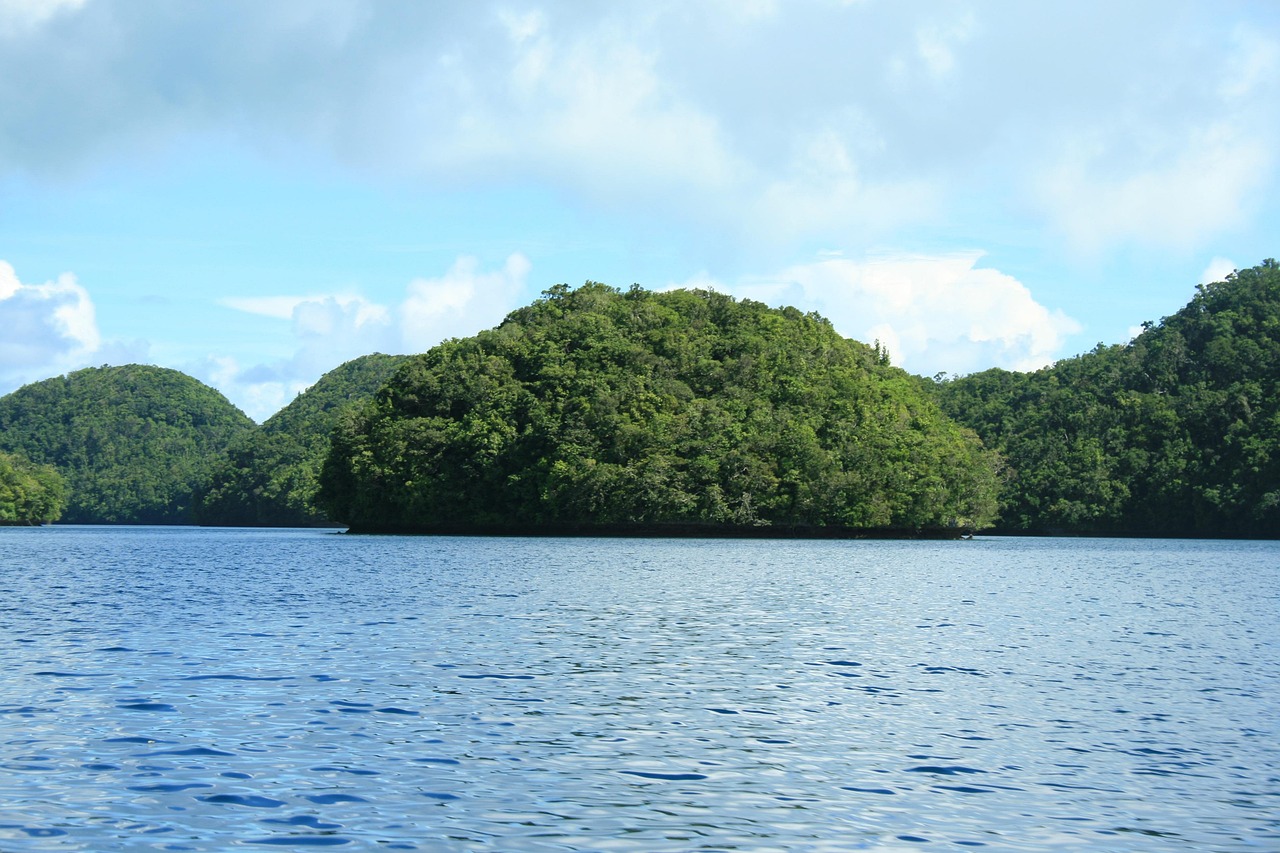
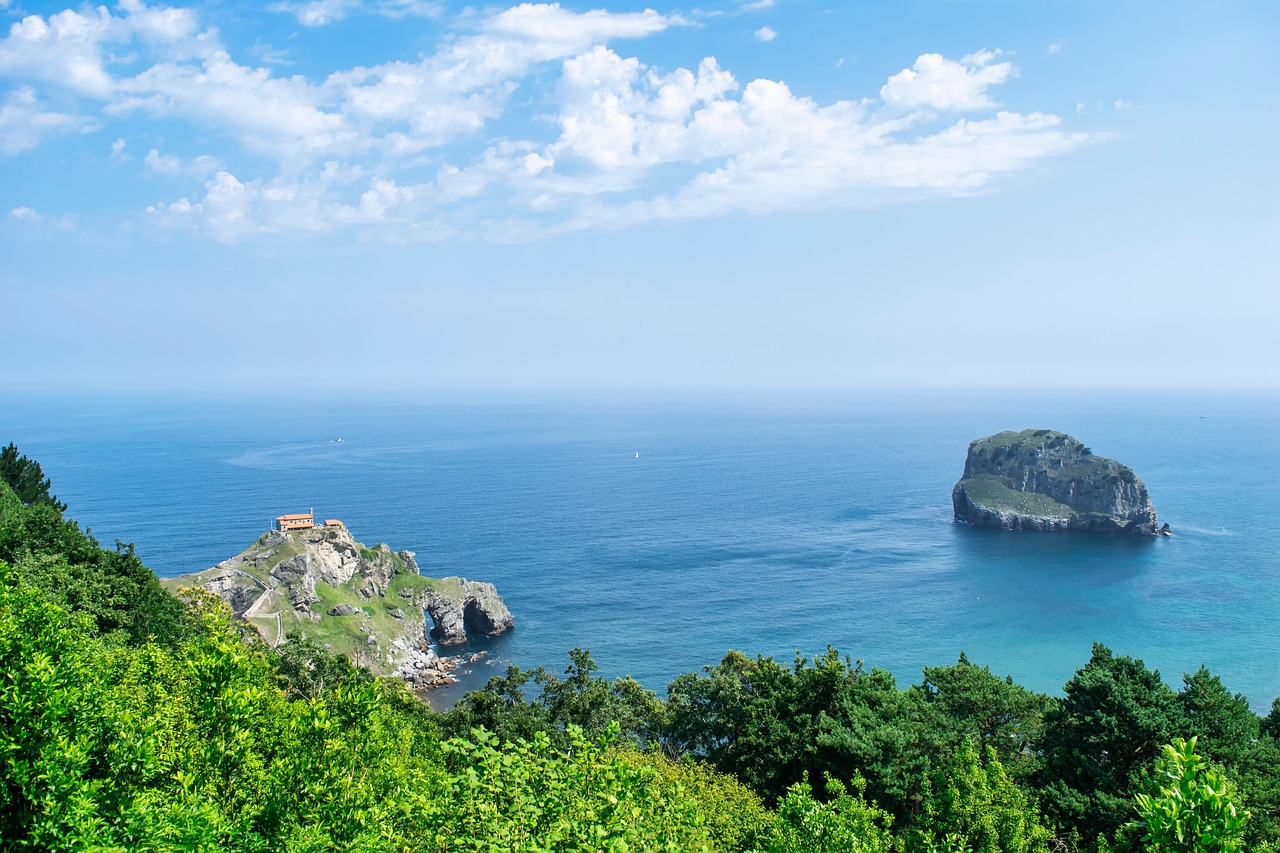
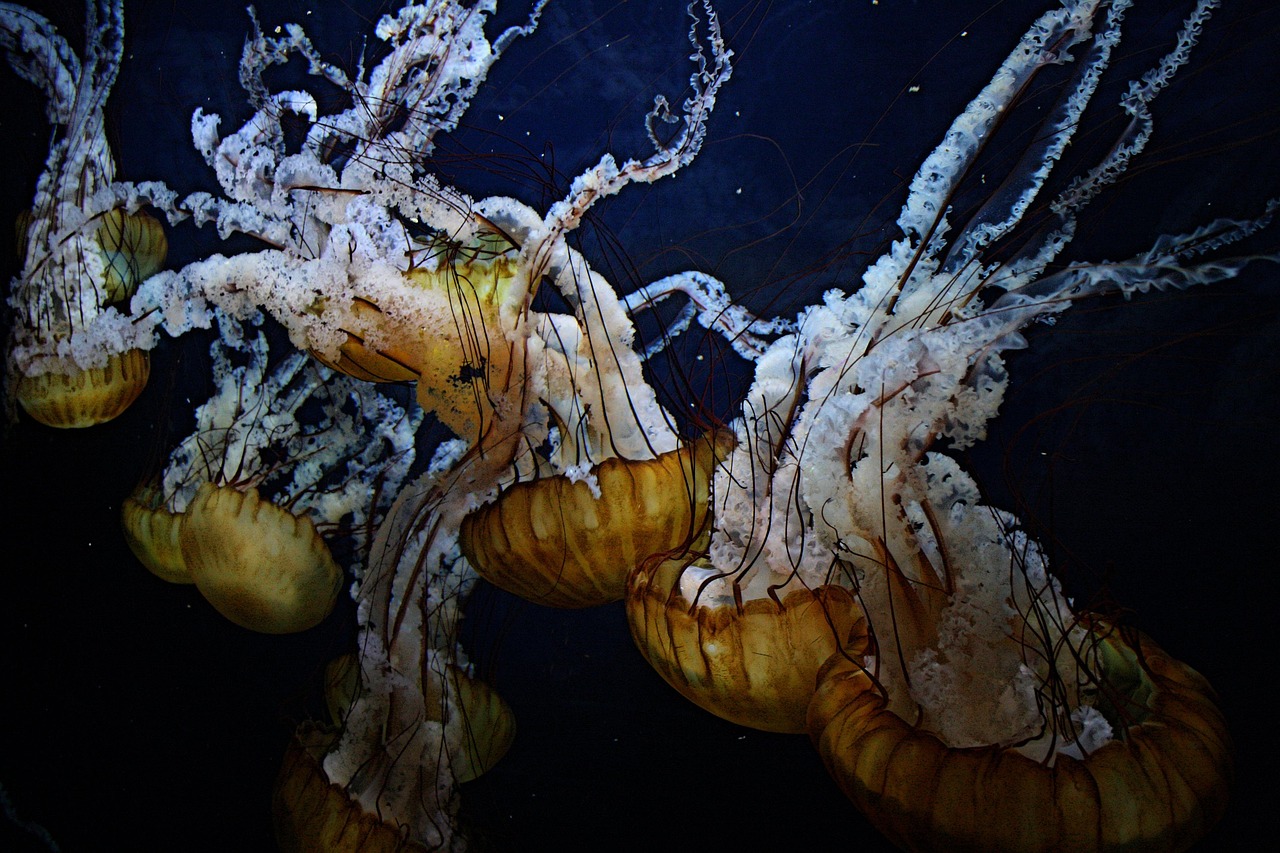
Between Koror and Peleliu float the Rock Islands, hundreds of mushroom-shaped limestone islets over a lagoon of impossible greens, a UNESCO World Heritage seascape holding the marine lakes where golden jellyfish circle with the sun.
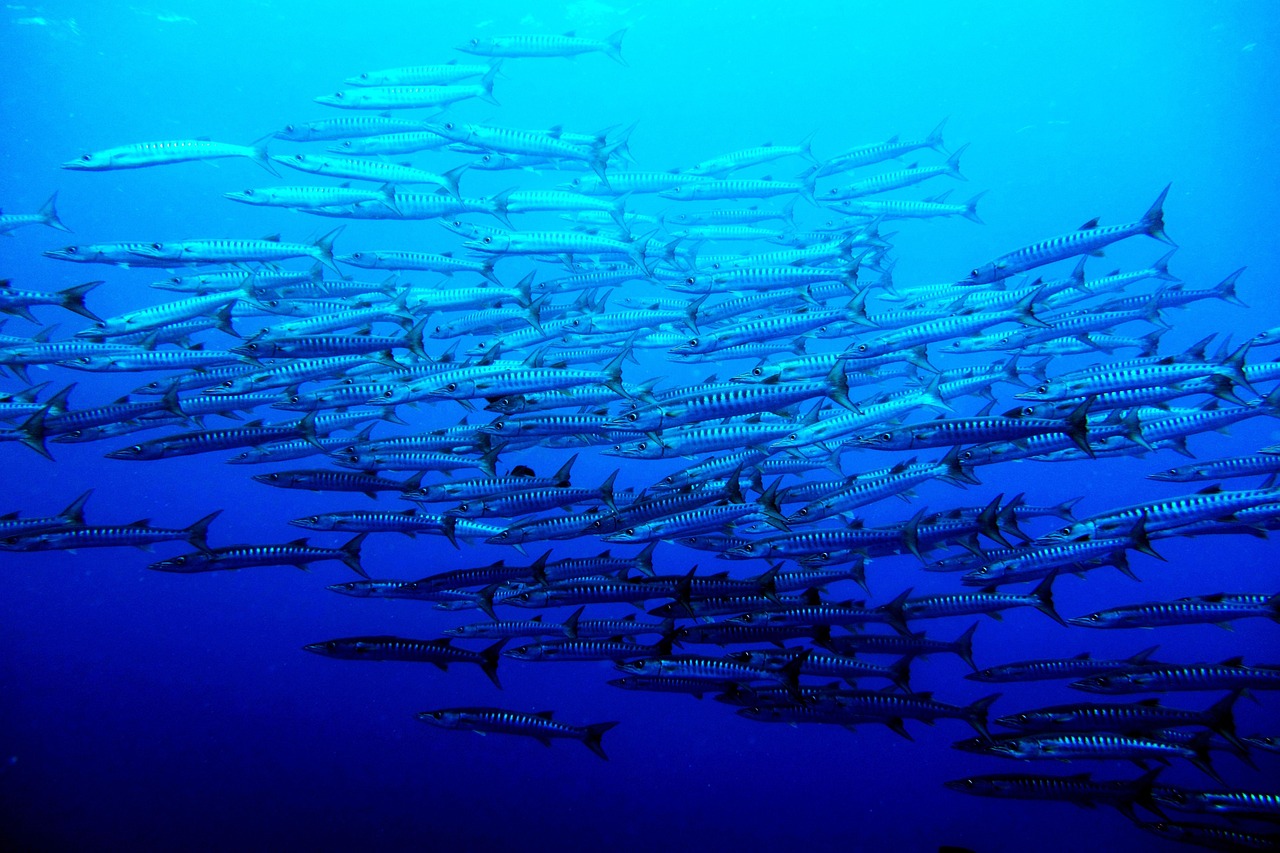
The reefs are the planet’s crossroads: Palau sits where three seas meet, and its coral diversity, sharks, and drop-offs made it diving’s world capital and the nation’s economic engine.
Palau calls itself a big ocean state: its waters dwarf its land a thousandfold, and in 2015 it closed eighty percent of them to all extraction as the Palau National Marine Sanctuary, one of the largest protected seas on earth.
Babeldaob’s compact ring road, finished this century, changed the nation’s geography more than anything since the war, opening the big island’s states to commuters from Koror; yet most of it remains forest, mangrove, and terrace, the reserve of land a sea-nation keeps like savings.
Babeldaob’s compact ring road, finished this century, changed the nation’s geography more than anything since the war, opening the big island’s states to commuters from Koror; yet most of it remains forest, mangrove, and terrace, the reserve of land a sea-nation keeps like savings.
Bai Houses, Money Beads, and Village Leagues
The old Palau was a country of village-states in two great leagues, north under Reklai, south under Ibedul, allied and feuding through diplomacy, tribute, and set-piece war. Villages were planned works: stone piers, paved paths, raised platforms, and the bai at the center.
The bai, the men’s meeting house, was Micronesia’s grandest architecture: a soaring gabled hall without nails, its beams and gable painted with the village’s histories, gods, and comic scandals, its floor seating the titled men in fixed order. A village’s weight could be read from its bai’s size and the stories on its front.
Money was already old here: Palauan exchange ran on udoud, beads and bracelet pieces of glass and fired clay whose origins outside remain a puzzle, graded, named, and hoarded like bullion; they still pay for houses, first-child ceremonies, and settlements today.
Men’s clubs rowed war canoes and built for the village; women’s councils ruled the taro swamps that fed it. Fishing rights ran by reef and lineage, and the whole machine was kept honest by the constant public arithmetic of feasts owed and repaid.
Village war was rule-bound headhunting between leagues, settled by udoud payments and remembered on the gables; the leagues’ diplomacy, hostage marriages, tribute visits, and staged reconciliations, was statecraft Europeans recognized instantly when they arrived to play it.
Village war was rule-bound headhunting between leagues, settled by udoud payments and remembered on the gables; the leagues’ diplomacy, hostage marriages, tribute visits, and staged reconciliations, was statecraft Europeans recognized instantly when they arrived to play it.
Ten Clans, Ranked Titles, and the Power of Women
Palauan society is matrilineal and ranked to the fingertips: each village organized around ten titled clans, each clan around its senior women and men, with the highest titles, Ibedul of Koror and Reklai of Melekeok, still filled today by clan election.
Women hold the deciding weight: they control clan lands, money, and, crucially, titles, the senior women choose which man bears the chiefly name, and can unseat him. The parallel women’s councils were and are the system’s bank and conscience.
The exchange economy binds it all: at births, funerals, and house-buildings, food, service, and udoud move between in-law lines by precise rule, women’s wealth answering men’s, a ledger every family keeps for life.
Modern Palau layered a presidential republic over the chiefly map, with a Council of Chiefs advising and state governments tracking the old village-states; the two systems argue occasionally in court and cooperate daily at every funeral in the country.
Adoption moves children between related households as freely as anywhere in the Pacific, titles can pass through adopted lines, and the clan’s senior women track it all; a Palauan introduction that names mother’s clan and village hands the listener the whole map.
Adoption moves children between related households as freely as anywhere in the Pacific, titles can pass through adopted lines, and the clan’s senior women track it all; a Palauan introduction that names mother’s clan and village hands the listener the whole map.
Uab’s Fall, Village Gods, and Modekngei
The old religion ran on village gods and ancestors: each polity kept its chelid, served by hereditary priests, alongside the great figures of the origin cycle, Uab whose fallen body became the islands, and Milad, the mother whose children became the four cornerstone villages of the land.
Taboo and omen ordered fishing, war, and the taro swamps; the dead were honored under stone platforms in the village they had ranked in, and divination guided the leagues’ diplomacy.
The missions arrived late but thoroughly, Spanish Capuchins, German priests, Japanese-era Protestants, and Palau today is largely Catholic and evangelical; the churches took the exchange system in stride, and a funeral now runs Mass and udoud settlement in one weekend.
Palau also grew its own answer: Modekngei, a movement born under colonial pressure that fused the old gods’ mediums with Christian form, resisting Japanese assimilation quietly enough to survive it; it endures with its village strongholds and its own school, a religion invented by Palau for Palau.
Modekngei’s history is quietly heroic: its leaders were jailed by the Japanese administration as subversives for keeping Palauan ritual alive under assimilation, and the movement’s survival into the republic era gives Palau a homegrown church few island nations can match.
Modekngei’s history is quietly heroic: its leaders were jailed by the Japanese administration as subversives for keeping Palauan ritual alive under assimilation, and the movement’s survival into the republic era gives Palau a homegrown church few island nations can match.
First-Child Feasts and the Exchange That Never Rests
The first-child ceremony, ngasech, is Palau’s signature rite: after a first birth, the young mother is steamed in herbal baths, oiled and turmeric-painted, and presented on a platform in ceremonial dress while the two families’ wealth crosses in public, the child’s arrival capitalized into the clan ledger.
Funerals are society’s full-dress sessions: senior women marshal the money, titled men speak in order, and the settlements of land, udoud, and obligation after a death are where the matrilineal law does its heaviest lifting.
The old body arts, turmeric and tattoo, survive in ceremony and revival, and dance keeps its village competitiveness: standing lines with bamboo sticks for the men, the swaying ngloik of the women, and comic interludes the painted bai gables would recognize.
Modern custom moved into the community houses that replaced most bai, but protocol survived the architecture: seating, speech order, and the arithmetic of exchange still run every gathering worth the name.
The ngasech has crossed oceans intact: Palauan communities in Guam and the mainland fly in the herbs, build the platform in a backyard, and livestream the presentation home, the ledger updated across ten time zones.
The ngasech has crossed oceans intact: Palauan communities in Guam and the mainland fly in the herbs, build the platform in a backyard, and livestream the presentation home, the ledger updated across ten time zones.

Storyboards, War Canoes, and the Painted Gable
Palau’s best-known craft was born of the bai: the storyboard, itaboris, carved planks retelling the gable legends in low relief, developed in the Japanese era when a folklorist encouraged carvers to make the house paintings portable. Prison workshops and master carvers alike supply them now, and the classics, the breadfruit tree, Uab’s fall, the shark of Ngiwal, are carved daily.
The war canoe and its racing descendants were the men’s clubs’ pride, planked hulls lashed and caulked, and revived kabekel race at festivals; model canoes and bai carry the joinery into the gift economy.
Women’s wealth wears its crafts: the toluk trays of turtle shell shaped in the women’s exchange, grass and fiber skirts of ceremony, woven baskets and mats, and the turmeric and coconut-oil cosmetics of the ngasech.
The painted bai gable itself remains the national canvas: the surviving Airai bai and the rebuilt ones keep the pictorial tradition alive, and its motifs, money birds, suns, and rooster tails, brand everything from the capitol’s architecture to airline tails.
Museum returns and the national museum’s gable collection anchor the canon, and young carvers apprentice on commissions for state buildings, the art form moving from bai to capitol without changing its stories.
Museum returns and the national museum’s gable collection anchor the canon, and young carvers apprentice on commissions for state buildings, the art form moving from bai to capitol without changing its stories.
Taro Patches, Fruit Bats, and the Feast Ledger
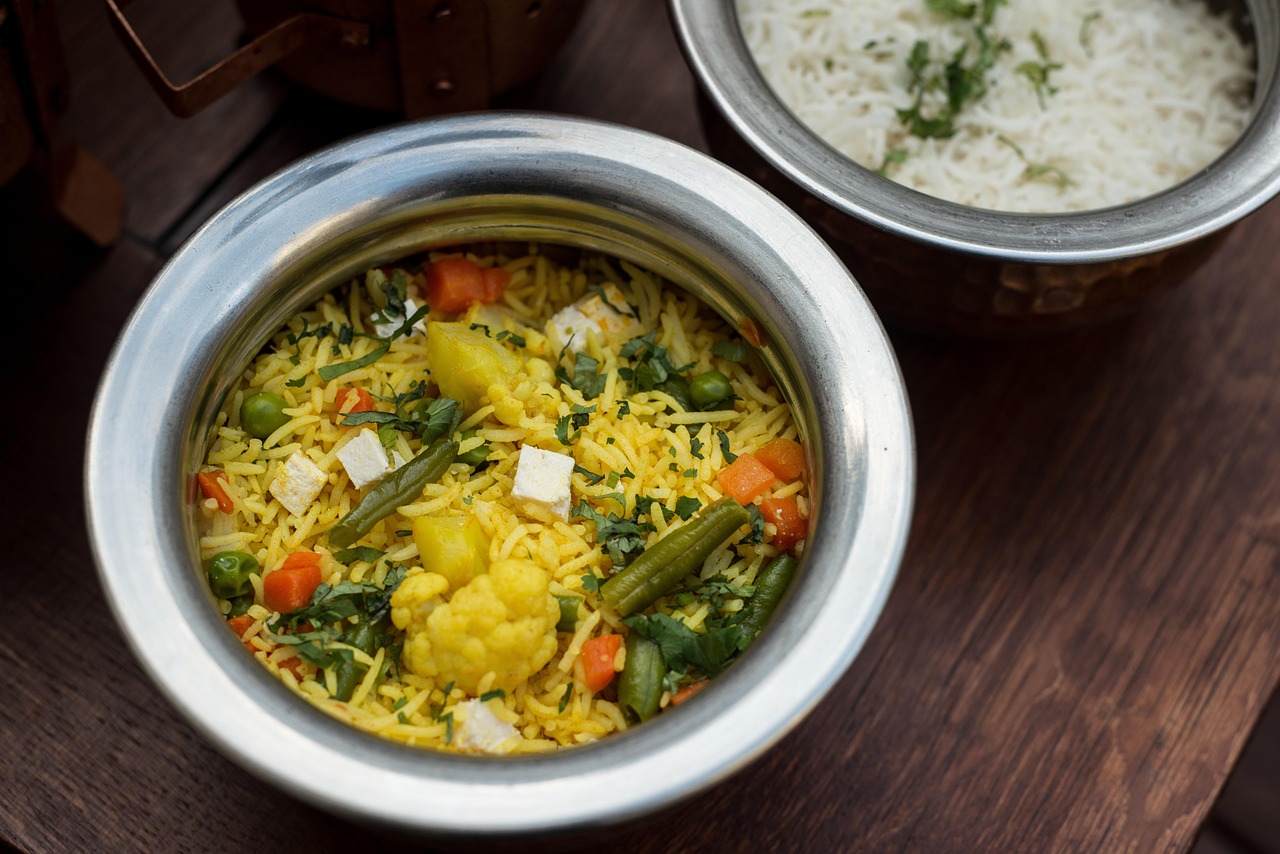
The Palauan staple pair is taro and fish: women’s taro patches, engineered wetlands centuries old, yield the corms whose cooking, boiled, grated, or as the dessert soup called through the islands, anchors every feast, and the reef supplies parrotfish, grouper, and the mangrove crab that is the archipelago’s delicacy.
Feast fare climbs from there: pork and the pigeon of the old chiefly dishes, fruit bat soup for the adventurous, clams from the giant Tridacna farms, and the betel nut and pepper leaf that punctuate Palauan conversation as coffee does elsewhere.
Japanese decades left rice, sashimi, and bento habits so deep they count as local; the stores stock spam and ramen beside taro, and Palauan celebrations plate all of it together without anxiety.
The feast ledger still runs the kitchens: food given at ceremonies is recorded wealth, women’s councils organize the cooking lines, and no guest leaves a Palauan event without a stacked plate wrapped for home.
Taro patch work remains women’s titled labor, with named plots and water rights, and a state’s pride can ride on the size of its ceremonial taro; agronomists now study the patches as models of wetland farming that survived three thousand wet seasons.
Taro patch work remains women’s titled labor, with named plots and water rights, and a state’s pride can ride on the size of its ceremonial taro; agronomists now study the patches as models of wetland farming that survived three thousand wet seasons.
Independence Days and the Village Games
Palau’s civic high days are constitutional: Constitution Day each July 9, marking the charter that made the islands famously nuclear-free, and Independence Day, October 1, with parades through Koror, canoe races, and state delegations competing in dance and chant.
The states keep their own fiestas, Peleliu’s and Angaur’s anniversaries, village fishing derbies, and the women’s conference each spring that fills Koror with delegations in matching dress, the women’s councils’ power made visible as festival.
Christmas and Easter run long in the churches, and the Japanese inheritance shows in school sports days and bon-dance evenings that no one thinks of as foreign anymore.
Any national day ends the same way: speeches by title order, lines of food by the women’s committees, dance sets by state, and the parking lot arithmetic of plates sent home, the exchange system on holiday but never off duty.
The women’s conference deserves its second mention: no other Pacific state stages an annual, national assembly of its women’s councils with such weight, and its resolutions on land, custom, and family law reach the congress with the force of the clans behind them.
The women’s conference deserves its second mention: no other Pacific state stages an annual, national assembly of its women’s councils with such weight, and its resolutions on land, custom, and family law reach the congress with the force of the clans behind them.

Four Flags, One War, and a Nuclear-Free Constitution
Contact began with a shipwreck: the British packet Antelope struck Palau’s reef in 1783, and the Ibedul’s hospitality, and the voyage of his son Lee Boo to London, where he died of smallpox, made Palau briefly famous in Georgian England.
Four flags followed: Spain sold the islands to Germany in 1899 after its own brief rule; Germany mined Angaur’s phosphate until 1914; Japan took the islands and made Koror the capital of its whole Pacific mandate, a Japanese town of thousands with Palauans schooled in Japanese; and the war then fell on the archipelago with full weight, Peleliu’s 1944 battle among the Pacific’s most terrible.
American trusteeship followed the ruin, and Palau’s road out was constitutional drama: its 1979 charter banned nuclear weapons and materials, colliding with U.S. basing rights, and the compact of free association passed only after a decade of referendums, assassination and turmoil included, entering force in 1994, the trusteeship system’s last graduate.
The republic thus carries a distinct political inheritance: the Pacific’s first nuclear-free constitution, a compact with Washington, and a seat at the UN it uses with a frankness larger nations envy.
Peleliu’s caves and Angaur’s phosphate pits still hold the war’s iron, and the islands’ veterans of both empires’ economies, grandparents schooled in Japanese, parents in English, give Palauan memory its layered accent; the annual Peleliu commemorations bring American and Japanese descendants to the same reef.
Peleliu’s caves and Angaur’s phosphate pits still hold the war’s iron, and the islands’ veterans of both empires’ economies, grandparents schooled in Japanese, parents in English, give Palauan memory its layered accent; the annual Peleliu commemorations bring American and Japanese descendants to the same reef.
A Small Nation Setting the Ocean’s Rules
About 18,000 people live in Palau, roughly two thirds of them Palauan, with Filipino and other communities working the tourism economy; a diaspora of similar size lives on Guam, in Hawai’i, and across the U.S. mainland under the compact’s open door.
Tourism is the engine and the dilemma: the Rock Islands and the reefs draw divers by the tens of thousands, and Palau has answered with policy the world studies, the shark sanctuary of 2009, the marine sanctuary closing most of its sea, and the Palau Pledge stamped in every passport, a promise to the children of Palau written by them.
Geopolitics has found the islands again: one of the few states recognizing Taiwan, hosting new U.S. radar and port calls, Palau navigates the region’s contest with the same league diplomacy its villages practiced for centuries.
The culture holds its own arithmetic steady: the ngasech platforms still rise, udoud still settles funerals, the women’s councils still choose the titles, and a nation of eighteen thousand keeps setting rules, for its sea and for itself, that nations of millions quote.
Climate and scale press as everywhere, typhoons wandering off their old tracks, a hospital and college to fund from eighteen thousand taxpayers, but Palau’s habit of punching above weight is old; the village leagues never thought small either.
Climate and scale press as everywhere, typhoons wandering off their old tracks, a hospital and college to fund from eighteen thousand taxpayers, but Palau’s habit of punching above weight is old; the village leagues never thought small either.
Related Peoples of the Region
- Tahitians of Ma’ohi Nui and Their Islands at the Center of the Eastern Sea
- Tahitians of Ma’ohi Nui and Their Islands at the Center of the Eastern Sea
- Rapa Nui People of Easter Island and Their Ancestors Carved in Stone
- Rapa Nui People of Easter Island and Their Ancestors Carved in Stone
- Marshallese Wave Pilots of the Coral Atolls and Their Two Meters Above the Sea
- Marshallese Wave Pilots of the Coral Atolls and Their Two Meters Above the Sea
- I-Kiribati of the Equatorial Atolls and Their Republic of the Maneaba
- I-Kiribati of the Equatorial Atolls and Their Republic of the Maneaba
You May Like
The Damara, an Ancient People of Namibia