In the flat green countryside of the Munsterland, surrounded by wide moats and a vast baroque park, stands the largest moated palace in Westphalia. Nordkirchen Palace is often called the Westphalian Versailles, and its red brick facades, mirrored in the still water around them, make it one of the most romantic sights in northern Germany.
Built in the early eighteenth century for a prince bishop of Munster, the palace was designed by Gottfried Laurenz Pictorius and completed by Johann Conrad Schlaun. Today it belongs to the state of North Rhine Westphalia and houses a university for public finance, while its park and islands are open to visitors.
In this article we will explore Nordkirchen from its founder to its architecture, its moats, its gardens and its islands, and we will finish with practical tips for your visit.
In This Article
- The Versailles of Westphalia
- Prince Bishop Friedrich Christian von Plettenberg
- Pictorius and Schlaun
- The Moats and the Island
- The Main Facade
- Wings and Pavilions
- The Western Approach
- The Baroque Park
- The Venus Island
- The Oranienburg and the Park Buildings
- The Courtyard and the University
- Nordkirchen on Video
- Visiting Nordkirchen Today
The Versailles of Westphalia
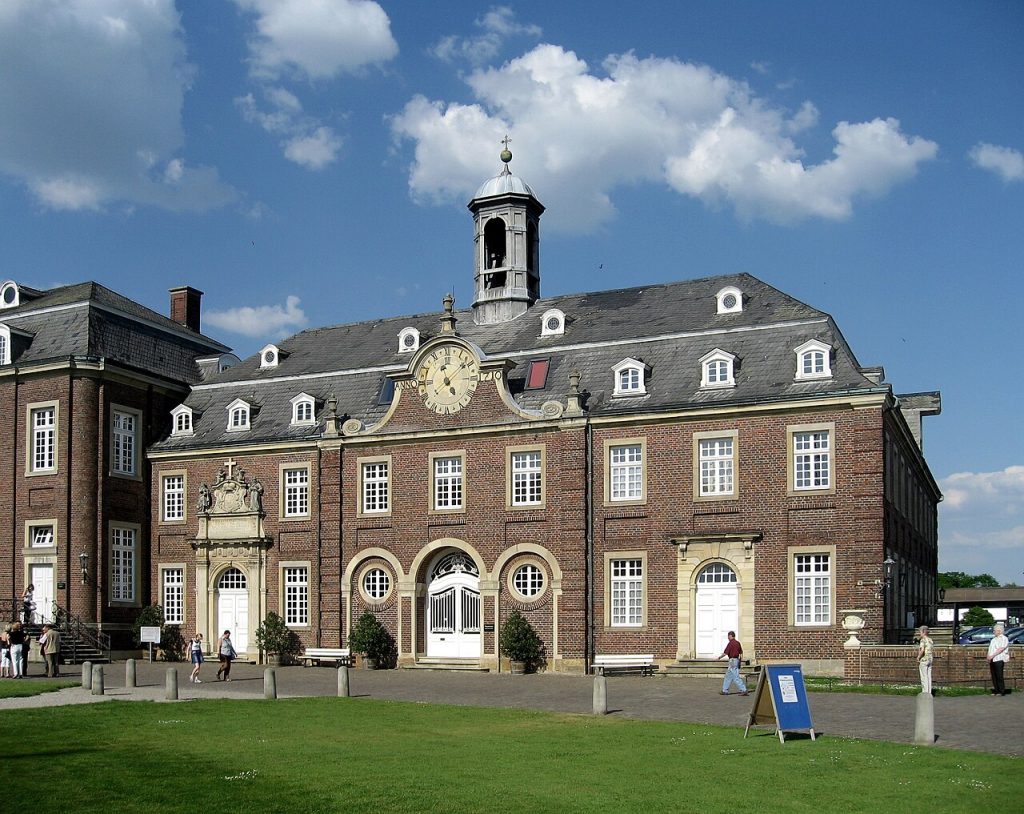
Approaching Nordkirchen, you first see the palace rising from the water, its long red brick wings framing a central courtyard on an island surrounded by moats.
The symmetry of the composition is striking, with pavilions, wings and gardens arranged along a central axis that stretches far into the park.
The Munsterland is famous for its moated castles, and Nordkirchen is the grandest of them all, a baroque masterpiece set in water.
What makes Nordkirchen special is its combination of scale, harmony and the reflections of its red facades in the moats, creating an image of rare beauty.
The palace is particularly lovely in the early morning, when mist rises from the moats and the red facades emerge slowly from the haze.
Its setting in open countryside, far from city noise, gives it a peaceful, almost timeless atmosphere.
Prince Bishop Friedrich Christian von Plettenberg
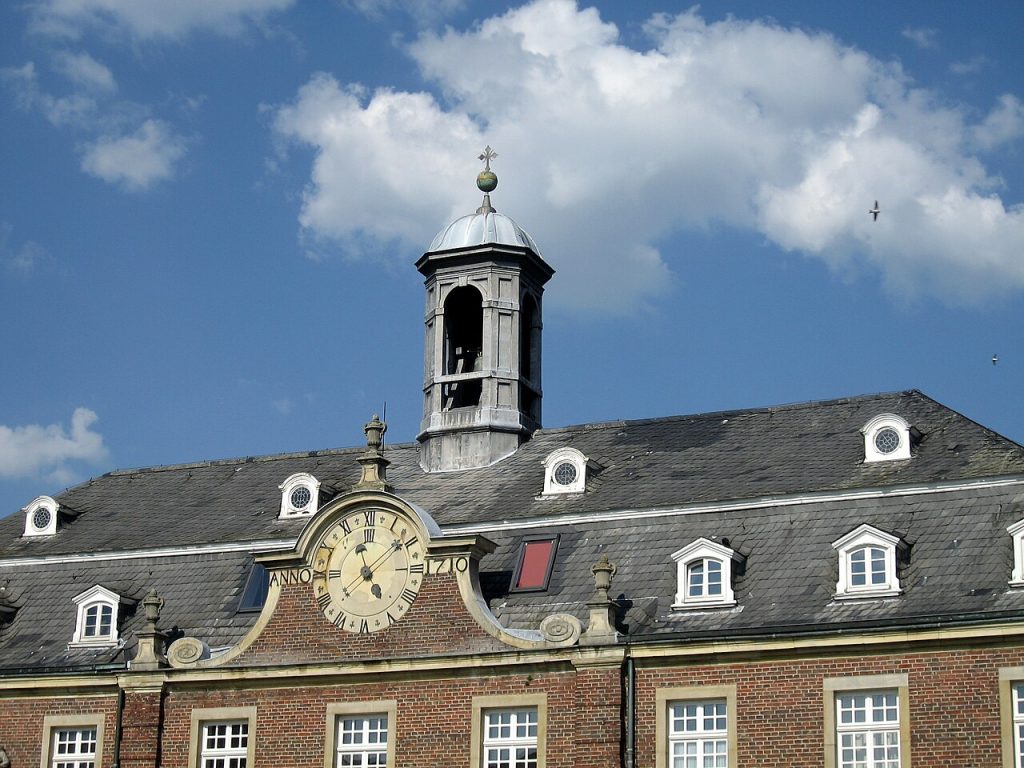
The palace was built for Friedrich Christian von Plettenberg, prince bishop of Munster from 1688 to 1706. He belonged to an ambitious noble family and wanted a residence that would establish the Plettenbergs among the leading families of the empire.
In 1703 he began building a new palace on the site of an older castle, creating a grand moated residence in the latest baroque style.
After his death, his nephew Ferdinand von Plettenberg continued the work, and the palace was completed in the 1730s.
The Plettenberg family and later owners maintained the palace for two centuries before it passed to the state.
The Plettenbergs commissioned works of art and furniture for the palace, and their coat of arms appears throughout the buildings.
Pictorius and Schlaun
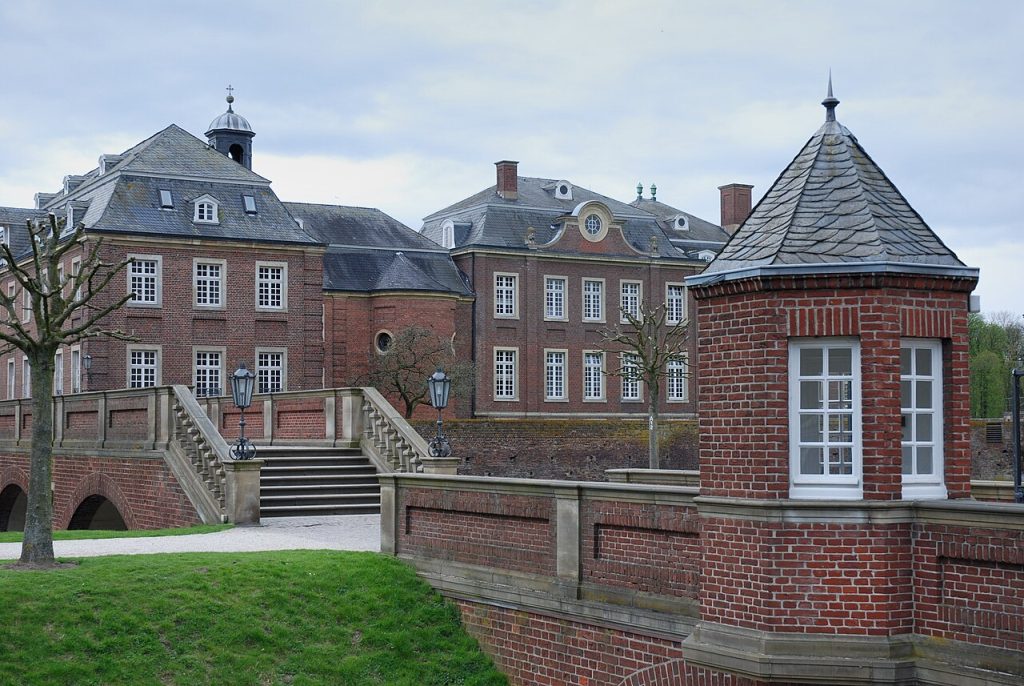
The palace was designed by Gottfried Laurenz Pictorius, a Westphalian architect who created the overall plan and the main buildings.
After his death, Johann Conrad Schlaun, the greatest architect of the Westphalian baroque, completed the palace and added several buildings, including the Oranienburg orangery in the park.
The architecture combines Dutch and French influences with local traditions, especially the use of red brick and pale sandstone.
The result is a palace of great dignity and harmony, perfectly suited to its watery setting.
Schlaun’s contributions at Nordkirchen helped establish his reputation, which later led to commissions such as Clemenswerth and the palace in Munster.
The Moats and the Island
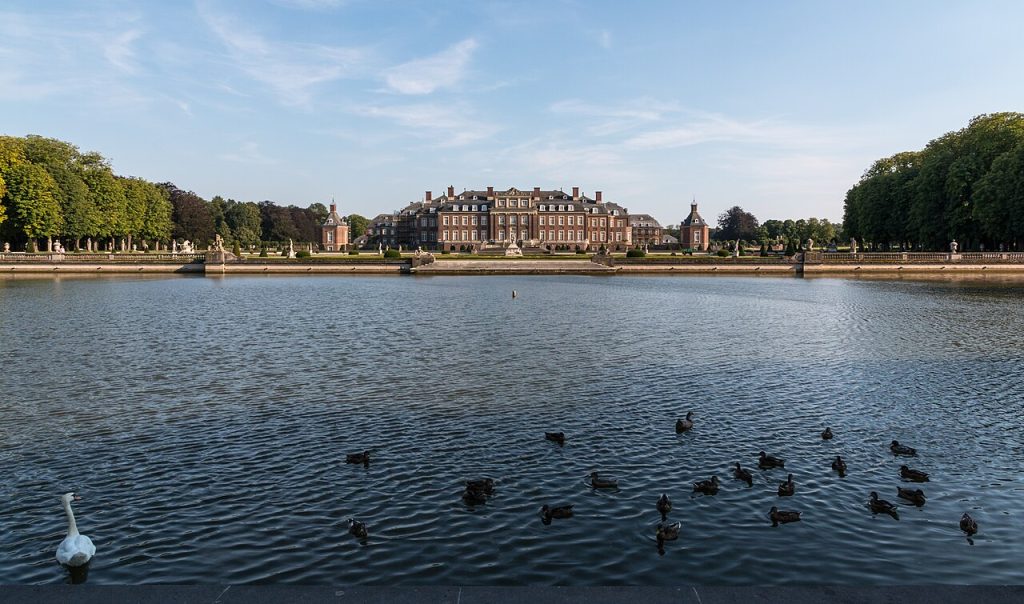
The palace stands on an island surrounded by broad moats, a feature inherited from the medieval castles of the region, where water provided protection against attack.
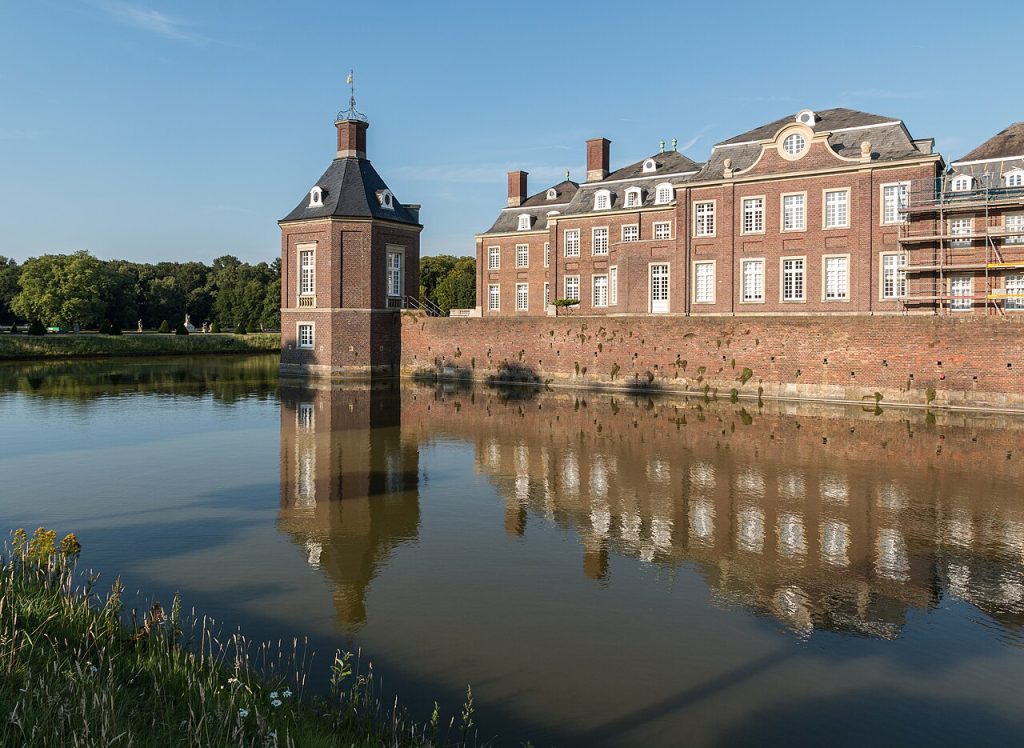
At Nordkirchen, the moats became an element of beauty as well as defence, reflecting the facades and creating a sense of calm.
Bridges lead across the water to the palace, and walking around the moats you can enjoy ever changing views of the buildings.
On still days, the reflections are almost perfect, doubling the palace in the water.
In winter, when the moats freeze, the palace takes on a fairy tale quality that draws photographers from across the region.
The Main Facade
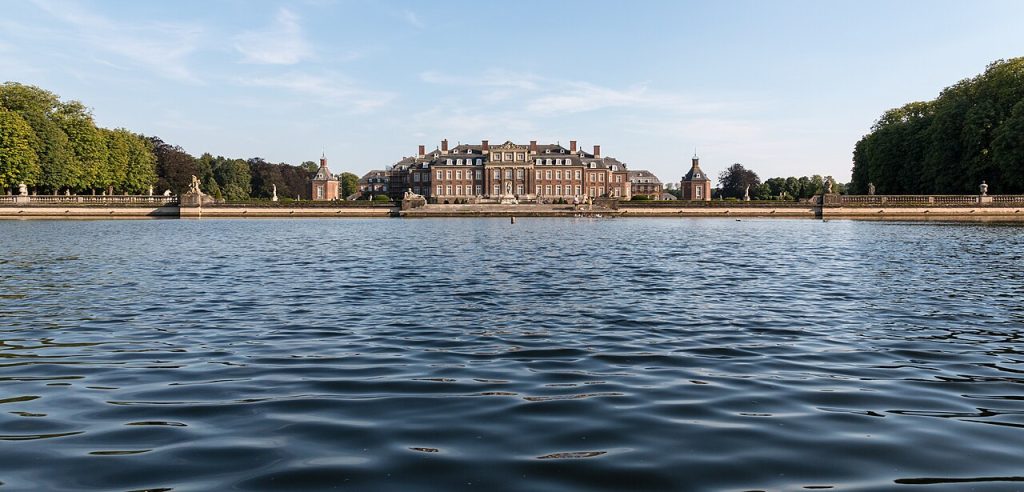
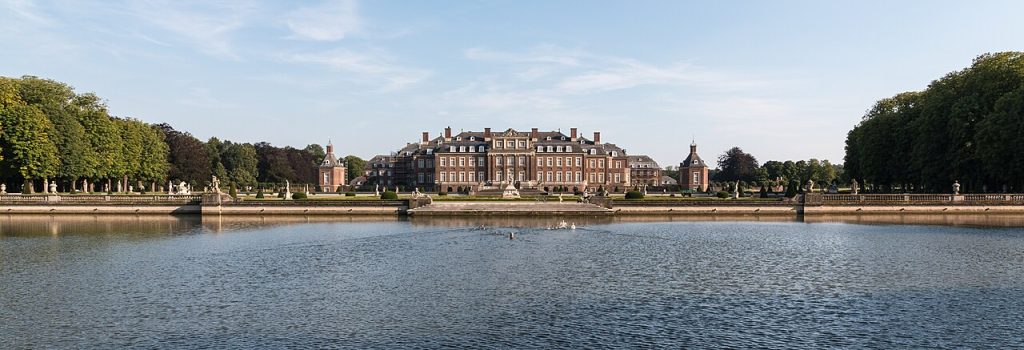
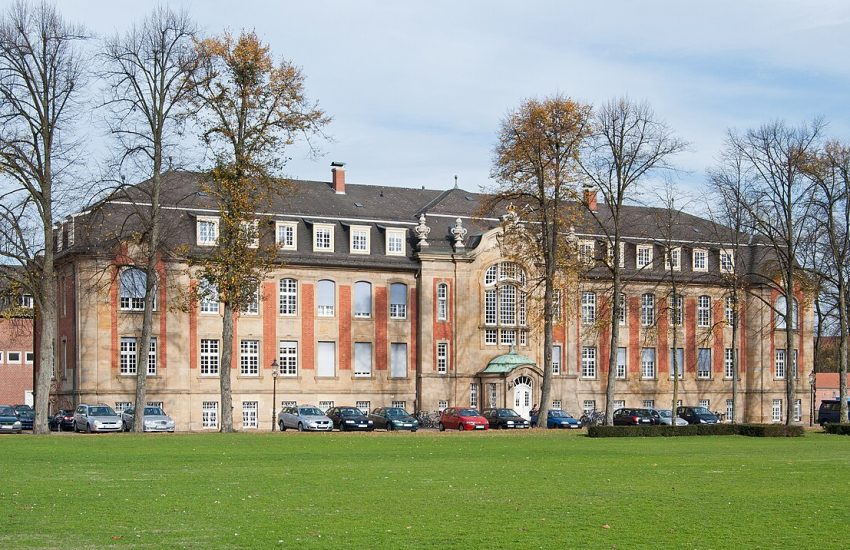
The main facade of the palace faces the forecourt across the moat, with a central block flanked by wings and corner pavilions.
Red brick walls are articulated by sandstone pilasters, window frames and cornices, giving the facade a warm and lively appearance.
The central section is crowned by a pediment with the arms of the Plettenberg family, proclaiming their status to all who approached.
The symmetry and proportions of the facade show the influence of French classical architecture adapted to the local building tradition.
The sandstone details were carved by local craftsmen, and their quality shows the high level of artistry in eighteenth century Westphalia.
Wings and Pavilions

The wings of the palace extend from the central block around a courtyard, ending in pavilions that frame the ensemble.
Additional pavilions and outbuildings stand on separate islands, creating a complex arrangement of buildings and water.
These structures housed apartments, kitchens, stables and service rooms, supporting the life of a large aristocratic household.
Today many of them are used by the university, keeping the palace complex alive and busy.
The arrangement of buildings on separate islands is one of the most distinctive features of Nordkirchen and adds to its picturesque charm.
The Western Approach
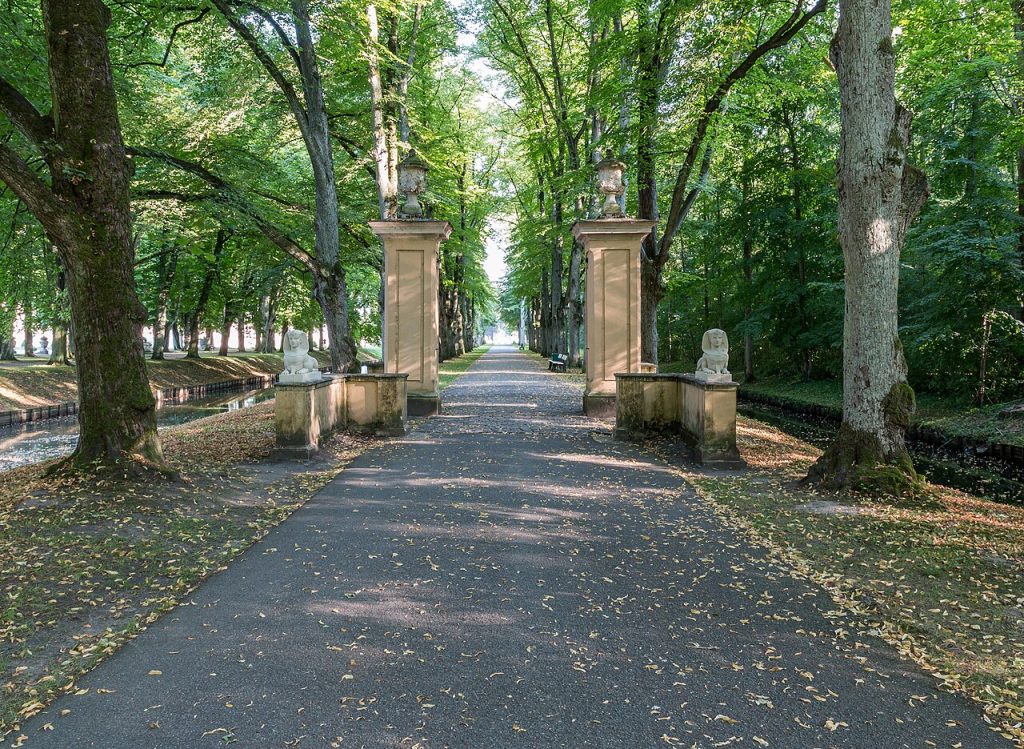
From the west, a long avenue leads toward the palace, creating a grand approach that reveals the buildings gradually.
The western side offers one of the most impressive views of the palace, with the moats and pavilions in the foreground.
Gates and bridges mark the transition from the outer park to the palace island.
Walking along the western approach, you can imagine the carriages of guests arriving at the palace in the eighteenth century.
The Baroque Park
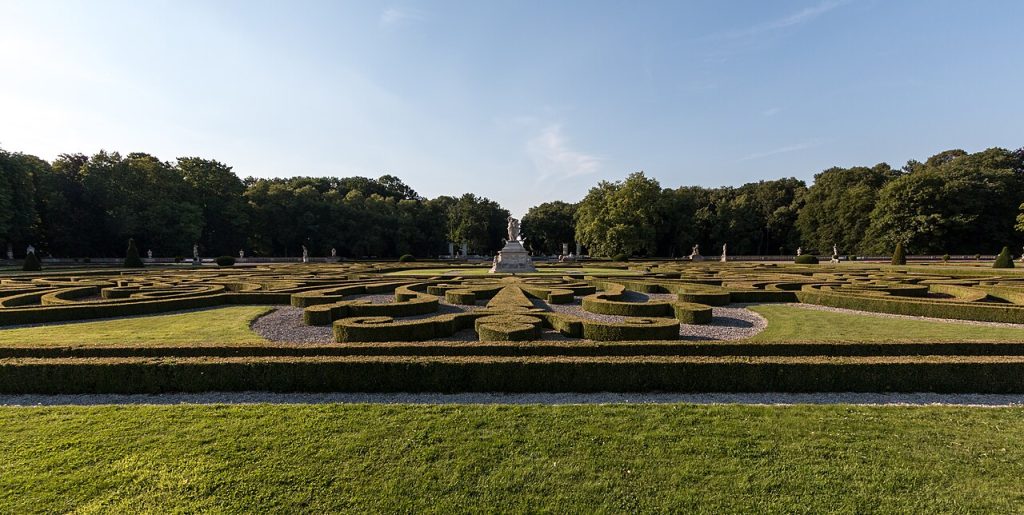
Around the palace stretches a large baroque park, one of the finest in Westphalia. Its formal gardens, avenues and canals were laid out in the eighteenth century and restored in recent decades.
Parterres with clipped hedges and flower beds lie close to the palace, while long avenues of trees extend into the distance.
The park is open to the public and is a favourite place for walks, picnics and quiet relaxation.
In spring and summer, the gardens are especially beautiful, with flowers and greenery framing views of the palace.
Long canals and straight avenues create perspectives that draw the eye toward the palace from every direction.
The Venus Island
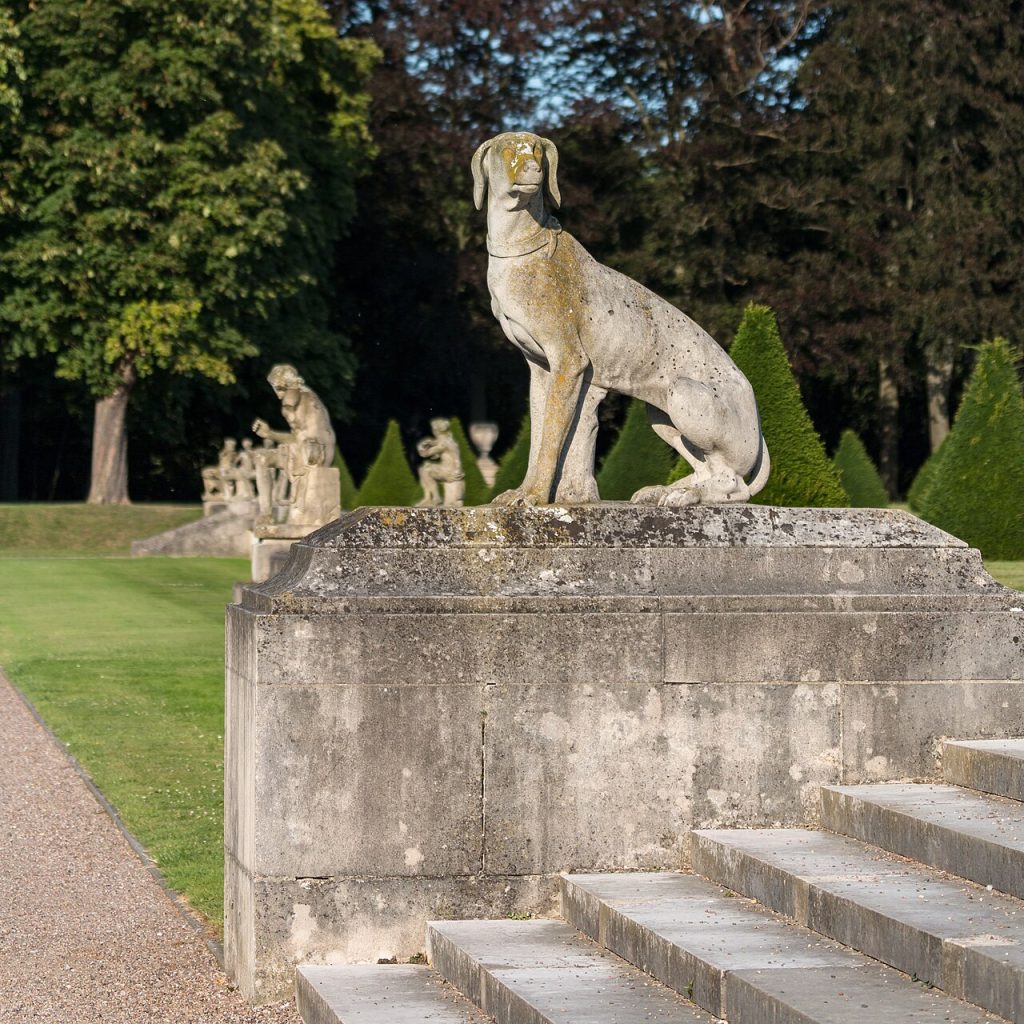
One of the most charming parts of the park is the Venus Island, a garden island with statues, hedges and paths, named after the goddess of love.
The island is decorated with sculptures of mythological figures, adding a playful and romantic touch to the formal garden.
From the island, there are fine views across the water to the palace, one of the most photographed scenes at Nordkirchen.
The Venus Island was carefully restored in recent years, and it once again shows the elegance of the eighteenth century garden.
Couples often choose the Venus Island for wedding photographs, continuing its association with love and romance.
The Oranienburg and the Park Buildings

In the park stands the Oranienburg, a pavilion and orangery designed by Johann Conrad Schlaun, where citrus trees and exotic plants were kept in winter.
Other garden buildings and statues are scattered across the park, each adding interest to a walk.
These buildings show how the palace and its gardens were designed as a unified whole, with architecture and nature in harmony.
Today some of them are used for events, concerts and exhibitions.
The Courtyard and the University
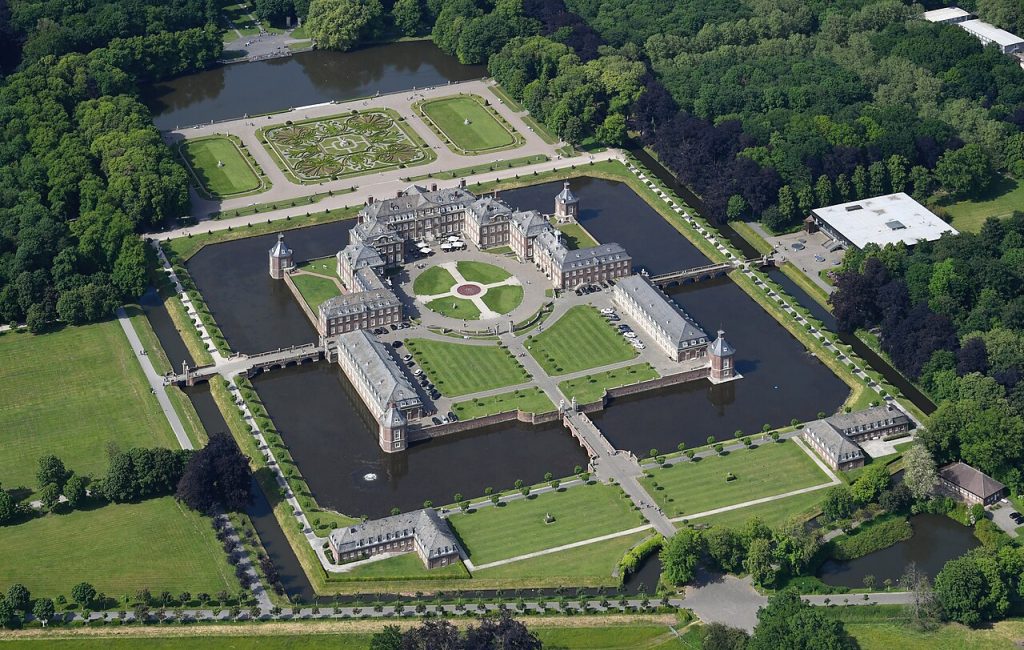
At the centre of the palace lies a courtyard enclosed by the wings, a calm and dignified space with views of the main facades.
Since 1958 the palace has belonged to the state of North Rhine Westphalia, and it houses a university of applied sciences for public finance, where future tax officials are trained.
The presence of students gives the palace a lively atmosphere, and some rooms can be visited on guided tours.
The state rooms, including a richly decorated hall, are used for events and ceremonies.
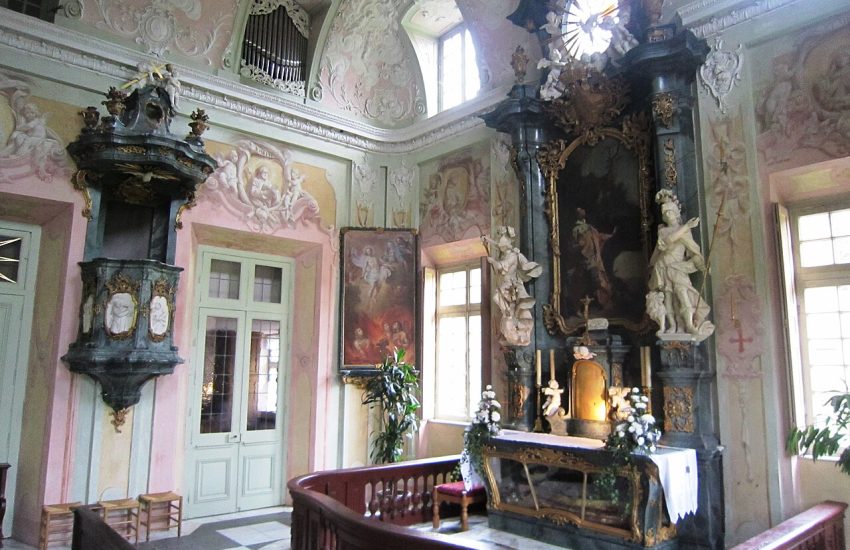
Tours of the interior reveal elegant rooms with stucco ceilings, fine furniture and paintings from the palace’s history.
Nordkirchen on Video
For a look at the palace and its park, the video below presents Nordkirchen Palace.
Watch for the moats, the red brick facades and the gardens.
If the video inspires you, read on for practical tips.
Visiting Nordkirchen Today
The park and the exterior of Nordkirchen Palace are freely accessible, and guided tours of the interior are offered on certain days.
Nordkirchen lies about thirty kilometres south of Munster and is easy to reach by car or bus.
Plan at least half a day to explore the palace, the park and the Venus Island, and consider combining your visit with other moated castles of the Munsterland, which can be explored by bicycle along the 100 Castles Route.
There is a restaurant in the palace grounds, and events such as concerts and garden festivals take place throughout the year.
Whenever you visit, Nordkirchen offers a memorable encounter with baroque splendour in the peaceful landscape of the Munsterland.
View the location on Google Maps
Palaces Nearby
If you have enjoyed this palace, the Rhineland and Westphalia hold more remarkable residences. Here are two more well worth adding to your journey:
- The Prince Bishops Palace of Munster – the last great baroque palace of Munster, by Johann Conrad Schlaun.
- Clemenswerth Palace – the star shaped hunting lodge of Clemens August in the Emsland.


One thought on “Nordkirchen Palace and the Moated Versailles of Westphalia”