InKend
Where the World’s Past Meets Your Next Journey
Where the World’s Past Meets Your Next Journey
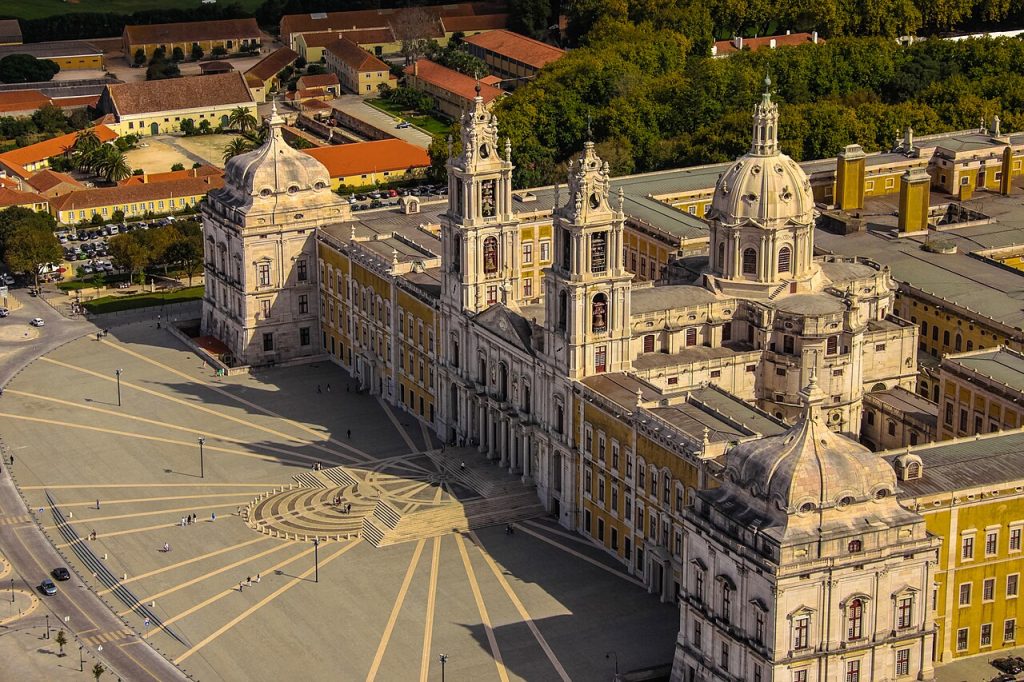
How a royal vow, a fortune in Brazilian gold, and tens of thousands of labourers raised Portugal’s colossal Mafra National Palace.
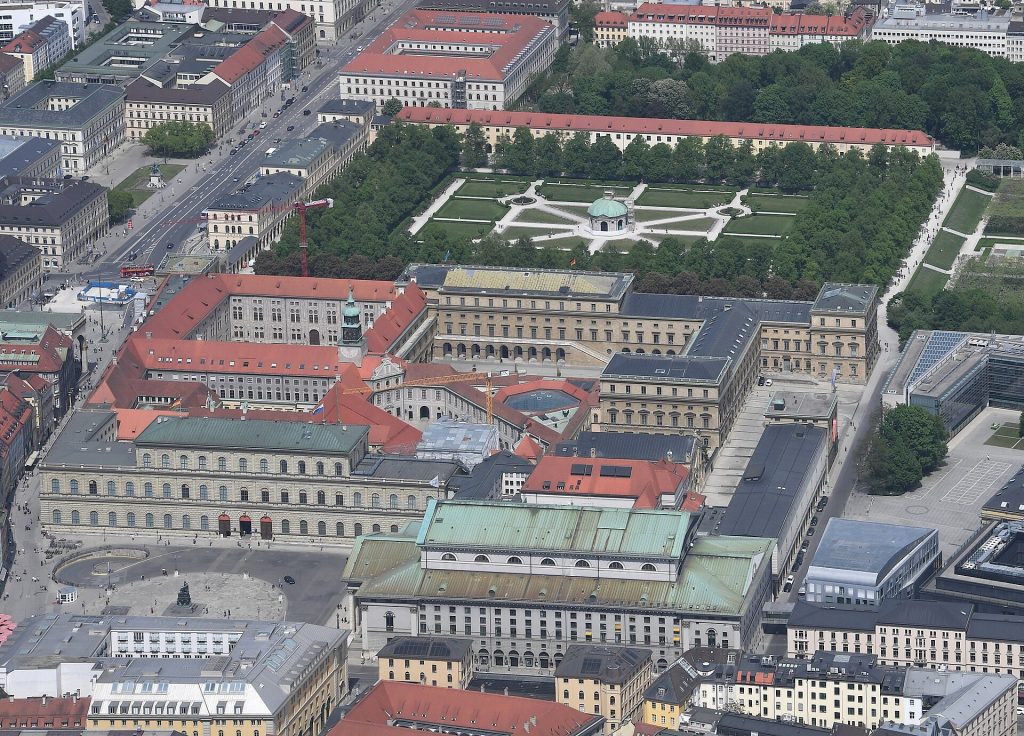
In the very heart of Munich, the capital of Bavaria, stands one of the largest and most magnificent city palaces in all of Germany, a sprawling complex of buildings, courtyards,
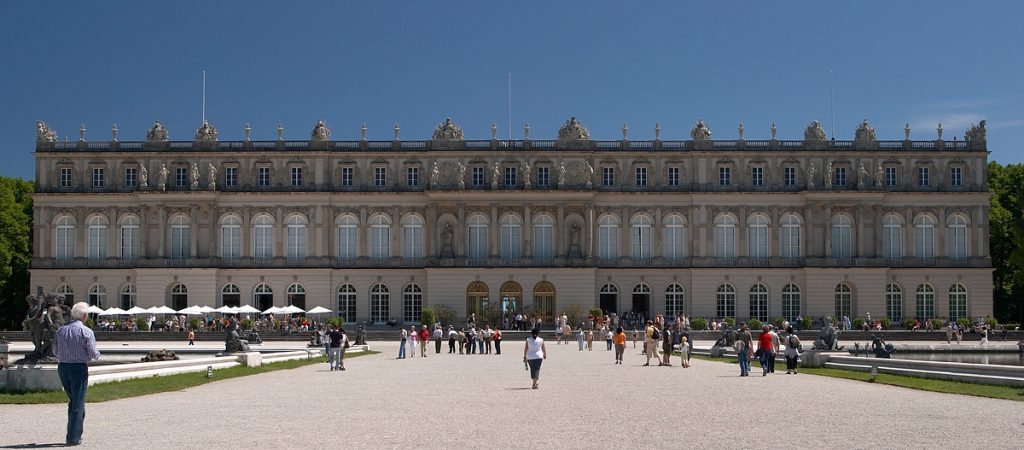
On an island in the middle of the Chiemsee, the largest lake in Bavaria, rises the most ambitious and extravagant of all the palaces built by King Ludwig II, the
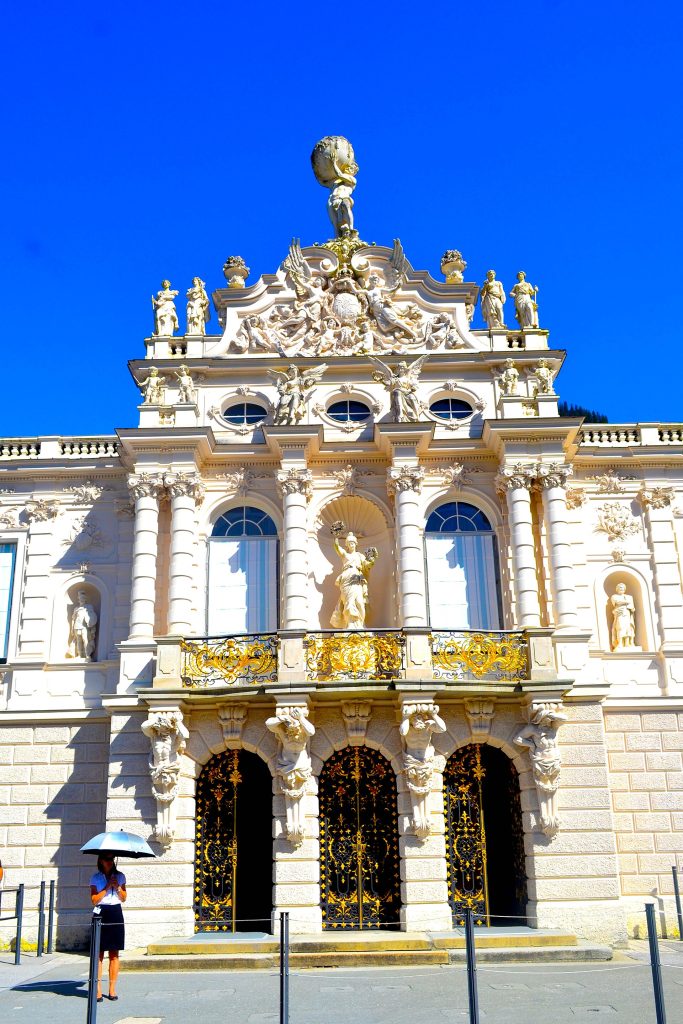
Deep in the Bavarian Alps, in a secluded valley surrounded by forested mountains, stands the smallest but perhaps the most perfect of the palaces built by King Ludwig II of
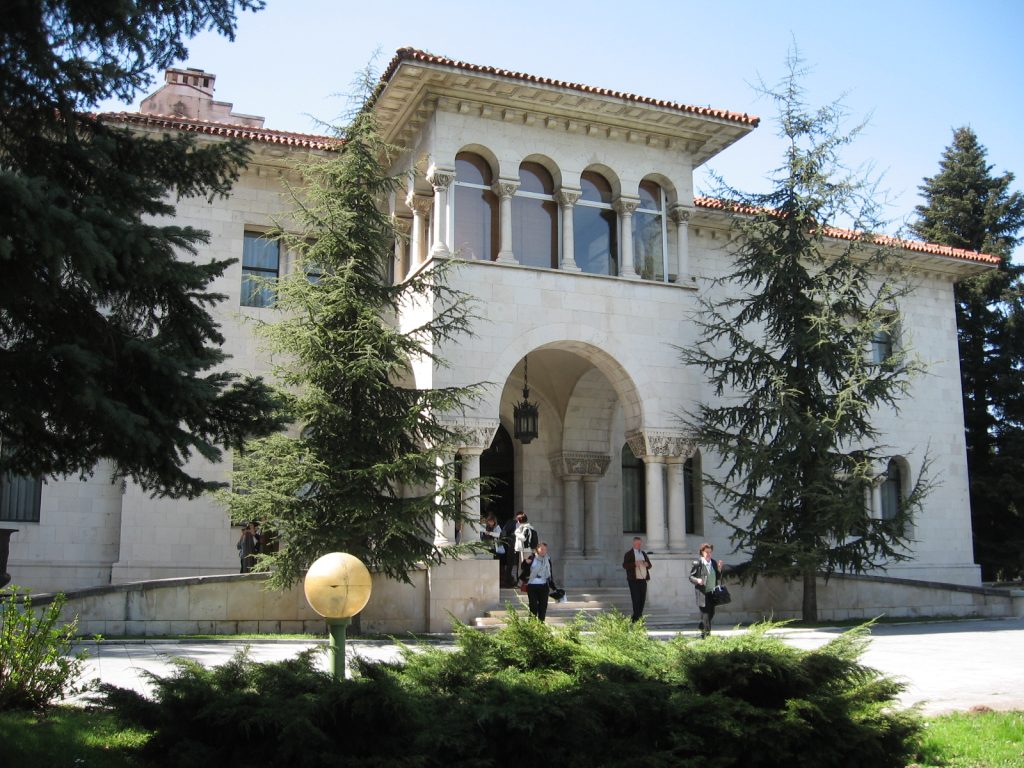
On a wooded hill in the leafy Dedinje district of Belgrade, set within a great park away from the bustle of the Serbian capital, lies one of the most elegant