Not so long ago, the watch on your wrist did exactly one thing: it told you the time. Today, that same patch of skin might be home to a tiny computer that counts your steps, tracks your sleep, measures your heart rate around the clock, estimates the oxygen in your blood, nudges you to stand up, and in some cases can take a basic electrical reading of your heart or notice if you have taken a hard fall and call for help. The wearable has quietly become one of the most consequential health devices most people will ever own. This article looks at where wearables stand today, what each major company is doing, and how to get the benefits without falling into the traps.
Table of Contents
- From notifications to a health monitor on your body
- Apple Watch: the device that defined the category
- Samsung and the Android watch world
- Garmin and the serious-athlete approach
- Fitbit and the everyday fitness tracker
- The rise of the smart ring
- What these sensors can and cannot do
- The mental side: helpful coach or anxiety machine?
- How to choose a wearable
- Closing thoughts
From notifications to a health monitor on your body
The smartwatch began as a small screen for your phone notifications, a convenient way to glance at a message without digging in your pocket. That is still useful, but it is no longer the point. The real revolution was the gradual addition of sensors: an optical heart-rate monitor that shines light into your skin, motion sensors that count steps and detect falls, and increasingly sophisticated tools that can estimate blood oxygen, track the stages of your sleep, and gauge your stress through subtle changes in your heart rhythm.

What makes this powerful is not any single reading but the fact that the device sits on your body all day and night, quietly gathering a continuous picture of your health over time. A doctor visit is a single snapshot; a wearable is a long, patient film. That continuity can reveal patterns you would otherwise never notice, such as a gradual change in your resting heart rate or the effect of a late coffee on your sleep. Used thoughtfully, it turns vague feelings about your health into something you can actually see.
Apple Watch: the device that defined the category
Just as it did with smartphones, Apple did not invent the smartwatch but it defined what the category should be. The Apple Watch combined a polished design, a vast range of apps, and a steadily deepening focus on health and safety that turned it into the best-selling watch of any kind in the world. Its health features have become genuinely meaningful: the ability to take a basic electrical heart reading, to be alerted to an irregular rhythm, to detect a hard fall and summon help, and more recently to track a wide range of fitness and wellness metrics.

The catch, as ever with Apple, is that the watch only works with an iPhone, locking it firmly into the company ecosystem. For iPhone owners it is the obvious and excellent choice; for everyone else it is simply not an option. Its other limitation is battery life, which has traditionally meant charging roughly daily, a real inconvenience for anyone who wants to track their sleep through the night. Apple has improved this over time and added a low-power mode, but it remains a trade-off against the always-on simplicity that some rivals offer.
Samsung and the Android watch world
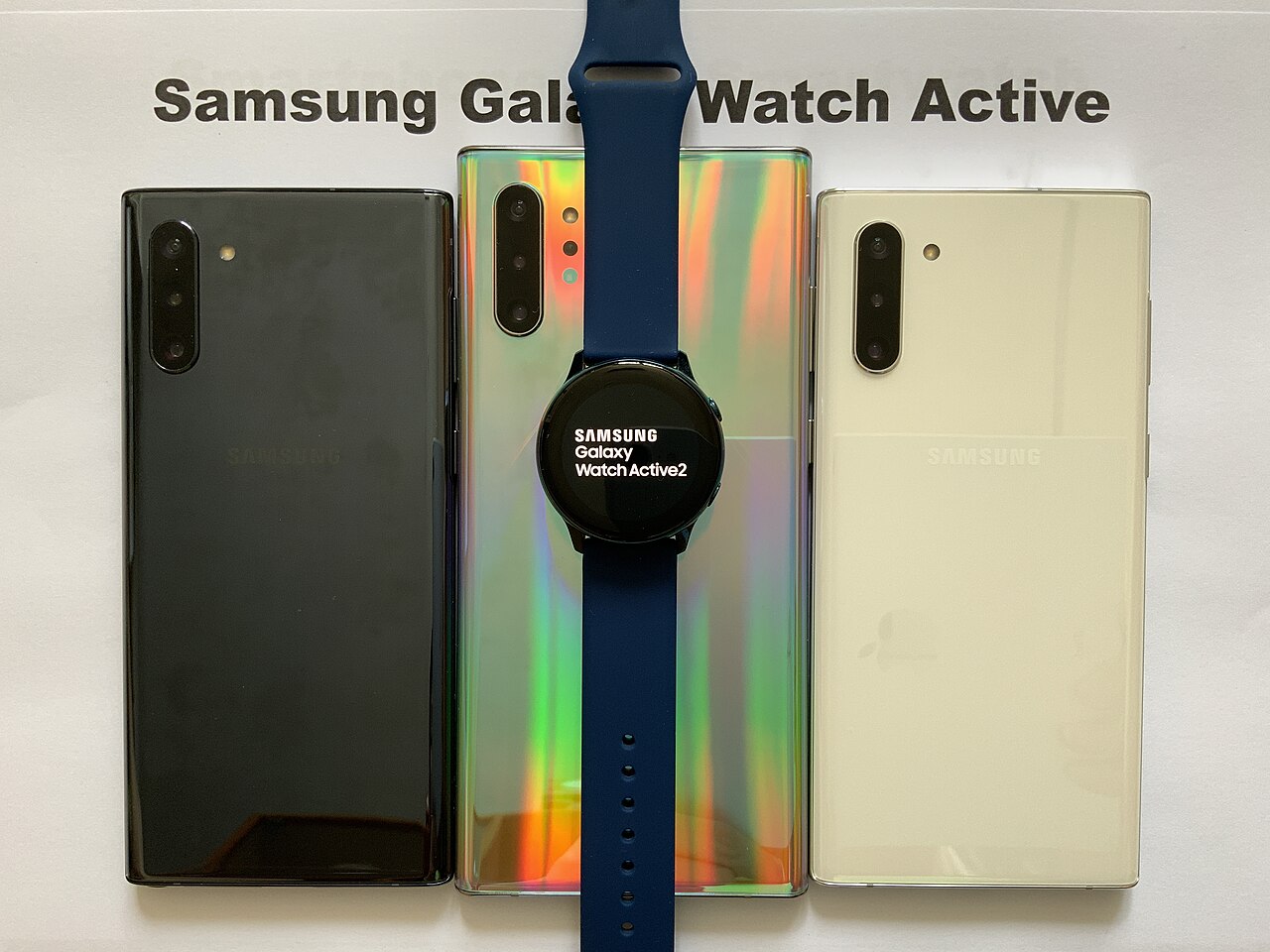
For the Android world, Samsung is the most prominent answer. Its Galaxy Watch line offers a comparable blend of polished hardware, health sensors, and apps, and it has helped revitalize the broader software platform that powers many non-Apple smartwatches. Samsung watches include their own array of health tools, including heart-rate and rhythm monitoring, body-composition estimates, and sleep tracking, and they integrate neatly with Samsung phones in the way Apple devices do with each other.

The Android watch landscape is more varied and more open than Apple closed garden, which is both a strength and a weakness. You have more choice of brands and styles, and the watches generally work with a range of Android phones, but the experience can be less seamless and the app selection less deep than on the Apple side. For people committed to Android, Samsung and the wider ecosystem of watches running the shared platform offer a genuinely strong and improving alternative.
Garmin and the serious-athlete approach
While Apple and Samsung chase the mainstream, Garmin has built a devoted following among serious athletes and outdoor enthusiasts by taking a different approach. Its watches prioritize rugged durability, exceptional battery life that can stretch for many days or even weeks rather than hours, precise satellite positioning, and an enormous depth of training and recovery data. For a runner, cyclist, swimmer, hiker, or triathlete, the wealth of detailed metrics and the freedom from daily charging are exactly what matters.

The trade-off is that Garmin watches are less focused on the smartwatch lifestyle features, the apps and the slick everyday conveniences, and more on sport and the outdoors. They tend to look more like sports instruments than fashion accessories. For a dedicated athlete or anyone who spends long days away from a charger, this focus is a feature rather than a flaw, and it explains why Garmin has carved out such a loyal niche in a market dominated by the giants.
Fitbit and the everyday fitness tracker
Before smartwatches became health powerhouses, the simple fitness tracker introduced millions of ordinary people to the idea of counting their steps and watching their sleep. Fitbit was the name that defined this category, offering friendly, affordable bands that focused on motivation and gentle encouragement rather than elaborate features. Now owned by a larger technology company, Fitbit continues to occupy the approachable middle ground between a basic tracker and a full smartwatch.

The enduring appeal of the simple tracker is its simplicity. It is cheaper, lighter, and less distracting than a full smartwatch, its battery often lasts many days, and it does the core job of nudging you to move and showing you your sleep without overwhelming you. For someone who wants a gentle push toward healthier habits rather than a wrist-mounted computer, a straightforward fitness band remains one of the smartest and most cost-effective choices available.
The rise of the smart ring
The newest twist in wearables is to abandon the wrist altogether and put the sensors in a ring worn on the finger. The appeal is discretion and comfort: a smart ring is far less obtrusive than a watch, can be worn comfortably to bed, and tends to have excellent battery life because it has no power-hungry screen to feed. These rings focus on the quieter side of health, especially sleep tracking, recovery, and overall wellness trends, rather than notifications and apps.
For people who find a watch bulky or who simply want to track their sleep and recovery without a glowing screen on their wrist, the smart ring is an elegant solution. Its limitation is the flip side of its strength: with no screen, it is a pure sensor that reports to your phone rather than a device you interact with directly, and it does fewer things than a watch. It represents a thoughtful recognition that not everyone wants a tiny computer strapped to their arm, and that sometimes less really is more.
What these sensors can and cannot do
It is important to be clear-eyed about what wearable health sensors really offer. At their best, they are remarkable tools for spotting trends and prompting healthy behavior, and a handful of features, such as fall detection and irregular-rhythm alerts, have genuinely helped people seek care they might otherwise have missed. The continuous nature of the data can reveal patterns that a single doctor visit never could, which is a real and valuable contribution to looking after yourself.
But these are consumer devices, not medical instruments, and their readings should be treated as informative rather than diagnostic. The heart-rate and oxygen sensors can be thrown off by movement, cold hands, or a loose fit, and the sleep tracking is an educated estimate rather than a clinical measurement. A wearable can suggest that something is worth looking into, and that is genuinely useful, but it cannot diagnose a condition. The right way to use one is as a helpful prompt to pay attention and, when something seems off, to consult a real medical professional rather than to draw your own conclusions.
The mental side: helpful coach or anxiety machine?
There is a human dimension to wearables that the marketing rarely mentions. For many people, the gentlest features turn out to be the most valuable: a quiet nudge to stand up, to breathe, or to wind down before bed. Behavior change is genuinely hard, and a well-timed tap on the wrist can be a surprisingly effective coach, helping you build small healthy habits that add up over months and years. Used this way, a wearable can be a real ally in living well.
The honest caveat is that the same constant stream of data can fuel anxiety in people who are prone to it, turning every minor fluctuation in a number into a worry and every imperfect night of sleep into a source of stress. There is a real risk of becoming so fixated on optimizing the metrics that you lose touch with how you actually feel. The healthiest relationship with a wearable is a relaxed one: let it inform and gently encourage you, but do not let it become a tyrant. If tracking your health is making you more anxious rather than less, that is a sign to loosen your grip, not to buy more sensors.
How to choose a wearable
The first and most practical question is which phone you own, because it narrows the field immediately. If you have an iPhone, the Apple Watch is the natural choice and works best. If you have an Android phone, Samsung and the wider ecosystem of watches running the shared platform are your strongest options. After that, it comes down to what you actually want it for. If you are a serious athlete or spend long days outdoors, the rugged, long-lasting approach of a sports-focused watch will serve you better than a lifestyle-focused one.
If you mainly want gentle encouragement toward healthier habits without spending much or carrying a wrist computer, a simple fitness band is the smart and affordable pick. If you care most about sleep and recovery and dislike wearing a watch to bed, a smart ring is worth a look. And whatever you choose, weigh the battery life honestly, because a device that needs charging every day is one you may stop wearing, and a wearable left in a drawer helps no one. Match the device to your real life, not to the longest feature list.
Closing thoughts
The wearable has travelled a remarkable distance, from a simple step counter and a screen for notifications to a sophisticated and continuous companion that watches over your health day and night. Apple defined the modern smartwatch, Samsung leads the Android world, Garmin serves the serious athlete, the humble fitness band still offers gentle everyday motivation, and the smart ring quietly tracks your recovery without any fuss. There has never been more choice, at more price points, for keeping a gentle eye on your wellbeing.
The wisest way to wear one of these devices is with a light touch. Treat its readings as helpful clues rather than verdicts, let its nudges encourage you toward better habits, and remember that it is a tool to support your health, not a doctor and not a judge. A wearable can genuinely enrich the way you look after yourself, as long as you stay the one in charge and keep your attention, ultimately, on how you actually feel rather than only on the numbers.