In the Southern Highlands of Papua New Guinea, among fertile mountain valleys and steep ridges, live the Huli, one of the largest and most visually striking peoples of the island’s interior. They are known around the world for their spectacular ceremonial appearance: elaborate wigs shaped from human hair, adorned with feathers and everlasting daisies, and faces painted in brilliant yellow and red. This dramatic display has earned the Huli men the name by which they are widely known, the wigmen, and it has become one of the enduring images of highland New Guinea.
Yet behind the striking display lies a rich and complex society built on gardens, pigs, kinship, and a deep relationship with the land. The Huli are skilled farmers of the sweet potato, keepers of pigs, and heirs to an intricate world of exchange, ritual, and oral tradition. This article follows the Huli from their origins and language through their highland homeland, their traditional way of life, their society and beliefs, their famous wigs and adornment, their food and festivals, and the sweeping changes that contact with the wider world has brought to their mountain valleys.
Contents
- Origins in the Southern Highlands
- The Name Huli and the Wigmen
- Language of the Highland Valleys
- The Highland Homeland
- The Traditional Way of Life
- Society, Clans, and Kinship
- Religion and the Spirit World
- The Famous Wigs and Adornment
- Crafts and Everyday Making
- Food, Gardens, and Pigs
- Festivals and the Sing-sing
- History and Contact with the Outside
- The Huli Today
Origins in the Southern Highlands
The Huli are one of the indigenous highland peoples of New Guinea, descendants of the ancient farming communities that settled the island’s interior thousands of years ago. The central highlands were home to one of the world’s earliest independent developments of agriculture, and the ancestors of the Huli were part of this deep tradition, adapting over many generations to life in the cool, fertile valleys of the Southern Highlands.
Their homeland lies in a region of mountains, ridges, and basins where reliable rainfall and workable soils allowed a dense population to flourish through the cultivation of the sweet potato. Cut off from the coast and from the wider world by rugged terrain, the Huli developed their culture in relative isolation, shaping a society finely tuned to the possibilities and limits of their highland environment.
Huli history is carried not in writing but in a rich body of oral tradition, in genealogies stretching back many generations, and in stories that explain the origin of the people, the land, and the customs that govern their lives. These accounts bind the living to their ancestors and to the valleys they cleared and gardened, and they give the Huli a strong sense of belonging to their particular corner of the highlands.
The sheer antiquity of highland farming places the Huli among the heirs of one of humanity’s earliest agricultural revolutions, a heritage that reframes their valleys not as a remote backwater but as part of a region where people learned to cultivate the land in their own way and time.

The Name Huli and the Wigmen
The Huli are widely known to outsiders as the wigmen, after the remarkable ceremonial wigs worn by the men, but among themselves their identity rests on their language, their genealogies, and their attachment to their highland territory. They are a numerous people, and their sense of who they are is bound up with clan, kinship, and the land far more than with any single label applied from outside.
The image of the wigman, with his shaped wig of hair, his crown of feathers, and his painted face, has become one of the most recognizable representations of highland New Guinea, appearing in countless photographs and films. Yet this ceremonial appearance, striking as it is, represents only the most visible and dramatic aspect of a much deeper and more varied way of life.
To reduce the Huli to the spectacle of the wig would be to miss the substance of their society, which is built on gardens, pigs, exchange, and an elaborate world of ritual and obligation. The wig is a powerful symbol, but it is the everyday work of farming and the constant management of relationships that truly define Huli life in the highland valleys.
For visitors, the sight of a Huli man in full ceremonial array is unforgettable, but for the Huli themselves the wig is one element among many in a life whose real weight lies in the gardens, the pigs, and the endless negotiation of kinship and exchange.

Language of the Highland Valleys
The Huli speak a Papuan language of the New Guinea highlands, part of the great and diverse family of tongues that developed in the island’s interior, entirely distinct from the Austronesian languages of the Pacific coasts. The Huli language is spoken by a large population, making it one of the more widely used highland languages, and it carries the detailed knowledge that valley life requires.
Within the language lies a rich vocabulary for the many kinds of sweet potato, for the stages of a garden, for the roles a pig can play in exchange, and for the intricate web of kinship and obligation that binds Huli society together. The language also holds the genealogies, chants, and formal speech through which history, ritual, and dispute are conducted, making eloquence a valued and powerful skill.
As with other highland peoples, the spread of the national language and of English through schools, churches, and administration has brought bilingualism to many Huli, especially the young. This opens access to the wider world, but it also places pressure on the everyday use of the Huli language, and the vitality of the tongue depends on its continued use in the valleys where it has always been spoken.
Skilled orators who can recite genealogies and marshal the formal speech of dispute command great respect, for in a society without writing it is through the spoken word that history is preserved, claims to land are argued, and the affairs of the clan are settled.
Being among the more widely spoken of the highland tongues gives the Huli language a certain resilience, yet its long-term vitality still rests on whether children continue to learn and use it in the homesteads and gardens of their mountain valleys.

The Highland Homeland
The Huli homeland is a region of high mountain valleys and basins in the Southern Highlands, lying at considerable elevation where the climate is cool and rainfall reliable. Ringed by forested ridges and higher peaks, the valleys enjoy conditions well suited to the cultivation of the sweet potato, and their fertile floors and slopes support one of the densest rural populations in the highlands.
Across this landscape the Huli have created an intricate farmed country of gardens, drainage ditches, and networks of paths, shaped by generations of labour. Rather than clustering in large villages, Huli families have traditionally lived in dispersed homesteads scattered among their gardens, an arrangement tied to landholding, kinship, and the management of pigs and crops across the valley.
Beyond the gardens rise slopes of grass and forest that provide timber, firewood, hunting grounds, and materials for building and craft. The high ground and the boundaries between clans mark out a landscape that is deeply humanized and rich in meaning, in which every stretch of valley carries the history of the people who cleared, ditched, and gardened it over many generations.
The pattern of scattered homesteads, so different from the clustered villages of many other peoples, reflects the Huli tie between family, garden, and pig, with each household set among the plots it works and the land to which its kin hold ancient rights.
Reliable rainfall, cool temperatures, and workable soils combined to make these highland basins some of the most productive country in the interior, and it was this fertility, patiently exploited over centuries, that allowed the Huli to grow into so numerous a people.

The Traditional Way of Life
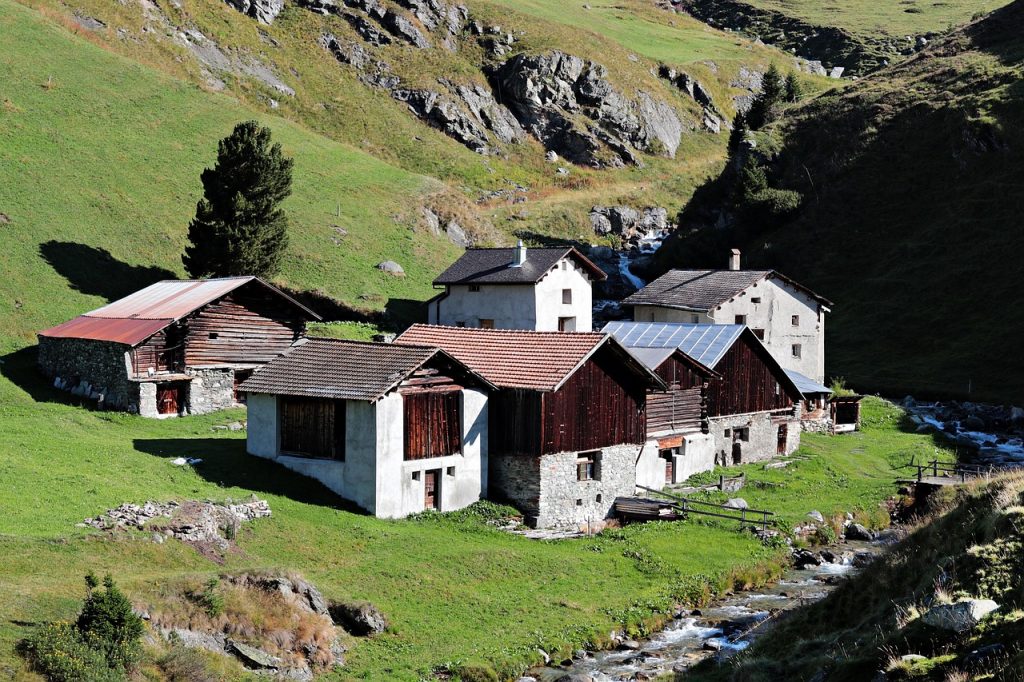
Traditional Huli life revolved around the garden and the pig, with families living in dispersed homesteads among their cultivated plots. Men and women traditionally lived and slept apart, with separate houses, and the compound included the dwellings, cooking areas, and stalls or shelters for the pigs that were central to the household’s wealth and standing.
Daily work followed the demands of the sweet potato gardens and the pigs. Women carried much of the burden of cultivation and of tending the pigs, while men cleared new ground, built and maintained fences and ditches, and handled the exchange, alliance, and dispute that shaped valley affairs. The careful ditching and mounding of gardens reflected a sophisticated and long-refined agricultural knowledge.
Life was organized around a balance of gardens and pigs, of daily labour and periodic ceremony, and wealth was measured largely in pigs and in the relationships they made possible. A household’s standing rose and fell with its ability to raise animals, meet its obligations, and take part in the exchanges and feasts that were the very substance of Huli social and political life.
The daily rhythm of carrying sweet potato from garden to homestead, of tending pigs, and of maintaining the ditches and fences that kept the gardens productive gave Huli life a steady, demanding pace finely tuned to the possibilities of the mountain valleys.
Society, Clans, and Kinship
Huli society is built on clans and lineages traced through descent, with a person’s identity, landholding, and obligations bound up in these kin groups. The genealogies that link people to their ancestors are carefully remembered and carry great weight, for they establish rights to land and define the network of relationships within which a person lives.
Marriage links different groups and creates webs of alliance and obligation across the valleys, cemented by the exchange of pigs and valuables. Leadership traditionally rested not on inherited office but on achievement, influence, and skill, with respected men earning their standing through success in gardening and pig raising, generosity in exchange, eloquence in dispute, and wisdom in the affairs of the clan.
Reciprocity and exchange are the threads that hold Huli society together. Gifts of pigs and valuables, help with work, and support in disputes all create bonds that must eventually be answered, and to live well is to manage these obligations skilfully. Disputes over land, pigs, and grievances were a recurring feature of valley life, and the ability to settle them was among the highest of social skills.
The careful remembering of genealogies was no idle exercise, for these lines of descent established who held rights to which stretch of land, and disputes over such claims could set clan against clan and demand all the eloquence and patience a community could muster.
Success in the great cycles of pig exchange, in which animals and valuables moved between groups to seal alliances and settle obligations, was the surest path to influence, and a man who managed these transactions well could build a name that carried weight across many valleys.

Religion and the Spirit World
Traditional Huli belief centred on ancestral spirits and unseen powers that shared the world with the living and influenced health, fertility, fortune, and misfortune. Keeping right relations with these spirits was a serious concern, and much ritual life was directed toward securing their goodwill, warding off harm, and maintaining the balance on which prosperity depended.
Ritual specialists and elaborate ceremonies addressed the fertility of the land and the pigs, the health of the people, and the dangers thought to arise from various sources. Beliefs about the separate worlds of men and women, and about the powers and dangers associated with each, shaped many aspects of ritual and daily conduct, reflecting a complex vision of the forces at work in the world.
From the mid twentieth century Christian missions established a strong presence in the highlands, and today many Huli are Christians. Yet older understandings of ancestors, spirits, and the moral weight of exchange have not simply disappeared. For many people the new faith and the inherited sense of a living, watchful world coexist and blend, continuing to shape how life, health, and misfortune are understood.
Elaborate notions about the separate worlds of men and women, and about the powers and dangers each was thought to carry, shaped ritual and daily conduct alike, reflecting a subtle and demanding vision of the unseen forces believed to move through the highland world.

The Famous Wigs and Adornment
The Huli are celebrated above all for their ceremonial wigs, shaped from human hair and worn by the men as crowning elements of their festive appearance. These wigs, decorated with feathers, everlasting daisies, and other ornaments, are objects of great pride and skill, and their making has traditionally been surrounded by care, ritual, and the observance of particular customs.
Alongside the wig, the ceremonial appearance of the Huli man includes brilliant face paint, most famously in yellow and red, along with plumes drawn from birds, shells, and other adornments. The overall effect is one of striking beauty and power, transforming the everyday farmer into a figure of ceremony and display for the great gatherings of highland life.
The plumes of birds, including the prized feathers of the birds of paradise for which New Guinea is famous, are among the most valued elements of adornment, carrying meanings of wealth, status, and occasion. This tradition of spectacular self-decoration is not mere vanity but a language of display through which the Huli express identity, standing, and the importance of the ceremonies in which they take part.
The everlasting daisies and the plumes of forest birds that crowned a Huli wig were gathered and prepared with great care, for the finished adornment was meant to embody not only beauty but the wealth, standing, and vitality of the man who wore it.

Crafts and Everyday Making
Huli craft, like that of other highland peoples, is rooted in the materials of the valley and the needs of daily life. Net bags knotted from plant fibre, used to carry produce, firewood, and infants, are a fundamental part of highland life and are made largely by women. Tools for the gardens, fences, and the structures of the homestead were all fashioned from wood, fibre, and, in the past, stone.
The making of ceremonial adornment was itself a highly developed craft, from the shaping and decoration of the wigs to the preparation of plumes, paints, and ornaments for the great gatherings. Such work demanded knowledge, patience, and an eye for beauty, and the ability to prepare a fine ceremonial appearance was a valued accomplishment tied to the display of status and identity.
Skills passed from one generation to the next through observation and practice, woven into the fabric of social life rather than set apart as specialist trades. The capacity to produce a strong net bag, a well-built fence, or a striking set of ceremonial ornaments was part of being a capable adult, and craft in this sense expressed both usefulness and belonging.
The preparation of a ceremonial wig, from the gathering and shaping of hair to its decoration with feathers and flowers, was a craft in its own right, surrounded by custom and care, and the skill to produce a fine one was a source of real pride and standing.

Food, Gardens, and Pigs
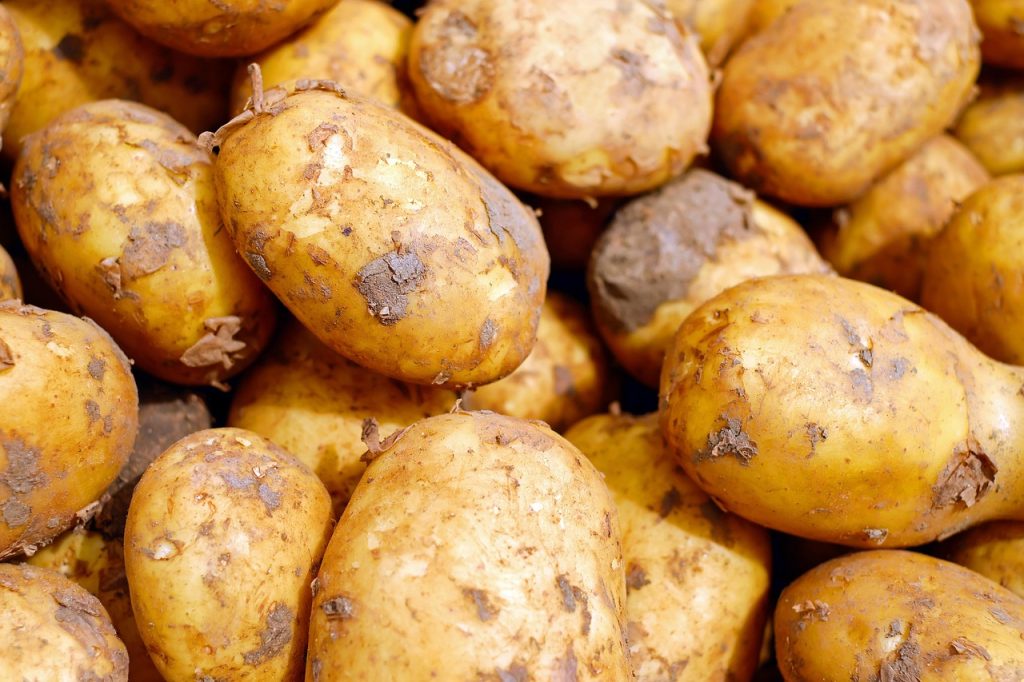
The foundation of Huli life is the sweet potato, cultivated in great variety across the ditched and mounded gardens of the highland valleys. So reliable is its yield in the cool mountain climate that it allowed a dense population to flourish, and it feeds both people and the pigs that carry so much social meaning. Households recognize many named kinds of sweet potato, each suited to particular conditions and uses.
Alongside the sweet potato the Huli grow other vegetables, greens, and crops that round out a diet that is largely plant based in everyday life. Cooking is often done in an earth oven, in which heated stones steam food beneath a covering of leaves, a method used both for ordinary meals and, on a far larger scale, for the feasts that mark important occasions in the life of the community.
Pork, by contrast, is the food of celebration and obligation rather than of every day. Pigs are raised with great care and are eaten chiefly at feasts, when communities come together to settle debts, seal alliances, and mark important events. The distinction between the daily abundance of the gardens and the special richness of pork captures the two poles around which Huli food, and Huli life, revolve.
The earth oven, in which heated stones slowly steam a mound of tubers, greens, and pork beneath layers of leaves, was itself a communal act, drawing many hands together in the preparation and sharing of a single great meal on days of celebration.
Festivals and the Sing-sing
Ceremonial gatherings, known widely in Papua New Guinea as sing-sings, are among the great occasions of Huli life, bringing together groups in displays of dance, song, and spectacular adornment. It is at these events that the famous wigs, feathers, and face paint are shown to fullest effect, as men perform in lines to the rhythm of drums and chant, presenting the strength and beauty of their group.
Such gatherings mark important occasions and bind communities together, renewing alliances and expressing the identity and vitality of the participants. They demand extensive preparation, from the making and decorating of wigs to the accumulation of pigs and the coordination of many people, making a great sing-sing a feat of organization as well as of display and devotion.
In recent decades these ceremonial displays have also drawn visitors from beyond the highlands, and cultural shows and festivals bring together groups from across Papua New Guinea to perform. For the Huli, these events serve not only as spectacle for outsiders but as a stage for pride in their heritage, a chance to present their traditions to the wider world on their own terms.
Ranked in long lines and moving to the beat of drums and the rise of chant, the dancers at a great sing-sing presented the collective strength and beauty of their group, turning the ceremonial ground into a stage on which identity and alliance were vividly proclaimed.

History and Contact with the Outside
For most of their history the Huli lived beyond the reach of the outside world, unknown to distant states and shielded by the rugged terrain of the highlands. Sustained contact came only in the twentieth century, when exploration revealed the densely populated valleys of the interior to outsiders who had assumed the highlands to be empty, opening the region to missionaries, administrators, and prospectors.
Contact brought sweeping change. Missions introduced Christianity and worked to alter certain customs, while colonial and later national administration drew the highlands into a wider political order. Steel tools, cloth, new crops, schools, and markets reshaped daily life, and the valleys that had once been self-contained worlds became part of a modern state, subject to its laws, opportunities, and pressures.
The Southern Highlands have also been a region touched by the search for natural resources, and questions of land, development, and the distribution of wealth have shaped Huli experience in recent decades. The Huli have navigated this transformation within living memory, moving from a world of stone tools and ritual to one of schools, churches, and cash in the space of only a few generations.
The discovery of the crowded highland valleys astonished the outside world, which had long imagined the interior of the island to be uninhabited, and the meeting of these two worlds set in motion a transformation whose effects the Huli are still living through today.
The Huli Today
Today the Huli remain firmly rooted in their highland valleys, still farming the sweet potato gardens and still raising the pigs that carry so much social meaning. Many aspects of the old way of life continue alongside the new: net bags are still carried, ceremonial wigs and adornment are still made and worn for great occasions, and the sing-sing still brings communities together in spectacular display.
Younger generations increasingly move between worlds, attending school, speaking the national language and English, and travelling to towns for work and trade, while remaining tied to their clans and their home valleys. This double life brings opportunity but also strain, as families balance the pull of wider society against the desire to keep alive the language, skills, and obligations that make someone fully Huli.
The challenges ahead are real, from pressures on land and resources to the uncertainties of economic and social change. Yet the Huli carry into the future a powerful inheritance: a deep knowledge of their valleys, a rich culture of exchange and celebration, and a ceremonial tradition admired across the world. In tending their gardens and honouring their bonds, they continue to shape a highland world that is unmistakably their own.
In markets and mission stations, along the roads that now thread the valleys, and in the schoolyards where children learn new languages, one sees the everyday blending of old and new that defines contemporary Huli life in the Southern Highlands.
For all the pressures of the modern world, the flash of yellow and red face paint and the towering crown of a decorated wig remain the enduring signatures of a people whose sense of themselves is bound tightly to the valleys, the gardens, and the ceremonies of the Southern Highlands.

Related Peoples of the Region
- Pitjantjatjara People of the Western Desert and Their Sacred Heart at Uluru
- Noongar People of the Southwest and Their Country of Six Seasons
- Tiwi People of the Northern Islands and Their World Apart
- Palawa People of lutruwita and Their Remarkable Cultural Return
- Dani People of the Baliem Valley and Their Highland World of Pigs and Gardens
- Asmat People of the Papua Swamps and Their Sacred Art of Woodcarving
You May Like
The Damara, an Ancient People of Namibia


One thought on “Huli Wigmen of the Papua New Guinea Highlands and Their World of Gardens and Ceremony”