On the large island that lies south of the Australian mainland, a place the world knows as Tasmania and whose people call it lutruwita, live the Palawa, the Aboriginal Tasmanians. Their homeland is a country of cool temperate rainforest, alpine highland, and a wild coastline lashed by the Southern Ocean, an environment quite unlike the deserts and tropics of the mainland. Cut off from the continent when rising seas flooded the land bridge thousands of years ago, the ancestors of the Palawa developed in isolation for a longer period than perhaps any other human population on earth.
The story of the Palawa is among the most sorrowful and yet, in its later chapters, among the most inspiring in the history of Aboriginal Australia. Their encounter with colonisation brought catastrophic loss, yet the Palawa were never destroyed, and their descendants have carried out a remarkable revival of language, culture, and identity. This article follows the Palawa from their ancient island origins through their language, homeland, society, spiritual life, art, food, and ceremony, and into the tragic history and extraordinary return that define their world today.
Contents
- Origins in Deep Isolation
- The Meaning of the Palawa Name
- Reclaiming a Lost Language
- Homeland of lutruwita
- The Old Way of Island Life
- Society and the Bands
- Spiritual Life and Belief
- Traditions of Sea and Fire
- Shell Necklaces and Craft
- Food from Coast and Forest
- Ceremony, Fire and Gathering
- History and the Black War
- The Palawa People Today
Origins in Deep Isolation
The ancestors of the Palawa reached the land now called Tasmania many tens of thousands of years ago, walking across a land bridge that once joined the island to the Australian mainland. When the seas rose at the end of the last ice age and drowned that bridge, the people of the island were cut off from the continent, beginning a period of isolation lasting many thousands of years. This separation is thought to be one of the longest experienced by any human group anywhere on earth.
During these long millennia the Palawa developed a way of life perfectly adapted to their cool and often harsh island, quite distinct from that of the mainland peoples from whom they had been separated. They lived through dramatic changes in climate and landscape, adapting to the shifting conditions of an island at the edge of the inhabited world. Their endurance over such a vast span of time is a testament to their deep knowledge of their country.
Palawa understanding of their own origins is rooted in their connection to the island itself, a homeland shaped in the ancestral past and passed down as an inheritance of belonging. The isolation that defined their history also forged a strong and particular island identity. To be Palawa was to belong wholly to lutruwita, a country apart at the far southern reach of the continent.
The extraordinary length of the Palawa isolation, stretching across many thousands of years after the flooding of the land bridge, gives their story a unique place in the human record. Few if any other populations experienced so long a separation from the rest of humanity. This deep isolation shaped a culture and a way of life entirely their own, adapted with great precision to the particular conditions of their cool southern island.

The Meaning of the Palawa Name
The name Palawa is used by Aboriginal Tasmanians today as a collective term for themselves, drawn from their own languages and expressing their shared identity as the original people of the island. The word is spelled in more than one way and is used alongside other terms, but it has become the most widely recognised name for the Aboriginal community of Tasmania. It carries the weight of survival and of a reclaimed identity.
Before colonisation the people of the island did not think of themselves as a single group with one name but belonged to many bands, each associated with a particular part of the country and speaking related languages. The adoption of a shared collective name is a feature of the modern era, reflecting the coming together of survivors and their descendants into one community. In this sense the name Palawa is both ancient in its roots and modern in its use.
For the Palawa, the reclaiming and use of their own name is an act of identity and pride, a rejection of the false belief once widely held that the Aboriginal Tasmanians had vanished entirely. To call oneself Palawa is to assert a continuous connection to the island and its first people. The name has thus become a powerful symbol of survival and cultural return.
In using this name the community affirms not only who they are but the simple, powerful truth that they remain, present and continuous on the island of their ancestors. The name has become a rallying point for pride, memory, and the ongoing work of cultural renewal.

Reclaiming a Lost Language
Before colonisation the people of lutruwita spoke a number of related languages, distinct from those of the mainland and reflecting the long isolation of the island. The catastrophe of colonisation shattered the transmission of these languages, and within a few generations fluent speech in the original tongues had fallen silent. For a long time it seemed that the languages of the island had been lost forever, another casualty of a devastating history.
In recent decades, however, the Palawa community has undertaken a remarkable project to bring their language back to life, drawing on the words and phrases recorded by early observers and preserved in old documents. From these fragments a revived language has been carefully constructed, allowing Palawa people once again to speak words rooted in their own country. This reconstructed language is used in ceremony, in naming, and increasingly in daily life.
The revival of the language is a source of deep pride and a central part of the wider cultural return of the Palawa. Place names in the language are being restored across the island, and young people are learning words that their ancestors spoke. For a community once told that their culture was extinct, the sound of their own language spoken again is a profound affirmation of survival.
The palawa kani project, as the revived language is known, has drawn together the surviving records of many original languages into a single reconstructed tongue that the community can share. This careful work of recovery has given the Palawa a voice rooted in their own country once more. That a language declared dead can be spoken again by the descendants of its speakers is among the most moving achievements of the Palawa revival.
Homeland of lutruwita
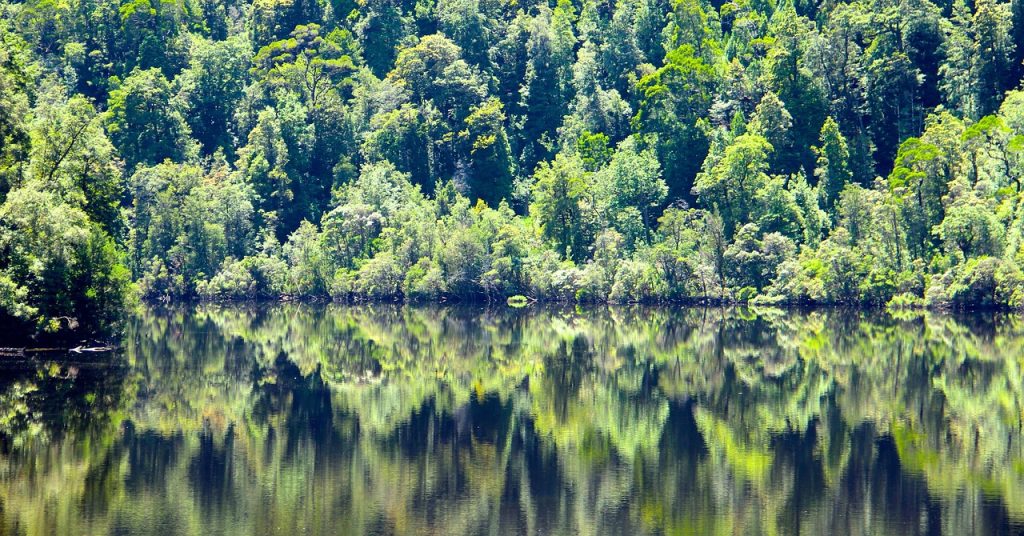
The Palawa homeland is the whole of lutruwita, the large island south of the Australian mainland, together with the smaller islands of the strait that separates it from the continent. This is a country of great natural variety, from cool temperate rainforests and alpine highlands to wild coasts battered by the Southern Ocean and sheltered bays rich in shellfish. The climate is cooler and wetter than that of the mainland, shaping a distinctive way of life.
The people moved through this varied country according to the seasons, drawing on the resources of forest, highland, river, and coast as each became available. The coastline and the islands of the strait were especially important, providing shellfish, seals, and the seabirds whose annual return was a vital event. Knowledge of when and where to find each resource was passed down as a precious inheritance.
The islands of the strait, lying between Tasmania and the mainland, came to hold a particular significance in the later history of the Palawa, both as places of refuge and as centres of a continuing culture. The whole homeland, from the great island to the smaller ones, was understood as a single country to which the Palawa belonged. Their bond with lutruwita has endured through the darkest chapters of their history.
The rugged coastline of lutruwita, exposed to the full force of the Southern Ocean, alternates between wave-battered headlands and sheltered coves rich in shellfish, giving the Palawa a shore of great variety and abundance. Inland, the cool rainforests and highland lakes formed another world of resources and meaning. This contrast between wild coast and misty forest lay at the heart of the Palawa homeland and shaped the seasonal rhythm of their lives.

The Old Way of Island Life
Before colonisation the Palawa lived as hunter-gatherers moving through their country in bands, timing their movements to the seasons and the resources of forest, highland, and coast. They exploited the rich shellfish beds of the shores, hunted game such as wallabies and possums in the woodlands, and gathered plant foods across the land. Their way of life reflected the cool and varied environment of the island.
Fire was central to Palawa life, used for warmth in the cool climate, for cooking, and for the careful burning of country that shaped the landscape and encouraged the growth of useful plants. The people carried fire with them as they moved, and the making and keeping of fire was an essential skill. This management of the land through fire had shaped the island’s ecology over thousands of years.
The Palawa were skilled in the use of the coast and its waters, gathering shellfish and hunting seals along the shores, and building simple watercraft to reach offshore islands. Their material culture was adapted to the demands of a cool and often wet climate, including the use of animal skins for warmth. The abundance of the coast made it a central part of the Palawa way of life.

Society and the Bands
Palawa society before colonisation was organised into a number of bands, each associated with a particular area of the island and made up of related families. These bands moved through their own country according to the seasons and came together with others for ceremony, trade, and the arrangement of marriages. Together the bands formed a network of related peoples spread across the whole of lutruwita.
Kinship and family lay at the heart of Palawa social life, governing relationships, obligations, and the sharing of resources according to custom. The bands were connected to one another through marriage and shared ceremony, weaving the peoples of the island into a wider social fabric. This structure allowed the Palawa to occupy their varied country while remaining bound together as one people.
Authority among the Palawa rested with respected individuals whose standing came from knowledge, skill, and experience rather than inherited rank. Elders guided their bands and held the deepest understanding of country, custom, and ceremony. Through their leadership the knowledge and law of the Palawa were maintained and passed to the generations that followed.
The bands of lutruwita each held an intimate knowledge of their own stretch of country, from the resources of the coast to the paths through forest and highland. This detailed local knowledge, combined with the wider ties that linked the bands, allowed the Palawa to occupy the whole of their varied island. The loss of so many bands in the catastrophe of colonisation makes the survival of Palawa identity all the more remarkable.

Spiritual Life and Belief
The spiritual life of the Palawa was bound up with their island country and with accounts of the ancestral past in which the land and its living things were shaped and given order. Features of the landscape, the sea, and the sky held meaning within this understanding, and the people’s relationship to their country carried spiritual as well as practical dimensions. Much of the detail of these beliefs was lost in the catastrophe of colonisation, yet their outline survives in what was recorded and remembered.
Fire held a special place in Palawa spiritual and practical life, and the making and carrying of fire was surrounded by significance. The sky, the sea, and the natural cycles of the island all featured in the people’s understanding of their world. Death and the treatment of the dead were attended by custom and belief, reflecting a concern with the passage of the spirit and the wellbeing of the living.
For the Palawa today, spiritual connection to country remains central to identity, expressed through the care of significant places and the renewal of cultural practice. The reconstruction of ceremony and the reclaiming of sacred connections form part of the wider cultural return. In this way the spiritual bond between the Palawa and lutruwita continues to be affirmed and strengthened.

Traditions of Sea and Fire
Among the most distinctive traditions of the Palawa was their close relationship with the sea and the coast, which provided both sustenance and materials for their way of life. The gathering of shellfish, the hunting of seals, and the harvesting of seabirds were central practices, tied to the seasons and to particular places along the shore and on the islands. These coastal traditions shaped the rhythm of Palawa life.
The making of watercraft from bundled bark and reeds allowed the Palawa to travel across water to offshore islands, a skill essential to a people whose homeland included the islands of the strait. Fire, carried and tended as the people moved, was another enduring tradition, central to survival in the cool climate. Together these practices reflected a deep adaptation to an island world.
Many of these traditions were disrupted by colonisation, yet some endured, particularly among the communities of the strait islands where a continuing culture was maintained. In the modern revival, traditions such as the making of shell necklaces and the harvesting of seabirds have been carried forward as living links to the past. The endurance of these practices is a powerful thread of cultural continuity.

Shell Necklaces and Craft
The most celebrated of Palawa crafts is the making of delicate shell necklaces, an art practised by women and passed down through generations even through the darkest periods of Palawa history. The necklaces are strung from tiny iridescent shells gathered from particular beaches, cleaned and pierced with great care, and threaded into strings that shimmer with colour. This craft is among the most treasured and continuous of Palawa cultural traditions.
The gathering and preparation of the shells is a skilled and patient process, tied to knowledge of particular places and seasons, and the finished necklaces are objects of great beauty and cultural value. The tradition was maintained above all in the communities of the strait islands, forming an unbroken link between the past and the present. Today shell necklaces are treasured as embodiments of Palawa survival and identity.
Alongside shell work, the Palawa made a range of objects essential to their way of life, including watercraft, tools, and items of clothing suited to the cool climate. In the modern era Palawa artists have drawn on this heritage to create contemporary work that expresses their identity and tells their story. Craft has become a powerful means of cultural affirmation and return.
The knowledge of which beaches yield the finest shells, and of how to clean, pierce, and thread them, has been passed from woman to woman across the generations, forming one of the most unbroken threads of Palawa culture. Each necklace is the product of many hours of patient work and carries within it the continuity of a tradition that survived the worst of times. These treasured objects are now held in collections and worn with pride as emblems of identity.

Food from Coast and Forest
The Palawa drew a varied diet from the rich resources of their island homeland, with the coast providing an especially abundant larder. Shellfish gathered from the shores formed a staple, their discarded shells accumulating in great middens that still mark the coastline today. Seals hunted along the shore provided meat and skins, and the seabirds of the islands were harvested in season.
From the forests and highlands came game such as wallabies and possums, hunted with skill across the varied country, along with plant foods gathered according to the seasons. The people knew intimately which resources each part of their country offered and when, moving to take advantage of the changing bounty of the year. This detailed knowledge sustained them through the cool and demanding conditions of the island.
As among other Aboriginal peoples, the gathering and sharing of food followed the ties of kinship and the rules of custom, binding the community together. The seasonal harvest of seabirds in particular became an important social as well as economic event, one that has continued into modern times. Food and its sharing lay at the heart of Palawa social life.
The great shell middens that line parts of the Tasmanian coast, built up over countless generations of shellfish gathering, stand today as enduring monuments to the long presence of the Palawa on their island. These accumulations of discarded shells testify to the central place of the coast in Palawa life across thousands of years. They are treated as significant cultural sites and cared for as records of an ancient way of living.

Ceremony, Fire and Gathering
Ceremony and gathering were central to Palawa life, bringing the bands together for the renewal of social bonds, the arrangement of marriages, and the observance of custom and belief. These gatherings were tied to the seasons and to the abundance of particular resources, when the country could support larger numbers of people coming together. Song, dance, and fire featured in the ceremonial life of the people.
Fire held a special ceremonial as well as practical importance, and gatherings around fire were part of the fabric of Palawa social life. The details of many ceremonies were lost in the catastrophe of colonisation, yet the memory and the impulse toward gathering endured among the survivors. The coming together of the community remained a vital expression of Palawa identity.
In the modern revival, the Palawa have reconstructed and renewed forms of gathering and ceremony as part of their wider cultural return. Community events, the celebration of the shell necklace tradition, and the seasonal harvest of seabirds bring people together and affirm their shared identity. Through gathering, the Palawa continue to renew their bonds with one another and with their country.

History and the Black War
The history of the Palawa after the arrival of Europeans is among the most tragic in the annals of colonisation. British settlement of the island began in the early nineteenth century, and the spread of settlers into Palawa country brought violent conflict, disease, and dispossession. The period of frontier violence known as the Black War brought devastating losses, as the Palawa were driven from their lands and their numbers fell catastrophically.
In the aftermath of this violence, the surviving Palawa were removed from the main island to a settlement on one of the strait islands, where many more died of disease and despair. For a long time it was wrongly believed that the Aboriginal Tasmanians had been entirely destroyed, a false belief that caused further harm by denying the continued existence of the Palawa people. Yet the Palawa had not vanished.
Descendants of Palawa women and the sealers of the strait islands maintained a continuing community, preserving elements of language, craft, and identity through the darkest times. From this community the modern Palawa people trace their descent and their survival. Their endurance through catastrophe stands as a powerful refutation of the belief that their culture had been extinguished.
The removal of the surviving Palawa to a settlement on a strait island was presented at the time as an act of protection, yet it became a place of suffering where disease and despair claimed many lives. The trauma of this period echoes through Palawa history to the present day. Confronting and remembering this history has been an important part of the community’s assertion of its survival and its rights.

The Palawa People Today
Today the Palawa are a living community numbering many thousands, descended from the survivors of a catastrophic history and engaged in a remarkable revival of their culture and identity. They have reclaimed their name, reconstructed their language, and renewed traditions once thought lost, asserting their continuous connection to lutruwita. Their survival is a powerful answer to those who once declared their people extinct.
The cultural return of the Palawa has included the restoration of place names in the revived language, the continuation of the shell necklace tradition, the seasonal harvest of seabirds, and the reclaiming of significant country. Palawa people have gained recognition of some of their rights and the return of certain lands, milestones in a long struggle for acknowledgement. Their art, their language, and their ceremonies increasingly find a place in the wider life of the island.
The Palawa story is ultimately one of survival against overwhelming odds and of a proud return from the brink of erasure. Having endured a history of catastrophic loss, they have carried their identity into the present and rebuilt their culture on the foundation of what survived. For all who encounter them, the Palawa offer a profound example of a people whose bond with their island homeland could not be broken.
Young Palawa are increasingly prominent in the cultural and public life of Tasmania, taking up the reclaimed language, the traditional crafts, and the assertion of their people’s history and rights. Many balance participation in the wider world with a deep commitment to the community and its country. In doing so they carry the Palawa revival forward, ensuring that the survival of their people becomes an enduring renewal.

Related Peoples of the Region
- Yolngu People of Arnhem Land and Their Unbroken Law of Two Worlds
- Arrernte People of the Red Centre and Their Songlines Across the Desert
- Warlpiri People of the Tanami Desert and Their World of Sand and Story
- Pitjantjatjara People of the Western Desert and Their Sacred Heart at Uluru
- Noongar People of the Southwest and Their Country of Six Seasons
- Tiwi People of the Northern Islands and Their World Apart
You May Like
The Damara, an Ancient People of Namibia


2 thoughts on “Palawa People of lutruwita and Their Remarkable Cultural Return”