In the green and temperate southwestern corner of Australia, where towering jarrah and karri forests give way to a coastline of white sand and where wildflowers blanket the earth in spring, live the Noongar people. Their country is utterly unlike the red deserts that most people picture when they imagine Aboriginal Australia, a fertile land of rivers, estuaries, and woodlands watered by winter rains. Across this rich and varied landscape the Noongar have lived for tens of thousands of years, developing a culture finely attuned to a place of abundance and seasonal change.
The Noongar are known for a calendar of six distinct seasons that guided their movements and their harvests, for their deep connection to the ancestral serpent that shaped their rivers, and for a resilience that carried them through one of the most disruptive colonial encounters on the continent. Their homeland encompasses the modern city of Perth and stretches across the entire southwest, embracing many named local groups united by a shared language and law. This article traces the Noongar from their ancient origins through their language, homeland, society, spirituality, art, food, and ceremony, and into the challenges and revival that define their world today.
Contents
- Origins and Ancient Presence
- The Meaning of the Noongar Name
- Language of the Southwest
- Homeland of Forests and Coast
- The Old Way of Life
- Society, Family and the Local Groups
- The Waugal and the Dreaming
- Traditions and the Six Seasons
- Art, Rock Marks and Craft
- Food from a Rich Country
- Ceremony, Corroboree and Song
- History and the Colonial Encounter
- The Noongar People Today
Origins and Ancient Presence
The Noongar trace their presence in the southwest of Australia back through an immense depth of time, with archaeological evidence confirming human occupation of the region for tens of thousands of years. Their ancestors lived through dramatic changes in climate and landscape, including the rise of sea levels at the end of the last ice age that reshaped their coastline and separated islands from the mainland. Through all these transformations the Noongar remained, adapting their way of life to a changing but consistently generous country.
Rather than describing their beginnings in terms of dates or migration, the Noongar understand their origins through their own accounts of creation, in which ancestral beings shaped the land and gave it its features, its laws, and its living things. Chief among these was the Waugal, the great serpent whose movements carved the rivers and waterways of the southwest. In this understanding the people and their country came into being together and remain bound to one another.
The Noongar are one people made up of many local groups spread across the southwest, each associated with a particular area of country but sharing a common language and a common law. This structure allowed them to occupy an enormous and varied territory while remaining connected through kinship, ceremony, and trade. Their deep ancestry in this single region is a source of profound identity and belonging.
The rise of the seas at the close of the last ice age is remembered in Noongar tradition as a time when land was lost and islands were cut off from the mainland, a story that aligns strikingly with the geological record. Such accounts, carried across hundreds of generations, testify to the extraordinary endurance of Noongar memory. They remind us that the people have not merely inhabited the southwest but have witnessed and remembered its transformation over vast spans of time.

The Meaning of the Noongar Name
The name Noongar, also spelled Nyoongar and in several other ways, means person or people in their own language, and it is used both for the people as a whole and for their language. Like many Aboriginal group names, it emphasises shared humanity and belonging rather than marking a division from others. To call oneself Noongar is to claim a place within a wide community united by country, language, and law.
Within the broad Noongar identity there are many named local groups, sometimes described as dialectal groups, each tied to a particular stretch of the southwest. Names such as Whadjuk, associated with the Perth region, and others across the coast and interior reflect the diversity contained within the single Noongar nation. These groups were distinct in their immediate country while belonging to the same overarching people.
For the Noongar, names carry meaning far beyond simple labels, linking people and places to the ancestral events that shaped them. The names of rivers, hills, and sites often recall the deeds of the Waugal and other beings, so that to speak the name of a place is to remember its story. This intimate relationship between naming and country lies at the heart of Noongar identity.
Language of the Southwest
The Noongar language is a single language spread across the southwest, historically encompassing a number of dialects that varied from one local group to another while remaining mutually intelligible. It carried the full weight of Noongar knowledge, from the names of plants and animals to the accounts of creation and the rules of proper conduct. For thousands of years it was the sole medium through which this rich culture was expressed and transmitted.
The colonial disruption of the nineteenth and twentieth centuries struck the language hard, as policies discouraged its use and separated many Noongar from their families and communities. For a time it seemed that the language might fall silent, yet it never entirely disappeared, surviving in the speech of elders and in words woven into everyday life across the region. This survival provided a foundation for the revival now underway.
Today the Noongar language is the focus of a determined effort at renewal, with dictionaries, courses, and community programmes working to bring it back into daily use. Place names, greetings, and cultural terms in the language are increasingly visible across the southwest, reflecting a growing pride in this inheritance. For the Noongar, reclaiming the language is a central part of reclaiming their identity.
The revival of the language has been driven as much by community desire as by scholarship, with families choosing to teach children words and phrases and with cultural organisations offering classes to young and old alike. Signs, artworks, and official names increasingly incorporate the language, giving it a renewed public presence. In this way a tongue that colonial policy sought to silence is finding its voice again across the southwest.

Homeland of Forests and Coast
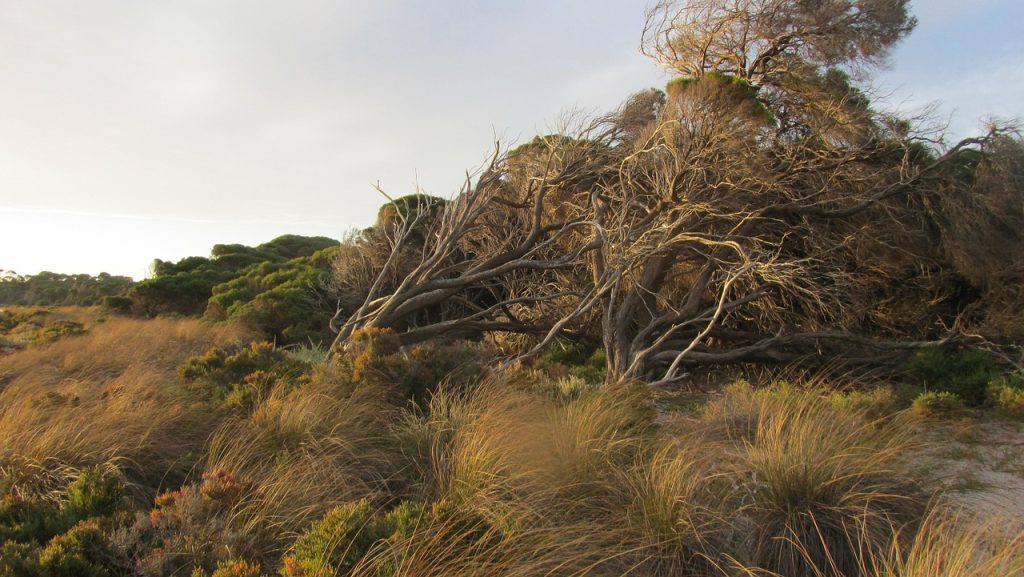
The Noongar homeland covers the entire southwestern corner of Australia, a region defined by its temperate climate, its winter rains, and a landscape of remarkable variety. Tall forests of jarrah and karri, some of the giants of the eucalyptus family, cover the inland ranges, while the coast is lined with beaches, estuaries, and offshore islands. Rivers such as the one running through modern Perth wind through the country, their courses shaped, in Noongar belief, by the Waugal.
This was a land of abundance compared with the harsh deserts of the interior, offering reliable water, rich plant foods, and plentiful game across the seasons. The Noongar moved through their country according to the rhythms of the year, gathering where food was plentiful and dispersing when necessary, always guided by an intimate knowledge of when and where each resource could be found. Their homeland rewarded those who understood its patterns.
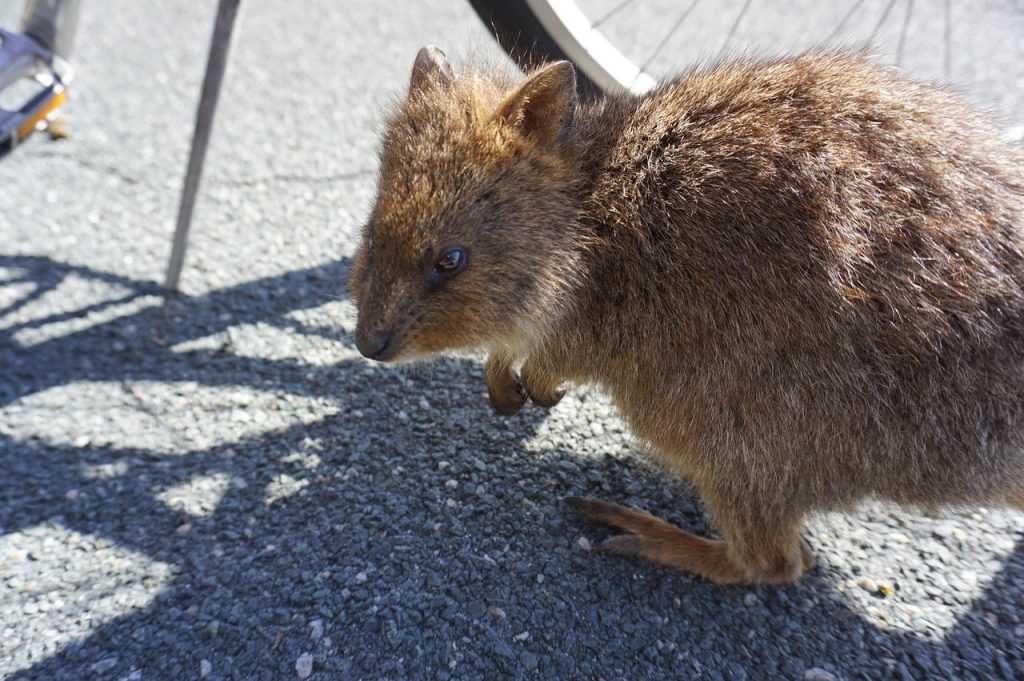
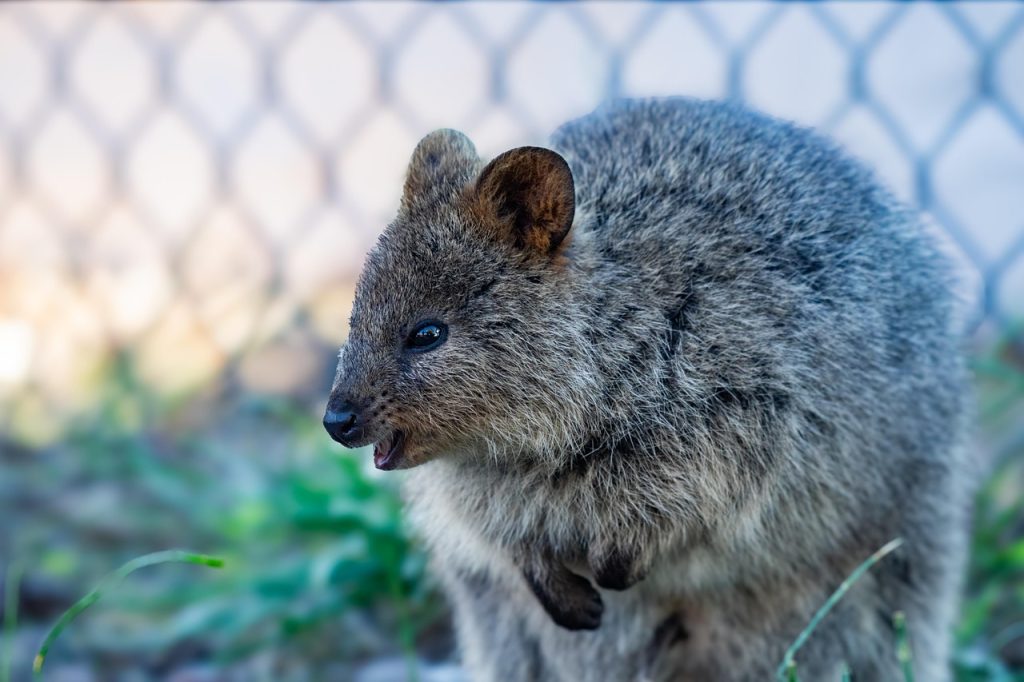
Offshore islands, most notably Wadjemup, known today as Rottnest Island, held special significance in Noongar belief and were connected to the mainland in ancestral memory before the seas rose. The whole homeland, from forest to coast to island, was understood as a single living country saturated with meaning and story. To belong to it was to carry responsibilities for its care that reached back to the creative era.
The karri forests of the deep southwest contain some of the tallest hardwood trees on earth, and the Noongar moved through these towering woodlands with an ease born of long familiarity. The coast, with its estuaries and offshore islands, offered yet another world of resources and meaning. This diversity of country within a single homeland gave the Noongar a richness of environment matched by few other peoples on the continent.

The Old Way of Life
Before European settlement the Noongar lived as hunter-gatherers who moved through their country in family groups, timing their movements to the six seasons that governed the availability of food. Unlike the peoples of the arid interior, they enjoyed relative abundance, which allowed them to gather in larger numbers at certain times of year. Their shelters and camps reflected the temperate climate and the need to move with the seasons.
The division of labour saw men generally hunting kangaroos, emus, and other game while women gathered roots, seeds, fruits, and small animals that provided much of the daily diet. Fire was an essential tool, used for warmth, cooking, and the careful burning of country that encouraged fresh growth and shaped the landscape over thousands of years. This deliberate management reflected a deep understanding of the land as something to be tended rather than merely used.
The Noongar maintained networks of trade and ceremony that connected local groups across the southwest and beyond, exchanging goods, knowledge, and marriage partners. Seasonal gatherings brought scattered families together for ceremony, the arrangement of marriages, and the renewal of social bonds. In this way the abundance of the country supported a rich social and ceremonial life.

Society, Family and the Local Groups
Noongar society was organised through family and kinship, with the many local groups of the southwest each tied to a particular area of country while belonging to the wider Noongar people. Membership of these groups was inherited, and each carried responsibilities for the care of its own country and the sites within it. This structure spread the population across the whole southwest while keeping everyone connected through shared descent and law.
Kinship governed the fundamental patterns of life, determining marriage, obligation, and the sharing of resources according to a system of relationships that embraced the whole community. These ties ensured that food and support flowed through the group and that the vulnerable were cared for. To act properly toward one’s relatives was the foundation of a well ordered society.
Authority rested with elders, both men and women, who held the deepest knowledge of law, country, and ceremony and who guided the community through its decisions and disputes. Their standing was earned through a lifetime of learning and service rather than inherited as a title. Through their guidance the knowledge and law of the Noongar were maintained and passed to the next generation.
The Waugal and the Dreaming
At the centre of Noongar spiritual life stands the Waugal, the great ancestral serpent whose journeys through the land during the creative era carved out the rivers, lakes, and waterways of the southwest. The Waugal is a being of enormous power, associated with water and with the life it brings, and its presence is felt at the springs, pools, and rivers that mark its passage. To the Noongar the landscape is a record of the serpent’s creative acts.
The wider body of ancestral belief, part of the tradition often called the Dreaming across Aboriginal Australia, explains how the country and its living things came into being and lays out the law that governs proper conduct. Sacred sites across the southwest mark places where ancestral beings acted, and these places are treated with great respect and care. The connection between people, country, and the creative era is understood as continuous and living.
For the Noongar, spirituality is not separate from daily life but woven through it, shaping how country is cared for, how resources are used, and how people behave toward one another. The proper observance of law and the respect owed to sacred places were essential to maintaining the health of the country and its people. In this worldview the Noongar are custodians charged with keeping alive a law laid down in the creative era.
Traditions and the Six Seasons
Among the most distinctive of Noongar traditions is their calendar of six seasons, a sophisticated understanding of the year that divided it according to changes in weather, plants, and animals rather than the four seasons of the European calendar. Each season carried its own name and its own character, guiding the people in when and where to find particular foods and when to move across their country. This calendar reflected an intimate reading of the natural world.
The six seasons ran through the cycle of the year from the hot, dry period of early summer through the wet and cold of winter to the burst of wildflowers in spring, each marked by signs in the environment that told the people what to expect. The flowering of particular plants, the movement of animals, and the changing winds all signalled the shift from one season to the next. Living in tune with these signs was central to Noongar life.
This seasonal knowledge was bound up with the wider traditions of law, ceremony, and care for country that structured Noongar life. The rhythms of the six seasons determined not only the gathering of food but the timing of gatherings and ceremonies, so that the calendar shaped the social and spiritual as well as the practical. The endurance of this knowledge is a striking feature of Noongar culture today.
Each of the six seasons was understood not as a rigid block of time but as a phase that arrived when the country showed its signs, so that the calendar flowed with the land rather than the fixed dates of a printed almanac. This flexibility reflected a way of thinking rooted in observation and relationship rather than abstraction. The six seasons remain one of the most celebrated expressions of Noongar knowledge and are now widely shared and taught.

Art, Rock Marks and Craft
Noongar artistic expression took many forms, including the marking of rock surfaces, the painting of bodies for ceremony, and the making and decorating of tools and weapons. Hand stencils and engravings left on rock across the southwest record the presence and beliefs of countless generations, forming part of a wider Aboriginal tradition of marking country. These marks connect the living to the ancestors who made them.
The Noongar crafted a range of practical objects essential to life in their country, including spears, spear-throwers, digging sticks, wooden bowls, and cloaks made from animal skins to guard against the cold of the southwest winters. Each object was made with skill and often carried meaningful designs, blending utility with cultural expression. The skin cloak in particular was a distinctive feature of life in this temperate land.
In more recent times Noongar artists have drawn on this deep heritage to create contemporary work that expresses their identity and tells their stories to a wider world. Painting, carving, and other art forms have become powerful means of cultural revival and of asserting the continuing presence of the Noongar in their country. This creativity links the ancient marks on rock to the living culture of today.

Food from a Rich Country
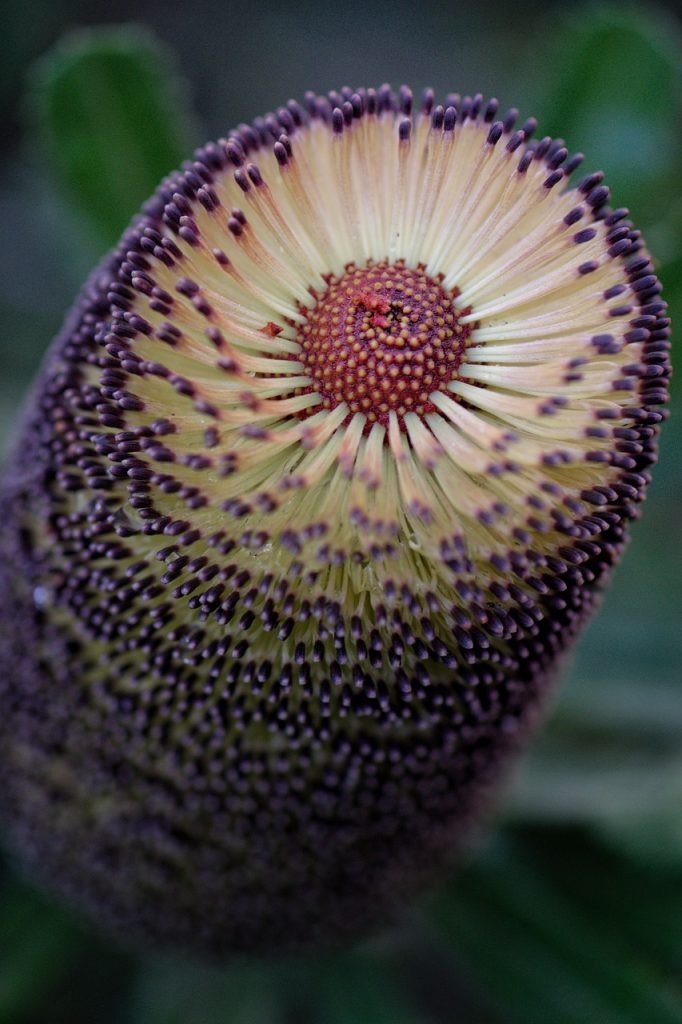
The temperate abundance of the southwest gave the Noongar a varied and reliable diet drawn from forest, plain, river, and coast. Plant foods included roots and tubers, seeds, fruits, and the nectar of flowering plants such as the banksia, which could be soaked to make a sweet drink. Women held detailed knowledge of which plants were ready to harvest in each of the six seasons, ensuring a steady supply through the year.
Hunting and fishing provided vital protein, with kangaroos, emus, possums, and other game taken across the country and fish, shellfish, and waterbirds gathered from the rivers, estuaries, and coast. The rich waterways of the southwest offered resources that the desert peoples could only dream of, and the Noongar exploited them with skill and care. The gathering and sharing of food followed rules grounded in kinship and law.
Food among the Noongar was never merely a matter of survival but was bound up with generosity, obligation, and the ties of family. The distribution of game and gathered foods followed the patterns of kinship, ensuring that all were provided for according to their relationships. Sharing food properly was one of the clearest expressions of what it meant to live well as a Noongar.
The nectar-rich flowers of the banksia and other native plants were a particular delight, providing a natural sweetness that could be enjoyed directly or dissolved in water to make a refreshing drink. Such foods reveal the sophistication of Noongar knowledge, which drew nourishment and pleasure from plants that outsiders might overlook entirely. This intimate understanding of the country’s bounty allowed the Noongar to live richly from the land through every one of their six seasons.

Ceremony, Corroboree and Song
Ceremony lay at the heart of Noongar cultural life, the means by which the law of the creative era was renewed and the bonds between people and country kept strong. Gatherings brought local groups together for ceremonies that could involve song, dance, and body painting, performed over hours or days. These occasions, sometimes described by the general Australian term corroboree, were times of deep meaning as well as reunion and celebration.
Song and dance recreated the deeds of ancestral beings and marked the important passages of life, from the initiation of young people into adulthood to the mourning of the dead. The knowledge attached to these ceremonies was carefully controlled, with certain songs and rituals restricted to those who had earned the right to receive them. Through ceremony the Noongar renewed their connection to their ancestors and their law.
The timing of gatherings and ceremonies was tied to the rhythms of the six seasons, taking place when the country was generous and families could come together. These events reinforced the social and spiritual fabric of Noongar life, binding scattered groups into a single people. The performance of ceremony confirmed the standing of the Noongar as custodians of a country entrusted to them in the creative era.

History and the Colonial Encounter
The Noongar experienced one of the earliest and most sustained colonial encounters of any Aboriginal people, as British settlement of the Swan River in 1829 brought newcomers directly into the heart of their country. The fertile land that had sustained the Noongar for millennia was precisely what the settlers wanted, and conflict over land, water, and resources followed swiftly. Disease, dispossession, and violence brought devastating losses in the decades that followed.
Government policies through the nineteenth and twentieth centuries deepened the disruption, removing many Noongar from their country, restricting their movements, and separating children from their families. The island of Wadjemup, so significant in Noongar belief, was for a long period used as a prison for Aboriginal men from across Western Australia, a history that gives the place a solemn weight for Noongar people today. Through all this the Noongar held to their identity and their law.
Despite generations of hardship, the Noongar never surrendered their connection to country, and the later twentieth and early twenty-first centuries brought hard-won recognition of their rights. Native title negotiations culminated in a landmark settlement acknowledging the Noongar as the traditional owners of the southwest, one of the most significant such agreements in Australian history. This recognition laid a foundation for the cultural revival now flourishing.
The Swan River settlement grew rapidly into the city of Perth, and as it did the Noongar found themselves increasingly marginalised within the very heart of their ancestral country. Yet they remained, adapting and enduring, maintaining their identity even as the landscape around them was transformed. Their continuing presence in the region is a testament to a refusal to be erased from their own country.

The Noongar People Today
Today the Noongar are one of the largest Aboriginal groups in Australia, numbering in the tens of thousands and living throughout the southwest, including in the city of Perth that sits at the heart of their country. They combine the demands of contemporary life with a strong and growing commitment to their culture, their language, and their connection to the land. Their presence across the region is increasingly visible and increasingly recognised.
Cultural revival has become a powerful force, with the Noongar language being taught and revived, the six seasons celebrated and shared, and Noongar art, music, and storytelling reaching wide audiences. The recognition of Noongar native title and the growing acknowledgement of their history have supported a resurgence of pride and confidence. Place names and cultural knowledge in the language are being restored across the southwest.
The Noongar story is ultimately one of survival, endurance, and renewal in the face of one of the longest colonial encounters on the continent. Having weathered dispossession and profound loss, they have carried their identity into a new era and reclaimed recognition as the traditional owners of their rich and beautiful country. For all who encounter them, the Noongar offer a profound example of a people whose bond with their land of six seasons has never been broken.
Young Noongar are increasingly prominent in the arts, in sport, in politics, and in the cultural life of Western Australia, bringing their heritage into the mainstream of contemporary society. Many balance participation in the wider world with a deep commitment to their community and their country. In doing so they demonstrate that an ancient culture can thrive in the present without losing what makes it distinct.
Related Peoples of the Region
- Chiquitano People of the Bolivian Lowlands and Their Baroque Mission Legacy
- Movima People of the Beni Floodplains and Their Language Without Kin
- Yolngu People of Arnhem Land and Their Unbroken Law of Two Worlds
- Arrernte People of the Red Centre and Their Songlines Across the Desert
- Warlpiri People of the Tanami Desert and Their World of Sand and Story
- Pitjantjatjara People of the Western Desert and Their Sacred Heart at Uluru
You May Like
The Damara, an Ancient People of Namibia


2 thoughts on “Noongar People of the Southwest and Their Country of Six Seasons”