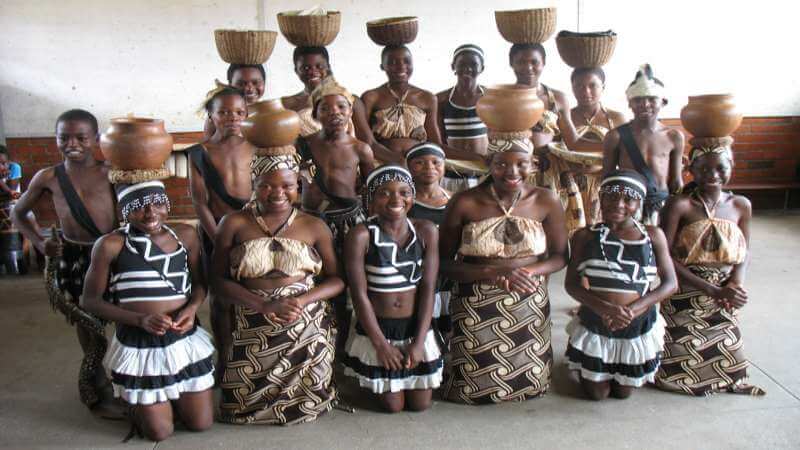
In the dry granite country of southwestern Zimbabwe and northeastern Botswana live the Kalanga, heirs to one of the great civilisations of southern Africa. Widely held to descend from the builders of Great Zimbabwe and Khami, they carry a heritage of ancient stone cities and powerful kingdoms.Custodians of the Mwali cult, whose oracular shrines speak from the caves of the Matobo hills, and keepers of dances such as the Hosana, the Kalanga cherish a distinct identity long pressed by larger neighbours. On both sides of the border they work today to revive and celebrate their language and culture.
The Kalanga on Film
Contents
- Origins
- The Name
- The Language
- The Homeland
- The Old Way of Life
- Society and Community
- Religion and Belief
- Traditions
- Crafts
- Food
- Festivals
- History
- Today
Origins

The Kalanga, or BaKalanga, are a people of southwestern Zimbabwe and northeastern Botswana, heirs to one of the great civilisations of southern Africa. They are widely regarded as descendants of the builders of the stone cities of the Zimbabwe plateau, and their history reaches back to the medieval states that raised Great Zimbabwe and its successors.
After the decline of Great Zimbabwe, the Kalanga ancestors built the Torwa state centred on Khami, and later formed part of the Rozvi empire that dominated the plateau. This deep heritage of stone-walled capitals and organised states gives the Kalanga a proud sense of ancient origins.
The Name

The people call themselves BaKalanga, a single person being a Kalanga, and their language TjiKalanga or iKalanga. They are closely related to, yet distinct from, the wider Shona-speaking world, and include such related groups as the Nambya and the Lilima.
The Kalanga country straddles the modern border, from the districts of Bulilima and Mangwe around Plumtree in Zimbabwe to the North-East District of Botswana around Francistown. Divided by a colonial line, the Kalanga remain a single people in language and culture on both sides.
The Language
The Kalanga speak TjiKalanga, a Bantu language of the Shona group, though sufficiently distinct that its speakers regard it as a language of their own. It is spoken by well over a million people across the Zimbabwe-Botswana border, in a number of related varieties.
The Kalanga language has faced strong pressure, overshadowed by Ndebele and Shona in Zimbabwe and by Tswana in Botswana, and for much of the twentieth century it had little place in schools. In recent decades Kalanga cultural associations have worked to promote and preserve the language, which remains a vital marker of identity.
The Homeland
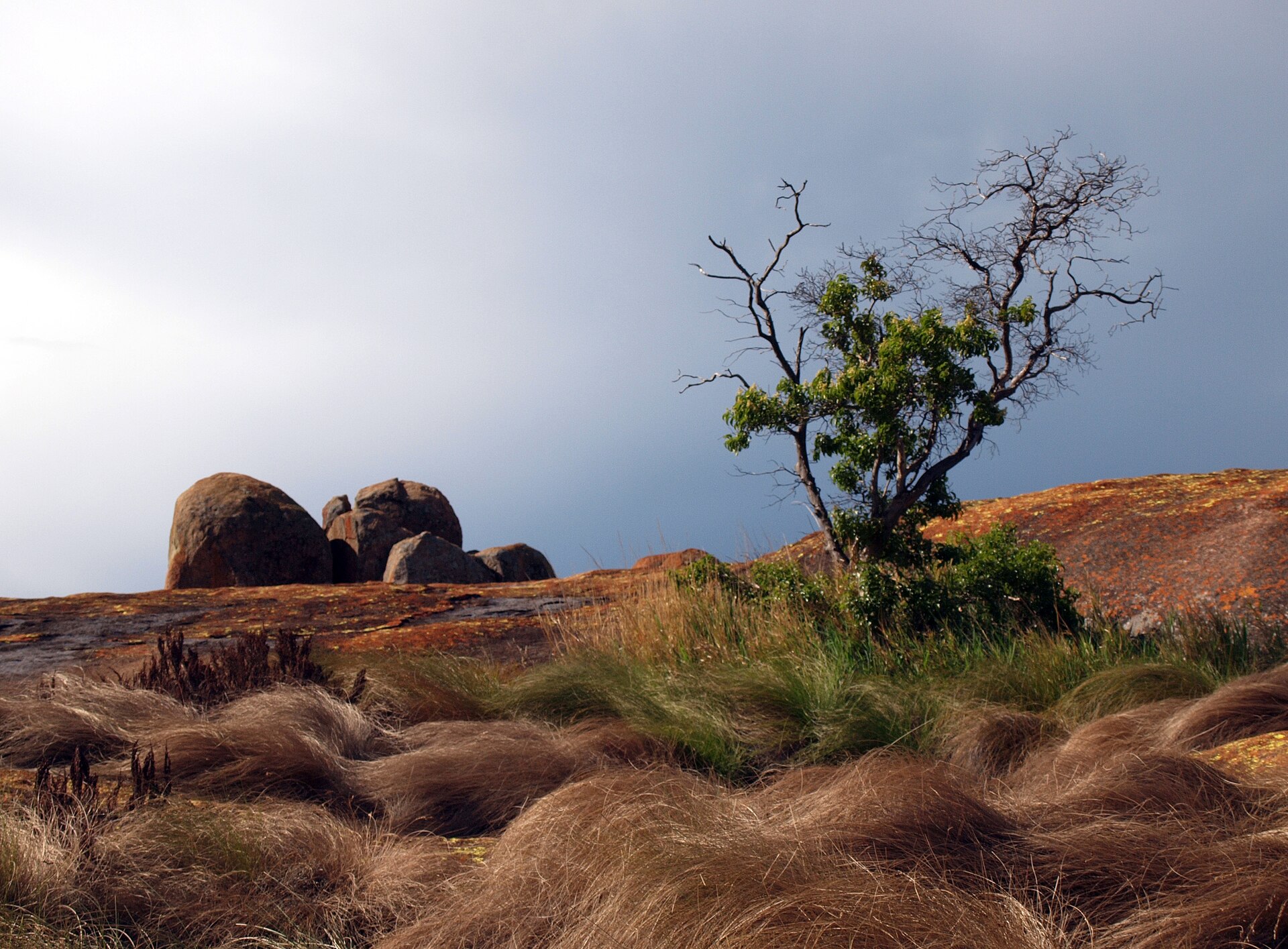
The Kalanga homeland is a country of dry savanna and granite hills in the southwest of the Zimbabwe plateau and the adjoining lowlands of Botswana. At its heart lie the Matobo hills, a landscape of balancing boulders and hidden caves that holds deep spiritual significance for the Kalanga.
This is a semi-arid land, where careful farming and the keeping of cattle sustain life, and where the granite kopjes have long offered shelter, refuge and sacred space. The hills and plains of the Kalanga country carry the ruins of ancient capitals and the shrines of an old and powerful religion.
The Old Way of Life

The Kalanga are farmers and herders, cultivating sorghum, millet, maize and other crops in a demanding, semi-arid climate, and keeping cattle, goats and sheep. Cattle in particular are prized as wealth and used in marriage and ritual, as across much of the region.
In earlier centuries the Kalanga states drew wealth from the trade in gold and ivory that linked the plateau to the Indian Ocean coast, and the ruins of their capitals testify to the prosperity this commerce brought. Farming, herding and trade together sustained the Kalanga and their kingdoms.
Society and Community

Kalanga society is organised around chiefs and headmen who lead communities of related families, with kinship and cattle central to social life. The gathering place, where people assemble to discuss affairs and settle disputes, remains an important institution, as seen at cultural gatherings today.
The Kalanga long lived under powerful states of their own, but from the nineteenth century they came under the domination of the Ndebele kingdom, and many were incorporated or subjected. This history of conquest and assimilation, continued under colonial and later national governments, has made the assertion of Kalanga identity a recurring theme of their society.
Religion and Belief

The Kalanga are closely bound to the cult of Mwali, or Mwari, a high-god worshipped at oracular shrines in the Matobo hills, of which the most famous is Njelele. From caves in the granite hills the voice of the god was said to speak, giving guidance on rain, fertility and the affairs of the people, and pilgrims came from across the region to consult it.
This ancient religion, in which the Kalanga hold a central and custodial role, has endured alongside the spread of Christianity, and many Kalanga today are Christian while still honouring the shrines and the ancestors. The Mwali cult remains one of the most remarkable religious traditions of southern Africa.
Traditions

Kalanga tradition is rich in music and dance, including the Hosana and other dances performed at ceremonies and celebrations, accompanied by drumming, singing and clapping. These performances express the identity of the Kalanga and mark the great occasions of communal life.
Rites of initiation, marriage and mourning, and the rituals of the Mwali cult and the ancestors, structure the Kalanga year. Oral tradition preserves the memory of the ancient states and the deeds of chiefs and heroes, carrying the heritage of the Kalanga from one generation to the next.
Crafts

The Kalanga inherit the craft traditions of the Zimbabwe plateau, including pottery, basketry, weaving, ironwork and the building in stone for which their ancestors were famous. The dry-stone walling of Khami and the other ruins stands as the supreme achievement of this tradition.
In everyday life the Kalanga make pottery, baskets and mats, work iron and wood, and produce the ornaments and implements of household and ceremony. Cultural festivals today display this craftwork alongside food, music and dance, keeping the artistic heritage of the Kalanga alive.
Food
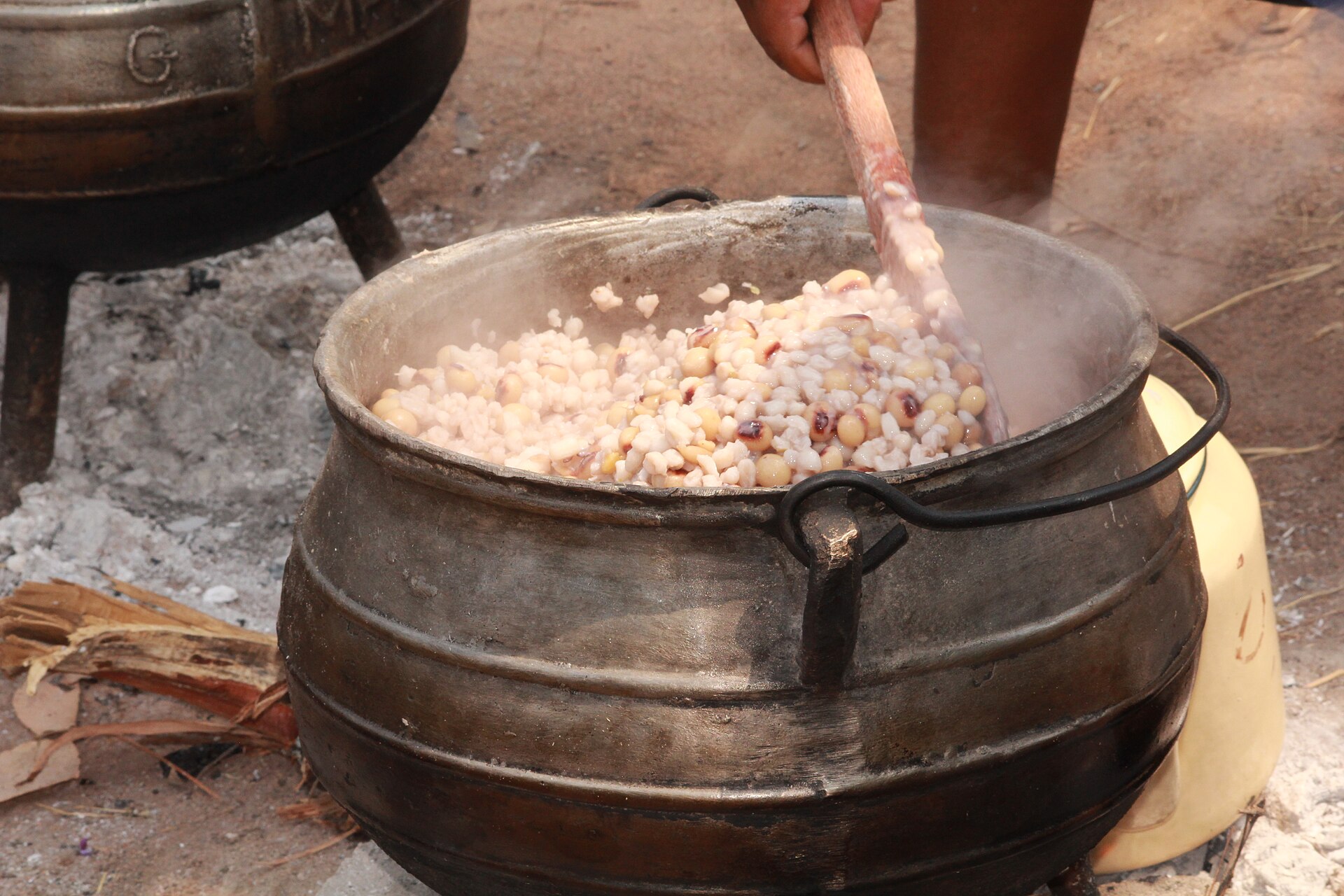
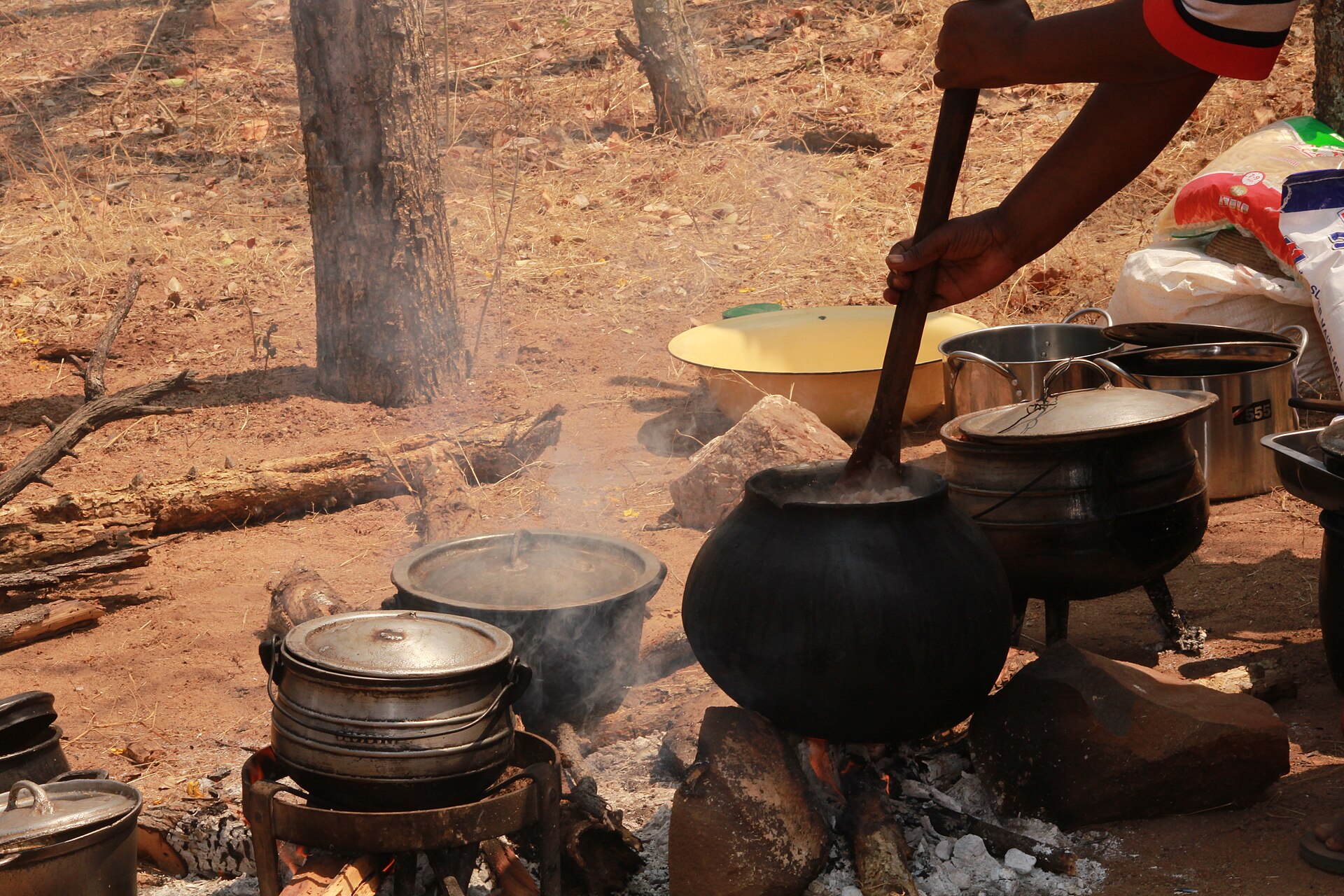
The staple of the Kalanga table is a thick porridge of sorghum, millet or maize meal, eaten with the hands and served with relishes of vegetables, wild greens, beans, meat or sour milk. In the semi-arid Kalanga country the drought-resistant small grains have long been especially important.
Cattle provide milk and, on ceremonial occasions, meat, and traditional beer brewed from grain accompanies festivals and rituals. The preparation and sharing of Kalanga dishes is a valued part of cultural gatherings, where traditional foods are cooked and enjoyed together.
Festivals
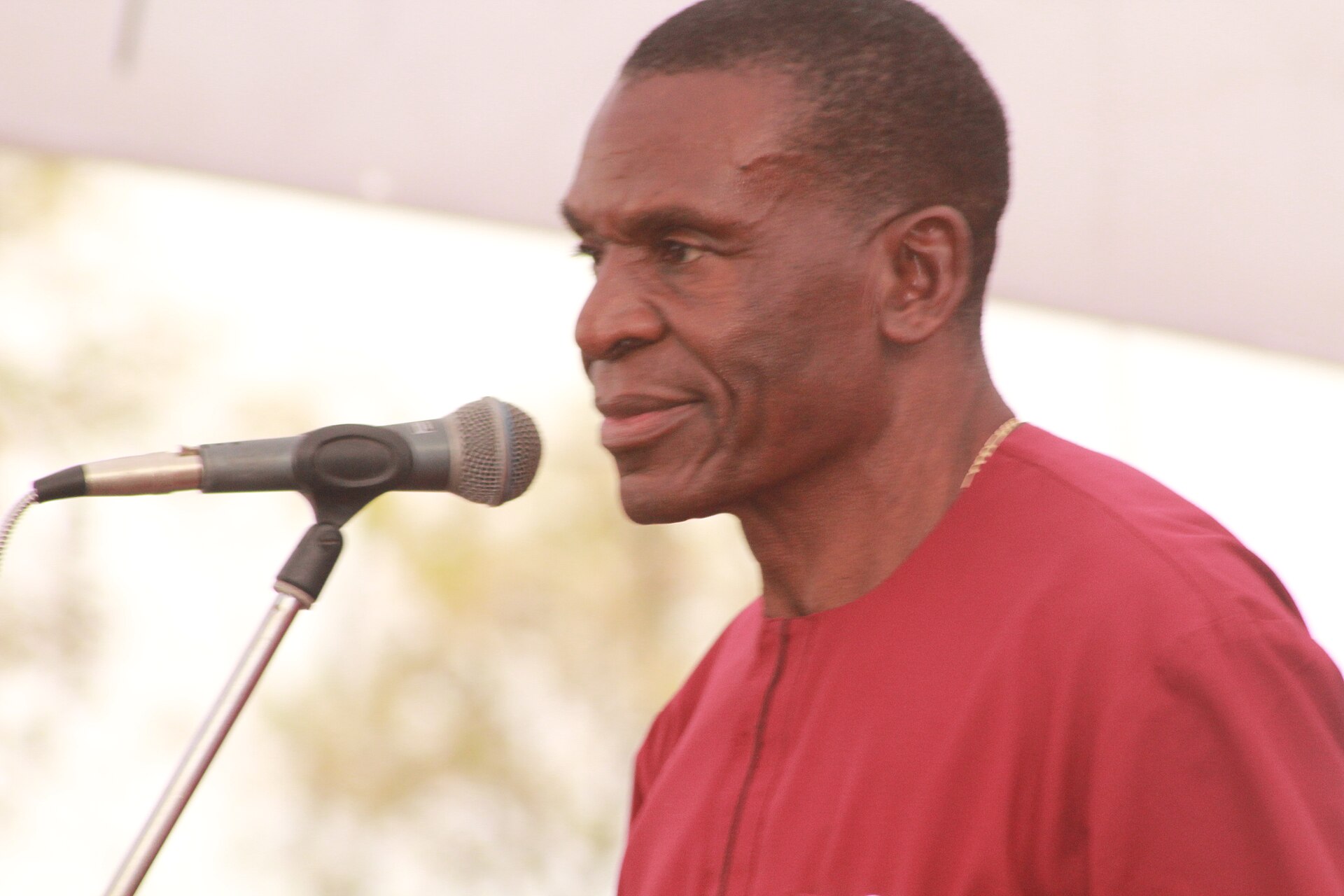
A great celebration of Kalanga heritage is the Domboshaba cultural festival, held in Botswana near the ruins of the same name, which gathers the Kalanga for music, dance, traditional food and the display of their culture. It has become a focus for the assertion and celebration of Kalanga identity.
Alongside such festivals, ceremonies tied to the farming year, to the rites of the life cycle and to the Mwali cult mark the Kalanga calendar. These gatherings reaffirm the bonds of community and pass the traditions of the Kalanga to the young on both sides of the border.
History

The Kalanga trace their heritage to the medieval states of the Zimbabwe plateau, from Great Zimbabwe to the Torwa kingdom centred on Khami and the later Rozvi empire, which flourished on the gold trade until the eighteenth century. The stone ruins of these capitals remain among the most impressive monuments in sub-Saharan Africa.
In the nineteenth century the Ndebele under Mzilikazi conquered much of the Kalanga country, and many Kalanga were subjected or assimilated. Colonial rule then divided them between Southern Rhodesia and the Bechuanaland Protectorate, and in both Zimbabwe and Botswana the Kalanga have since worked to preserve a distinct identity under the shadow of larger groups.
Today

Today the Kalanga live on both sides of the Zimbabwe-Botswana border, many still farming and herding in the dry southwest, while others have moved into towns such as Plumtree, Bulawayo and Francistown or migrated in search of work. Their language and culture, long under pressure, have seen a determined revival.
Cultural associations, festivals such as Domboshaba, and the enduring shrines of the Mwali cult sustain a strong sense of Kalanga identity. Heirs to the builders of Great Zimbabwe and Khami, the Kalanga carry one of southern Africa’s most ancient heritages into the modern age.
Related Peoples of the Region
- The Bamum, the Kingdom of Foumban and Sultan Njoya
- The Duala, the Coastal Traders of the Wouri
- The Baka, Forest People of Central Africa
- The Azande, the Kingdom of the Nile-Congo Divide
- The Mangbetu, the Court Artists of the Congo
- The Tumbuka, the Highland People of Northern Malawi
- The Sena, the People of the Lower Zambezi
- The Ndau, the Shona People of the Eastern Frontier
More Peoples of the World
- A Fifth of Humanity, the Story of the Han Chinese
- How the Maori Sailed Across the Pacific to Reach New Zealand
- Zulu of the Green Hills and Their Kingdom Forged by Shaka
- The People Who Never Vanished, the Story of the Maya
- Long Before the Arabs Came, North Africa Belonged to the Amazigh
- The People Who Emerged Into This World, the Story of the Navajo
- Meet the Ainu, an Indigenous People at Japan’s Northern Edge
You May Like
The Damara, an Ancient People of Namibia