At the mouth of the Wouri River, where the great port city that bears their name now rises, live the Duala, a Bantu people of the Cameroonian coast. Fishermen and canoe-builders, they became for two centuries the essential middlemen between the peoples of the interior and the ships of Europe.Their kings signed the treaty that founded German Kamerun, and one of them, Rudolf Duala Manga Bell, died on the gallows resisting the seizure of Duala land. Christian in faith yet still bound to the water spirits of the Wouri, the Duala celebrate that bond each year in the spectacular Ngondo, the great festival of the coastal peoples.
The Duala on Film
Contents
- Origins
- The Name
- The Language
- The Homeland
- The Old Way of Life
- Society and Community
- Religion and Belief
- Traditions
- Crafts
- Food
- Festivals
- History
- Today
Origins

The Duala are a Bantu people of the Cameroonian coast, settled around the estuary of the Wouri River where the great port city that bears their name now stands. They belong to the wider family of Sawa, or coastal, peoples of Cameroon, and their traditions trace their arrival at the estuary to migrations from the interior generations ago.
Establishing themselves on the banks of the Wouri, the Duala grew into a people of fishermen and traders, ideally placed to control the meeting of the river routes with the sea. From this position they would become, for a time, the essential intermediaries between the peoples of the interior and the ships of Europe.
The Name
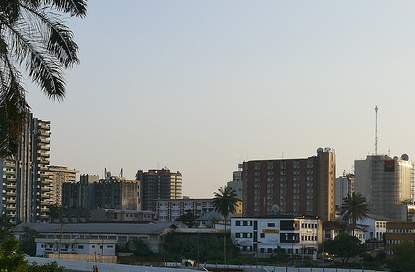
The Duala take their name from their founding ancestor and give it in turn to the city of Douala, the economic capital of Cameroon. The people are divided into several historic royal houses, among them Bell, Akwa, Deido and Bonaberi, each associated with a quarter of the old settlement.
Though the Duala proper are not a large group, their language and culture long held an influence out of proportion to their numbers, thanks to their commercial and, later, their educational prominence. Douala remains their heartland and the great metropolis of the Cameroonian coast.
The Language
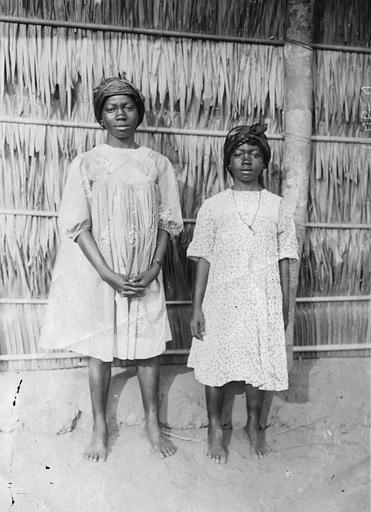
The Duala speak Duala, a coastal Bantu language that became one of the first languages of Cameroon to be written and used in schools and churches. Missionaries adopted it early, translating the Bible and producing a body of literature, and for a time it served as a lingua franca along the coast.
This early literary development gave the Duala language a prestige beyond its community, and it influenced the emerging written culture of the region. Today French dominates in Douala’s public life, but the Duala language remains a cherished marker of identity for the people.
The Homeland

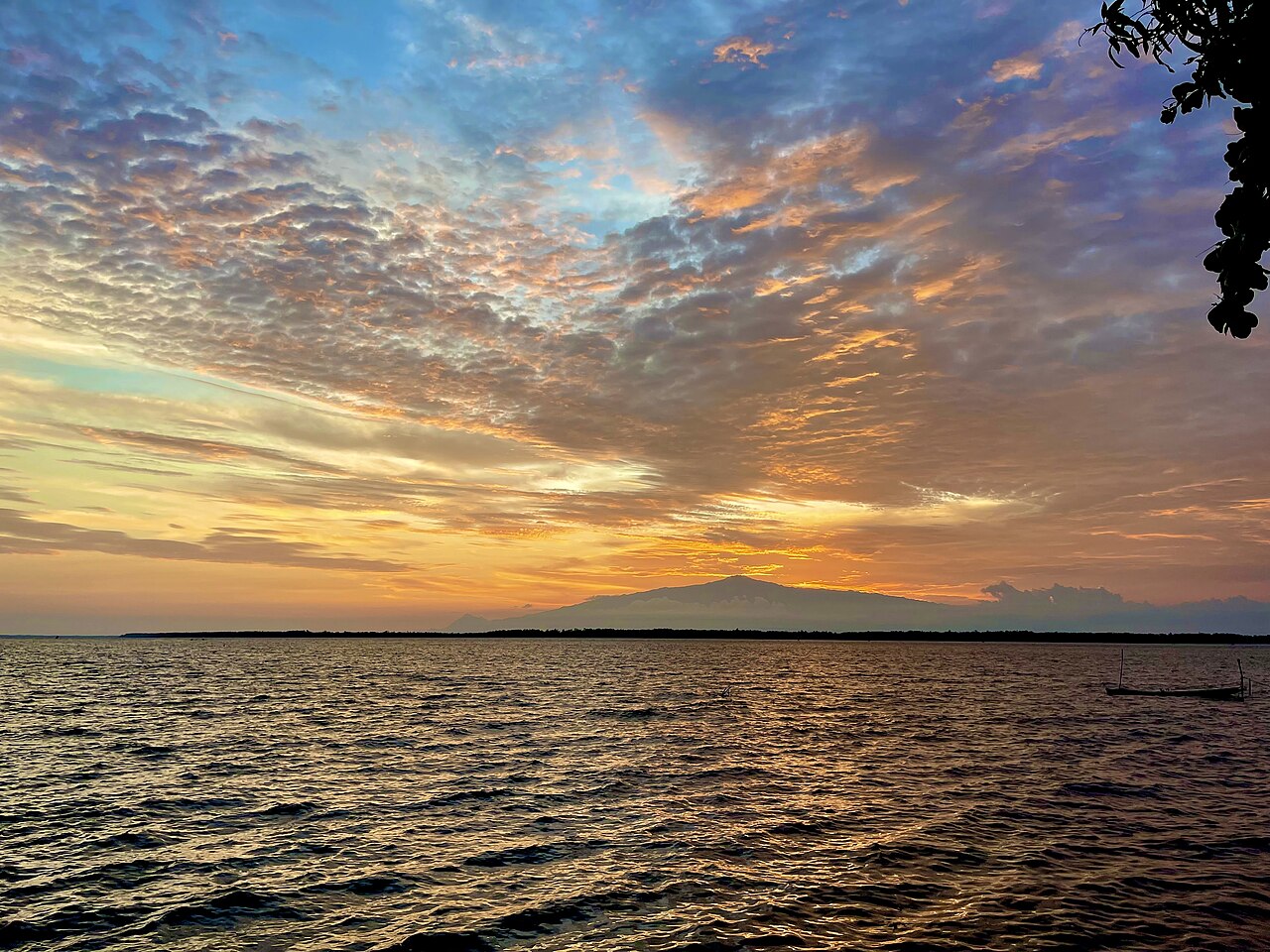
The Duala homeland is the estuary of the Wouri River, a low, humid coast of mangroves, creeks and islands where fresh water meets the sea. The tidal waterways shaped a life oriented toward fishing, canoeing and trade, and the river remains central to Duala identity and ceremony.
Beyond the estuary rises the great volcanic mass of Mount Cameroon, and behind it stretch the forests and highlands of the interior. The Duala position at the mouth of the Wouri, commanding access between coast and hinterland, was the foundation of their historic role as middlemen in trade.
The Old Way of Life
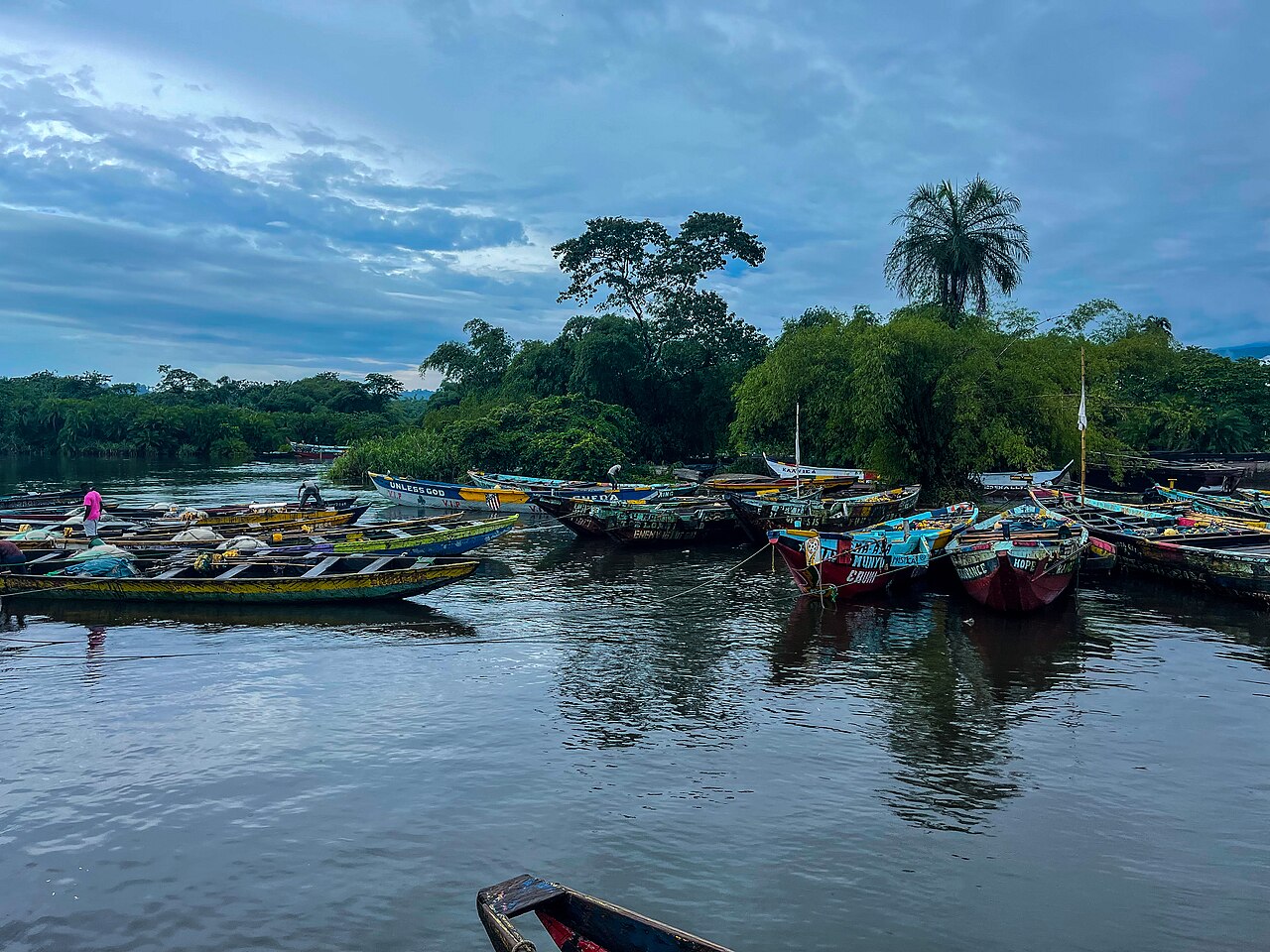
The Duala were above all fishermen and traders, working the waters of the estuary in canoes and exchanging the produce of the coast and interior. Fishing provided both food and livelihood, and the mastery of the waterways underpinned the Duala economy.
From the seventeenth and eighteenth centuries the Duala became the key intermediaries in the coastal trade, buying goods such as ivory, palm oil and, in the era of the Atlantic traffic, enslaved people from the interior peoples and selling them to European ships. This role as middlemen brought wealth and power to the Duala kings and houses.
Society and Community
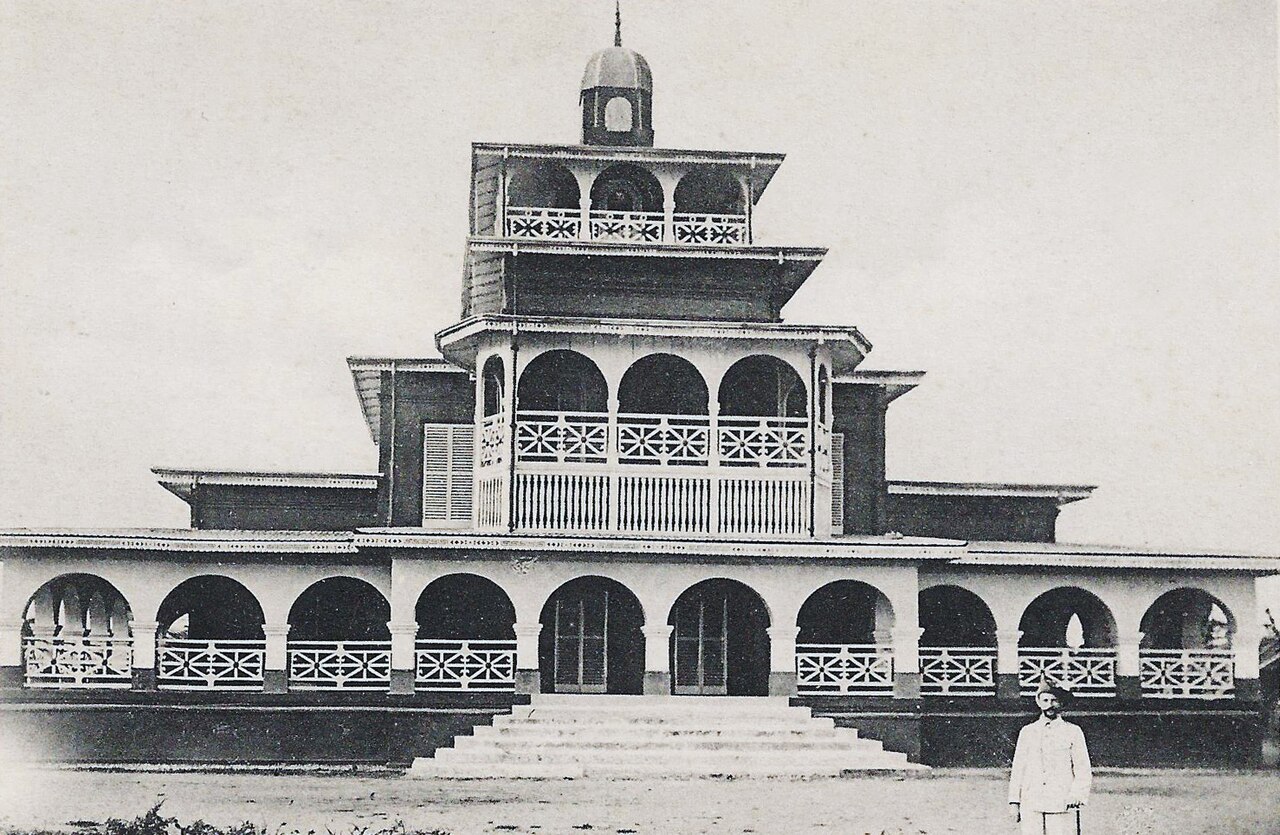
Duala society was organised around royal houses, each headed by a king or chief drawn from a leading lineage, with the houses of Bell and Akwa foremost among them. These rulers governed the quarters of the settlement, controlled the trade and represented their people in dealings with outsiders.
Rivalry and cooperation among the houses shaped Duala politics, and the kings accumulated wealth and prestige through their command of commerce. When the Europeans arrived in force, it was these kings who negotiated, and sometimes resisted, the treaties that would decide the fate of the coast.
Religion and Belief
Traditional Duala religion was closely tied to the water, centring on the Jengu or Miengu, ancestral water spirits believed to inhabit the river and sea and to bring health, fortune and fertility. Ritual specialists communicated with these spirits, and the bond between the Duala and the waters of the Wouri lay at the heart of their spiritual life.
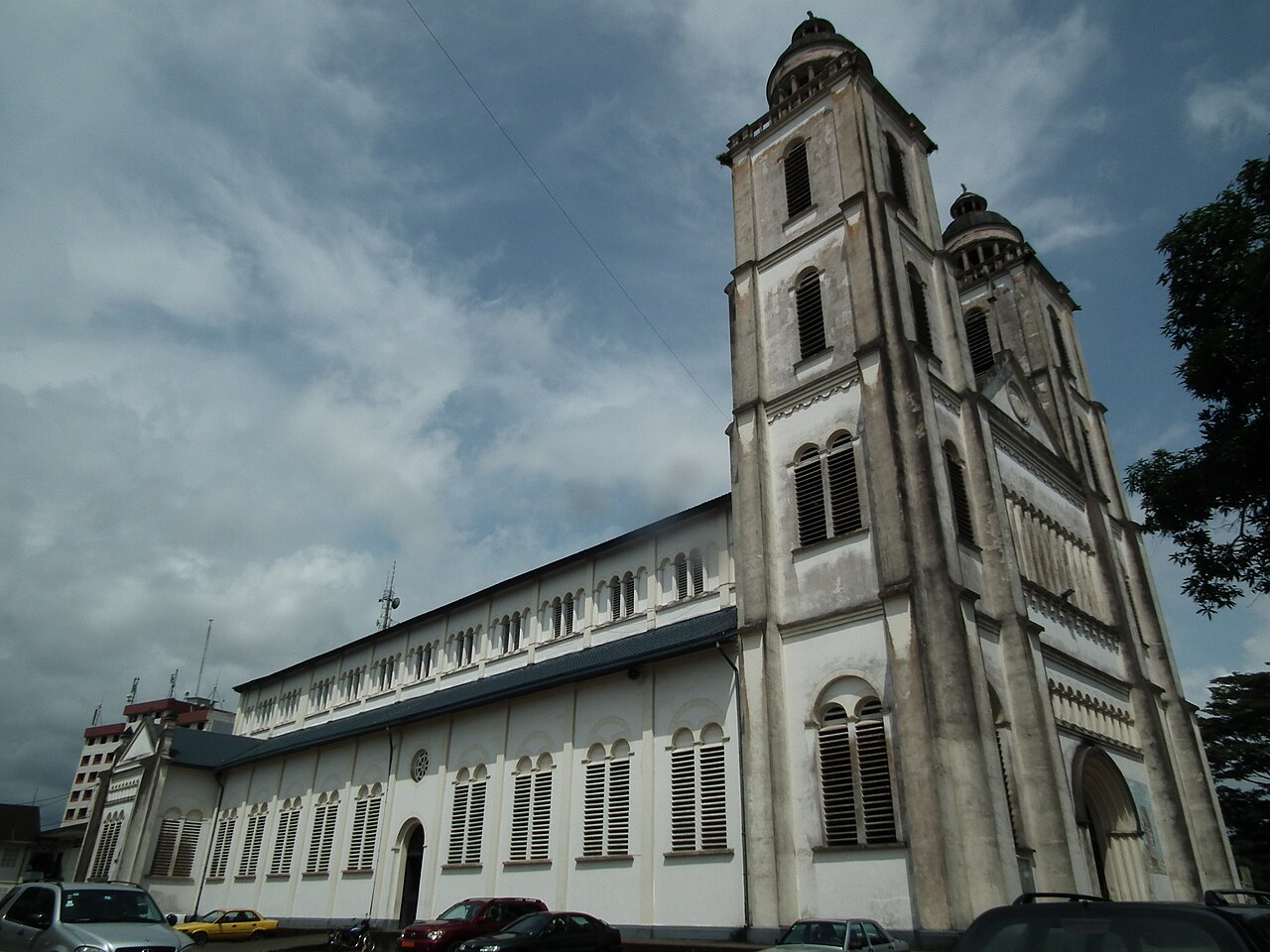
Christianity reached the Duala early through missionary activity, and the great majority are now Christian, both Protestant and Catholic, with the cathedral of Douala a landmark of the city. The reverence for the water spirits endures, however, and finds its fullest expression in the annual Ngondo festival.
Traditions
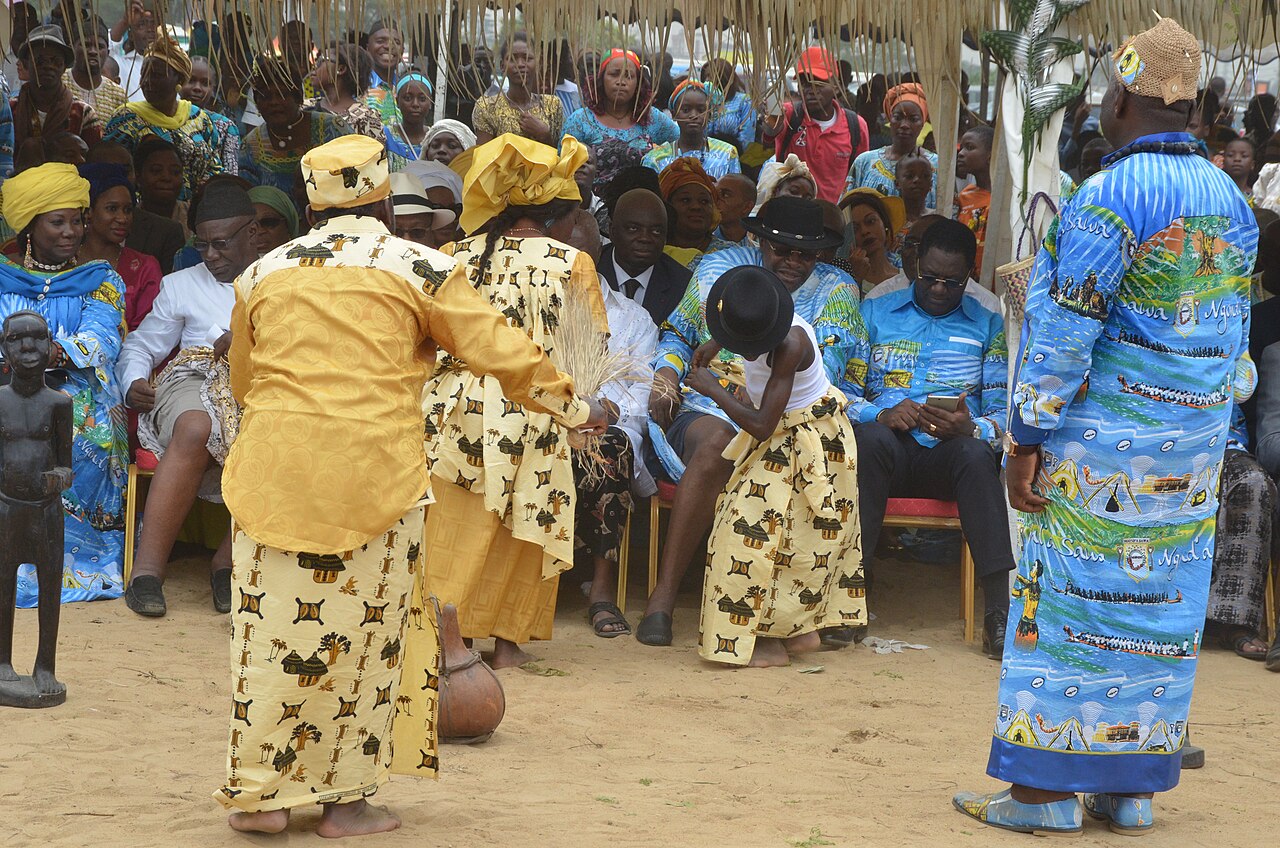
The Duala are renowned for the Ngondo, the great festival of the Sawa peoples held each year on the banks of the Wouri. Its central rite is the communication with the water spirits, in which a diver plunges into the river bearing a sacred vessel and returns with a message from the ancestors of the deep.
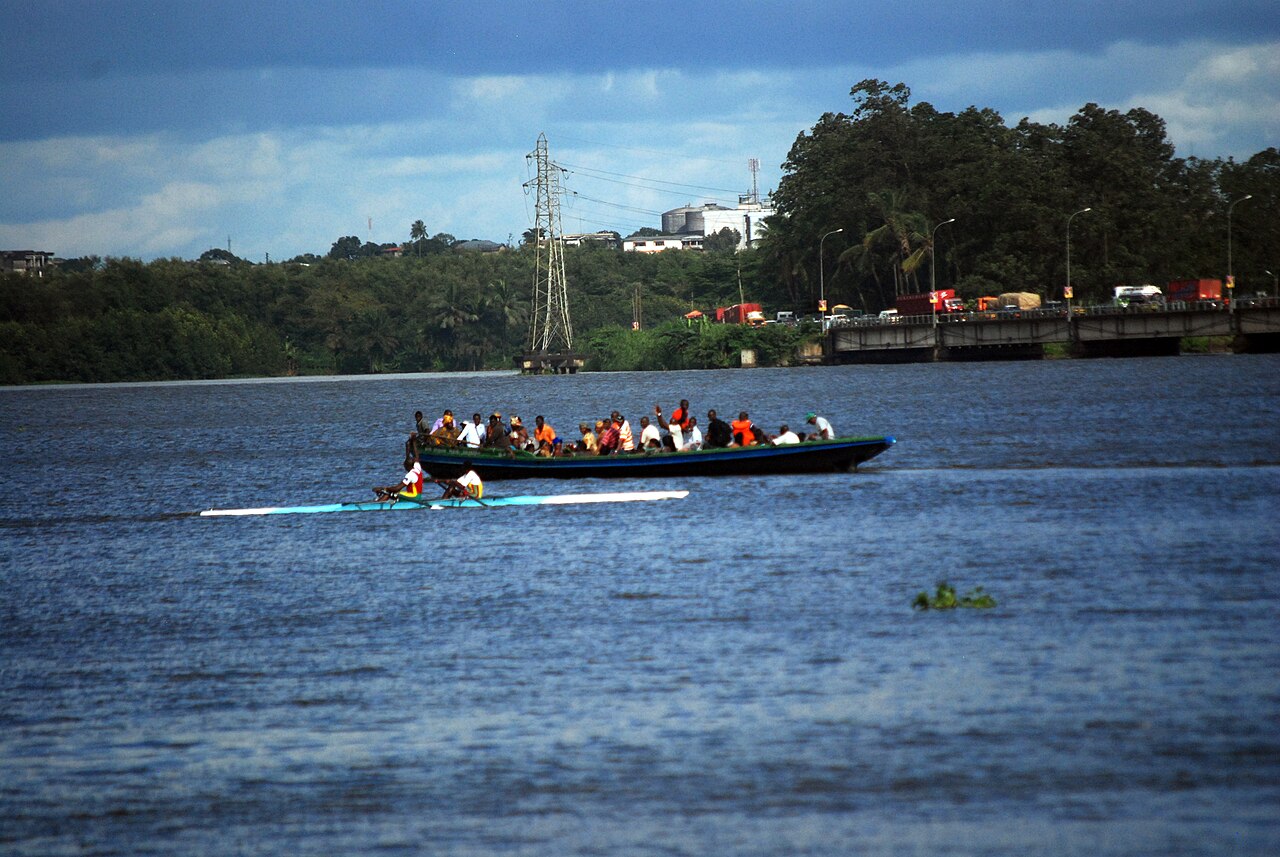
The Ngondo also features spectacular pirogue races, in which teams of paddlers drive long canoes across the estuary, together with dances, music and the display of Sawa culture. Through this festival the Duala reaffirm their bond with the water and their identity as a people of the coast.
Crafts
Duala craftsmanship reflects a life on the water, above all in the building of the long canoes and racing pirogues that ply the Wouri. Carvers and boatbuilders produce these vessels with skill honed over generations, and the decorated racing canoes are objects of pride and artistry.
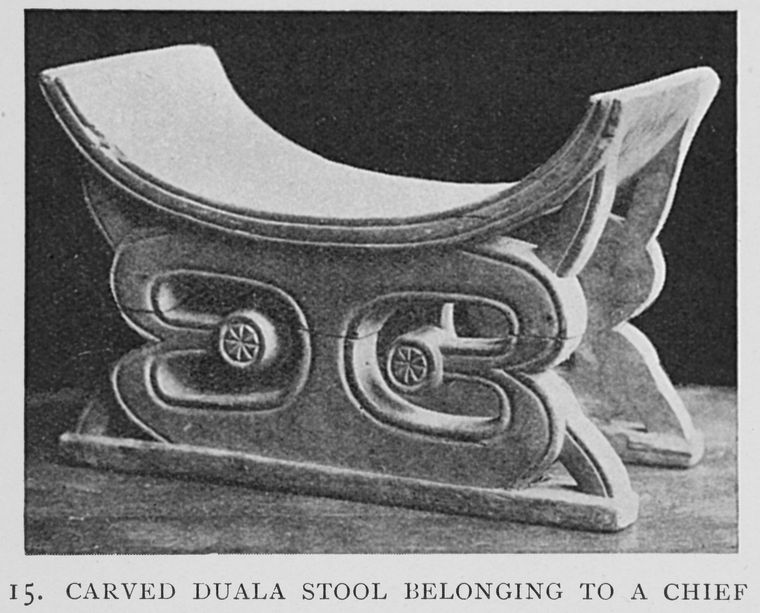
Beyond boatbuilding, the Duala carved stools, staffs and regalia for their chiefs and worked in wood and other materials for both use and ceremony. The prestige objects of the royal houses, some now in museums, testify to a rich tradition of coastal art.
Food

The Duala table draws on the abundance of the coast, with fish and seafood at its heart, prepared in stews, grilled or smoked, and served with plantains, cassava and cocoyams. A celebrated dish of the region is ndole, made from bitterleaf and groundnuts with fish or meat, often regarded as a national dish of Cameroon.
Palm oil, spices and the produce of the estuary flavour Duala cooking, and communal meals mark celebrations and family gatherings. Palm wine and other local drinks accompany festivities, and food remains central to Duala hospitality.
Festivals
The Ngondo is the crowning festival of the Duala year, a grand assembly of the Sawa peoples that combines solemn ritual with joyous celebration. Held in the dry season on the Wouri, it brings together the royal houses, dancers, musicians and crowds of spectators from across Cameroon and beyond.
The immersion of the sacred vase and the return of the diver with the ancestors’ message form the spiritual heart of the festival, while the pirogue races provide its most spectacular display. The Ngondo affirms the unity of the Duala and their kinship with the coastal peoples of Cameroon.
History

The Duala rose to prominence as the middlemen of the Cameroonian coast, and it was with their kings that European powers dealt as they sought a foothold. In 1884 the Duala rulers signed a treaty with Germany that established the colony of Kamerun, placing the coast under German protection.
Relations soon soured, and when the Germans moved to expropriate Duala land and relocate the people, King Rudolf Duala Manga Bell led the resistance. He was tried and hanged in 1914, together with his associate Ngoso Din, and is remembered as a national hero and martyr of Cameroonian resistance to colonial rule.
Today
Today the Duala live at the centre of Douala, the largest city and economic capital of Cameroon, a bustling port and commercial hub of well over two million people. Long prominent in trade, education and the professions, the Duala remain an influential community in national life.
Their kings and royal houses endure as guardians of tradition, and the annual Ngondo festival continues to draw the Sawa peoples to the Wouri. Christian in faith, proud of their language and history, and bound to the memory of Rudolf Duala Manga Bell, the Duala carry their coastal heritage into the modern age.
Related Peoples of the Region
- The Ngoni, the Nguni Migrants of Central Africa
- The Makua, the Largest People of Mozambique
- The Ovimbundu, the Highland Traders of Angola
- The Mbundu, the People of Ndongo and Queen Njinga
- The Lunda, Empire Builders of Central Africa
- The Teke, the Plateau Kingdom of the Congo
- The Bamileke, the Grassfields People of Cameroon
- The Bamum, the Kingdom of Foumban and Sultan Njoya
More Peoples of the World
- A Fifth of Humanity, the Story of the Han Chinese
- How the Maori Sailed Across the Pacific to Reach New Zealand
- Zulu of the Green Hills and Their Kingdom Forged by Shaka
- The People Who Never Vanished, the Story of the Maya
- Long Before the Arabs Came, North Africa Belonged to the Amazigh
- The People Who Emerged Into This World, the Story of the Navajo
- Meet the Ainu, an Indigenous People at Japan’s Northern Edge
You May Like

The Damara, an Ancient People of Namibia



One thought on “The Duala, the Coastal Traders of the Wouri”