Among the peoples of Central Africa, the Ngoni stand out as newcomers who arrived by conquest. Their ancestors were Nguni warriors from the far south of the continent who, fleeing the turmoil of the Zulu wars, marched thousands of miles north across the Zambezi in the early nineteenth century. Wherever they settled they carried the shield, the spear and the stamping war dance, imposing a military order on the lands they entered.Yet the Ngoni story is also one of absorption. As they conquered the Chewa, Tumbuka and other peoples, they took on the languages and customs of those they ruled, until most Ngoni no longer spoke their ancestral tongue. Today, scattered across Malawi, Zambia, Tanzania and Mozambique, they remember their warrior origins through chiefs, festivals and the thunder of the ingoma dance.
The Ngoni on Film
Contents
- Origins
- The Name
- The Language
- The Homeland
- The Old Way of Life
- Society and Community
- Religion and Belief
- Traditions
- Crafts
- Food
- Festivals
- History
- Today
Origins

The Ngoni trace their origins not to the highlands of Central Africa where they live today, but to the grasslands of what is now South Africa. They are a Nguni people, kin to the Zulu and Swazi, and their story begins in the upheavals of the early nineteenth century known as the mfecane, when the rise of the Zulu kingdom under Shaka scattered rival chiefdoms across the region.
One such group, led by the warrior-chief Zwangendaba of the Jere clan, broke away and marched north to escape Zulu domination. Around 1835 they crossed the Zambezi River, and over the following decades their descendants spread across present-day Zambia, Malawi, Tanzania and Mozambique, carrying Nguni speech, dress and military custom into lands far from their birthplace.
The Name
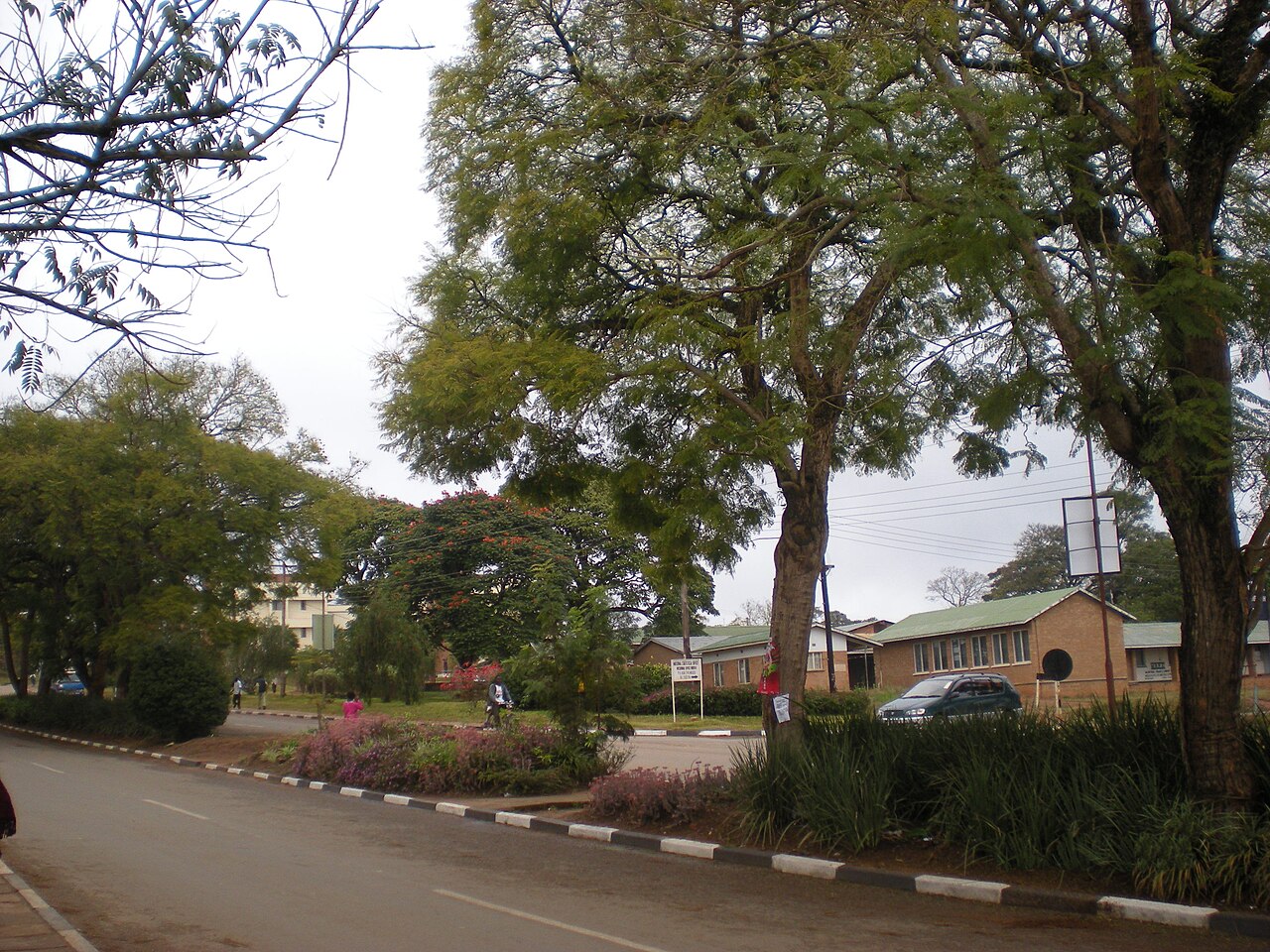
The name Ngoni is the northern form of the same root that gives the words Nguni and, further south, the ethnonyms of the Zulu and Swazi. As the migrating bands settled among Chewa, Tumbuka and other local peoples, the label came to mark not a single bloodline but a political and cultural community defined by its Nguni heritage and its distinctive way of war.
Today the Ngoni are concentrated in the districts around Mzuzu and Mzimba in northern Malawi, in Chipata in eastern Zambia, and in Songea in southern Tanzania. Each of these clusters descends from a branch of the original migration, and though separated by borders they still recognise a shared ancestry.
The Language
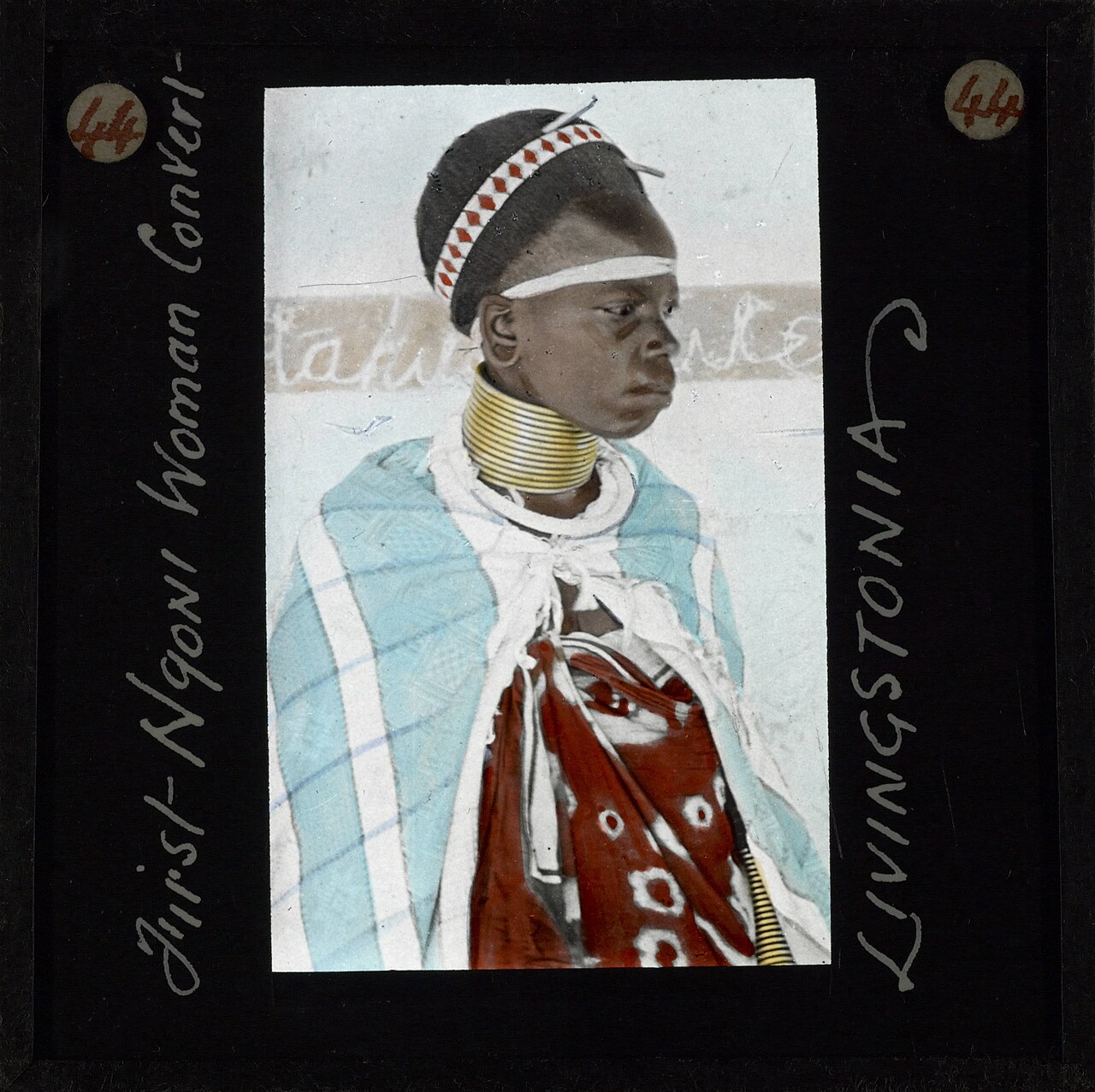
One of the most striking features of Ngoni history is that most Ngoni no longer speak an Nguni language. As the warrior bands absorbed the peoples they conquered, they took wives and followers from among the Chewa, Tumbuka and Nsenga, and within a few generations the language of the household shifted to that of the majority.
Today most Malawian Ngoni speak Tumbuka or Chewa, while their Zambian kin speak Nsenga or Chewa. Fragments of the old Nguni tongue survive chiefly in praise-songs, war chants and ceremonial vocabulary, treasured as markers of identity even by those who no longer use them in daily speech.
The Homeland

The Ngoni homeland stretches across the high plateaus and river valleys of Central Africa, from the Nyika Highlands and the Mzimba plain in northern Malawi to the Luangwa valley in Zambia. It is a country of open grassland and scattered woodland, well suited to the cattle that the Ngoni prized above all other wealth.
These uplands sit at the meeting point of several great watersheds, and the seasonal rhythm of rains and dry months shaped both farming and the movement of herds. The landscape that the migrants found was already inhabited, and the Ngoni settled among older communities rather than in an empty land.
The Old Way of Life
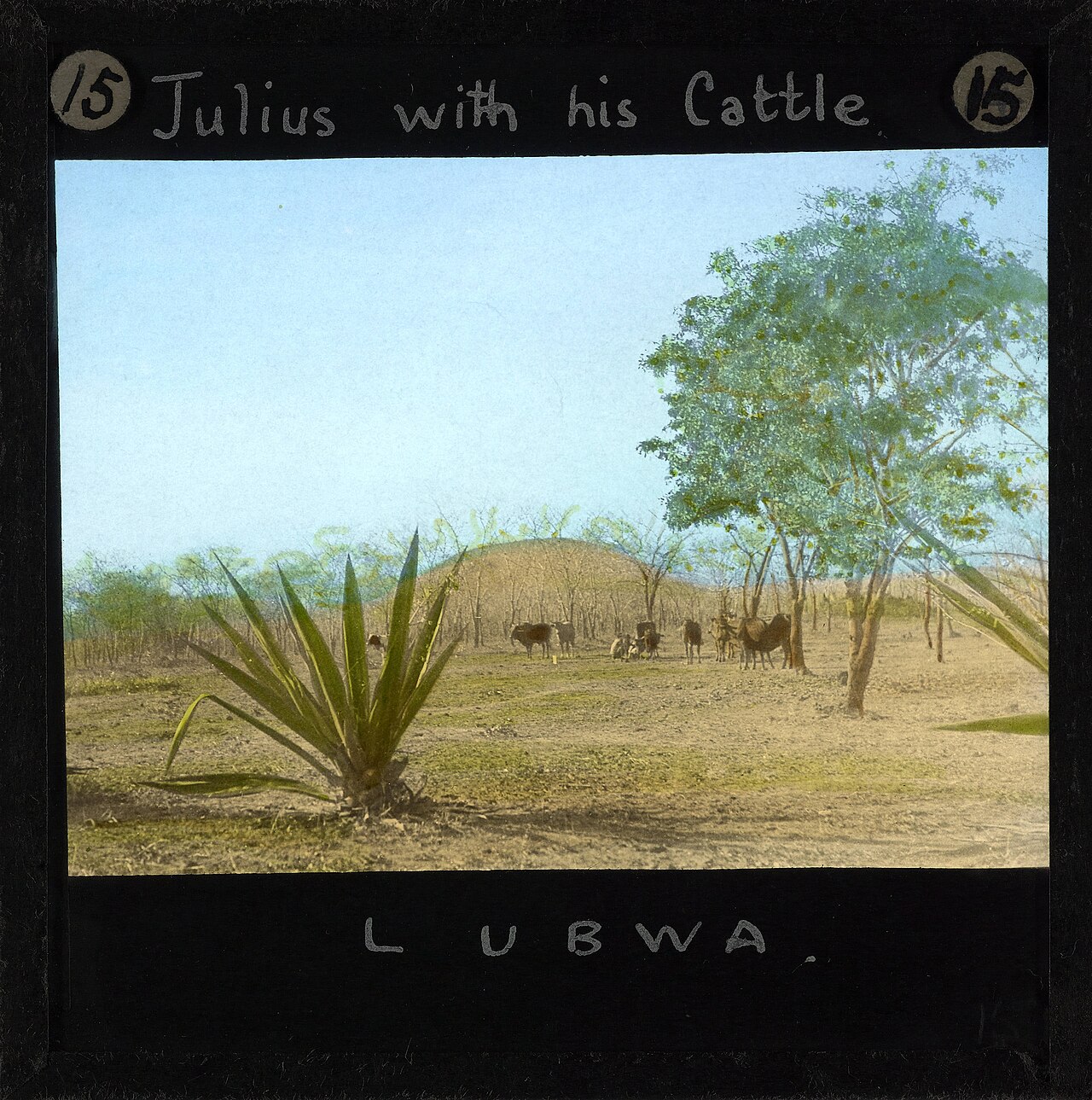
Cattle stood at the centre of the old Ngoni way of life. A man measured his standing by the size of his herd, cattle were given as bridewealth, and the beasts served as a store of wealth passed between generations. Cattle also carried ritual meaning, offered at feasts and used to seal alliances between families and chiefs.
Alongside herding the Ngoni cultivated maize, sorghum and millet, and the two pursuits together sustained the community. The military organisation that had carried them north also endured in daily life, with age-regiments providing labour, defence and a framework of discipline that bound young men to their chiefs.
Society and Community

Ngoni society was organised around powerful chiefs, called Inkosi, who ruled through a hierarchy of headmen and councils. The paramount chief embodied the unity of his people, and beneath him lesser chiefs governed districts and villages, settling disputes and mobilising men for war or communal work.
The regimental system that the Ngoni brought from the south gave their chiefdoms unusual cohesion, allowing small bands of migrants to conquer and rule far larger populations. Even under colonial rule and after independence, Ngoni traditional authorities have remained influential, and figures such as senior chiefs still command respect in local affairs.
Religion and Belief

Traditional Ngoni religion centred on the veneration of ancestors, who were believed to watch over the living and to mediate between people and a distant creator. Offerings and prayers were made at family shrines and spirit huts, especially in times of illness, drought or misfortune, and the spirits of past chiefs held a special place in communal ritual.
From the late nineteenth century Christian missions, notably the Livingstonia mission in northern Malawi, made deep inroads among the Ngoni, and today most are Christian. Older beliefs in ancestral spirits and ritual specialists have not vanished, however, and often coexist with church membership.
Traditions
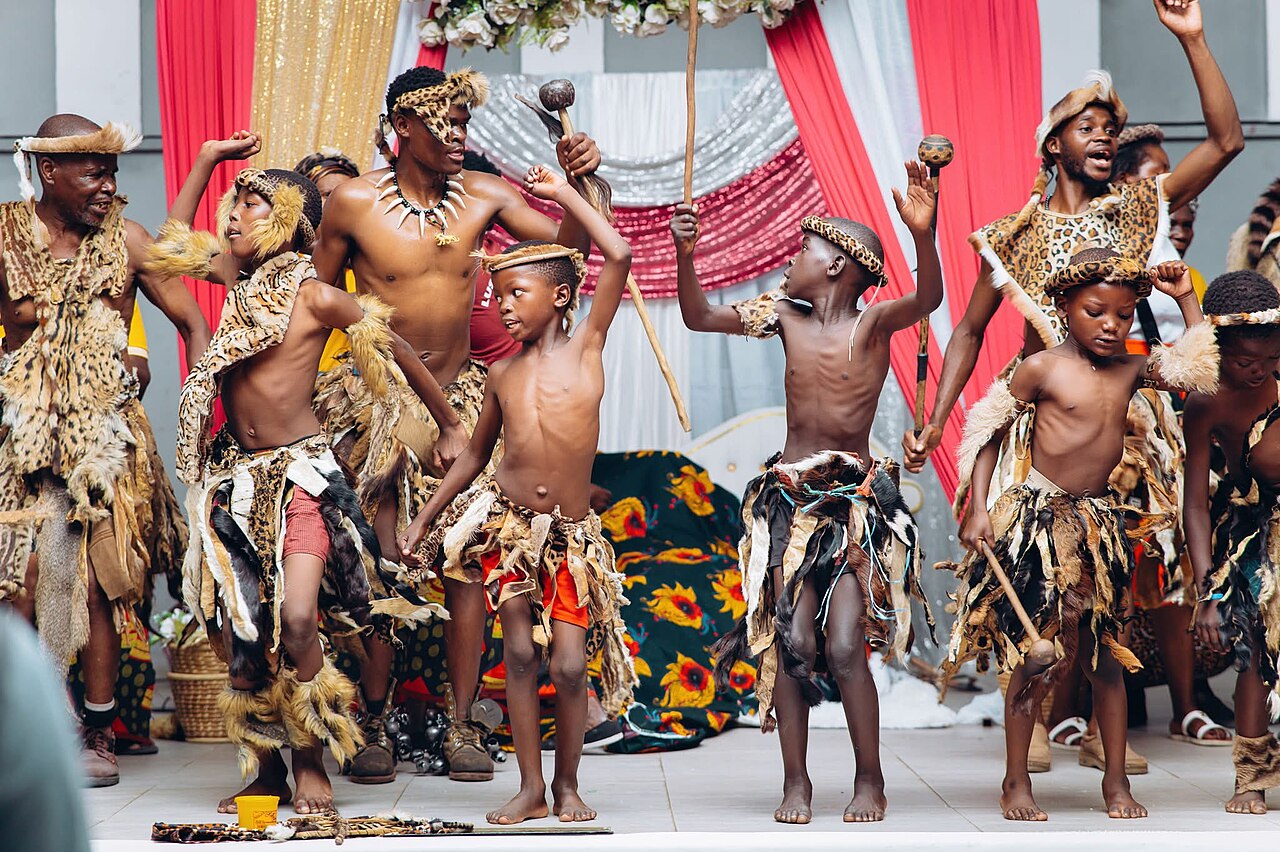
The most celebrated Ngoni tradition is the ingoma, a stirring war dance performed by rows of men bearing shields and stamping in unison to the beat of drums and the shrill of whistles. Once a rehearsal for battle and a display of regimental strength, it survives today as the signature expression of Ngoni identity at ceremonies and festivals.
Praise-poetry, sung in fragments of the old Nguni tongue, accompanies these gatherings and recalls the deeds of Zwangendaba and the great chiefs of the migration. Through dance and song the Ngoni keep alive a memory of the warrior past that set them apart from their neighbours.
Crafts

Ngoni material culture reflected the demands of a warrior people. Craftsmen made the tall hide shields, stabbing spears and knobbed sticks that armed the regiments, together with the headdresses and ornaments of feathers, skins and beads worn in the dance.
Women contributed pottery, basketry and the working of grain, while ironworkers supplied blades and tools. Much of this craft tradition was shared with the surrounding Chewa and Tumbuka, so that Ngoni crafts blended Nguni forms with the skills of the peoples among whom they settled.
Food
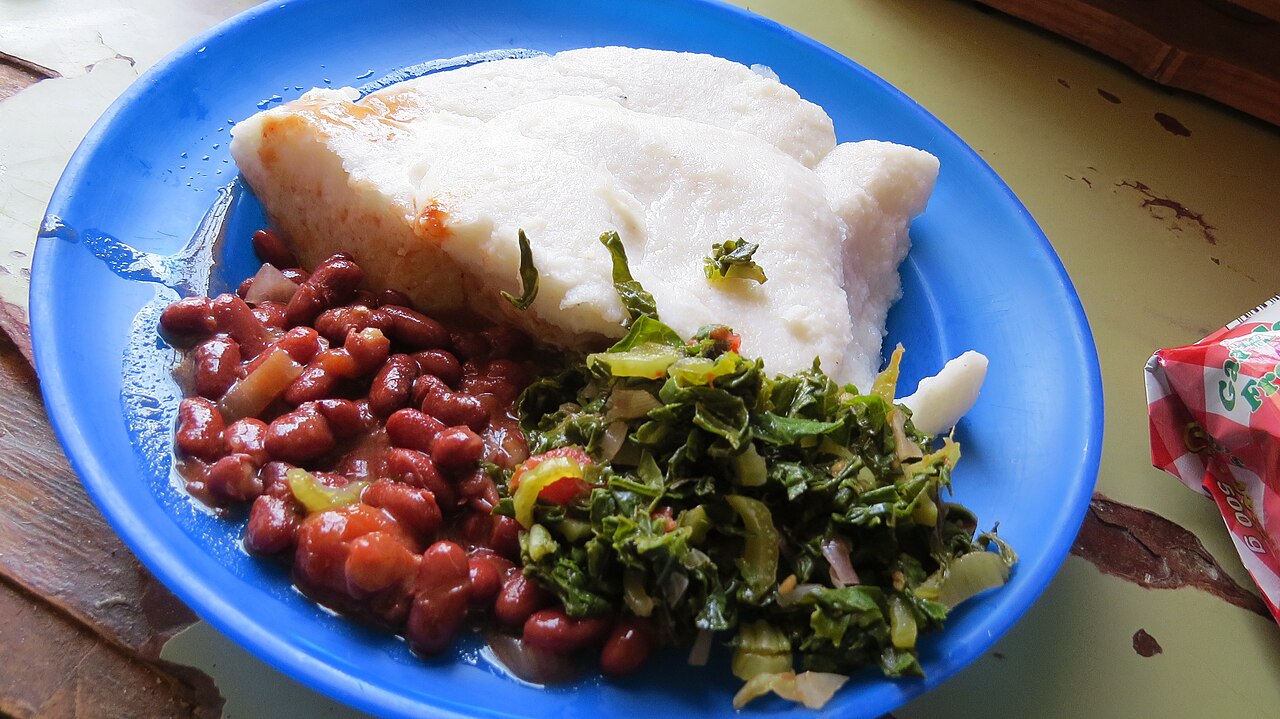
The staple of the Ngoni table is nsima, a thick porridge of maize flour eaten with the hands and dipped into a relish of vegetables, beans, fish or meat. It is the same dish that anchors the diet across Malawi and eastern Zambia, and no meal is considered complete without it.
Cattle, though prized chiefly as wealth, provided milk and, on ceremonial occasions, meat for communal feasts. Sorghum and millet, once more central, are still brewed into the beer that accompanies weddings, funerals and the great dances.
Festivals
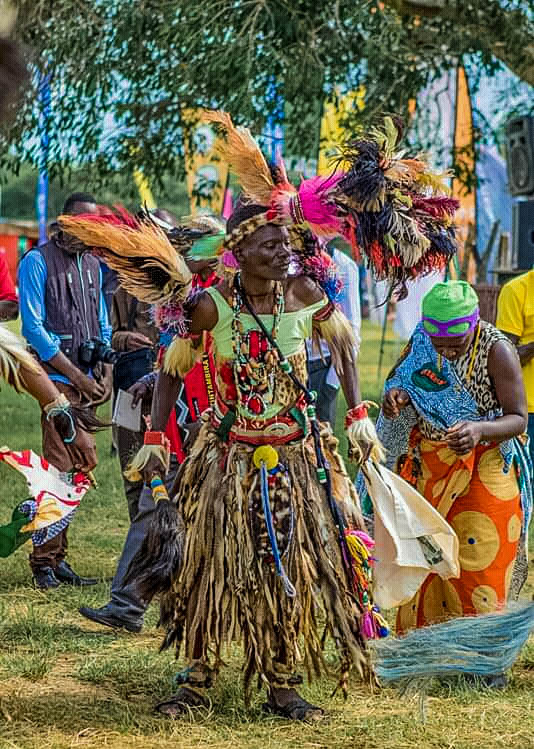
The Ngoni calendar is marked by cultural festivals that gather scattered communities to celebrate their shared heritage. In Malawi the Umtheto festival brings together Ngoni from across the north, while similar gatherings in Zambia and Tanzania honour the memory of the founding chiefs.
These events feature the ingoma dance, praise-singing and the display of traditional dress, and they serve both as entertainment and as occasions for chiefs to address their people. For a community whose language has largely faded, such festivals are a vital means of transmitting identity to the young.
History
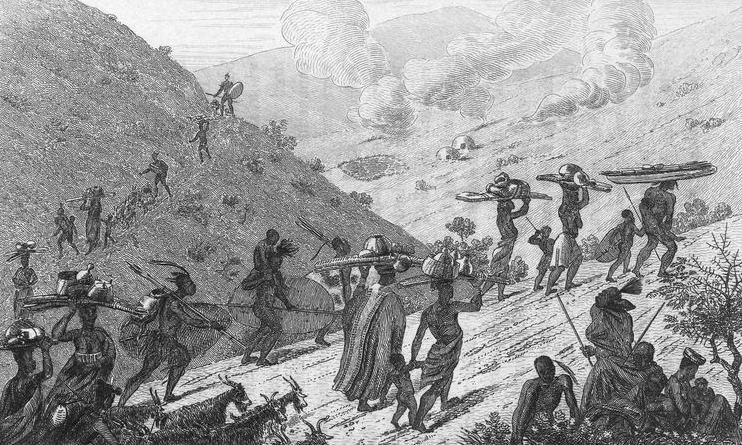
The Ngoni migration was one of the great movements of the mfecane, the wave of upheaval that swept southern Africa in the 1820s and 1830s. After crossing the Zambezi around 1835, the followers of Zwangendaba pressed north as far as Lake Tanganyika before his death, after which the confederation split into several kingdoms that turned back to settle in Malawi, Zambia and Tanzania.
For much of the nineteenth century these Ngoni states raided their neighbours and dominated the region, until the advance of colonial powers in the 1890s broke their military supremacy. Incorporated into the territories that became Malawi, Zambia and Tanzania, the Ngoni retained their chiefs and their sense of a distinct history.
Today
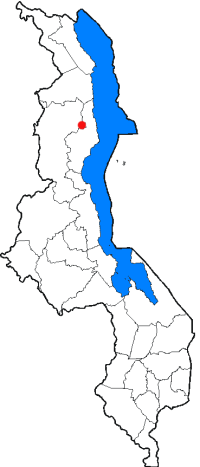
Today the Ngoni are a settled farming and town-dwelling people spread across four countries, fully part of the modern states of Malawi, Zambia, Tanzania and Mozambique. Cities such as Mzuzu have grown into regional hubs, and Ngoni men and women work in every walk of national life.
Their warrior kingdoms are long gone, but Ngoni identity endures through traditional authorities, cultural festivals and the ever-popular ingoma dance. In keeping the memory of Zwangendaba’s long march alive, the Ngoni remain a striking example of how a small band of migrants reshaped the peoples of Central Africa.
Related Peoples of the Region
- The Herero, the Cattle Herders of Namibia
- The Ovambo, the Largest People of Namibia
- The Nama, the Khoekhoe Herders of the Dry South
- The San, the First People of Southern Africa
- The Himba, the Ochre People of the Kunene
- The Lozi, the Floodplain Kingdom of the Zambezi
- The Bemba, the Largest People of Zambia
- The Chewa, the Masked Dancers of Malawi
More Peoples of the World
- A Fifth of Humanity, the Story of the Han Chinese
- How the Maori Sailed Across the Pacific to Reach New Zealand
- Zulu of the Green Hills and Their Kingdom Forged by Shaka
- The People Who Never Vanished, the Story of the Maya
- Long Before the Arabs Came, North Africa Belonged to the Amazigh
- The People Who Emerged Into This World, the Story of the Navajo
- Meet the Ainu, an Indigenous People at Japan’s Northern Edge
You May Like

The Damara, an Ancient People of Namibia



