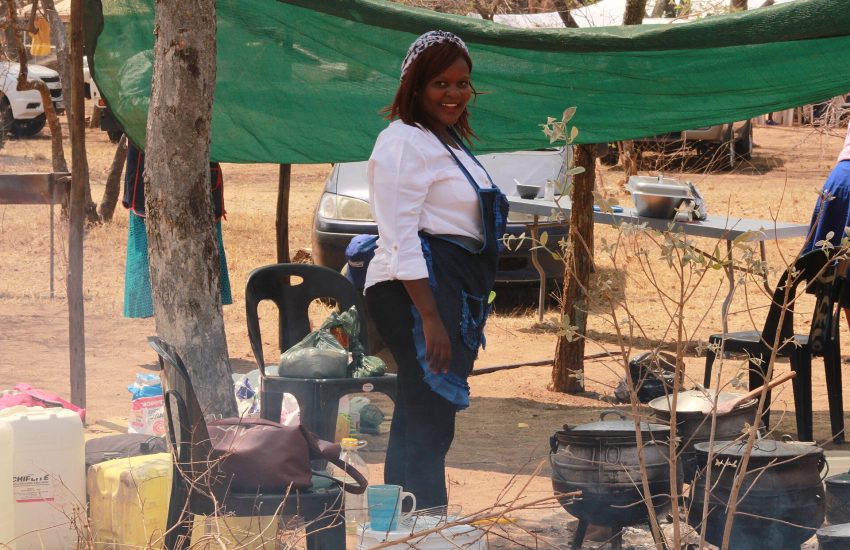
The Bemba, or Babemba, are the largest ethnic group in Zambia, dominant in the north and, through migration, in the Copperbelt, and prominent throughout the country. Numbering some millions, they are a Bantu people of the woodland plateau of northern Zambia, and their language has become one of the main lingua francas of the nation.Tracing their origin to a migration from the Luba-Lunda world of the Congo under the founders of their ruling Crocodile clan and the paramount chief the Chitimukulu, the Bemba are matrilineal farmers of the miombo woodland who became central to the mines and the nationalism of modern Zambia. This article traces their origins, language, homeland, farming life and the customs that continue to define them.
The Bemba on Film
Contents
- Origins
- The Name
- The Language
- The Homeland
- The Old Way of Life
- Society and Community
- Religion and Belief
- Traditions
- Crafts
- Food
- Festivals
- History
- Today
Origins
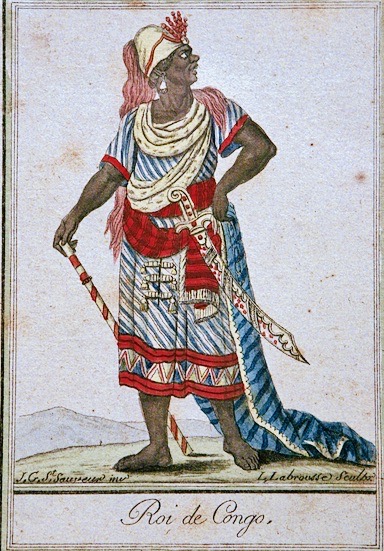
The Bemba, or Babemba, are the largest ethnic group in Zambia, dominant in the north and, through migration, in the Copperbelt, and prominent throughout the country. Numbering some millions, they are a Bantu people of the woodland plateau of northern Zambia, and their language has become one of the main lingua francas of the nation.
The Bemba trace their origin to a migration from the Luba-Lunda world of the Congo, led, according to tradition, by the founders of their ruling Crocodile clan, who established the paramount chiefship of the Chitimukulu. Matrilineal, and farmers of the miombo woodland by the distinctive chitemene method, the Bemba built a strong chiefdom and became, in the colonial and modern eras, central to the life and labour of Zambia.
The Name

The people call themselves the Bemba, or Babemba, and their language Chibemba, or Icibemba. They are the core of a wider group of related Bemba-speaking peoples of northern Zambia, and their paramount chief is the Chitimukulu.
Their identity is bound up with the northern woodland, with the chiefship of the Chitimukulu and the Crocodile clan, and with their matrilineal traditions. The name Bemba denotes the largest people of Zambia, whose language, spread through the Copperbelt and the towns, is spoken and understood far beyond their own numbers, and who are central to the national life.
The Language

The Bemba speak Chibemba, a Bantu language of the Niger-Congo family, and one of the most important languages of Zambia. Carried by migrant workers to the mines and towns of the Copperbelt, it became a lingua franca of the industrial heartland and of much of the country, spoken by many who are not Bemba by origin.
Rich in the traditions of the chiefship and the woodland, Chibemba is vigorous in daily life, in the churches and in the media. English is the official language of Zambia, but Chibemba is among its most widely spoken tongues and a central marker of Bemba identity, its spread a mark of the influence of the people in the nation.
The Homeland

The Bemba homeland is the high woodland plateau of northern Zambia, a land of miombo woodland, grassland, rivers and the great swamps and lakes of Bangweulu and Mweru, with a single rainy season and poor, sandy soils. The plateau, remote and, in the past, tsetse-ridden, shaped the shifting agriculture and the mobile life of the people.
The poverty of the soils led the Bemba to their distinctive method of farming, and the woodland provided the trees whose branches were essential to it. Centred on the country around Kasama and the seat of the Chitimukulu, and stretching to the swamps and the borders, the northern plateau is the heart of the Bemba world, though many Bemba now live in the Copperbelt and the towns.
The Old Way of Life
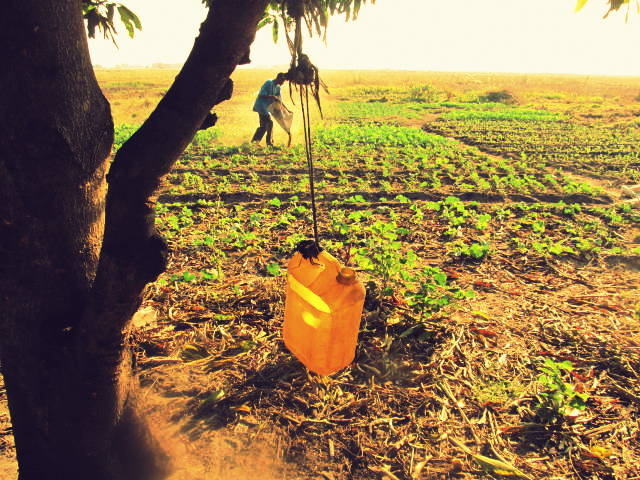
The Bemba are farmers of the woodland, and their traditional agriculture is the chitemene, a form of shifting cultivation suited to the poor soils of the plateau. In this, the men cut and lop the branches of a wide area of trees, gather and burn them on a smaller plot, and plant their crops, above all finger millet and, later, cassava, in the fertile ash, moving on as the soil is exhausted.
Cassava became a mainstay, more reliable than millet, and around these staples the Bemba grew other crops and gathered the produce of the woodland. Livestock was limited by the tsetse fly. The poverty of the land, and the demands of the chitemene, shaped a mobile life, and from the colonial period the men migrated in huge numbers to the mines of the Copperbelt, which reshaped Bemba society and economy.
Society and Community
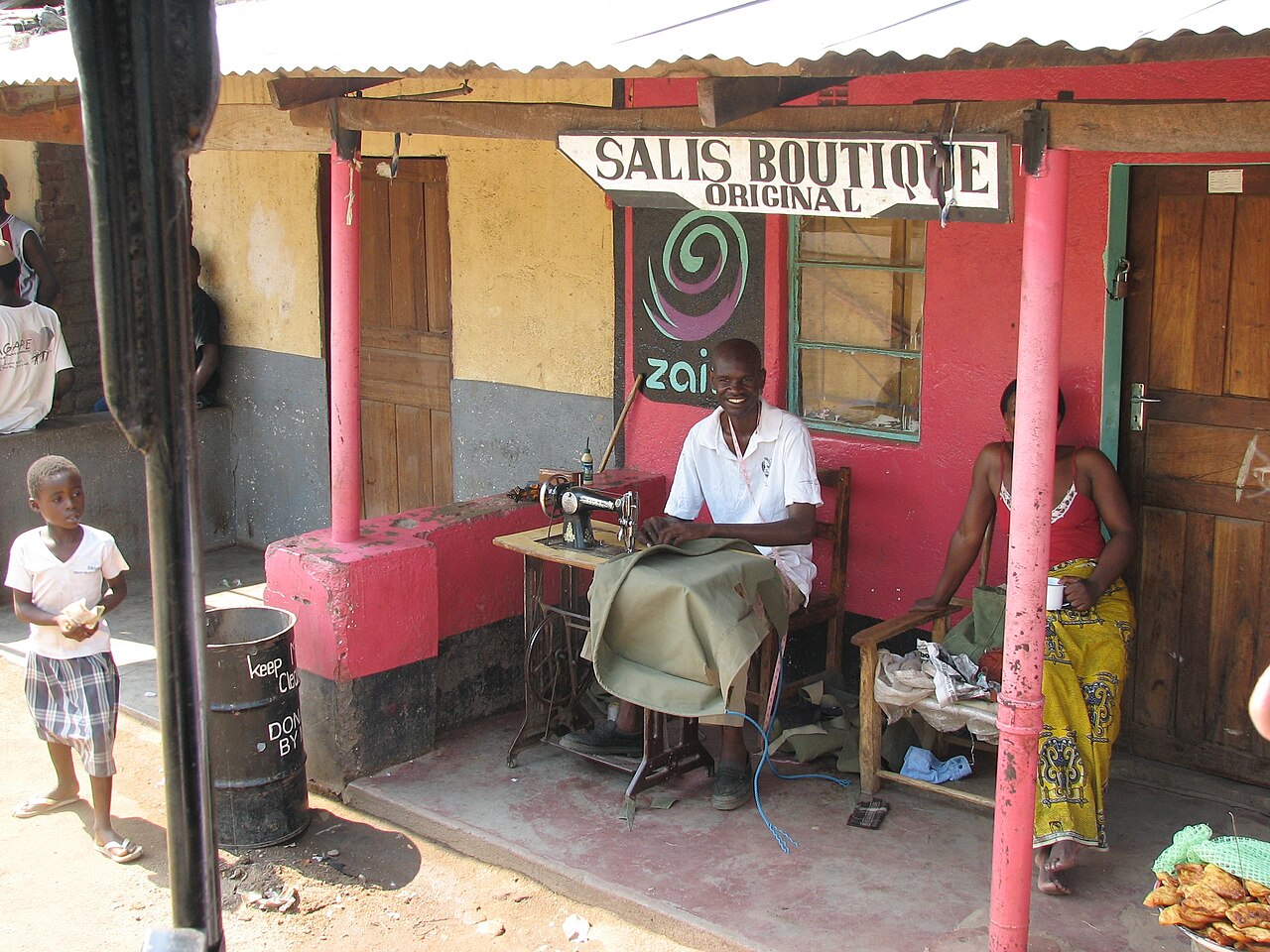
Bemba society is matrilineal, with descent, inheritance and succession traced through the mother’s line, and was organised as a strong chiefdom under the paramount chief, the Chitimukulu, of the Crocodile clan, with a hierarchy of subordinate chiefs and headmen. The chiefship, with its royal graves and its ritual, was central to Bemba political and religious life.
Below the level of the chiefs, the matrilineage and the village were the core of social life, and villages, small and often moved in the shifting agriculture, were the units of settlement. The matrilineal inheritance, the authority of the maternal uncle, and the customs of marriage and residence ordered social relations. The strong chiefship of the Chitimukulu gave the Bemba a cohesion and a political tradition that served them well in the colonial and modern eras.
Religion and Belief
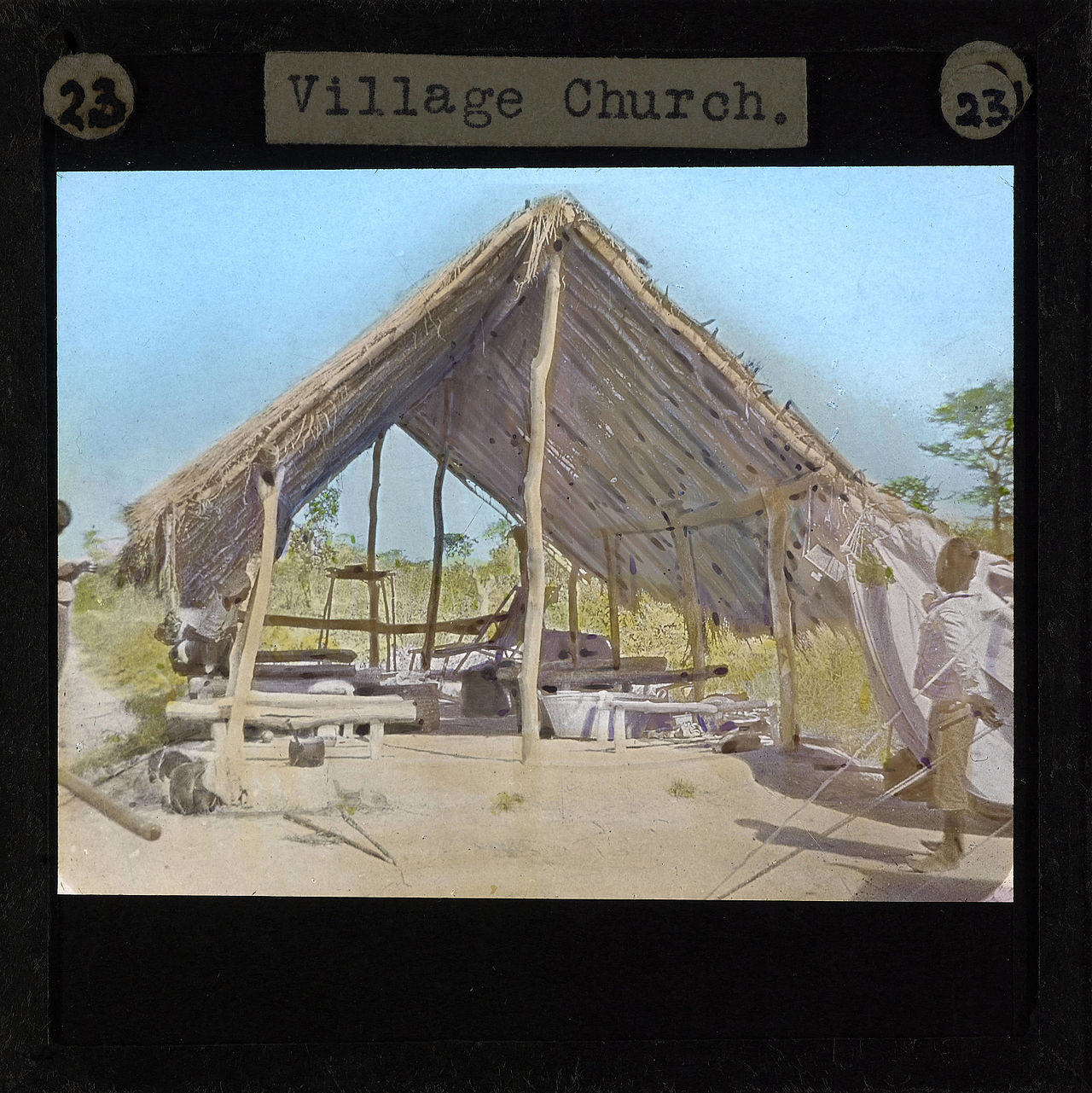
Traditional Bemba religion recognised a high god, Lesa, the creator, and honoured the ancestors, above all the royal ancestors of the Chitimukulu, whose graves and the sacred relics of the chiefship were the focus of ritual on which the wellbeing of the land and the people was thought to depend. The chiefs, and the guardians of the royal graves and relics, mediated with the ancestors.
Diviners and healers dealt with sickness and misfortune, and beliefs about witchcraft were strong. From the colonial period Christianity, both Catholic and Protestant, spread widely and deeply among the Bemba, carried by missions such as those of the White Fathers, and today the great majority are Christian, though older beliefs about the ancestors, the chiefship and witchcraft persist.
Traditions
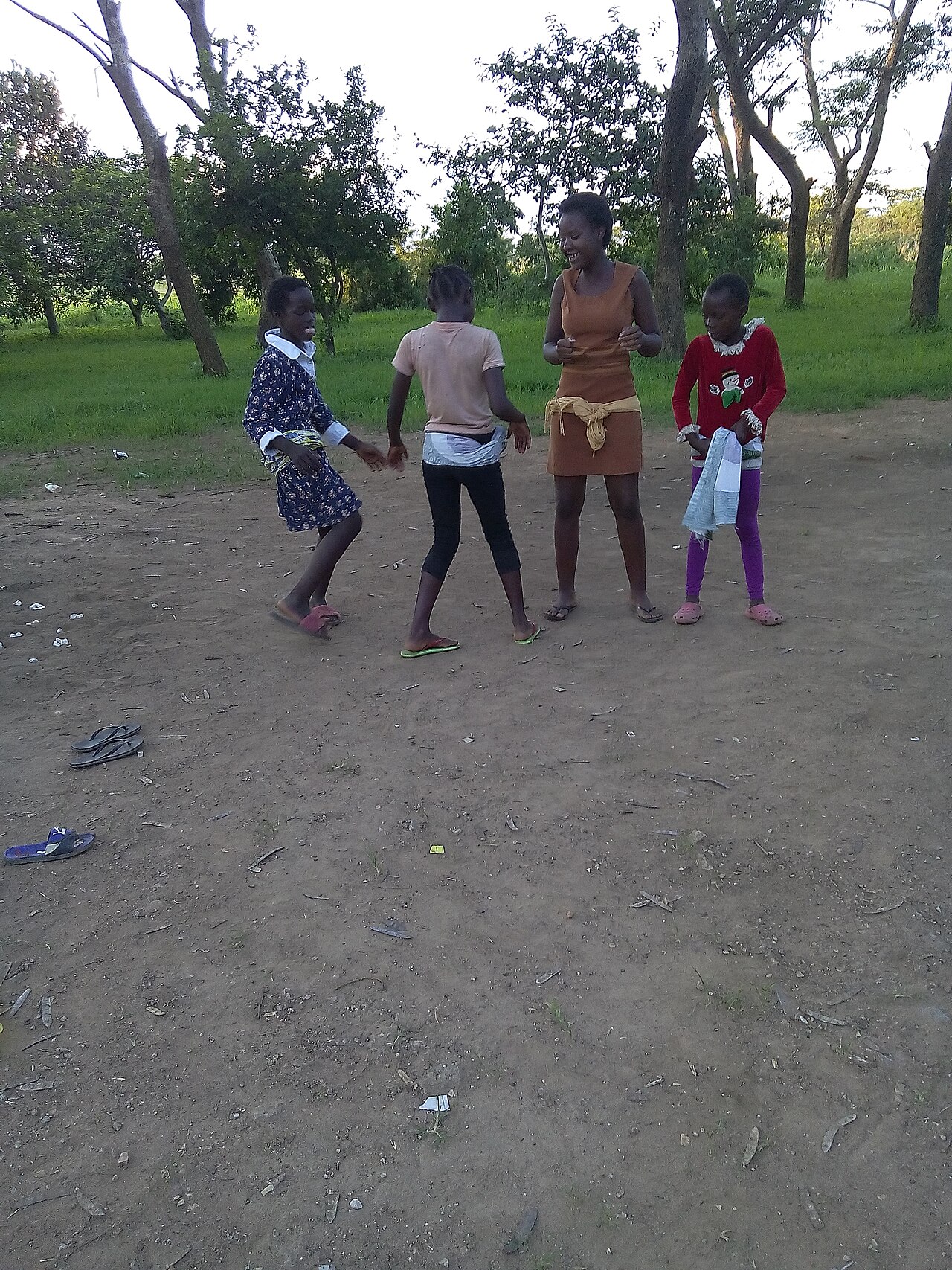
The traditions of the Bemba are bound up with the chiefship and the matrilineage. The ceremonies of the Chitimukulu and the royal ancestors, and the rites of passage, above all the chisungu, the elaborate initiation of girls into womanhood, made famous by anthropologists, are the great traditions of the people. The chisungu, with its songs, dances and secret teachings, marked the passage to adulthood and marriage.
The ceremonies of the chiefship, weddings and the customs of the matrilineage order and enrich the life of the people, and music, drumming, dance and song accompany celebration. Storytelling, proverb and the traditions of the chiefs preserve the values and identity of the Bemba, and the chisungu and the ceremonies of the chiefship give their culture its distinctive character.
Crafts

Bemba craftsmanship served a farming society of the woodland. Households made pottery, wove baskets and mats from the grasses and reeds of the plateau and the swamps, and worked wood into the tools, vessels and household goods of daily life. The making of the axes and hoes essential to the chitemene farming, and iron-working generally, were important skills.
Along the swamps and lakes, the building of canoes and the making of nets and traps for fishing were valued crafts, and basketry and mat-making, using the abundant reeds, were widespread. The making of the drums and instruments for the ceremonies, and the regalia of the chiefship, called for special skill. These crafts reflect the woodland and swamp life of the Bemba.
Food

The staple foods of the Bemba are the products of their chitemene farming: finger millet, the older staple, and cassava, which became the mainstay, both made into the stiff porridge, nshima or ubwali, that is eaten with relishes and stews. The porridge is the centre of nearly every meal, dipped into the accompanying sauce.
Relishes of vegetables, the leaves of cassava and other plants, beans, groundnuts, and fish from the rivers, swamps and lakes accompany the porridge, and mushrooms, caterpillars and other foods of the woodland are gathered in season. Millet beer is important in hospitality and ritual. Drawn from millet and cassava, and supplemented by fish and the produce of the woodland, Bemba cooking reflects the farming life of the northern plateau.
Festivals

Festive life among the Bemba centres on the ceremonies of the chiefship and the milestones of the life cycle. The ceremonies of the Chitimukulu and the royal ancestors, and, historically, the girls’ initiation, the chisungu, were the great occasions, gathering communities for ritual, feasting and dance. In modern times, revived and new ceremonies celebrate the chiefship and the heritage of the people.
Weddings and the rites of passage bring communities together for music, drumming, dance and feasting, and millet beer flows at gatherings. Today Christian festivals and national holidays join the older ceremonies, and cultural festivals of the Bemba and neighbouring peoples showcase their traditions. Music, dance and the ceremonies of the chiefship and the life cycle remain central to Bemba festivity.
History

The Bemba trace their origin to a migration from the Luba-Lunda states of the Congo, led by the founders of the Crocodile clan, who according to tradition crossed to the northern plateau and established the chiefship of the Chitimukulu some centuries ago. From this centre the Bemba spread and built a strong chiefdom, raiding and trading across the region.
In the nineteenth century the Bemba were powerful raiders and traders, dealing in ivory and slaves with the Swahili-Arab traders of the east. British colonial rule was imposed at the end of the century, and from the 1920s the opening of the Copperbelt mines drew huge numbers of Bemba men as migrant labourers, transforming their society and making them central to the labour movement and the nationalism that led to Zambian independence in 1964.
Today

Today the Bemba are the largest people of Zambia, dominant in the north and the Copperbelt and prominent throughout the country, in its politics, churches, unions and national life. Farming continues on the northern plateau, and the Chitimukulu and the chiefship endure, while the Copperbelt towns, built by Bemba and other migrant labour, remain great centres of the people.
The Bemba language, spread through the mines and the towns, is one of the main lingua francas of Zambia, and the culture, ceremonies and identity of the Bemba are strongly present in the nation they did so much to build. Proud of their chiefship, their language and their central place in Zambia, the Bemba carry their heritage into the modern life of the country.
Related Peoples of the Region
- The Venda, the People of the Sacred Lakes of Limpopo
- The Tsonga, the Shangaan of the Southeastern Lowveld
- The Herero, the Cattle Herders of Namibia
- The Ovambo, the Largest People of Namibia
- The Nama, the Khoekhoe Herders of the Dry South
- The San, the First People of Southern Africa
- The Himba, the Ochre People of the Kunene
- The Lozi, the Floodplain Kingdom of the Zambezi
More Peoples of the World
- A Fifth of Humanity, the Story of the Han Chinese
- How the Maori Sailed Across the Pacific to Reach New Zealand
- Zulu of the Green Hills and Their Kingdom Forged by Shaka
- The People Who Never Vanished, the Story of the Maya
- Long Before the Arabs Came, North Africa Belonged to the Amazigh
- The People Who Emerged Into This World, the Story of the Navajo
- Meet the Ainu, an Indigenous People at Japan’s Northern Edge
You May Like
The Damara, an Ancient People of Namibia