The Tsonga, also widely known as the Shangaan, are a Bantu people of southern Africa, spread across southern Mozambique, the northeastern provinces of South Africa, and parts of Zimbabwe and Eswatini. Numbering some millions, they are farmers, herders and, along the coast and rivers, fishers, and are famous for their vibrant music and dance.Long settled in the low country of the southeast, many Tsonga came in the nineteenth century under the Gaza kingdom of the Nguni conqueror Soshangane, from whom the name Shangaan derives. Celebrated for the swirling xibelani dance of their women and their lively popular music, the Tsonga are one of the notable peoples of southern Africa. This article traces their origins, language, homeland, way of life and the customs that continue to define them.
The Tsonga on Film
Contents
- Origins
- The Name
- The Language
- The Homeland
- The Old Way of Life
- Society and Community
- Religion and Belief
- Traditions
- Crafts
- Food
- Festivals
- History
- Today
Origins
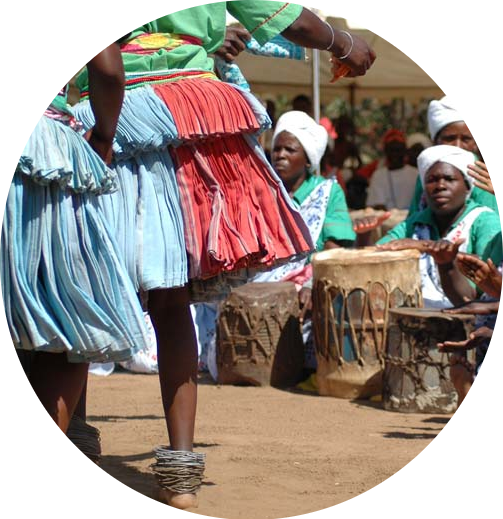
The Tsonga, also widely known as the Shangaan, are a Bantu people of southern Africa, spread across southern Mozambique, the northeastern provinces of South Africa, and parts of Zimbabwe and Eswatini. Numbering some millions, they are farmers, herders and, along the coast and rivers, fishers, and are famous for their vibrant music and dance.
The Tsonga are made up of a number of related groups long settled in the low country between the Indian Ocean and the interior plateau. In the nineteenth century many came under the rule of the Gaza kingdom, founded by the Nguni conqueror Soshangane, from whom the name Shangaan derives, and this mingling of Tsonga and Nguni shaped the people of today. Known for the swirling xibelani dance of their women and their lively culture, the Tsonga are one of the notable peoples of southern Africa.
The Name

The people are called the Tsonga, or in South Africa often the Shangaan, and their language Xitsonga. The name Shangaan comes from Soshangane, the founder of the Gaza kingdom, whose Nguni conquerors ruled and mingled with the Tsonga in the nineteenth century, and it is used especially for the Tsonga of South Africa.
The Tsonga are made up of several related groups, and their identity is bound up with the low country of the southeast, with their language and with their famous music and dance. The name Tsonga, or Shangaan, denotes a people proud of their lively culture and their heritage, spread across the borders of several southern African states.
The Language

The Tsonga speak Xitsonga, a Bantu language of the Niger-Congo family, related to the other southern African Bantu languages but distinct from them, with a number of dialects across the region. It is one of the eleven official languages of South Africa and is spoken widely in southern Mozambique.
Rich in the songs, praise-poetry and lore of the people, Xitsonga is vigorous in daily life and in the popular music for which the Tsonga are known. Portuguese, in Mozambique, and English, Afrikaans and other languages, in South Africa, are widely used, but Xitsonga remains the everyday language of the Tsonga and a central marker of their identity.
The Homeland

The Tsonga homeland is the low country of southeastern Africa, the coastal plain and the lowveld between the Indian Ocean and the interior plateau, spread across southern Mozambique and the northeastern lowlands of South Africa, in Limpopo and Mpumalanga. It is a warm, low-lying land of bushveld, rivers and, along the coast, lagoons and the sea.
This low country, hotter and lower than the highveld of the interior, shaped the farming, herding and fishing life of the Tsonga. The rivers and the coast provided fish, an important part of the diet, and the bushveld pasture and farmland. Centred on towns such as Giyani in South Africa and the region around Maputo in Mozambique, the lowveld and the coast are the heart of the Tsonga world.
The Old Way of Life

The Tsonga are farmers, herders and fishers. They cultivate maize, millet, sorghum, cassava and a range of other crops in the lowveld and along the rivers, and keep cattle, goats and other livestock where the land and the tsetse fly allow. Along the coast, the rivers and the lagoons, fishing is important, and fish is a valued part of the Tsonga diet, unusual among the peoples of the interior.
Trade, both along the coast and with the interior, was long important, and the Tsonga were among the peoples who carried goods between the Indian Ocean ports and the plateau. In modern times labour migration, above all to the mines and cities of South Africa, became central to the economy. Farming, herding, fishing and migrant labour together sustained the Tsonga.
Society and Community

Tsonga society was traditionally organised into chiefdoms and villages, ordered by lineage and, after the Gaza conquest, influenced by the Nguni institutions of the conquerors. Chiefs and headmen, with their councils of elders, governed local affairs, and descent was traced through the male line, with cattle central to the bridewealth that sealed marriage.
The extended family and the homestead were the core of daily life, and the bonds of kinship and neighbourhood, and cooperation in farming and herding, held the community together. The mingling of Tsonga and Nguni after the rise of the Gaza kingdom shaped the society, adding Nguni elements to the older Tsonga order. Marriage, kinship and the customs of the village governed the life of the Tsonga.
Religion and Belief
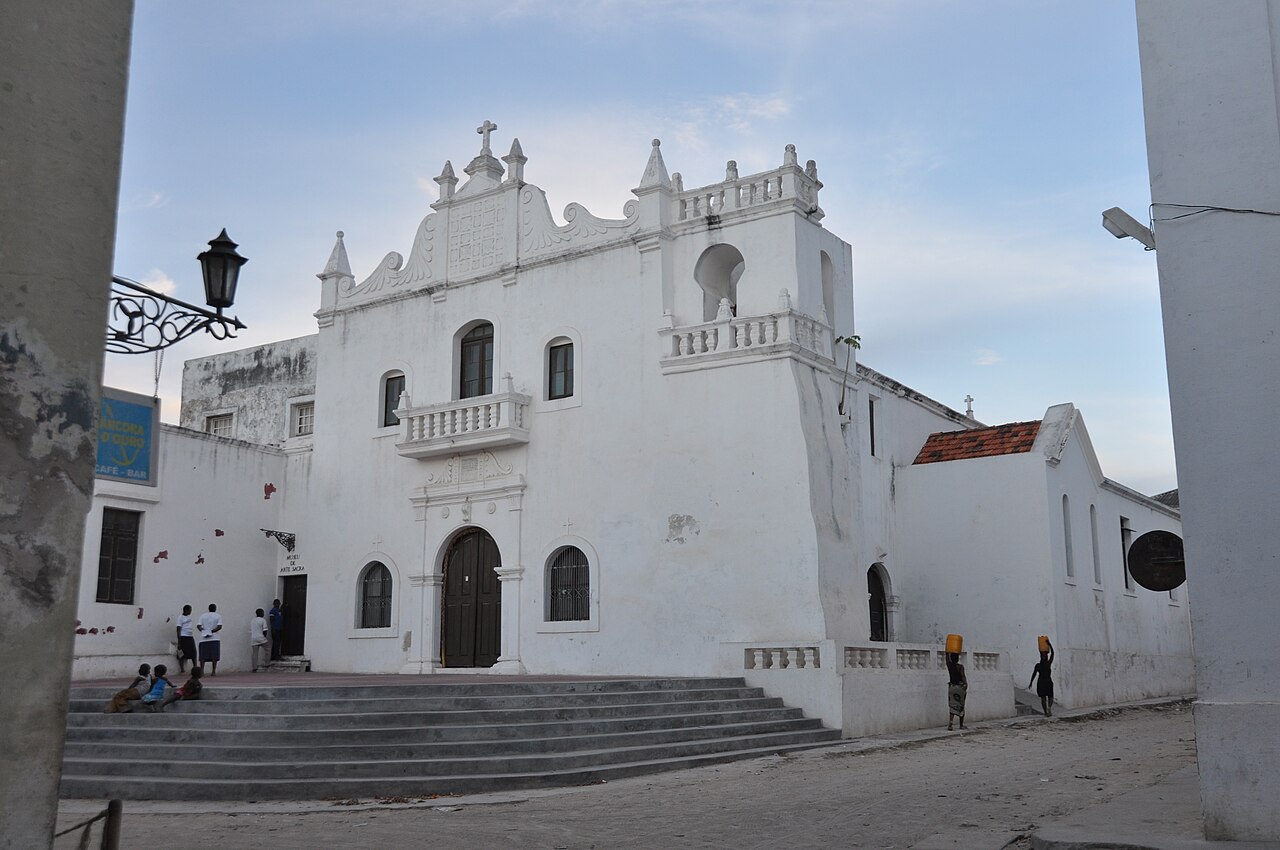
Traditional Tsonga religion recognised a creator and, above all, the powerful presence of the ancestors, whose spirits watched over their descendants and had to be honoured with offerings and ritual. Diviners and healers, and the spirit-possession cults for which the region is known, mediated with the ancestors and the spirits and dealt with sickness and misfortune.
Ritual and sacrifice sought the favour of the ancestors for health, fertility and the wellbeing of the community. Christianity spread widely among the Tsonga from the colonial period, carried by missions, and many are now Christian, with a strong presence of independent and Zionist churches, but the reverence for the ancestors and the practices of divination and healing remain woven into Tsonga life.
Traditions

The traditions of the Tsonga are famous above all for their music and dance. The most celebrated is the xibelani, the vigorous dance of the women, who wear the thick, tiered xibelani skirt and set it swirling and shaking to the rhythm of the drums, a dance of great energy and joy. Music, drumming and song accompany celebration and ceremony.
The ceremonies of the life cycle, the honouring of the ancestors, and the rites of divination and healing order the ritual life of the people. The Tsonga are also known for their lively popular music, which has spread across South Africa. Storytelling, praise-poetry and the customs of the homestead preserve the values and identity of the people, and music and dance give Tsonga culture its unmistakable vitality.
Crafts
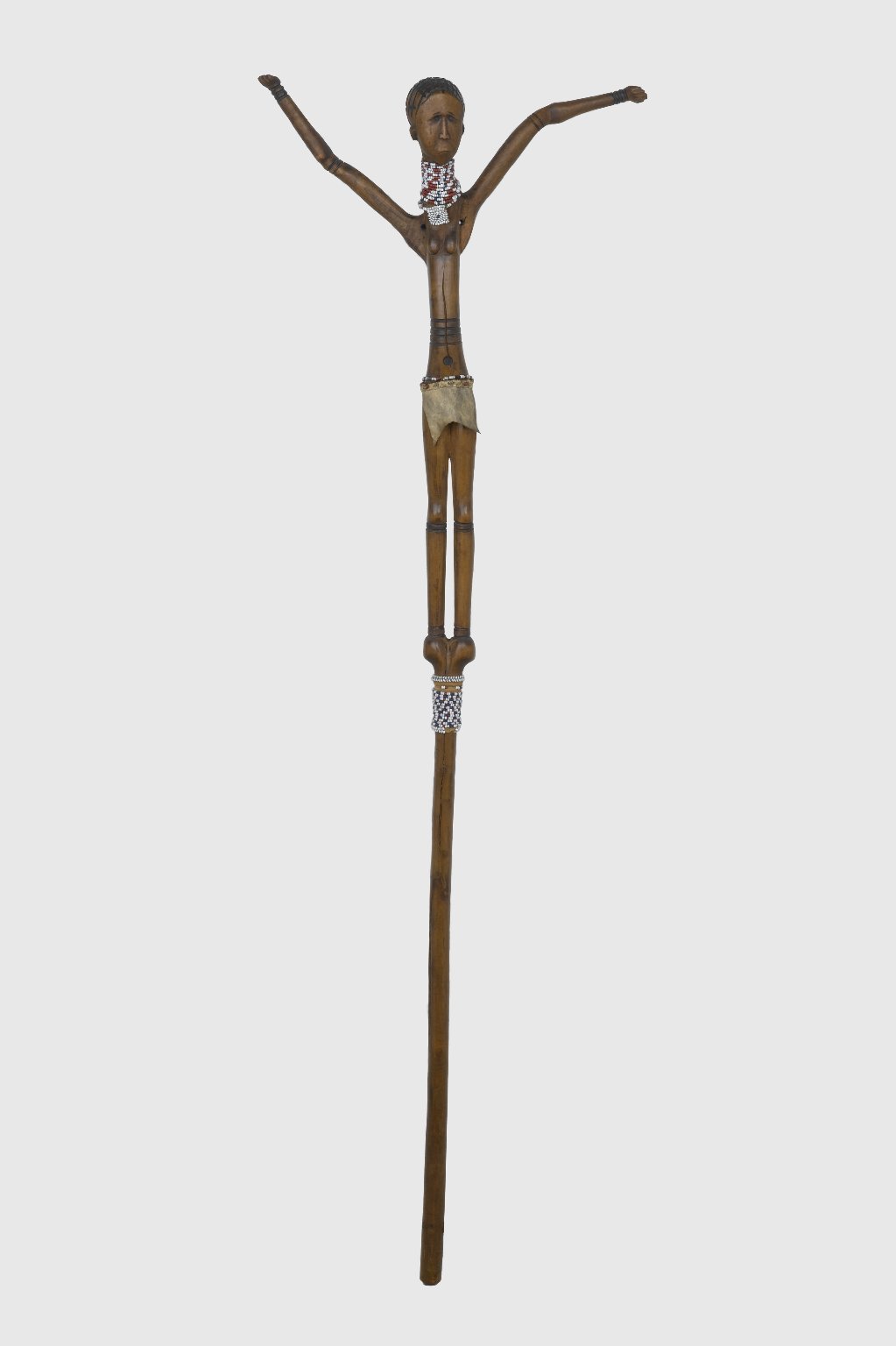
Tsonga craftsmanship served a farming, herding and fishing society. The people made pottery, wove baskets and mats, and carved wood into headrests, staffs, bowls and figures, some of considerable artistry, and the carved staffs and figures of the Tsonga are admired in collections of African art. Blacksmiths forged the tools of farming and the hunt.
The women are known for their beadwork and for the making of the tiered xibelani skirts and the dress and ornament worn in dance and celebration. The making of drums and instruments for the famous Tsonga music was a valued skill, and basketry, the making of fishing gear, and the crafts of the household added to a material culture reflecting the varied life of the lowveld and the coast.
Food

The staple food of the Tsonga is maize, ground and cooked into the stiff porridge known across the region as pap or vuswa, eaten with relishes and stews of vegetables, meat or fish. Along the coast and the rivers, fish, fresh or dried, is a distinctive and important part of the diet, setting the Tsonga apart from the purely inland peoples.
Cassava, groundnuts, vegetables, wild greens and the produce of the gardens fill out the diet, and cattle provide milk and, on occasion, meat. The nearness of the sea and the rivers gives Tsonga cooking its distinctive place among the peoples of the region, and their food, based on maize porridge, fish and relishes, reflects the life of the lowveld and the coast.
Festivals
Festive life among the Tsonga centres on music, dance and the ceremonies of the life cycle and the ancestors. Weddings, in particular, are lively occasions of feasting, music and dance, and the xibelani dance of the women, with its swirling skirts, is a highlight of celebration. The honouring of the ancestors and the ceremonies of divination and healing are marked with ritual.
Drumming, song and dance accompany these occasions, and the popular music of the Tsonga has made their celebrations famous. Today Christian festivals and national holidays join the older ceremonies, and cultural festivals showcase the music and dance of the people. Whatever the occasion, it is the energy of the xibelani and the Tsonga music that gives their festivity its unmistakable character.
History

The Tsonga are the descendants of peoples long settled in the low country of the southeast, who traded between the Indian Ocean ports and the interior. In the early nineteenth century the upheavals of the mfecane drove the Nguni conqueror Soshangane into the region, where he founded the Gaza kingdom, subjugating and mingling with the Tsonga, from whom the name Shangaan derives.
The Gaza kingdom dominated much of southern Mozambique until its conquest by the Portuguese at the end of the nineteenth century, and many Tsonga fled west into the Transvaal, in what is now South Africa. Under Portuguese and South African colonial rule, and under apartheid, which made a Tsonga homeland at Gazankulu, the people were drawn into the migrant-labour economy, and after 1994 the Tsonga took their place as one of the recognised peoples of democratic South Africa.
Today

Today the Tsonga number some millions, spread across southern Mozambique, the northeastern provinces of South Africa, and parts of Zimbabwe and Eswatini, and prominent in the cities and the migrant-labour communities of the region. Farming, herding and fishing continue in the lowveld and along the coast, alongside work in the mines, towns and cities.
The Tsonga have preserved their language, their music and their traditions, and the xibelani dance and Tsonga popular music are enjoyed across South Africa and beyond. Proud of their lively culture, their heritage from the Gaza kingdom and their distinctive place among the peoples of the southeast, the Tsonga carry their vibrant identity into the modern life of southern Africa.
Related Peoples of the Region
- The Zarma, the People of the Niger and the Songhai Heritage
- The Jola, the Rice Farmers of the Casamance
- The Susu, the Traders of the Guinean Coast
- The Kabyle, the Berbers of the Algerian Mountains
- The Riffians, the Berber Warriors of the Rif
- The Shilha, the Berbers of the Souss and the Atlas
- The Sahrawi, the People of the Western Sahara
- The Venda, the People of the Sacred Lakes of Limpopo
More Peoples of the World
- A Fifth of Humanity, the Story of the Han Chinese
- How the Maori Sailed Across the Pacific to Reach New Zealand
- Zulu of the Green Hills and Their Kingdom Forged by Shaka
- The People Who Never Vanished, the Story of the Maya
- Long Before the Arabs Came, North Africa Belonged to the Amazigh
- The People Who Emerged Into This World, the Story of the Navajo
- Meet the Ainu, an Indigenous People at Japan’s Northern Edge
You May Like

The Mangbetu, the Court Artists of the Congo


