The Shilha, also called Chleuh, are a Berber people of southern Morocco, the largest of all the Amazigh communities of the country. Numbering some millions, they inhabit the fertile Souss valley, the arid Anti-Atlas and the western High Atlas, and are famous for their farming, their trade and the vigour of their language, the greatest of the Berber tongues.Descended from the ancient Berbers, farmers of argan, olives and barley and famous throughout Morocco as shopkeepers and traders, the Shilha are heirs to a rich culture of music and poetry, from the collective ahwash dance to the itinerant rrways. This article traces their origins, language, homeland, farming life and the customs that continue to define them.
The Shilha on Film
Contents
- Origins
- The Name
- The Language
- The Homeland
- The Old Way of Life
- Society and Community
- Religion and Belief
- Traditions
- Crafts
- Food
- Festivals
- History
- Today
Origins

The Shilha, also called Chleuh or Ishelhien, are a Berber people of southern Morocco, the largest of all the Amazigh, or Berber, communities of the country. Numbering some millions, they inhabit the Souss valley, the Anti-Atlas and the western High Atlas mountains, and are famous for their farming, their trade and the vigour of their language and culture.
Descended from the ancient Berber inhabitants of North Africa, the Shilha preserved their language and their identity in the valleys and mountains of the south. Farmers of argan, olives and barley, and famous throughout Morocco as shopkeepers and traders, the Shilha are a numerous, industrious and self-confident people, and the bearers of the largest and most flourishing of the Berber languages.
The Name

The people are known as the Shilha, the Chleuh, or in their own language the Ishelhien, and they call their language Tashelhit or Tachelhit. They are part of the wider Amazigh, or Berber, people of North Africa, and their homeland lies in the Souss and the Atlas of southern Morocco.
Their identity is bound up with their Berber language, the largest in North Africa, with their farming and trade, and with the mountains and valleys of the south. The name Shilha, or Chleuh, denotes a people proud of their ancient Berber heritage and their prominent place in Morocco, the most numerous of its many Berber communities.
The Language
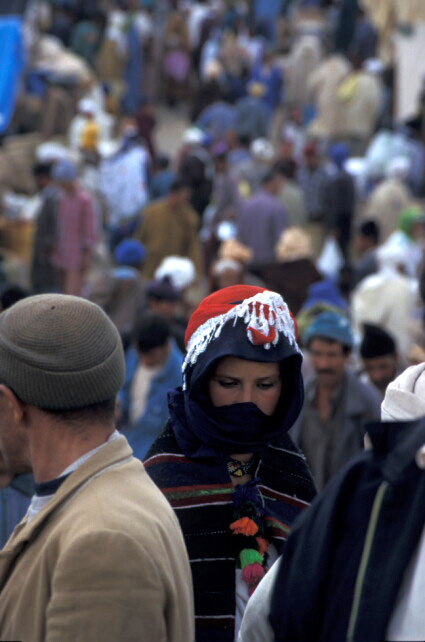
The Shilha speak Tashelhit, or Tachelhit, one of the Berber, or Amazigh, languages of the Afro-Asiatic family, and by far the largest of them, with some millions of speakers, more than any other Berber language. Descended from the ancient tongue of North Africa, it is quite distinct from the Arabic that surrounds it.
Tashelhit has a rich oral literature and, unusually among Berber languages, an old written tradition in Arabic script, used for religious and poetic texts. Arabic and French are widely known in Morocco, but Tashelhit remains the vigorous everyday language of the south and a central marker of Shilha identity, sustained by the size and confidence of the people.
The Homeland
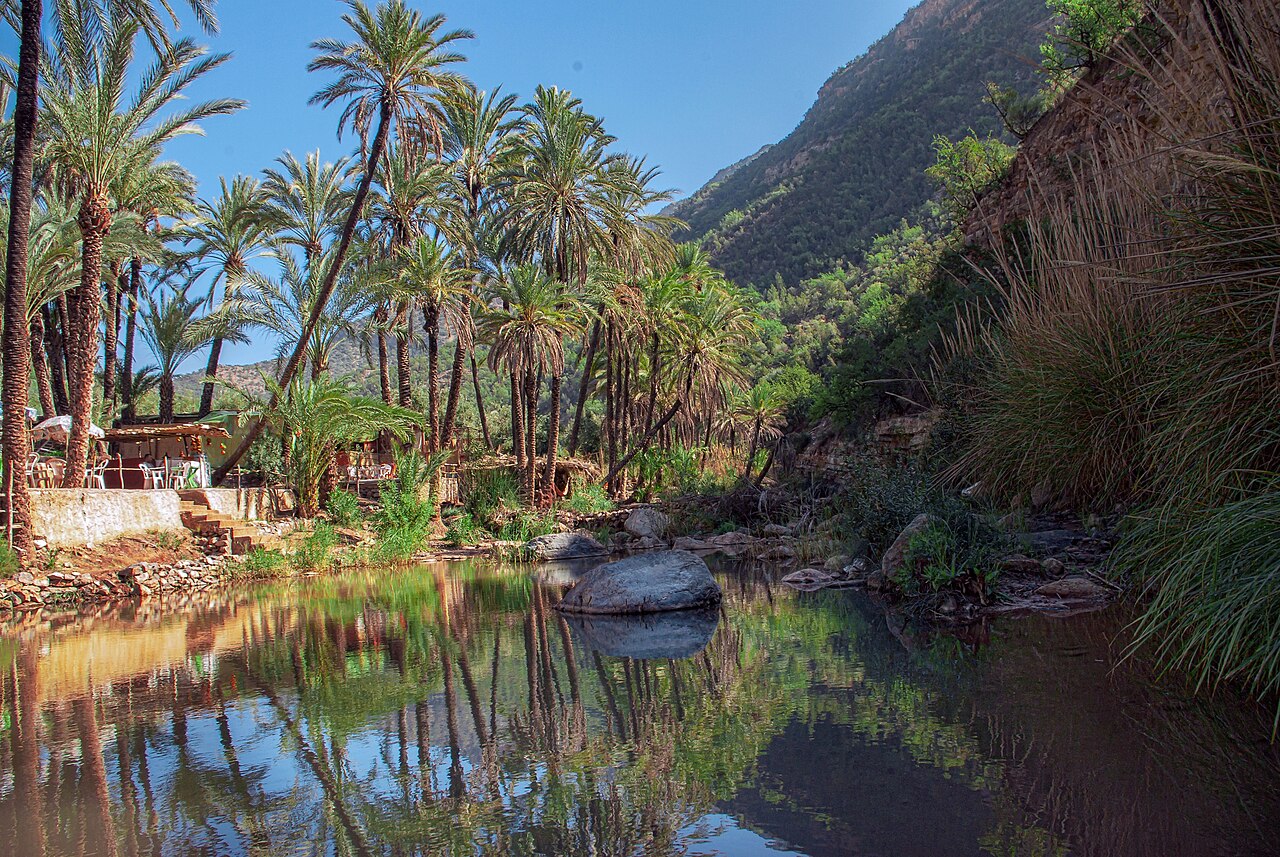
The Shilha homeland is the south of Morocco: the fertile Souss valley around Agadir and Taroudant, the arid Anti-Atlas mountains, and the western reaches of the High Atlas. It is a land of contrasts, from the well-watered Souss and its plains to the dry, rugged mountains and the semi-desert margins, fronting the Atlantic on the west.
The Souss valley, warm and fertile, is a garden of argan, olives, citrus and grain, while the mountains, terraced and dotted with villages and kasbahs, support a hardier farming. This varied country, from valley to mountain to coast, shaped the farming and trading life of the Shilha, and its cities, above all Agadir, are the centres of the Shilha world.
The Old Way of Life

The Shilha are farmers of the south, cultivating the argan tree, whose oil is a treasure of the region, together with olives, almonds, citrus, barley and other crops on the plains of the Souss and the terraces of the mountains, and keeping goats and other livestock. The argan, found almost nowhere else, gives its famous oil, and the goats that climb its branches are a marvel of the Souss.
But the Shilha are famous throughout Morocco not only as farmers but as traders, above all as grocers and shopkeepers, who spread across the cities of the country and beyond, running the small shops and businesses of the towns. Farming of argan, olives and grain, supplemented by this widespread trade and, in modern times, by emigration and the wages of the diaspora, sustained the Shilha economy.
Society and Community
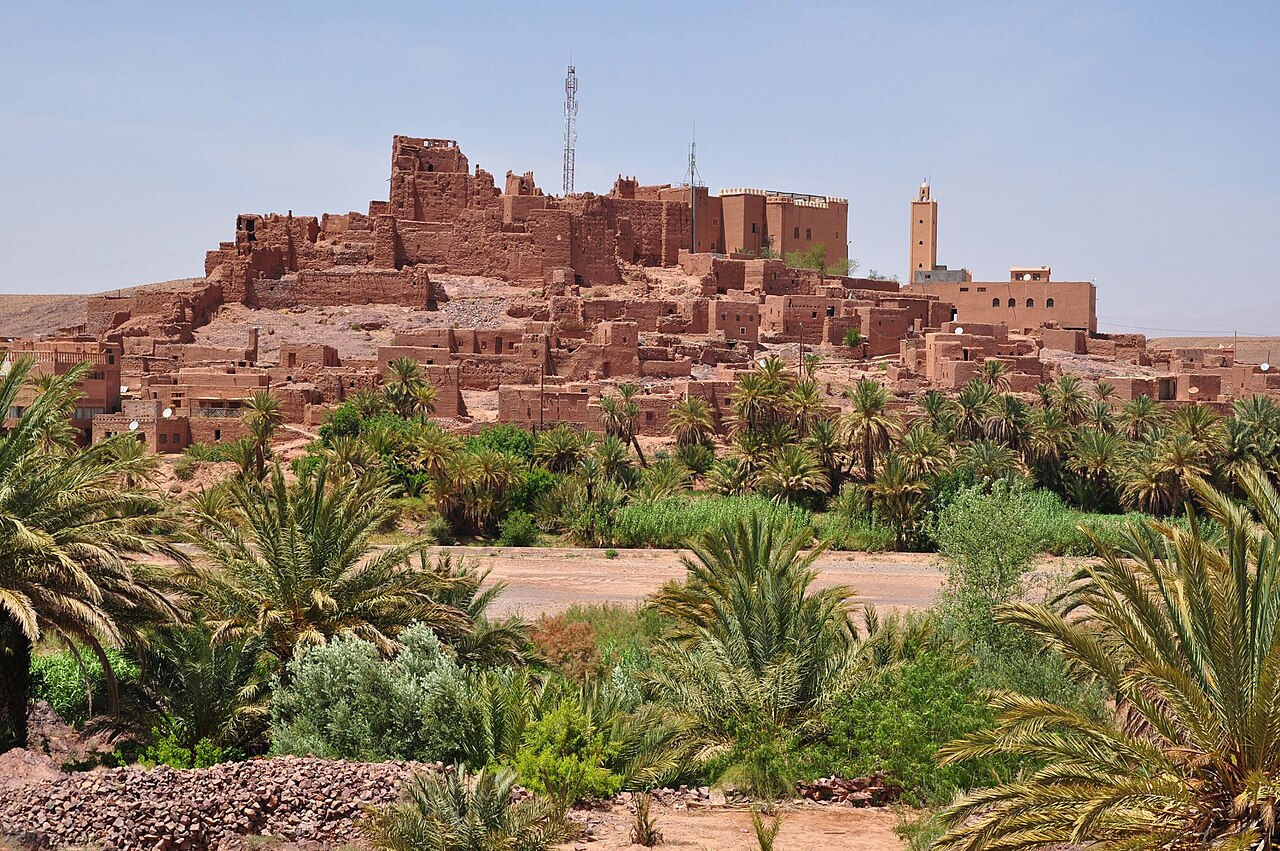
Shilha society was organised around the village, the clan and, historically, the tribe, and was known for a strong tradition of local self-government and independence, especially in the mountains, where the communities managed their own affairs through assemblies and customary law. In the valleys and near the cities, the reach of the sultan and the state was greater.
Below these levels, the extended family and the lineage ordered daily life, and the honour and solidarity of the family were highly valued. Cooperation in the demanding work of farming and the management of water and terraces was essential. The famous trading networks of the Shilha, spreading across Morocco, were themselves built on the bonds of family and village. Marriage, kinship and the customs of the village governed the life of the people.
Religion and Belief

The Shilha are Muslims, and Islam has long been central to their identity and culture; indeed, the Atlas and the Souss were a cradle of great religious and political movements, above all the Almohad reform of the twelfth century, which rose among the Berbers of the Atlas. Mosques, Quranic learning and the observance of the faith order the religious round.
As among the Berber peoples generally, the veneration of local saints and holy men, the shrines and the religious brotherhoods held an important place alongside orthodox Islam, and religious learning in Tashelhit, written in Arabic script, was cultivated. Islam remains the faith of the Shilha, woven together with the customs and the identity of the south, and their religious tradition is rich and old.
Traditions

The traditions of the Shilha are those of a numerous and self-confident Berber people. The customs of hospitality, the code of honour, the institutions of the village and the ceremonies of the life cycle order and enrich the life of the community. Tashelhit poetry and song, and the tradition of the itinerant poet-musicians, the rrways, are especially celebrated.
The Shilha are famous for their music and dance, above all the ahwash, a great collective dance of the villages, performed in a circle to drums and song, and for the music of the rrways carried across Morocco. Traditional dress, silver jewellery and the crafts of the household express the identity of the people, and music, poetry and the customs of the village give Shilha culture its distinctive vitality.
Crafts
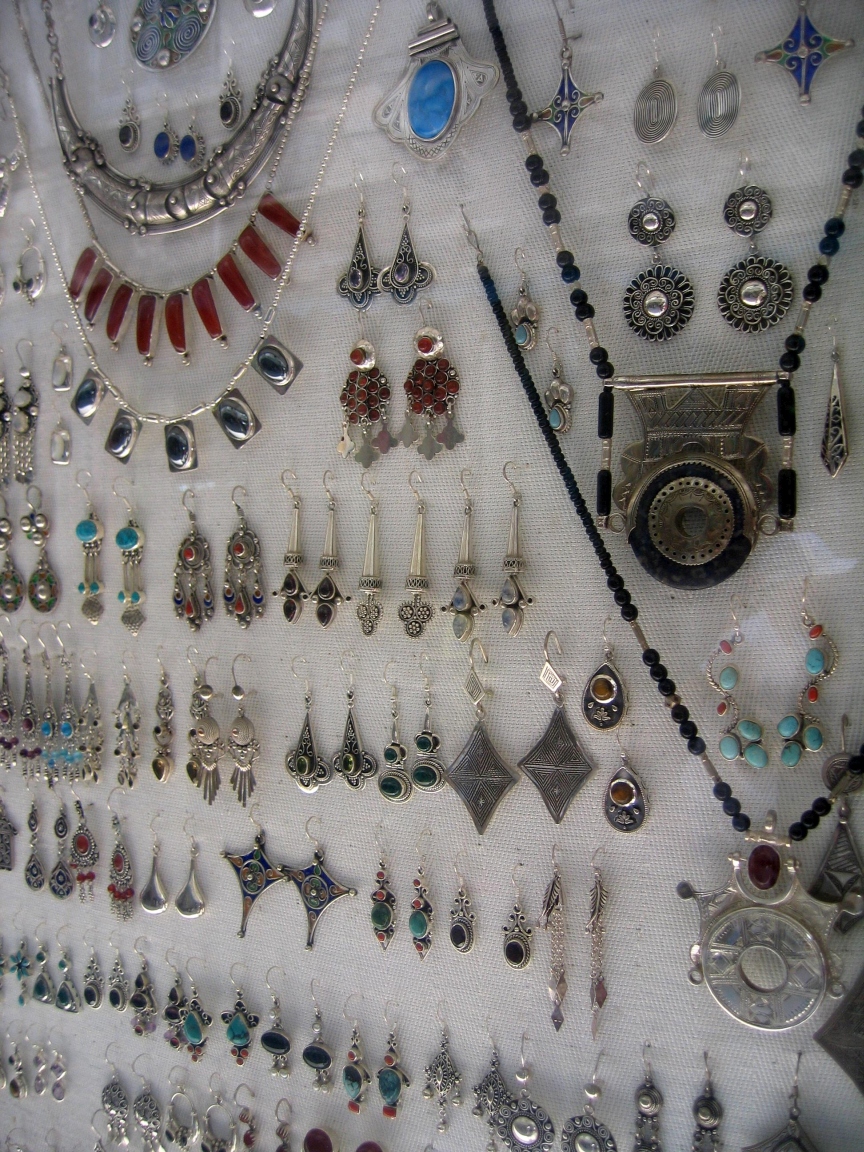
Shilha craftsmanship is rich and celebrated. The making of argan oil, largely the work of the women, who crack the nuts and grind and press the kernels by hand, is a distinctive and laborious art of the Souss. The women also make pottery and weave rugs, carpets and textiles with Berber designs, crafts of antiquity and beauty.
The Shilha are famous for their silver jewellery, made by the smiths of the south and worn by the women as adornment and wealth, and for leatherwork, woodwork and the building of the kasbahs and granaries of the mountains. These crafts, from the making of argan oil to the working of silver and the weaving of carpets, reflect a material culture of exceptional richness, rooted in the Berber traditions of southern Morocco.
Food
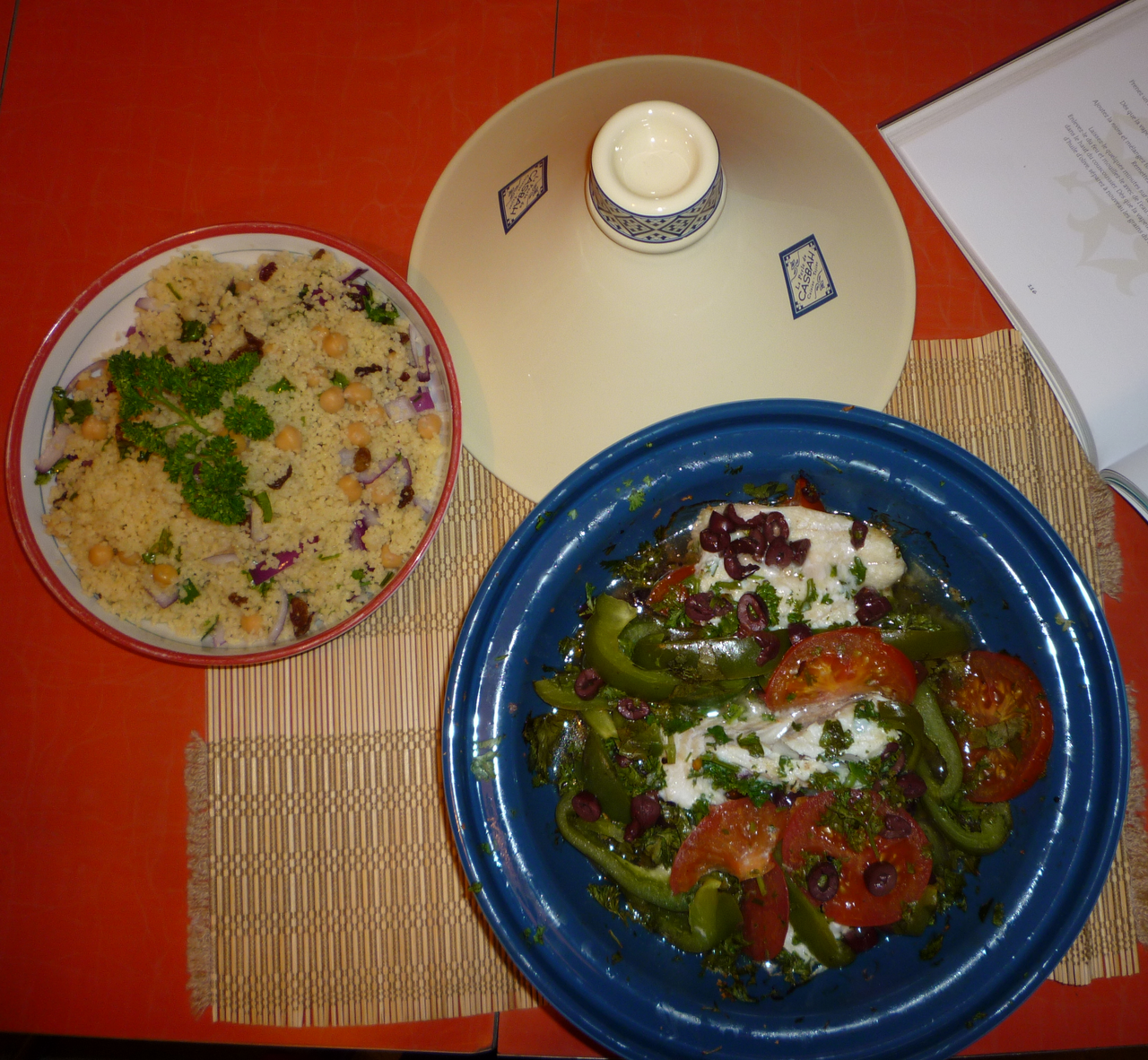
The staple foods of the Shilha are those of the Moroccan and Berber table, given a distinctive character by the products of the south. Couscous, the great dish of steamed semolina with vegetables and meat, and the flat breads, tajines and vegetable dishes of the region are eaten everywhere, dressed and enriched with argan oil.
Argan oil, and the sweet almond-and-argan paste amlou eaten with bread, are distinctive delicacies of the Shilha country, and olives, almonds, barley and the fruits of the Souss fill out the diet. Tajines of vegetables, fish from the coast, or meat, slow-cooked and spiced, are characteristic. The cuisine reflects the argan-and-olive economy of the south and the wider culinary world of Morocco.
Festivals

Festive life among the Shilha is shaped by the Muslim calendar, the seasons of the agricultural year and the milestones of the life cycle. The great Muslim festivals are celebrated with prayer, feasting and gathering, and the moussems, the festivals held at the shrines of local saints, combine religious observance with markets, music and celebration.
Weddings, in particular, are elaborate occasions of music, dance, feasting and the display of jewellery and dress, and the collective ahwash dance is central to celebration. The music of the rrways, drumming, song and dance mark these events, and the coming together of villages and families renews the bonds of the community. Today the Muslim festivals, the moussems and the celebration of Amazigh culture together form the great occasions of Shilha festivity.
History
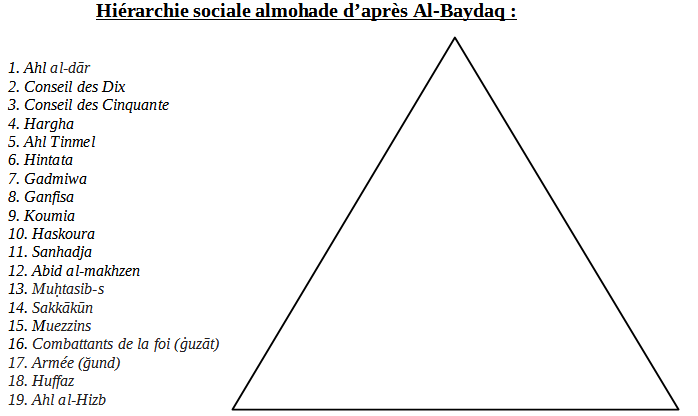
The Shilha are descended from the ancient Berbers of North Africa, and their homeland in the Atlas and the Souss was a cradle of great movements. In the twelfth century the Almohad movement, one of the most powerful in the history of the western Islamic world, rose among the Berbers of the High Atlas under Ibn Tumart, building an empire that ruled North Africa and Spain from its origins at Tinmel in the Shilha mountains.
Through the centuries the Shilha country was drawn into the successive Moroccan dynasties, though the mountains often kept a large measure of independence. Under the French and Spanish protectorates of the twentieth century the south was brought under colonial control, and after independence the Shilha became, as they remain, the largest Berber community of Morocco, prominent in its farming, trade and national life.
Today
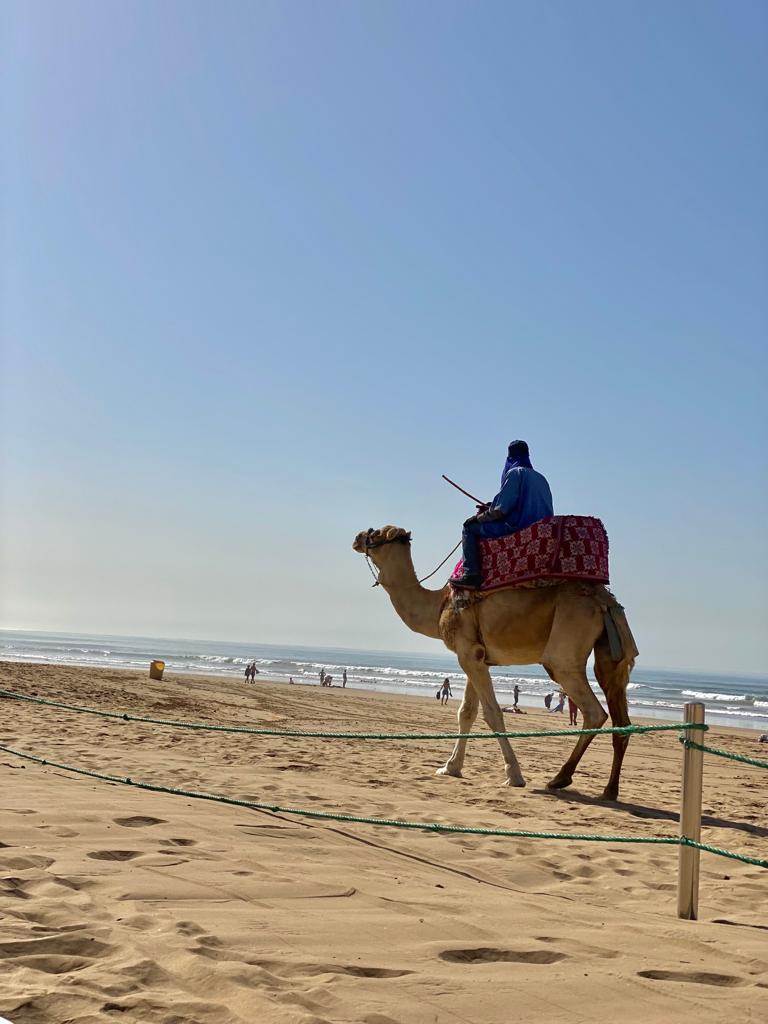
Today the Shilha number some millions and are the largest Berber people of Morocco, concentrated in the south around Agadir, Taroudant and the Atlas and Anti-Atlas mountains, with large communities in the cities of the north and in the diaspora in Europe. Farming of argan, olives and grain continues in the south, alongside the famous Shilha trade and, increasingly, tourism and emigration.
The recognition of the Amazigh language and culture in Morocco, in which Tashelhit is the largest tongue, has brought new pride and status, and Shilha music, poetry and cultural life flourish at home and abroad. Proud of their ancient Berber heritage, their argan and their enterprise, and bearers of the greatest of the Berber languages, the Shilha carry their distinctive identity into modern Morocco.
Related Peoples of the Region
- The Senufo, the Master Carvers of the Savanna
- The Baoule, the Largest People of Cote d’Ivoire
- The Dagomba, the Kingdom of Dagbon in Northern Ghana
- The Zarma, the People of the Niger and the Songhai Heritage
- The Jola, the Rice Farmers of the Casamance
- The Susu, the Traders of the Guinean Coast
- The Kabyle, the Berbers of the Algerian Mountains
- The Riffians, the Berber Warriors of the Rif
More Peoples of the World
- A Fifth of Humanity, the Story of the Han Chinese
- How the Maori Sailed Across the Pacific to Reach New Zealand
- Zulu of the Green Hills and Their Kingdom Forged by Shaka
- The People Who Never Vanished, the Story of the Maya
- Long Before the Arabs Came, North Africa Belonged to the Amazigh
- The People Who Emerged Into This World, the Story of the Navajo
- Meet the Ainu, an Indigenous People at Japan’s Northern Edge
You May Like

The Damara, an Ancient People of Namibia



