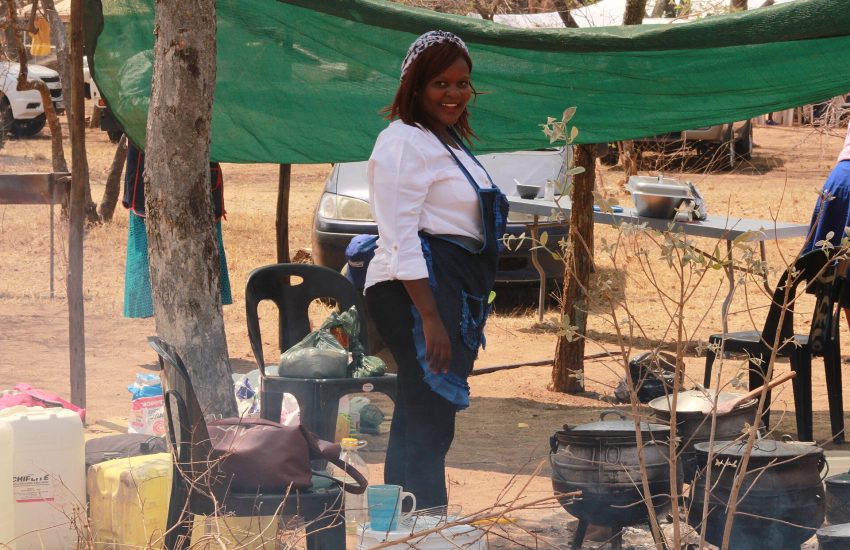
The Jola, or Diola, are a people of the Casamance region of southern Senegal, with communities also in the Gambia and Guinea-Bissau. Numbering some hundreds of thousands, they are settled rice farmers of the lush, well-watered country south of the Gambia, famous for their skilled paddy cultivation, their chiefless society and their strong attachment to their traditional religion.Distinct from the Wolof, Serer and Mande peoples of the rest of Senegal, the Jola built a decentralised, egalitarian society without kings, kept the traditional religion of the Awasena with its sacred groves and shrines, and are famous for the great bukut initiation and the Kumpo masquerade. This article traces their origins, language, homeland, rice-farming life and the customs that continue to define them.
The Jola on Film
Contents
- Origins
- The Name
- The Language
- The Homeland
- The Old Way of Life
- Society and Community
- Religion and Belief
- Traditions
- Crafts
- Food
- Festivals
- History
- Today
Origins
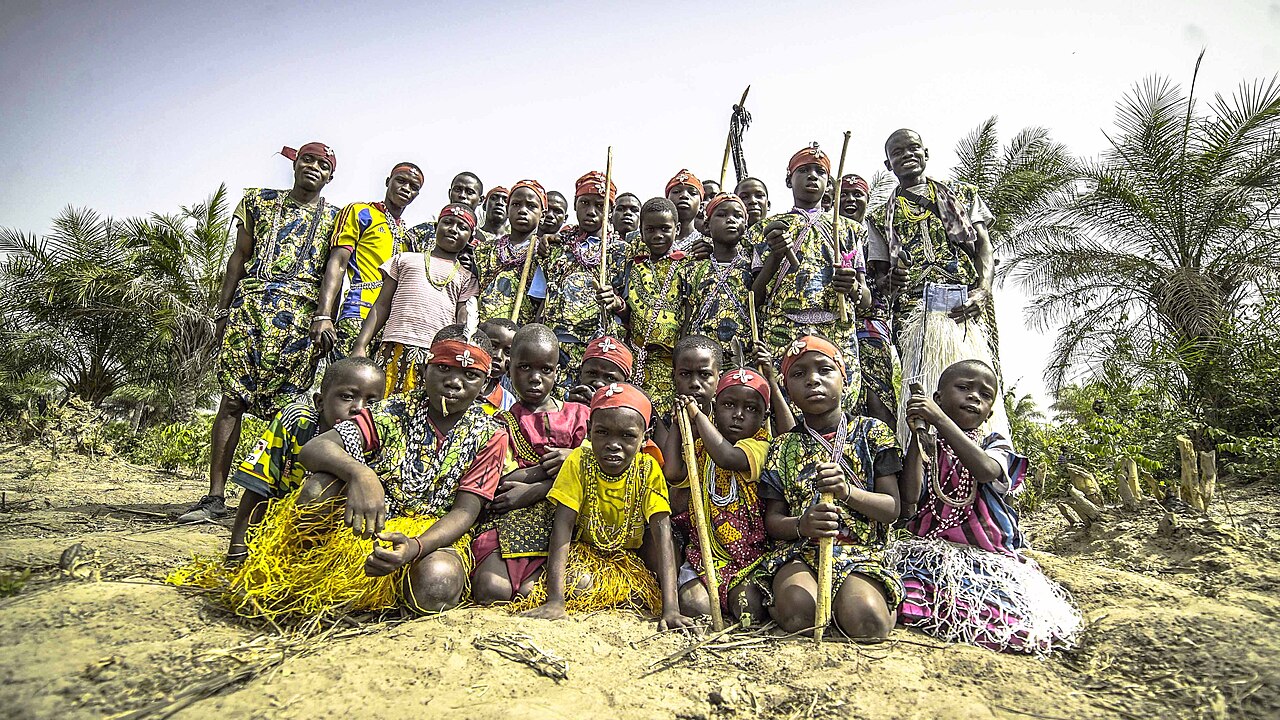
The Jola, or Diola, are a people of the Casamance region of southern Senegal, with communities also in the Gambia and Guinea-Bissau. Numbering some hundreds of thousands, they are settled rice farmers of the lush, well-watered country south of the Gambia river, famous for their skilled cultivation of paddy rice, their decentralised society and their strong attachment to their traditional religion.
An old people of the lower Casamance, the Jola are quite distinct from the Wolof, Serer and Mande peoples of the rest of Senegal, in language, in their acephalous, chiefless social order, and in their long resistance to Islam and to outside authority. Master rice farmers of the mangrove and the forest, they have preserved a strongly independent identity in the green corner of Senegal south of the Gambia.
The Name

The people call themselves the Jola, a name also written Diola or Joola, and their language by the same name. They are made up of a number of subgroups spread across the Casamance, the Gambia and Guinea-Bissau, each with its own dialect, but sharing a common identity, way of life and religion.
Their identity is bound up with rice farming, with their chiefless society and with the traditional religion of the Awasena. The name Jola denotes a people proud of their independence, their skill as rice farmers and their distinctive culture, set apart from the other peoples of Senegal in the green country of the Casamance.
The Language
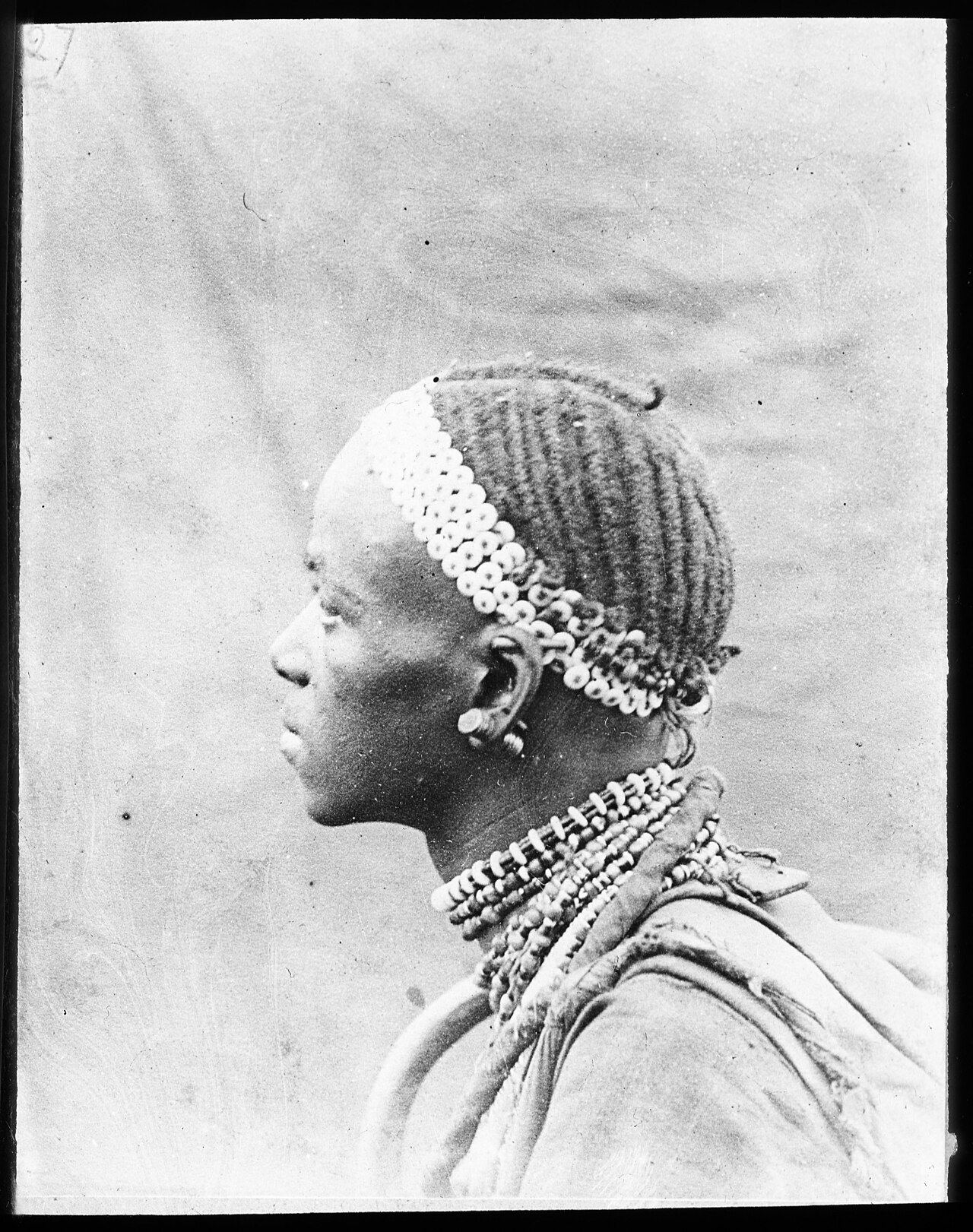
The Jola speak Jola, a language of the Atlantic branch of the Niger-Congo family, related to the languages of the Serer and other Atlantic peoples but distinct from the Wolof and the Mande languages of the north. Several related Jola languages and dialects are spoken across the region, reflecting the division of the people into many communities.
Rich in the lore of rice farming and the traditional religion, the Jola languages remain vigorous in the villages of the Casamance. French, the official language of Senegal, and Wolof, its great lingua franca, are widely used, but the Jola languages remain the everyday speech of the people and a central marker of their distinct identity.
The Homeland
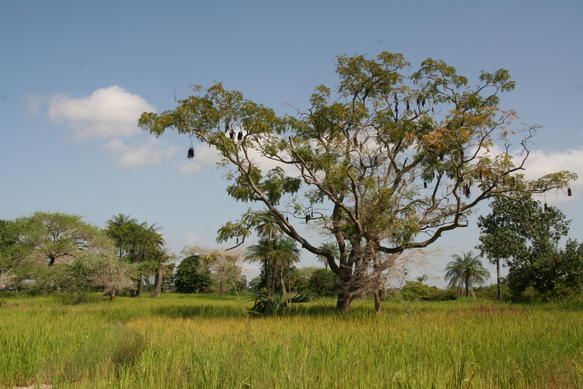
The Jola homeland is the Lower Casamance, the region of southern Senegal below the Gambia, a lush, well-watered land of forest, rivers, mangrove swamp and rice paddy, greener and wetter than the drier savanna of the north. The Casamance river and its creeks, and the mangroves and floodlands along them, shaped a way of life centred on rice.
This abundant country, one of the most fertile in Senegal, supported a dense farming population living in villages scattered through the forest and along the water. The Casamance, with its rice fields, its mangroves and its forest, and its distinctive sacred groves, is the heart of the Jola world, and its beauty and fertility have long shaped their independent and self-sufficient life.
The Old Way of Life
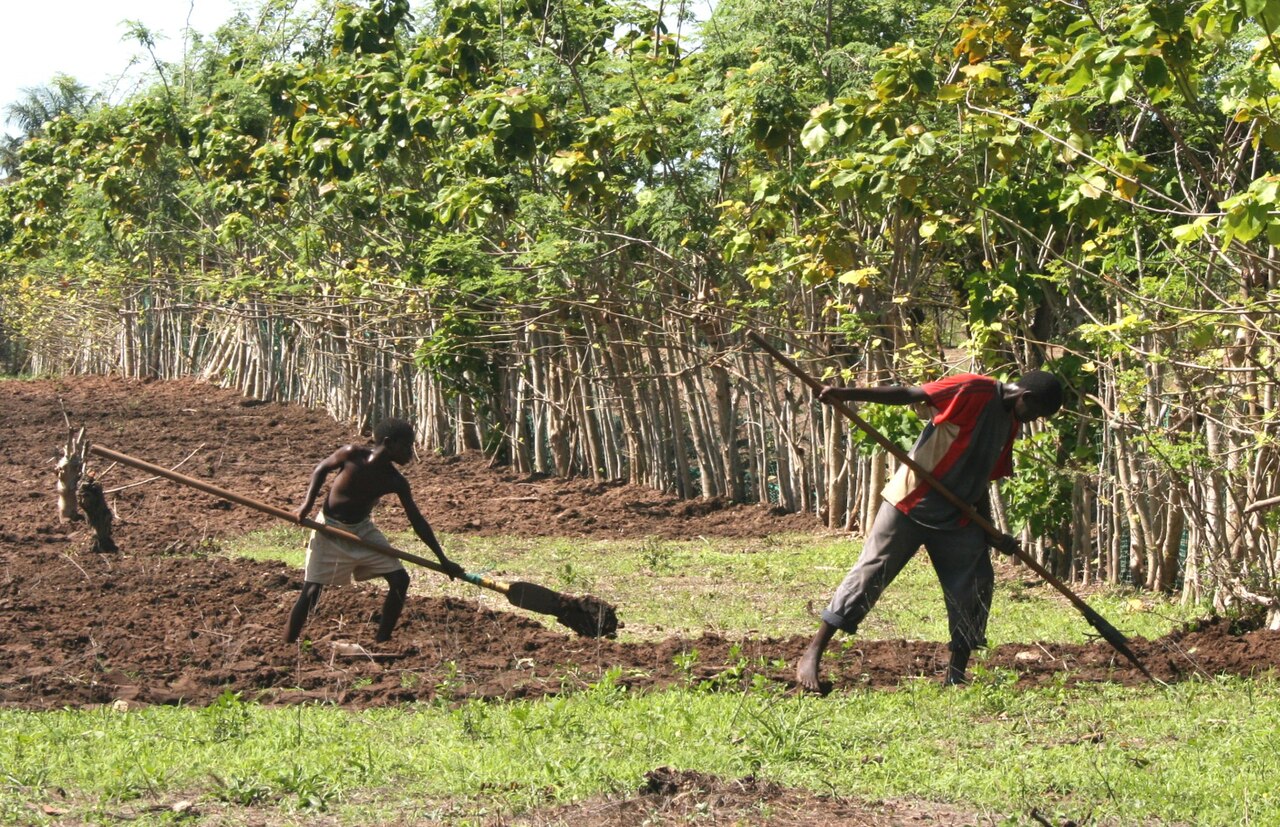
The Jola are, above all, rice farmers, and their skill in the cultivation of paddy rice in the mangrove and freshwater swamps of the Casamance is renowned. Using the kajendu, a long-handled fulcrum shovel, they build and maintain elaborate systems of dykes, bunds and paddies, reclaiming and desalinating land from the mangrove, an agriculture of great sophistication and labour.
Rice is not merely food but the centre of Jola life, culture and religion, and its cultivation orders the year. Around the rice the Jola grow other crops, tap the oil palm for wine and oil, keep livestock and fish the rivers and creeks. This intensive rice farming, one of the most remarkable agricultural traditions of West Africa, is the foundation of Jola society.
Society and Community
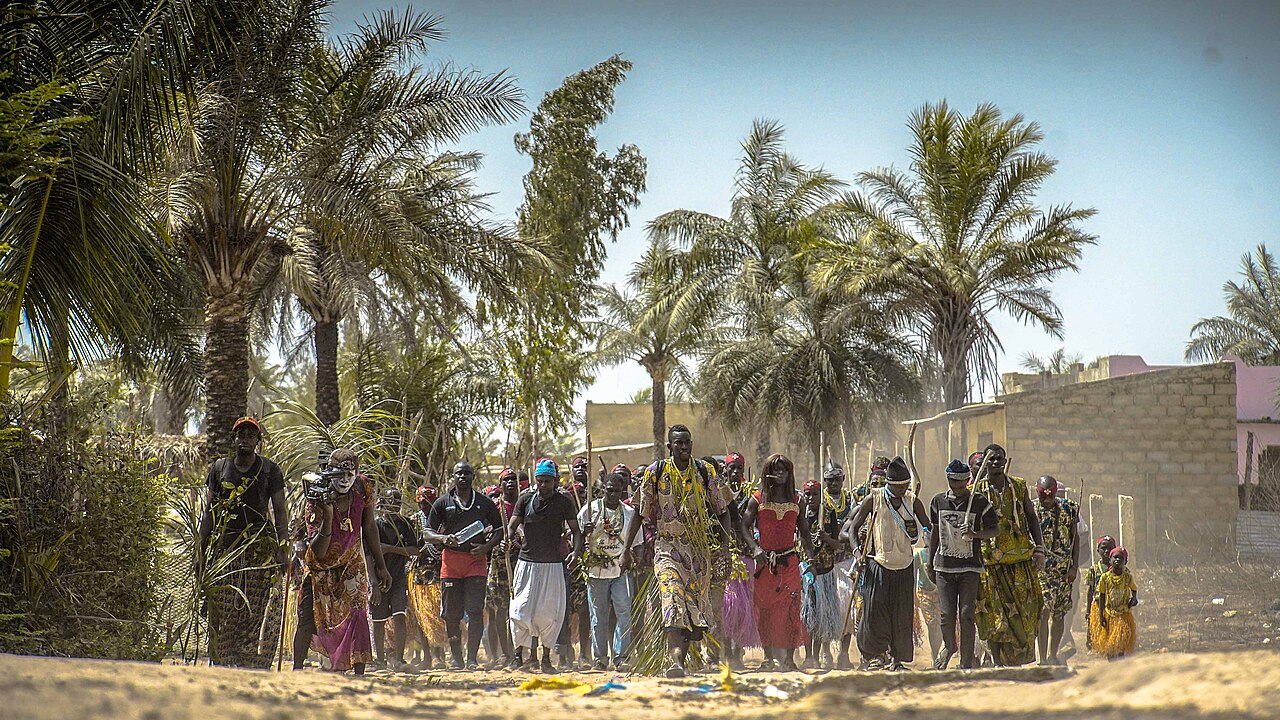
Jola society is famous for its decentralised, egalitarian and chiefless character. Traditionally there were no kings or chiefs over the Jola; each village governed its own affairs through the assembly of its people and the authority of elders and of the priests of the shrines, and the wider society was a mosaic of independent communities.
Age-grades, the bonds of lineage and neighbourhood, and the authority of the shrine-priests ordered social life, and cooperation in the demanding work of rice farming was essential. This absence of centralised authority, unusual among their neighbours, gave the Jola a strong spirit of independence and equality, and made them, historically, difficult for outside powers to control. Marriage, kinship and the customs of the village governed daily life.
Religion and Belief
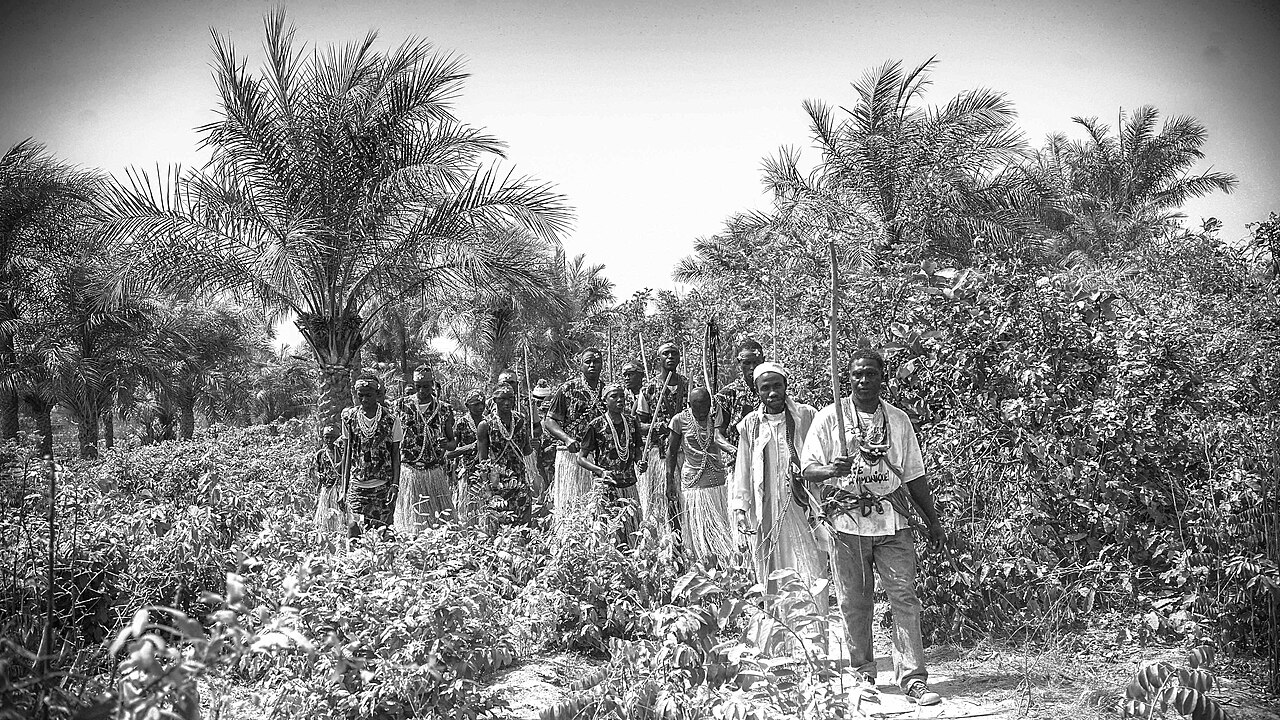
The Jola are famous for their long attachment to their traditional religion, the Awasena, centred on a supreme god, Emitai, associated with the sky and the rain, and on a host of spirits and shrines, the boekin, which pervade the landscape and the life of the community. The sacred groves and the priests of the shrines are central to Jola religious life.
Ritual, sacrifice and the observances of the shrines seek the favour of Emitai and the spirits for rain, for the rice and for the wellbeing of the people, and the great initiation ceremonies bind the community. The Jola resisted Islam longer than most of Senegal, and though many are now Muslim or Christian, the traditional religion of the Awasena remains strong, especially in the Lower Casamance, and gives the Jola much of their distinctive character.
Traditions
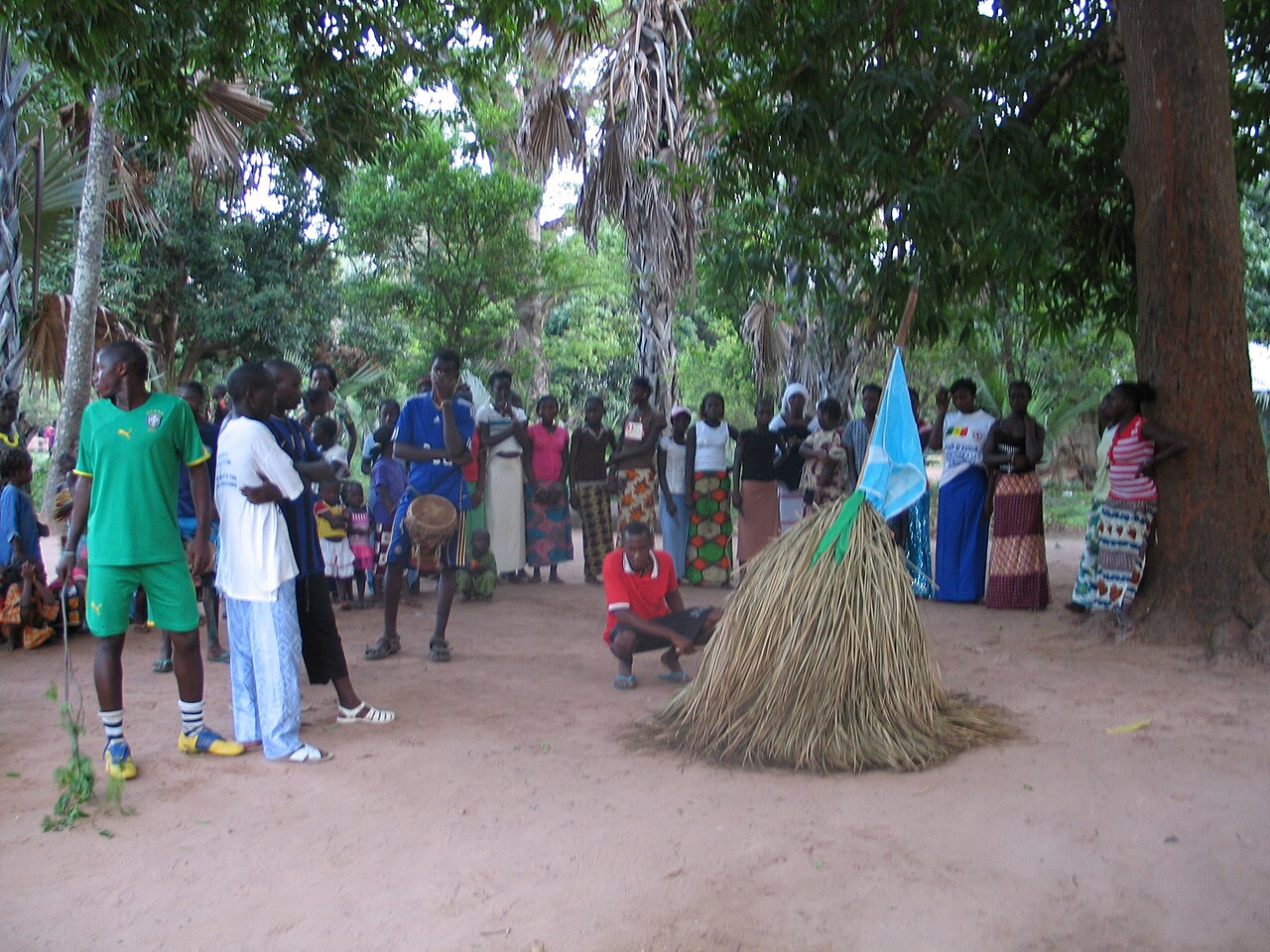
The traditions of the Jola are bound up with rice, the shrines and the great initiation. The most important tradition is the initiation of the men, the bukut, held at long intervals, in which the young are secluded in the sacred forest, taught and brought to full adulthood, a ceremony of profound significance that binds the generations.
The ceremonies of the shrines and the rice, the rites of passage, and the masked spirits such as the Kumpo, embodied by a masked and costumed dancer, are cherished traditions. Wrestling is a popular sport and a means of establishing reputation. Music, drumming and dance accompany celebration, and the customs of the Awasena and the rice preserve the values and identity of the people.
Crafts
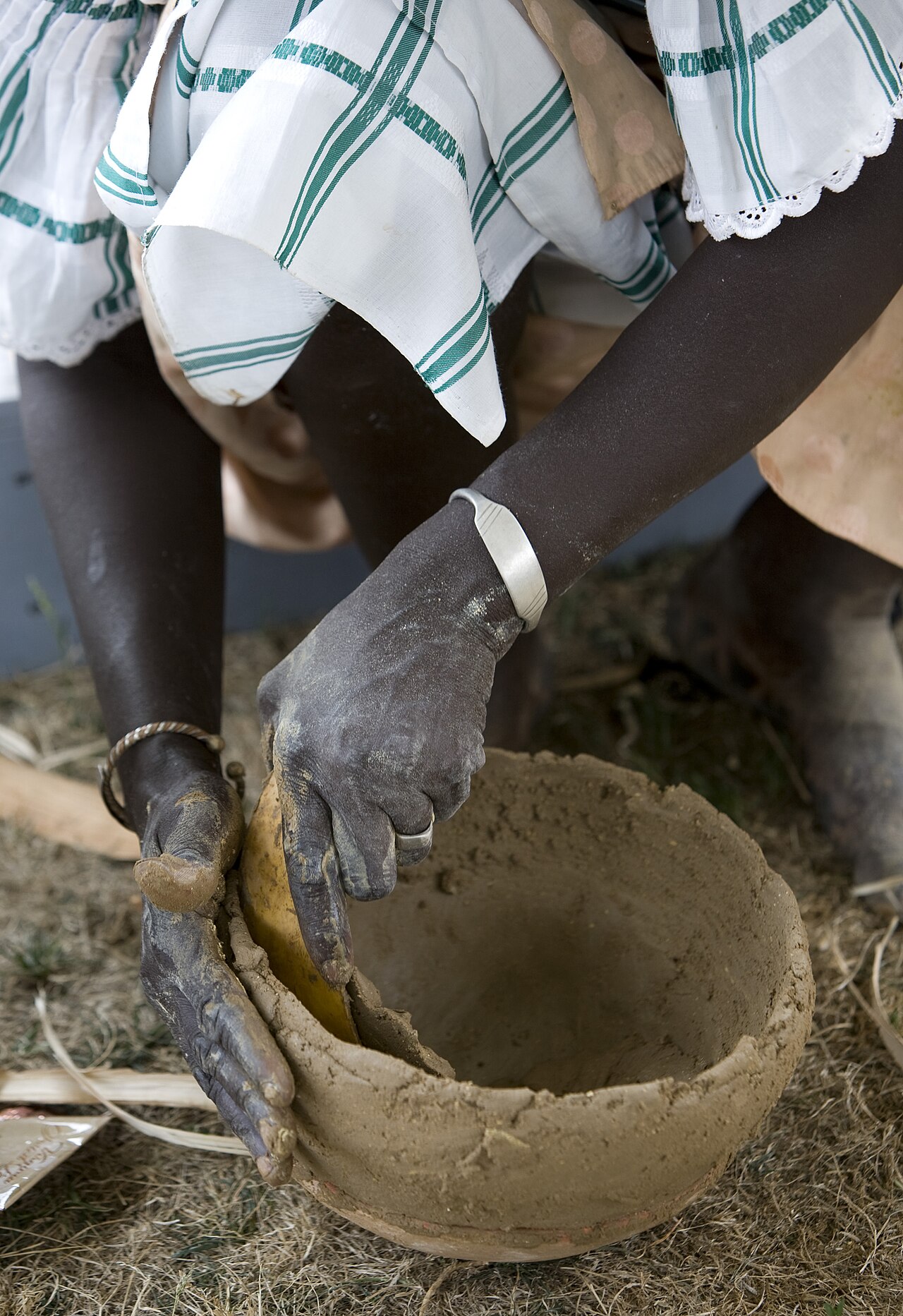
Jola craftsmanship served a rice-farming society. The making and maintenance of the kajendu, the great fulcrum shovel essential to their rice cultivation, and of the dykes and paddies, was itself a vital skill, and the Jola made the tools, canoes, nets and traps of farming and fishing. Households made pottery, wove baskets and mats, and worked palm, gourd and wood for daily use.
The making of the masks and objects of the shrines and the masquerades, and the palm-wine tapping and processing that are so important in Jola life, called for their own skills. Weaving and the making of cloth and ornament added to the material culture. These crafts, tied above all to rice, the palm and the shrines, reflect the self-sufficient life of the Jola.
Food

The staple food of the Jola is rice, the crop at the centre of their life, grown in their own paddies and eaten at the heart of nearly every meal, accompanied by sauces and stews of fish, palm oil, vegetables and the produce of the forest and the water. The famous Senegalese dish of rice and fish, thieboudienne, is at home in the rice-growing Casamance.
Fish and shellfish from the rivers, creeks and mangroves, palm wine and palm oil, and a variety of vegetables and fruits from the forest and gardens enrich the diet. The centrality of rice, grown by the people’s own labour, and the abundance of fish and palm, give Jola cooking its character, rooted in the fertility of the Casamance.
Festivals
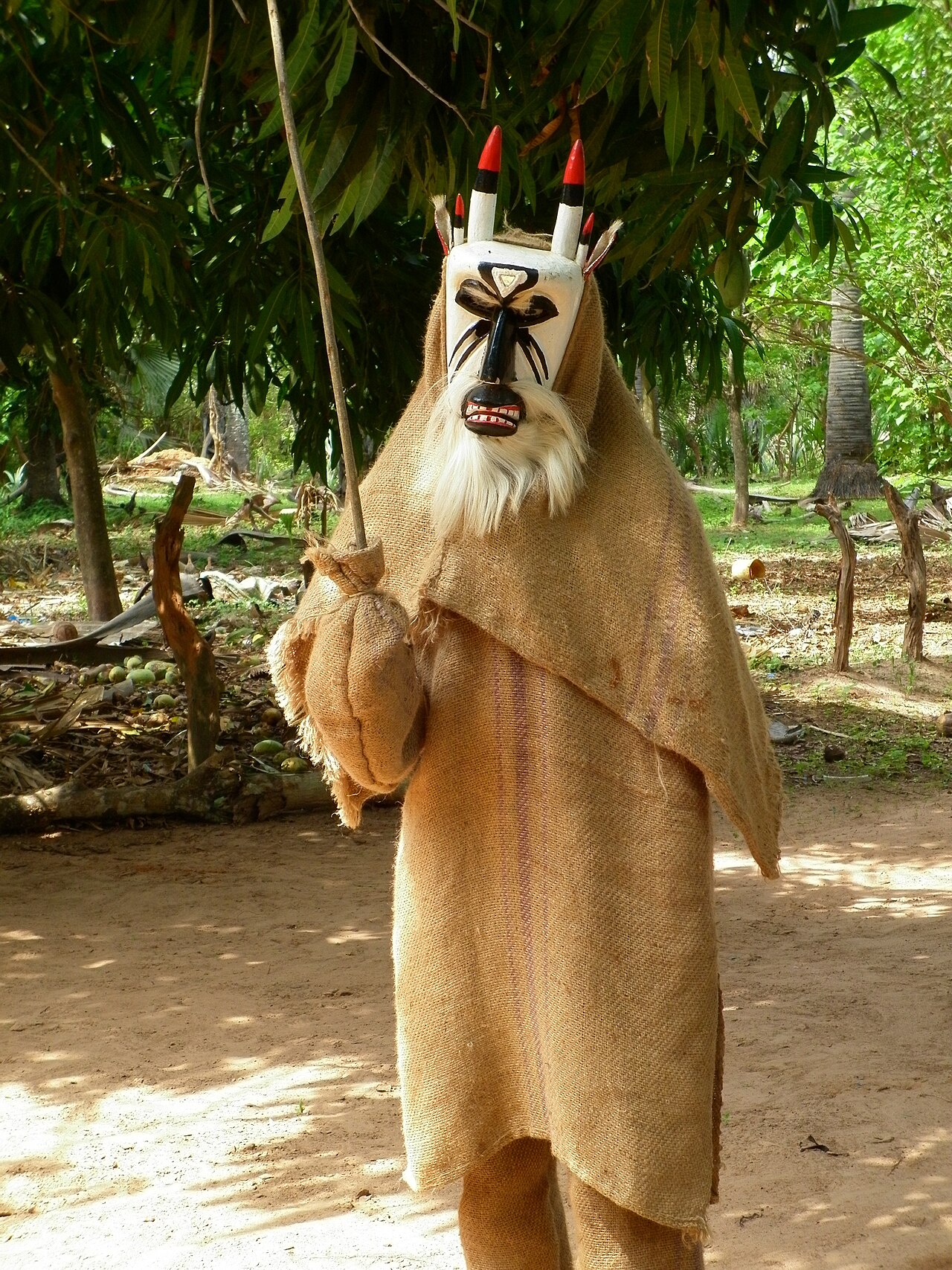
Festive life among the Jola centres on rice, the shrines and the great initiation. The bukut initiation, held only at long intervals, is the supreme festival, gathering the whole community and the diaspora for weeks of ceremony, feasting and celebration when the young are made adults. The ceremonies of the rice harvest and the shrines are also important occasions.
Wrestling matches, masked dances such as the Kumpo, drumming, music and the drinking of palm wine mark celebration, and the coming together of the villages for an initiation or a harvest renews the bonds of the community and the religion. Today Christian and Muslim festivals join the older celebrations among those who have converted, but the initiations and the ceremonies of the Awasena remain the heart of Jola festivity.
History

The Jola have inhabited the Lower Casamance for many centuries, developing their rice farming and their decentralised society and religion. Their independence and their lack of chiefs made them difficult for outside powers to control, and they resisted the Mande and Wolof kingdoms, the Atlantic slave trade and, in the colonial era, the French, who conquered the Casamance only after prolonged and stubborn resistance.
Under French colonial rule the Casamance was incorporated into Senegal, though separated from the rest of the country by the Gambia, a division that fostered a sense of difference. Since 1982 a separatist movement has sought independence for the Casamance, and the region has suffered a long, low-level conflict. Through all this the Jola have preserved their rice, their religion and their strong sense of a distinct identity.
Today
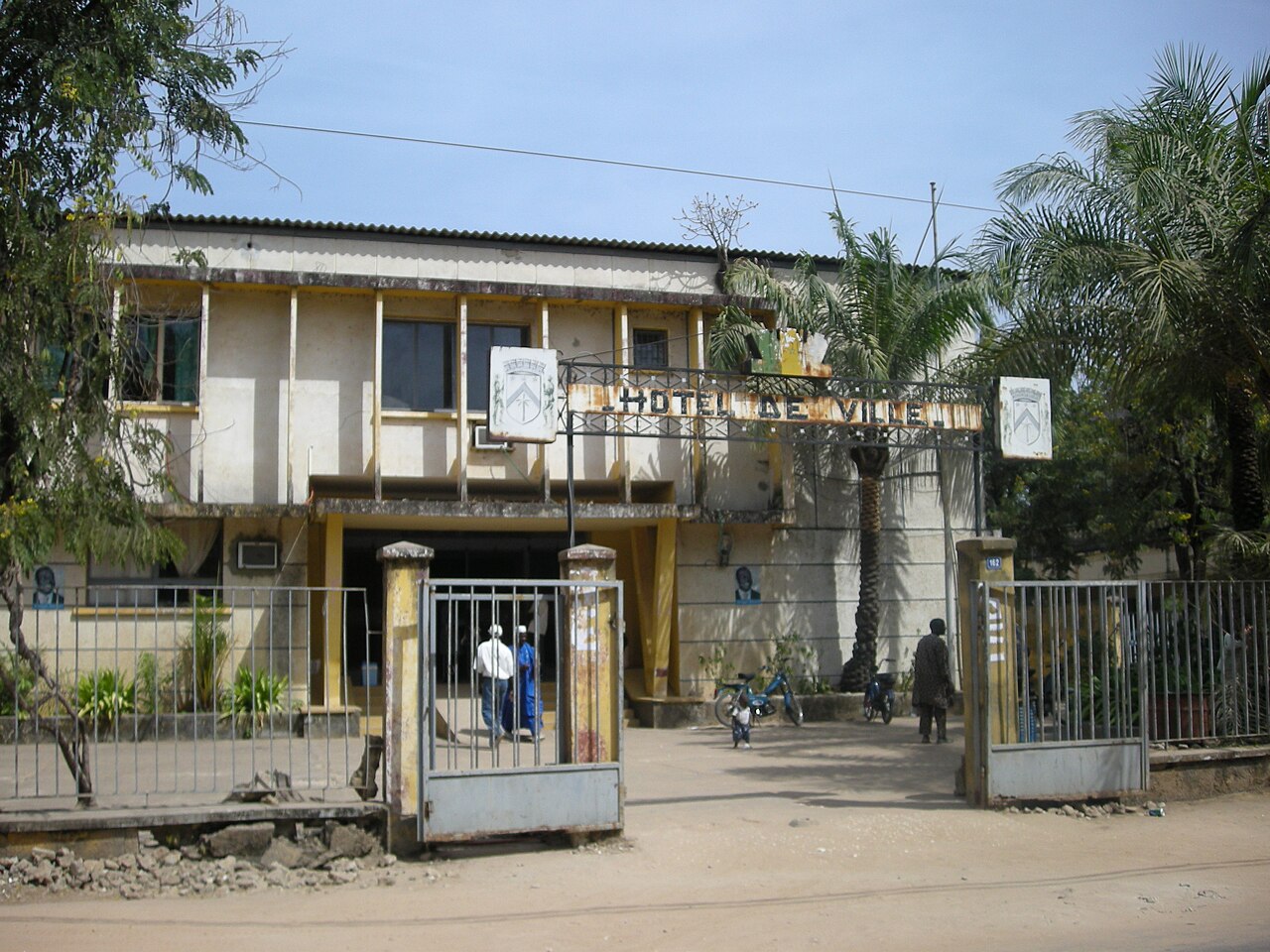
Today the Jola number some hundreds of thousands and remain concentrated in the Casamance of southern Senegal, with communities in the Gambia and Guinea-Bissau, and a substantial presence in Dakar and the diaspora. Rice farming continues as the basis of life in the Casamance, alongside the growing of other crops, palm tapping, fishing and, on the coast, tourism around Cap Skirring.
The long conflict over the Casamance has brought hardship to the region, but the Jola have held to their identity, their rice, their initiations and their traditional religion. Proud of their independence, their skill as rice farmers and their distinctive culture, the Jola carry their heritage into the modern life of Senegal and its neighbours, a people apart in the green corner south of the Gambia.
Related Peoples of the Region
- The Temne, the Rice Farmers of Northern Sierra Leone
- The Kru, the Seafarers of the West African Coast
- The Kpelle, the Rice Farmers of the Liberian Forest
- The Vai, the People Who Invented Their Own Writing
- The Senufo, the Master Carvers of the Savanna
- The Baoule, the Largest People of Cote d’Ivoire
- The Dagomba, the Kingdom of Dagbon in Northern Ghana
- The Zarma, the People of the Niger and the Songhai Heritage
More Peoples of the World
- A Fifth of Humanity, the Story of the Han Chinese
- How the Maori Sailed Across the Pacific to Reach New Zealand
- Zulu of the Green Hills and Their Kingdom Forged by Shaka
- The People Who Never Vanished, the Story of the Maya
- Long Before the Arabs Came, North Africa Belonged to the Amazigh
- The People Who Emerged Into This World, the Story of the Navajo
- Meet the Ainu, an Indigenous People at Japan’s Northern Edge
You May Like
The Damara, an Ancient People of Namibia