The Vai are a people of the coast of western Liberia and neighbouring Sierra Leone, a Mande community numbering some hundreds of thousands. Though not among the largest peoples of the region, they are among the most famous, for they are the inventors of the Vai syllabary, one of the very few indigenous writing systems ever created in Africa.Muslim farmers, fishers and traders of the Cape Mount coast, long connected both to the Mande interior and to the Atlantic world, the Vai gave themselves a script for their own language in the 1830s, a unique achievement in the cultural history of the continent. This article traces their origins, language and famous script, their homeland and the customs that continue to define them.
The Vai on Film
Contents
- Origins
- The Name
- The Language
- The Homeland
- The Old Way of Life
- Society and Community
- Religion and Belief
- Traditions
- Crafts
- Food
- Festivals
- History
- Today
Origins
The Vai are a people of the coast of western Liberia and neighbouring Sierra Leone, a Mande community numbering some hundreds of thousands. Though not among the largest peoples of the region, they are among the most famous, for they are the inventors of the Vai syllabary, one of the very few indigenous writing systems ever created in Africa.
Settled on the coast and the lagoons of Cape Mount and the borderlands, the Vai are farmers, fishers and traders, long connected both to the Mande world of the interior and to the Atlantic commerce of the coast, and long Muslim in faith. Their invention of a script for their own language, in the early nineteenth century, gave them a unique place in the cultural history of the continent.
The Name

The people call themselves the Vai, a name also written Vei or Gallinas in older sources, and their language by the same name. They are a Mande people, related to the Mandinka and the other Mande groups, though their coastal home and their long contact with the peoples of the shore give them a distinctive character.
Their identity is bound up above all with their famous script and with their long adherence to Islam. The name Vai denotes a people proud of their unique achievement in inventing a writing system for their language, and of their place as a Muslim, literate and enterprising community on the Liberian and Sierra Leonean coast.
The Language

The Vai speak Vai, a language of the Mande branch of the Niger-Congo family, related to the great Mande languages of the interior. But what makes the Vai language famous is that it is written in the Vai syllabary, a script of over two hundred characters, each representing a syllable, invented around the 1830s by Momolu Duwalu Bukele and others.
This script, one of the few indigenous writing systems of Africa, was used for correspondence, records and religious texts, and its invention and spread have been much studied as a rare case of the independent creation of writing. The Vai language, and its unique script, remain a central marker of the identity and the pride of the people.
The Homeland

The Vai homeland is the coast of western Liberia around Grand Cape Mount, and the neighbouring Gallinas region of southern Sierra Leone, a land of Atlantic shore, lagoons, rivers, mangrove and the rainforest behind. The coast, with its fishing and its trade, and the forest, with its farmland, together shaped the life of the people.
This coastal and riverine country, at the meeting of the Mande interior and the Atlantic world, made the Vai intermediaries in trade and gave them their outward-looking, enterprising character. Centred on Cape Mount and the town of Robertsport, the Vai homeland is a land of water and forest that shaped a people of farmers, fishers, traders and scholars.
The Old Way of Life
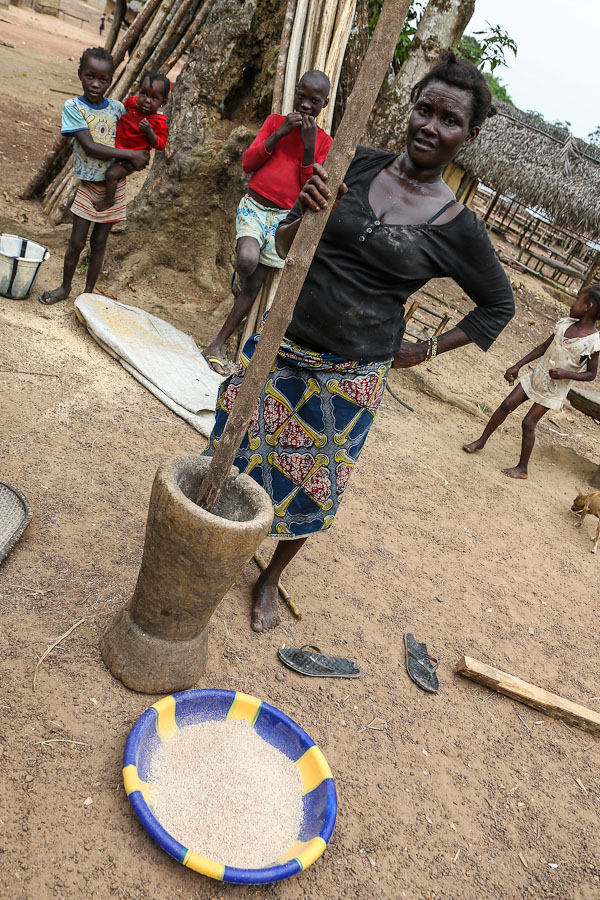
The Vai are farmers, fishers and traders. They cultivate rice, the staple of the region, together with cassava, oil palm and other crops of the coast and forest, and they fish the sea, the lagoons and the rivers. The coastal position of the Vai made trade especially important, and they were long active as merchants and middlemen.
In the era of the Atlantic trade the Vai coast, the Gallinas, was notorious as a centre of the slave trade, and later of legitimate commerce in palm produce and other goods. Farming, fishing and trade together sustained the Vai economy, and their literacy and their Islam gave them advantages as scholars, scribes and merchants in the commerce of the coast.
Society and Community
Vai society was organised into chiefdoms and towns along the coast, governed by chiefs, elders and title-holders, and ordered by lineage and by the secret societies, the Poro for men and the Sande for women, which the Vai shared with their neighbours. Islam and its learning added a further dimension of authority and organisation.
The literacy of the Vai, unusual in the region, gave a special place to those who could read and write the script or Arabic, and scribes and scholars were respected. Below the chiefdoms, towns and lineages ordered daily life, and the secret societies and Islam together bound the community. Marriage, kinship and the customs of the town governed the life of the Vai.
Religion and Belief
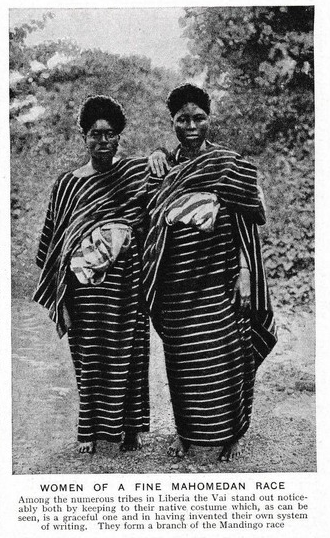
The Vai are, for the most part, Muslims, Islam having spread among them over the past centuries through contact with the Mande world and the trade of the coast, and the faith is central to their identity and daily life. Mosques, Quranic learning and the observance of Islamic law and festivals order the religious round, and Arabic literacy accompanied and perhaps inspired the invention of the Vai script.
Alongside Islam, the secret societies, the Poro and Sande, with their masked spirits and their initiations, retained their power, as among the neighbouring peoples, and older beliefs and customs survived beneath the practice of Islam. A minority of Vai are Christian. But Islam, and the learning that came with it, remains the defining religious tradition of the Vai.
Traditions
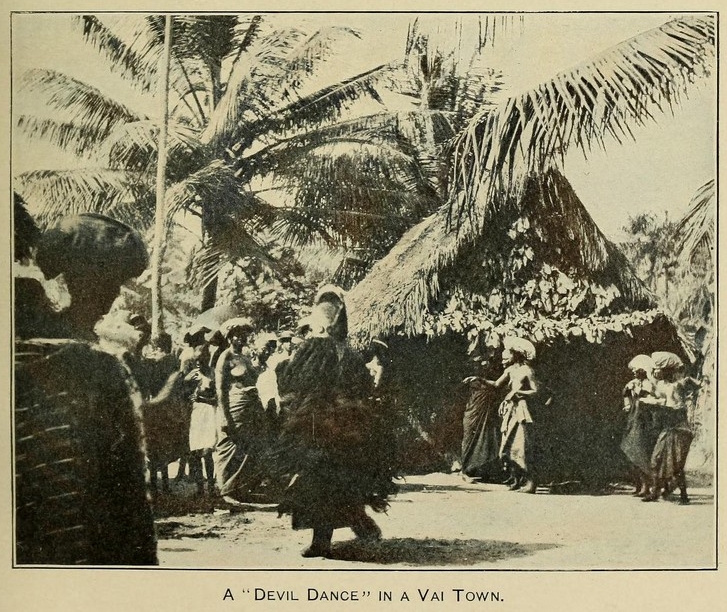
The great tradition of the Vai is their script and the literacy it made possible, a unique cultural achievement that set them apart in the region. The writing and preserving of records, letters and texts in the Vai syllabary, and the Islamic scholarship in Arabic, gave the Vai a tradition of learning rare among their neighbours.
Alongside this, the Vai shared the traditions of the coastal peoples: the initiations and masked dances of the Poro and Sande societies, the ceremonies of the life cycle, and the customs of Islam. Music, drumming and dance accompanied celebration, and the oral and written traditions together preserved the history, genealogy and values of a literate and enterprising people.
Crafts

Vai craftsmanship served a farming, fishing and trading society. Households made pottery, wove and dyed cloth, and fashioned the tools of farming and fishing, the canoes, nets and traps of the coast, and the wooden and household goods of daily life. The carving of the masks of the secret societies was practised, as among their neighbours.
But the most distinctive Vai contribution to material culture is the written word: the manuscripts, letters and records in the Vai script, and the copying of Arabic texts, produced by a literate community. The making of books and documents, alongside the crafts of farming and the coast, reflects the unique character of the Vai as a people of the pen as well as the hoe and the net.
Food

The staple food of the Vai is rice, grown on the uplands and in the swamps and eaten at the heart of nearly every meal, accompanied by rich sauces and stews. Cassava-leaf and potato-leaf sauces, palm-butter soups and stews of fish, meat and forest ingredients are characteristic of the Liberian and Sierra Leonean coast.
Cassava, plantains and the produce of the oil palm and the forest add to the diet, and fish from the sea, lagoons and rivers provides much of the protein. The centrality of rice, and the rich sauces of the coast, give Vai cooking its character, shared with the wider cuisine of the region, and shaped by the requirements of Islam.
Festivals
Festive life among the Vai is shaped by Islam, the secret societies and the milestones of the life cycle. The great Muslim festivals are celebrated with prayer, feasting and gathering, and the initiations and ceremonies of the Poro and Sande societies bring communities together for masked dance, music and celebration.
Weddings, namings and the ceremonies of the chiefdoms are also occasions for music, drumming and feasting, and the coming together of the coastal towns renews the bonds of the community. Today the Muslim festivals and the celebrations of the secret societies together form the great occasions of Vai life, joined by cultural events that celebrate the heritage, and the famous script, of the people.
History

The Vai settled their coast over past centuries, coming from the Mande interior, and by the era of the Atlantic trade their shore, the Gallinas, had become a busy and notorious centre of commerce, including the slave trade, over which Vai chiefs presided. In the 1830s the invention of the Vai script gave the people their unique place in cultural history.
In the nineteenth century the Vai coast was divided between the expanding state of Liberia, founded by freed slaves from America, and the British colony of Sierra Leone, and the suppression of the slave trade and the coming of colonial rule transformed the region. Through the colonial and modern periods the Vai preserved their script, their Islam and their identity, and their homeland became part of independent Liberia and Sierra Leone.
Today

Today the Vai number some hundreds of thousands, living along the coast of western Liberia around Cape Mount and Robertsport and in neighbouring Sierra Leone, as well as in Monrovia and the diaspora. Farming, fishing and trade continue as the basis of life, and Islam and the secret societies remain central to their culture.
The Vai script, though less used than in the past, remains a celebrated symbol of the people and of African achievement, and efforts continue to preserve and promote it. Proud of their unique invention of writing, their Islam and their enterprising history, the Vai carry a distinctive and remarkable heritage into the modern life of the Liberian and Sierra Leonean coast.
Related Peoples of the Region
- The Tiv, the Yam Farmers of the Benue Valley
- The Ijaw, the Water People of the Niger Delta
- The Edo, the People of Benin and the Bronze Casters
- The Nupe, the Craftsmen of the Niger Valley
- The Mende, the Rice Farmers and Mask Dancers of Sierra Leone
- The Temne, the Rice Farmers of Northern Sierra Leone
- The Kru, the Seafarers of the West African Coast
- The Kpelle, the Rice Farmers of the Liberian Forest
More Peoples of the World
- A Fifth of Humanity, the Story of the Han Chinese
- How the Maori Sailed Across the Pacific to Reach New Zealand
- Zulu of the Green Hills and Their Kingdom Forged by Shaka
- The People Who Never Vanished, the Story of the Maya
- Long Before the Arabs Came, North Africa Belonged to the Amazigh
- The People Who Emerged Into This World, the Story of the Navajo
- Meet the Ainu, an Indigenous People at Japan’s Northern Edge
You May Like
The Damara, an Ancient People of Namibia