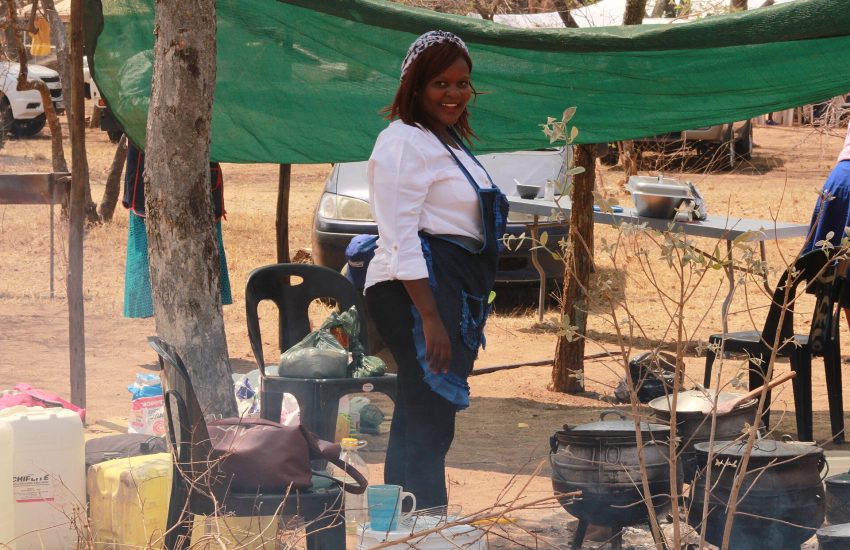
The Tiv are one of the larger peoples of central Nigeria, numbering some five million or more, concentrated in the valley of the Benue river in Benue State and the surrounding middle belt. A Bantoid people, they are famous as vigorous yam farmers and for their strong sense of a single common descent from a founding ancestor.Traditionally a chiefless, egalitarian society ordered entirely by lineage and genealogy, the Tiv are celebrated for their music and dance, above all the swange, and for their striking black-and-white anger cloth. This article traces their origins, language, homeland, farming life and the customs that continue to define them.
The Tiv on Film
Contents
- Origins
- The Name
- The Language
- The Homeland
- The Old Way of Life
- Society and Community
- Religion and Belief
- Traditions
- Crafts
- Food
- Festivals
- History
- Today
Origins

The Tiv are one of the larger peoples of central Nigeria, numbering some five million or more, concentrated in the valley of the Benue river in Benue State and the surrounding areas of the middle belt. A Bantoid people speaking a language of the Benue-Congo group, they are famous as vigorous farmers and as one of the most distinctive peoples of the region between the Muslim north and the largely Christian south of Nigeria.
The Tiv trace their origin to a common ancestor, Tiv, from whom the whole people are held to descend, and their strong sense of a single genealogical unity is one of their most remarkable features. Settling the fertile Benue valley over past centuries, they spread and multiplied to become a numerous and cohesive people, proud of their farming, their egalitarian traditions and their common descent.
The Name

The people call themselves the Tiv, and their language by the same name, and they trace their descent from an ancestor of that name. In older writings they were sometimes called the Munshi, a name given by outsiders and not used by the people themselves.
The Tiv conceive of themselves as one great family descended from Tiv through his sons, and this genealogical model orders their sense of identity and their relations with one another. The name Tiv thus denotes both the people and their founding ancestor, and expresses the powerful idea of common descent that binds the whole nation together.
The Language

The Tiv speak Tiv, a language of the Southern Bantoid group within the Benue-Congo branch of the Niger-Congo family, distantly related to the Bantu languages of central and southern Africa. It is spoken by the whole people and remains vigorous in daily life, in the churches and in local media.
Rich in the genealogies, songs and oral traditions through which the Tiv express their unity and their history, the language is a central marker of identity. English and, to some extent, Hausa are used for wider communication in Nigeria, but Tiv remains the strong everyday language of the people in their Benue homeland.
The Homeland
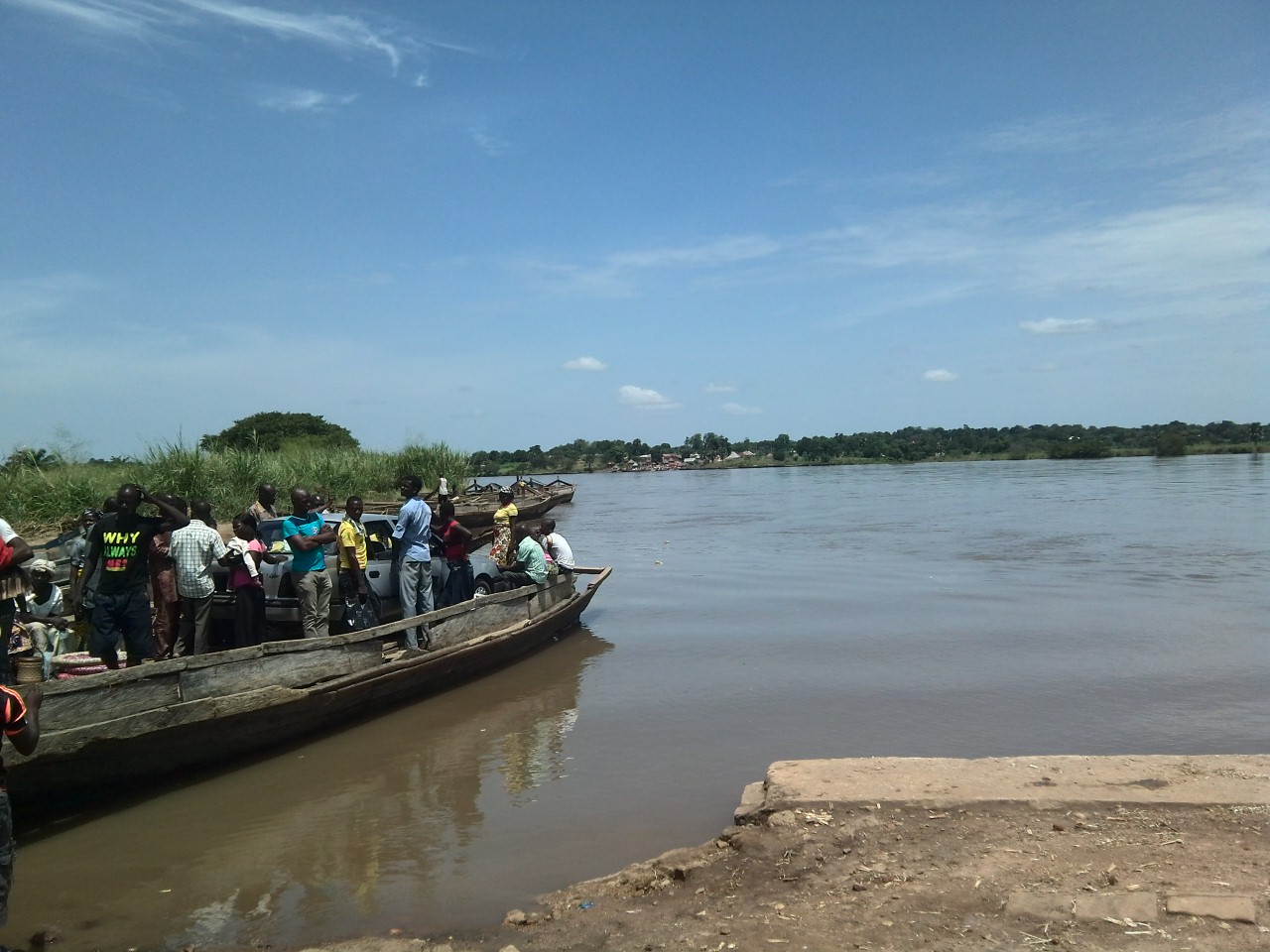
The Tiv homeland is the valley of the Benue river in central Nigeria, a fertile region of savanna, wooded grassland and riverine land in the country’s middle belt. The Benue, the great tributary of the Niger, waters the land and gives the region its character, and the town of Makurdi on its banks is the capital of the Tiv country.
The fertile soils and adequate rainfall of the Benue valley made it excellent farming country, and the Tiv spread across it as cultivators, clearing the bush and planting their crops. This well-watered land, at the meeting point of the Nigerian north and south, shaped the farming life of the Tiv and their position as a major people of the middle belt.
The Old Way of Life
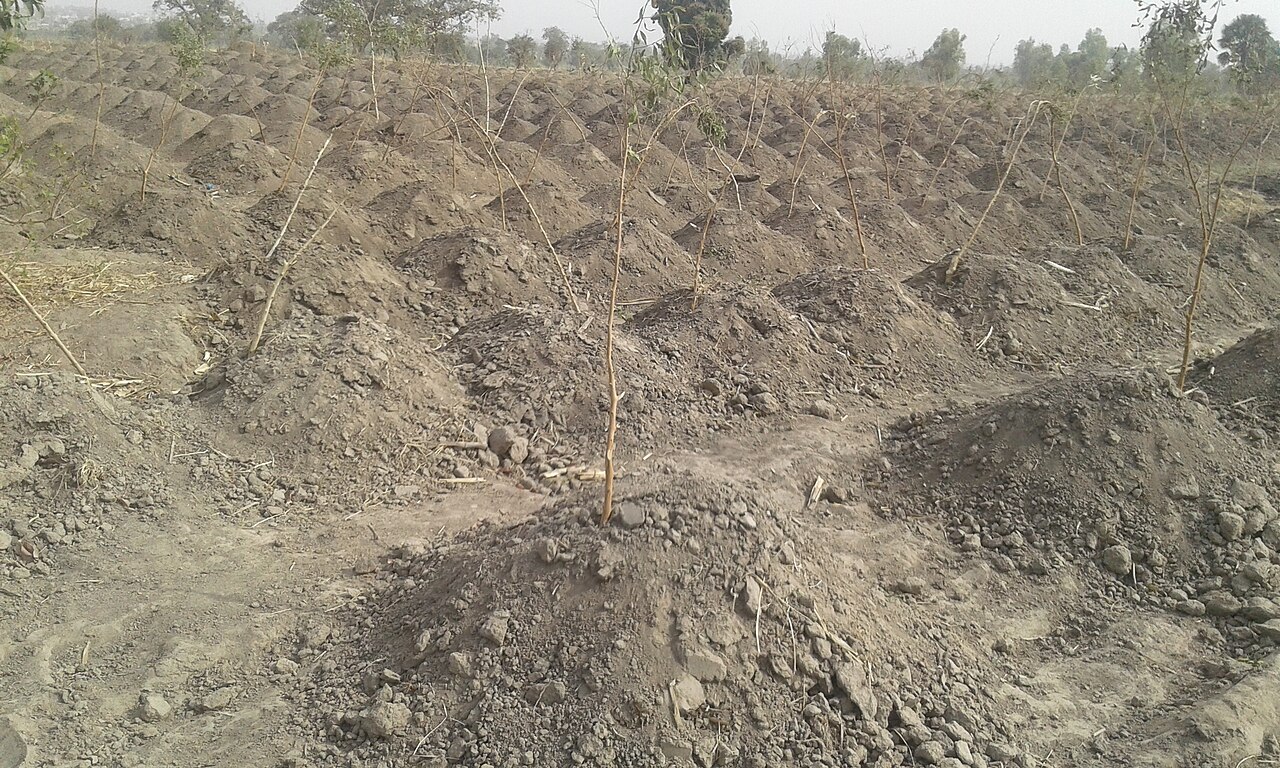
The Tiv are above all farmers, and are famous throughout Nigeria as growers of yams, along with other crops such as millet, sorghum, cassava, sweet potatoes and, since the colonial period, cash crops. Yam cultivation, demanding and prestigious, is central to their agriculture and their culture, and the Tiv are among the foremost yam producers of the country.
Traditionally the Tiv practised shifting cultivation, clearing new land as the soil tired, which suited their expanding population and their spread across the Benue valley. Livestock is kept in smaller numbers, and trade and, in modern times, wage labour supplement the farming. But it is as industrious cultivators of the fertile middle belt that the Tiv have always been known.
Society and Community

Tiv society is famous for its strongly egalitarian character and its lack of chiefs or centralised authority, at least before the colonial period. Society was organised entirely around the principle of descent, with every Tiv able to place himself in a vast genealogy reaching back to the ancestor Tiv, and this segmentary lineage system ordered relations between groups.
Disputes were settled by discussion and by the moots of the elders rather than by the command of chiefs, and the Tiv prized their freedom and equality. The extended family and the compound were the units of daily life, and marriage, traditionally by the exchange of women between lineages and later by bridewealth, linked the groups. This lineage-based, chiefless order made the Tiv a classic example, much studied by anthropologists, of a segmentary society.
Religion and Belief

Traditional Tiv religion centred on a concept of a distant creator and, more immediately, on a complex system of forces and influences, the akombo, associated with sickness, fertility and the moral order, which had to be kept in balance through ritual. The manipulation of these forces, and beliefs about the powers of certain elders, ordered the religious world of the Tiv.
Ritual specialists dealt with the akombo and with misfortune, and the wellbeing of people, land and crops was held to depend on maintaining the right order. From the colonial period Christianity spread widely among the Tiv, and today most are Christian, though older ideas about the akombo, the ancestors and the moral balance of the world persist within and alongside the Christian faith.
Traditions

The traditions of the Tiv are bound up with descent, farming and a vigorous artistic life. The genealogies and oral traditions through which the people express their unity are themselves a central tradition, and the ceremonies of the life cycle, from birth through marriage to death, order the round of life. Marriage and the relations between lineages were governed by elaborate custom.
The Tiv are famous for their music and dance, above all the lively swange dance and the drumming and song that accompany celebration, and for a rich tradition of visual art, including scarification, body decoration and the striking black-and-white striped cloth called anger. These traditions of music, dance, cloth and ceremony give Tiv culture its distinctive vigour and beauty.
Crafts

Tiv craftsmanship served a farming society and a lively artistic culture. The people are known for weaving, above all the distinctive striped cloth, the anger, with its bold black-and-white bands, which has become emblematic of Tiv identity. Blacksmiths forged the hoes, knives and the daggers and weapons of the people, and their work was much valued.
Households made pottery, baskets and the wooden vessels and stools of daily life, and the Tiv practised carving and the decoration of the body through scarification. The making of the drums and instruments of their famous music, and the weaving of the anger cloth, reflect a people with a strong and distinctive artistic tradition alongside their farming.
Food
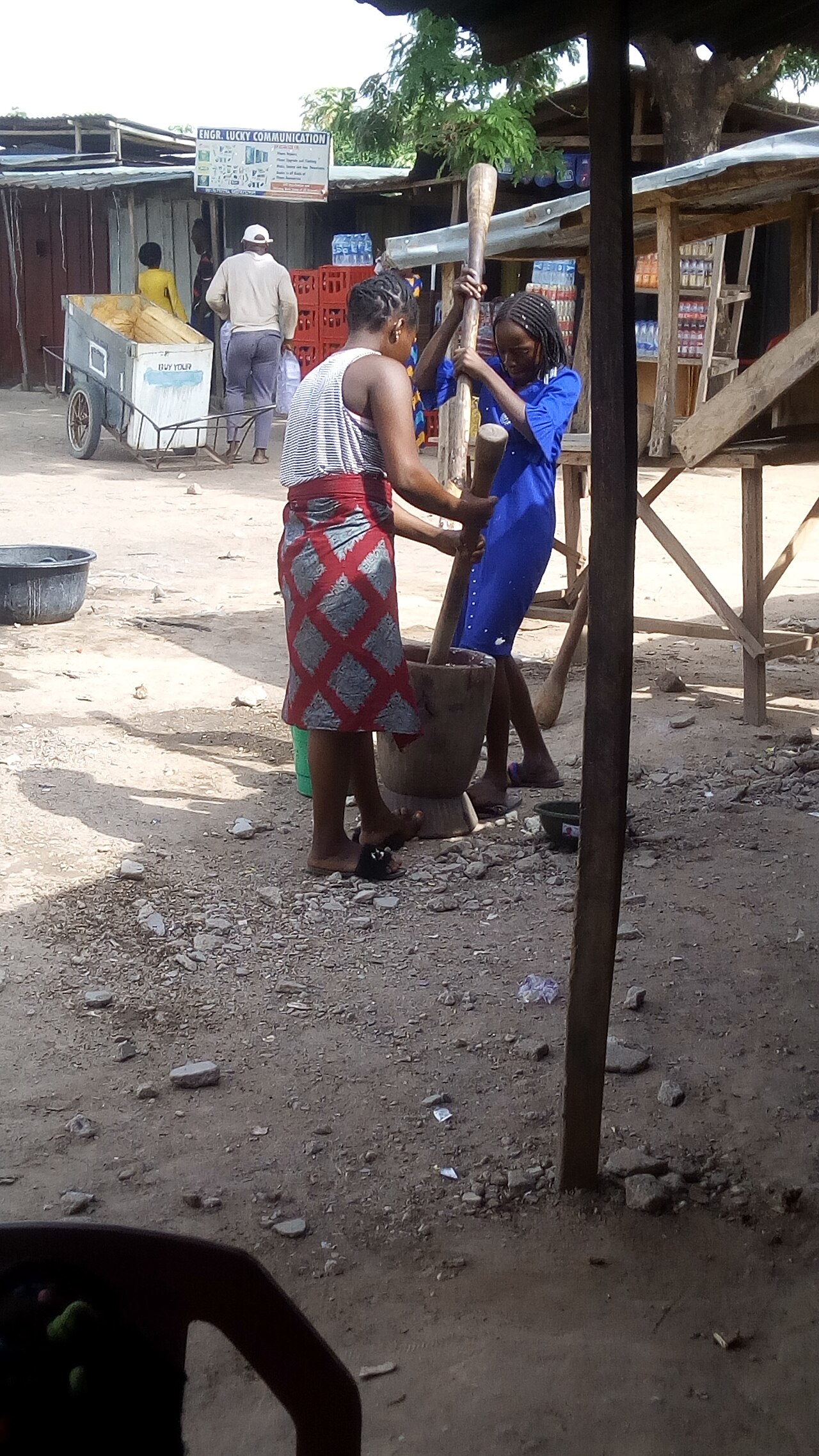
The staple food of the Tiv is the yam, the prestigious crop of their agriculture, boiled and pounded into the smooth, stretchy pounded yam that is eaten with rich soups of vegetables, meat, fish or the local ingredients of the middle belt. Other roots such as cassava and sweet potato, and grains such as millet and sorghum, add to the diet.
Soups and sauces, often thick and richly spiced, accompany the pounded yam and other staples, and meat, fish and a variety of vegetables and pulses fill out the food. Drawn above all from the yam for which the Tiv are famous, and enriched by the soups of Nigerian cooking, Tiv food reflects the farming abundance of the fertile Benue valley.
Festivals

Festive life among the Tiv is tied to the farming year, the milestones of the life cycle and, today, the festivals of Christianity. Harvests, above all of the prestigious yam, weddings and other family ceremonies, and communal gatherings bring people together for feasting, music and dance.
The Tiv are famous for their music and dance, and celebrations resound with drumming, song and the vigorous swange and other dances, performed in the striking anger cloth. Today Christian festivals and national holidays join the older celebrations, and cultural festivals showcase the music, dance and cloth of the people. Whatever the occasion, it is music and dance that give Tiv festivity its unmistakable energy.
History

The Tiv spread across the Benue valley over past centuries, expanding as a vigorous, chiefless farming people bound by common descent. Their lack of central authority and their fierce independence made them difficult for outsiders to control, and they resisted the British stubbornly in the early colonial period, so that the pacification of the Tiv country took many years and several campaigns.
Under colonial rule the British imposed chiefs and administration on the once chiefless Tiv, and the people were drawn into the economy and politics of Nigeria. The Tiv took eagerly to education and Christianity, and by independence they had become a major force in the middle belt and in national politics, prominent in the movements of the region and in the life of modern Nigeria.
Today

Today the Tiv number some five million or more and remain one of the major peoples of Nigeria, concentrated in Benue State and the surrounding middle belt, with the city of Makurdi as their principal centre. Farming, above all the growing of yams, remains the basis of life, and the Tiv are prominent in the agriculture, politics and public life of the region and the nation.
Proud of their common descent, their egalitarian traditions and their vigorous music, dance and anger cloth, the Tiv have preserved a strong identity in the diverse mosaic of Nigeria. Balancing the traditions of the Benue valley with participation in the modern nation, and prominent in the politics of the middle belt, the Tiv carry their distinctive heritage into contemporary Nigeria.
Related Peoples of the Region
- The Konso, the Terrace Builders of Southern Ethiopia
- The Shilluk, the Divine Kingdom of the White Nile
- The Nuba, the Wrestlers of the Sudanese Mountains
- The Fur, the People of Darfur and Their Sultanate
- The Zaghawa, the Desert Herders of Chad and Darfur
- The Serer, the Ancient Farmers of Senegal
- The Mandinka, the Heirs of the Mali Empire
- The Soninke, the Founders of Ancient Ghana
More Peoples of the World
- A Fifth of Humanity, the Story of the Han Chinese
- How the Maori Sailed Across the Pacific to Reach New Zealand
- Zulu of the Green Hills and Their Kingdom Forged by Shaka
- The People Who Never Vanished, the Story of the Maya
- Long Before the Arabs Came, North Africa Belonged to the Amazigh
- The People Who Emerged Into This World, the Story of the Navajo
- Meet the Ainu, an Indigenous People at Japan’s Northern Edge
You May Like
The Damara, an Ancient People of Namibia