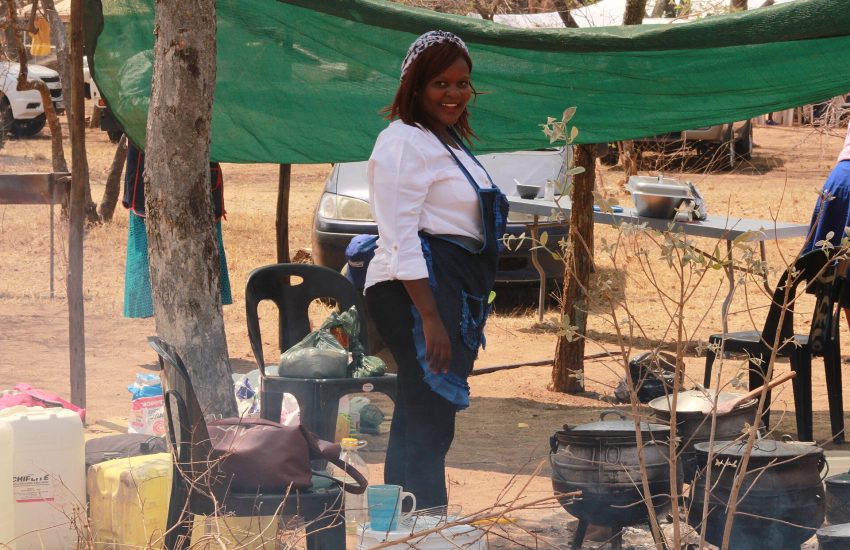
The Fur are the largest ethnic group of Darfur, the vast region of western Sudan whose very name, Dar Fur, means the land of the Fur. Numbering well over a million, they are settled Muslim farmers of the fertile highlands around the Marra mountains, and they gave their name and their ruling dynasty to one of the great Muslim states of the eastern Sahel.Founders of the powerful Sultanate of Darfur, which for centuries dominated the region and its trade, the Fur are proud of their history as state-builders, even as their homeland has in recent decades become synonymous with one of the great humanitarian tragedies of the age. This article traces their origins, language, homeland, farming life and the customs that continue to define them.
The Fur on Film
Contents
- Origins
- The Name
- The Language
- The Homeland
- The Old Way of Life
- Society and Community
- Religion and Belief
- Traditions
- Crafts
- Food
- Festivals
- History
- Today
Origins

The Fur are the largest ethnic group of Darfur, the vast region of western Sudan whose very name, Dar Fur, means the land or home of the Fur. Numbering well over a million, they are settled farmers of the fertile highlands and plains around the Marra mountains, and they gave their name and their ruling dynasty to one of the great Muslim states of the eastern Sahel.
A Nilo-Saharan-speaking people long established in their western homeland, the Fur built the powerful Sultanate of Darfur, which for centuries dominated the region and its trade. Muslim, agricultural and proud of their history as state-builders, the Fur remain the core people of Darfur, though their homeland has in recent decades become synonymous with one of the great humanitarian tragedies of the age.
The Name

The people call themselves the Fur, and their language by the same name, and it is from them that the whole region of Darfur takes its name. As the founders of the sultanate that ruled the region, they gave their name to a land far larger than their own core territory.
The Fur are distinguished from the many Arab and other groups of Darfur by their language and their identity as the historic sedentary people and rulers of the region. The name Fur thus denotes both a specific people of the Marra highlands and, through the name Darfur, the whole of the western Sudanese region they once dominated.
The Language

The Fur speak the Fur language, a Nilo-Saharan tongue that forms a small, distinct branch of that family, quite different from the Arabic spoken by many of their neighbours. It is the everyday language of the Fur people in their homeland around the Marra mountains.
Arabic, the language of religion, trade and the Sudanese state, is widely known among the Fur, many of whom are bilingual, but the Fur language remains a central marker of their distinct identity. It carries the oral traditions and the historical memory of a people who built one of the notable states of the region.
The Homeland
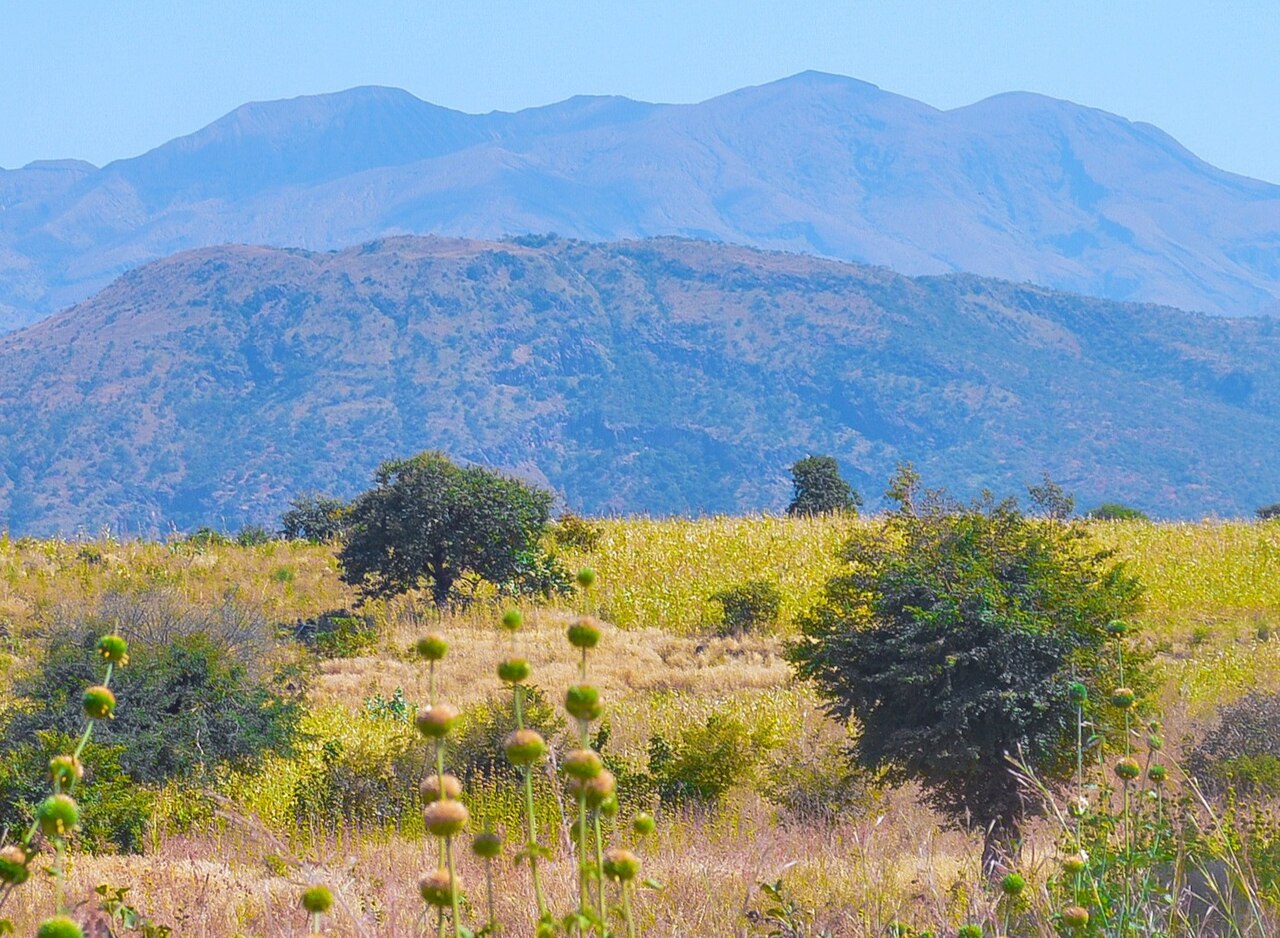
The Fur homeland is centred on the Marra mountains, a high volcanic massif rising in the heart of Darfur, whose greater rainfall, springs and fertile soils make it an island of cultivation and relative abundance in a semi-arid land. From these highlands the Fur spread onto the surrounding plains, farming wherever water and soil allowed.
Darfur as a whole is a vast region of savanna, semi-desert and scattered hills, home to many peoples, but the Marra highlands are the fertile core of the Fur country. This landscape of mountain and plain shaped the settled farming life of the Fur and gave their sultanate its agricultural base and its strategic heart.
The Old Way of Life

The Fur are settled farmers, cultivating millet, sorghum and other grains, together with vegetables, fruit and, on the well-watered slopes of the Marra mountains, orchards and gardens. The greater rainfall of the highlands allowed a more intensive and secure agriculture than in the surrounding drylands, and the Fur became known as industrious cultivators.
Cattle and other livestock are also kept, and the relationship between the settled Fur farmers and the nomadic herding peoples of Darfur, sharing land and water, has been a central and often difficult feature of the region’s life. Farming, and the control of the fertile highlands, formed the economic foundation of Fur society and its historic state.
Society and Community

The Fur are famous as the founders of the Sultanate of Darfur, a powerful Muslim state that from around the seventeenth century ruled the region for some two hundred years. The sultan, drawn from the Fur ruling dynasty, governed through a court, provincial chiefs and an administration, and controlled the trade in slaves, ivory and other goods along the routes to Egypt and the Nile.
Below the level of the state, Fur society rested on clans, lineages and village communities of farmers, ordered by custom and by the authority of chiefs and elders. The sultanate gave the Fur a strong tradition of statecraft and Islamic governance, and even after its fall the memory and prestige of the Darfur sultanate remained central to Fur identity.
Religion and Belief
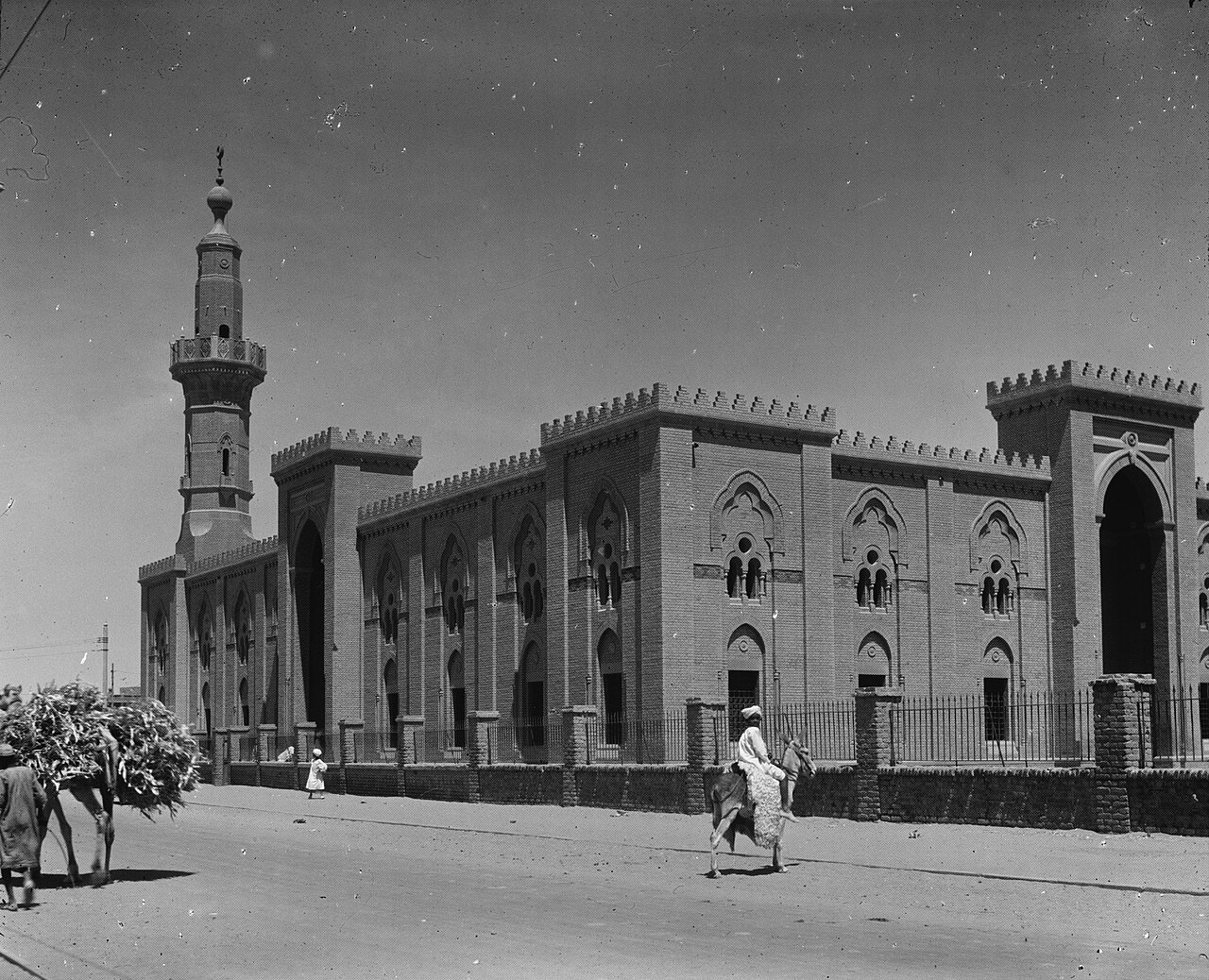
The Fur are Muslims, having adopted Islam centuries ago, and the faith is central to their identity and to the history of their sultanate, which was one of the Islamic states of the eastern Sahel. Mosques, Quranic schools and the observance of Islamic law and festivals mark the religious life of the people.
As among many long-Islamised African peoples, older customs and beliefs, and the veneration of holy men and Sufi traditions, colour the practice of Islam among the Fur. The sultanate patronised Islamic learning and built the faith into the structure of the state, and Islam remains a defining element of Fur culture and of their place in the wider Muslim world of the Sahel.
Traditions
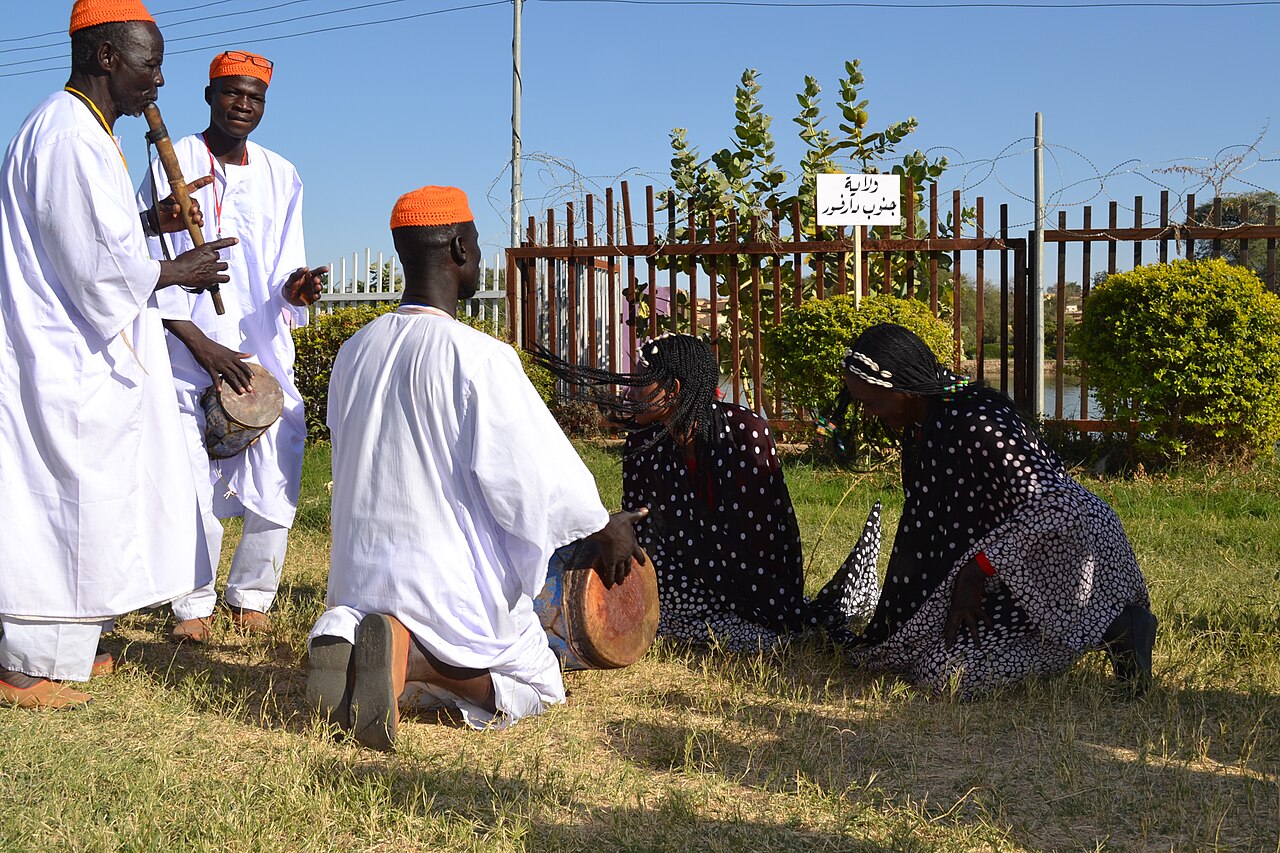
The traditions of the Fur are those of a settled Muslim farming people with a proud history of statecraft. The ceremonies of Islam, the rituals of the agricultural year and the milestones of the life cycle order the traditional round, and marriage, hospitality and the customs of the village govern social life.
Music, drumming and dance accompany weddings, harvests and celebrations, and the Fur share in the rich musical and festive culture of the Sahel. Oral traditions preserve the history of the sultanate, the deeds of the sultans and the values of the people, and the memory of the great state of Darfur remains a source of pride and identity.
Crafts

Fur craftsmanship served a settled farming society and, historically, the court of the sultanate. Households made pottery, wove baskets and mats, and worked leather, gourd and wood for daily use, while ironworkers forged the hoes, knives and weapons needed for farming, war and the hunt.
Weaving, dyeing and the making of clothing and ornament served both everyday needs and the display of status, and the court of the sultanate patronised finer crafts and imported goods brought by the caravan trade. The markets of Darfur, where the produce and crafts of the Fur and their neighbours were exchanged, were important centres of this material culture.
Food
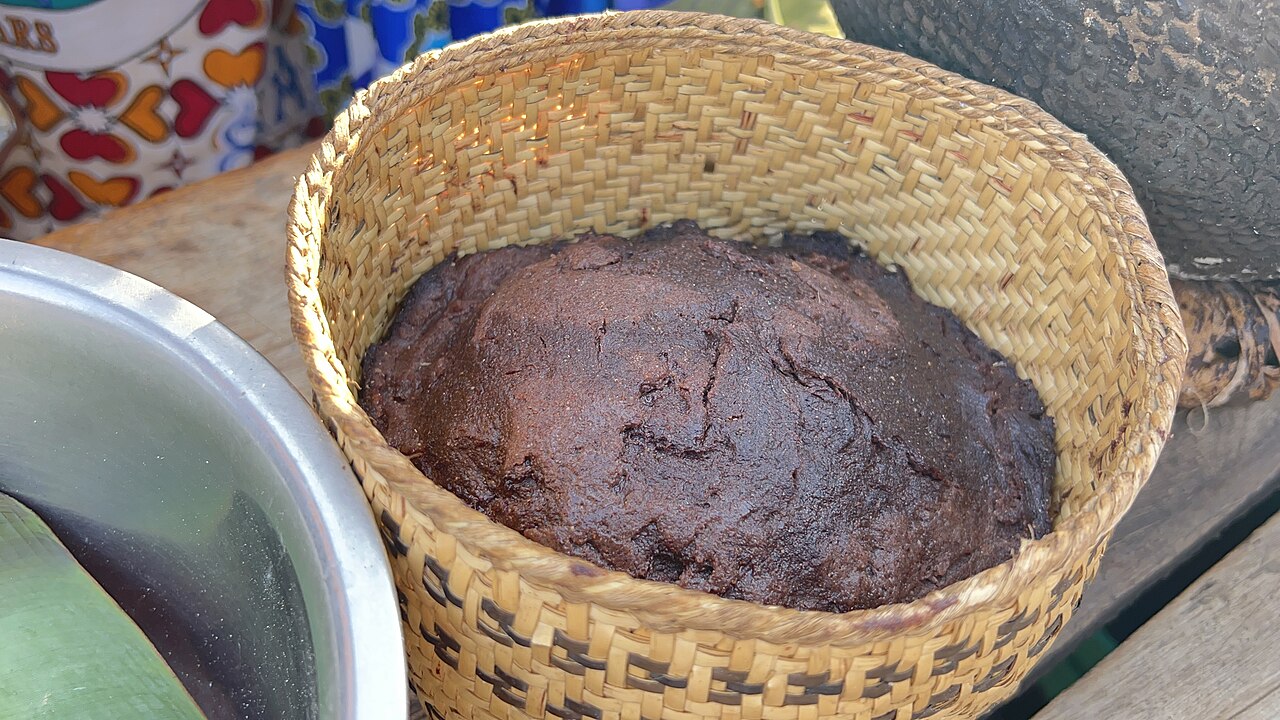
The staple food of the Fur is millet, grown across their homeland and ground and cooked into a stiff porridge, the asida, eaten with sauces and stews of vegetables, meat or dried okra. Sorghum, wheat in the highlands, and a variety of vegetables, fruits and pulses from the gardens and orchards fill out the diet.
Meat and milk from the herds add to the food, especially on occasions of ceremony and hospitality, and the well-watered slopes of the Marra mountains yield fruit and produce uncommon in the drylands. Drawn from the grains and gardens of their fertile highlands, Fur cooking reflects the settled agricultural life of the people.
Festivals
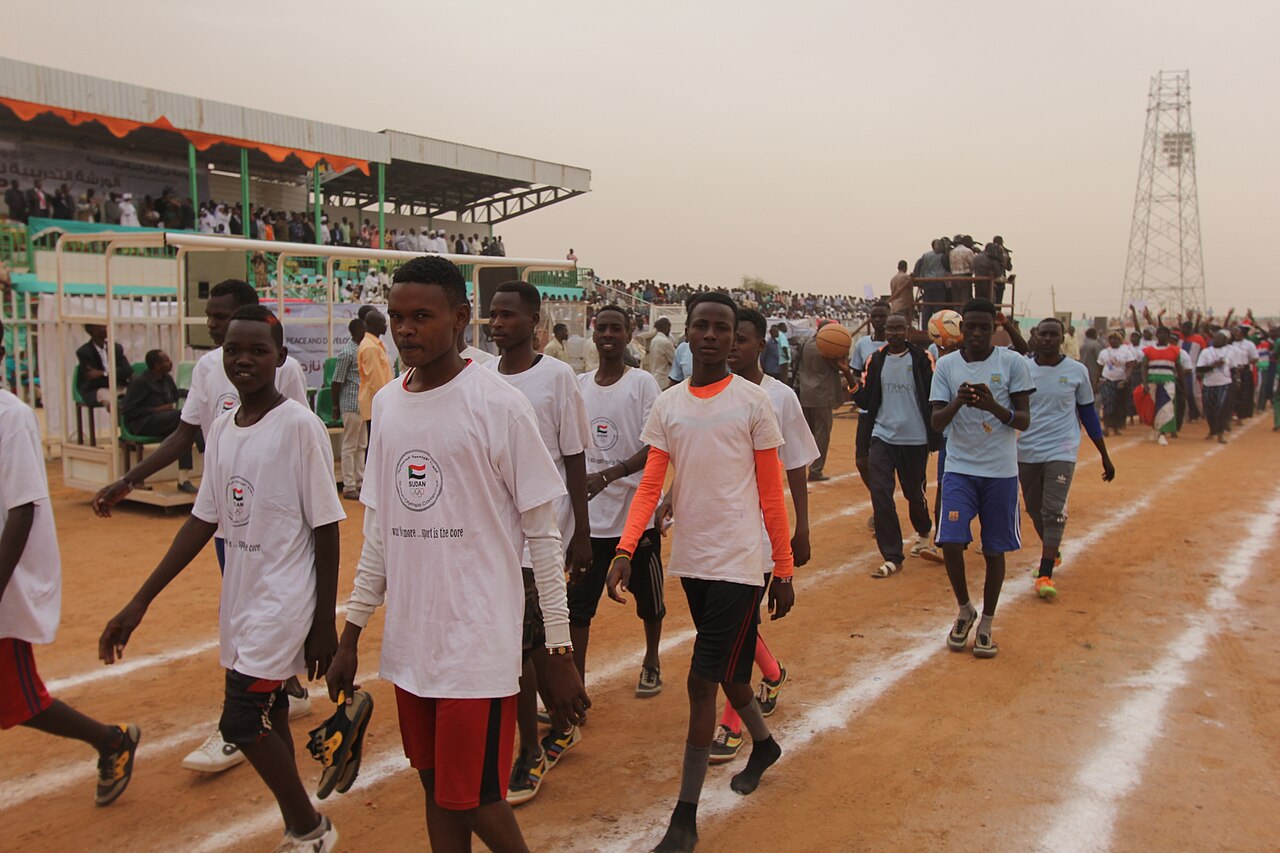
Festive life among the Fur is shaped by the Islamic calendar, the agricultural year and the milestones of the life cycle. The great Muslim festivals, weddings and the celebrations of harvest and of birth and circumcision bring communities together for feasting, music and dance.
Drumming, song and dance mark these gatherings, and the display of fine dress and the giving of hospitality express the bonds of family and community. In the past the ceremonies of the sultanate and its court added their own splendour to the festive life of the region. Today, amid conflict and displacement, the Fur have carried their festivals and traditions with them into camps and exile.
History
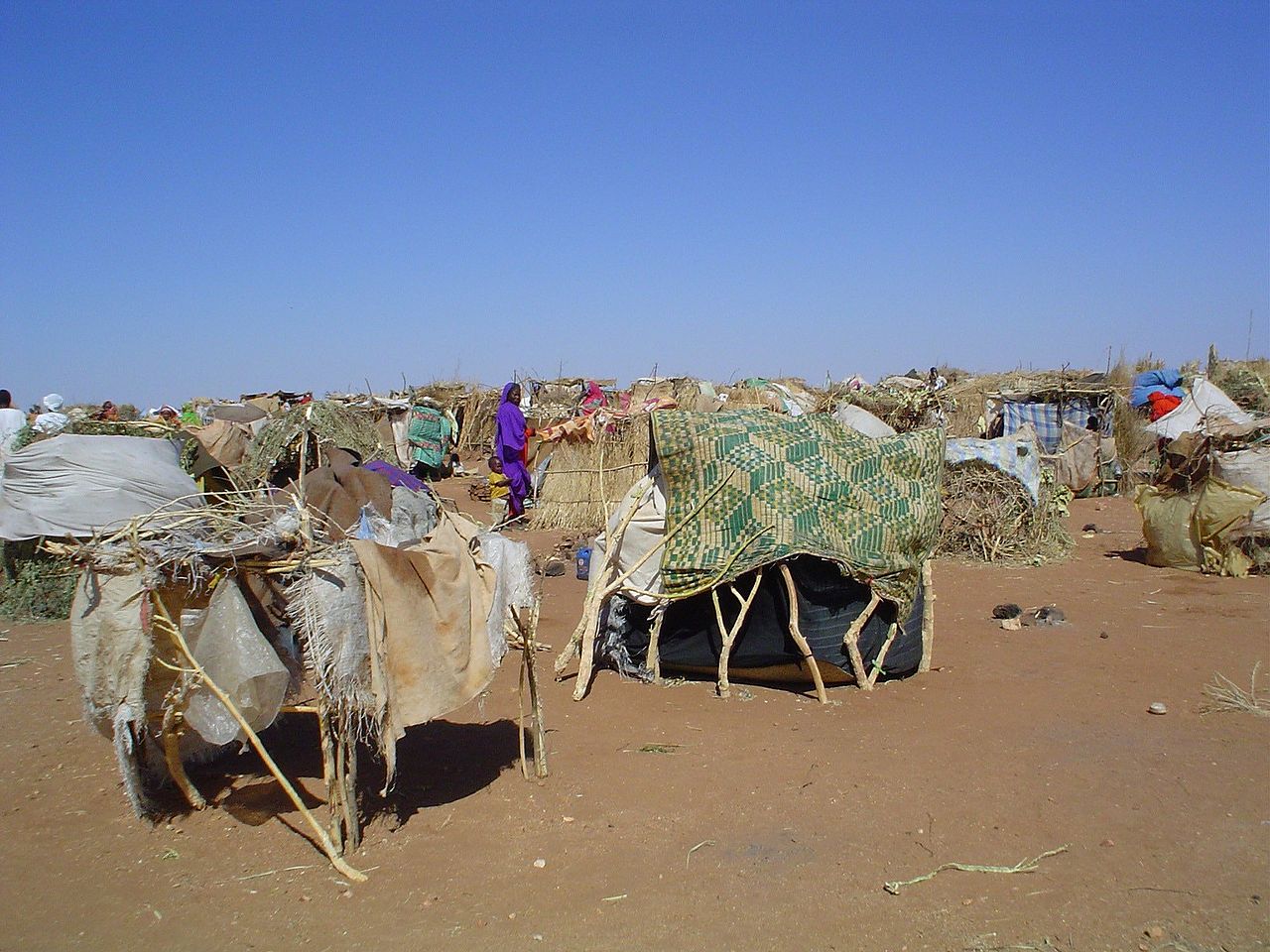
The Fur built the Sultanate of Darfur from around the seventeenth century, and for some two hundred years it was one of the powerful states of the eastern Sahel, controlling the trade routes to Egypt and patronising Islamic learning. In 1874 the sultanate fell to the forces of the Egyptian-backed trader al-Zubayr, and after a period of Mahdist rule Darfur was briefly independent again before being conquered and annexed to the Anglo-Egyptian Sudan in 1916.
Marginalised within the Sudanese state through the twentieth century, Darfur erupted into a devastating conflict from 2003, in which the Fur and other non-Arab peoples were the principal victims of a campaign of violence, displacement and mass killing widely described as genocide. This catastrophe, and the renewed war of recent years, have brought immense suffering to the Fur and their homeland.
Today

Today the Fur remain the largest people of Darfur, numbering well over a million, but their homeland has been devastated by two decades of war, and vast numbers have been killed or driven into camps for the displaced, into Chad and into the wider diaspora. Farming continues where security allows, but conflict has shattered much of the settled life of the region.
Amid this tragedy the Fur have held to their identity, their language, their faith and the proud memory of their sultanate, and they have been at the forefront of efforts to defend their people and seek justice. Enduring one of the gravest humanitarian crises of the age, the Fur carry the heritage of the land that bears their name through a time of terrible trial.
Related Peoples of the Region
- The Sidama, the Ensete Farmers of Southern Ethiopia
- The Gurage, the Enset Farmers and Traders of Ethiopia
- The Wolayta, the Kingdom Farmers of Southern Ethiopia
- The Hamar, the Bull-Jumpers of the Omo Valley
- The Mursi, the Lip-Plate People of the Omo Valley
- The Konso, the Terrace Builders of Southern Ethiopia
- The Shilluk, the Divine Kingdom of the White Nile
- The Nuba, the Wrestlers of the Sudanese Mountains
More Peoples of the World
- A Fifth of Humanity, the Story of the Han Chinese
- How the Maori Sailed Across the Pacific to Reach New Zealand
- Zulu of the Green Hills and Their Kingdom Forged by Shaka
- The People Who Never Vanished, the Story of the Maya
- Long Before the Arabs Came, North Africa Belonged to the Amazigh
- The People Who Emerged Into This World, the Story of the Navajo
- Meet the Ainu, an Indigenous People at Japan’s Northern Edge
You May Like
The Damara, an Ancient People of Namibia