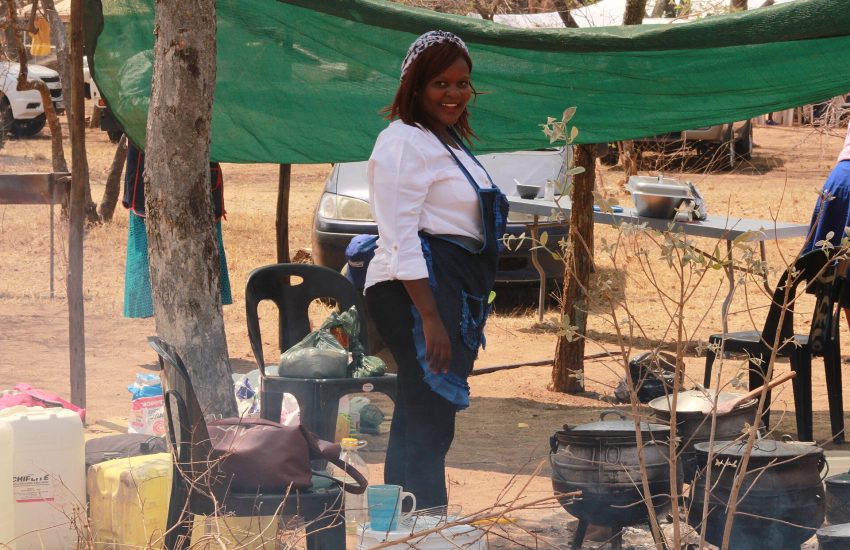
The Konso are a Cushitic-speaking people of the southern highlands of Ethiopia, living in a rugged, hilly country southwest of the Rift Valley lakes. Numbering several hundred thousand, they are renowned for one of the most remarkable agricultural landscapes in Africa: a country of stone-walled terraces and fortified hilltop towns recognised as a World Heritage site.Industrious farmers who transformed steep and stony slopes into productive terraced fields, the Konso built walled towns, governed themselves through an elaborate generation-grade system, and honoured their heroes with carved wooden statues known as waka. This article traces their origins, language, homeland, terracing agriculture and the customs that continue to define them.
The Konso on Film
Contents
- Origins
- The Name
- The Language
- The Homeland
- The Old Way of Life
- Society and Community
- Religion and Belief
- Traditions
- Crafts
- Food
- Festivals
- History
- Today
Origins

The Konso are a Cushitic-speaking people of the southern highlands of Ethiopia, living in a rugged, hilly country southwest of the Rift Valley lakes, in the Konso Zone. Numbering several hundred thousand, they are renowned for one of the most remarkable agricultural landscapes in Africa: a country of stone-walled terraces and fortified hilltop towns that has been recognised as a heritage of humanity.
Settled farmers who wrested a living from steep and stony slopes, the Konso built over many generations an intricate system of terracing, walled villages and carved wooden monuments to their heroes. Their industrious agriculture, their distinctive towns and their striking funerary sculpture make them one of the most remarkable peoples of southern Ethiopia.
The Name
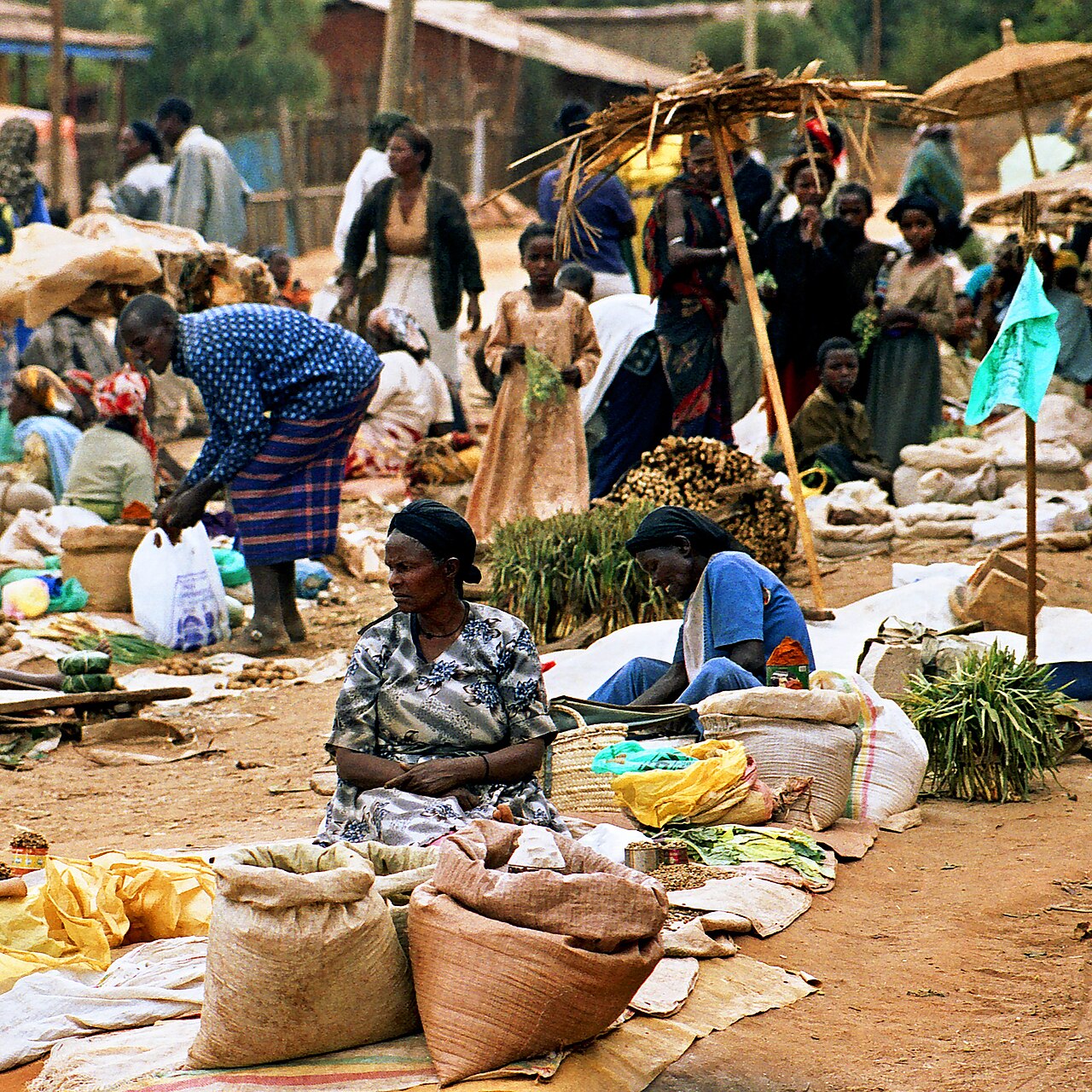
The people call themselves the Konso, and their language by the same name. They live in a compact and clearly bounded highland territory, and their strong sense of common identity is rooted in their distinctive way of life, their walled towns and their elaborate agricultural traditions.
The name Konso denotes both the people and their homeland, and it has become known internationally through the recognition of the Konso cultural landscape as a World Heritage site. For the people themselves it stands for a proud tradition of industrious farming, communal self-government and the honouring of their heroes in carved wood.
The Language

The Konso speak the Konso language, a Lowland East Cushitic tongue of the Afro-Asiatic family, related to Oromo and to other Cushitic languages of the Horn. It is spoken by the whole community in their highland home and remains strong in daily life.
The language is rich in the vocabulary of terracing, farming and the elaborate generation-grade system of the people, and it carries a large body of oral tradition. Amharic serves as the national language, but Konso remains the everyday tongue and a central marker of the identity of a people proud of their distinctive culture.
The Homeland
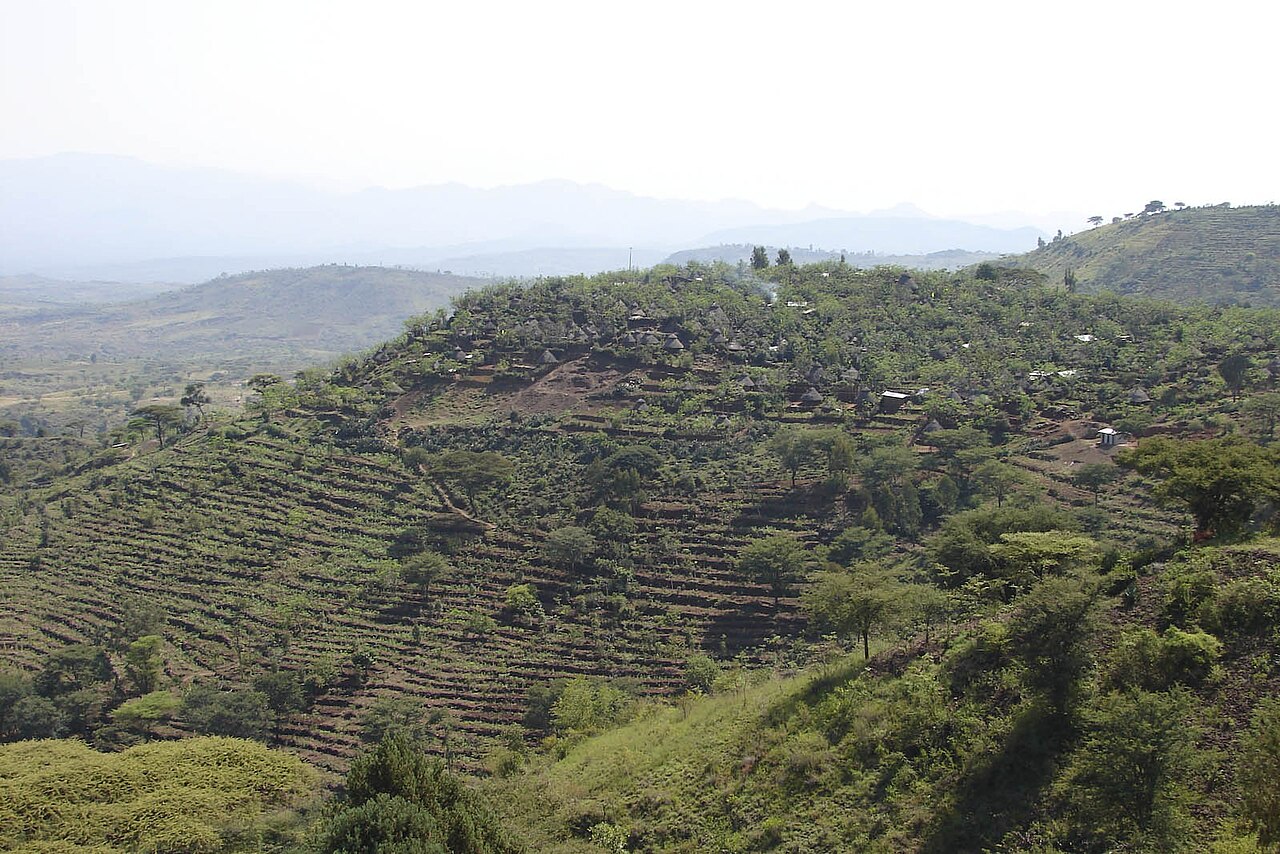
The Konso homeland is a rugged, dry highland country of steep hills and stony slopes in southern Ethiopia, a demanding environment that the people transformed through centuries of labour into a landscape of terraced fields. Rainfall is moderate and uncertain, and the terracing serves both to hold the soil and to conserve water on the slopes.
Across this country the Konso built their fortified towns on hilltops and ridges, surrounded by stone walls and encircled by the terraces they cultivated. The Konso cultural landscape, with its terraces, walled towns and carved monuments, is a testament to the ingenuity with which the people made a hard land yield an abundant living.
The Old Way of Life

The Konso are intensive farmers, and the foundation of their way of life is the elaborate system of stone-walled terraces with which they clothe the hillsides, holding the soil against erosion and making cultivation possible on steep slopes. On these terraces they grow sorghum, maize, beans, coffee and the enset, or false banana, and they practise careful management of manure, trees and fallow.
Cattle, goats and other livestock are kept, often stall-fed, providing milk, meat and manure to enrich the fields. The combination of skilled terracing, mixed cropping and the integration of livestock made Konso agriculture remarkably productive and sustainable, supporting a dense population in a difficult land and earning the admiration of observers.
Society and Community

Konso society is organised around the walled town, the compact fortified settlement in which the people live, and around clans, lineages and a complex system of generation-grades through which men pass, marking the stages of life and ordering ritual and authority. Each town is a self-governing community with its own councils, assemblies and ritual leaders.
Elders and the councils of the generation-grades govern by discussion and custom, and ritual figures hold responsibility for the ceremonies on which the wellbeing of the community depends. The walled towns, with their public squares, meeting places and generation-marking stones, are the heart of a strongly communal and self-governing social order.
Religion and Belief

Traditional Konso religion centred on a sky god, Waaq or Wakh, the creator and source of rain, life and blessing, approached through prayer, sacrifice and the mediation of ritual leaders. Alongside this high god lay a concern with the ancestors and with the fertility and protection of the land and the community.
The most striking expression of Konso religious and social life is the tradition of the waka, carved wooden statues erected to commemorate distinguished men, heroes and their families, grouped in memorial ensembles. Christianity has since spread among the Konso, and many are now Christian, but the old beliefs about Waaq, the ancestors and the honouring of heroes remain deeply woven into the culture.
Traditions
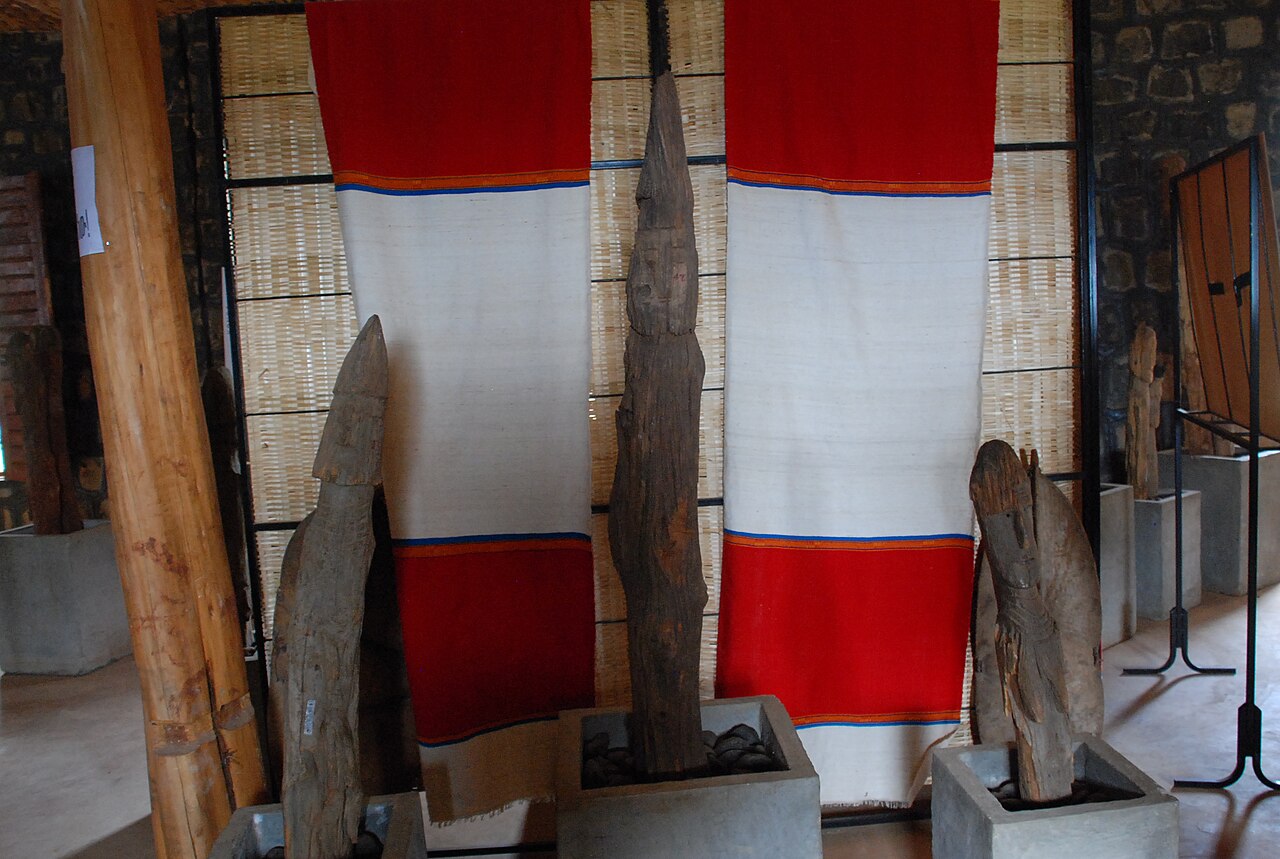
The most famous tradition of the Konso is the raising of the waka, groups of carved wooden anthropomorphic statues erected over the graves of heroes and important men, depicting the dead man together with his wives and his vanquished enemies. These striking monuments, unique to the Konso, commemorate bravery and achievement and stand as a distinctive art form of southern Ethiopia.
The generation-grade ceremonies, the raising of stones to mark the passing of the generations, and the rites of the life cycle are other important traditions. Music, dance and song accompany celebration, and the communal labour of terracing and town-building, and the customs of the walled towns, express a strongly cooperative and ceremonious society.
Crafts

Konso craftsmanship served an intensive farming society and a rich ceremonial life. The carving of the waka funerary statues was a specialised art, and the building of the stone terraces, walls and towns called for great skill in dry-stone construction. Weaving of cotton cloth was an important craft, the Konso being noted weavers.
Households made pottery, baskets and the wooden and gourd vessels of daily life, and ironworkers, often a distinct group, forged the tools on which terracing and cultivation depended. These crafts, from the monumental works of terracing and town-building to the carving of the waka and the weaving of cloth, reflect an industrious and artistically accomplished people.
Food
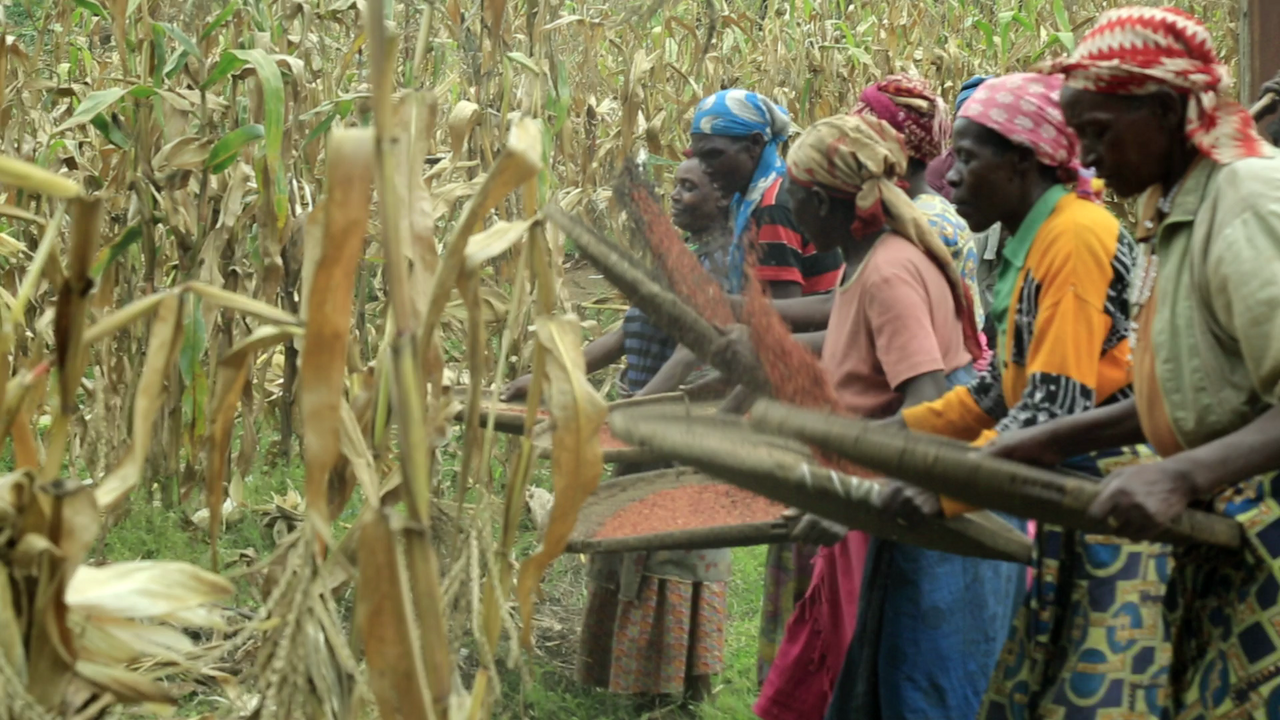
The staple foods of the Konso come from their terraced fields: sorghum above all, ground and cooked into porridge and bread and brewed into beer, together with maize, beans and the enset that provides a storable reserve. Coffee, grown on the terraces, is important both as a crop and in the culture of hospitality.
Milk and meat from the stall-fed livestock add to the diet, and the careful, intensive farming of the terraces yields a varied and reliable supply of food. Adapted to a dry and stony land made productive through labour, Konso cooking reflects the ingenuity and industry with which the people feed a dense population in a demanding country.
Festivals
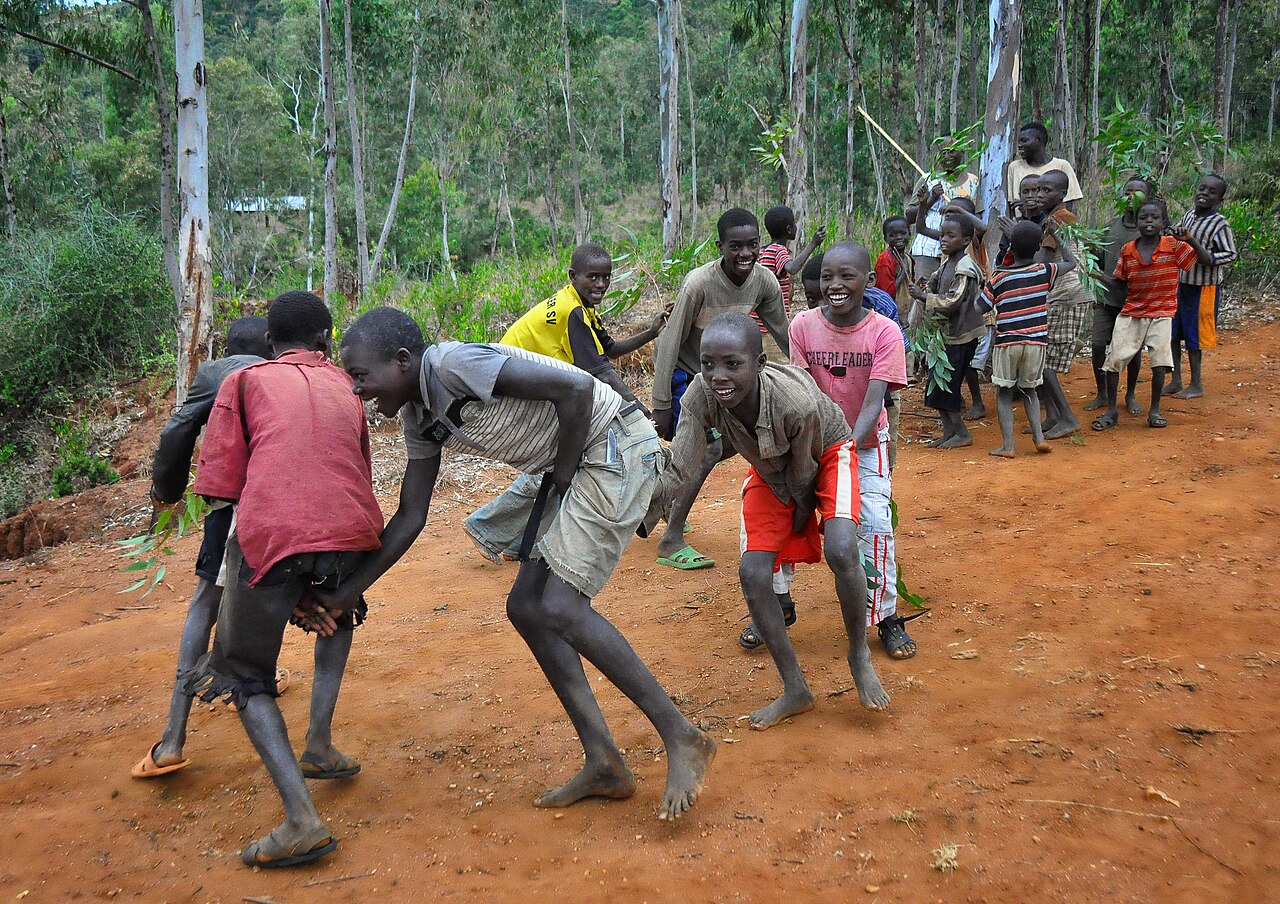
Festive life among the Konso is tied to the generation-grade system, the agricultural year and the milestones of the life cycle. The ceremonies marking the passage of the generations, the raising of stones and the erection of the waka statues for the dead are great communal occasions, gathering the walled towns for ritual, feasting and celebration.
Harvests, weddings and the rites of passage are marked with music, dance and feasting, and the communal life of the towns fosters strong traditions of cooperation and celebration. Today Christian festivals and national holidays join the older ceremonies, but the distinctive rituals of the generations and the honouring of heroes remain central to Konso festivity.
History
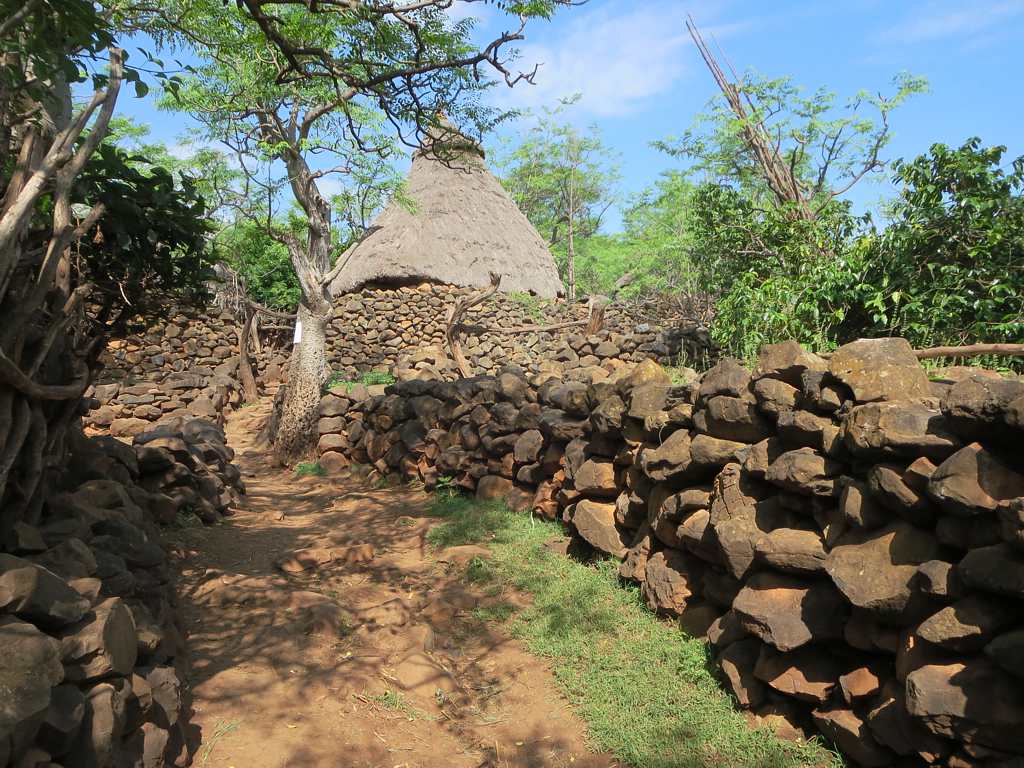
The Konso have inhabited their highlands for many centuries, developing over generations the terracing, walled towns and generation-grade institutions that make their culture so distinctive. Their self-governing towns flourished as a cluster of communities bound by common language and custom before the region was incorporated into the expanding Ethiopian empire in the late nineteenth century.
Under Ethiopian rule the Konso retained their traditional way of life, their terraces and their towns, and in the modern period their remarkable cultural landscape has been recognised and protected as a World Heritage site. Christianity has spread, and roads and administration have reached the region, but the Konso have preserved much of their distinctive heritage into the present day.
Today

Today the Konso number several hundred thousand and remain concentrated in their highland homeland, still farming the terraced slopes and living in the walled towns built by their ancestors. Sorghum, maize, coffee and enset sustain the rural economy, and the ancient system of terracing continues to hold the soil and feed the people.
The recognition of the Konso cultural landscape as a World Heritage site has brought pride and a measure of tourism, and the waka statues and walled towns draw visitors and scholars alike. Balancing the traditions of terracing, generation-grades and heroic memorial with the pressures and opportunities of modern Ethiopia, the Konso carry their remarkable heritage into the present age.
Related Peoples of the Region
- The Hutu, the Farmers of the Land of a Thousand Hills
- The Tutsi, the Cattle Aristocracy of the Great Lakes
- The Afar, the Salt Caravaneers of the Danakil
- The Sidama, the Ensete Farmers of Southern Ethiopia
- The Gurage, the Enset Farmers and Traders of Ethiopia
- The Wolayta, the Kingdom Farmers of Southern Ethiopia
- The Hamar, the Bull-Jumpers of the Omo Valley
- The Mursi, the Lip-Plate People of the Omo Valley
More Peoples of the World
- A Fifth of Humanity, the Story of the Han Chinese
- How the Maori Sailed Across the Pacific to Reach New Zealand
- Zulu of the Green Hills and Their Kingdom Forged by Shaka
- The People Who Never Vanished, the Story of the Maya
- Long Before the Arabs Came, North Africa Belonged to the Amazigh
- The People Who Emerged Into This World, the Story of the Navajo
- Meet the Ainu, an Indigenous People at Japan’s Northern Edge
You May Like
The Damara, an Ancient People of Namibia