The Afar, historically known to outsiders as the Danakil, are a Cushitic-speaking people of the arid lowlands of the Horn of Africa, spread across the Afar Region of Ethiopia and into Eritrea and Djibouti. Numbering some millions, they inhabit the vast desert triangle that includes the Danakil Depression, one of the lowest and hottest places on the surface of the earth.Nomadic herders of camels and goats and famous caravaneers of the ancient Danakil salt trade, the Afar built a proud and independent culture, organised in clans and once in sultanates, in an environment of extraordinary harshness. This article traces their origins, language, homeland, pastoral and trading life and the customs that continue to define them.
The Afar on Film
Contents
- Origins
- The Name
- The Language
- The Homeland
- The Old Way of Life
- Society and Community
- Religion and Belief
- Traditions
- Crafts
- Food
- Festivals
- History
- Today
Origins

The Afar, historically known to outsiders as the Danakil, are a Cushitic-speaking people of the arid lowlands of the Horn of Africa, spread across the Afar Region of Ethiopia and into Eritrea and Djibouti. Numbering some millions, they inhabit the vast, hot triangle of desert and semi-desert that includes the famous Danakil Depression, one of the lowest and hottest places on the surface of the earth.
An ancient people of the region, the Afar are herders and salt-traders who adapted to an environment of extraordinary harshness. Divided into numerous clans and once organised under sultanates, they developed a proud and independent culture and a formidable reputation, surviving where few others could in the searing lowlands of the Horn.
The Name

The people call themselves the Afar, and this is the name by which they are properly known, though older European writings called them the Danakil, a term now considered less appropriate. A single people despite their division into many clans, they share a common language, religion and way of life.
The Afar give their name to the Afar Region of Ethiopia and to the great geological feature of the Afar Triangle, where three tectonic plates meet. Whether called Afar or, in the past, Danakil, they are one of the historic peoples of the Horn, defined by their desert homeland and their pastoral, salt-trading life.
The Language

The Afar speak the Afar language, a member of the Cushitic branch of the Afro-Asiatic family, related to the languages of the Oromo, Somali and other peoples of the Horn of Africa. It is spoken across their lands in Ethiopia, Eritrea and Djibouti, and remains the strong and everyday tongue of the people.
The language is rich in the vocabulary of camels, cattle, salt and the desert, reflecting the pastoral and trading life of the Afar. Amharic, Arabic, Tigrinya and other languages are used for wider communication in the countries they inhabit, but the Afar language remains a central marker of their distinct identity.
The Homeland

The Afar homeland is the harsh desert and semi-desert of the Afar Triangle in the Horn of Africa, a land of volcanic plains, lava fields, salt flats and scattered oases stretching across northeastern Ethiopia, southern Eritrea and much of Djibouti. At its heart lies the Danakil Depression, sinking below sea level, with its salt lakes, sulphur springs and searing heat.
This is one of the most extreme environments inhabited by any people on earth, with temperatures among the highest recorded and rainfall scanty and unreliable. Yet the Afar know their country intimately, its water sources, its pastures and its salt, and they move across it with their herds in a way of life finely tuned to survival in the desert.
The Old Way of Life
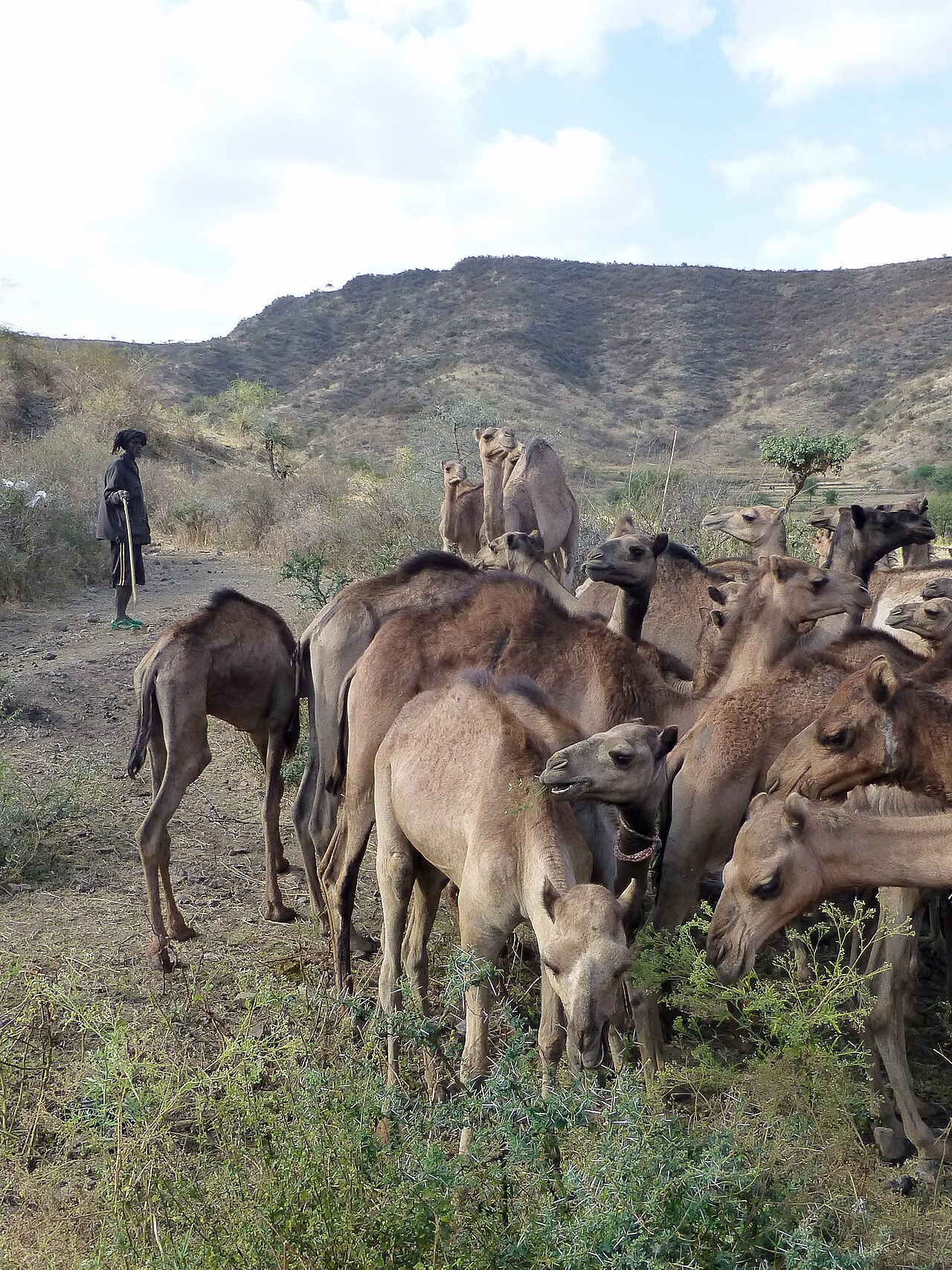
The Afar are nomadic and semi-nomadic pastoralists, herding camels, goats, sheep and cattle across the desert in search of the sparse pasture and water. Camels and goats, best able to endure the heat and drought, are especially important, and the herds provide milk, the mainstay of the diet, as well as meat and transport.
Alongside herding, the Afar are famous for the salt trade of the Danakil, where salt is cut from the desert flats into blocks and carried by camel caravans to the highlands, a trade of great antiquity. This combination of pastoralism and salt-caravanning, carried on across a merciless landscape, has long defined the Afar economy and their reputation as hardy desert people.
Society and Community

Afar society is organised around clans and lineages traced through the male line, and historically around a number of sultanates, of which the sultanate of Aussa was the most important, giving the people a measure of political organisation. Below the level of the sultanates, authority rested with clan elders and with the leaders who governed the affairs of the herding groups.
The Afar have long had a reputation as proud and warlike, defending their territory and herds fiercely, and custom regulated relations between clans, including feud and its settlement. Marriage, often between cousins, and the bonds of clan and kinship structured social life, and the elders upheld the customary law that governed the community across the desert.
Religion and Belief
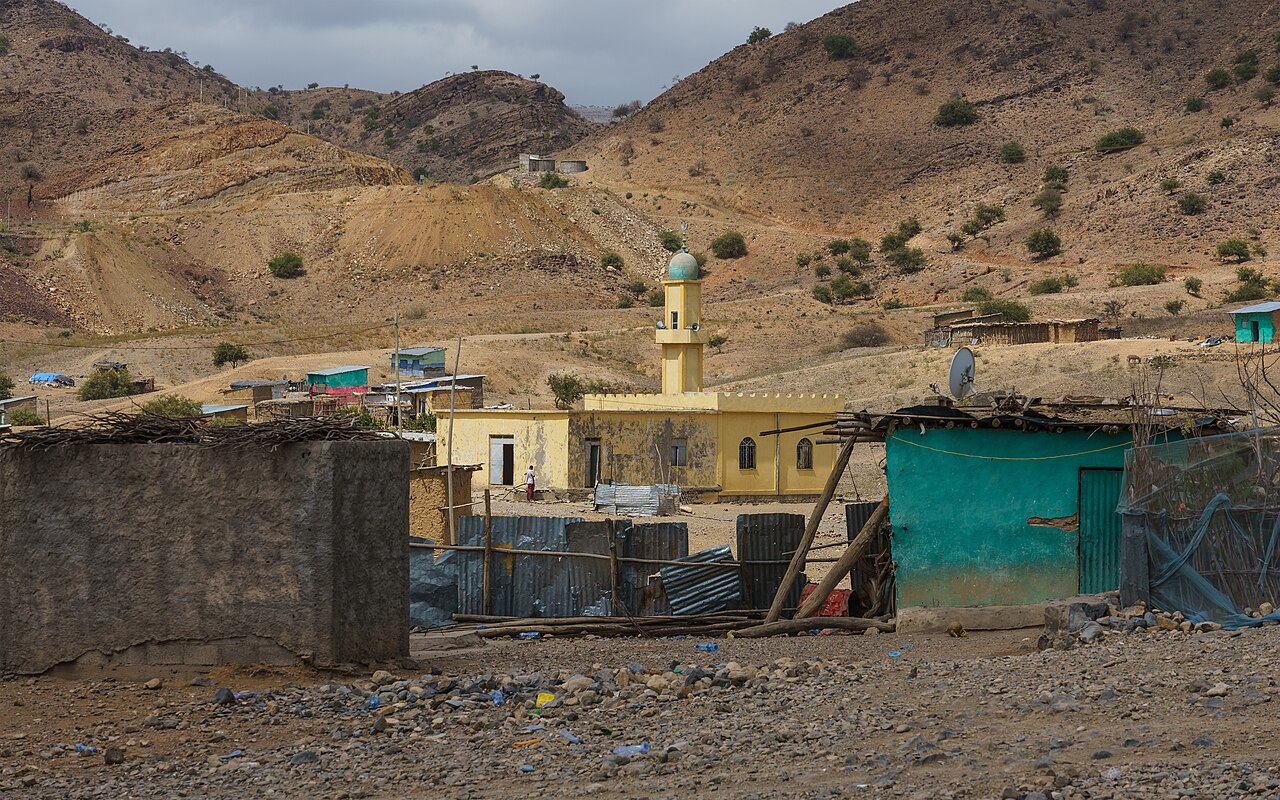
The Afar are almost entirely Muslim, having adopted Islam centuries ago through contact with the Arab and Muslim world across the Red Sea and along the trade routes of the Horn. Islam shapes their religious life, their law and their calendar, and mosques and Quranic learning have their place even in the nomadic camps.
Alongside orthodox Islamic practice, older beliefs and customs, including ideas about spirits, blessing and the power of holy men, persist among the Afar as among many pastoral Muslim peoples. The veneration of saints and the observance of Islamic festivals mark the religious year, and Islam is a central element of Afar identity in the Horn of Africa.
Traditions

The traditions of the Afar are those of a proud desert people. Personal honour, courage and the defence of clan and herd were highly valued, and men traditionally carried the curved jile dagger as a mark of manhood and readiness to fight. Distinctive dress, hairstyles and adornment expressed identity and status.
Custom governed marriage, hospitality, the settlement of feuds and the sharing of scarce resources such as water and pasture. Poetry, song and dance accompanied celebration and courtship, and the oral traditions of the people preserved genealogy, history and the values of desert life. Hospitality to travellers, in a land where survival could depend on it, was a sacred duty.
Crafts
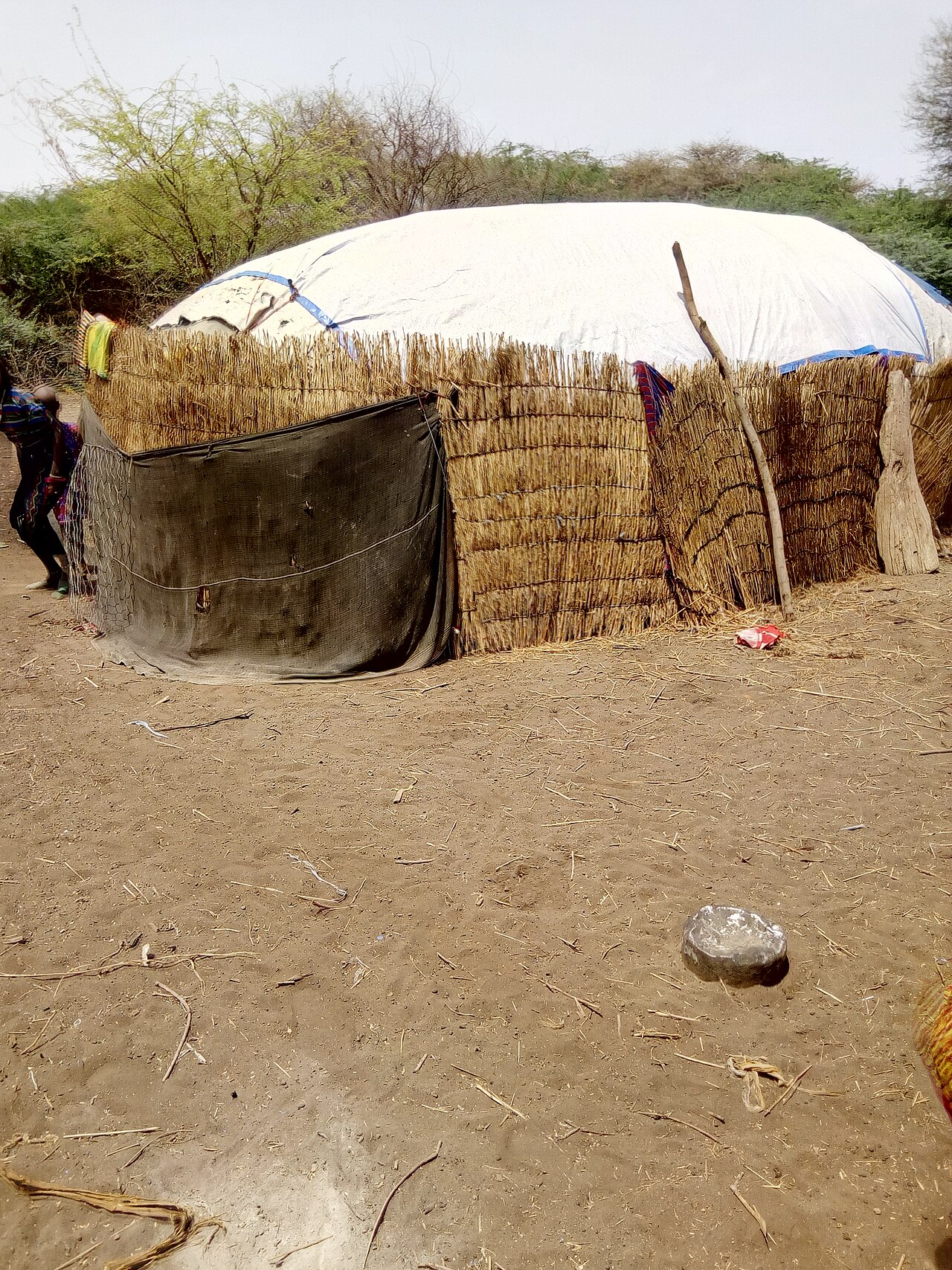
Afar material culture is spare and portable, suited to a nomadic life in the desert. The women build and furnish the huts of the camp, weaving the mats of palm-fibre that cover the frameworks and making the containers, mats and bedding of the household. These lightweight dwellings can be dismantled and carried by camel as the group moves.
The Afar also make the wooden vessels, leather goods and woven articles of daily use, and the jile daggers, spears and knives of the men, often obtained or finished through trade. Beadwork and ornament adorn dress and person. Everything is made to be carried, reflecting a people who own little that cannot travel with them across the sands.
Food

The diet of the Afar is based above all on milk from their camels, goats and cattle, drunk fresh or soured, the essential food of the desert herder. Meat is eaten on occasions of celebration and need, and grain, obtained through trade or grown where possible, is made into porridge and flat breads.
The salt of the Danakil, so central to Afar trade, also has its place in the diet, and dates and other foods come through commerce with settled regions. Lean and simple, drawn chiefly from the herds, the cuisine of the Afar reflects the constraints of one of the harshest inhabited environments on earth, where milk and endurance sustain life.
Festivals

Festive life among the Afar is bound up with the Islamic calendar, the milestones of the life cycle and the events of pastoral society. The great Muslim festivals, weddings, and celebrations of birth and circumcision bring families and clans together for feasting, poetry, song and dance across the desert.
Dance, hand-clapping and the recitation of poetry mark these gatherings, and the display of dress, adornment and the jile dagger expresses pride and identity. The coming together of scattered nomadic families for a wedding or a festival is itself a significant social event, renewing the bonds of clan and kinship in a dispersed and mobile society.
History

The Afar have inhabited the lowlands of the Horn for a very long time, and their salt caravans and pastoral life are of great antiquity. Organised historically into sultanates such as Aussa, they long maintained their independence in a land too harsh for outsiders to easily control, and gained a fearsome reputation among travellers who crossed the Danakil.
In the colonial era the Afar lands were divided between Ethiopia and the French, Italian and British possessions that became Eritrea and Djibouti, and in the modern period they have been split among these three states. The Afar have sought recognition and autonomy, and in Ethiopia they now have their own regional state, even as the pressures of modern borders, development and drought bear upon their traditional way of life.
Today

Today the Afar number several millions across Ethiopia, Eritrea and Djibouti, and remain in large part a pastoral people, herding camels and goats and carrying on the ancient salt trade of the Danakil. Drought, the drawing of international borders across their lands, and the pressures of modern development pose serious challenges to their nomadic way of life.
At the same time towns such as Semera, the capital of Ethiopia’s Afar Region, roads, schools and new industries, including potash mining in the salt flats, are bringing change to the desert. Proud of their heritage, their language and their endurance, the Afar carry a distinctive identity forged in one of the world’s harshest lands into the modern age.
Related Peoples of the Region
- The Makonde, the Blackwood Sculptors of the Ruvuma
- The Hadza, the Last Hunter-Gatherers of Lake Eyasi
- The Iraqw, the Cushitic Highlanders of Northern Tanzania
- The Banyankole, the Cattle Kingdom of Ankole
- The Acholi, the Luo People of Northern Uganda
- The Karamojong, the Cattle Herders of Karamoja
- The Hutu, the Farmers of the Land of a Thousand Hills
- The Tutsi, the Cattle Aristocracy of the Great Lakes
More Peoples of the World
- A Fifth of Humanity, the Story of the Han Chinese
- How the Maori Sailed Across the Pacific to Reach New Zealand
- Zulu of the Green Hills and Their Kingdom Forged by Shaka
- The People Who Never Vanished, the Story of the Maya
- Long Before the Arabs Came, North Africa Belonged to the Amazigh
- The People Who Emerged Into This World, the Story of the Navajo
- Meet the Ainu, an Indigenous People at Japan’s Northern Edge
You May Like
The Damara, an Ancient People of Namibia