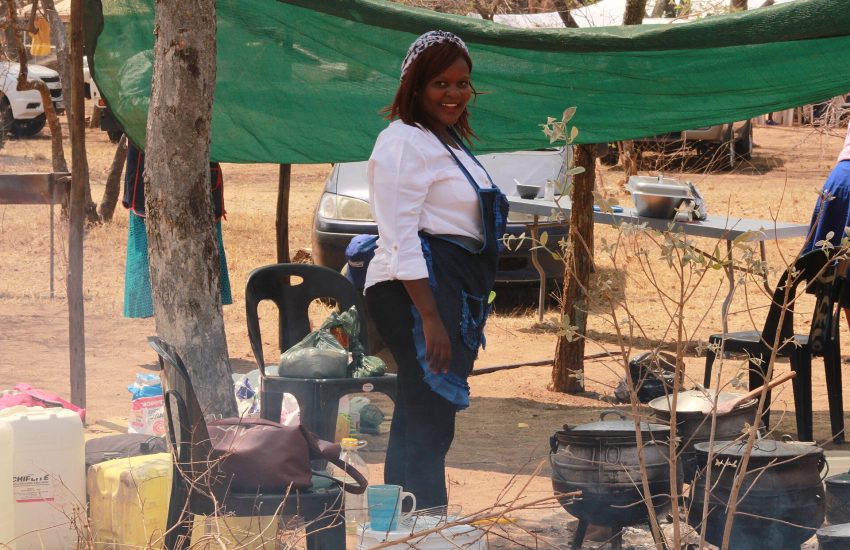
The Makonde are a Bantu-speaking people of the dry highland plateau that straddles the border between southeastern Tanzania and northern Mozambique. Numbering well over a million and divided by the Ruvuma river into two communities, they share a common language, a matrilineal society and an artistic heritage that has made their name famous across the world.Long shielded by the waterless plateau that bears their name, the Makonde are celebrated above all for their extraordinary sculpture in hard black ebony and for the masked mapiko dance of their initiation rites. On the Mozambican side they also played a central part in the war of liberation. This article traces their origins, language, homeland, art and the customs that continue to define them.
The Makonde on Film
Contents
- Origins
- The Name
- The Language
- The Homeland
- The Old Way of Life
- Society and Community
- Religion and Belief
- Traditions
- Crafts
- Food
- Festivals
- History
- Today
Origins
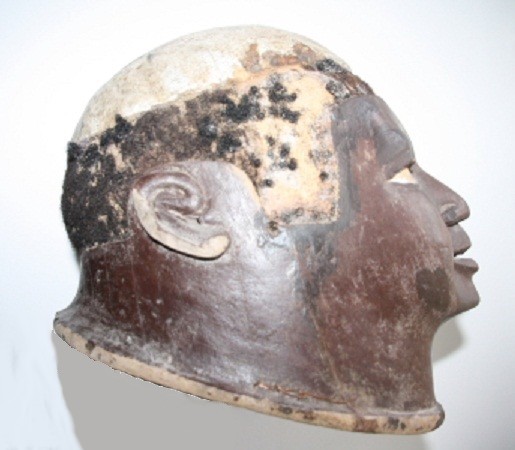
The Makonde are a Bantu-speaking people of the highland plateau that straddles the border between southeastern Tanzania and northern Mozambique. Divided by the Ruvuma river into a Tanzanian and a Mozambican community, they share a common language, art and heritage, and their traditions tell of a long settlement of the dry, forested plateau that bears their name.
Protected by the difficult terrain of the plateau, with its scarcity of surface water and its dense bush, the Makonde long remained isolated from outside powers and preserved a strongly distinct culture. They are best known to the wider world for their extraordinary tradition of sculpture in hard blackwood, an art that has carried their name across the globe.
The Name
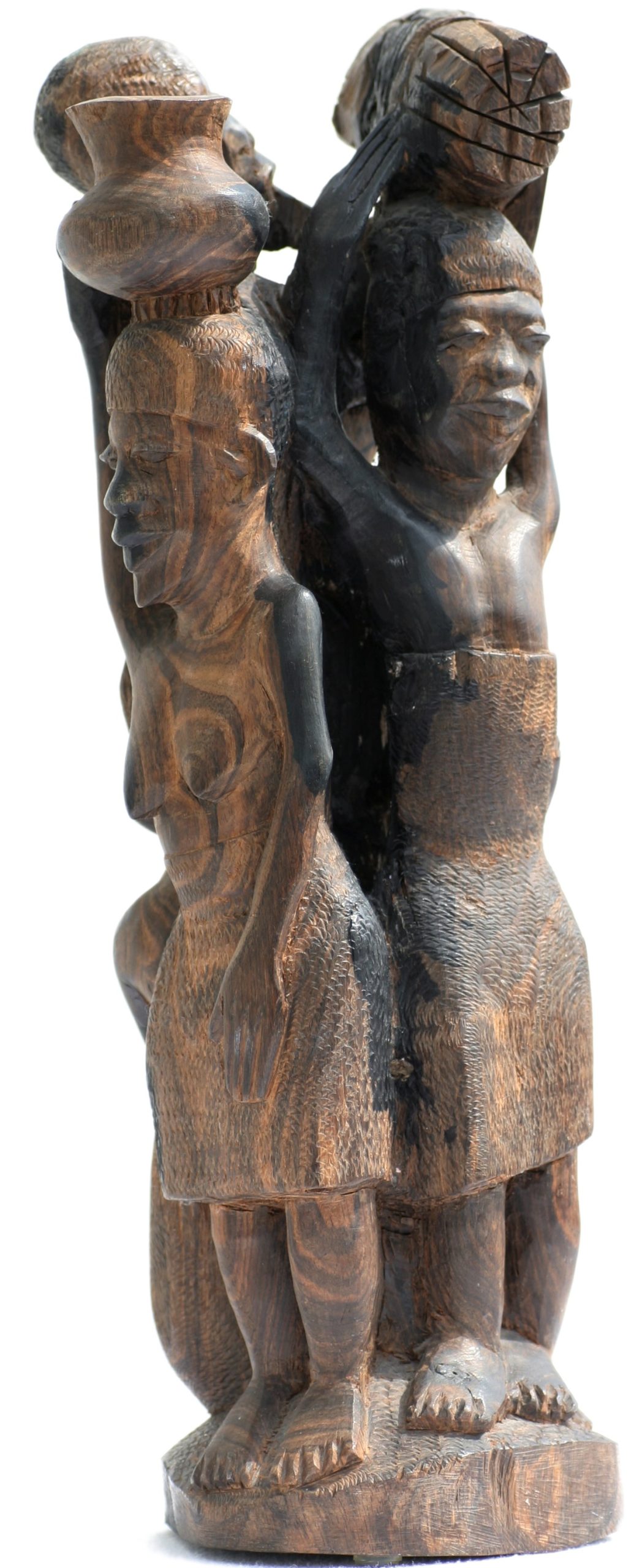
The people call themselves the Makonde, and their language is Chimakonde or Shimakonde. The two branches, in Tanzania and Mozambique, are sometimes distinguished, but both regard themselves as one people of the plateau, the Makonde highlands that gave rise to their name.
Their isolation on the waterless plateau, which they made habitable through great effort, shaped a proud and independent identity. The name Makonde is today inseparable from the celebrated wood carving of the region, so that the word calls to mind above all the sculptors and their art.
The Language

The Makonde speak Chimakonde, a Bantu language of the wider group found along the coast and interior of southeastern Africa. It is spoken on both sides of the Ruvuma river, and although the Tanzanian and Mozambican communities have been separated by a colonial border, their speech remains mutually intelligible.
Swahili in Tanzania and Portuguese in Mozambique serve as the languages of state and education, but Chimakonde continues to be the everyday tongue of the plateau. It carries the songs, proverbs and oral traditions of a people known for the richness of their ritual and artistic life.
The Homeland

The Makonde homeland is the plateau that rises on both sides of the Ruvuma river, a high, dry tableland of dense bush and scattered farmland. Its most striking feature is the scarcity of water, for the porous rock allows little to remain on the surface, and the people historically had to descend great distances or dig deep to reach it.
This harsh but defensible country shaped Makonde life, keeping outsiders at bay and fostering self-reliance. On the Mozambican side the plateau is centred on Mueda, and on the Tanzanian side it slopes towards the coast near Mtwara, giving the Makonde both a highland heartland and access to the sea.
The Old Way of Life

The Makonde were traditionally farmers, cultivating cassava, sorghum, maize, beans and other crops in the thin soils of the plateau, supplemented by hunting and gathering in the surrounding bush. Cassava, hardy and drought-resistant, became the staple that allowed dense settlement on the dry highland.
Water, so scarce on the plateau, was a constant preoccupation, and much labour went into obtaining it. Living in scattered homesteads rather than large villages, the Makonde combined farming with the crafts and ritual life for which they are famous, and the difficulty of their environment bred a reputation for hardiness and independence.
Society and Community
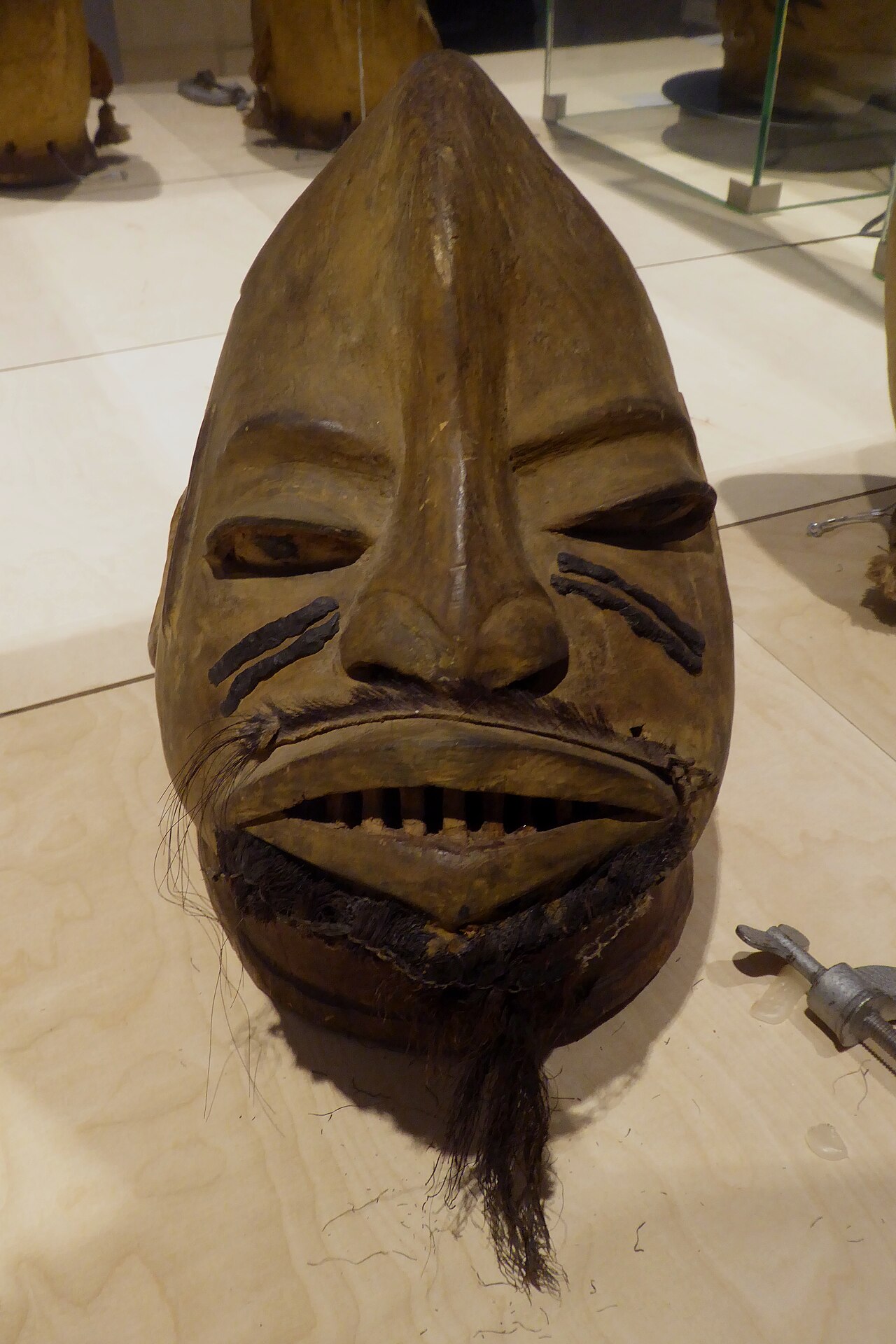
Makonde society is matrilineal, with descent, inheritance and belonging traced through the mother’s line, a pattern that shapes marriage, residence and the transmission of property. There was traditionally no centralised chiefship over the whole people; authority lay with the heads of lineages and with the ritual specialists who guided initiation and the affairs of the community.
The great institution of Makonde social life is initiation, above all the masked mapiko dance associated with the rites that carry the young into adulthood. Secret knowledge, the making and wearing of masks, and the ceremonies of the initiation camps bound the community together and marked the crucial passages of life.
Religion and Belief

Traditional Makonde religion centred on the ancestors, whose spirits were believed to remain present among the living and to require honour and remembrance, and on a more distant creator behind the world. Much of religious life was expressed through the powerful imagery of masks and carved figures, and through the rituals of initiation.
The famous mapiko masked dance itself had a deeply ritual character, representing spirits and ancestral powers before the community. Diviners and healers treated affliction and interpreted misfortune. Christianity and Islam have since spread among the Makonde, but the old concern with ancestors and spirits continues to inform their remarkable art and ceremony.
Traditions

The Makonde are renowned for a rich tradition of body art, including the elaborate facial and bodily scarification and the filing of teeth that were once marks of beauty and identity, and the wooden lip-plugs worn by women in the past. These customs, recorded by early travellers, expressed status, maturity and belonging.
Above all the Makonde are famous for the masked mapiko dance, in which masked and costumed performers, representing spirits, dance to drumming before the assembled community, especially at the ceremonies of initiation. Music, dance and the making of masks lie at the heart of a ceremonial life of great intensity and artistry.
Crafts

The Makonde are among the greatest sculptors of Africa, world-famous for their carving in mpingo, the hard black African blackwood, or ebony. From this dense timber they carve masks, figures and towering compositions, including the ujamaa, or tree of life, in which many interlocked human figures rise in a single column, and the shetani, fantastic spirit figures full of movement and imagination.
This carving tradition, ancient in its ritual roots but flourishing anew in the twentieth century, has made Makonde sculpture prized by collectors and museums around the world. Alongside it the Makonde make masks, pottery and the practical goods of plateau life, but it is the blackwood carving that stands as their supreme artistic achievement.
Food

The staple food of the Makonde is cassava, grown widely on the dry plateau and prepared in many forms, including a stiff porridge similar to the ugali of the region, eaten with vegetables, fish or meat. Sorghum, maize, beans and groundnuts add to the diet, together with the fruits and game of the surrounding bush.
On the Tanzanian side, nearness to the coast brings fish and coconuts into the cooking, and the long contact with Swahili culture has left its mark on the cuisine. Simple and drawn from hardy crops suited to a difficult land, Makonde food reflects a people who made a dry plateau yield a living.
Festivals

Festive life among the Makonde is dominated by the ceremonies of initiation and the masked mapiko dance that accompanies them, occasions that gather the community for days of drumming, dancing and the display of masks. These rites, marking the passage of the young into adulthood, are the great events of the ceremonial year.
Weddings, funerals and the honouring of ancestors are also marked with music and dance, and the plateau resounds with drumming at times of celebration. Today Christian and Muslim festivals and national holidays join the older ceremonies, but the mapiko dance remains the unmistakable centre of Makonde festivity.
History

Protected by their waterless plateau, the Makonde long resisted outside control, remaining among the last peoples of the region to be brought under colonial administration by the Germans, British and Portuguese. On the Mozambican side, resentment of Portuguese rule ran deep, and the plateau became a centre of resistance.
In 1960 the massacre of protesters at Mueda became a rallying point, and the Makonde plateau soon served as a base and stronghold for the liberation movement FRELIMO in the long war that led to Mozambican independence in 1975. On both sides of the border the Makonde thus played a notable part in the history of their nations, while their carving won them fame far beyond Africa.
Today
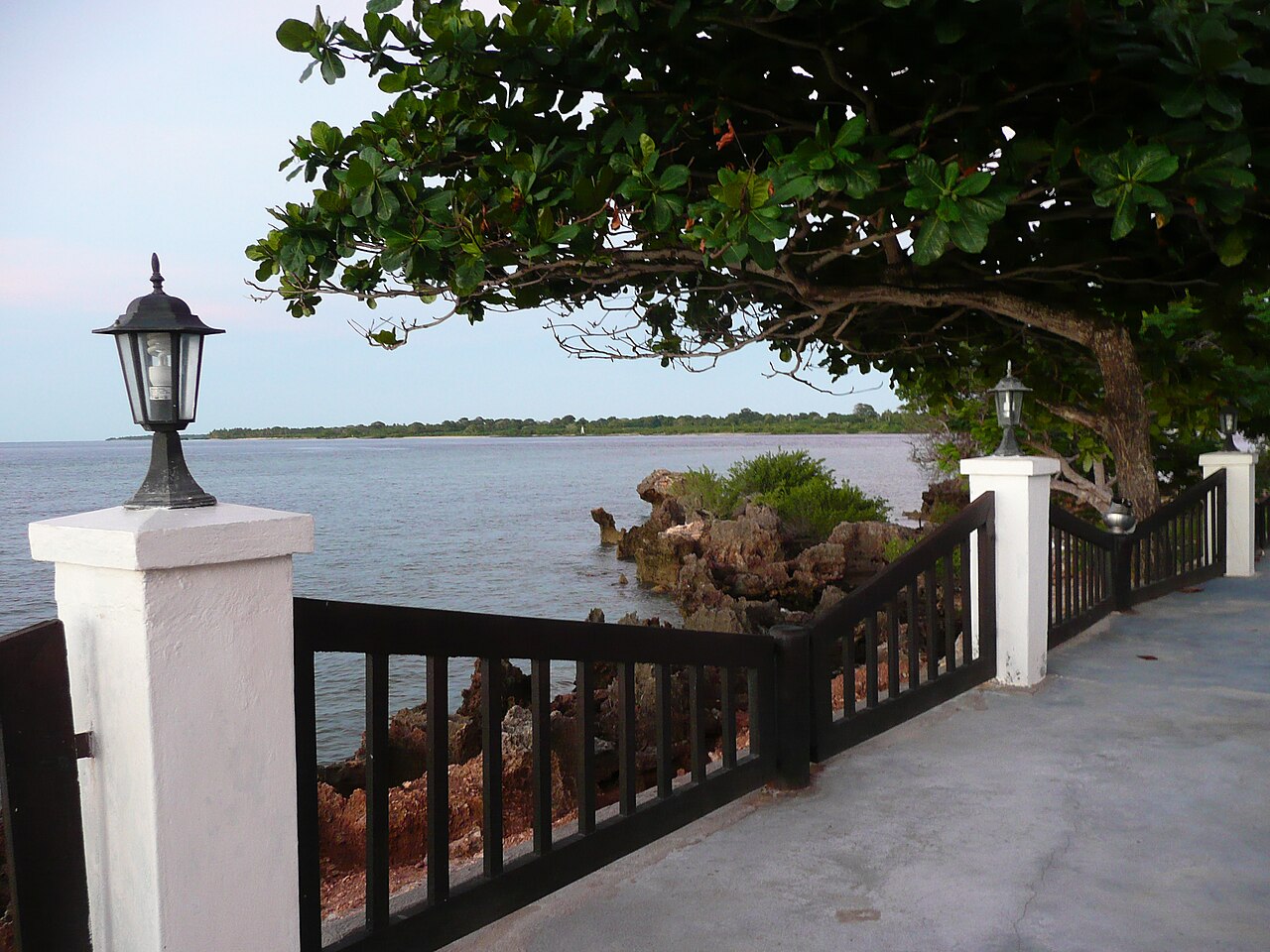
Today the Makonde number well over a million across Tanzania and Mozambique, still centred on their plateau but with many living in the coastal towns and cities where they work and sell their art. Farming of cassava and other crops continues on the highland, while the carving of blackwood remains a vital livelihood and a source of pride.
Makonde sculpture is sought after in galleries and markets around the world, and the mapiko dance is celebrated as a treasured cultural heritage. Combining the hardiness bred by their dry plateau with a artistic tradition admired everywhere, the Makonde carry their remarkable heritage of carving and ceremony into the modern life of two nations.
Related Peoples of the Region
- The Luhya, the Drummers and Farmers of Western Kenya
- The Gusii, the Soapstone Carvers of the Kenyan Highlands
- The Turkana, the Herders of the Jade Sea
- The Samburu, the Butterfly People of Northern Kenya
- The Chagga, the Coffee Farmers of Kilimanjaro
- The Sukuma, Tanzania’s Largest People and Their Dancing Societies
- The Sukuma, Tanzania’s Largest People and Their Dancing Societies
- The Nyamwezi, the Caravan Traders of Central Tanzania
More Peoples of the World
- A Fifth of Humanity, the Story of the Han Chinese
- How the Maori Sailed Across the Pacific to Reach New Zealand
- Zulu of the Green Hills and Their Kingdom Forged by Shaka
- The People Who Never Vanished, the Story of the Maya
- Long Before the Arabs Came, North Africa Belonged to the Amazigh
- The People Who Emerged Into This World, the Story of the Navajo
- Meet the Ainu, an Indigenous People at Japan’s Northern Edge
You May Like
The Damara, an Ancient People of Namibia