The Turkana are an Eastern Nilotic pastoral people of the arid plains of northwestern Kenya, one of the great herding nations of the East African drylands. Numbering around a million, they live in the vast, hot basin around Lake Turkana, the Jade Sea, moving with their herds of camels, cattle and goats across one of the harshest environments in Africa.Renowned for the towering stacks of beaded necklaces worn by their women, for their spare and portable material culture, and for a fierce independence that kept them among the last peoples of Kenya to be brought under colonial rule, the Turkana have built an enduring way of life out of scarcity. This article traces their origins, language, homeland and the customs that continue to define them.
The Turkana on Film
Contents
- Origins
- The Name
- The Language
- The Homeland
- The Old Way of Life
- Society and Community
- Religion and Belief
- Traditions
- Crafts
- Food
- Festivals
- History
- Today
Origins
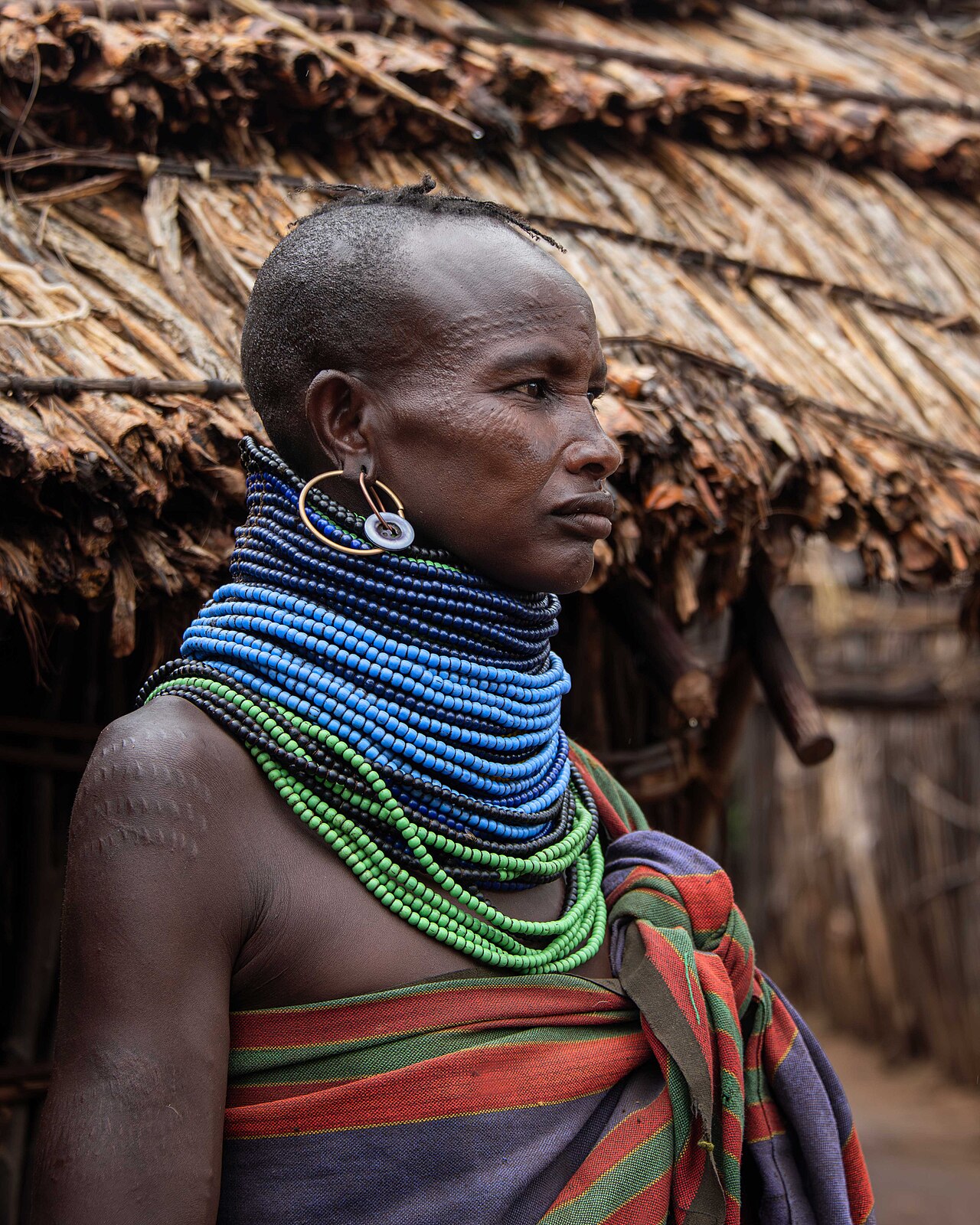
The Turkana are an Eastern Nilotic people of the arid plains of northwestern Kenya, one of the great pastoral nations of the East African drylands. Their traditions and language link them to the Karamojong of Uganda and, more distantly, to the Maasai, part of a family of cattle-keeping peoples who spread across the region over many centuries.
Oral history recalls a movement out of the highlands to the west into the harsh, hot country around Lake Turkana, where the people adapted to one of the most difficult environments in Africa. There they built a way of life wholly bound to their herds of cattle, camels, goats and donkeys, ranging widely in search of pasture and water.
The Name
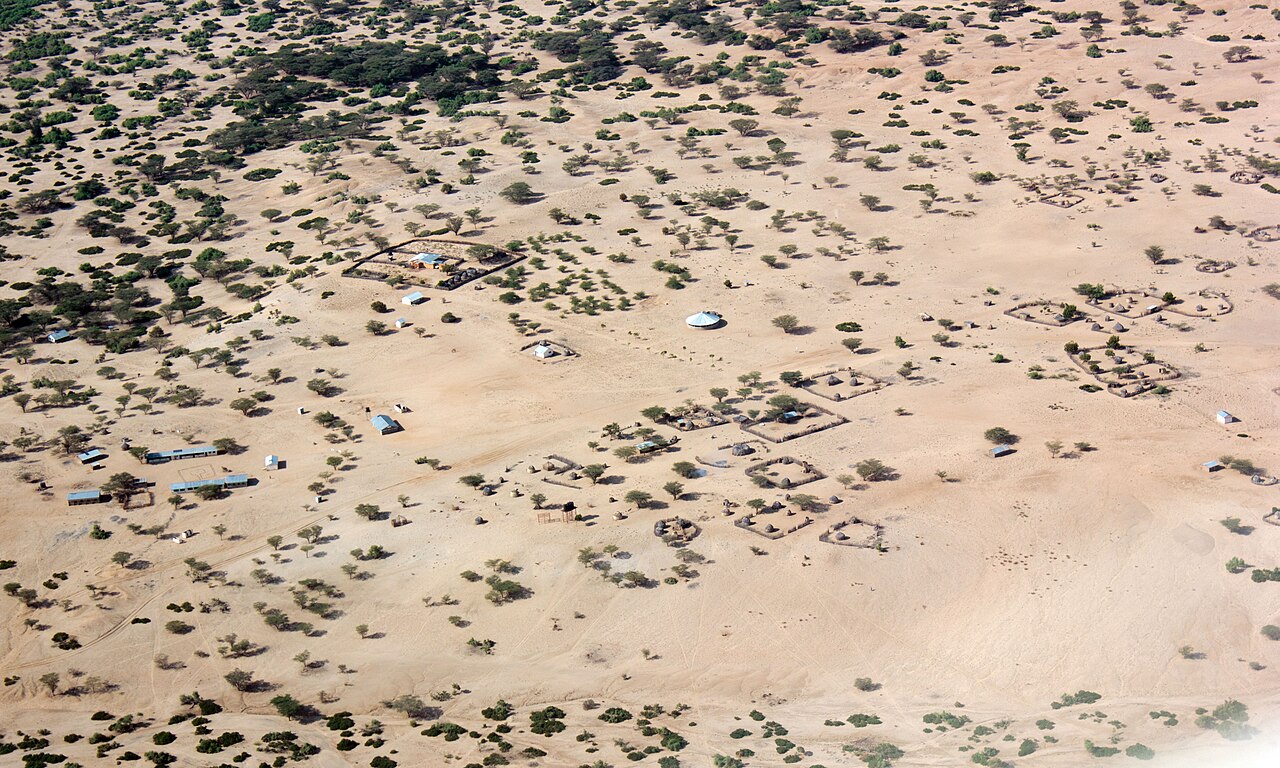
The people call themselves Ngiturkana, and their language is Ng’aturkana. The name Turkana, by which they are known in Kenya and beyond, derives from the same root. They give their great lake its name, Lake Turkana, once called Lake Rudolf by European explorers.
Divided into numerous territorial and clan sections, the Turkana nonetheless see themselves as one people, united by language, custom and a shared pastoral life. Their name has become inseparable from the vast, dry county of northwestern Kenya that is their home.
The Language

The Turkana speak Ng’aturkana, an Eastern Nilotic language of the Ateker group closely related to the tongues of the Karamojong, Jie and Teso across the border in Uganda. It is spoken by around a million people and remains strong, for the remoteness of the Turkana homeland has shielded it from rapid change.
The language is rich in the vocabulary of cattle, weather and the land, reflecting a people whose survival depends on close reading of a demanding environment. Alongside Swahili and English, Ng’aturkana continues to carry the songs, genealogies and oral knowledge of the people.
The Homeland
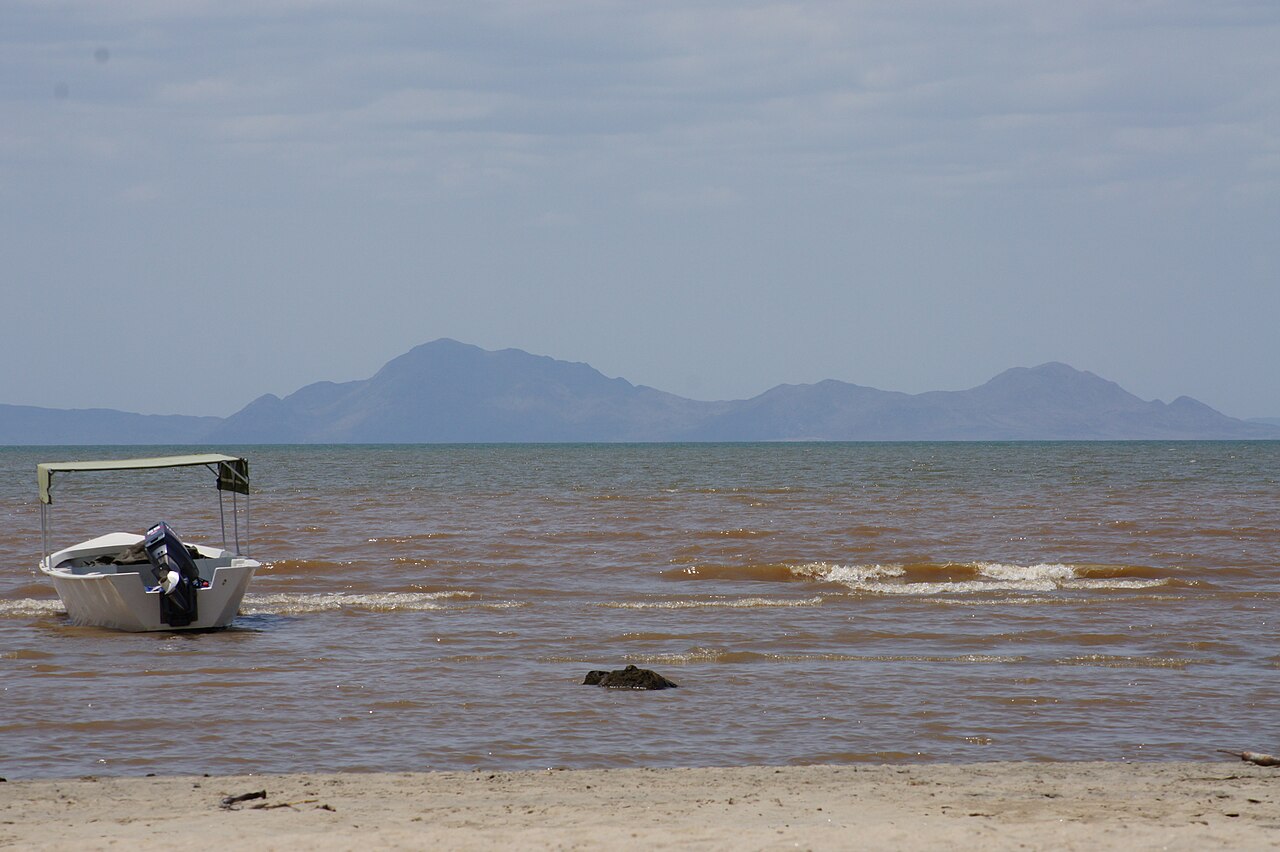
The Turkana homeland is the vast, hot and arid basin of northwestern Kenya, dominated by the long jade waters of Lake Turkana, the largest desert lake in the world. It is a land of thorn scrub, dry riverbeds, lava plains and mountains, where rainfall is scanty and unpredictable and drought is a constant threat.
This is also one of the most important regions in the story of humankind, for the shores of the lake at Koobi Fora and the nearby sites have yielded some of the oldest human fossils ever found. For the Turkana, however, it is simply home, a harsh land whose scattered pastures they know intimately and move across with their herds.
The Old Way of Life

Turkana life has always turned on livestock. They herd cattle, camels, goats, sheep and donkeys, moving in a constant search for grazing and water across the dry plains. The mix of animals is itself a strategy for survival, for camels and goats can endure where cattle cannot, and a family’s wealth and security are measured in the size and spread of its herds.
To supplement the milk, blood and meat of their animals, the Turkana fish in the lake, gather wild fruits and, where possible, plant a little sorghum along seasonal watercourses. Theirs is a mobile life of temporary camps and long journeys, finely tuned to the rhythms of a land that gives grudgingly and demands endless movement.
Society and Community

Turkana society is organised around the extended family and its herds, grouped into clans and dispersed across the range. There is no central authority; instead, decisions rest with elders and with the councils of men who gather beneath a tree to debate and resolve the affairs of the community.
Men are ranked into two great generation-sets, traditionally called the Stones and the Leopards, which order status and ritual across the whole people. Livestock ties families together through bridewealth, and the sharing and lending of animals among kin and stock-friends spreads risk and cements the bonds on which survival in a hard land depends.
Religion and Belief

The Turkana recognise a supreme god, Akuj, associated with the sky and the giver of rain, life and the wellbeing of the herds. In a land where survival hangs on unpredictable rain, prayer and sacrifice to Akuj, especially in times of drought, are matters of the greatest importance.
Central to religious life is the diviner and seer, the emuron, who interprets dreams and signs, foretells rain and raids, and guides the community in crisis. Ancestors are remembered and honoured, and belief in the power of blessing and curse runs deep. Christianity has made inroads through missions, but the old faith in Akuj and the emuron remains strong.
Traditions

The Turkana are famous for their striking personal adornment, above all the great stacks of coloured bead necklaces worn by women, which rise in bright rings around the neck and signal age, status and wealth. Men traditionally dressed their hair into elaborate clay-packed styles and carried wrist-knives, stools and neck-rests as marks of a herder’s life.
Song and dance are woven into every occasion, from courtship to celebration, with vigorous jumping dances performed to clapping and chant. Rites of passage, marriage negotiations and the ceremonies surrounding cattle and rain give shape to the year and bind the community in shared tradition.
Crafts

Turkana material culture is spare, portable and beautifully made, suited to a mobile life. Women string and stitch the beadwork for which the people are renowned, and craft containers, mats and the leather skirts and aprons of traditional dress. Baskets and gourds serve for carrying milk, water and food.
Men fashion the wooden stools that double as headrests, the wrist and finger knives, spears and the wooden vessels of daily use. Every object is made to be carried and to last, reflecting a people who own little that cannot travel with them across the plains.
Food

The traditional Turkana diet is drawn almost wholly from the herds: milk above all, drunk fresh or soured, together with blood drawn from living animals and, on occasion, meat. In the dry season, when milk is scarce, blood and the fruits of the bush become vital, and fish from Lake Turkana add an important resource for those living near the water.
Wild berries, nuts and the fruit of the doum palm are gathered to fill out the diet, and a little sorghum or maize meal is eaten when rains allow cultivation or trade brings grain. It is a lean and resourceful cuisine, shaped by scarcity and the need to draw sustenance from every corner of a harsh land.
Festivals

Festive life among the Turkana centres on the great events of pastoral society: successful raids and the return of the herds, weddings sealed by the handing over of cattle, initiations, and the ceremonies performed to bring rain. These occasions gather scattered families into large camps for feasting, dancing and the slaughter of animals.
In recent years the Lake Turkana Cultural Festival has brought together the Turkana and their neighbours in a public celebration of the region’s many peoples, with music, dance and display. Yet the enduring festivals of the Turkana remain those of the herd and the rain, marked in song and dance beneath the open sky.
History

The Turkana were among the last peoples of Kenya to come under colonial control, resisting British and Ethiopian encroachment fiercely into the early twentieth century. Their remoteness, their mobility and their reputation as formidable fighters long kept outsiders at bay, and only after determined military campaigns and the confiscation of livestock was the region subdued.
Under colonial and later independent rule the vast Turkana district remained marginal and neglected, prone to drought and famine. In recent decades the discovery of oil and large aquifers, and the growth of the town of Lodwar, have begun to draw the region into the wider national economy, bringing new opportunities and new pressures alike.
Today

Today the Turkana number around a million and remain, in large part, a pastoral people, moving their herds of camels, cattle and goats across the drylands as their ancestors did. Recurrent drought, conflict over grazing and water, and the challenges of a changing climate continue to test their resilience.
At the same time the growth of Lodwar, the coming of schools, roads and the discovery of oil and groundwater are transforming parts of the county. The Turkana carry into this new era a proud heritage of endurance, their beadwork, their herds and their deep knowledge of a harsh and ancient land intact.
Related Peoples of the Region
- Long Before the Arabs Came, North Africa Belonged to the Amazigh
- The Fon, Heirs of the Kingdom of Dahomey
- The Dinka, Cattle-Keepers of the Nile
- The Nuer, the Free Cattle-Keepers of the Nile
- The Kalenjin, the Running People of the Rift Valley
- The Kamba, the Traders and Carvers of Ukambani
- The Luhya, the Drummers and Farmers of Western Kenya
- The Gusii, the Soapstone Carvers of the Kenyan Highlands
More Peoples of the World
- A Fifth of Humanity, the Story of the Han Chinese
- How the Maori Sailed Across the Pacific to Reach New Zealand
- Zulu of the Green Hills and Their Kingdom Forged by Shaka
- The People Who Never Vanished, the Story of the Maya
- Long Before the Arabs Came, North Africa Belonged to the Amazigh
- The People Who Emerged Into This World, the Story of the Navajo
- Meet the Ainu, an Indigenous People at Japan’s Northern Edge
You May Like

The Sidama, the Ensete Farmers of Southern Ethiopia


