The Kamba, who call themselves the Akamba, are a Bantu-speaking people of the semi-arid hills of eastern Kenya, spread across the counties of Machakos, Kitui and Makueni in the region known as Ukambani. Numbering several million, they form one of the largest communities in the country and have long been among the most mobile and commercially minded of East Africa’s peoples.Famous in the nineteenth century as long-distance traders whose caravans linked the interior with the Indian Ocean coast, and later celebrated for their wood carving, acrobatic dancing and military service, the Akamba combine a strong tradition of enterprise with a deep cultural inheritance. This article traces their origins, language, homeland, old way of life and the traditions that continue to define them today.
The Kamba on Film
Contents
- Origins
- The Name
- The Language
- The Homeland
- The Old Way of Life
- Society and Community
- Religion and Belief
- Traditions
- Crafts
- Food
- Festivals
- History
- Today
Origins

The Kamba, who call themselves the Akamba, are a Bantu-speaking people of eastern Kenya. Linguistic and oral evidence suggests that their ancestors moved into the region several centuries ago as part of the wider Bantu expansion, settling the dry hills between the coast and the central Kenyan highlands. Over time they consolidated in the areas known today as Machakos, Kitui and Makueni, adapting to a harsh, drought-prone environment that shaped much of their later history.
Because their homeland lay astride the routes linking the Indian Ocean coast with the interior, the Akamba became middlemen in long-distance trade long before European contact. This position gave them an outward-looking character, and their origin traditions are full of movement, migration and contact with neighbouring peoples such as the Kikuyu, Maasai and coastal Swahili.
The Name
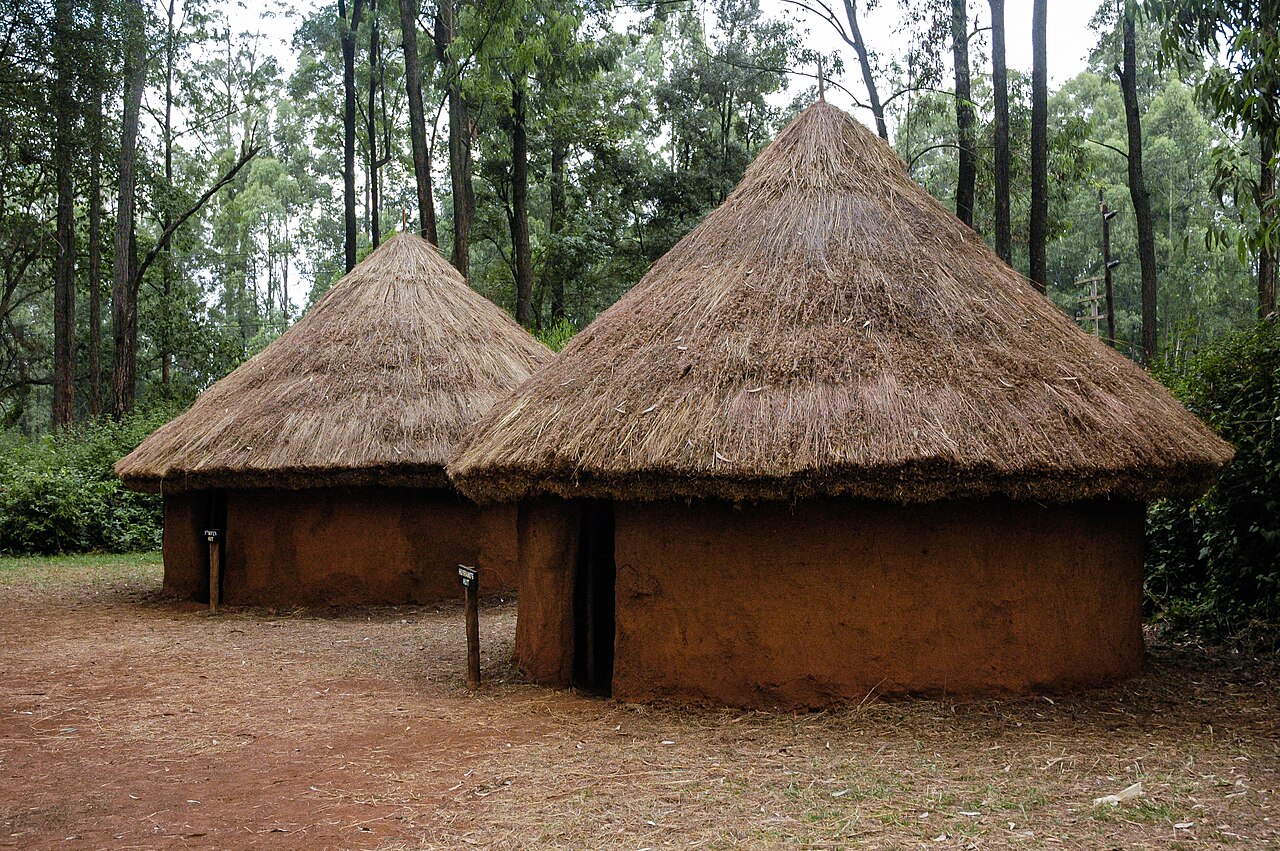
The people are known as the Akamba in their own language, while a single person is a Mukamba and the language is Kikamba. In English the community is most often called the Kamba. The prefixes follow the regular Bantu pattern, in which a-, mu- and ki- mark the people, the individual and the language respectively.
The name Ukambani is used for the wider region the Akamba inhabit, meaning the land of the Kamba. These naming conventions reflect a strong sense of shared identity that binds the scattered communities of the eastern Kenyan hills into a single people despite differences of dialect and locality.
The Language

Kikamba is a Bantu language closely related to Kikuyu, Meru and Embu, part of the cluster of Central Kenyan Bantu tongues. It is spoken by several million people and remains vigorous in daily life, in churches and on local radio, even as Swahili and English serve as national languages in Kenya.
The language carries a rich oral literature of proverbs, riddles and songs, and the Akamba have long been admired for their skill with words and music. Kikamba was among the earlier East African languages to be written down by missionaries, and today it is taught in local schools and used in a growing body of published material.
The Homeland
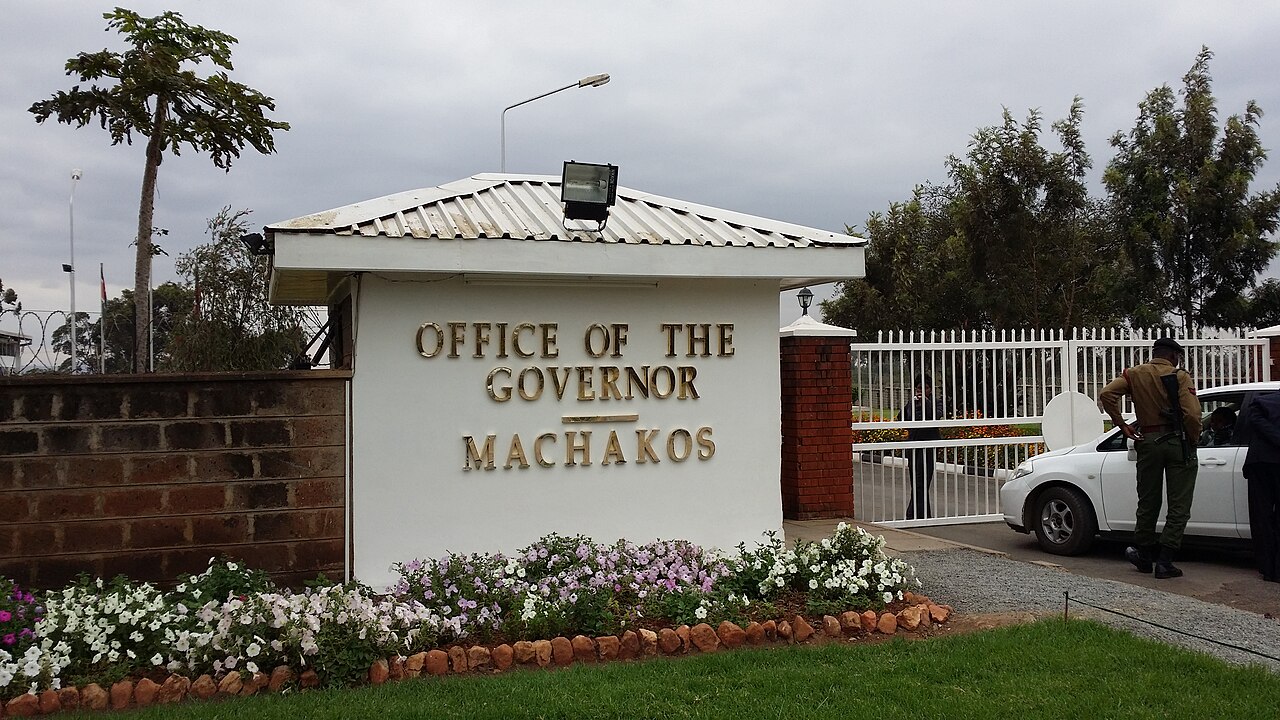
The Kamba homeland lies in the semi-arid uplands east and south-east of Nairobi, centred on Machakos, Kitui and Makueni counties. It is a land of rolling hills, scattered acacia bush and seasonal rivers, where rainfall is unreliable and drought a recurring threat. The higher ground around Machakos is greener and more fertile, while the lowlands towards Kitui are drier and harder to farm.
This demanding landscape has profoundly shaped Kamba life. Farming had to be combined with herding and trade to survive lean years, and the experience of frequent scarcity encouraged mobility, resourcefulness and the wide-ranging commercial ventures for which the people became known.
The Old Way of Life

Traditionally the Akamba practised a mixed economy, cultivating millet, sorghum, maize and beans while keeping cattle, goats and sheep. Livestock were a store of wealth and central to marriage and ritual, but the dryness of much of Ukambani meant that no single activity could be relied on alone.
Above all the Akamba were famous as traders and hunters. Their caravans carried ivory, honey, ornaments and iron goods between the interior and the coastal towns, and Kamba hunters were renowned for their skill with poisoned arrows. This trading tradition made them one of the most mobile and commercially minded peoples of nineteenth-century East Africa.
Society and Community

Kamba society was organised around clans, known as mbai, which were dispersed rather than territorial, so that members of one clan might live scattered across many districts. The basic unit of everyday life was the homestead of an extended family, and authority rested with elders whose wisdom and knowledge of custom gave them standing in local affairs.
Age was a central principle of order. Men passed through recognised grades from youth to junior and then senior elder, each stage bringing new responsibilities in the running of the community. Councils of elders settled disputes, oversaw ritual and held the community together in the absence of any centralised chiefship.
Religion and Belief

Traditional Kamba religion centred on a single high god, called Ngai or Mulungu, the creator and ultimate source of life and rain. God was distant and approached mainly in times of crisis, especially drought, through prayer and sacrifice at sacred groves and shrines under great trees.
Closer to daily life were the aimu, the spirits of the ancestors, who watched over their descendants and had to be honoured with offerings. Diviners and medicine specialists mediated between the living and these unseen powers. Today most Akamba are Christian, but older beliefs about ancestors, blessing and misfortune continue to shape attitudes and ceremony.
Traditions

The Akamba are celebrated across Kenya for their music and dance, above all for spectacular acrobatic dancing in which performers leap, somersault and form human pyramids to the beat of drums. Dances such as the kilumi, associated with spirit possession and healing, and the lively youthful dances of festival occasions are among the most admired in the country.
Oaths and binding rituals were another distinctive tradition. The kithitu, a powerful oath object, was used to swear truth and settle disputes, its perceived danger giving it great force in maintaining honesty. Rites of passage, from naming to initiation and marriage, marked the stages of life with song, feasting and instruction in the customs of the people.
Crafts

The Akamba are perhaps best known internationally for their wood carving. Kamba carvers turned a local craft into a major art form and industry, producing figures of people and animals that are sold across Kenya and exported around the world. The tradition is often traced to the early twentieth century, when the skill spread widely and became a source of livelihood for many families.
Beyond carving, the Akamba are skilled in basketry, especially the making of the kiondo, a woven bag that has become emblematic of Kenyan craft. Pottery, iron-working and the making of ornaments and stools further reflect a people with a long and inventive material culture.
Food

The staple foods of the Akamba grow from the crops best suited to a dry land. The most characteristic dish is muthokoi, made from maize that has been dehulled and cooked with beans, while isyo, a simple mix of boiled maize and beans, is eaten everywhere. Millet and sorghum porridges were important in the past and remain valued.
Meat, milk and honey supplement this grain-based diet, and wild fruits and vegetables have long been gathered to see families through the dry season. Cooking is plain and hearty, built around foods that can be stored and stretched through the uncertain rhythm of the harvest.
Festivals

Festive life among the Akamba traditionally clustered around the events of the agricultural and social calendar: harvests, weddings, initiations and the honouring of ancestors. These occasions brought communities together for feasting, drumming and the famous acrobatic dances, and were times when the bonds of clan and neighbourhood were renewed.
Today such celebrations continue alongside Christian festivals and national holidays, and cultural troupes keep the older dances alive at public events and competitions. Music, drumming and dance remain at the heart of Kamba identity, giving expression to a people known for their vitality and artistry.
History

In the nineteenth century the Akamba were among the great trading peoples of East Africa, their caravans dominating the routes between the interior and the coastal markets. This commercial reach brought wealth and wide contacts, but it also drew them into the turbulence of the ivory and slave trades and, later, into contact with European travellers and administrators.
Under British rule Ukambani was brought into the colony of Kenya, and the Akamba experienced land pressure, forced destocking of their cattle and heavy recruitment into the colonial army. Many served in the King’s African Rifles in both world wars, and Kamba grievances over land and livestock fed into the wider currents of protest that eventually led to Kenyan independence in 1963.
Today

Today the Akamba are one of Kenya’s larger communities, numbering several million and prominent in the nation’s economy, army, business and public life. Their homeland in Machakos, Kitui and Makueni has seen new towns, roads and irrigation projects, even as drought and water scarcity remain persistent challenges.
Kamba wood carving and basketry continue to earn a place in markets at home and abroad, and Kamba music and dance are enjoyed throughout Kenya. Balancing the pull of the cities with the traditions of Ukambani, the Akamba carry a heritage of trade, artistry and resilience into modern Kenyan life.
Related Peoples of the Region
- The Horsemen Who Conquered the World, the Story of the Mongols
- The Dancing Deer and the Jewelled Valley, the Story of the Meitei People of Manipur
- A Small Mountain Nation That Paid Everything for Freedom, the Story of the Chechens
- Long Before the Arabs Came, North Africa Belonged to the Amazigh
- The Fon, Heirs of the Kingdom of Dahomey
- The Dinka, Cattle-Keepers of the Nile
- The Nuer, the Free Cattle-Keepers of the Nile
- The Kalenjin, the Running People of the Rift Valley
More Peoples of the World
- A Fifth of Humanity, the Story of the Han Chinese
- How the Maori Sailed Across the Pacific to Reach New Zealand
- Zulu of the Green Hills and Their Kingdom Forged by Shaka
- The People Who Never Vanished, the Story of the Maya
- Long Before the Arabs Came, North Africa Belonged to the Amazigh
- The People Who Emerged Into This World, the Story of the Navajo
- Meet the Ainu, an Indigenous People at Japan’s Northern Edge
You May Like
The Hutu, the Farmers of the Land of a Thousand Hills


