The Kalenjin are a cluster of Highland Nilotic peoples living across the western highlands and Rift Valley of Kenya, with related communities in eastern Uganda. Numbering more than six million, they are made up of closely related subgroups including the Nandi, Kipsigis, Tugen, Keiyo, Marakwet, Pokot, Sabaot and Terik, who share a common language and a deep cultural inheritance built around cattle-keeping, age-set organisation and a strong ethic of endurance.To much of the world the Kalenjin are known as the greatest distance runners in history, the people behind an astonishing share of Olympic and world championship medals in the middle and long distances. Yet behind the medals lies an old and complex society with its own religion, initiation rites, oral literature and traditions of resistance, one that reshaped the highlands of East Africa long before the running tracks made its name famous.
The Kalenjin on Film
Contents
- Origins
- The Name
- The Language
- The Homeland
- The Old Way of Life
- Society and Community
- Religion and Belief
- Traditions
- Crafts
- Food
- Festivals
- History
- Today
Origins

The Kalenjin are a people of the western highlands of Kenya, a cluster of closely related communities of the Rift Valley who share a common language and culture, and who have become famous throughout the world as the greatest distance runners on earth. Numbering some millions, and forming one of the largest ethnic blocs in Kenya, they are a Nilotic people of the high country, agro-pastoralists by tradition, whose sons and daughters have won an extraordinary share of the world’s Olympic and championship medals in long-distance running.
The Kalenjin are Highland Nilotes, a branch of the Nilotic peoples distinct from the Plains Nilotes such as the Maasai and the River-Lake Nilotes such as the Luo, and are believed to have settled the highlands of the Rift Valley many centuries ago, developing a way of life combining the herding of cattle with the cultivation of the fertile high country. The name Kalenjin itself is a modern coinage, adopted in the twentieth century to unite the various related groups; before then they were known by their separate names, and it is as this united people that they have risen to prominence in Kenya and to fame in the world of sport.
The Name
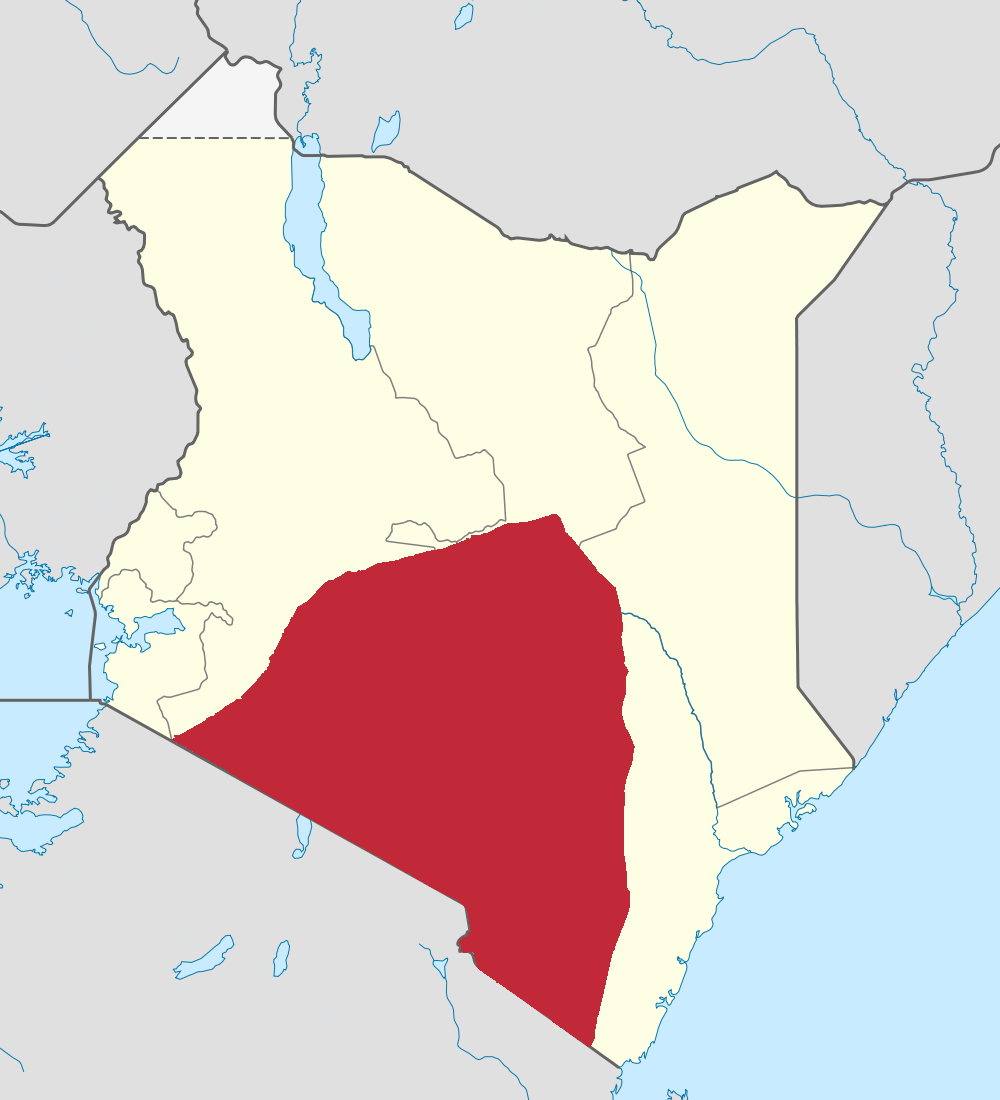
The name Kalenjin, meaning roughly “I tell you” in the language, was adopted in the mid-twentieth century as a common name uniting the related groups who had previously been known separately, forging a single identity from peoples who shared a language and culture but not a single name. The Kalenjin comprise several subgroups, including the Nandi, the Kipsigis, the Tugen, the Keiyo, the Marakwet, the Sabaot, and the Pokot, among others.
As an identity, Kalenjin denotes this family of Highland Nilotic communities of the Kenyan Rift Valley, united by a common language, a shared culture, and, in the modern era, a common name and political consciousness, and distinct from the neighbouring Luo, Luhya, Kikuyu, Maasai, and other peoples of Kenya. The forging of the Kalenjin identity in the twentieth century, and the community’s rise to political prominence and sporting fame, have made “Kalenjin” a powerful and proud name, binding the once-separate groups of the highlands into one of Kenya’s great peoples.
The Language

The Kalenjin language belongs to the Nilotic branch of the Nilo-Saharan family, in its Southern or Highland Nilotic division, related to but distinct from the languages of the Maasai and the other Nilotes, and is spoken in a number of closely related dialects corresponding to the various subgroups, mutually intelligible enough to form a single language. It is the everyday tongue of the community, while Swahili and English serve as the national languages of Kenya.
Traditionally an unwritten language carried in a rich oral tradition of song, proverb, and story, Kalenjin has in modern times been given a written form in the Latin script and is used in church, radio, and education alongside Swahili and English. The oral literature of the Kalenjin, with its songs, proverbs, and the traditions of the age-sets and the clans, is a treasury of the culture. The Kalenjin language, uniting the various subgroups, is a central marker of the community’s identity and the vehicle of its heritage.
The Homeland
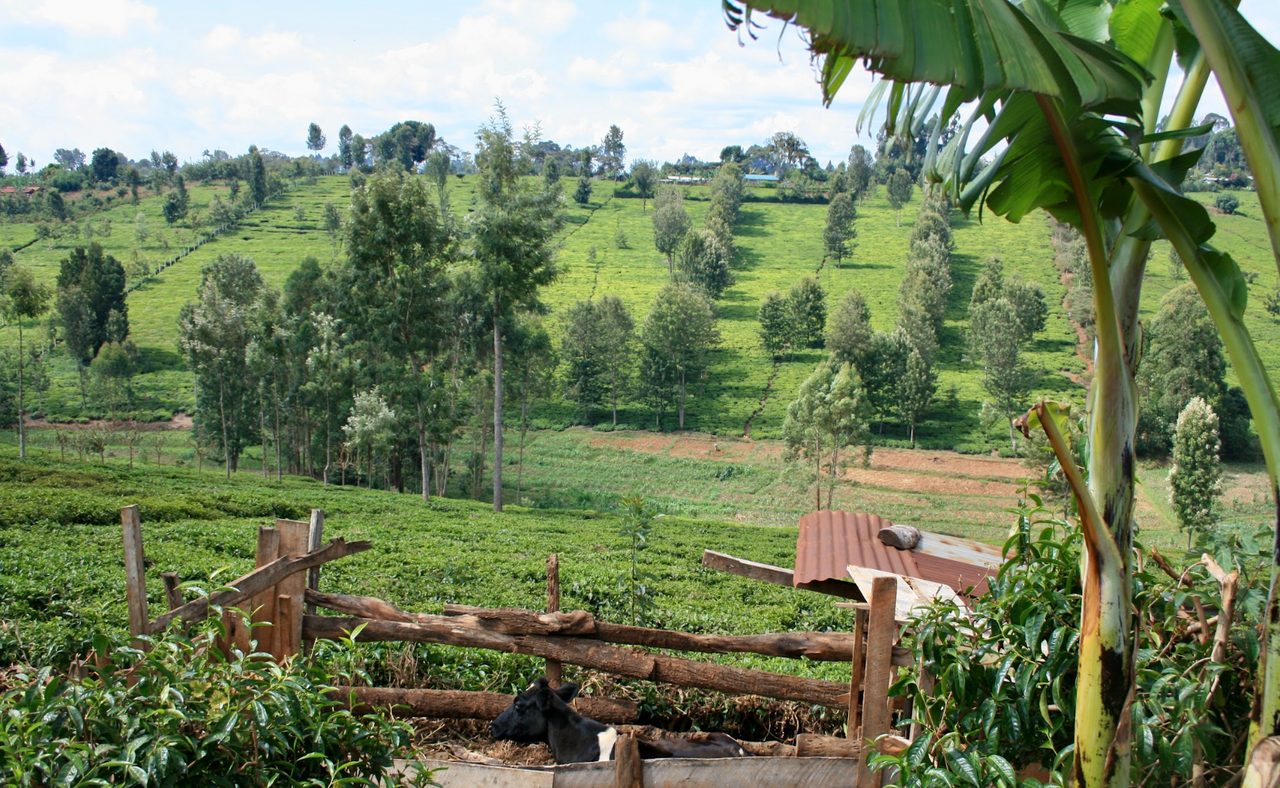
The homeland of the Kalenjin is the western highlands of Kenya, the high country of the Rift Valley and its escarpments, a land of rolling hills, forests, and fertile farmland at altitudes often above two thousand metres, cool and well-watered, one of the most productive agricultural regions of the country. It is here, in the high air of the Rift Valley, that the Kalenjin have their home and, many believe, the secret of their running.
This highland environment shaped the Kalenjin way of life, providing the pastures for their cattle and the fertile land for their crops, and its high altitude, it is often suggested, has contributed to the community’s extraordinary aptitude for distance running, along with a way of life that traditionally involved much walking and running in the thin mountain air. The towns of Eldoret, Kapsabet, and others are the centres of the Kalenjin country and, today, of its running culture. This high, fertile country of the Rift Valley is the homeland of the Kalenjin and the setting of their agricultural life and their athletic fame.
The Old Way of Life
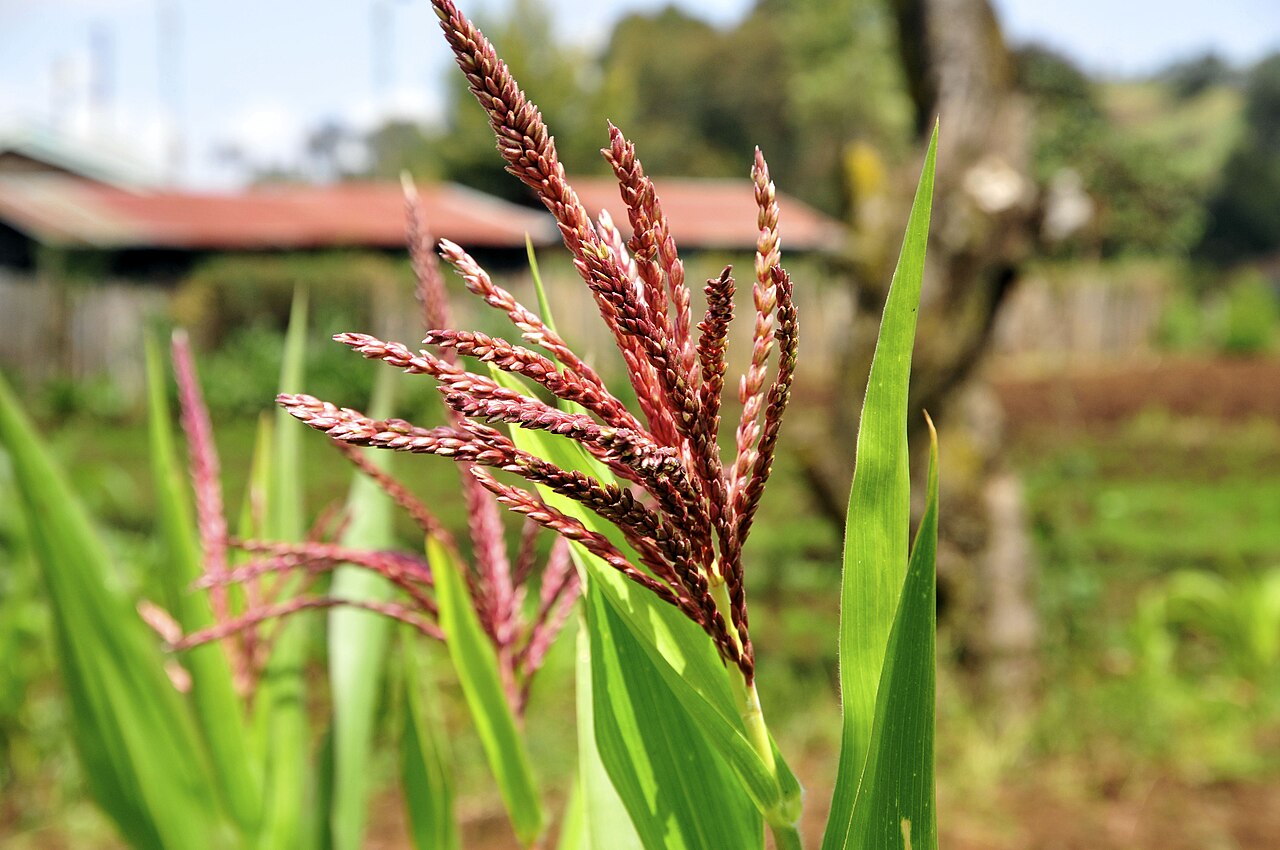
The traditional life of the Kalenjin was that of the agro-pastoralist, combining the herding of cattle, sheep, and goats with the cultivation of the fertile highlands, in a way of life poised between the pastoral and the agricultural. Cattle held an honoured place, as the measure of wealth, the bridewealth of marriage, and a focus of pride, in the manner of the Nilotic peoples, while the fertile high country allowed the cultivation of millet, sorghum, and, later, maize.
Life was organised around the homestead, the clan, and above all the age-sets, into which the young men were initiated at circumcision, and which structured the society and provided the warriors who defended the herds and the land. The herding of cattle, the cultivation of the fields, and the raiding and defence of the frontier, above all against the Maasai, filled the life of the community. A way of life that involved much walking and running across the high country, herding and raiding, is often thought to lie behind the community’s later athletic prowess. This agro-pastoral life, centred on cattle, crops, and the age-sets, was the traditional world of the Kalenjin.
Society and Community
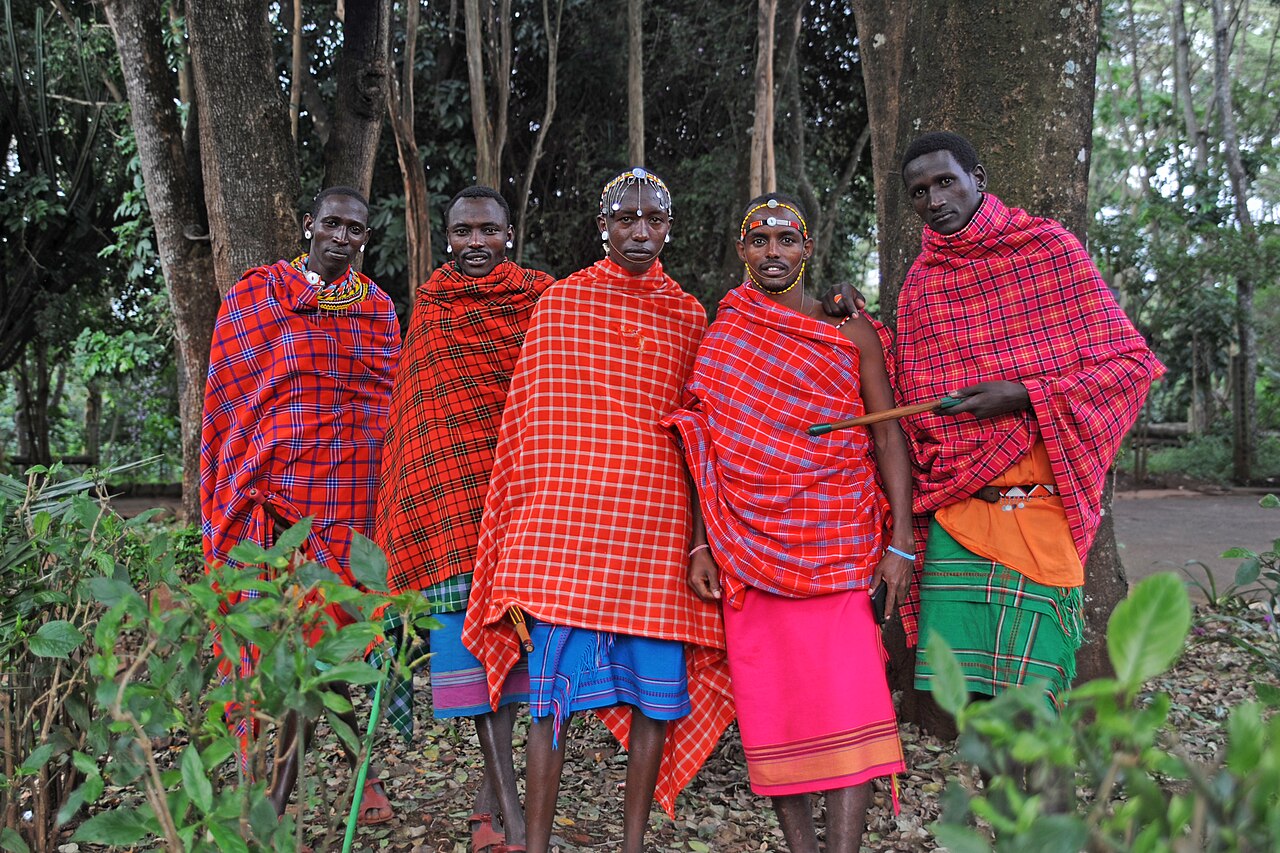
Kalenjin society is organised around the family, the clan, and above all the age-set system, which is one of the most important institutions of the culture. The young men are initiated into manhood together at circumcision, forming an age-set that binds them for life, and the age-sets, succeeding one another in a cycle, structured the society, provided its warriors, and ordered the passage of the generations. The initiation, with its ordeals and its teaching of the values and knowledge of the community, was, and remains, a central rite.
Traditional Kalenjin society had no centralised state, but was ordered by the clans, the age-sets, and the councils of elders, and by ritual leaders such as the orkoiyot among the Nandi, a prophet and diviner who rose to prominence in the nineteenth century. Women held important roles in the domestic and agricultural economy and had their own initiation and age organisation. In the modern era the Kalenjin have become a major political force in Kenya. Bound by clan, age-set, and the councils of elders, and famous for the initiation that binds the generations, Kalenjin society preserves the cohesive character of a Highland Nilotic people.
Religion and Belief

The traditional religion of the Kalenjin centred on the worship of a supreme God, Asis, identified with the sun, the creator and sustainer of the world, approached through prayer and sacrifice, often at sacred sites such as hilltops and beneath sacred trees, and mediated by the elders and ritual specialists. Alongside Asis, the Kalenjin venerated the spirits of the ancestors, the oiik, who watched over the living and were honoured and propitiated.
Religious life was tied to the cycles of the agricultural and pastoral year, to the age-sets and initiations, and to the well-being of the community and its herds, and was expressed in prayer, sacrifice, and the observances of the clan and the homestead. In the modern era the great majority of the Kalenjin have become Christian, above all through the churches that spread in the colonial and post-colonial periods, yet elements of the traditional reverence for Asis and the ancestors survive in the culture. This religion, centred on Asis the sun-god and the ancestral spirits, was the traditional faith of the Kalenjin.
Traditions

The traditions of the Kalenjin are expressed in the ceremonies of the age-sets and initiation, in song and dance, and, in the modern era, above all in the culture of running that has made the community world-famous. The initiation of the young into manhood and womanhood, with its rituals, ordeals, and teaching, is the central traditional ceremony, and the songs, dances, and customs of the clans and the homestead mark the occasions of life.
But it is as runners that the Kalenjin are known to the world. From the highlands of the Rift Valley has come an extraordinary succession of champions, who have dominated Olympic and world distance running for decades, from the 800 metres to the marathon, winning a share of the medals out of all proportion to the community’s size, so that the towns of the Kalenjin country have become places of pilgrimage for the study of athletic excellence. This tradition of running, rooted in the highlands and the way of life, has become, alongside the ancient rites of initiation, a defining tradition of the modern Kalenjin.
Crafts

The crafts and material culture of the Kalenjin are those of an agro-pastoral people of the highlands, practical and tied to the life of the homestead, the herd, and the field. The Kalenjin made the implements of herding and cultivation, worked with gourds and calabashes to make the containers and vessels of the household, above all for milk and the fermented milk that was a staple, and crafted the beadwork and ornaments worn on ceremonial occasions.
Leatherwork, the making of the traditional dress from hides, ironwork for the spears and tools, and the building of the round homesteads from the materials of the highlands completed their material culture. The decoration of the body and the wearing of ornaments, above all at the initiations and ceremonies, expressed status and beauty. These crafts, tied to the pastoral and agricultural life of the highlands and the ceremonies of the age-sets, reflect the practical world of the Kalenjin people.
Food

Kalenjin cuisine is a highland food culture built on milk, maize, and the produce of the fertile Rift Valley. Milk, above all the fermented, soured milk kept in gourds, was a traditional mainstay of the diet, reflecting the pastoral heritage, and grain, traditionally millet and sorghum and now above all maize, is the staple, prepared as ugali, the stiff porridge that is the everyday food of Kenya, and as porridges and drinks.
The Kalenjin table combines this ugali and milk with vegetables, beans, and the meat of cattle, sheep, and goats on special occasions, and with the mursik, the traditional soured and often smoked milk that is a celebrated part of the culture and, in modern times, associated with the diet of the champion runners. The simple, wholesome food of milk, maize, and the produce of the highlands, rich in the mursik and the ugali of the region, reflects the pastoral and agricultural heritage of the Kalenjin people.
Festivals

Festivals and ceremonies among the Kalenjin centre on the great rites of initiation and the age-sets, and on the celebrations of the agricultural and pastoral year. The initiation of the young into manhood and womanhood, the most important ceremony of the culture, is a great occasion of ritual, teaching, and celebration, marking the passage of the generations and the binding of the age-sets, and is accompanied by song, dance, and feasting.
The occasions of marriage, with the exchange of cattle as bridewealth, and the celebrations of the harvest and the seasons, mark the life of the community, and, for the Christian majority, the festivals of the church are widely observed. In the modern era, the great athletic events, the races and championships in which the Kalenjin excel, have become occasions of communal pride and celebration. Through these ceremonies and celebrations, above all the initiations and, in modern times, the triumphs of the runners, the Kalenjin express their traditions and their communal identity.
History

The history of the Kalenjin is that of the Highland Nilotic peoples of the Rift Valley, long settled in the western highlands of Kenya, herding and farming the high country and contending with their neighbours, above all the Maasai, over the pastures and the frontier. In the nineteenth century the Nandi, one of the largest Kalenjin groups, rose to prominence under their ritual leaders, the orkoiik, and became a formidable power in the highlands.
The coming of the British at the end of the nineteenth century brought a fierce resistance, above all the long Nandi resistance led by the orkoiyot Koitalel arap Samoei, who fought the building of the railway and the imposition of colonial rule until his death in 1905, a struggle remembered with pride. Under colonial rule the Kalenjin lands were encroached upon by white settlers in the “White Highlands,” and it was in this period that the various groups came together under the common name of Kalenjin. Since independence the Kalenjin have been a major political force in Kenya, producing national leaders, and have risen to world fame through their runners. This history, of highland pastoralists, resistance, unification, and modern prominence, is central to Kalenjin identity.
Today
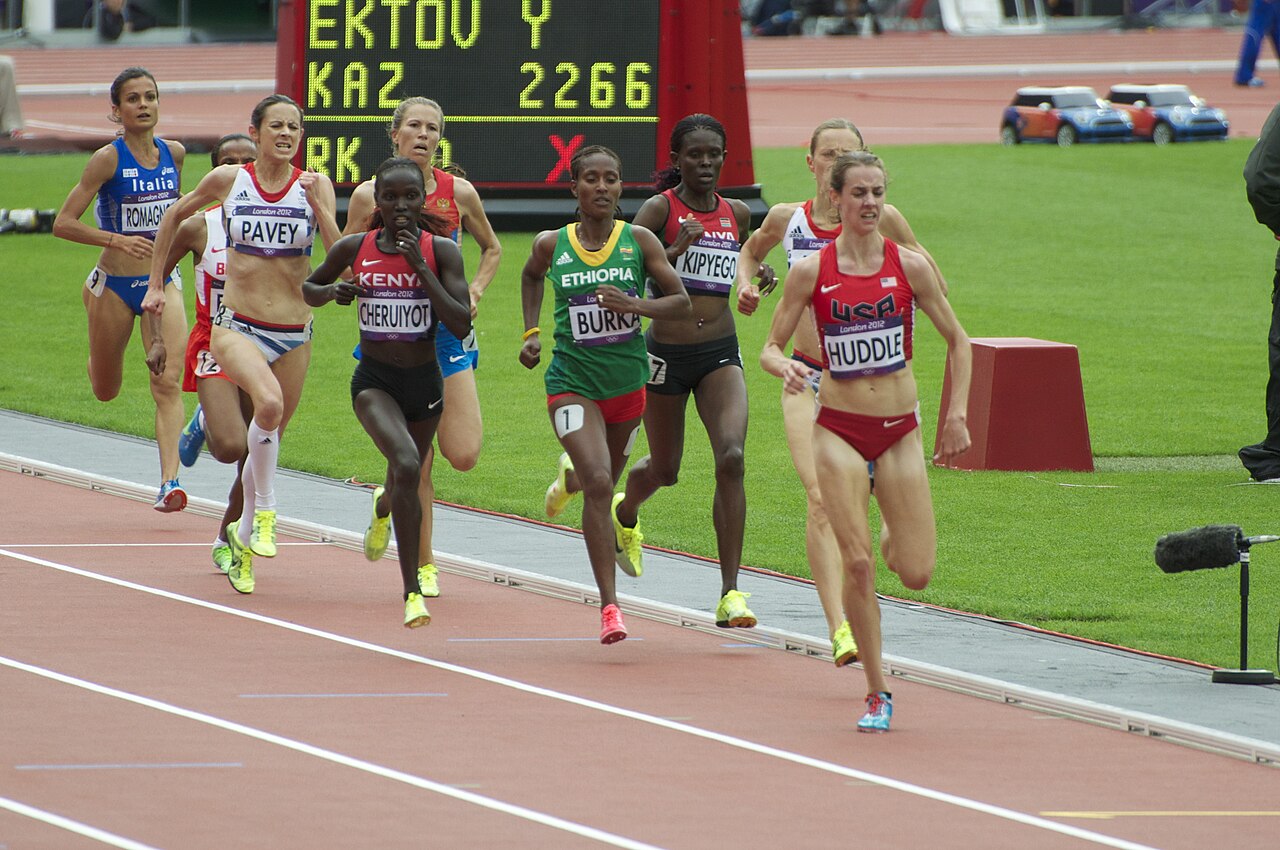
Today the Kalenjin are one of the largest and most prominent peoples of Kenya, a major force in the nation’s politics, having produced national leaders, and, above all, world-famous as the source of an astonishing proportion of the planet’s greatest distance runners. From the highland towns of the Rift Valley, above all around Eldoret, has come a continuous stream of Olympic and world champions, and the region has become a global centre for the study and training of distance running.
The community, largely Christian and engaged fully in the life of modern Kenya, continues its agricultural life in the fertile highlands while its athletes carry its name around the world, and the culture of running has brought both fame and prosperity, along with the challenges of commercialisation and competition. The Kalenjin face the pressures common to modern African peoples, of development, land, and the balance of tradition and change, and the tensions of Kenyan politics, in which they are a major bloc. Yet they retain a strong sense of identity, rooted in their language, their highlands, their traditions of initiation, and, above all in the eyes of the world, their unmatched achievement in running. Heirs to a Highland Nilotic heritage and champions of the world’s tracks and roads, the Kalenjin carry their identity into the modern age.
Related Peoples of the Region
- Kaqchikel Maya, Guatemala’s Highland Rivals Who Reclaimed Their Freedom
- The Horsemen Who Conquered the World, the Story of the Mongols
- The Dancing Deer and the Jewelled Valley, the Story of the Meitei People of Manipur
- A Small Mountain Nation That Paid Everything for Freedom, the Story of the Chechens
- Long Before the Arabs Came, North Africa Belonged to the Amazigh
- The Fon, Heirs of the Kingdom of Dahomey
- The Dinka, Cattle-Keepers of the Nile
- The Nuer, the Free Cattle-Keepers of the Nile
More Peoples of the World
- A Fifth of Humanity, the Story of the Han Chinese
- How the Maori Sailed Across the Pacific to Reach New Zealand
- Zulu of the Green Hills and Their Kingdom Forged by Shaka
- The People Who Never Vanished, the Story of the Maya
- Long Before the Arabs Came, North Africa Belonged to the Amazigh
- The People Who Emerged Into This World, the Story of the Navajo
- Meet the Ainu, an Indigenous People at Japan’s Northern Edge
You May Like
The Hutu, the Farmers of the Land of a Thousand Hills


