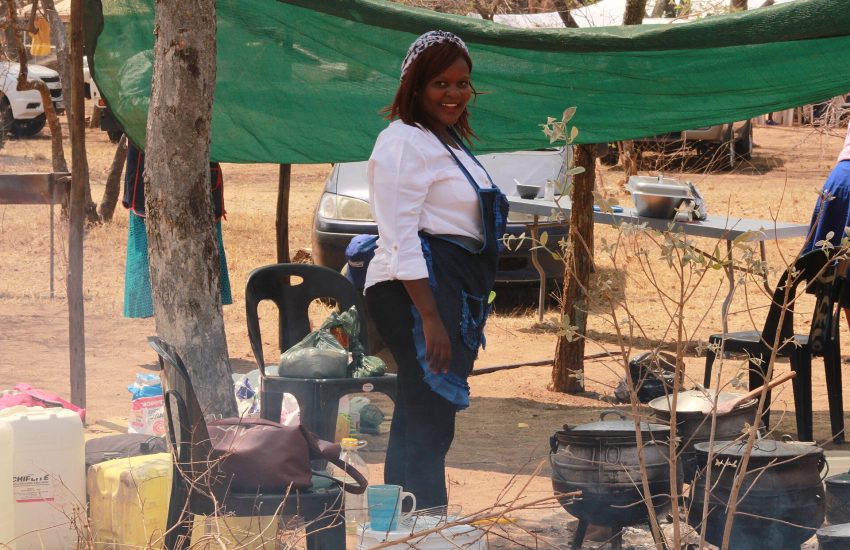
The Banyankole, or Nkole, are a Bantu-speaking people of southwestern Uganda, the people of the historic kingdom of Ankole. Numbering well over two million, they occupy the rolling grasslands and hills around Mbarara, a country long famous for its magnificent long-horned Ankole cattle.Ankole society was traditionally divided between the Bahima, a pastoral aristocracy devoted to their great herds, and the Bairu, farmers of the land, bound together in one kingdom under a king, the Omugabe. This article traces their origins, language, homeland, the culture of cattle and kingship and the customs that continue to define them.
The Banyankole on Film
Contents
- Origins
- The Name
- The Language
- The Homeland
- The Old Way of Life
- Society and Community
- Religion and Belief
- Traditions
- Crafts
- Food
- Festivals
- History
- Today
Origins

The Banyankole, or Nkole, are a Bantu-speaking people of southwestern Uganda, the people of the historic kingdom of Ankole. Numbering well over two million, they occupy the rolling grasslands and hills between Lake Victoria and the mountains of the west, a country long famous for its magnificent long-horned cattle.
Ankole society was traditionally divided into two groups: the Bahima, a pastoral aristocracy who herded the great herds of cattle, and the Bairu, farmers who cultivated the land. Bound together in a single kingdom under a king, these two groups gave Ankole its distinctive social order and its enduring identity as a land of cattle and kings.
The Name

The people call themselves the Banyankole, a single person being a Munyankole and the language Runyankole. The name derives from Nkole, or Ankole, the kingdom that united them, and it covers both the pastoral Bahima and the agricultural Bairu who together made up its population.
The kingdom and its people take their character above all from the celebrated Ankole cattle, and the name Banyankole calls to mind the herders and their long-horned beasts, the courts of the kings and the green hills of the southwest. It stands for one of the traditional kingdoms that shaped the history of Uganda.
The Language
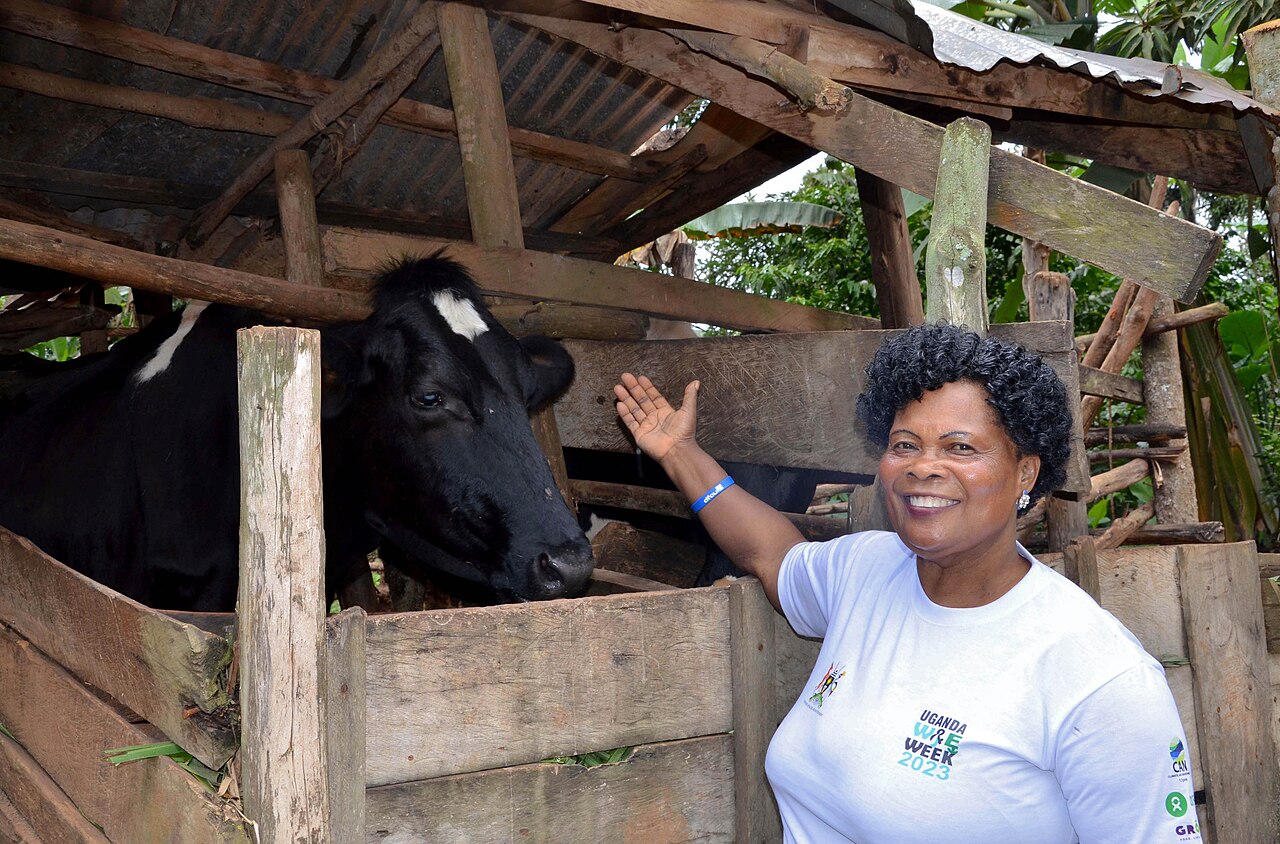
The Banyankole speak Runyankole, a Bantu language closely related to the tongues of the neighbouring kingdoms of western Uganda, so much so that they are often grouped together for purposes of writing and broadcasting. It is spoken by well over two million people across the region.
Rich in the vocabulary of cattle and pasture, and in praise-poetry and proverb, Runyankole reflects the pastoral heart of Ankole culture. Alongside English and Swahili, it remains the everyday language of the southwest, carrying the songs, genealogies and oral traditions of a people proud of their kingdom and their herds.
The Homeland

The Ankole homeland is the country of southwestern Uganda around Mbarara, a land of rolling grassland, scattered hills and river valleys, well suited to the grazing of cattle. Lying at a comfortable altitude with a mild climate, it offers rich pasture in its lowlands and fertile ground for farming on its slopes.
This landscape shaped the twofold economy of Ankole, with the Bahima grazing their herds across the open grasslands and the Bairu cultivating the hills and valleys. The green, cattle-dotted country of Ankole, centred on the town of Mbarara, remains one of the most distinctive and productive regions of Uganda.
The Old Way of Life

The old way of life in Ankole was built on the division between cattle and cultivation. The Bahima were pastoralists whose lives revolved wholly around their herds of long-horned cattle, moving in search of pasture and water and measuring wealth, status and identity in cattle. Milk was their staple, and the beauty and number of a man’s cattle were his pride.
The Bairu, by contrast, were farmers, growing millet, bananas, beans and other crops on the fertile land. The two groups were bound together in a single society, exchanging goods and services, but cattle held the higher prestige, and the pastoral ideal of the Bahima gave Ankole culture its dominant flavour.
Society and Community

Ankole was a kingdom, ruled by a king called the Omugabe, whose court, drummers and royal regalia, including the sacred royal drum, embodied the unity and continuity of the state. Below the king, society was ordered by the distinction between the pastoral Bahima and the agricultural Bairu, and by ties of clan, lineage and clientage.
Relations between herders and farmers, and the bonds of cattle-clientship by which men attached themselves to wealthier patrons, structured much of social life. The kingdom gave Ankole a strong political identity, and though the monarchy was abolished for a time after Ugandan independence, the memory and prestige of the Omugabe and his court endure.
Religion and Belief

Traditional Ankole religion recognised a creator god, Ruhanga, the maker of the world and the ultimate source of life, cattle and fortune. Alongside this high god lay a concern with spirits and with the ancestors, who were honoured and consulted, and whose favour was sought for the health of people and herds.
Ritual and sacrifice, often involving cattle, marked the important occasions of life and the wellbeing of the kingdom, and diviners interpreted misfortune. Christianity spread widely in Ankole from the late nineteenth century, and most Banyankole today are Christian, though older beliefs about Ruhanga, the ancestors and the sacredness of cattle persist in the culture.
Traditions
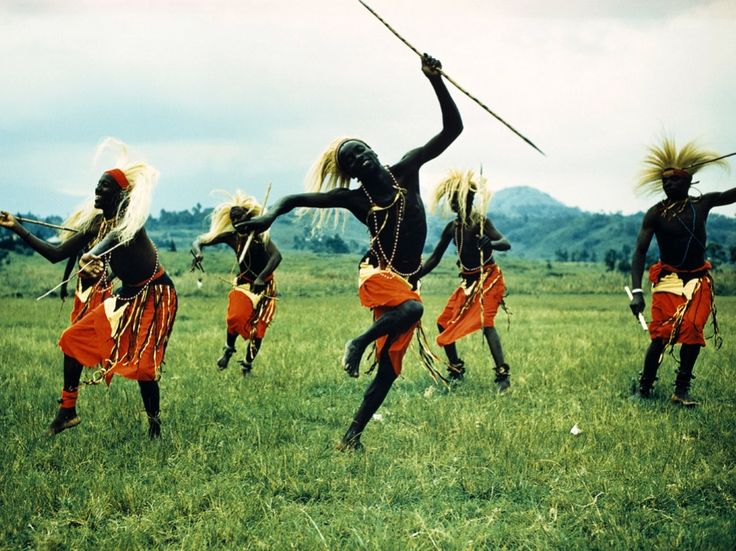
The traditions of the Banyankole are steeped in the culture of cattle. The Bahima developed an elaborate lore of cattle-keeping, with special names, praise-songs and poetry devoted to their beasts, and the milking, watering and care of the herds followed cherished custom. Marriage, sealed by the giving of cattle, bound families and expressed the central place of the herd.
Rites of passage, the ceremonies of the royal court and the hospitality of milk and cattle marked the rhythm of life. Music, dance and praise-poetry celebrated cattle, kings and heroes, and the distinctive dances of Ankole, with their evocation of the long-horned cattle, remain a cherished part of the people’s heritage.
Crafts

Ankole craftsmanship served both the pastoral and the farming ways of life. The Bahima made the wooden milk-pots, churns and vessels, and the gourds for souring milk, that were central to a dairy economy, often finely decorated. The Bairu and others worked iron into hoes, knives and spears, and made pottery and baskets.
Basketry and the weaving of decorated mats and containers were valued household crafts, and the making of the drums and regalia of the royal court called for special skill. These crafts, tied to the twin pillars of cattle and cultivation, reflect a society in which the herd and the field each had their honoured place.
Food

The staple food of the pastoral Bahima was milk, drunk fresh or soured, supplemented by meat and by ghee, and dairy remains at the heart of the Ankole diet. A cherished dish is eshabwe, a sauce made from ghee, served with millet or other staples and central to celebration and hospitality.
The Bairu and the wider population ate millet, bananas, beans and vegetables from the farms, and today these grow together with the dairy foods of the herders. Milk, ghee and beef, prized above all by a cattle-keeping people, give Ankole cooking its distinctive character, and the offering of milk remains a mark of welcome.
Festivals

Festive life in Ankole gathered around the ceremonies of the kingdom, the milestones of the life cycle and the culture of cattle. Royal ceremonies at the court of the Omugabe, weddings marked by the giving of cattle, and the celebrations of birth and initiation brought people together for feasting, music and dance.
Drumming, song and the praise-poetry of cattle and kings gave these gatherings their spirit, and the distinctive dances of Ankole, evoking the movement and the great horns of the cattle, were performed with pride. Today national and Christian festivals join the older celebrations, and cultural events keep the dances and traditions of the kingdom alive.
History

The kingdom of Ankole grew up over several centuries as one of the interlacustrine states of the region between the great lakes, ruled by its Omugabe and structured around the relationship between Bahima herders and Bairu farmers. It traded and warred with neighbouring kingdoms and built a strong sense of identity around its cattle and its monarchy.
In the late nineteenth century Ankole came under British influence and was incorporated, with expanded borders, into the Uganda Protectorate as one of its kingdoms. After Ugandan independence in 1962 the kingdoms were abolished in 1967, and although some were later restored, the Ankole monarchy has not been formally revived, even as the cultural identity of the Banyankole remains strong.
Today
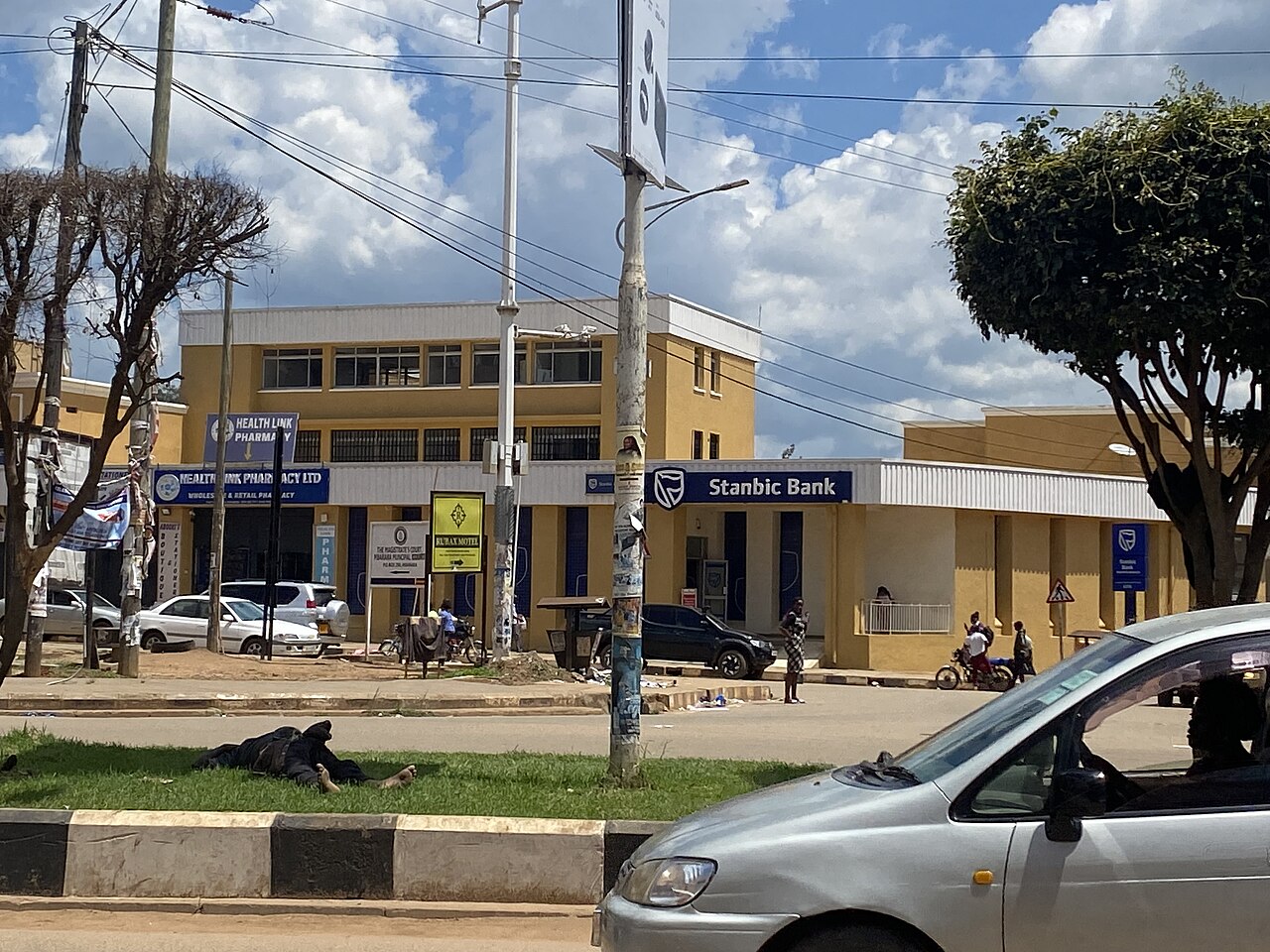
Today the Banyankole are one of the largest peoples of Uganda, prominent in farming, cattle-keeping, business and national life, with their homeland in the southwest centred on the growing city of Mbarara. The famous Ankole long-horned cattle remain a source of pride, though modern breeds and dairy farming have transformed the pastoral economy.
The distinction between Bahima and Bairu has softened with time, and Christianity, education and the modern economy have reshaped Ankole society. Yet the culture of cattle, the memory of the kingdom and the dances and traditions of the southwest endure, and the Banyankole carry their distinctive heritage confidently into contemporary Uganda.
Related Peoples of the Region
- The Samburu, the Butterfly People of Northern Kenya
- The Chagga, the Coffee Farmers of Kilimanjaro
- The Sukuma, Tanzania’s Largest People and Their Dancing Societies
- The Sukuma, Tanzania’s Largest People and Their Dancing Societies
- The Nyamwezi, the Caravan Traders of Central Tanzania
- The Makonde, the Blackwood Sculptors of the Ruvuma
- The Hadza, the Last Hunter-Gatherers of Lake Eyasi
- The Iraqw, the Cushitic Highlanders of Northern Tanzania
More Peoples of the World
- A Fifth of Humanity, the Story of the Han Chinese
- How the Maori Sailed Across the Pacific to Reach New Zealand
- Zulu of the Green Hills and Their Kingdom Forged by Shaka
- The People Who Never Vanished, the Story of the Maya
- Long Before the Arabs Came, North Africa Belonged to the Amazigh
- The People Who Emerged Into This World, the Story of the Navajo
- Meet the Ainu, an Indigenous People at Japan’s Northern Edge
You May Like
The Damara, an Ancient People of Namibia