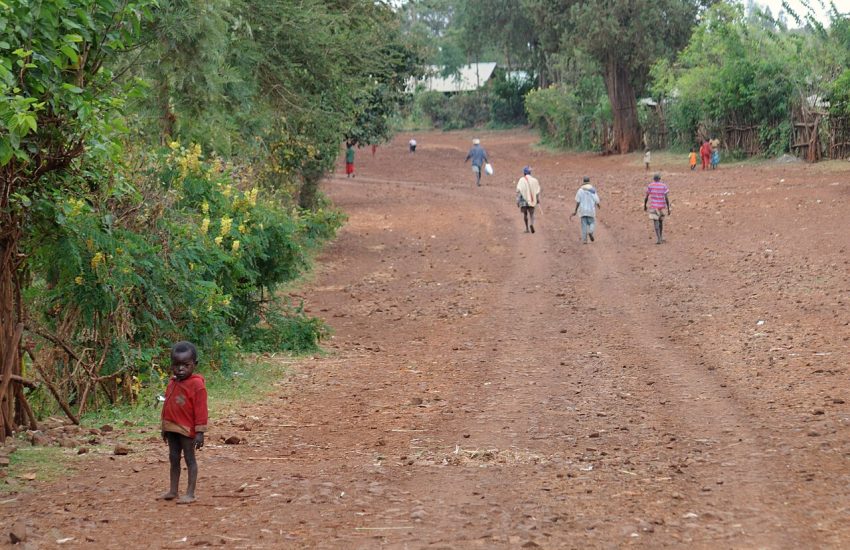
The Acholi are a Luo people of northern Uganda and the neighbouring parts of South Sudan, one of the Nilotic communities whose ancestors migrated south into the region over past centuries. Numbering around two million, they occupy the open savanna of Acholiland, centred on the towns of Gulu, Kitgum and Pader, where they lived under chiefs whose authority was both political and sacred.Renowned for their music, their oral poetry and their stately royal Bwola dance, the Acholi built a distinctive culture in the northern grasslands, but in recent decades they endured one of Africa’s most brutal insurgencies before returning to the long work of recovery. This article traces their origins, language, homeland, chiefdoms and the customs that continue to define them.
The Acholi on Film
Contents
- Origins
- The Name
- The Language
- The Homeland
- The Old Way of Life
- Society and Community
- Religion and Belief
- Traditions
- Crafts
- Food
- Festivals
- History
- Today
Origins

The Acholi are a Luo people of northern Uganda and the neighbouring parts of South Sudan, one of the Nilotic communities whose ancestors moved south into the region from the north over past centuries. Numbering around two million, they occupy the savanna country of Acholiland, centred on the towns of Gulu, Kitgum and Pader.
The Acholi emerged from a mingling of Luo migrants with earlier inhabitants, forming a cluster of chiefdoms across the grasslands. Sharing a common language and culture, and organised under chiefs whose authority combined the political and the sacred, they came to see themselves as one people, the Acholi of the north.
The Name

The name Acholi, also written Acoli, came into general use to describe the Luo-speaking chiefdoms of the northern Ugandan savanna, and the people call their language by the same name. A single person is spoken of as an Acholi, and the country as Acholiland.
Like other Luo peoples, the Acholi trace their deeper origins to the migrations that carried Nilotic speakers across the region, but their particular identity was forged in the chiefdoms of the north. The name Acholi now stands for this distinct people, with their own dialect, customs and history within the wider Luo world.
The Language
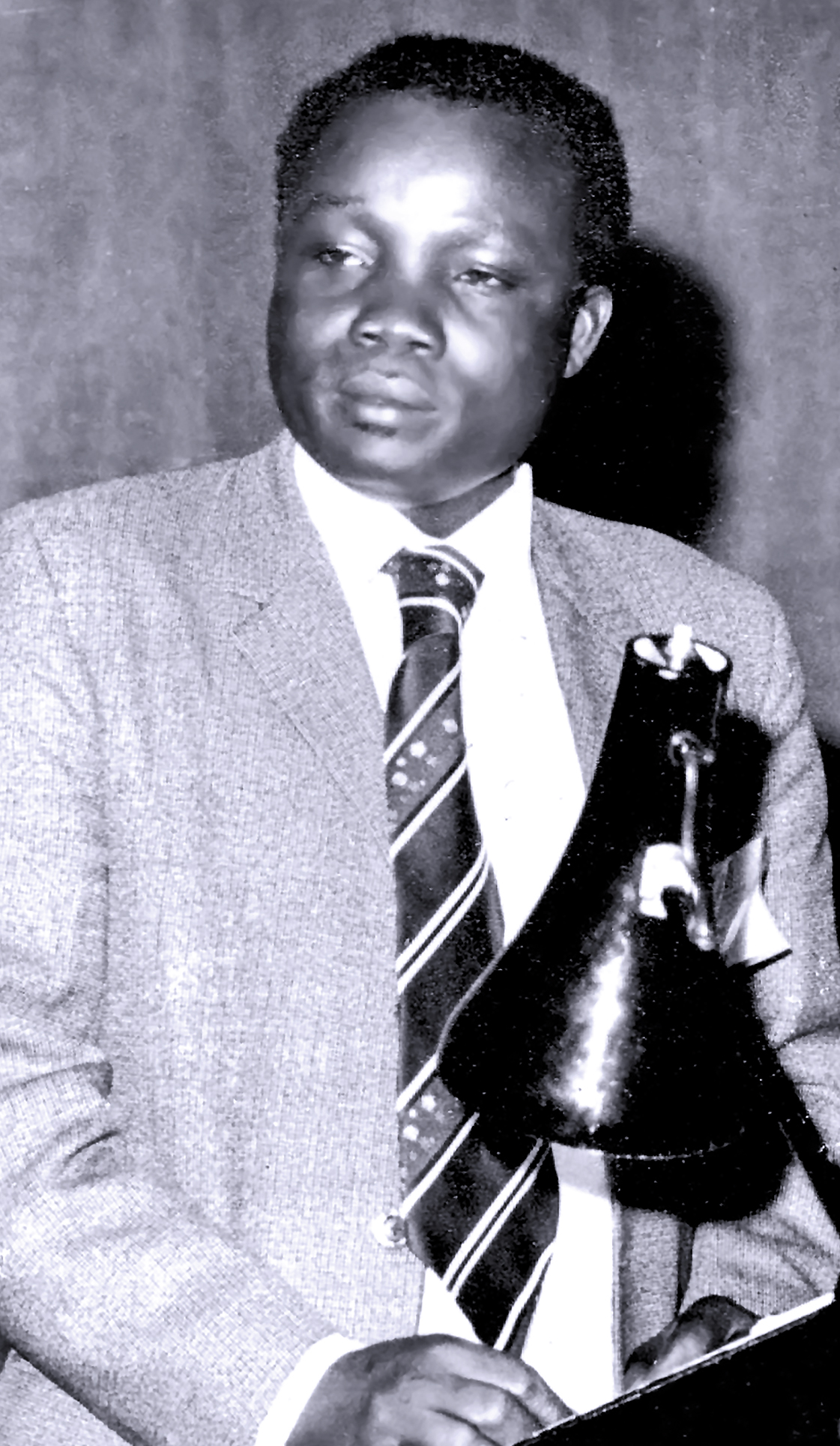
The Acholi speak Acholi, a dialect of the Southern Luo language closely related to the speech of the Lango, the Alur and the Luo of Kenya and South Sudan. It is a Nilotic tongue, quite distinct from the Bantu languages of central and southern Uganda.
Acholi is spoken across the north of Uganda and into South Sudan, and it has a rich tradition of oral poetry, song and proverb, celebrated in the work of writers such as the poet Okot p’Bitek. Alongside English, it remains the everyday language of Acholiland, carrying the culture and memory of the people.
The Homeland
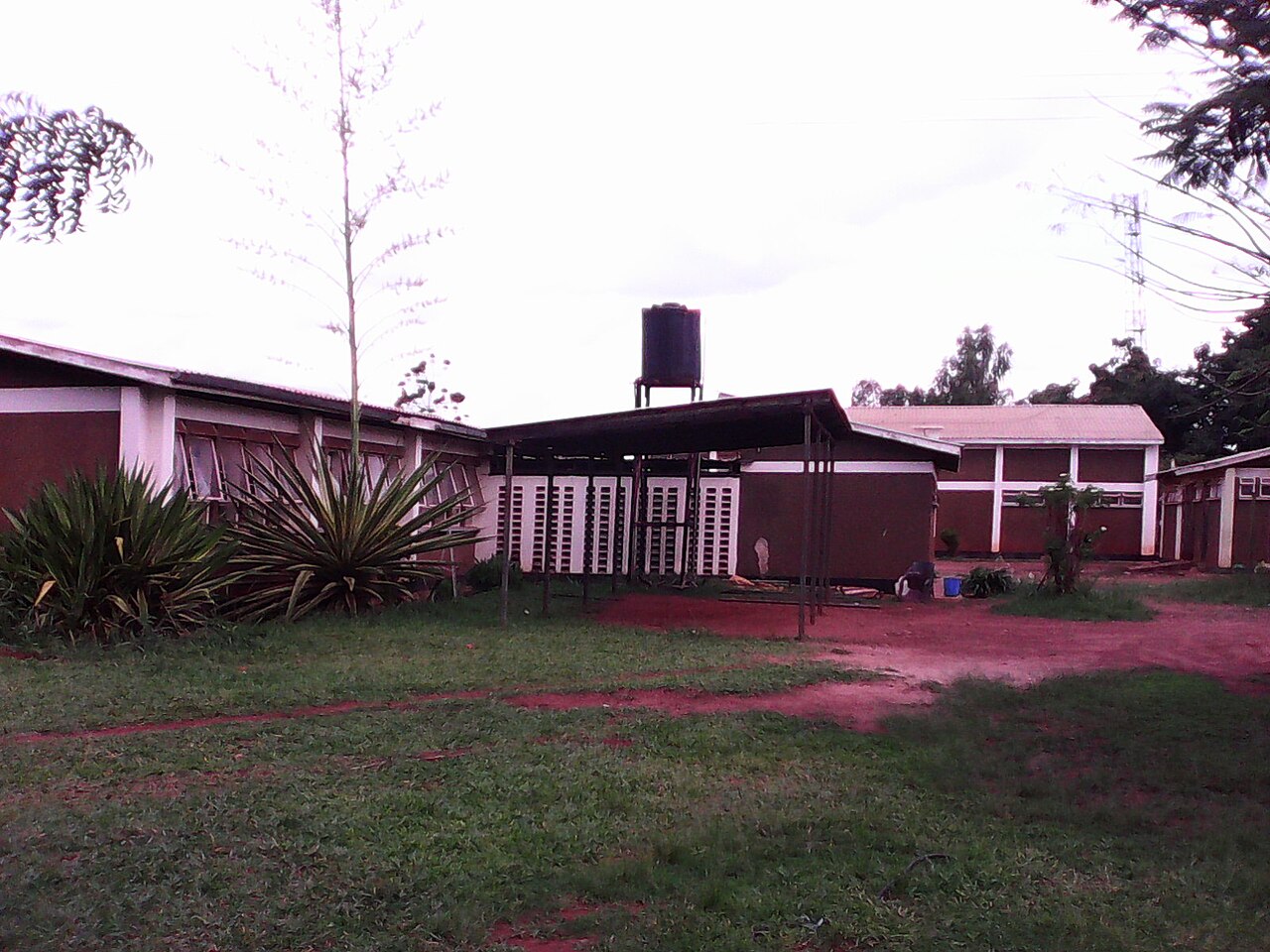
The Acholi homeland is the broad savanna of northern Uganda, a country of open grassland, scattered trees and seasonal rivers, drier and more open than the green highlands of the south. It is well suited to a mixed economy of farming and herding, and its grasslands and woodlands supported both crops and cattle.
This northern position, bordering South Sudan, placed the Acholi at the meeting point of the Bantu south and the Nilotic and other peoples of the north. The savanna of Acholiland, centred on Gulu, has shaped a way of life adapted to its open spaces and its cycle of wet and dry seasons.
The Old Way of Life
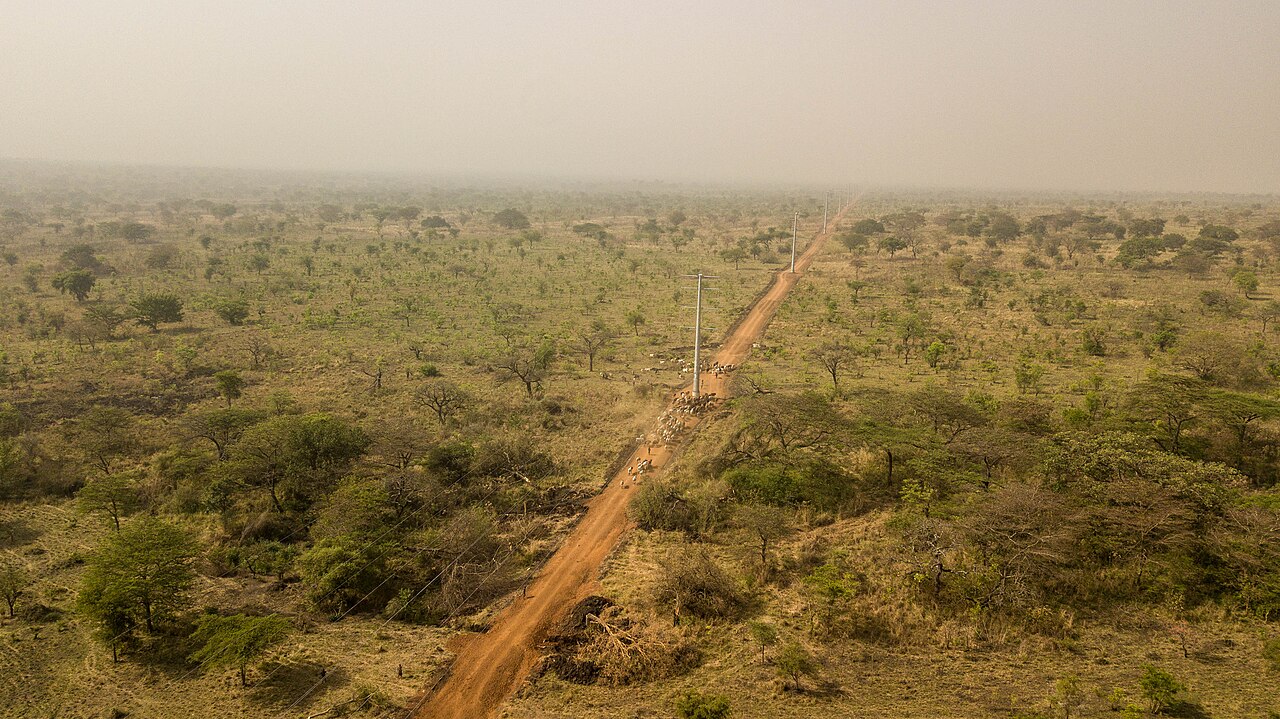
The Acholi were traditionally farmers and herders, cultivating millet, sorghum, sesame and other crops suited to the savanna, and keeping cattle, goats and sheep. Millet was the staple grain, and cattle were valued for milk, meat and as wealth central to marriage and social standing.
Hunting in the game-rich grasslands was also important in the past, both for food and as a communal activity bound up with ritual and prestige. Living in villages under their chiefs, the Acholi combined the work of the fields and the herds with the ceremonial and political life of the chiefdoms, in a way of life geared to the rhythms of the northern savanna.
Society and Community
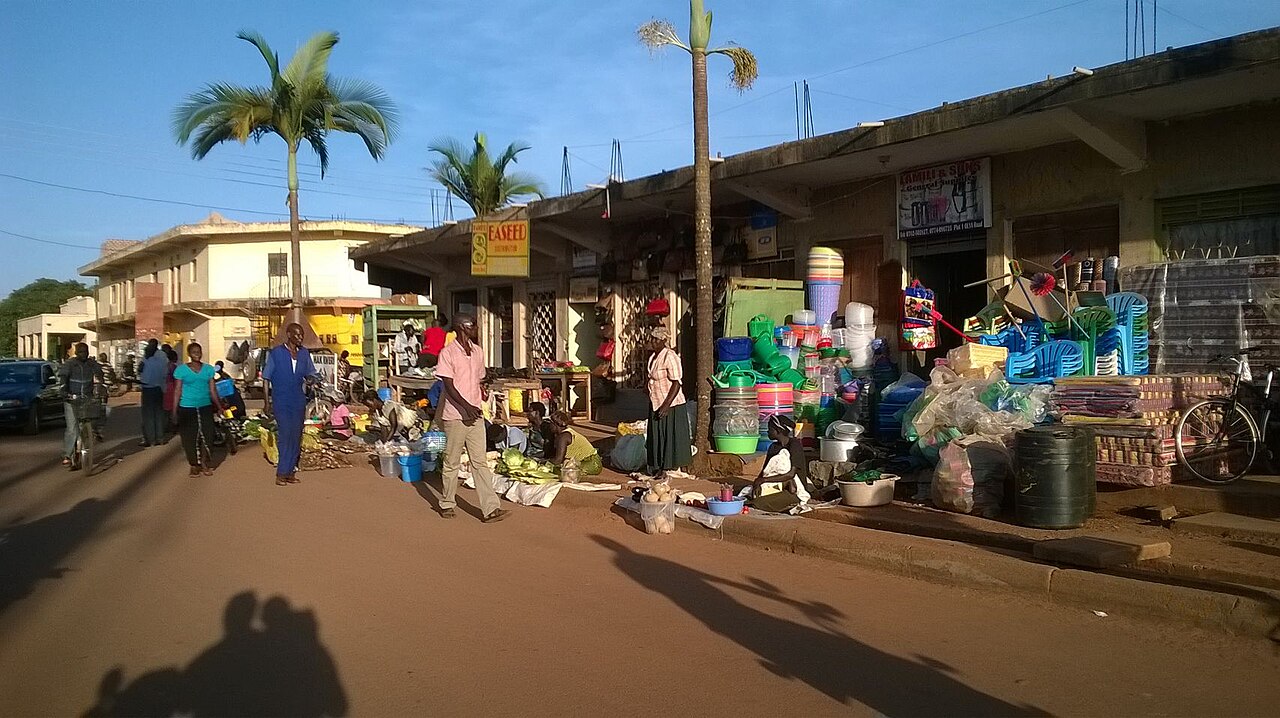
Acholi society was organised into a number of chiefdoms, each headed by a chief, the rwot, whose authority combined political leadership with ritual functions, including responsibility for the ceremonies that ensured the fertility and wellbeing of the land. Below the chiefs, society rested on clans and lineages traced through the male line.
The rwot and his court, with the royal drums and regalia, embodied the unity of the chiefdom, while elders and clan heads governed local affairs. Marriage, sealed by the giving of cattle as bridewealth, linked lineages, and cooperation among kin and neighbours in farming, hunting and ritual bound the community together.
Religion and Belief
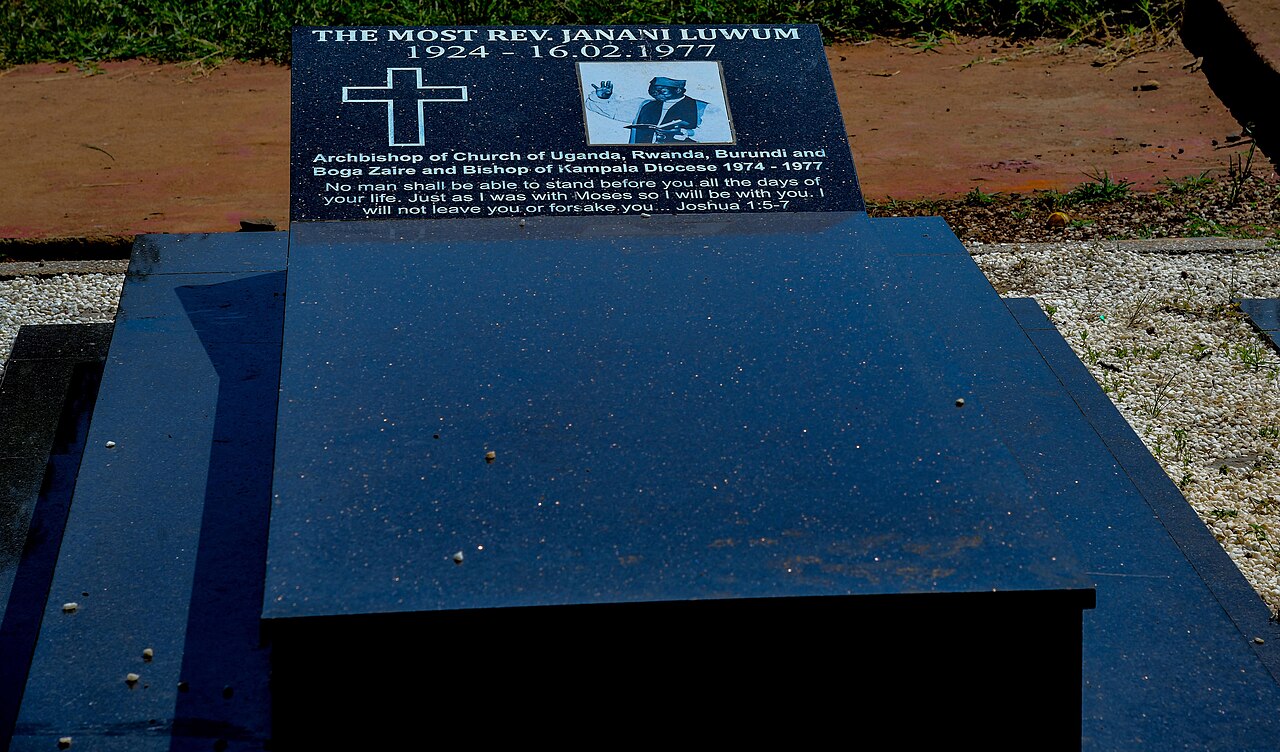
Traditional Acholi religion combined belief in a creator, Rubanga or Jok, with a strong concern for spirits, also called jok, and for the ancestors, whose influence pervaded daily life. Spirits associated with places, clans and forces of nature had to be respected and appeased, and the ancestors honoured, for the health of people, herds and crops.
Diviners and spirit-mediums interpreted misfortune and communicated with the unseen powers, and the chiefs performed rituals for the fertility of the land. Christianity spread widely in Acholiland from the colonial period, and most Acholi today are Christian, but beliefs about jok, spirits and ancestors remain deeply woven into the culture.
Traditions

The traditions of the Acholi are rich in music, dance and oral poetry. Ceremonies marked the stages of life and the affairs of the chiefdoms, and communal hunts, funerals and initiations were occasions of ritual and celebration. The famous royal Bwola dance, performed in a great circle before the chief, expressed the dignity and unity of the chiefdom.
Courtship dances such as the lively larakaraka, funeral rites, and the songs and dances of everyday celebration all held their place, and the Acholi are renowned for the beauty of their music and the power of their oral literature. Storytelling, praise-poetry and song carried the history, values and emotions of the people.
Crafts

Acholi craftsmanship served a savanna society of farmers, herders and hunters. Ironworkers forged the hoes, spears and knives needed for cultivation, hunting and war, and their skill was highly valued. Households made pottery, wove baskets and mats, and fashioned the gourds and wooden vessels of daily use.
Music being central to Acholi life, the making of drums, harps such as the adungu, and other instruments was an important craft. Beadwork, leatherwork and the decoration of dress and regalia added to a material culture in which the practical goods of the savanna and the instruments of celebration each had their place.
Food

The staple food of the Acholi is millet, ground into flour and cooked into kalo, a stiff, dark bread or porridge eaten with stews of vegetables, beans, meat or the sesame paste for which the region is known. Sorghum, sesame and other savanna crops fill out the diet, along with the produce of the gardens.
Meat and milk from the herds, and game from the grasslands in the past, added richness on special occasions, and the sharing of food was central to hospitality and ceremony. Simple, hearty and drawn from the crops of the north, Acholi cooking reflects the farming and herding life of the savanna.
Festivals

Festive life among the Acholi gathered around the ceremonies of the chiefdoms, the milestones of the life cycle and the communal events of the farming and hunting year. Funerals, in particular, were great occasions, marked by days of dancing, drumming and feasting to honour the dead and reaffirm the bonds of the living.
Weddings, initiations, harvests and the ceremonies of the rwot brought people together for music and dance, from the stately Bwola to the lively courtship dances. Today Christian festivals and national holidays join the older celebrations, and the revival of cultural events after years of war has brought new energy to the dances and traditions of Acholiland.
History

The Acholi chiefdoms flourished in the northern savanna for centuries before the colonial era, trading and warring with their neighbours and developing their distinctive institutions of chiefship. In the late nineteenth and early twentieth centuries they came under British rule as part of the Uganda Protectorate, and many Acholi were recruited into the colonial army and police.
After Ugandan independence the north became caught up in the country’s turbulent politics, and from 1986 Acholiland suffered grievously in the long insurgency of the Lord’s Resistance Army, which brought abductions, killings and the mass displacement of the population into camps. Only after 2006 did peace return, and the Acholi have since faced the long task of recovery and rebuilding.
Today

Today the Acholi number around two million and are rebuilding their society after the long years of war and displacement that devastated the north. Farming of millet, sesame and other crops, together with herding and trade, sustains the rural economy, and the city of Gulu has grown rapidly as a centre of commerce and recovery.
The revival of cultural life, the restoration of the chiefs and the celebration of Acholi music, dance and poetry have accompanied the return to peace. Proud of their Luo heritage and their rich traditions, and determined to overcome the trauma of the past, the Acholi carry their distinctive identity into a new era of Ugandan life.
Related Peoples of the Region
- The Chagga, the Coffee Farmers of Kilimanjaro
- The Sukuma, Tanzania’s Largest People and Their Dancing Societies
- The Sukuma, Tanzania’s Largest People and Their Dancing Societies
- The Nyamwezi, the Caravan Traders of Central Tanzania
- The Makonde, the Blackwood Sculptors of the Ruvuma
- The Hadza, the Last Hunter-Gatherers of Lake Eyasi
- The Iraqw, the Cushitic Highlanders of Northern Tanzania
- The Banyankole, the Cattle Kingdom of Ankole
More Peoples of the World
- A Fifth of Humanity, the Story of the Han Chinese
- How the Maori Sailed Across the Pacific to Reach New Zealand
- Zulu of the Green Hills and Their Kingdom Forged by Shaka
- The People Who Never Vanished, the Story of the Maya
- Long Before the Arabs Came, North Africa Belonged to the Amazigh
- The People Who Emerged Into This World, the Story of the Navajo
- Meet the Ainu, an Indigenous People at Japan’s Northern Edge
You May Like

The Shilluk, the Divine Kingdom of the White Nile