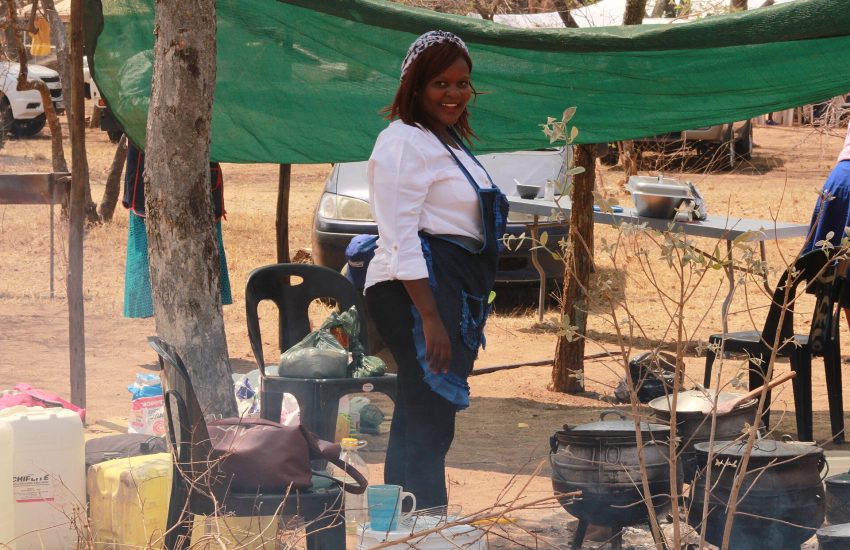
The Karamojong, or Karimojong, are a Nilotic pastoral people of the semi-arid northeast of Uganda, in the region of Karamoja that bears their name. Numbering several hundred thousand, they belong to the wider Ateker cluster that also includes the Turkana, Jie and Teso, and their lives revolve wholly around their herds of cattle on the dry northern plains.Ordered by an elaborate system of age-sets and generation-sets, and governed by elders whose blessing and ritual authority guide the young warriors who defend the herds, the Karamojong have clung fiercely to their cattle-centred way of life through drought, isolation and change. This article traces their origins, language, homeland, pastoral society and the customs that continue to define them.
The Karamojong on Film
Contents
- Origins
- The Name
- The Language
- The Homeland
- The Old Way of Life
- Society and Community
- Religion and Belief
- Traditions
- Crafts
- Food
- Festivals
- History
- Today
Origins

The Karamojong, or Karimojong, are a Nilotic pastoral people of the semi-arid northeast of Uganda, in the region that bears their name, Karamoja. Numbering several hundred thousand, they belong to the wider Ateker, or Karamojong, cluster of peoples, which also includes the Turkana of Kenya and the Jie, Dodoth and Teso of the region.
Their traditions tell of a migration in which one section of a moving people, tired of the journey, chose to stay behind, giving rise to the name that is said to mean the old men who stayed. Settling the dry plains and hills of the northeast, the Karamojong built a way of life centred wholly on their herds of cattle.
The Name

The people call themselves the Karimojong, and the name is variously written Karamojong or Karamajong. It is traditionally explained as meaning the tired old men who sat down and stayed, from the story of their separation from the migrating people who became the Jie and the Turkana.
The region they inhabit is called Karamoja, and its peoples are sometimes referred to collectively by the same name. The Karamojong proper are the largest group, and their name has come to stand for the cattle-keeping culture of the northeastern plains and for a fierce attachment to the pastoral way of life.
The Language

The Karamojong speak an Eastern Nilotic language of the Ateker group, closely related to the tongues of the Turkana, Jie, Dodoth and Teso, with whom they can communicate with varying ease. It is a language steeped in the vocabulary of cattle, pasture and the seasons on which pastoral life depends.
Spoken across the plains of Karamoja, the language has remained strong, sustained by the relative isolation of the region and the persistence of the herding life. Alongside English and Swahili, used more widely in Uganda, it carries the songs, praise-poetry and oral traditions of the people.
The Homeland
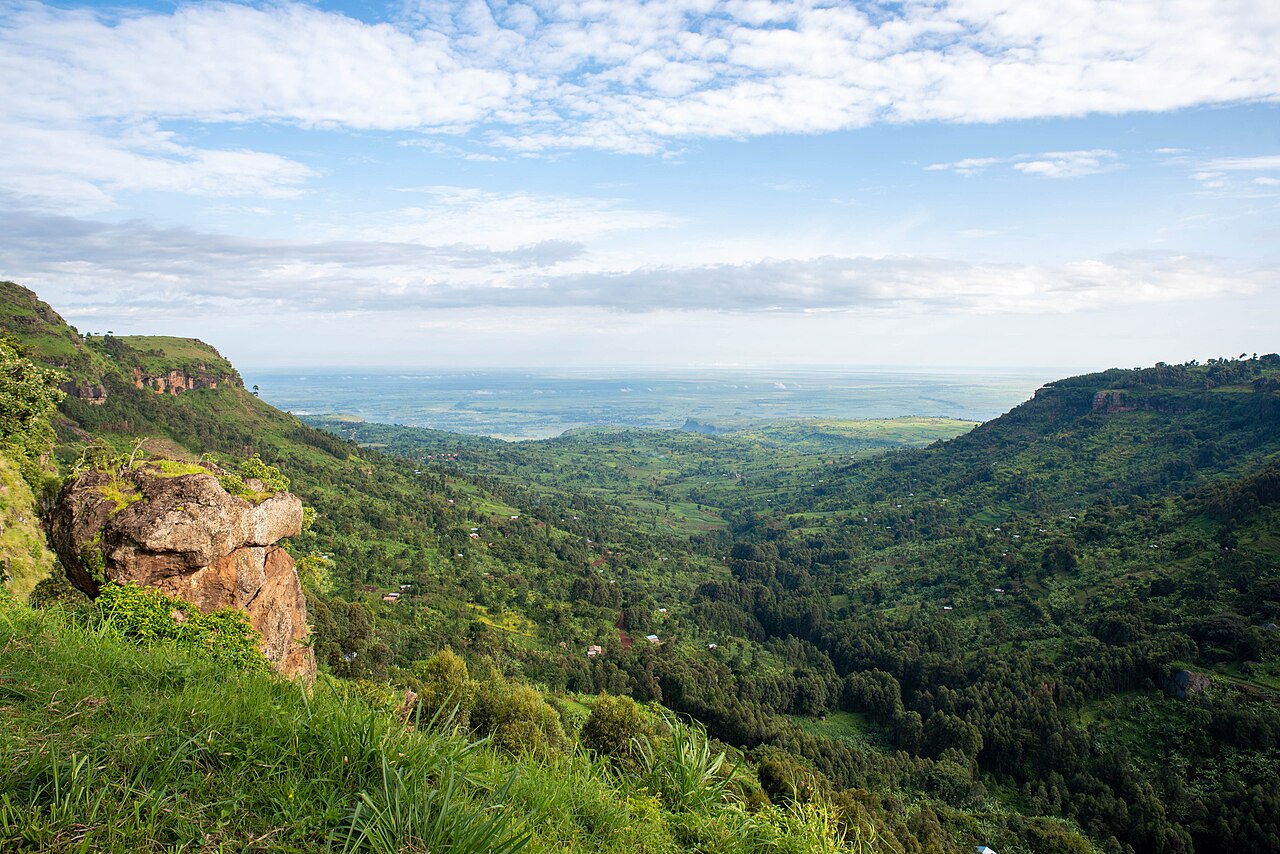
The Karamojong homeland is the dry, hot region of Karamoja in the northeast of Uganda, a land of open plains, scattered hills and mountains such as Moroto, with low and unreliable rainfall. Much of the country is semi-arid savanna, better suited to grazing than to farming, and drought is a recurring danger.
This harsh environment shaped the pastoral life of the Karamojong, who move their herds across the plains in search of pasture and water, especially in the dry season. Bordering Kenya and South Sudan, Karamoja lies at the meeting point of several pastoral peoples, and its grazing lands have long been both a resource and a cause of conflict.
The Old Way of Life

The Karamojong are agropastoralists whose lives revolve above all around cattle, along with goats, sheep and, in the driest areas, camels. Cattle are the measure of wealth and status, essential to marriage through the payment of bridewealth, and central to identity, ritual and the whole social order. Milk, blood and meat from the herds form the heart of the diet.
Around their permanent homesteads the Karamojong also cultivate sorghum and other hardy crops when the rains allow, but farming is secondary to herding. In the dry season the young men drive the cattle to distant pastures in mobile camps, while the women, children and elders remain in the settlements, a pattern that structures the whole year.
Society and Community

Karamojong society is ordered by an elaborate system of age-sets and generation-sets, through which men pass in succession, moving from the status of warrior to that of elder and taking on new responsibilities and ritual roles at each stage. The elders, who control ritual and the blessing of the community, hold ultimate authority.
There is no centralised chiefship; instead, decisions are reached in the assemblies of the men, and the generation-set system binds the whole people across their territorial sections. The young warriors defend the herds and the community and carry out the cattle raids that have long been part of pastoral life, while the elders guide and restrain them through their control of ritual and blessing.
Religion and Belief

Traditional Karamojong religion centres on a supreme god, Akuj, associated with the sky and the giver of rain, cattle and life, to whom prayer and sacrifice are directed, especially in times of drought. The elders, through their control of ritual and their power to bless and curse, mediate between the people and this divine power.
Sacrifices of cattle, performed at sacred sites and in the great ceremonies of the generation-sets, seek the favour of Akuj and the ancestors for rain, fertility and success. Diviners and seers interpret signs and foretell events. Christianity has made some inroads, but the old faith in Akuj and the ritual authority of the elders remain powerful in Karamoja.
Traditions
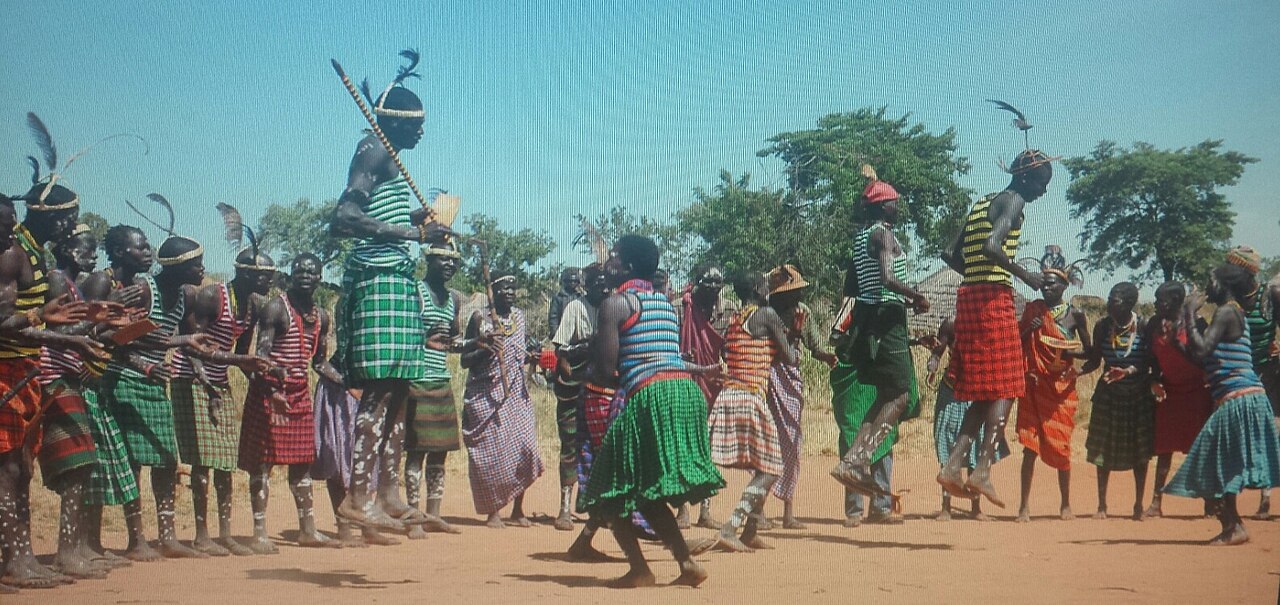
The traditions of the Karamojong are those of a proud pastoral people. Cattle stand at the centre of custom, celebrated in praise-songs and personal names, and the great ceremonies of the generation-sets, in which young men are initiated into new grades, are the high points of ritual life. Marriage, sealed by large payments of cattle, binds families and expresses the value of the herd.
Personal adornment is important, with distinctive dress, beadwork and, in the past, elaborate hairstyles and body decoration marking age and status. Song and dance, including vigorous leaping dances performed by the young, accompany celebration and courtship, and the oral traditions of the people preserve their history and values.
Crafts

Karamojong material culture is spare and practical, suited to a mobile pastoral life. Women make and decorate the calabash gourds and containers used for milk and food, work hides into clothing and bedding, and craft the beadwork and ornaments worn by both men and women. Men fashion the wooden stools and headrests, spears and the equipment of the herding camp.
Ironworking, often obtained through trade, supplied spears and tools, and the building of the fenced homesteads, or manyattas, and their thorn enclosures called for communal effort. Owning little that cannot be carried or easily rebuilt, the Karamojong embody a material culture shaped by the demands of the herd and the plain.
Food

The diet of the Karamojong is drawn largely from their herds: milk above all, drunk fresh or soured, together with blood drawn from living cattle and meat eaten especially at ceremonies. This pastoral fare is supplemented in season by sorghum and other crops grown around the homesteads, and by wild foods gathered from the bush.
Sorghum is ground and cooked into porridge or brewed into beer, and mixtures of milk and blood provide strength in the lean dry season. Meat is shared according to custom at sacrifices and celebrations. Lean and resourceful, the cuisine of the Karamojong reflects a people who draw their living chiefly from cattle in a hard and uncertain land.
Festivals

Festive life among the Karamojong revolves around the great ceremonies of the generation-sets, the sacrifices and blessings led by the elders, and the celebrations of marriage and initiation. These occasions gather the community for feasting on slaughtered cattle, for ritual and for days of dancing and song.
The vigorous leaping dances of the young men and women, performed at courtship and celebration, are a striking feature of Karamojong festivity, as is the display of fine dress and adornment. Bound up with cattle, rain and the passage of the generations, the festivals of the Karamojong express the values of a proud and enduring pastoral society.
History

The Karamojong long remained among the most independent and least governed peoples of the region, their remote and difficult country keeping outsiders at bay. They came under British administration only loosely in the colonial period, and Karamoja was largely neglected and treated as a closed and backward district, its pastoral life little changed.
Through the colonial era and into independent Uganda, the region remained marginal, and cycles of drought, cattle raiding and, in recent decades, the spread of firearms brought violence and insecurity. Government campaigns to disarm the warriors and to settle the people have met resistance, and the Karamojong have clung, through great hardship, to their cattle-centred way of life.
Today

Today the Karamojong number several hundred thousand and remain, for the most part, a pastoral people, herding cattle across the plains of Karamoja much as their ancestors did. Drought, poverty, insecurity and the pressures of disarmament and development have brought great challenges, and Karamoja has long been among the poorest regions of Uganda.
At the same time roads, schools, markets and new opportunities are slowly reaching the region, and some Karamojong are moving into farming, trade and town life. Fiercely attached to their cattle and their traditions, yet facing a changing world, the Karamojong carry a proud pastoral heritage into an uncertain future.
Related Peoples of the Region
- The Sukuma, Tanzania’s Largest People and Their Dancing Societies
- The Sukuma, Tanzania’s Largest People and Their Dancing Societies
- The Nyamwezi, the Caravan Traders of Central Tanzania
- The Makonde, the Blackwood Sculptors of the Ruvuma
- The Hadza, the Last Hunter-Gatherers of Lake Eyasi
- The Iraqw, the Cushitic Highlanders of Northern Tanzania
- The Banyankole, the Cattle Kingdom of Ankole
- The Acholi, the Luo People of Northern Uganda
More Peoples of the World
- A Fifth of Humanity, the Story of the Han Chinese
- How the Maori Sailed Across the Pacific to Reach New Zealand
- Zulu of the Green Hills and Their Kingdom Forged by Shaka
- The People Who Never Vanished, the Story of the Maya
- Long Before the Arabs Came, North Africa Belonged to the Amazigh
- The People Who Emerged Into This World, the Story of the Navajo
- Meet the Ainu, an Indigenous People at Japan’s Northern Edge
You May Like
The Damara, an Ancient People of Namibia