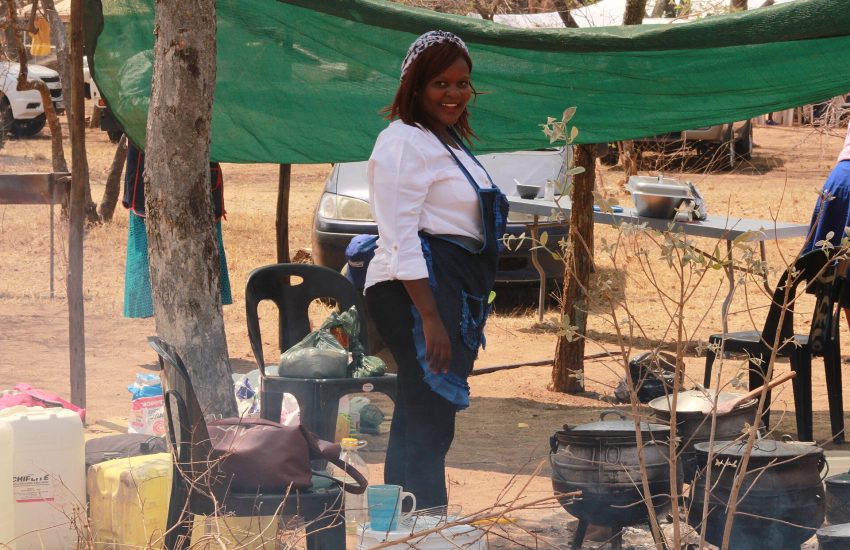
The Sukuma are the largest ethnic group in Tanzania, a Bantu-speaking people of several million who live in the fertile plains south and east of Lake Victoria. Their name means the people of the north, and as agropastoralists they combine the growing of grain and cotton with the keeping of great herds of cattle across the broad plains of the northwest.Famous throughout Tanzania for their spectacular dance societies and their daring performances, including the celebrated snake dance in which live pythons are handled, the Sukuma turn celebration into spirited competition between rival associations. This article traces their origins, language, homeland, farming life and the customs that continue to define them.
The Sukuma on Film
Contents
- Origins
- The Name
- The Language
- The Homeland
- The Old Way of Life
- Society and Community
- Religion and Belief
- Traditions
- Crafts
- Food
- Festivals
- History
- Today
Origins
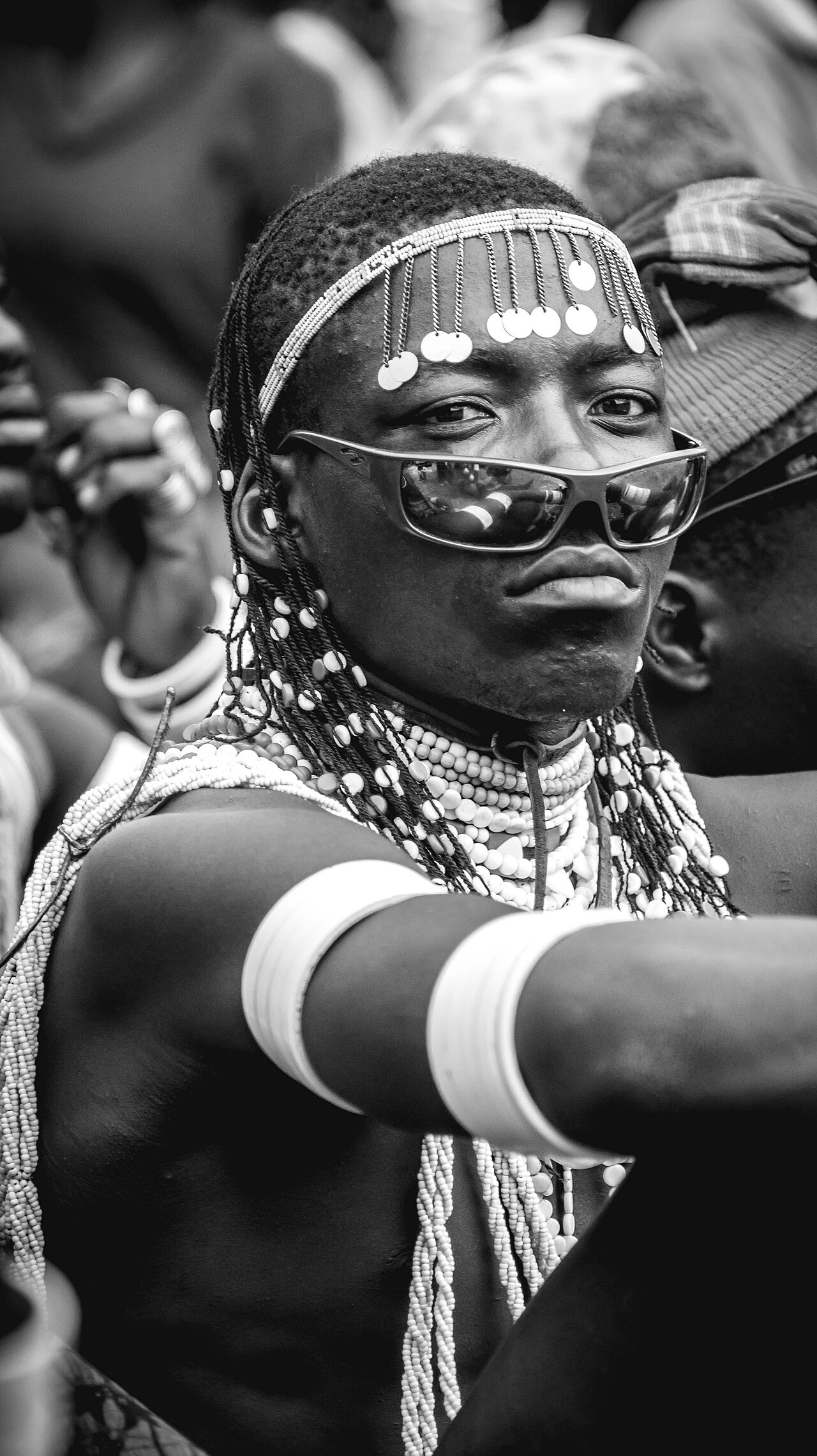
The Sukuma are the largest ethnic group in Tanzania, a Bantu-speaking people who live in the fertile plains south and east of Lake Victoria in the northwest of the country. Their name means, in effect, the people of the north, and their traditions describe a gradual coming together of many small groups and clans into the great population that today numbers in the millions.
Spread across the regions of Mwanza, Shinyanga and their neighbours, the Sukuma developed as agropastoralists, combining the cultivation of grain and cotton with the keeping of large herds of cattle. Their sheer numbers and the productivity of their land have made them a central presence in the life of modern Tanzania.
The Name

The people call themselves the Wasukuma, a single person being a Msukuma and the language Kisukuma. The name derives from a word meaning north, distinguishing them from the related Nyamwezi to their south, with whom they share close linguistic and cultural ties.
Though made up of many clans and once divided among numerous small chiefdoms, the Sukuma are united by a common language and a shared way of life on the plains. Today the name Sukuma stands for the largest single community in Tanzania, and Sukumaland for the broad region they inhabit.
The Language

The Sukuma speak Kisukuma, a Bantu language closely related to Kinyamwezi, and by virtue of the size of the population it is among the most widely spoken languages in Tanzania. It remains vigorous in daily life throughout the northwestern plains, in homes, markets and local affairs.
Swahili, the national language, serves for education and communication across ethnic lines, but Kisukuma continues to carry the songs, proverbs and oral traditions of the people, including the rich repertoire of the famous dance societies. The language is a living link to a heritage of farming, cattle and celebration.
The Homeland

The Sukuma homeland is the broad, gently rolling plain south of Lake Victoria, a country of open grassland, scattered granite outcrops and cultivated fields. The land is well suited to grain and, above all, to cotton, and the plains provide grazing for the great herds of cattle that are central to Sukuma wealth.
The nearness of Lake Victoria, Africa’s largest lake, adds fishing and trade to the resources of the region, and the city of Mwanza on its shore has grown into a major centre. It is a productive and populous land, and generations of Sukuma farmers and herders have shaped its fields and pastures.
The Old Way of Life

The Sukuma have long lived as agropastoralists, tilling the soil for sorghum, millet, maize and, increasingly, cotton, while keeping large herds of cattle, goats and sheep. Cattle are the measure of wealth and status, essential to marriage and ritual, and the possession of many animals is a mark of standing and security.
From the colonial period cotton became the great cash crop of the plains, tying the Sukuma firmly into the wider economy and making their region one of the main producers in the country. The combination of grain farming, cattle-keeping and cotton growing has shaped a busy rural economy across the broad Sukuma plains.
Society and Community
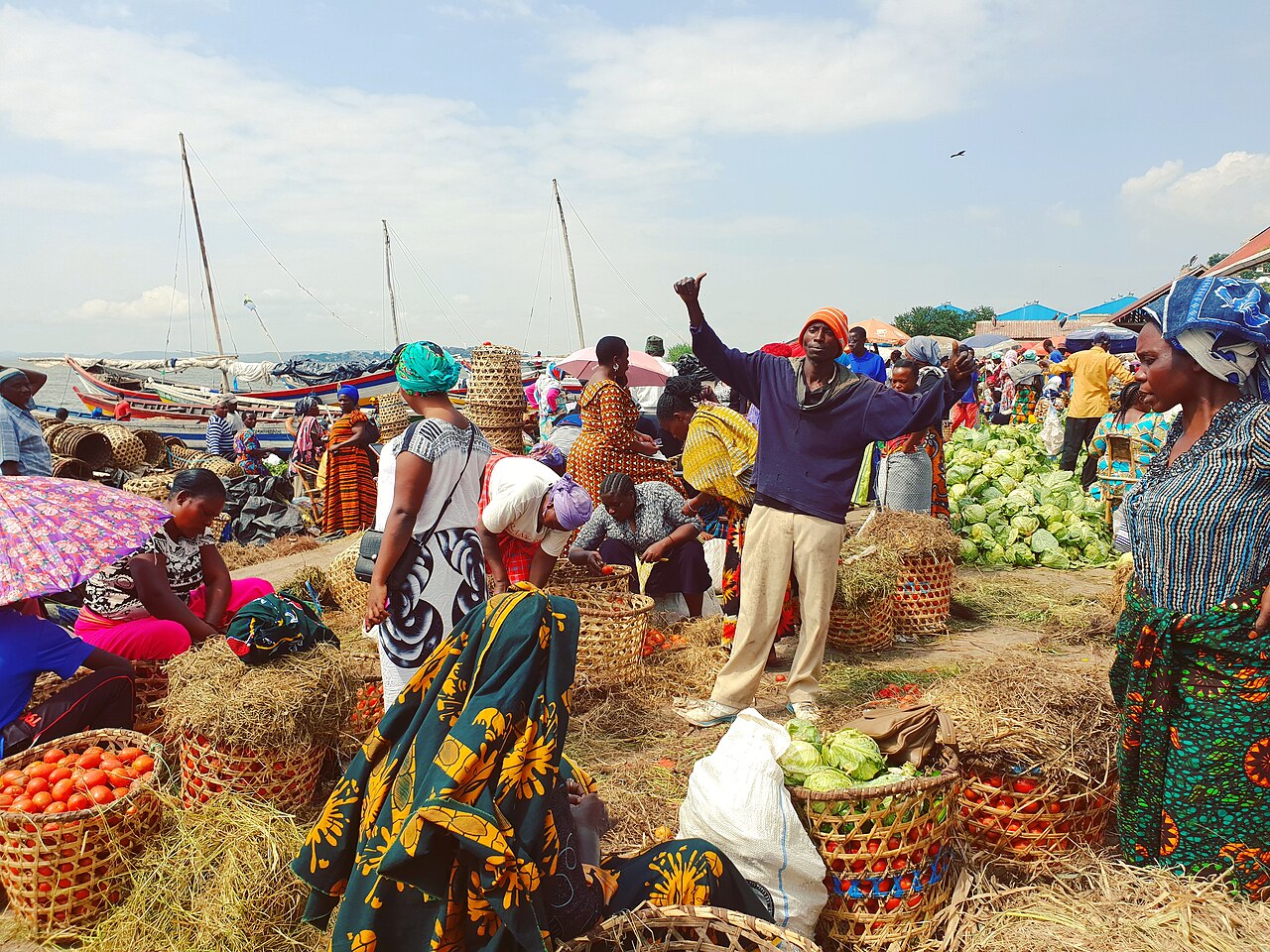
Sukuma society was traditionally organised into many small chiefdoms, each headed by a chief known as the Ntemi, who ruled with the aid of councillors and ritual officials and whose office combined political and religious authority. Below the chiefs, society rested on clans and lineages and on the ties of kinship and neighbourhood among the scattered farming homesteads.
Age and the bonds of cooperation ordered daily life, and voluntary associations, including the celebrated dance societies, gave the Sukuma a strong tradition of communal organisation. Marriage, sealed by the transfer of cattle as bridewealth, linked families and clans, and the elders held authority in the settlement of disputes and the keeping of custom.
Religion and Belief

Traditional Sukuma religion recognised a supreme being, associated with the sky and the source of life, but daily religious concern centred above all on the ancestors, whose spirits were believed to watch over the living and to require honour and remembrance. Offerings, prayer and ritual maintained good relations with these ancestral powers.
Diviners and healers interpreted misfortune and prescribed remedies, and beliefs about medicine, protection and witchcraft were strong. The famous Sukuma dance societies themselves had roots in this world of ritual power and competition. Christianity and Islam have since spread widely, but older beliefs about ancestors and unseen forces remain part of the fabric of life.
Traditions

The Sukuma are renowned throughout Tanzania for their spectacular dance traditions, organised around rival dance societies, above all the two great associations known as the Bagalu and the Bagika, whose members compete fiercely to attract audiences with ever more daring and inventive performances. These contests are the pride of Sukuma cultural life.
Among the most famous is the snake dance, in which performers handle live pythons, and the porcupine and other dances that draw great crowds. Rich in drumming, song and display, and passed down through the initiated membership of the societies, these dances are a living heritage that has made the Sukuma celebrated far beyond their homeland.
Crafts
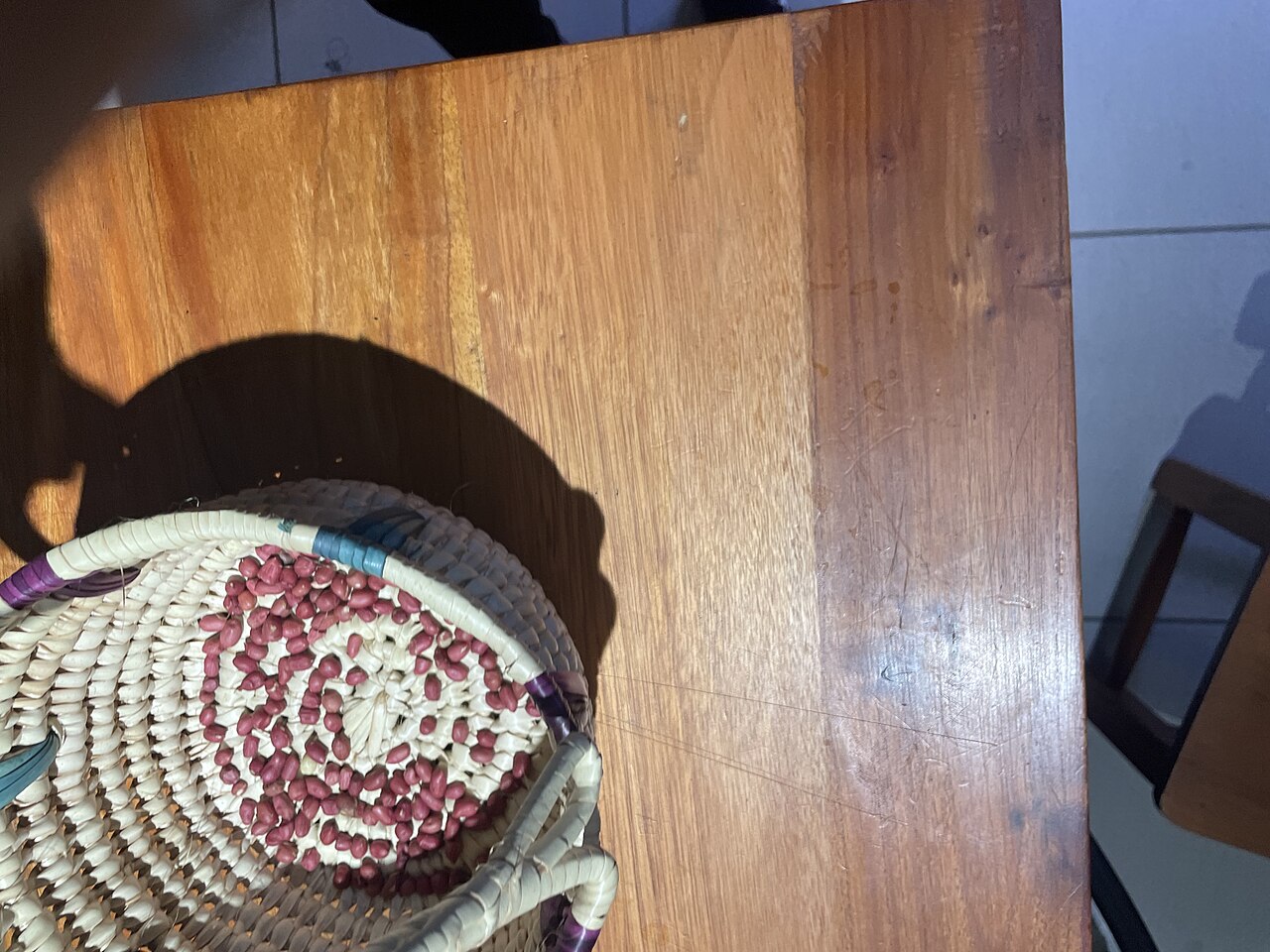
Sukuma craftsmanship served a busy farming and herding society. Households made baskets, mats and pottery, and worked iron into the hoes, knives and spears needed for cultivation, defence and trade. Drums and other instruments were fashioned for the all-important dances, and their making was itself a valued skill.
Wood was carved into stools, vessels and the fittings of the homestead, and leather worked for straps and containers. As in much of the region, older handmade goods now stand alongside manufactured wares, but the practical crafts of the plains, above all the making of drums and dance regalia, retain their place in Sukuma life.
Food

The staple food of the Sukuma is ugali, a stiff porridge made from maize, sorghum or millet flour, eaten with vegetables, meat, fish or sour milk. Leafy greens, including the mucilaginous relish known as mlenda, together with beans and other pulses, accompany the daily meal.
Milk and meat from the herds, and fish from Lake Victoria for those near its shores, add variety and richness to the diet. Filling and drawn from the produce of the plains and the lake, Sukuma cooking reflects a farming and herding people, and the sharing of food is central to hospitality and ceremony.
Festivals

Festive life among the Sukuma is dominated by the great dance festivals and the rivalry of the dance societies, which draw huge crowds and turn celebration into spirited competition. Harvests, weddings and the ceremonies of the life cycle are all occasions for music, dance and feasting on the broad plains.
The annual gatherings at Bujora and elsewhere, where the traditions of the Sukuma are displayed and celebrated, have become important cultural events, preserving and showcasing the dances, drumming and regalia of the people. Whatever the occasion, it is the drum and the dance that give Sukuma festivity its unmistakable energy.
History

Before colonial times the Sukuma lived in a patchwork of small chiefdoms under their Ntemi rulers, trading with the caravans that crossed the plains and taking part in the busy commerce of the Lake Victoria region. Their numbers and the productivity of their land made Sukumaland an important area long before European rule.
Under German and then British administration the plains were turned increasingly to cotton, and the Sukuma organised cooperatives to market the crop. Drawn into the economy and politics of colonial and independent Tanzania, and favoured by their sheer numbers, the Sukuma became a major force in the life of the young nation after independence in 1961.
Today

Today the Sukuma are the most numerous people in Tanzania, several million strong and prominent in farming, business and public life across the country. Their homeland south of Lake Victoria remains a major producer of cotton, grain and cattle, and the city of Mwanza has grown into one of the largest and busiest in the nation.
The famous Sukuma dance societies continue to compete and perform, and the cultural centre at Bujora preserves and celebrates the heritage of the people. Combining a strong farming and herding tradition with a vibrant cultural life, the Sukuma carry their numbers, their cattle and their celebrated dances into modern Tanzanian society.
Related Peoples of the Region
- The Nuer, the Free Cattle-Keepers of the Nile
- The Kalenjin, the Running People of the Rift Valley
- The Kamba, the Traders and Carvers of Ukambani
- The Luhya, the Drummers and Farmers of Western Kenya
- The Gusii, the Soapstone Carvers of the Kenyan Highlands
- The Turkana, the Herders of the Jade Sea
- The Samburu, the Butterfly People of Northern Kenya
- The Chagga, the Coffee Farmers of Kilimanjaro
More Peoples of the World
- A Fifth of Humanity, the Story of the Han Chinese
- How the Maori Sailed Across the Pacific to Reach New Zealand
- Zulu of the Green Hills and Their Kingdom Forged by Shaka
- The People Who Never Vanished, the Story of the Maya
- Long Before the Arabs Came, North Africa Belonged to the Amazigh
- The People Who Emerged Into This World, the Story of the Navajo
- Meet the Ainu, an Indigenous People at Japan’s Northern Edge
You May Like
The Damara, an Ancient People of Namibia