The Chagga, or Wachagga, are a Bantu-speaking people who live on the fertile slopes of Mount Kilimanjaro in northern Tanzania. Numbering around two million, they are one of the largest and most prosperous communities in the country, long famous for the intensive banana and coffee gardens with which they clothe the flanks of Africa’s highest mountain.Organised in the past into many small mountain chiefdoms and shielded by an ingenious system of irrigation furrows and underground refuges, the Chagga became skilled farmers, traders and, in the colonial era, pioneers of the cooperative movement and mission education. This article traces their origins, language, homeland, farming life and the customs that continue to define them.
The Chagga on Film
Contents
- Origins
- The Name
- The Language
- The Homeland
- The Old Way of Life
- Society and Community
- Religion and Belief
- Traditions
- Crafts
- Food
- Festivals
- History
- Today
Origins

The Chagga, or Wachagga, are a Bantu-speaking people who live on the fertile southern and eastern slopes of Mount Kilimanjaro in northern Tanzania. Their ancestors settled the mountain over several centuries, coming from various directions and absorbing earlier inhabitants, so that Chagga society grew up as a patchwork of clans and small chiefdoms scattered along the ridges and valleys.
The rich volcanic soils, cool climate and abundant water of Kilimanjaro allowed a dense and prosperous population to develop. Sheltered by the mountain yet exposed to raiders from the plains below, the Chagga became skilled farmers and shrewd traders, and today they are one of the largest and most prosperous peoples in Tanzania.
The Name

The people call themselves the Wachagga, a single person being a Mchagga and the language Kichagga, following the regular Bantu pattern of prefixes. The name is variously spelled Chaga, Chagga or Jagga in older writings, but it refers throughout to the peoples of the Kilimanjaro slopes.
They were never a single unified tribe in the past but a collection of chiefdoms speaking related dialects, who came to see themselves as one people partly through their shared mountain home and partly through the experiences of the colonial and modern eras. The name Chagga now stands for this whole mountain community.
The Language
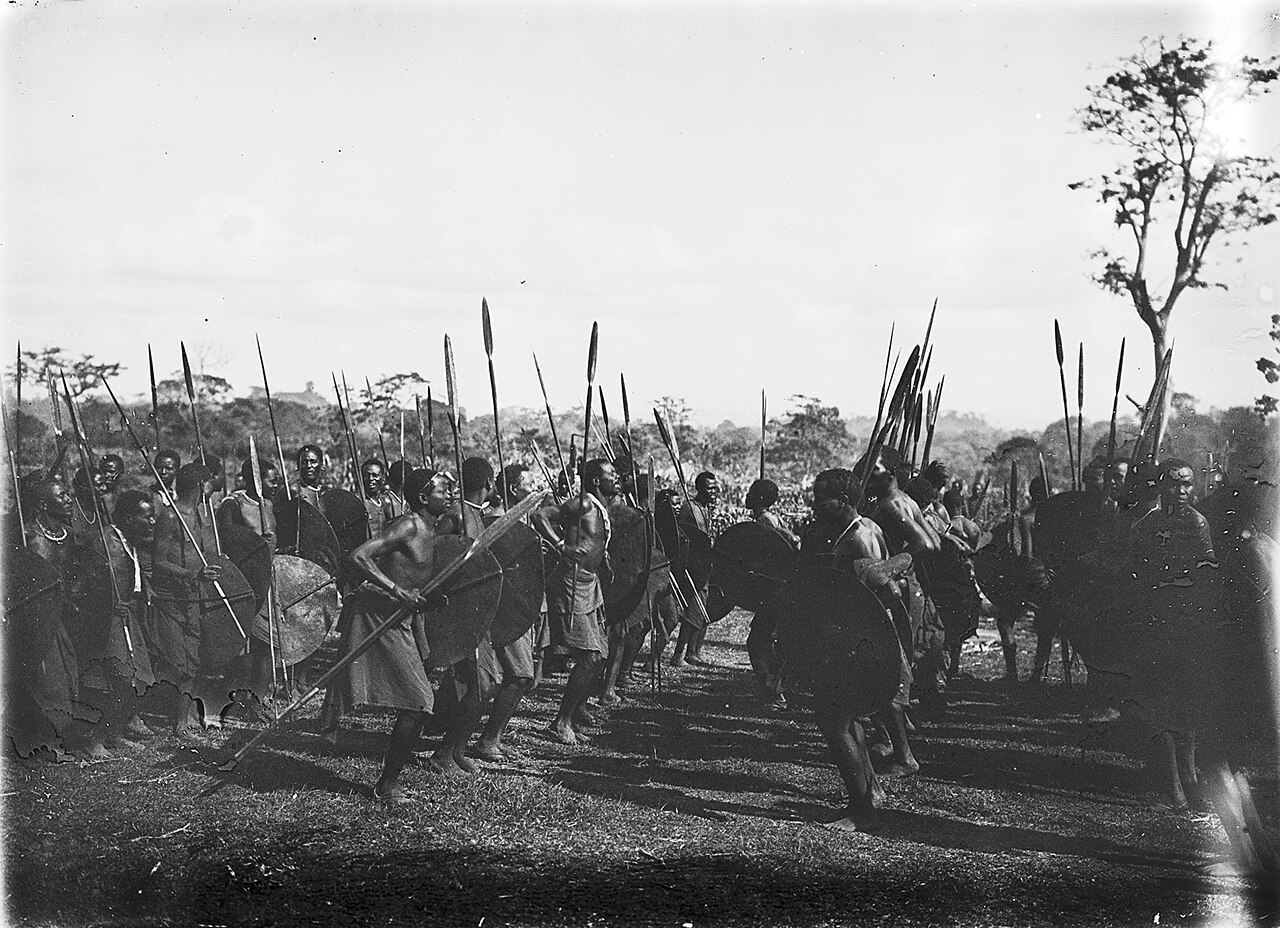
The Chagga speak Kichagga, a Bantu language made up of several dialects that vary from one part of the mountain to another, so that people from opposite slopes may find one another difficult to understand. This dialect diversity reflects the old division of the Chagga into many separate chiefdoms.
Kichagga remains widely spoken in homes and local life, though Swahili, the national language of Tanzania, is used for wider communication and education. The language carries a rich store of proverbs, songs and oral history tied to the farming and social life of the mountain.
The Homeland

The Chagga homeland is the mountain of Kilimanjaro itself, the highest in Africa, whose forested lower slopes and well-watered ridges form one of the most fertile and densely settled regions of Tanzania. Streams fed by the mountain’s rains and glaciers water the gardens, and the cool highland climate contrasts sharply with the hot plains below.
Here the Chagga developed an intricate system of irrigation furrows, or mifongo, channelling water across the slopes to their plots. The land is intensively cultivated in a distinctive pattern of home gardens, and every ridge and valley bears the marks of generations of careful husbandry on the flanks of the great mountain.
The Old Way of Life

Chagga life has long centred on the kihamba, the multi-storeyed home garden in which bananas, coffee, beans and vegetables grow together beneath a canopy of trees, with livestock kept in stalls and fed on fodder cut from the plots. This agroforestry system, watered by the mountain furrows, is one of the most productive and sustainable forms of farming in Africa.
Bananas provided the staple food and the raw material for beer, while cattle, kept in the stall rather than herded on open pasture, supplied milk and manure to enrich the gardens. From the colonial period coffee became a major cash crop, and the combination of bananas, cattle and coffee made the Chagga prosperous and tied them early to the wider economy.
Society and Community

Traditional Chagga society was organised into many small chiefdoms, each ruled by a chief known as the Mangi, whose court, councillors and warriors governed a stretch of the mountain. Rivalry and warfare between these chiefdoms, and against Maasai raiders from the plains, shaped much of Chagga history, and the people built underground tunnels and caves in which to shelter during attacks.
Below the chiefs, society was ordered by clan and lineage, with land held and passed down through the male line, and by age-grades that marked the passage of men from youth to elderhood. The dense settlement of the mountain fostered close-knit communities in which kinship, neighbourhood and cooperation in farming bound people together.
Religion and Belief

Traditional Chagga religion recognised a supreme god, Ruwa, associated with the sun, the creator and the source of blessing and justice, to whom prayer and sacrifice were offered in times of need. Alongside this high god, the spirits of the ancestors were honoured and consulted, for they were believed to watch over the living and to influence health, fertility and fortune.
Sacred sites, ritual specialists and elaborate ceremonies accompanied birth, initiation, marriage and death. From the mid-nineteenth century Christian missions established themselves early and firmly on Kilimanjaro, and the Chagga became one of the most thoroughly Christian peoples of Tanzania, though older beliefs about ancestors and blessing persist.
Traditions

The Chagga are known for their industrious and orderly traditions, expressed in the careful management of land and water, the ceremonies of the life cycle and a strong ethic of enterprise and education. Rites of passage, especially initiation and marriage, were marked by instruction, feasting and the giving of gifts, binding the young into the customs of the community.
Music and dance accompanied festivals, weddings and the events of chiefly courts, with drumming, song and the display of finery. The Chagga also carried a rich tradition of oral literature, proverbs and storytelling, through which the values, history and practical wisdom of the mountain people were passed down the generations.
Crafts

Chagga craftsmanship served a settled and prosperous farming society. Ironworkers forged the hoes, knives and spears needed for cultivation and defence, and their skill made iron goods an important item of local trade. Households wove baskets and mats, made pottery, and fashioned the wooden vessels, stools and utensils of daily life.
The building of houses, granaries and cattle stalls, and above all the construction and maintenance of the elaborate irrigation furrows, called for considerable engineering skill. These practical crafts, tied to the demands of intensive mountain agriculture, reflect a people long admired for their industry and ingenuity.
Food
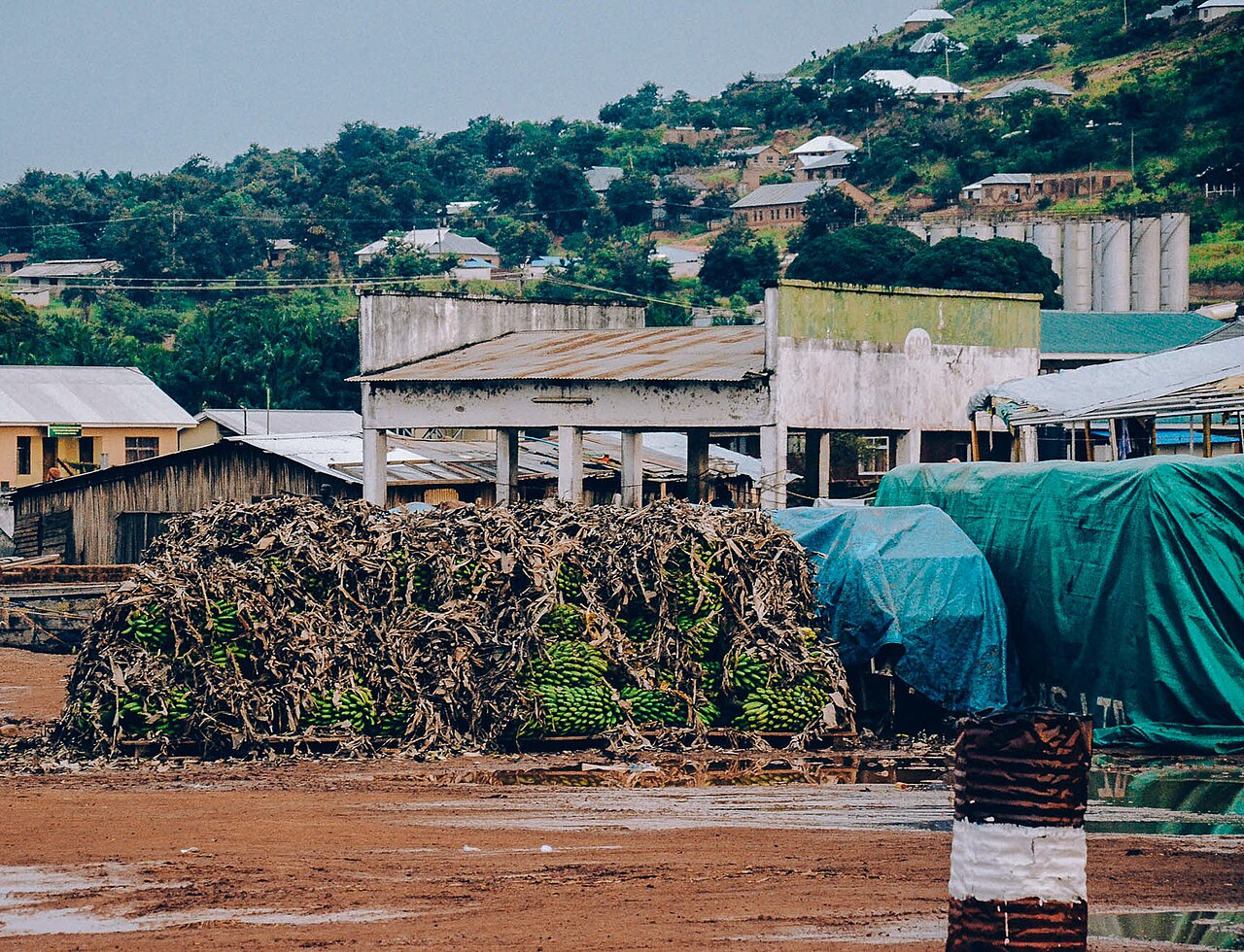
The staple food of the Chagga is the banana, grown in many varieties and prepared in countless ways: boiled, roasted, or cooked into hearty stews with meat and beans, such as the celebrated dish of banana and beef. Bananas also provide the base for mbege, the traditional beer brewed from bananas and millet that is central to Chagga hospitality and ceremony.
Milk and meat from stall-fed cattle, together with beans, maize and vegetables from the home gardens, round out a rich and varied diet. The abundance of the mountain gardens has given the Chagga a reputation for good living, and the sharing of food and mbege remains an important expression of community and welcome.
Festivals

Festive life among the Chagga was tied to the events of the farming year, the ceremonies of the chiefdoms and the milestones of the life cycle. Initiations, weddings and the installation of chiefs were occasions for large gatherings, feasting, the drinking of mbege and days of music and dance.
Song, drumming and dance gave these celebrations their spirit, and the display of fine dress and the exchange of gifts marked the bonds of kinship and neighbourhood. Today Christian festivals, national holidays and cultural events join the older celebrations, but music, dance and the sharing of banana beer remain at the heart of Chagga festivity.
History
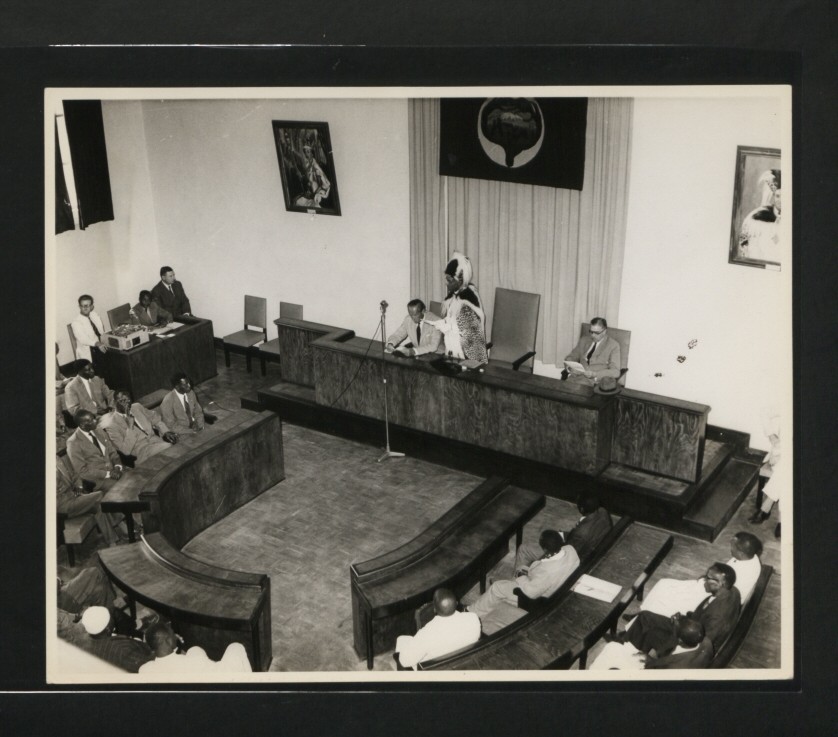
In the nineteenth century the chiefdoms of Kilimanjaro were powerful and prosperous, trading ivory and provisions with the caravans that passed below and contending with one another and with the Maasai. Ambitious chiefs such as Rindi of Moshi and Sina of Kibosho built strong states, and later Chief Marealle of Marangu became a noted figure in the politics of the mountain.
Under German and then British colonial rule Kilimanjaro was drawn firmly into the coffee economy, and the Chagga organised one of Africa’s earliest and most successful farmers’ cooperatives to market their crop. Early access to mission education gave the Chagga a prominent place in the professions and politics of colonial and independent Tanzania.
Today
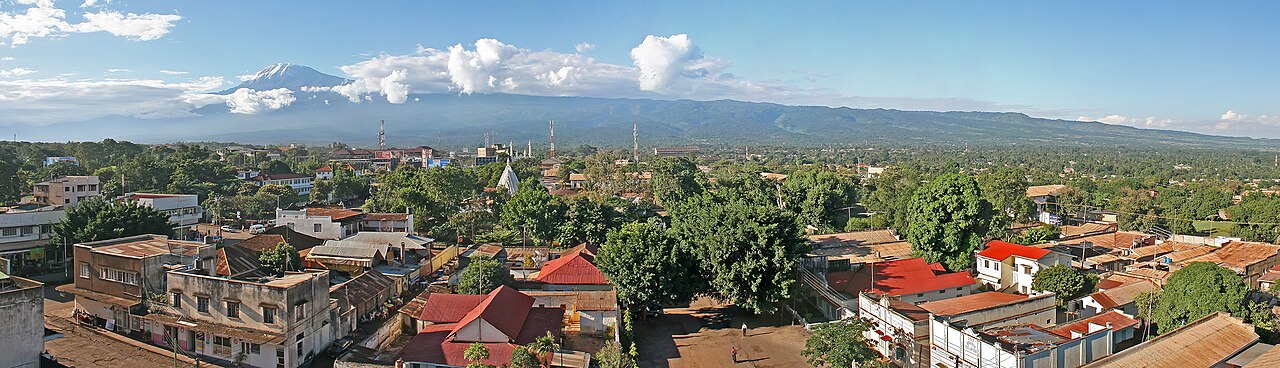
Today the Chagga are one of the largest and most prosperous peoples in Tanzania, numbering around two million and strongly represented in business, the professions, education and public life across the country. Their mountain homeland remains intensively farmed, producing bananas, coffee and vegetables from the celebrated home gardens, though population pressure and the fortunes of the coffee market bring their challenges.
Kilimanjaro also draws climbers and tourists from around the world, and many Chagga work in the trade and services that this brings. Combining a deep attachment to their mountain and its traditions with a strong record of enterprise and learning, the Chagga carry their distinctive heritage confidently into modern Tanzanian life.
Related Peoples of the Region
- The Dinka, Cattle-Keepers of the Nile
- The Nuer, the Free Cattle-Keepers of the Nile
- The Kalenjin, the Running People of the Rift Valley
- The Kamba, the Traders and Carvers of Ukambani
- The Luhya, the Drummers and Farmers of Western Kenya
- The Gusii, the Soapstone Carvers of the Kenyan Highlands
- The Turkana, the Herders of the Jade Sea
- The Samburu, the Butterfly People of Northern Kenya
More Peoples of the World
- A Fifth of Humanity, the Story of the Han Chinese
- How the Maori Sailed Across the Pacific to Reach New Zealand
- Zulu of the Green Hills and Their Kingdom Forged by Shaka
- The People Who Never Vanished, the Story of the Maya
- Long Before the Arabs Came, North Africa Belonged to the Amazigh
- The People Who Emerged Into This World, the Story of the Navajo
- Meet the Ainu, an Indigenous People at Japan’s Northern Edge
You May Like

The Sidama, the Ensete Farmers of Southern Ethiopia


